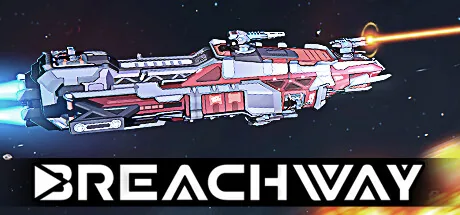
Game review
Breachway
6 / 10
- Developer
- Edgeflow Studio
- Publisher
- Hooded Horse
- Released
- 26 September 2024
- Platforms
- Windows
- Genre
- Roguelike Deckbuilder, Sci-Fi, Strategy
- Monetisation
- One-time purchase, no DLC, no in-app purchases
- Players
- Single-player only
The short version
Breachway sends a ship and its crew through a hostile sector, fighting turn-based battles with a deckbuilder's card system while managing heat, power and equipment between fights. Made by Edgeflow Studio and published by Hooded Horse, it entered Early Access on 26 September 2024 and remains there nearly two years later, sitting at Mostly Positive across a substantial 1,480 English-language reviews. This review reads the top of both the negative and positive samples in full: a genuinely well-loved concept — FTL's exploration structure, Slay the Spire's combat, Into the Breach's crew tactics — undercut by RNG that a real share of deeply invested players describe as actively punishing, and real technical bugs, set against a currently very active development push with a stated roadmap to full release.
Biggest strengths
- A genuinely novel combination within the roguelike deckbuilder space, blending FTL's exploration and ship management with Slay the Spire-style card combat and Into the Breach-style crew tactics, praised specifically by name across multiple reviewers
- Development has been consistently active since launch, with numbered patches now in the thirties and a newly restructured update cadence — weekly, telemetry-driven balance patches alongside larger named feature updates — announced in a July 2026 roadmap post
- The game's thematic integration of cards with ship systems draws specific praise, and several reviewers who initially disliked it credit the developers' rapid early patching for changing their mind
Biggest weaknesses
- A real, detailed and highly-invested criticism runs through the negative sample: the game is described as actively punishing rather than merely challenging, with builds getting "countered" by enemy encounters and progress feeling "railroaded"; the single most-upvoted negative review, from a player with over 210 hours logged across a year, states plainly it "just doesn't feel like it's coming together"
- Multiple reviewers report the early sectors requiring dozens or hundreds of repeated runs to progress, which several describe as grinding rather than genuine roguelike replayability
- At least one detailed review reports game-breaking bugs requiring a full local-data reset — clearing appdata, disabling and re-enabling Steam Cloud — to recover a corrupted save
Who it's for: Fans of FTL, Slay the Spire and deckbuilder roguelikes who are comfortable buying into an Early Access game with real rough edges in exchange for watching (and shaping) its development; players who want a finished, tuned experience should wait for 1.0.
Our recommendation: A genuinely distinctive genre mashup still finding its footing in Early Access, worth watching closely given the developer's newly announced roadmap to launch, but not yet the tightly tuned experience its best ideas deserve.
6 / 10
Introduction
Breachway is best understood by naming its influences, and its own fans do exactly that: FTL's sector-by-sector exploration and ship management, Slay the Spire's card-based combat, and Into the Breach's small, tactical crew. Made by Edgeflow Studio and published by Hooded Horse, it entered Early Access on 26 September 2024 and remains there today, nearly two years later, with a development roadmap toward 1.0 only just announced this July. It sits at Mostly Positive across 1,480 English-language reviews, and reading the top of both its negative and positive samples together tells the story of a genre mashup with real, specific promise that hasn't fully delivered on it yet — while genuinely active, currently accelerating development suggests that gap is narrowing rather than widening.
A distinctive mashup that lands for a real audience
The core pitch works for a lot of players. "This strikes a half decent balance" between FTL and Slay the Spire, one reviewer with over 1,000 hours logged writes, specifically praising "the thematic approach to the cards being tied to the systems." Another puts it more simply: "I don't understand the negative reviews. To me, this game is exactly what I was hoping for... The overall atmosphere of FTL, combat that feels like Slay the Spire, and crew mechanics similar to Into the Breach." A separate reviewer notes something worth taking seriously about the developer's process specifically: "I was honestly surprised to see so many negative reviews early on. The devs were lightning fast in patching the game several times within days of launch."
Punishing rather than challenging, according to its most invested critics
The clearest, most damaging criticism in this game's negative sample doesn't come from players who bounced off quickly — it comes from some of the most invested people in the entire review base. The single most-upvoted negative review is from a player with over 210 hours logged across a full year: "It's a very sad thumbs down, because I really want to like this game, but 150 hours and a year later, it just doesn't feel like it's coming together." A separate detailed review makes a specific structural argument: the game "is designed for you to lose over and over and over again... You will rarely ever be allowed to go backwards even though you desperately want to. You will be railroaded to your death, again and again." A third describes the mathematical version of the same complaint: "the game is completely unbalanced and is designed for you to replay the first sector hundreds of times to progress." That's a consistent thread across independently written reviews with real hours behind them — not people rejecting difficulty, but people describing a system that feels adversarial rather than fair.
Real bugs, and a genuinely active response
At least one detailed review describes a serious, concrete technical failure: game-breaking bugs that required clearing local appdata, disabling Steam Cloud, replaying the introduction mission, and re-enabling cloud saves just to recover a corrupted save file. That's a real, specific problem rather than a vague stability complaint, and it's consistent with an Early Access title still working through core systems.
What's worth weighing against all of the above is how active development remains, right up to the point of writing. Steam's patch history shows numbered updates now in the thirties, with multiple balance patches shipped in the single week before this review, plus a dedicated "Addressing performance issues" post as recently as 8 August 2026. More significantly, a 17 July 2026 "Roadmap to launch" post explicitly acknowledges the frustration reviewers above describe: the developers admit their previous approach — "medium-sized patches that each touched a bit of everything" — made progress hard to track, "for you and honestly for us as well," and commits to a new structure of weekly, telemetry-driven balance patches alongside larger named feature updates working toward 1.0. One negative review complaining the game had seen "2 years and no progress" was posted just eight days before that roadmap post — a reminder that Early Access snapshots age fast, in both directions.
Final Verdict
Breachway is a genuinely distinctive, well-conceived mashup of three respected roguelike traditions, and the frustration in its negative reviews comes overwhelmingly from players who want to love it rather than ones who think the idea is bad. The RNG-punishment and grind complaints are real, specific and voiced by some of the game's most dedicated players, which matters more than a drive-by critique would. Set against that is a currently very active development cycle and a newly clarified path to full release. For genre fans comfortable buying into an evolving Early Access title, it's a reasonable pick to follow now; anyone who wants the tuned, finished version of this idea should watch for 1.0 rather than judging the game by reviews written before this month's restructuring.
Pros and cons
Pros
- A genuinely novel combination within the roguelike deckbuilder space, blending FTL's exploration and ship management with Slay the Spire-style card combat and Into the Breach-style crew tactics, praised specifically by name across multiple reviewers
- Development has been consistently active since launch, with numbered patches now in the thirties and a newly restructured update cadence — weekly, telemetry-driven balance patches alongside larger named feature updates — announced in a July 2026 roadmap post
- The game's thematic integration of cards with ship systems draws specific praise, and several reviewers who initially disliked it credit the developers' rapid early patching for changing their mind
- No pay-to-win or monetisation concerns of any kind; a straightforward one-time purchase for an Early Access title
Cons
- A real, detailed and highly-invested criticism runs through the negative sample: the game is described as actively punishing rather than merely challenging, with builds getting "countered" by enemy encounters and progress feeling "railroaded"; the single most-upvoted negative review, from a player with over 210 hours logged across a year, states plainly it "just doesn't feel like it's coming together"
- Multiple reviewers report the early sectors requiring dozens or hundreds of repeated runs to progress, which several describe as grinding rather than genuine roguelike replayability
- At least one detailed review reports game-breaking bugs requiring a full local-data reset — clearing appdata, disabling and re-enabling Steam Cloud — to recover a corrupted save
- As an Early Access title without a fixed release date until the July 2026 roadmap announcement, the game's core balance has been a moving target; reviews describing it as stagnant were posted within weeks of a major restructuring of the update process, so buyers should check the current build's state rather than relying on older complaints
Screenshots
-
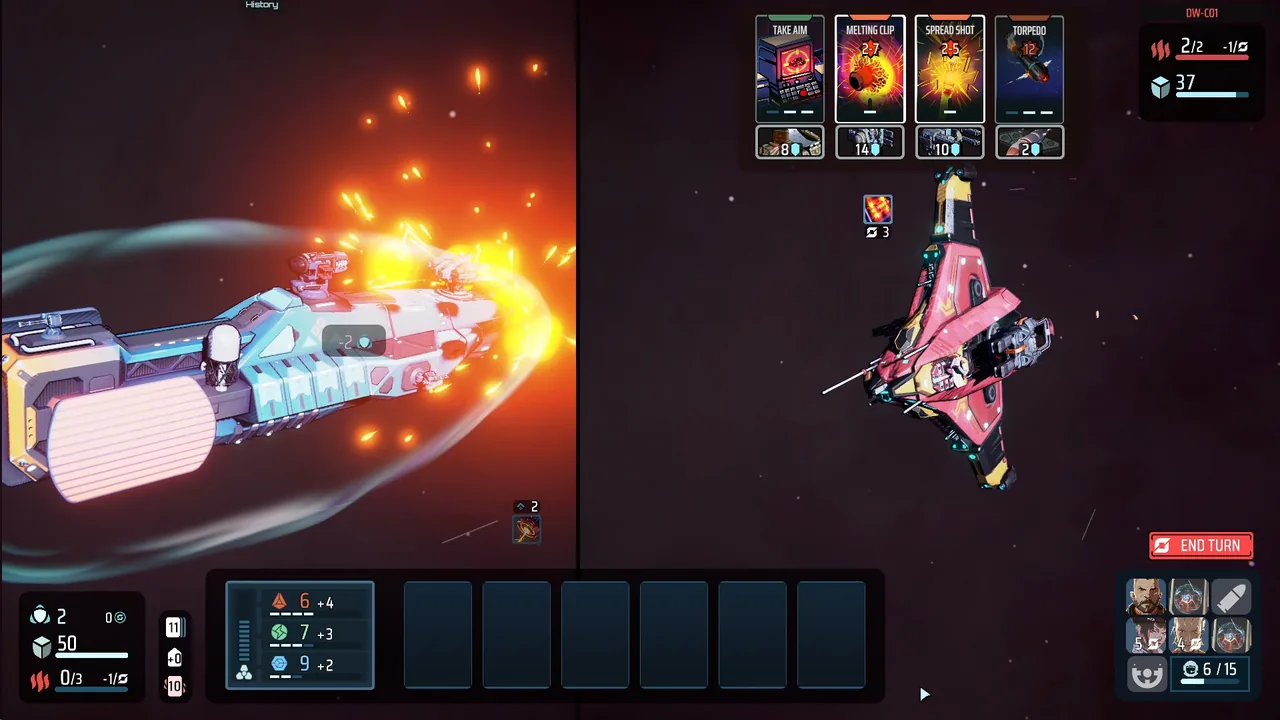
BreachwayImage: Hooded Horse via Steam -
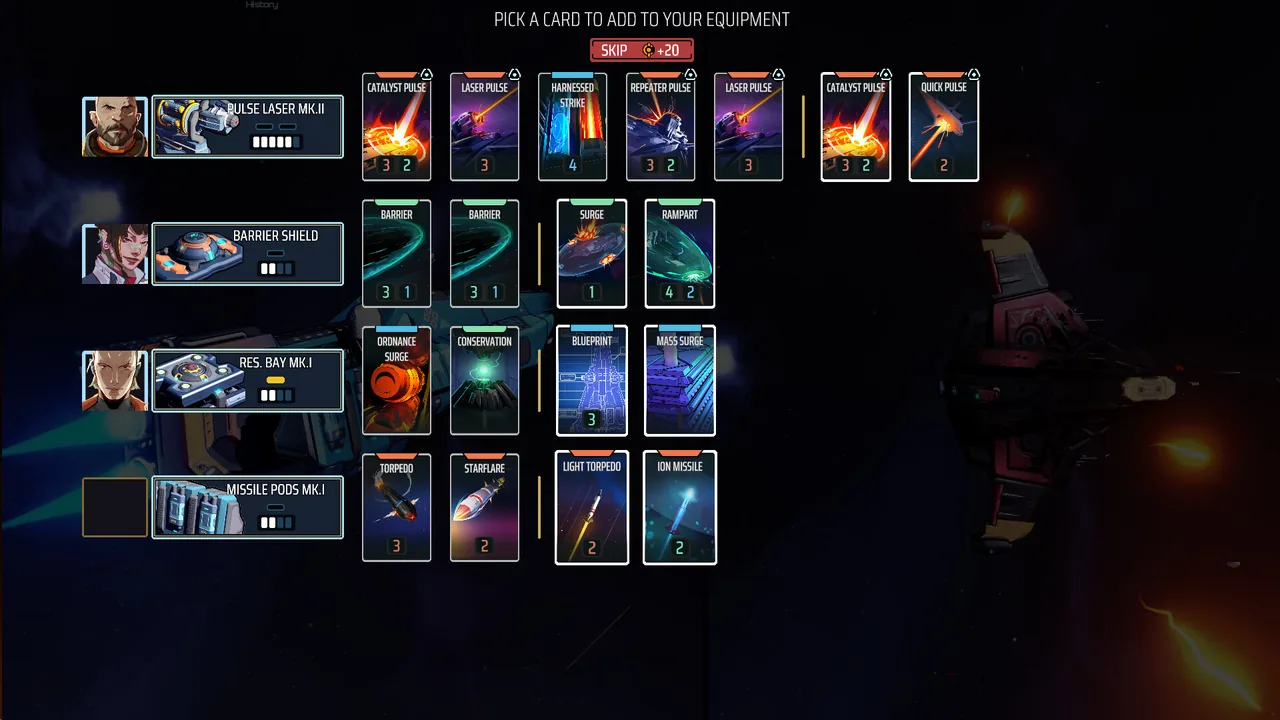
BreachwayImage: Hooded Horse via Steam -
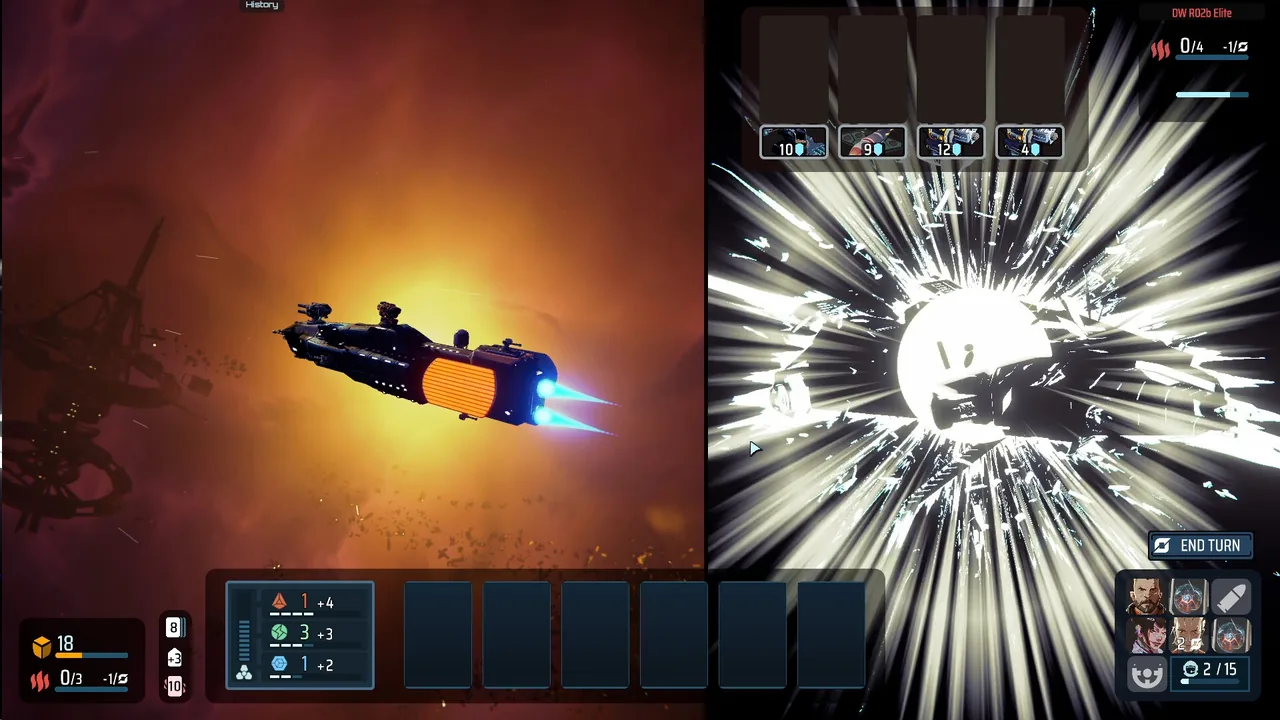
BreachwayImage: Hooded Horse via Steam -
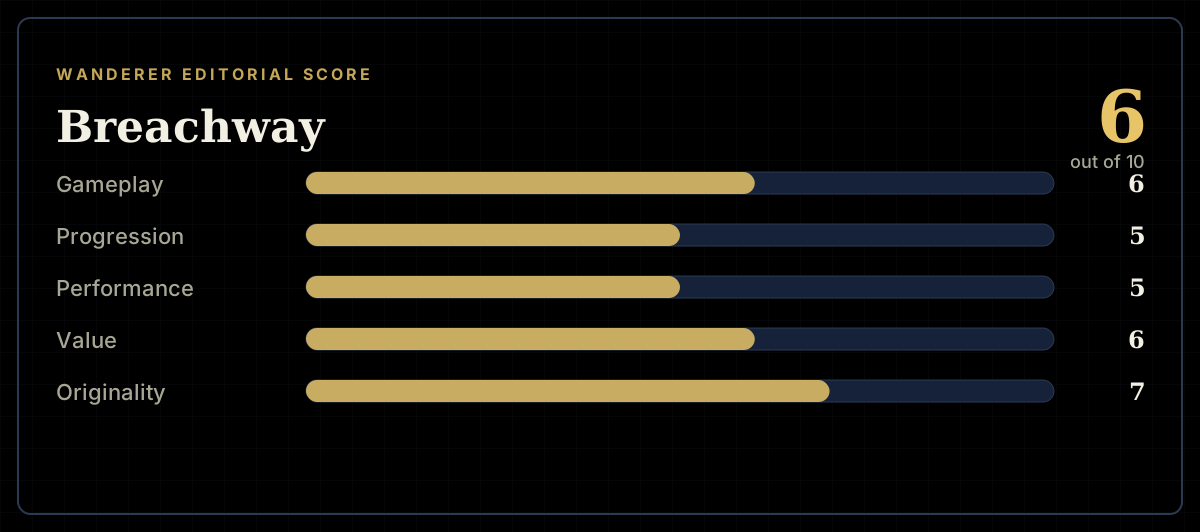
How the review scores each part of the gameWanderer Editorial -
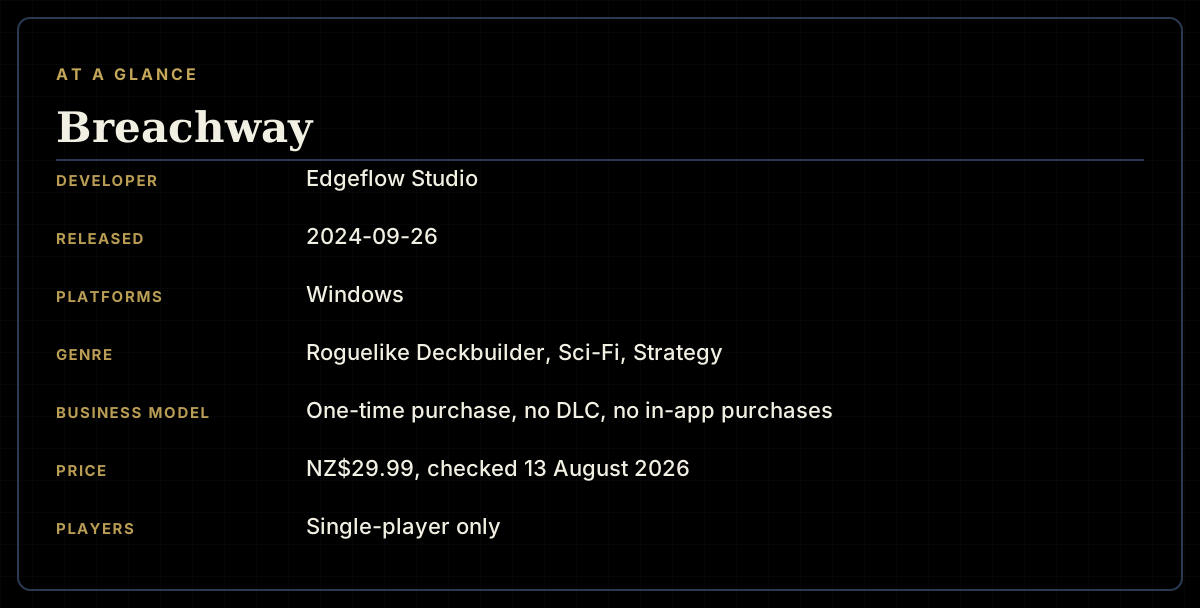
The essentials at a glanceWanderer Editorial -
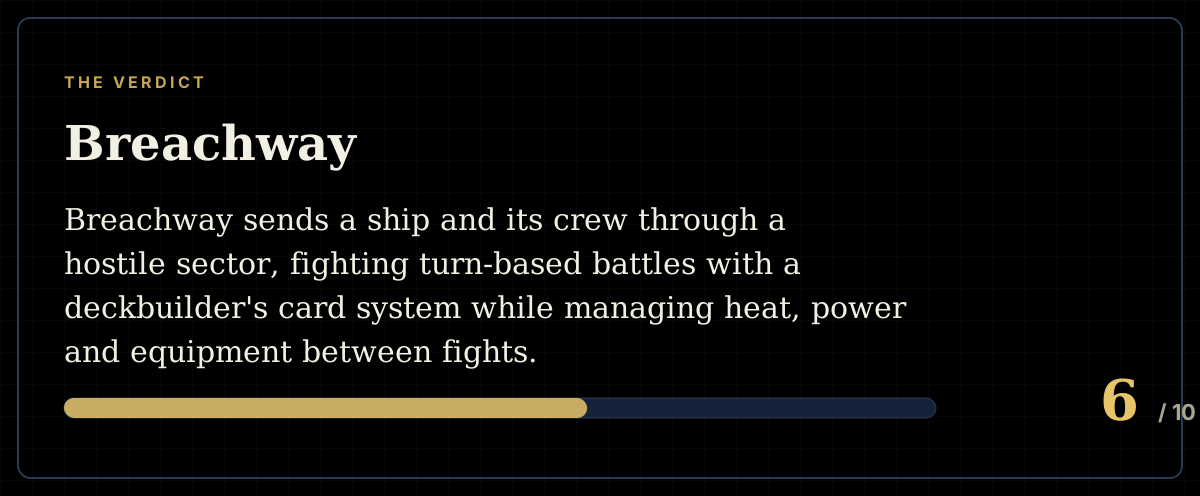
The short versionWanderer Editorial