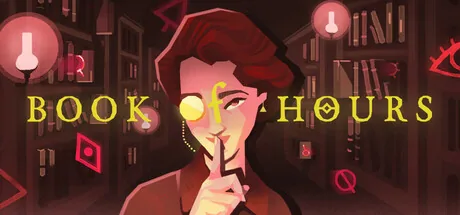
Game review
BOOK OF HOURS
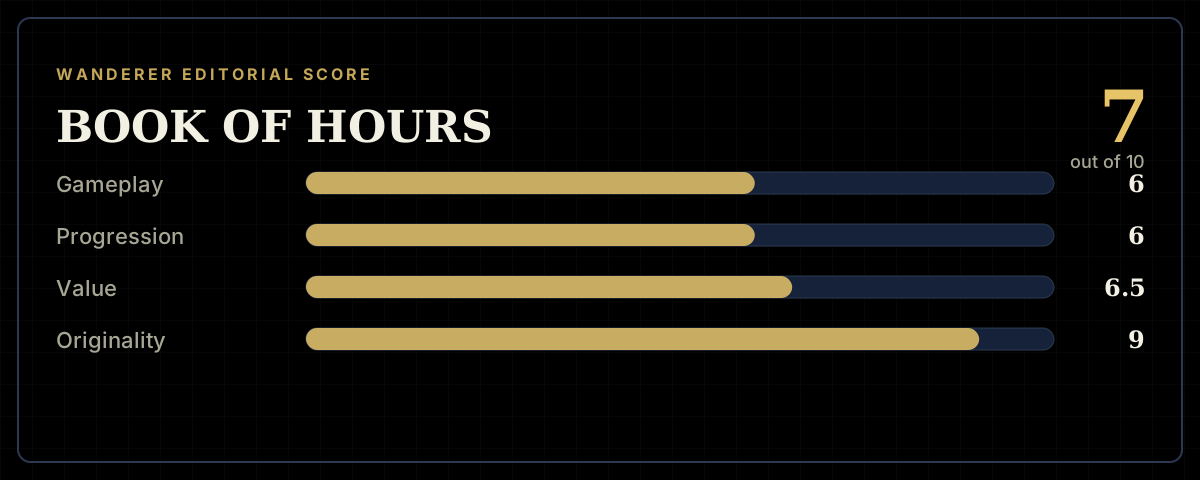
7 / 10
- Developer
- Weather Factory
- Publisher
- Weather Factory
- Released
- 17 August 2023
- Platforms
- Windows, macOS, Linux
- Genre
- Narrative Crafting RPG
- Monetisation
- Premium, one-off purchase — paid DLC content available separately
- Players
- Single-player
The short version
BOOK OF HOURS asks you to restore a crumbling occult library in a 1930s world of hidden gods and secret histories, and its writing and atmosphere are exactly what fans of Weather Factory's earlier Cultist Simulator expect: genuinely singular, unsettling in the right places, and built by a studio uninterested in explaining itself. Players who connect with that specific mystery describe becoming completely absorbed for hundreds of hours.
The recurring, extremely consistent complaint concerns accessibility. A large share of reviewers, including many who ultimately recommend the game, describe an opening five to seven hours spent almost entirely confused, systems that go essentially unexplained, and no built-in tools for tracking the information the game expects you to manage — leading a striking number of players to keep an external spreadsheet or notepad running alongside the game itself.
Biggest strengths
- Genuinely singular writing and world-building, with an unsettling, atmospheric take on hidden gods and secret history that fans describe as completely absorbing
- Deep, interlocking crafting and cataloguing systems reward players willing to invest the time to understand them
- A clear evolution from Cultist Simulator, with several long-time fans of the earlier game describing this as a direct improvement
Biggest weaknesses
- The opening five to seven hours are widely described as confusing and under-explained, even by reviewers who go on to recommend the game
- No built-in tools exist for tracking the game's own systems, leading a striking number of players to rely on external spreadsheets or notes just to keep up
- The interface itself draws consistent friction complaints, described by several reviewers as something they had to fight rather than use naturally
Who it's for: Fans of Cultist Simulator and deliberately obscure, systems-driven narrative games who enjoy piecing together how a game works without being told — go in prepared for real, sustained confusion before anything clicks.
Our recommendation: Worth it specifically for players who've already enjoyed Weather Factory's particular brand of opacity, or who actively want that kind of self-directed discovery. Newcomers to the studio's style should expect a genuinely difficult opening stretch and consider using a guide rather than treating it as failure.
7 / 10
Weather Factory built Cultist Simulator on a specific, uncompromising philosophy: the game will not explain itself, and understanding its systems is meant to feel like uncovering a secret rather than reading a tutorial. BOOK OF HOURS carries that same philosophy into a new premise — restoring a crumbling occult library by a winter sea, cataloguing grimoires and hidden knowledge in a 1930s world of secret gods — and it inherits both the previous game's singular appeal and its most polarising limitation in roughly equal measure.
Writing and atmosphere that earn genuine devotion
Where BOOK OF HOURS draws its most consistent, near-universal praise is atmosphere and writing. Its take on hidden gods, secret history and the specific texture of occult scholarship is described by fans as completely absorbing, with several long-time Cultist Simulator players calling this a direct evolution and improvement on that earlier game's world-building. Deep, interlocking crafting and cataloguing systems reward the kind of sustained attention the genre's best entries ask for, and the hand-drawn art and audio design give the whole experience a distinctive identity that's hard to compare to anything else on the market.
A learning curve reviewers describe almost identically
What's remarkable is how consistently reviewers, across a wide range of otherwise differing opinions, describe the same specific experience getting into the game. The opening five to seven hours are widely characterised as genuinely confusing, with core systems going essentially unexplained and no in-game tools — not even a basic notepad — for tracking the information the game expects you to manage yourself. A striking number of reviewers describe resorting to external spreadsheets or constantly alt-tabbing to keep notes, a workaround so commonly mentioned that it reads less like an individual coping strategy and more like a real, structural gap in the design. Interface friction compounds this, with several reviewers describing the UI itself as something they had to fight rather than use naturally.
A deliberate choice, not an oversight
It's worth being fair to what Weather Factory is actually doing here: this opacity is a design philosophy, not an accident, carried over directly from Cultist Simulator and clearly intentional. Players who specifically want that kind of self-directed discovery, piecing together how a system works without being told, describe the resulting sense of mastery as genuinely rewarding in a way a more conventional tutorial-driven game couldn't replicate. The honest question for a prospective buyer isn't whether the confusion is a flaw exactly — it's whether that specific kind of challenge sounds appealing or simply frustrating to you.
Final verdict
BOOK OF HOURS is a genuinely singular narrative crafting game, carrying Weather Factory's distinctive, uncompromising design philosophy into a beautifully realised new setting. It settles at 7 rather than higher because the accessibility gap is real, widely and consistently reported, and substantial enough that a meaningful share of buyers will bounce off the opening hours before the game's genuine rewards become apparent. For fans of Cultist Simulator or deliberately obscure systems-driven design, it's an easy recommendation; for anyone who wants a game to teach itself, go in with a guide ready or temper expectations accordingly.
Price and review data checked 5 August 2026.
If you'd rather your progression systems were transparent from the start rather than something you have to painstakingly decode, Wanderer keeps its own systems considerably more approachable.
Pros and cons
Pros
- Genuinely singular writing and world-building, with an unsettling, atmospheric take on hidden gods and secret history that fans describe as completely absorbing
- Deep, interlocking crafting and cataloguing systems reward players willing to invest the time to understand them
- A clear evolution from Cultist Simulator, with several long-time fans of the earlier game describing this as a direct improvement
- Beautiful hand-drawn art and a genuinely distinctive audio-visual identity throughout
Cons
- The opening five to seven hours are widely described as confusing and under-explained, even by reviewers who go on to recommend the game
- No built-in tools exist for tracking the game's own systems, leading a striking number of players to rely on external spreadsheets or notes just to keep up
- The interface itself draws consistent friction complaints, described by several reviewers as something they had to fight rather than use naturally
- Its deliberately obscure design philosophy, inherited directly from Cultist Simulator, will not appeal to players who want systems explained rather than discovered
Screenshots
-
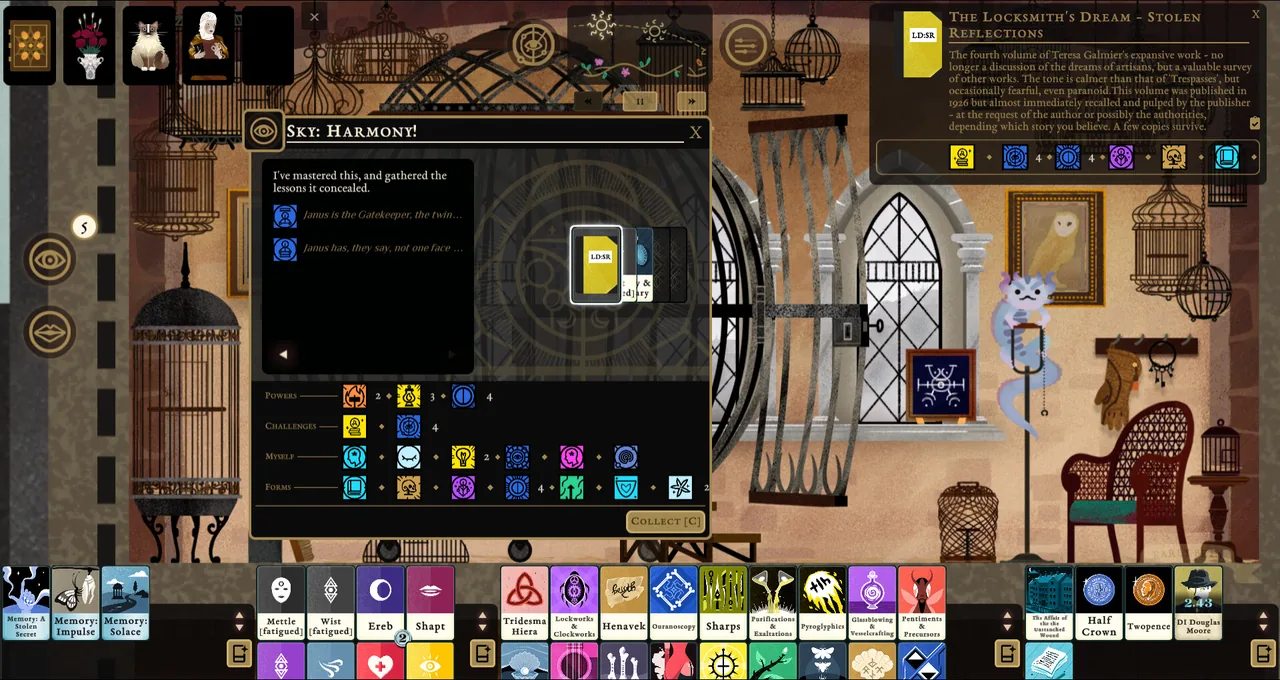
BOOK OF HOURSImage: Weather Factory via Steam -
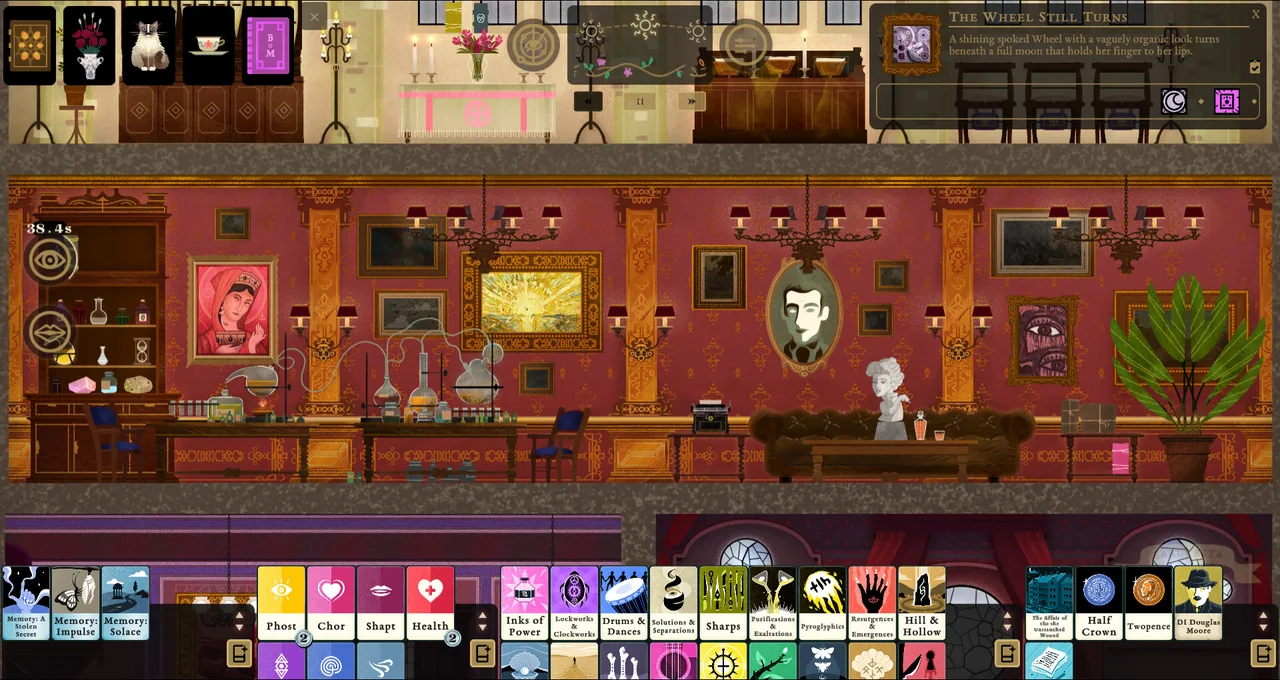
BOOK OF HOURSImage: Weather Factory via Steam -
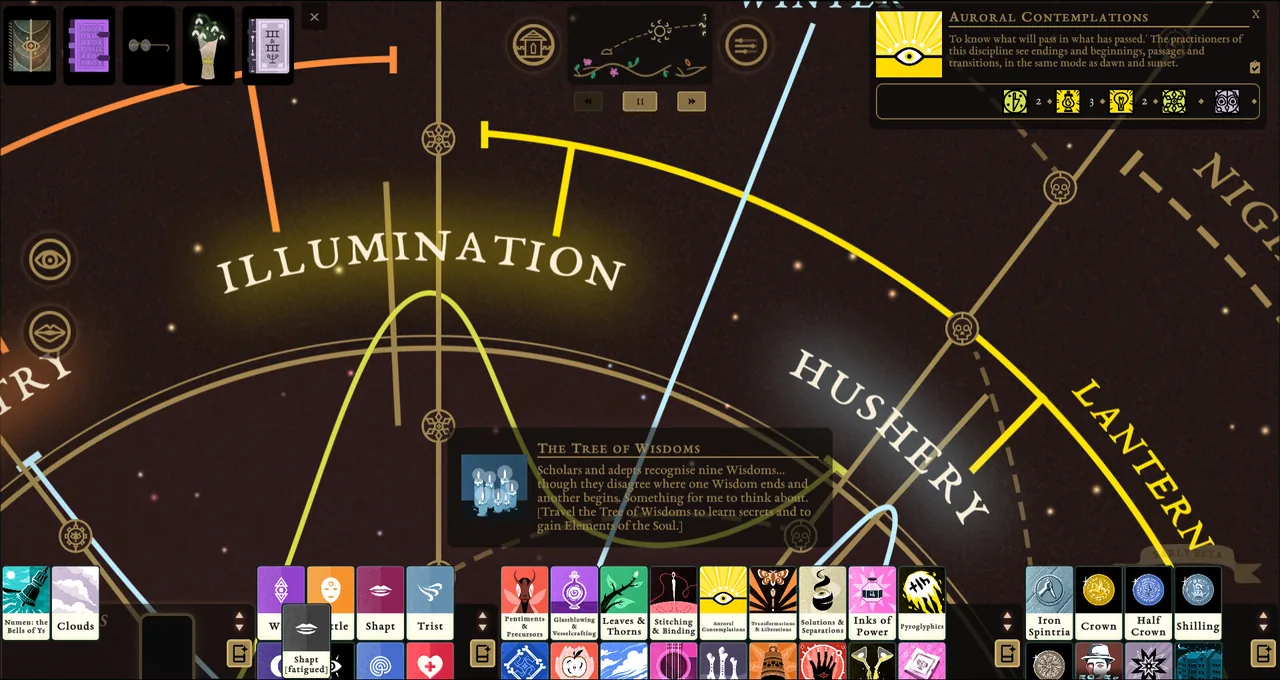
BOOK OF HOURSImage: Weather Factory via Steam -
How the review scores each part of the gameWanderer Editorial -
The short versionWanderer Editorial