Game review
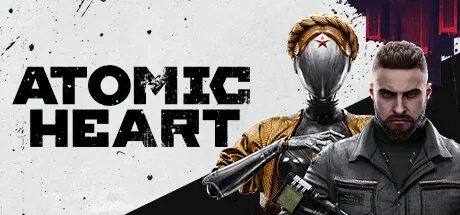
Atomic Heart
7 / 10
- Developer
- Mundfish
- Publisher
- Focus Entertainment, 4Divinity
- Released
- 20 February 2023
- Platforms
- Windows
- Genre
- Action RPG
- Monetisation
- One-time purchase, three story-expansion DLCs sold separately
- Players
- Single-player only
The short version
Atomic Heart is Mundfish's alternate-history action RPG, published by Focus Entertainment, dropping a Soviet special agent into a robot-run 1955 utopia turned violently wrong, armed with a talking glove companion, craftable weapons and a growing set of telekinetic powers. Released 20 February 2023, it holds 50,716 Steam reviews at Very Positive, roughly 80.7%, with recent sentiment somewhat softer at 76%. This review's read of a substantial share of both samples finds a game whose art direction and world-building draw close to universal praise — even from its harshest critics — set against specific, recurring complaints about repetitive combat, uneven pacing and a rushed final act, plus a real, documented controversy over the Russian developer's funding ties that this review reports plainly rather than resolving.
Biggest strengths
- Art direction and world-building draw close to universal praise, including from reviewers who otherwise recommend against the game, reimagining Soviet Russia as a BioShock-style utopia with a genuinely distinct visual identity
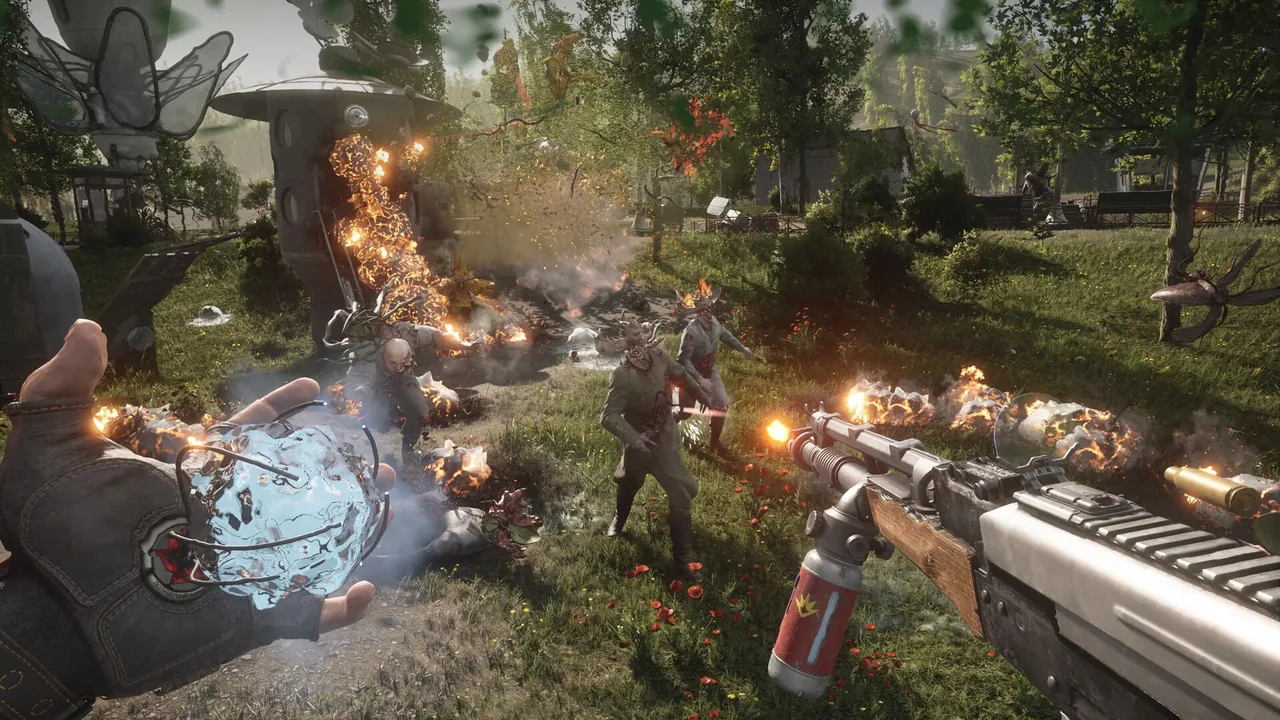
- The weapon-crafting and telekinetic ability systems give combat real tool variety on paper, letting players mix melee, gunplay and powers rather than relying on one approach
- Voice acting for the protagonist and his companion draws praise from a meaningful share of reviewers as genuinely funny and well-performed, even though other reviewers find the same dynamic grating
Biggest weaknesses
- Combat is widely and specifically described as repetitive across a full playthrough, with reviewers noting the game leans on the same encounter types well past the point they stay interesting
- The protagonist and his talking-glove companion divide this review's sample sharply, with some reviewers finding the constant banter genuinely funny and others describing the same dialogue as insufferable and overwritten
- Pacing and the story's final act draw real, specific criticism, with reviewers describing a rushed, truncated ending after a slower, meandering middle stretch
Who it's for: Players drawn to BioShock-style immersive-action worldbuilding and alternate-history premises who can tolerate repetitive combat and pacing issues for a genuinely striking setting; less suited to players prioritising tight, evolving combat systems over atmosphere, or anyone who wants to avoid the game's real-world funding controversy entirely.
Our recommendation: A visually extraordinary game let down by combat and pacing that don't match its ambition, best bought on a discount from its steep asking price rather than at launch pricing.
7 / 10
Introduction
Atomic Heart casts players as P-3, a Soviet special agent investigating a catastrophic malfunction across a robot-staffed 1955 utopia built on an alternate-history breakthrough in AI, armed with a sardonic talking glove named Char-les, craftable weapons and a growing set of telekinetic and elemental powers. Developed by Mundfish and published by Focus Entertainment and 4Divinity, it released 20 February 2023 for NZ$99.99. Over three years on, it holds 50,716 Steam reviews sitting at Very Positive, roughly 80.7%, though its most recent 100 English reviews run somewhat softer at 76%. This review reads a substantial share of both the negative and positive samples, and finds a game whose reputation splits cleanly along a familiar line: what Mundfish built visually is extraordinary, and what it built mechanically is a more mixed, repetitive proposition.
An alternate-history world reviewers agree is genuinely special
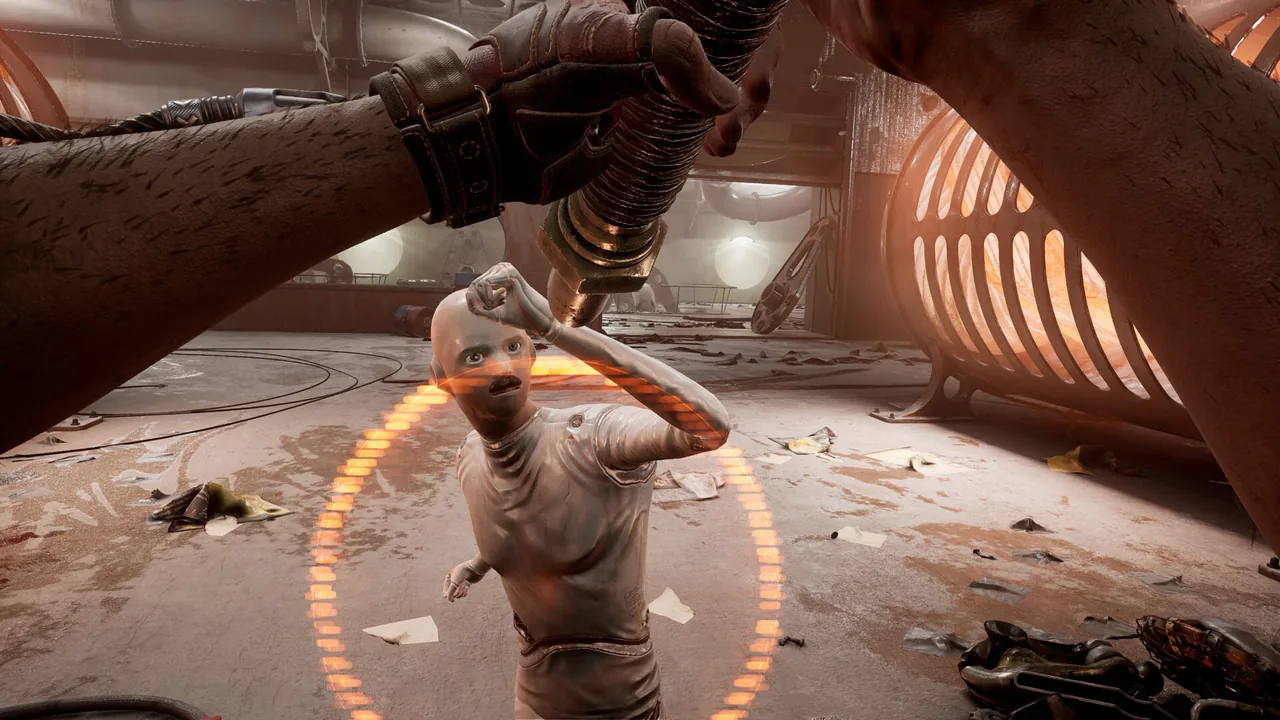
Start with the point of near-total agreement across this review's sample: Atomic Heart's art direction and setting are exceptional, and even its harshest critics say so specifically. Reviewers repeatedly credit the reimagining of Soviet Russia as a gleaming, uncanny robotic utopia — closer in spirit to BioShock's Rapture than any real historical setting — with a genuinely distinct visual identity rather than a derivative reskin. One detailed negative review still opens by crediting the art direction and world-building as the majority of what carries the game to its Mostly Positive standing, even while criticising nearly everything else. That's a meaningful signal: praise for presentation from people actively arguing the game doesn't work is worth more than praise from people who liked everything.
Combat and pacing that don't match the setting's ambition
Set against that acclaim, this review's sample raises a specific, consistent complaint about the game underneath the world: combat repetition. Reviewers describe encounters leaning on the same robot enemy types and the same weapon-and-power combinations well past the point of novelty, with one detailed review explicitly comparing the moment-to-moment feel unfavourably to BioShock's combat — "functional, good not great." Several reviewers frame the whole game as a pastiche of beloved single-player FPS touchstones — BioShock, Prey, Resident Evil are all named specifically — executed competently but without quite matching any of them at their own strengths. Pacing draws a related, equally specific complaint: a number of reviewers describe a meandering middle stretch followed by a final act several call rushed or truncated, resolving major plot threads faster than the build-up leading into them earned.
A protagonist and companion that split the room
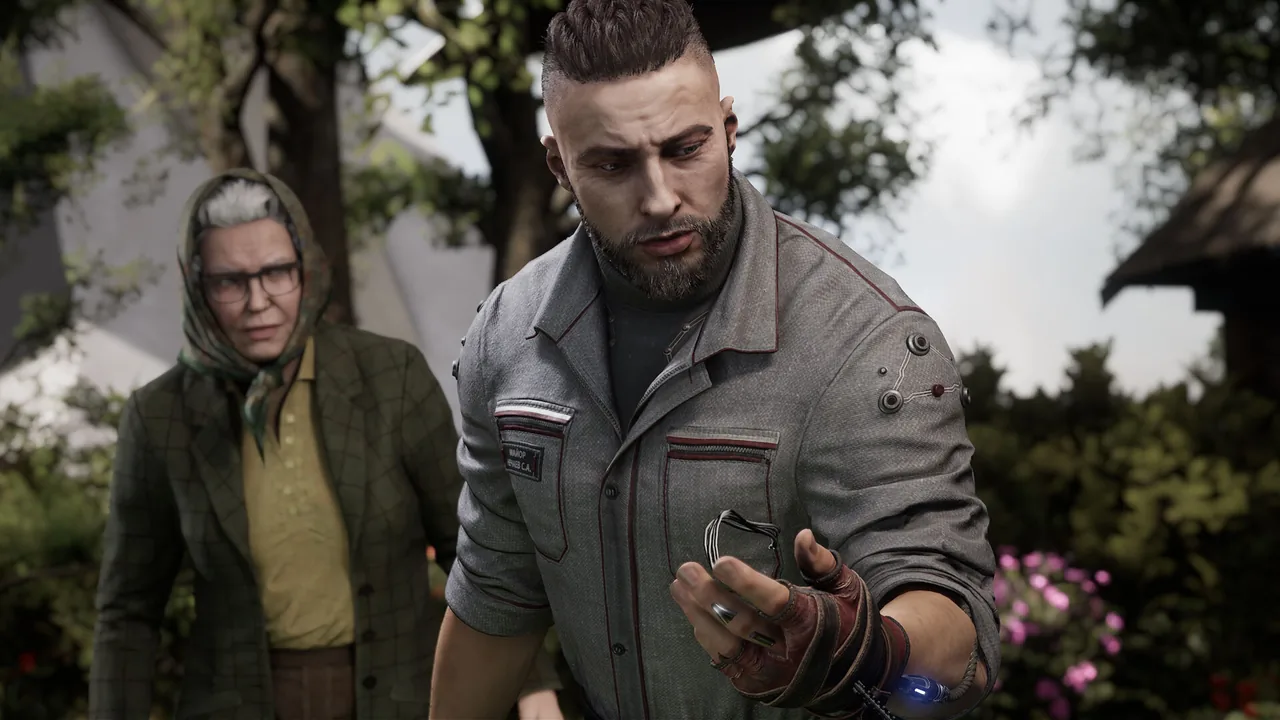
The relationship between P-3 and Char-les, his talking glove, is this review's most genuinely divisive finding. It shows up as praise and as complaint in roughly equal measure across the sample — several reviewers specifically credit the voice acting and banter between the two as funny and well-performed, calling out the protagonist's delivery as a highlight, while a comparable number describe the exact same dynamic as insufferable, over-written dialogue that undercuts the game's more serious moments. That's not a contradiction in the data so much as a genuinely polarising piece of character writing, and it's worth a prospective buyer weighing directly rather than assuming either camp speaks for the whole audience.
Funding controversy: reporting the dispute, not resolving it
Beyond design and execution, Atomic Heart carries a real, well-documented controversy this review would be incomplete without mentioning. Mundfish, a studio originally founded in Moscow, faced public scrutiny around launch — including from Ukrainian officials — over reported funding links to GEM Capital, a Cyprus-based investment fund founded by a former Gazprom executive, and over the game's Russian distribution arrangements. Mundfish has disputed the more serious characterisations of these ties, and has said its privacy policy language referencing Russian authorities was "outdated and wrong" after it drew criticism. This review cannot verify funding chains or corporate ownership from a game review corpus, and won't attempt to. What can be said plainly: the controversy is real, it was covered by mainstream outlets at launch, a small but real share of this review's negative sample raises it directly, and Mundfish has publicly pushed back on the strongest claims made against it. Readers who weigh a developer's origins and funding when deciding what to buy should look into this independently rather than take either side's framing at face value.
Final Verdict
Atomic Heart earns its Very Positive standing primarily on the strength of a setting and art direction this review's sample agrees is genuinely exceptional, even among reviewers who otherwise recommend against the game. What keeps it from a stronger score is that the systems built inside that world — combat that grows repetitive, pacing that rushes its final act, and character writing that splits its audience down the middle — don't consistently match the ambition of the premise around them. Layered on top of the design conversation is a real, documented controversy over its developer's funding and origins that this review reports rather than adjudicates, because a review corpus cannot audit a corporate ownership chain. Buy it for the world Mundfish built, on a discount rather than full price, and go in knowing the combat won't carry the experience the way the setting does.
Pros and cons
Pros
- Art direction and world-building draw close to universal praise, including from reviewers who otherwise recommend against the game, reimagining Soviet Russia as a BioShock-style utopia with a genuinely distinct visual identity
- The weapon-crafting and telekinetic ability systems give combat real tool variety on paper, letting players mix melee, gunplay and powers rather than relying on one approach
- Voice acting for the protagonist and his companion draws praise from a meaningful share of reviewers as genuinely funny and well-performed, even though other reviewers find the same dynamic grating
- The premise and opening hours are repeatedly singled out as the game's strongest stretch, establishing a distinctive setting few other releases attempt
Cons
- Combat is widely and specifically described as repetitive across a full playthrough, with reviewers noting the game leans on the same encounter types well past the point they stay interesting
- The protagonist and his talking-glove companion divide this review's sample sharply, with some reviewers finding the constant banter genuinely funny and others describing the same dialogue as insufferable and overwritten
- Pacing and the story's final act draw real, specific criticism, with reviewers describing a rushed, truncated ending after a slower, meandering middle stretch
- Mundfish, a studio founded in Moscow, has faced real, documented scrutiny — including from Ukrainian officials — over funding links to Russian-connected investors; Mundfish has disputed the more serious characterisations, and this review states the dispute rather than adjudicating it
Screenshots
-
Atomic HeartImage: Focus Entertainment via Steam -
Atomic HeartImage: Focus Entertainment via Steam -
Atomic HeartImage: Focus Entertainment via Steam -
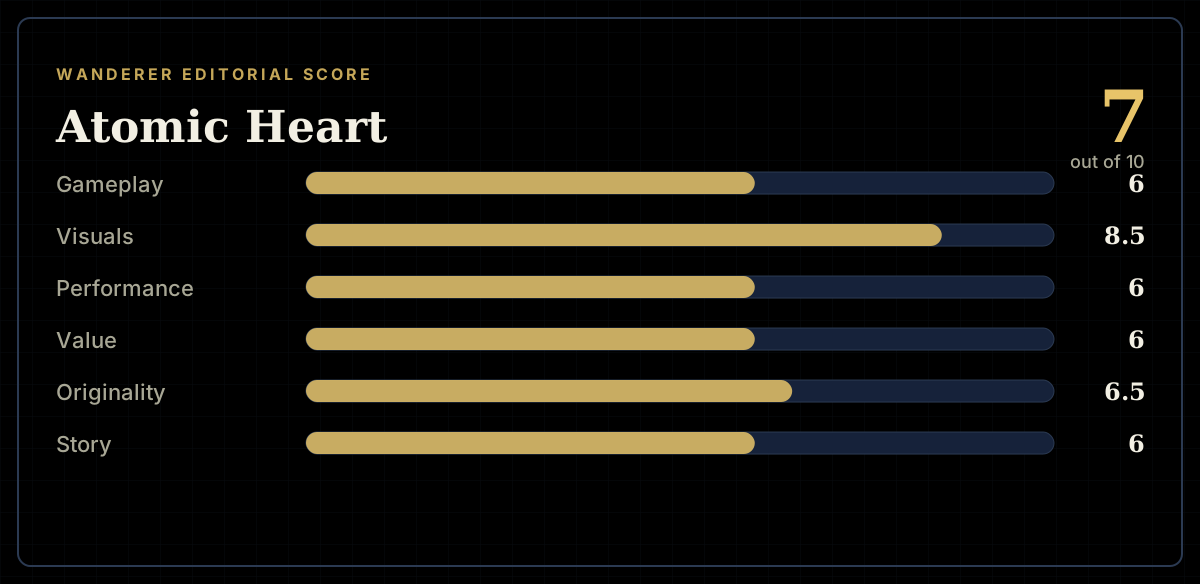
How the review scores each part of the gameWanderer Editorial -
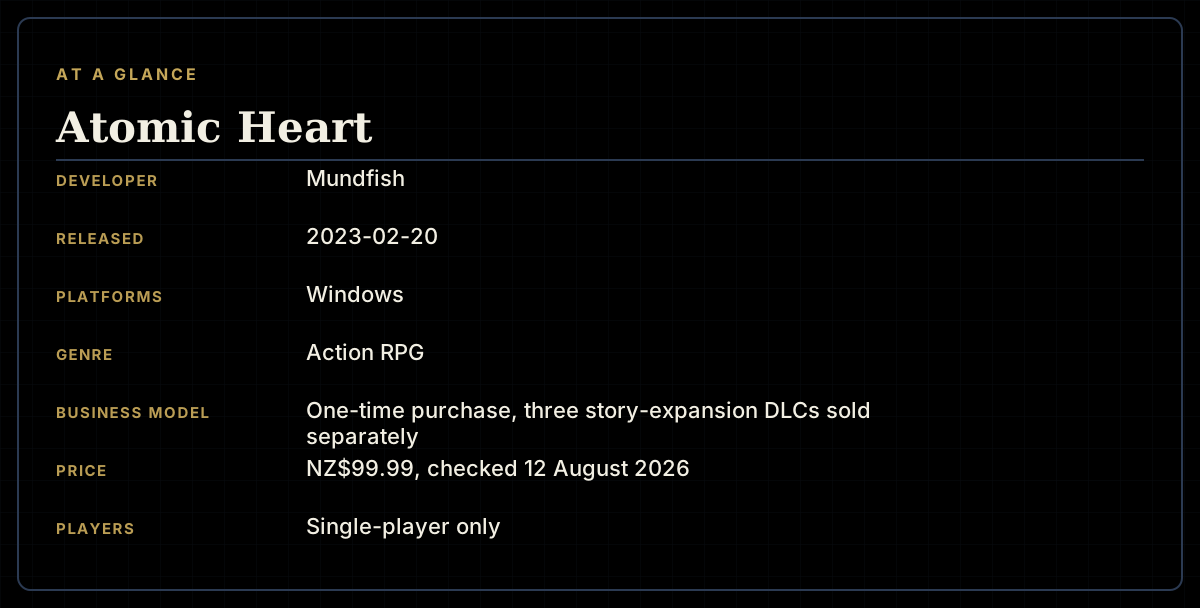
The essentials at a glanceWanderer Editorial -
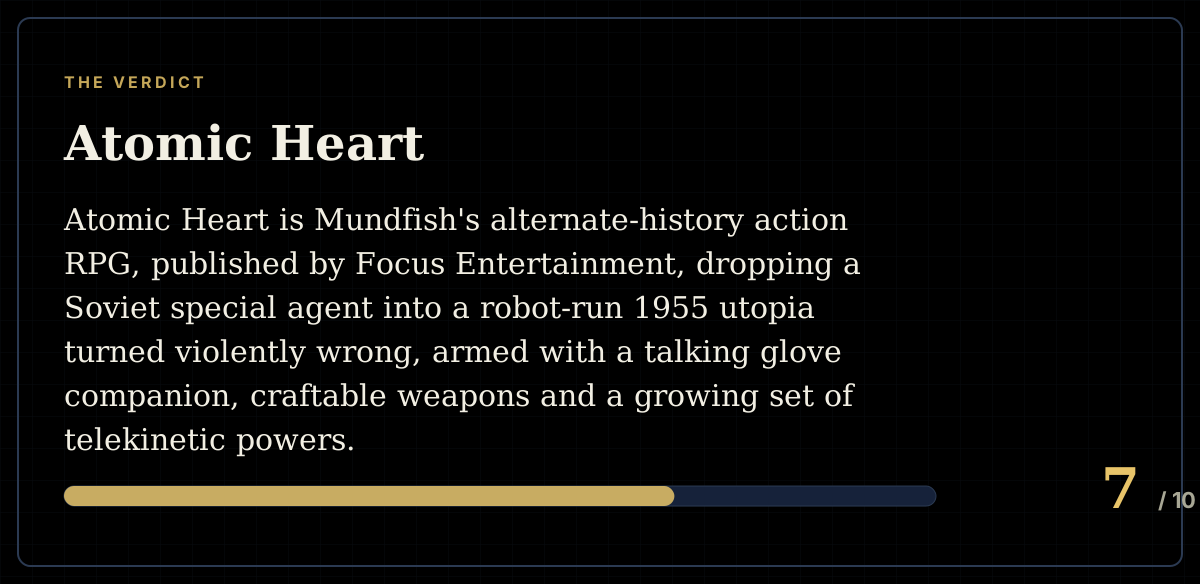
The short versionWanderer Editorial