Game review
BeaterCore Review
7 / 10
- Developer
- Artem Arbatsky
- Publisher
- Artem Arbatsky
- Released
- 9 September 2026
- Platforms
- ["Windows", "Linux"]
- Genre
- Racing
Rally Racing for People Who Love Rust Buckets More Than Supercars
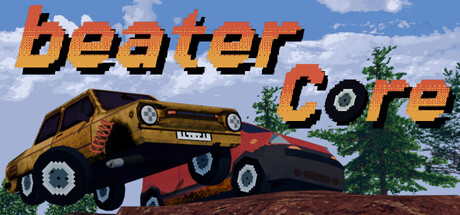
BeaterCore is built on a simple, appealing premise: forget pristine sports cars, and instead buy, repair, and tune a genuinely crappy project car, then take it rally racing across tarmac, dirt, and snow. It's the work of a single developer, Artem Arbatsky, and the scope on display for a solo project is considerable — four vehicle classes with roughly four "beaters" apiece available from a rotating used car lot, a wide spread of tracks across multiple surfaces and seasons, and a maintenance system that ties directly into how the car actually handles rather than existing as a cosmetic side layer.
The tone lands somewhere between Wreckfest's demolition-derby chaos and the old-school jank of early-2000s budget rally sims, and reviewers who go in expecting that specific flavor of "charmingly broken" tend to come away delighted. It's frequently compared to My Summer Car, though the comparison only goes so far: BeaterCore doesn't have you turning individual wrenches or hand-assembling an engine, it's built around swapping pre-made parts in and out rather than granular mechanical simulation.
A Wear System That Actually Matters, Wrapped in Weighty, Old-School Handling
The maintenance loop is where BeaterCore earns most of its praise. Roughly two dozen individual parts degrade with a percentage-based wear model, and that wear has a real, felt effect on how the car performs — a worn suspension component genuinely changes how the car takes a bump, a tired engine loses power in a way you can feel behind the wheel. Between races you can tune tire sizes, spring rates, differential locking, and flywheel weight, giving the maintenance layer more depth than the average arcade racer bothers with. Repairs happen in first-person in your garage, complete with a system for hauling worn parts to the dumpster and stockpiling spares in the trunk for mid-race field repairs when something breaks.
The driving itself is intentionally heavy and old-school, and reviewers are split on how well that lands. Fans describe the handling as appropriately grounded for cars that are, by design, barely held together — every pothole and surface change matters, and the physics reward a careful, momentum-conscious driving style. Critics counter that the understeer is excessive and that low-speed maneuvers like J-turns or hairpins bleed off momentum in ways that feel more frustrating than authentic, particularly on keyboard where fine steering control is harder to manage. Both camps generally agree the core feel is distinctive rather than generic, which counts for something even when it isn't universally loved.
The AI Problem That Colors Almost Every Review
If there's one issue that comes up in nearly every review, positive or negative, it's the opponent AI. Rivals are frequently described as erratic and physically inconsistent: they PIT-maneuver and T-bone the player with regularity while being nearly impossible to push around themselves, they occasionally flip or spin out entirely on their own, and rubber-banding at higher difficulties can turn a comfortable lead into a last-corner disaster with little warning. Several reviewers note the AI seems to clip through obstacles that the player's car collides with normally, which reads as inconsistent physics rather than intentional difficulty tuning. The developer has been shipping near-daily hotfixes and balance passes since launch, and multiple reviewers explicitly note previously-listed complaints — over-aggressive part wear, an unbalanced early economy — being addressed within days, which has bought the game real goodwill even from players who are still waiting on the AI fixes specifically.
Progression has its own rough edges beyond the AI. The economy can spiral if you're not careful: falling behind on race winnings while parts keep degrading can leave you unable to afford repairs, and a few reviewers describe genuine softlocks where a car became unfixable and unsellable for a fair price with no real recovery path short of restarting. The game does offer a sponsor system that lets you borrow a car to keep racing while rebuilding your funds, which several reviewers flag as the intended safety valve, even if it isn't always obvious to new players.
A Rough but Charming Debut With Real Content Behind the Ten-Dollar Price
At $9.99, BeaterCore backs up its niche concept with a genuinely large amount of content: dozens of cars across four classes, a wide track roster spanning multiple surfaces and seasons, local split-screen for up to four players, and online multiplayer where the same maintenance rules apply. Steam Workshop support and a level editor also point to a developer thinking beyond a fixed content drop. For a single-developer project, that's a lot of scope, and reviewers consistently note the game is well optimized despite its ambition, running smoothly even on modest hardware. The rough edges — the AI, the occasional part-degradation frustration, some dialogue text that reads a little stiff — are real, but they read as the kind of issues an actively patching solo developer works through rather than fundamental design failures, and the pace of post-launch fixes so far backs that reading up.
Verdict
BeaterCore is a distinctive, physically grounded beater-racing game whose maintenance-driven handling model is genuinely clever, even if its opponent AI and mid-game economy still need real work. The wear system gives races actual stakes in a way most arcade racers don't bother with, the content on offer is impressively large for a solo-developed $9.99 title, and the developer's rapid post-launch patch cadence is a strong signal the game's current problems are being taken seriously. It's an easy recommendation for anyone drawn to scrappy, physics-heavy rally racing who can tolerate some launch-week jank, and worth watching closely if the AI overhaul that so many reviewers are asking for actually arrives.
Pros:
- Wear-based part degradation genuinely affects handling rather than being cosmetic
- Distinctive, grounded driving feel suited to beat-up rally cars rather than supercars
- Large amount of content for a solo-developer project: four car classes, varied tracks and seasons, split-screen and online multiplayer
- Well optimized, running smoothly even on modest hardware
- Developer shipping frequent, responsive post-launch patches
Cons:
- Opponent AI is erratic, overly aggressive, and physically inconsistent
- Early-game economy can spiral into a near-unrecoverable state if races go badly
- Understeer-heavy handling frustrates some players, especially on keyboard
- Some rough edges remain around part-hauling logistics and dialogue text
Screenshots
-
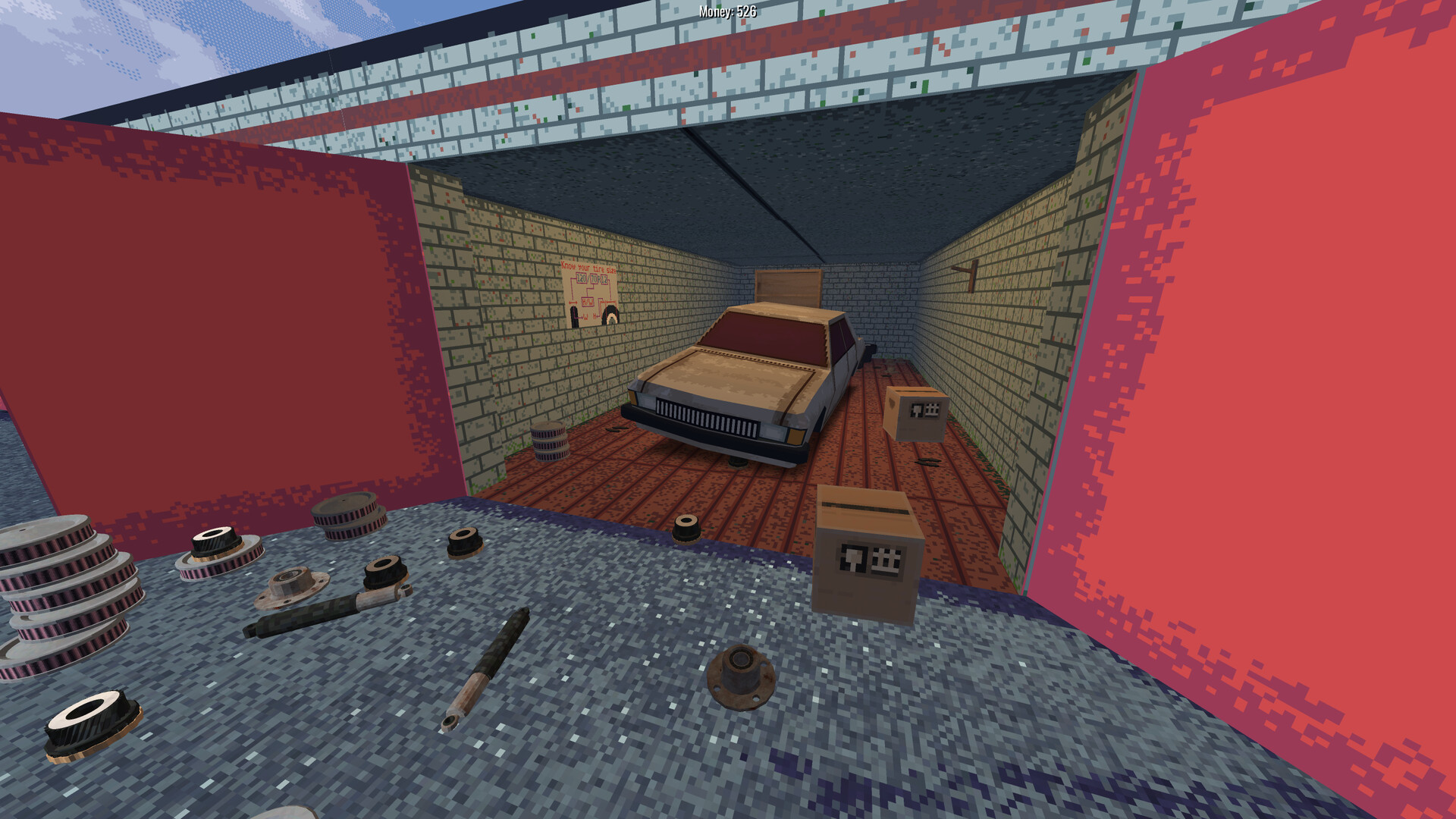
Repairing a car in first person, with worn parts spread across the workbenchImage: Artem Arbatsky -
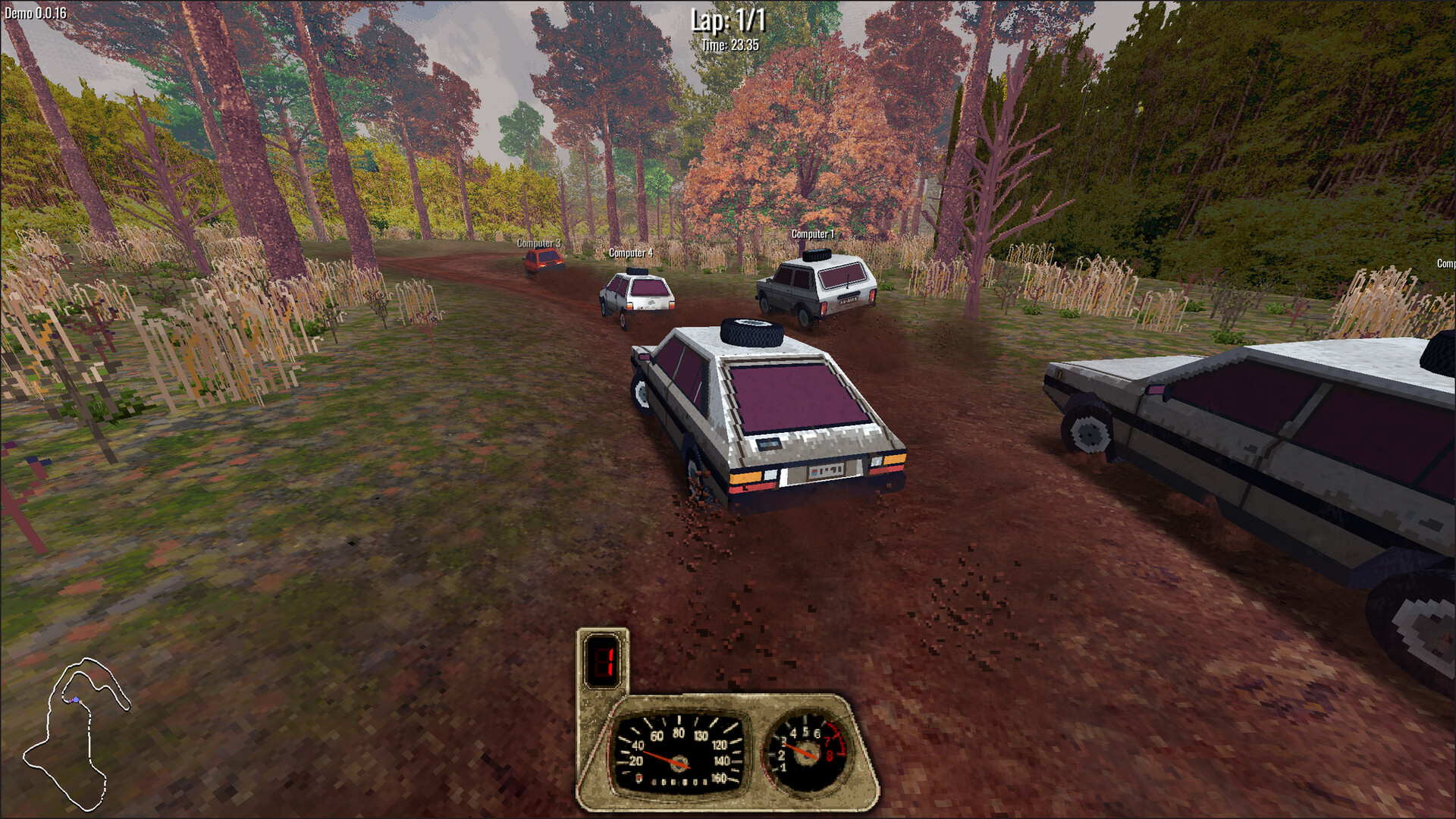
A pack of beaters kicking up mud on a dirt rally stageImage: Artem Arbatsky -
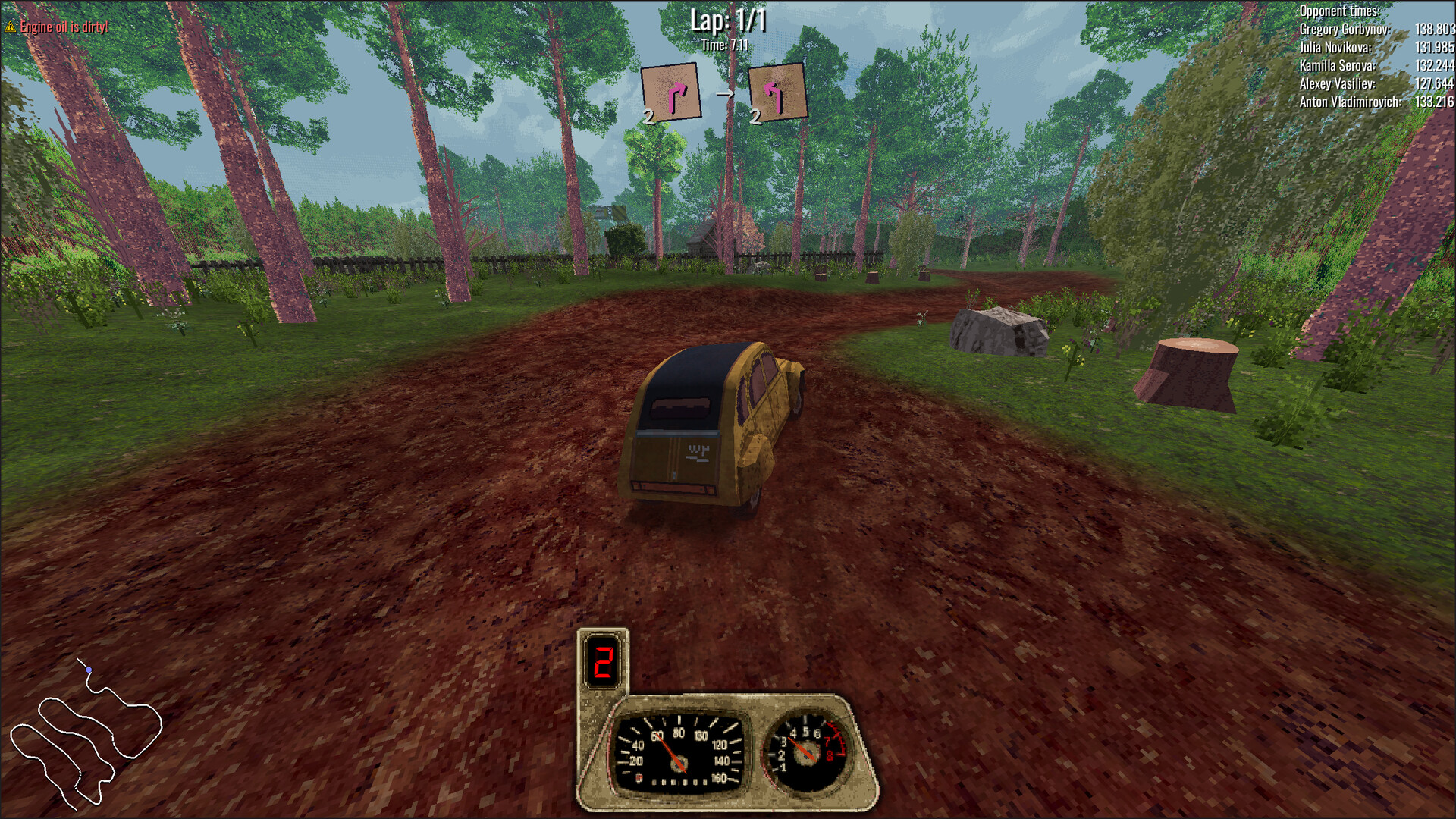
Chasing opponent times on a forest stage, pace notes shown aheadImage: Artem Arbatsky -
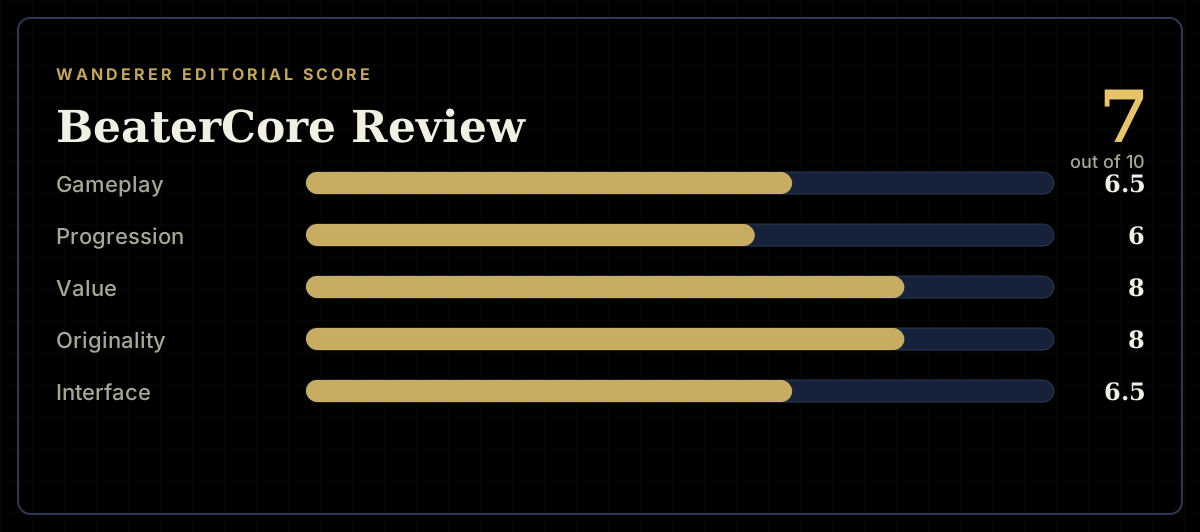
How the review scores each part of the gameWanderer Editorial -
The short versionWanderer Editorial