Game review
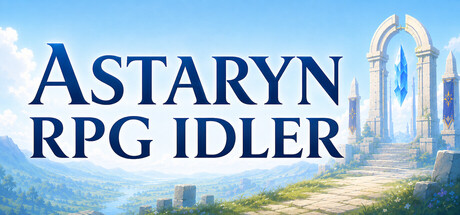
Astaryn: RPG Idler
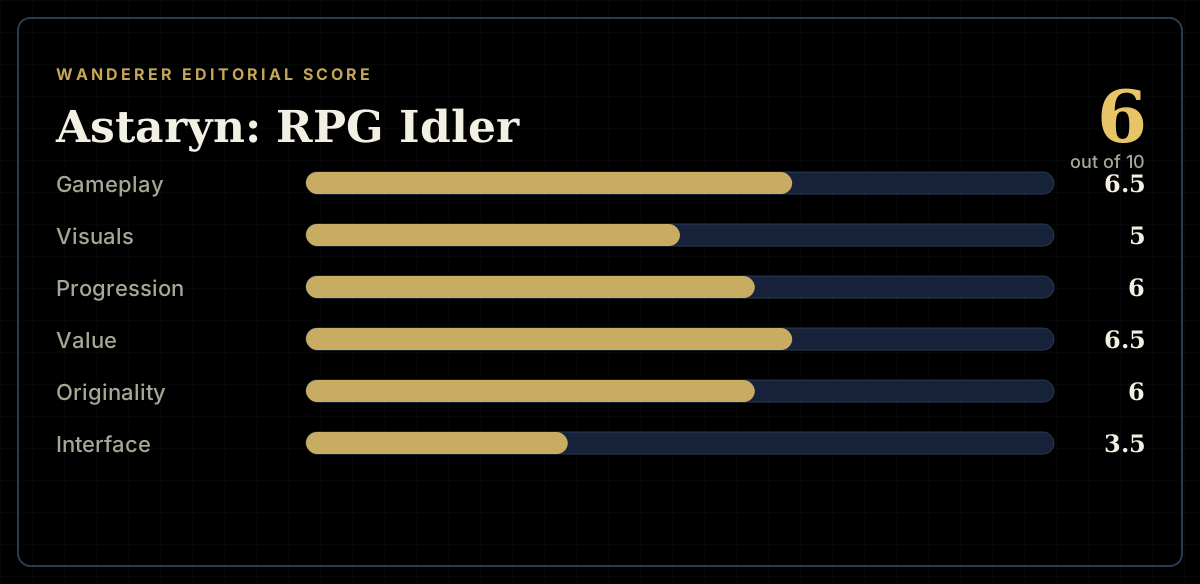
6 / 10
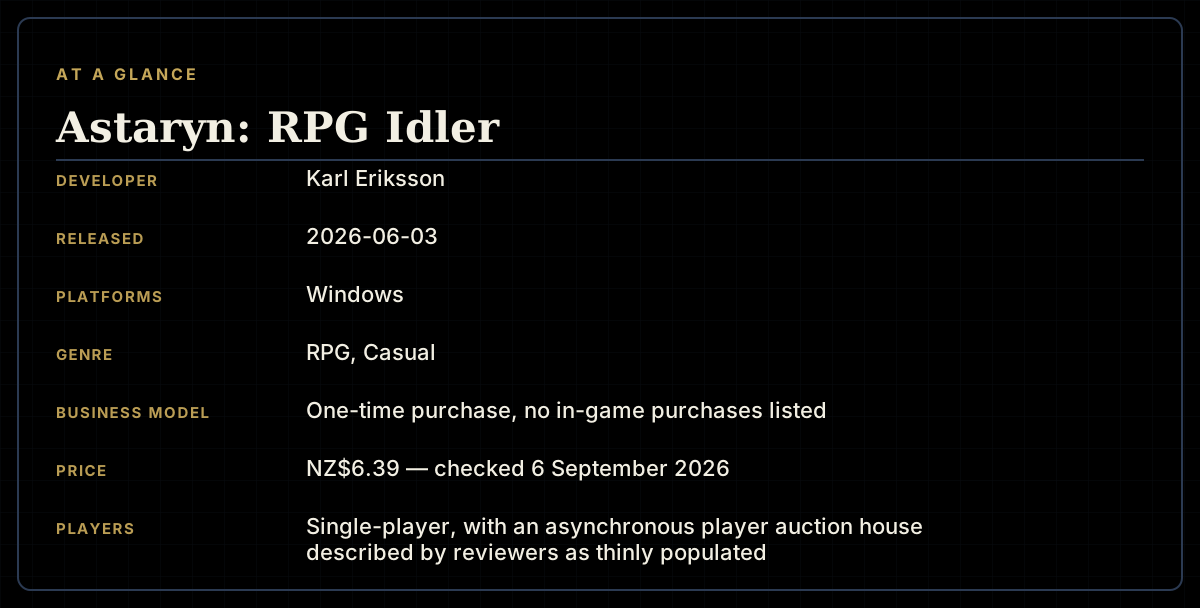
- Developer
- Karl Eriksson
- Publisher
- Watercolor Games
- Released
- 3 June 2026
- Platforms
- Windows
- Genre
- RPG, Casual
- Monetisation
- One-time purchase, no in-game purchases listed
- Players
- Single-player, with an asynchronous player auction house described by reviewers as thinly populated
The short version
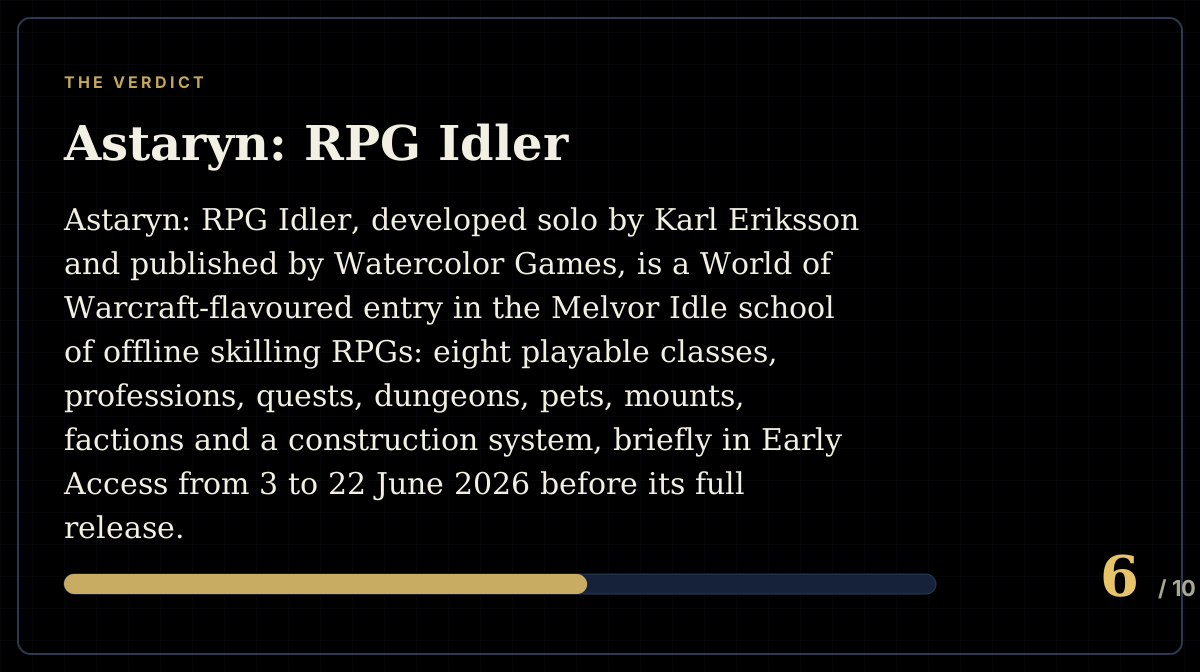
Astaryn: RPG Idler, developed solo by Karl Eriksson and published by Watercolor Games, is a World of Warcraft-flavoured entry in the Melvor Idle school of offline skilling RPGs: eight playable classes, professions, quests, dungeons, pets, mounts, factions and a construction system, briefly in Early Access from 3 to 22 June 2026 before its full release. It sits Mixed with English-speaking players, 63.2% positive across 19 reviews as of this check, and the sample is genuinely split between real enthusiasm for its scope and ambition and specific, repeated criticism of its execution. Reviewers across English, Japanese, Simplified and Traditional Chinese converge independently on machine-translated localization as a serious problem, several describe the interface as cluttered and unresponsive, and — notably — at least two reviewers independently raise concerns about undisclosed AI involvement in the game's writing and translation, one specifically citing Steam's AI-content disclosure requirement. This review has not verified those authorship claims and reports them only as a corroborated pattern in the review discussion. Set against that, multiple reviewers in different languages praise the developer's unusually fast turnaround on reported bugs, in one case within 24 hours.
Biggest strengths
- The scope is unusually broad for a solo-developed idle RPG — eight distinct classes, professions, combat, quests, pets, mounts, factions, strongholds and base construction — and multiple reviewers specifically contrast this favourably with other Melvor Idle-style competitors they've tried
- The developer is repeatedly and independently praised, across English, German and Traditional Chinese reviews, for fast turnaround on reported problems — one detailed German review specifically credits a same-day fix for both cosmetic and technical issues it had raised less than 24 hours earlier
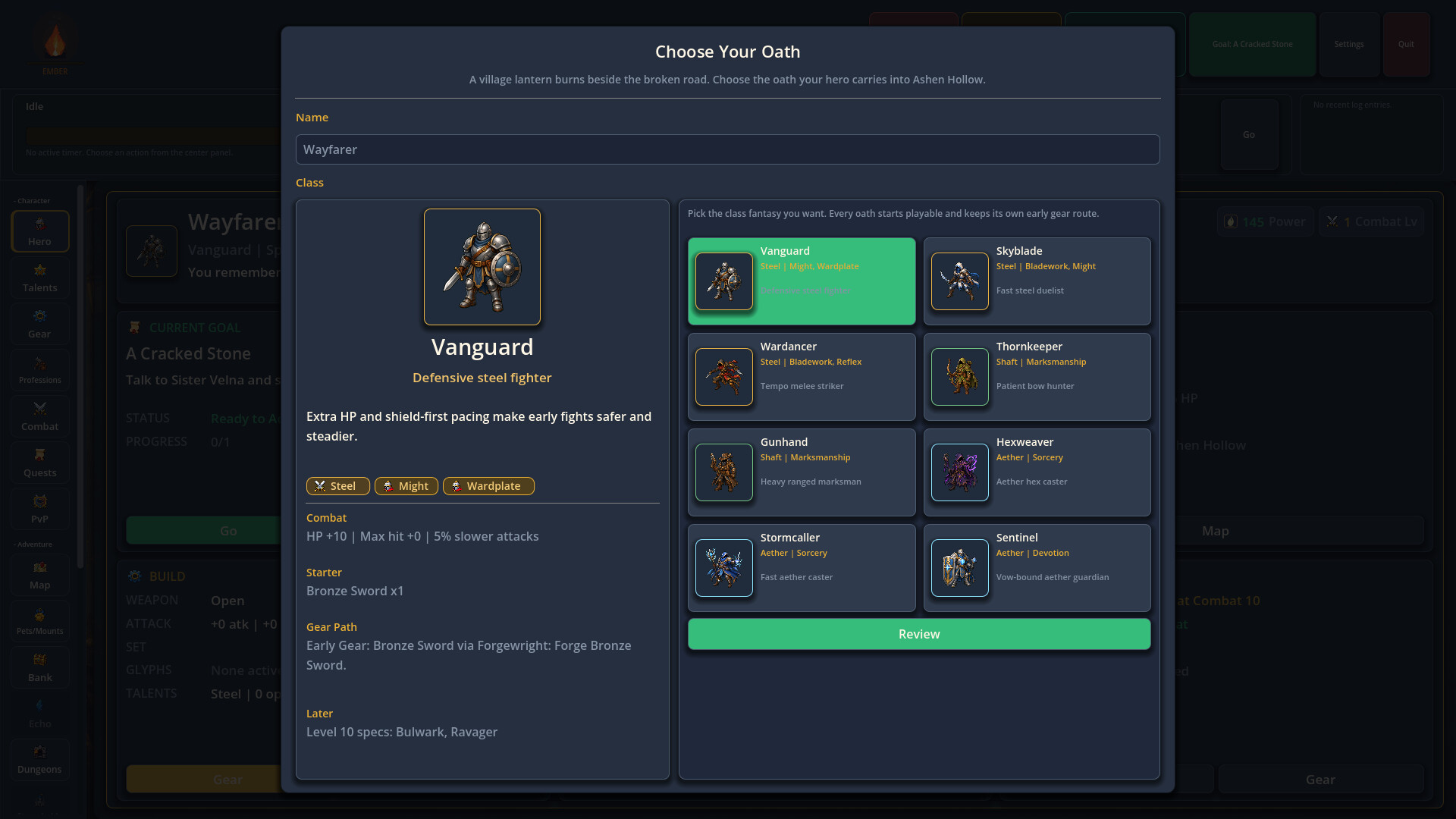
- Reviewers who push past the early confusion describe genuinely satisfying early-game pacing, with class choice meaningfully changing what a session looks like
Biggest weaknesses
- Localization quality draws specific, independent complaints across Japanese, Simplified Chinese and Traditional Chinese reviews, several explicitly describing the translation as machine-generated and, in the Japanese case, saying it currently doesn't amount to real Japanese-language support at all
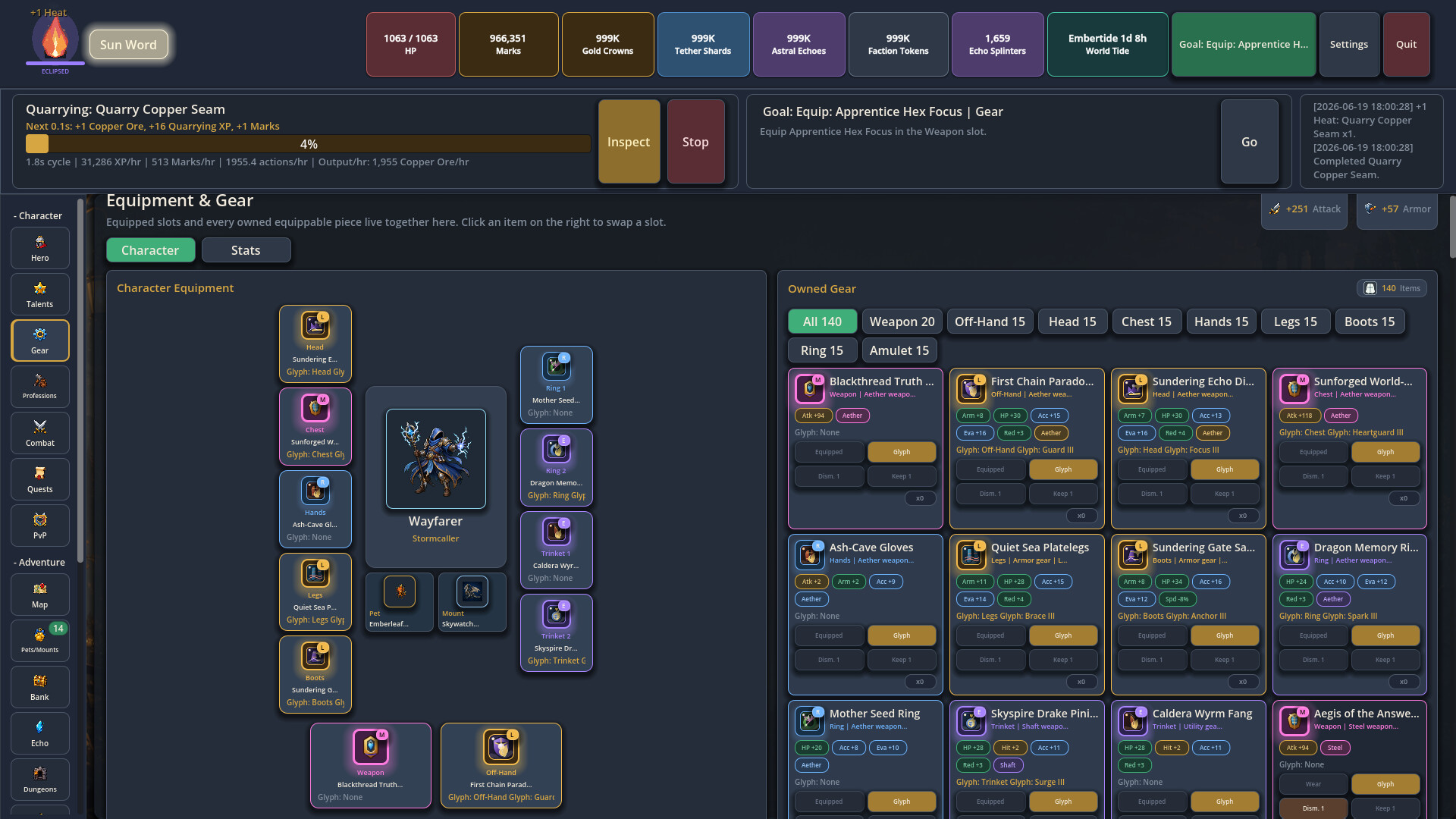
- Multiple reviewers describe the interface as cluttered and cite concrete technical problems: a multi-second delay before resource counts update, oversized buttons, artwork too small to make out clearly, and a "hard refresh" that reviewers say makes the game briefly unreadable whenever it triggers
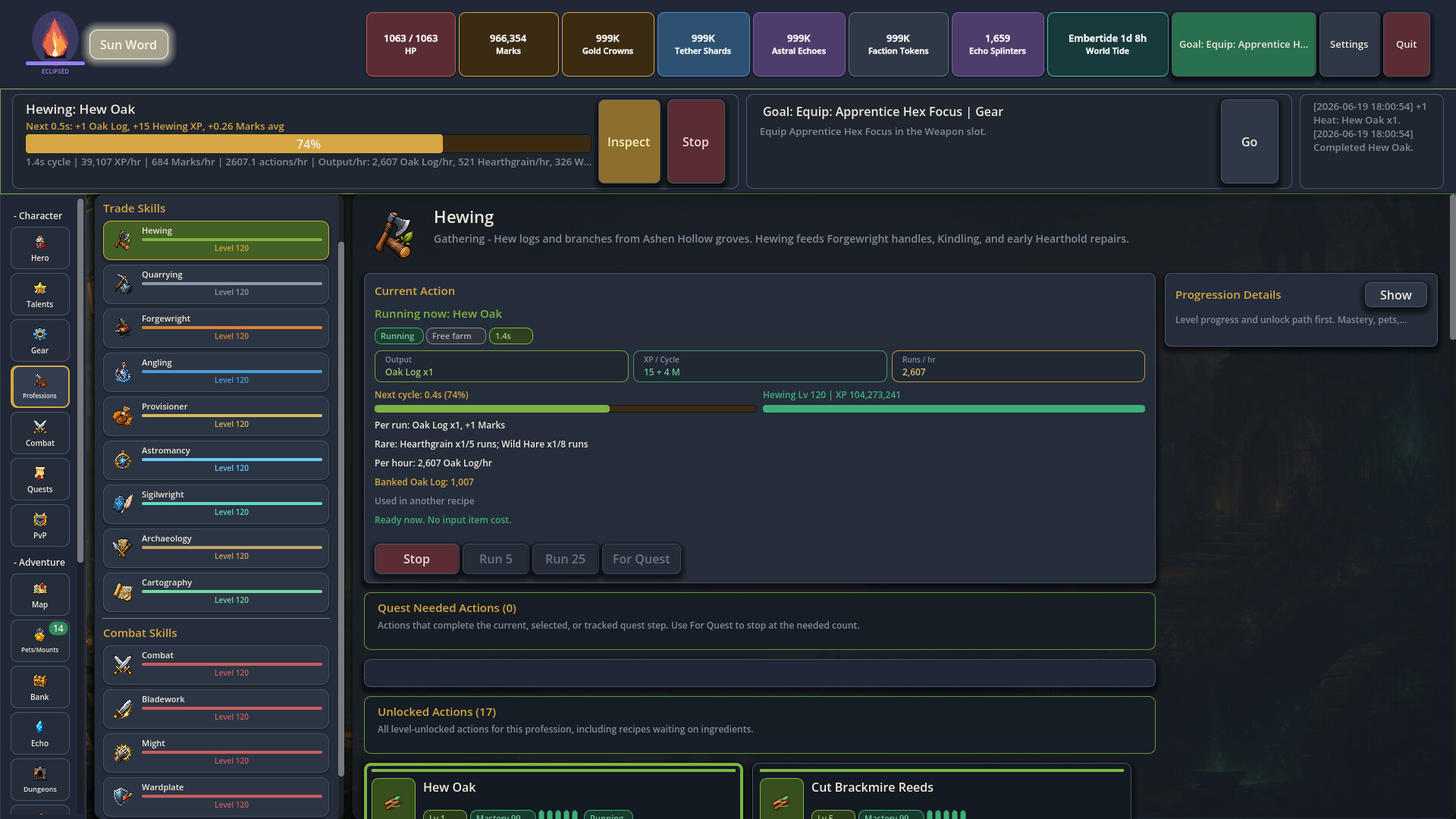
- New players repeatedly report a thin or absent tutorial, with a large number of interface buttons and systems unlocked at once and no clear guidance on where to start
Who it's for: Fans of Melvor Idle-style skilling RPGs who want unusually broad class and system variety and can tolerate real rough edges, and who are comfortable playing primarily in English given the current state of its other localizations.
Our recommendation: Worth trying at its low price if you're already a fan of the genre and want to support an actively updated solo project; wait if a genuinely comfortable interface, finished non-English localization, or certainty about how the game's content was produced matter to you.
6 / 10
Introduction
Astaryn: RPG Idler is a solo project from developer Karl Eriksson, published by Watercolor Games, that plants itself firmly in the Melvor Idle school of offline skilling RPGs while borrowing its framing directly from World of Warcraft: choose one of eight heroes, then farm, fight, quest, trade and run dungeons while much of the actual progress happens passively. The game briefly ran an Early Access period from 3 to 22 June 2026 before releasing in full, and now sits Mixed with English-speaking players — 63.2% positive across 19 reviews. That split isn't scattered noise; it reflects a real, specific tension reviewers keep landing on independently: genuine enthusiasm for how much this one developer has built, set against equally specific, repeated complaints about how roughly it's currently presented — including, notably, a recurring and unverified concern about how some of that content was actually produced.
An unusually ambitious solo build
What draws the most consistent praise isn't any single system but the sheer breadth of what's here. Reviewers list professions, combat, quests, pets, mounts, factions, strongholds and base construction as already present, alongside eight selectable classes that meaningfully change how a given playthrough feels — one reviewer specifically contrasts playing an Aether Warrior, who barely has to think about equipment since it drops from combat, against other classes with different resource concerns. Several reviewers frame this explicitly against the genre's crowded field of Melvor Idle-likes, naming specific competitors, and conclude this one holds up well or better on scope alone; one goes as far as removing a much-anticipated sequel from their wishlist because this project already delivers what they wanted from it. For a single developer working alongside a small publisher, that's a genuinely notable amount of interconnected content to have built and shipped.
A developer reviewers say actually responds
Layered on top of that ambition is a second, independently repeated point of praise: reviewers in English, German and Traditional Chinese all separately credit the developer with fast, direct responses to reported problems. One detailed German-language review describes raising a list of both cosmetic and technical issues and having essentially all of them fixed less than 24 hours later, calling that responsiveness alone reason enough to recommend the game rather than let it join the pile of Steam releases abandoned after launch. A Traditional Chinese review with roughly 247 hours logged reports the same pattern more casually — a reported storage-space shortage reported in the morning was patched that same afternoon. For players weighing whether an early-feeling release is worth the risk, that's a concrete, cross-language signal of active maintenance.
Localization reviewers specifically call machine-translated
Set against that goodwill is a cluster of complaints that recur too often, and too specifically, to treat as isolated frustration. Reviewers writing in Japanese, Simplified Chinese and Traditional Chinese each independently describe the non-English localization as machine-translated and currently inadequate — the Japanese-language review states plainly that what's there doesn't yet amount to real Japanese support, while a Simplified Chinese review calls the translation "a mess" and says it significantly hurts the experience. This isn't a one-off comment from a single frustrated player; it's the same specific complaint, in the same specific terms, from reviewers writing in three different non-English languages independently of each other.
Interface friction and a game that assumes too much, too fast
A separate, equally consistent complaint concerns the interface itself, independent of language. Reviewers describe resource counts that take several seconds to update after an action, buttons sized larger than they need to be, artwork too small to clearly make out or that doesn't clearly match what it represents, and — most seriously — a "hard refresh" that one reviewer says renders the game briefly unreadable and unplayable whenever it triggers. Compounding this, multiple reviewers new to the game report being handed a large number of unlocked systems and buttons with little to no tutorial guidance on where to actually begin, leaving them to click through menus by trial and error before the game starts to make sense — one reviewer specifically says it only clicked once they persisted through the early confusion and started following quests directly.
An unresolved, specific question about how it was made
One recurring thread in this review's research is worth reporting on its own terms, precisely because it's specific and corroborated rather than a single offhand remark. At least two reviewers raise the question of undisclosed AI involvement independently and by different routes: one explicitly states the game is "missing AI disclosure for, at the very least, translations and English text," directly invoking Steam's requirement that AI-generated content be declared; a second, a reviewer with roughly 148 hours logged, describes the short gap between the game's Early Access start and its 1.0 exit, combined with what they call minimal subsequent patches, as consistent with "an abandonware summer project" they suspect used AI to assemble. Tellingly, the question is live enough in the game's own review section that at least one fan addresses it directly and unprompted, writing "AI or no AI, I love it" before defending the game regardless. This review has not inspected the game's development process or verified either claim, and reports this only as a specific, recurring, cross-reviewer pattern rather than as something confirmed. Readers should treat the underlying claim as reviewer speculation, however corroborated, not as independently established fact.
Final Verdict
Astaryn: RPG Idler is a genuinely ambitious piece of solo development — more class variety, more interconnected systems and more scope than plenty of better-resourced entries in an increasingly crowded genre — attached to a developer reviewers repeatedly credit with fast, direct fixes when problems are reported. What keeps it from a stronger score is that its current rough edges are specific and repeated rather than incidental: machine-translated localization that multiple non-English reviewers independently call inadequate, an interface with concrete, named technical problems, a tutorial that leaves new players guessing, and an unresolved, recurring question in its own review section about how much of its content was AI-assisted. Worth its low price for genre fans willing to tolerate real friction from an actively maintained project; worth waiting on for anyone who wants a comfortable first hour or a finished non-English translation.
Pros and cons
Pros
- The scope is unusually broad for a solo-developed idle RPG — eight distinct classes, professions, combat, quests, pets, mounts, factions, strongholds and base construction — and multiple reviewers specifically contrast this favourably with other Melvor Idle-style competitors they've tried
- The developer is repeatedly and independently praised, across English, German and Traditional Chinese reviews, for fast turnaround on reported problems — one detailed German review specifically credits a same-day fix for both cosmetic and technical issues it had raised less than 24 hours earlier
- Reviewers who push past the early confusion describe genuinely satisfying early-game pacing, with class choice meaningfully changing what a session looks like
- The price is low enough, and the amount of content large enough, that several critical reviewers still frame it as reasonable value despite listing real complaints
Cons
- Localization quality draws specific, independent complaints across Japanese, Simplified Chinese and Traditional Chinese reviews, several explicitly describing the translation as machine-generated and, in the Japanese case, saying it currently doesn't amount to real Japanese-language support at all
- Multiple reviewers describe the interface as cluttered and cite concrete technical problems: a multi-second delay before resource counts update, oversized buttons, artwork too small to make out clearly, and a "hard refresh" that reviewers say makes the game briefly unreadable whenever it triggers
- New players repeatedly report a thin or absent tutorial, with a large number of interface buttons and systems unlocked at once and no clear guidance on where to start
- At least two reviewers, independently and using different reasoning, raise concerns that the game's writing and translation may have been produced with undisclosed AI assistance — one citing Steam's AI-content disclosure policy directly, another calling the short gap between Early Access and 1.0 alongside minimal subsequent patches consistent with "an abandonware summer project"; this review has not independently verified either claim and reports them only as a specific, recurring pattern in the review discussion, not as a confirmed fact
- The player auction house, one of the game's few social features, is described by reviewers as thinly populated and not very active
Screenshots
-
Astaryn: RPG IdlerImage: Watercolor Games via Steam -
Astaryn: RPG IdlerImage: Watercolor Games via Steam -
Astaryn: RPG IdlerImage: Watercolor Games via Steam -
How the review scores each part of the gameWanderer Editorial -
The essentials at a glanceWanderer Editorial -
The short versionWanderer Editorial