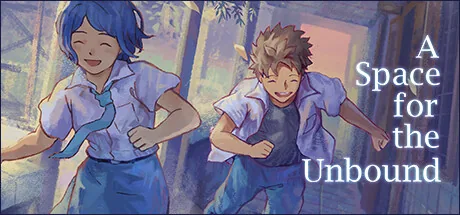
Game review
A Space for the Unbound
8 / 10
- Developer
- Mojiken
- Publisher
- Toge Productions, Cube Game
- Released
- 19 January 2023
- Platforms
- Windows
- Genre
- Adventure
- Monetisation
- One-time purchase, no in-game store
- Players
- Single-player only
The short version
A Space for the Unbound is Mojiken's coming-of-age adventure, published by Toge Productions and Cube Game, following two high school sweethearts through a crumbling Indonesian town as reality itself begins to disintegrate around them. Released 19 January 2023, it holds 7,702 Steam reviews at Overwhelmingly Positive, roughly 97.1%, with recent sentiment running just as strong at 96%. This review's read of a substantial share of both samples finds near-universal praise for its pixel art, music and emotionally resonant, culturally specific story, set against a consistent and specific complaint that its second half leans heavily on fetch quests and backtracking, bloating what several reviewers argue could be a much tighter, stronger experience.
Biggest strengths
- Pixel art draws close to unanimous, specific praise as some of the cleanest and most expressive in the genre, described by multiple reviewers as worth the price on visuals alone
- The story's handling of grief, mental health and moving on from trauma draws genuinely rare praise for emotional specificity, with several reviewers describing it as deeply personal and relatable rather than generic
- Its Indonesian setting and cultural details give the world real specificity, with reviewers both from and outside the region crediting the game with cultural authenticity rather than generic small-town dressing
Biggest weaknesses
- Fetch quests and backtracking are this review's most dominant and specific complaint, with reviewers describing a game that could run four hours stretched toward eight through repeated walking between the same locations
- Several detailed reviewers argue the second half specifically loses momentum the strong opening built, with puzzle and task design feeling more like busywork than meaningful obstacles
- A minority of reviewers found the writing's tone, particularly in the English localisation, inconsistent or overly saccharine compared to the original release
Who it's for: Fans of emotionally driven, slice-of-life narrative adventures with a strong sense of place and culture, who can tolerate real pacing friction in the back half; less suited to players who want tight, purposeful gameplay throughout rather than a story-first pace.
Our recommendation: A genuinely beautiful, emotionally affecting coming-of-age story let down by repetitive padding in its second half — worth playing for the writing and art alone, best enjoyed with patience for the fetch quests along the way.
8 / 10
Introduction
A Space for the Unbound follows Atma and Raya, two high school sweethearts in a small Indonesian town, as their final school days coincide with reality itself beginning to unravel — a magical premise Mojiken uses to explore grief, mental health and the weight the people around us carry quietly. Developed by Mojiken and published by Toge Productions and Cube Game, it released 19 January 2023 for NZ$28.99, currently discounted to NZ$14.49. Over two years on, it holds 7,702 Steam reviews sitting at Overwhelmingly Positive, roughly 97.1%, with recent sentiment running just as strong at 96% across its most recent 100 English reviews. This review reads a substantial share of both the negative and positive samples, and finds a game whose story and presentation draw close to universal praise, paired with a specific, well-documented pacing complaint worth reporting in detail.
A story reviewers describe with genuine emotional specificity
Start with what draws the clearest, most consistent praise across this review's sample: the writing. Reviewers repeatedly credit A Space for the Unbound's handling of grief, mental health and letting go of the past with real emotional specificity rather than generic melodrama, several describing individual character arcs as personally relatable in ways they didn't expect from a pixel-art adventure. One reviewer, noting how much of the story resonated with their own upbringing, asked whether shared, difficult childhood experiences might be "a Southeast Asian thing" — a specific, cross-cultural signal that the writing lands beyond its home audience. The game's Indonesian setting draws its own consistent credit for specificity: cultural details, from wedding-day road closures to local snacks, give the town real texture rather than generic small-town dressing, and reviewers both from the region and outside it credit the game with authenticity rather than exoticism. Pixel art earns equally strong, close to unanimous praise as some of the cleanest and most expressive in the genre, with more than one reviewer saying the visuals alone justify the price. Music draws matching credit for reinforcing the story's emotional beats.
A specific, consistent complaint about pacing and padding
Set against that acclaim, this review's sample shows a large, consistent argument about how the game spends its runtime. Fetch quests and backtracking are named directly and repeatedly as the central problem, with several reviewers making the same specific claim in different words: the game's actual content could deliver a tight four-hour experience, and instead stretches toward eight through repeated walking between the same handful of locations. More than one detailed review argues the second half specifically loses the momentum the strong opening built, describing puzzle and task design in the back stretch as busywork standing between the player and the next story beat rather than meaningful obstacles in their own right. This isn't a complaint confined to the negative sample's fringes — it's the single most repeated specific criticism across this review's read of both positive and negative reviews, including from reviewers who otherwise recommend the game enthusiastically.
A content note worth passing on
Separate from pacing, this review flags one specific piece of reader service: an unexpected animal death occurs during the story without any prior content warning, and more than one reviewer specifically called it out as worth knowing in advance, particularly given how much of the game's marketing and fan discussion centres on its cats. It's a small detail relative to the rest of the game, but exactly the kind of thing a prospective player would want flagged rather than discovered mid-story.
Final Verdict
A Space for the Unbound earns its Overwhelmingly Positive standing through a story this review's sample credits with genuine, specific emotional weight, delivered through some of the cleanest pixel art and most culturally grounded writing in its genre. What keeps this from an even higher score is a consistent, specific complaint about how that story is paced — fetch quests and backtracking that a large share of reviewers, on both sides of the recommend button, describe as bloating the experience well past what its content actually needed. For players willing to push through a padded back half for writing and presentation this strong, that trade-off is an easy one to make, especially at its current discounted price.
Pros and cons
Pros
- Pixel art draws close to unanimous, specific praise as some of the cleanest and most expressive in the genre, described by multiple reviewers as worth the price on visuals alone
- The story's handling of grief, mental health and moving on from trauma draws genuinely rare praise for emotional specificity, with several reviewers describing it as deeply personal and relatable rather than generic
- Its Indonesian setting and cultural details give the world real specificity, with reviewers both from and outside the region crediting the game with cultural authenticity rather than generic small-town dressing
- Music consistently earns credit for reinforcing the story's emotional beats, and the game includes a dedicated achievement for petting every cat encountered along the way
Cons
- Fetch quests and backtracking are this review's most dominant and specific complaint, with reviewers describing a game that could run four hours stretched toward eight through repeated walking between the same locations
- Several detailed reviewers argue the second half specifically loses momentum the strong opening built, with puzzle and task design feeling more like busywork than meaningful obstacles
- A minority of reviewers found the writing's tone, particularly in the English localisation, inconsistent or overly saccharine compared to the original release
- This review flags a specific content note absent from the game's own warnings: an unexpected animal death occurs without prior warning, which more than one reviewer specifically called out as worth knowing before playing
Screenshots
-
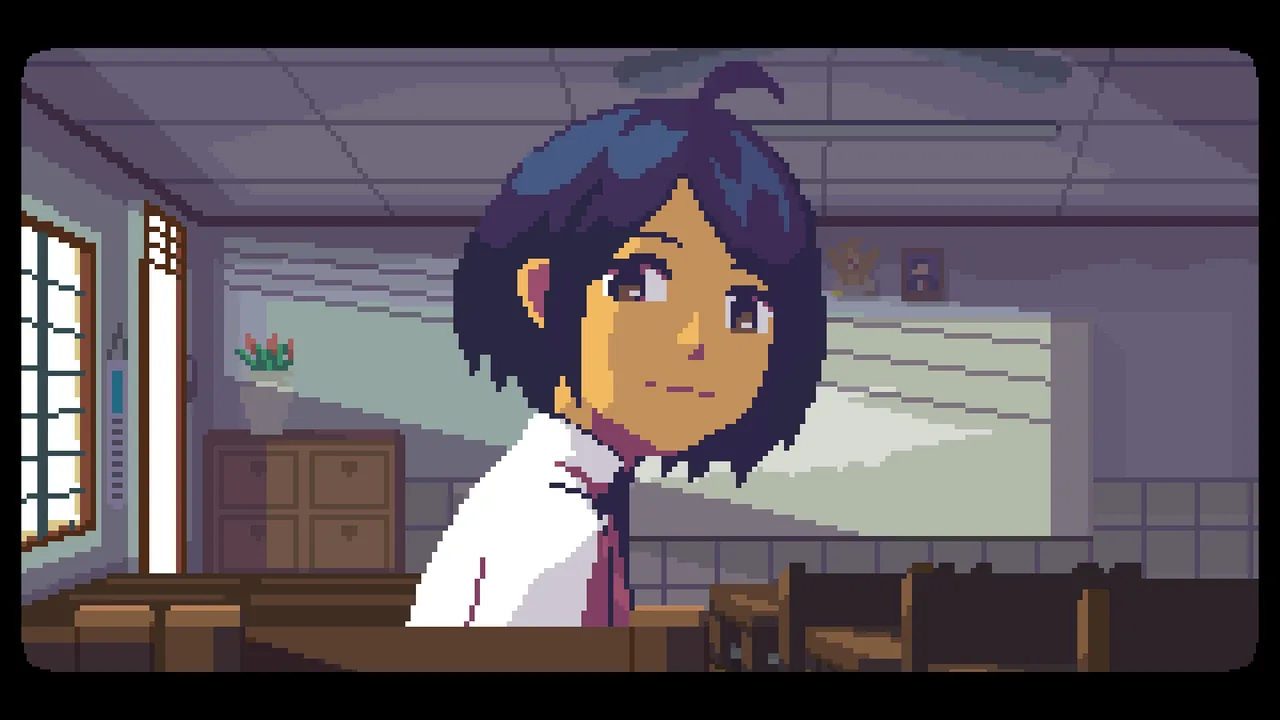
A Space for the UnboundImage: Toge Productions via Steam -
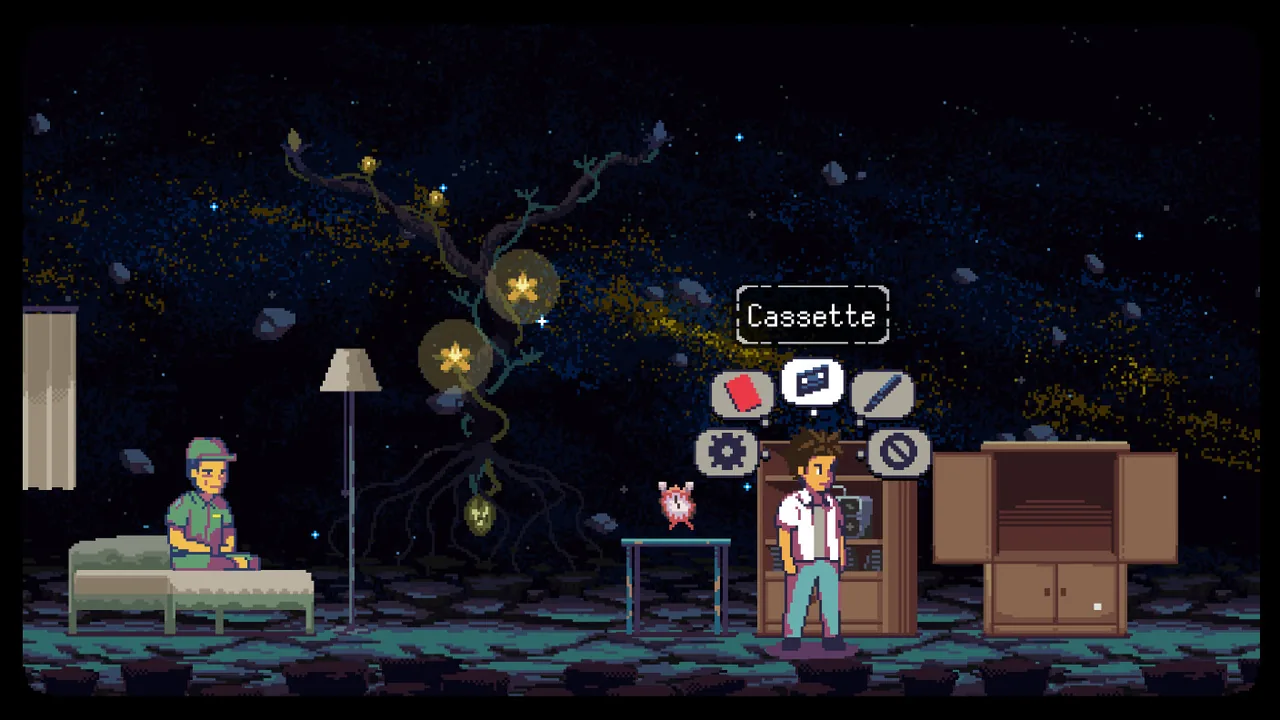
A Space for the UnboundImage: Toge Productions via Steam -
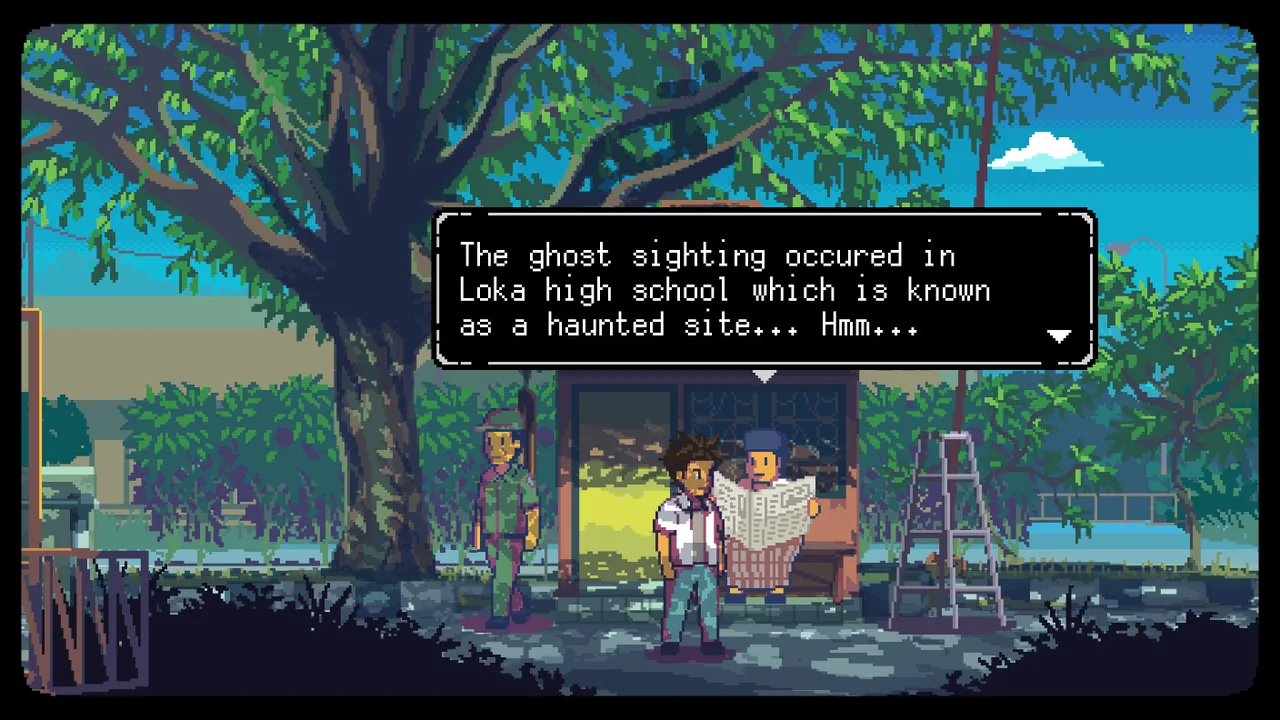
A Space for the UnboundImage: Toge Productions via Steam -
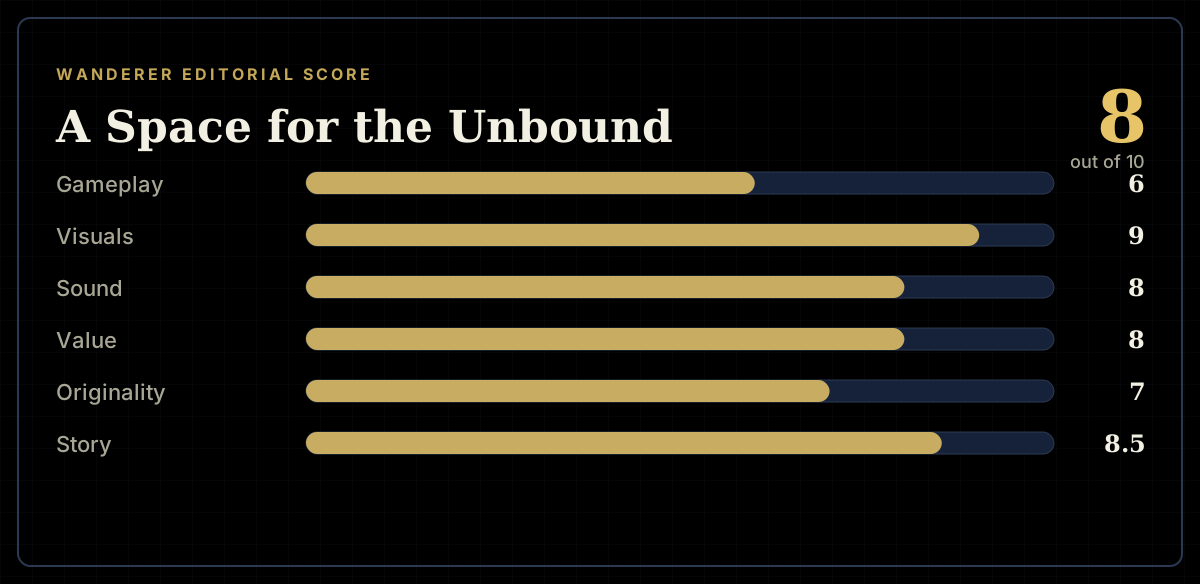
How the review scores each part of the gameWanderer Editorial -
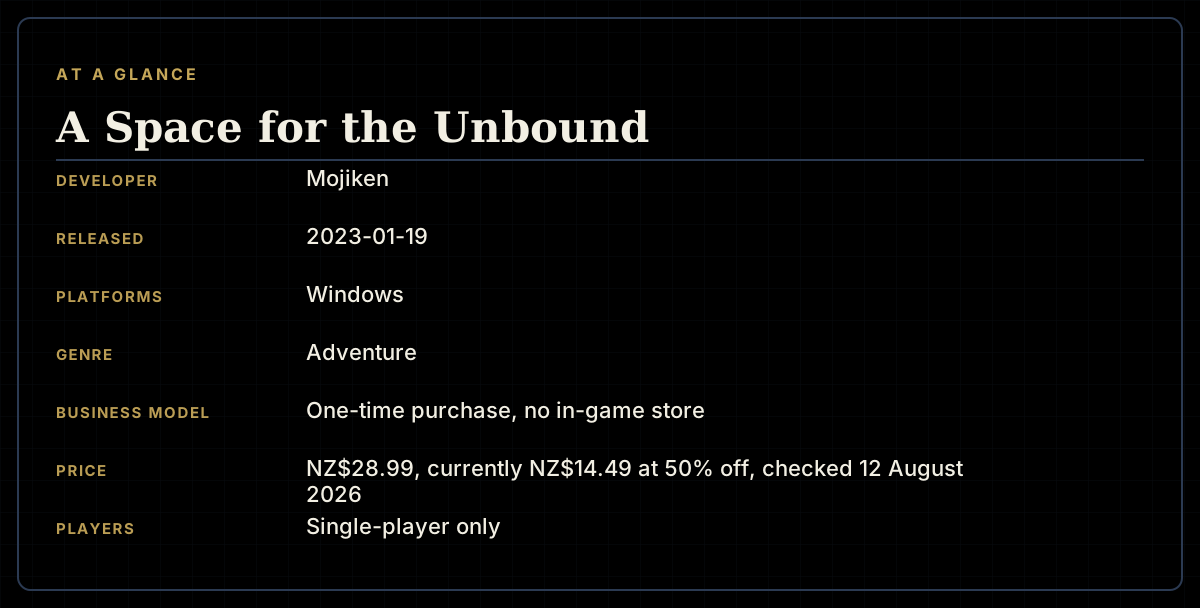
The essentials at a glanceWanderer Editorial -
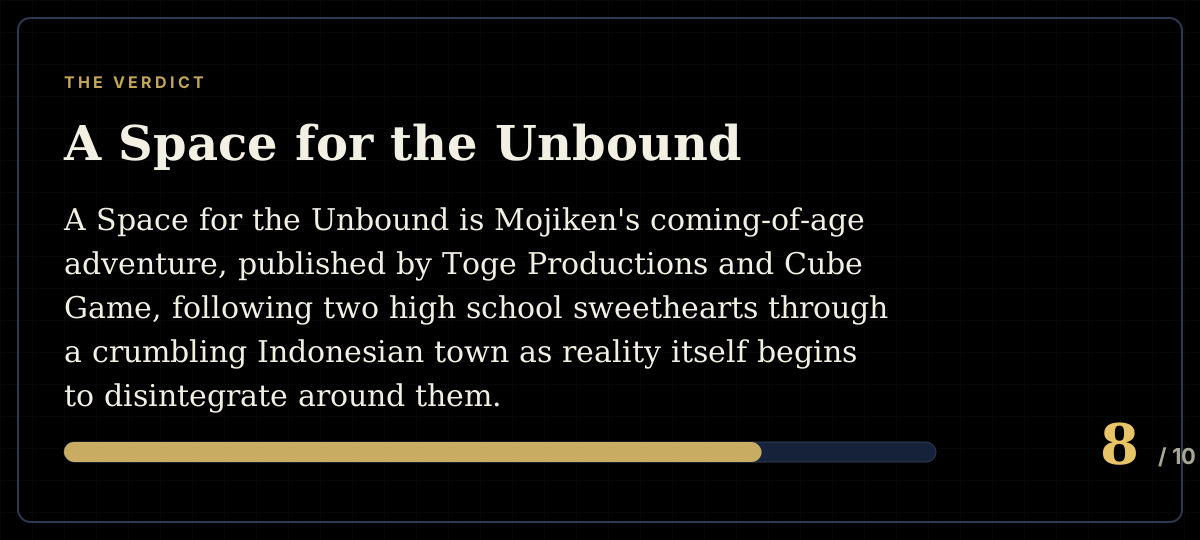
The short versionWanderer Editorial