Game review
Zexion
6 / 10
- Developer
- Gallant Leaf
- Publisher
- Gallant Leaf
- Released
- 21 March 2025
- Platforms
- Windows
- Genre
- Action, Adventure, Indie
- Players
- Single-player
The short version
Biggest strengths
- Genuinely beautiful pixel art and a strong soundtrack that reviewers across the entire review spectrum single out without reservation
- Real diversity across its explorable world locales, with secrets and upgrades that reviewers consistently describe as satisfying to track down
- Two distinct control schemes — classic platformer or a twin-stick-and-bumpers hybrid — show a genuine attempt to innovate on standard genre controls
Biggest weaknesses
- Widely and specifically described as artificially difficult rather than fairly challenging, with several reviewers drawing a sharp line between "hard" and what they call actively hostile design
- The final boss is repeatedly singled out for a punishing, multi-phase structure — one detailed review counts roughly seven distinct phases — with several reviewers reporting attacks that are effectively undodgeable
- An overloaded control scheme maps wall-jumping, hovering, gliding and a complex double-jump to the same input, creating real ambiguity in precision platforming sections
6 / 10
A love letter to NES Metroid, for better and worse
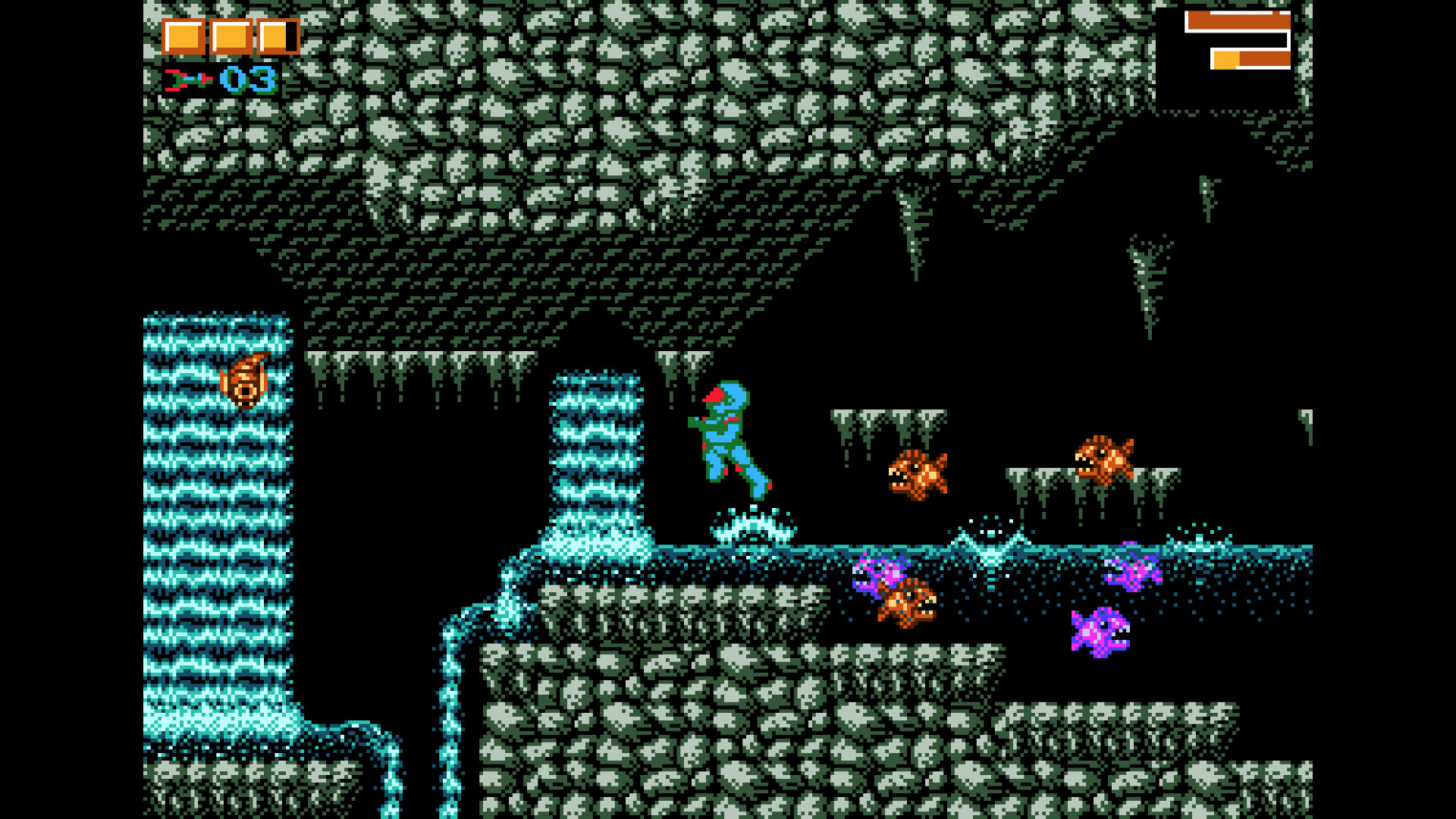
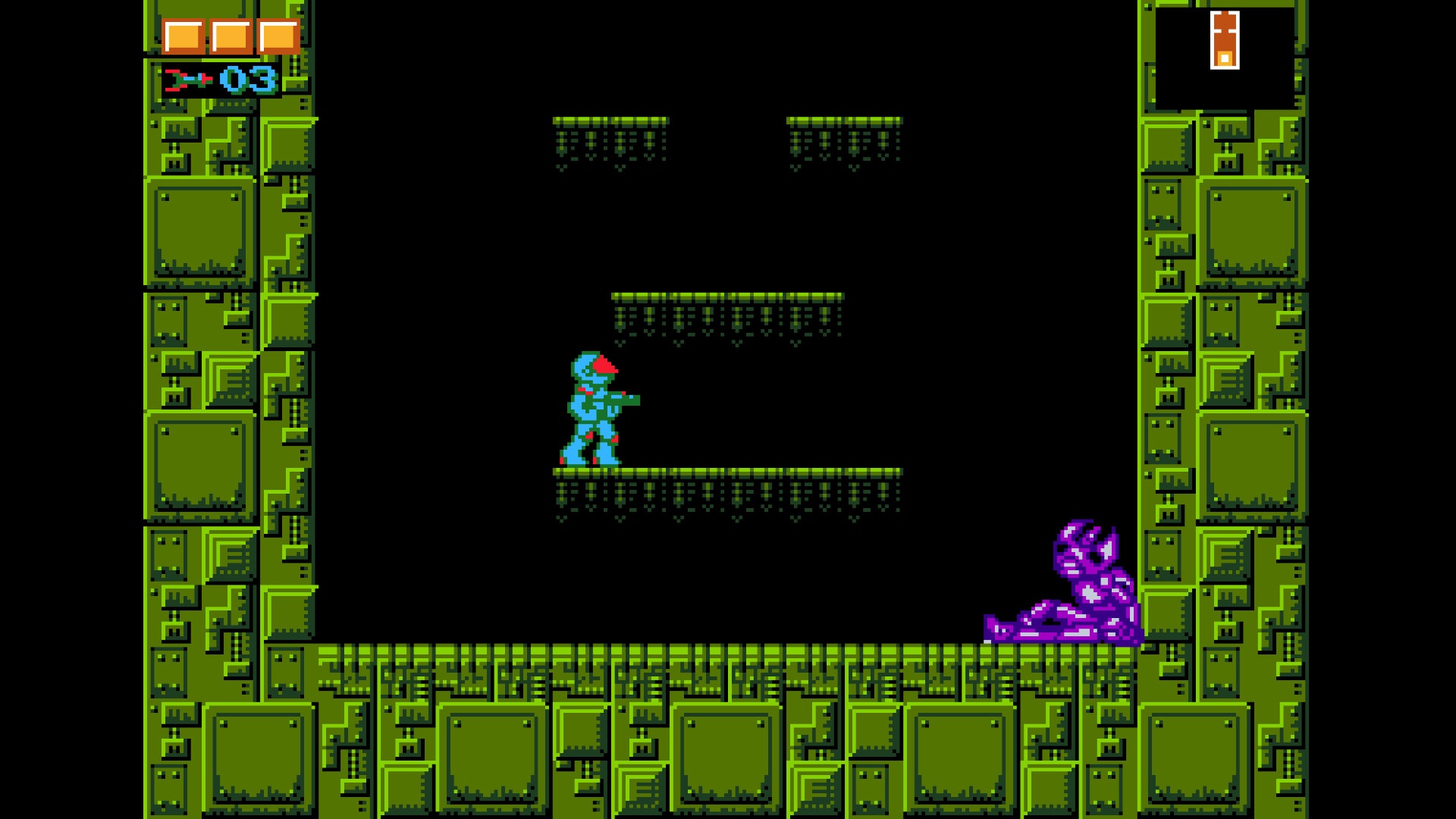
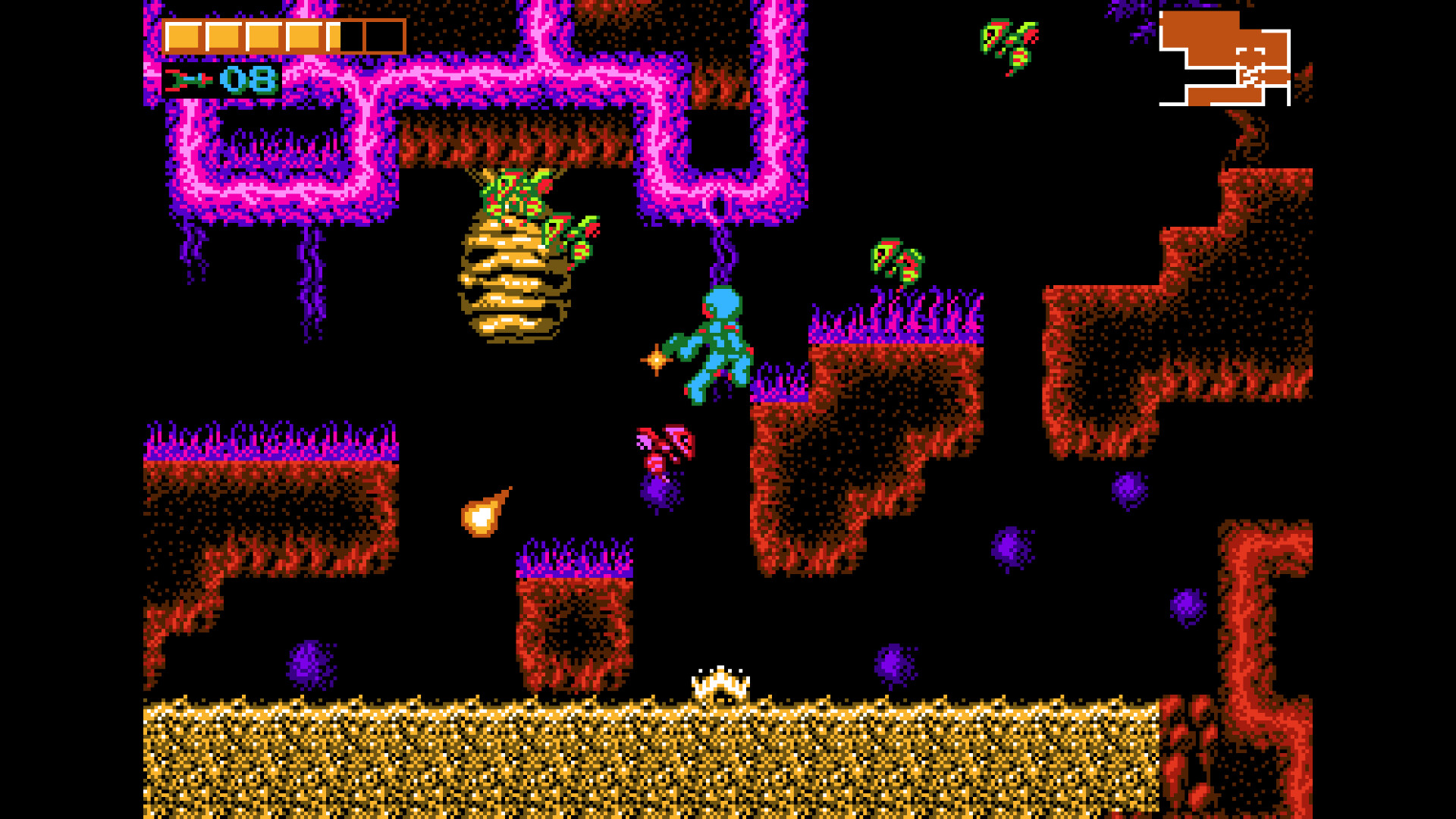
Zexion wears its influences openly, leaning hard into the aesthetic and structural DNA of the original NES Metroid while building considerably more mechanical complexity on top of it. Set in the sci-fi world of Cypher-X72, it sends you hunting for weapons and equipment while racing rival factions after the same forbidden technology, with genuinely beautiful pixel art and a soundtrack that draw consistent, unqualified praise across the entire review spectrum — even reviewers who ultimately can't recommend the game carve out space to say the music and visuals are excellent. One reviewer sums up the tension precisely: "i want to like this game. i want to recommend it. but i can't do that. there's a difference between challenging and BS." That's a fair encapsulation of where the review base lands as a whole — real affection for what the game is trying to be, tempered hard by frustration with how it plays.
The developer's ambition extends to control design as well: Zexion offers two distinct schemes, a classic platformer layout and a twin-stick-and-bumpers hybrid, a genuine attempt to modernise genre conventions rather than simply copy them. One reviewer specifically credits this as "interesting and innovative," even while ultimately abandoning the game over what they call "troll level design" elsewhere.
Difficulty that reviewers say crosses a line
The dominant, most consistently articulated criticism in the negative review sample concerns difficulty design specifically — not that the game is hard, but that it's hard in ways reviewers describe as unfair rather than skill-testing. One detailed review calls it "one of the most frustrating examples of artificial difficulty I've encountered in a game — not because it's mechanically complex in a rewarding way, but because it feels deliberately hostile to the player's ability to engage with it." That specific framing — hostility rather than complexity — recurs across multiple independent reviews describing similar frustrations: enemy attacks that track the player's position through walls and off-screen, damage output from bosses reviewers describe as disproportionate, and encounter pacing that several reviewers say overstays its welcome by the finale.
The final boss draws the sharpest, most specific criticism of all. One detailed review counts the fight running through roughly seven distinct phases, with attacks reviewers describe as effectively undodgeable given the game's control precision. "So unfair, no chance to dodge anything, homing attacks that take away way too much health," one reviewer writes, comparing the difficulty unfavourably not to notoriously hard genre touchstones like Dark Souls but to something they consider simply unbalanced rather than deliberately extreme.
Controls and navigation working against the player
A second, more mechanical thread concerns the control scheme itself. Multiple reviewers report that wall-jumping, hovering, gliding, and an elaborate double-jump variant are all mapped to the same button, creating genuine ambiguity in precisely the tight platforming sections the game's difficulty depends on. "The controls simply aren't good enough for the kind of platforming this game asks you to do," one reviewer states directly, a criticism echoed by others who describe movement becoming progressively "clunkier" rather than more fluid as new traversal abilities unlock — the opposite of the escalating sense of mastery the genre is built to deliver.
Compounding the difficulty and control complaints is a structural one: Zexion has no fast-travel system at all, and multiple reviewers independently call the resulting backtracking a genuine slog rather than the rewarding re-exploration the genre's better examples deliver. Combined with enemy encounters several reviewers describe as designed to be maximally annoying rather than engaging, the mid-to-late game reportedly asks a lot of patience from players who already have plenty of other reasons to be frustrated.
A misunderstanding that reveals a real onboarding gap
One review captures an interesting wrinkle in how the game communicates its own systems: a reviewer initially posted harsh criticism of the control scheme, then edited their review after speaking directly with the developer, explaining they had "woefully misunderstood" it — the game is designed as a twin-stick shooter, and the face-button jumping-and-shooting combination they'd been struggling with was never the intended approach. That's a genuinely useful data point distinct from the deliberate-difficulty complaints above: it suggests at least some of the control frustration in the review base stems from the game not clearly signalling which of its two control schemes new players should default to, rather than either scheme being broken outright. A clearer in-game explanation of the intended control philosophy up front could plausibly resolve a meaningful share of the early frustration reviewers report, even if it wouldn't touch the separate, more substantive complaints about the final boss and the overall difficulty curve.
That distinction matters for anyone considering the purchase: reading a handful of recent reviews for confirmation of which control scheme they're actually using, before drawing conclusions about "clunky" controls, may save some of the frustration this review's negative sample describes.
Where this leaves it
Zexion is a genuinely well-crafted homage held back by difficulty and control decisions its own most sympathetic reviewers can't get past. The art, music, and world design earn real, consistent praise, and the achievement data confirms there's substantial content for players who push through — but a control scheme that overloads single inputs, a final boss widely described as unfair rather than hard, and a total absence of fast travel add up to a genre entry that demands unusual tolerance for frustration to see through to the end. Recommended for genre veterans specifically drawn to punishing, retro-inspired challenge, with a clear-eyed warning that "punishing" here reads to many reviewers as poorly calibrated rather than expertly tuned.
Pros and cons
Pros
- Genuinely beautiful pixel art and a strong soundtrack that reviewers across the entire review spectrum single out without reservation
- Real diversity across its explorable world locales, with secrets and upgrades that reviewers consistently describe as satisfying to track down
- Two distinct control schemes — classic platformer or a twin-stick-and-bumpers hybrid — show a genuine attempt to innovate on standard genre controls
- A wide achievement spread (84.0% down to 0.8% across 32 achievements) confirms real content depth for players who push through the harder stretches
Cons
- Widely and specifically described as artificially difficult rather than fairly challenging, with several reviewers drawing a sharp line between "hard" and what they call actively hostile design
- The final boss is repeatedly singled out for a punishing, multi-phase structure — one detailed review counts roughly seven distinct phases — with several reviewers reporting attacks that are effectively undodgeable
- An overloaded control scheme maps wall-jumping, hovering, gliding and a complex double-jump to the same input, creating real ambiguity in precision platforming sections
- No fast travel of any kind, turning the genre's usual backtracking into what multiple reviewers call a slog
- Movement is repeatedly reported to get clunkier, not smoother, as more traversal abilities are unlocked over the course of the game
Screenshots
-
ZexionImage: Gallant Leaf via Steam -
ZexionImage: Gallant Leaf via Steam -
ZexionImage: Gallant Leaf via Steam -
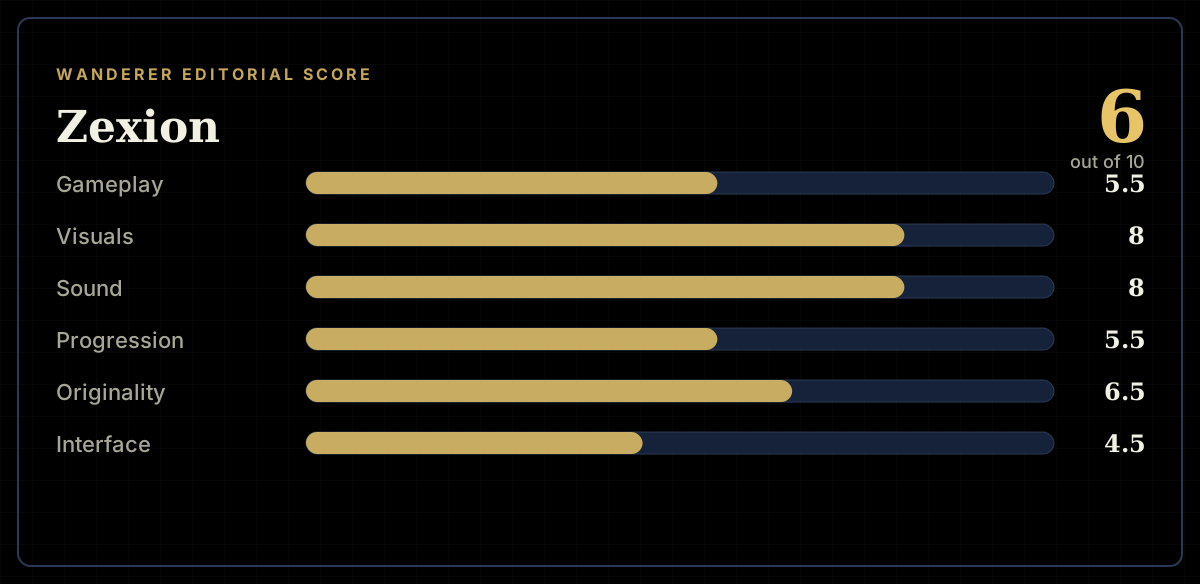
How the review scores each part of the gameWanderer Editorial -
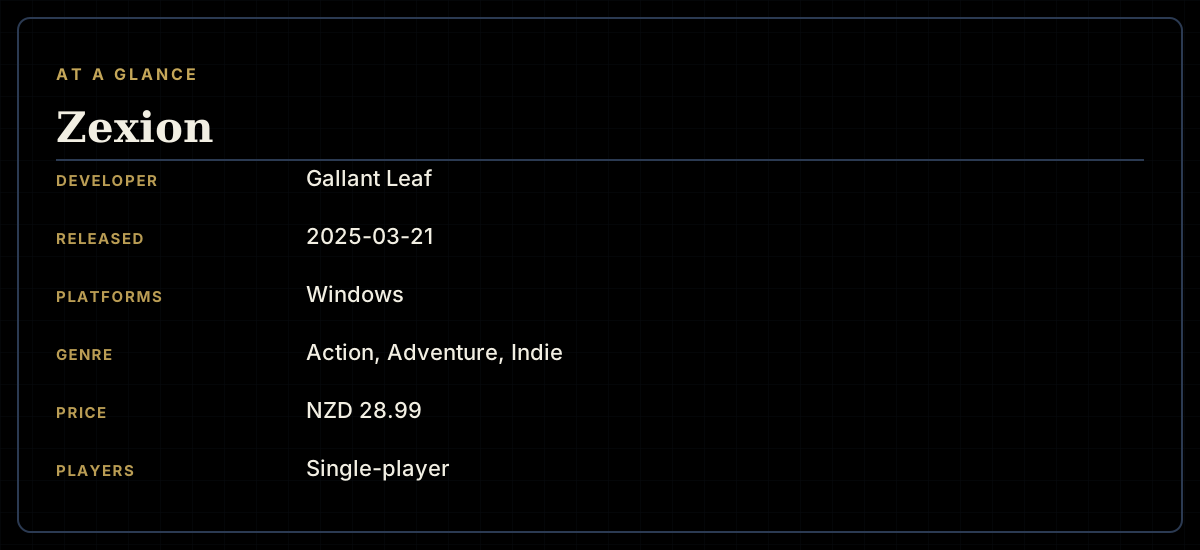
At a glanceWanderer Editorial -
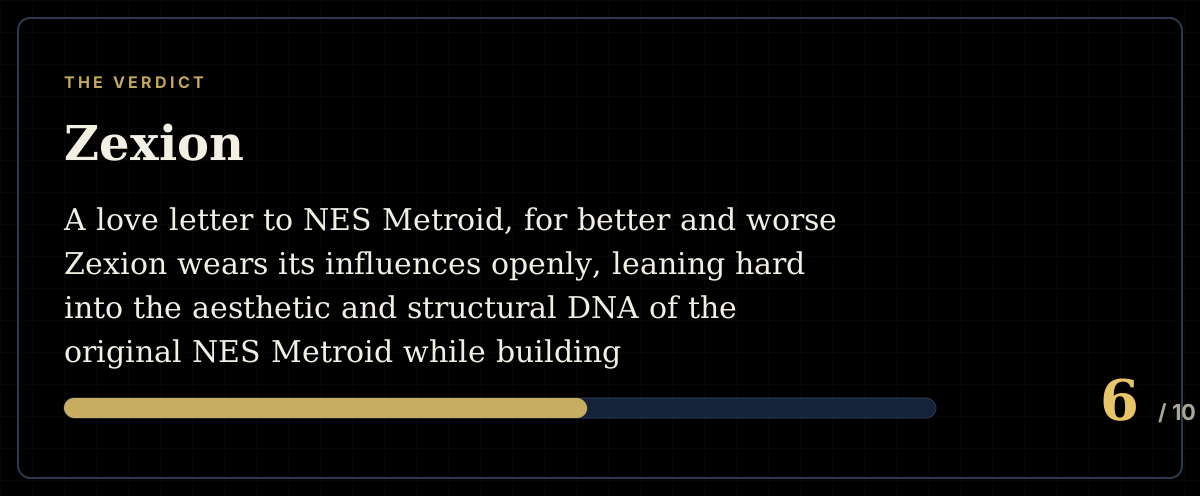
The short versionWanderer Editorial