Game review
Guns of Fury
5.5 / 10
- Developer
- Gelato Games Ltd
- Publisher
- Gelato Games Ltd
- Released
- 13 February 2025
- Platforms
- Windows
- Genre
- Action, Adventure, Indie
- Players
- Single-player
The short version
Biggest strengths
- A genuinely appealing pixel-art style and soundtrack that draw comparisons to Metal Slug from reviewers with real affection for that lineage
- When the shooting is left to just be shooting, the moment-to-moment combat is consistently described as fun and chaotic in the best sense
- A gradual, well-spread achievement curve (80.3% down to 4.0% across 27 achievements) confirms real content depth including multiple distinct endings and a New Game Plus mode
Biggest weaknesses
- The central structural idea — making traversal-unlock power-ups double as combat weapons — is widely reported as the game's core design flaw, forcing constant menu-based weapon swaps mid-exploration with no hotswap option
- Enemies fully respawn every time you re-enter a room, meaning the genre's usual backtracking becomes repeated, forced combat rather than a quick return trip
- No diagonal aiming, a basic run-and-gun expectation several reviewers say is a glaring omission
5.5 / 10
Metal Slug meets Metroidvania, on paper
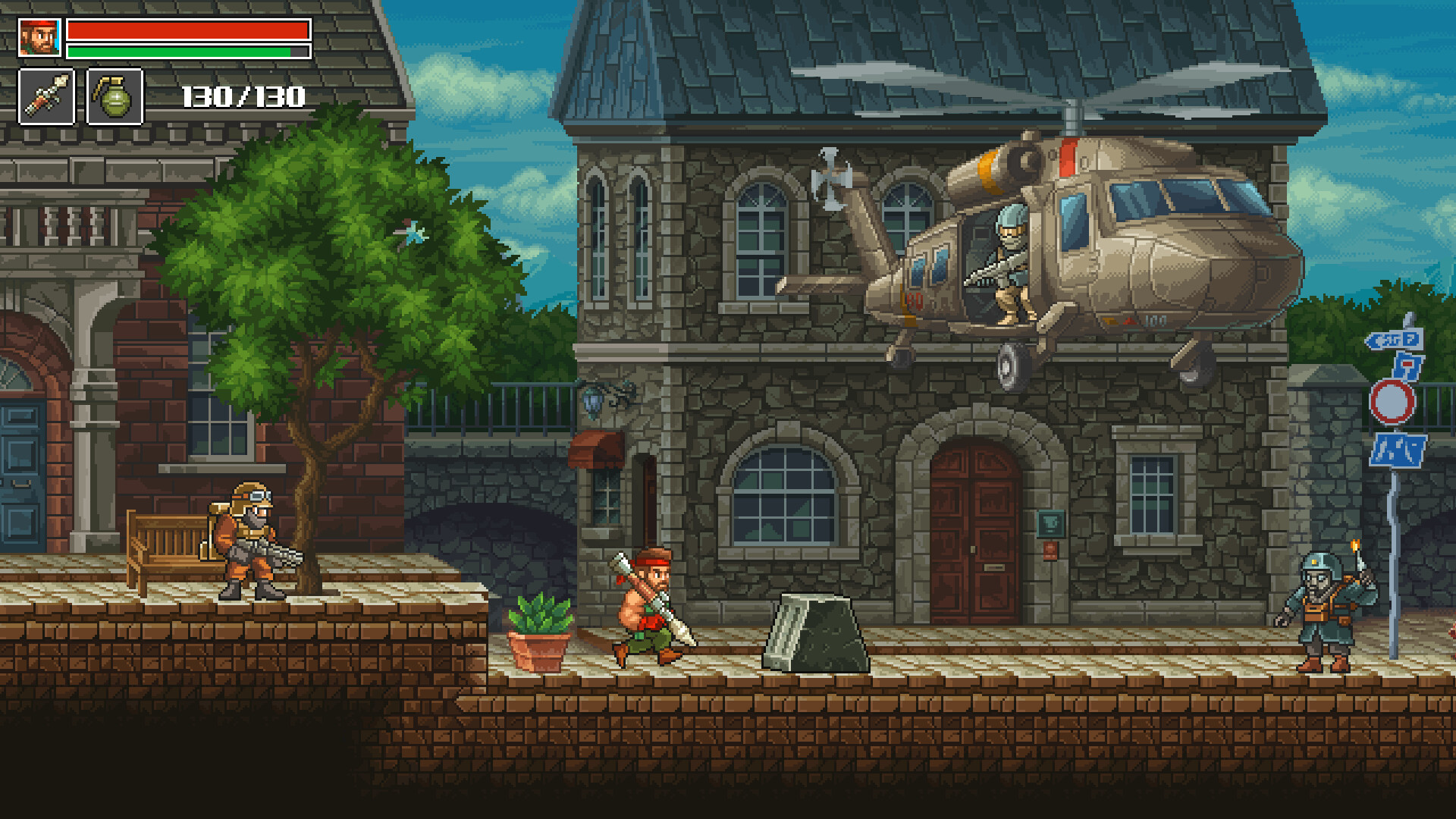
Guns of Fury sets out to fuse two well-loved but rarely combined genre traditions: the chaotic, explosive run-and-gun energy of Metal Slug, and the interconnected, ability-gated exploration of a Metroidvania. On the surface it delivers real craft toward that goal — reviewers consistently praise the pixel art, the "action fun" music, and the sheer chaos-on-screen feeling that the best Metal Slug games are known for. One reviewer opens by naming both halves of the influence directly and crediting the game for genuinely capturing "the beautiful pixel art, the chaos of everything blowing up, and the action fun music" of its inspiration.
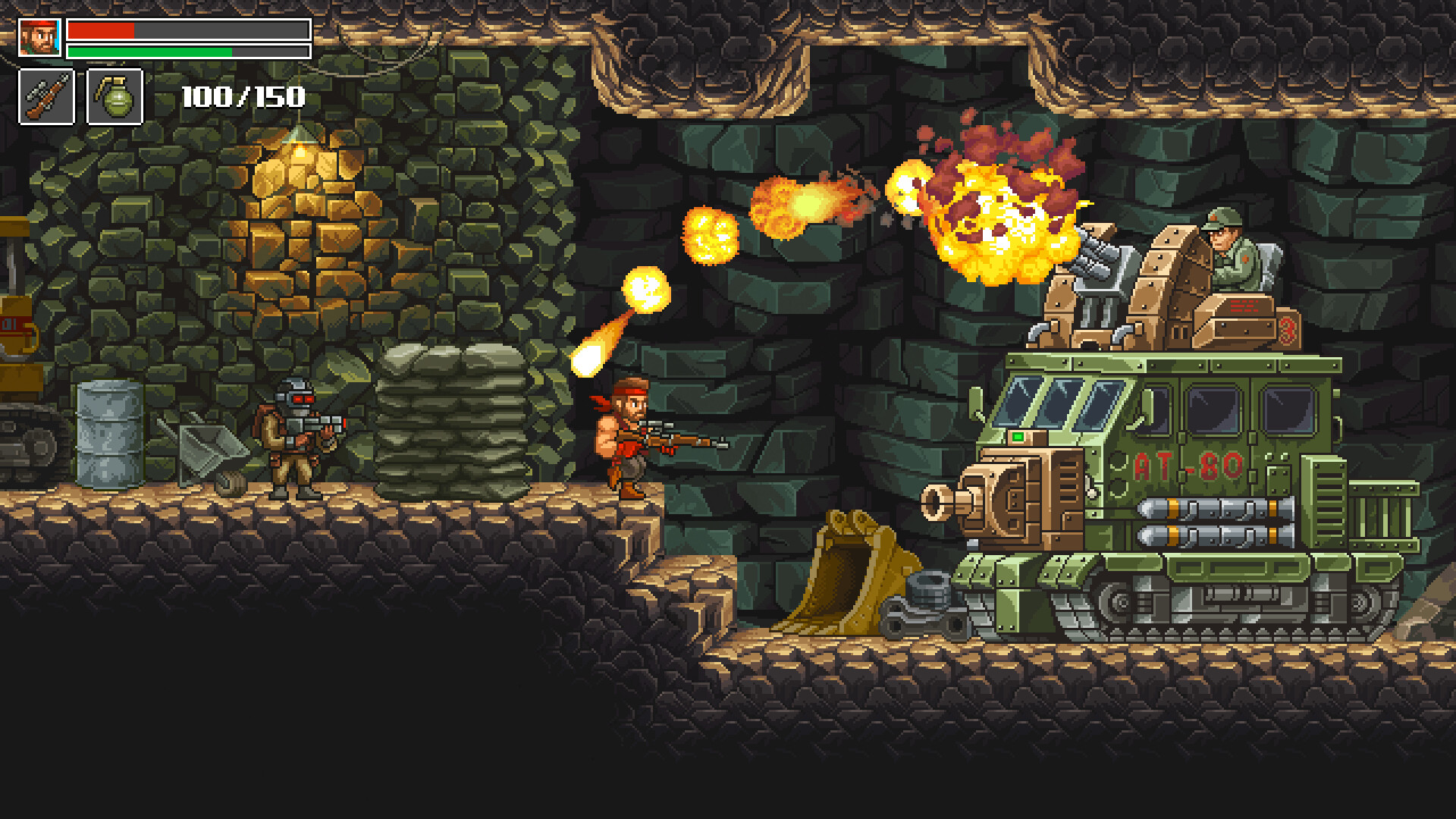
Boss encounters draw similarly consistent praise even from reviewers who are otherwise critical of the surrounding game — multiple reviews specifically carve out an exception for boss design, describing fights as satisfying set pieces that work well even when the exploration around them doesn't. That combination — strong bosses, strong presentation, real chaos in the shooting itself — is why so many reviewers open by saying they wanted to love this game.
The idea that undermines everything
Where nearly every detailed review converges is on a single structural decision: the weapons you find throughout the game double as the traversal-unlock tools a Metroidvania depends on, and there's no way to quickly swap between them. "Having weapons be key items to reach other areas but not having a way to hotswap weapons requires you to navigate three different menu pages to switch guns so you can move areas," one reviewer explains precisely, adding that "having one of these weapons require an enemy present is even worse design." Another reviewer arrives at the identical structural diagnosis independently: "your powerups that you get for traversal for the Metal Slug side are guns for the Metal Slug side. This comes to be a real problem the further down the game you are as you have to switch guns often."
This isn't a matter of taste — it's a genuine mechanical friction point that compounds the further into the game a player gets, since later areas demand more frequent switching between combat-optimal and traversal-optimal loadouts, each requiring a menu detour that interrupts the exact fast-paced momentum the run-and-gun half of the game is trying to deliver.
Backtracking that fights the player twice over
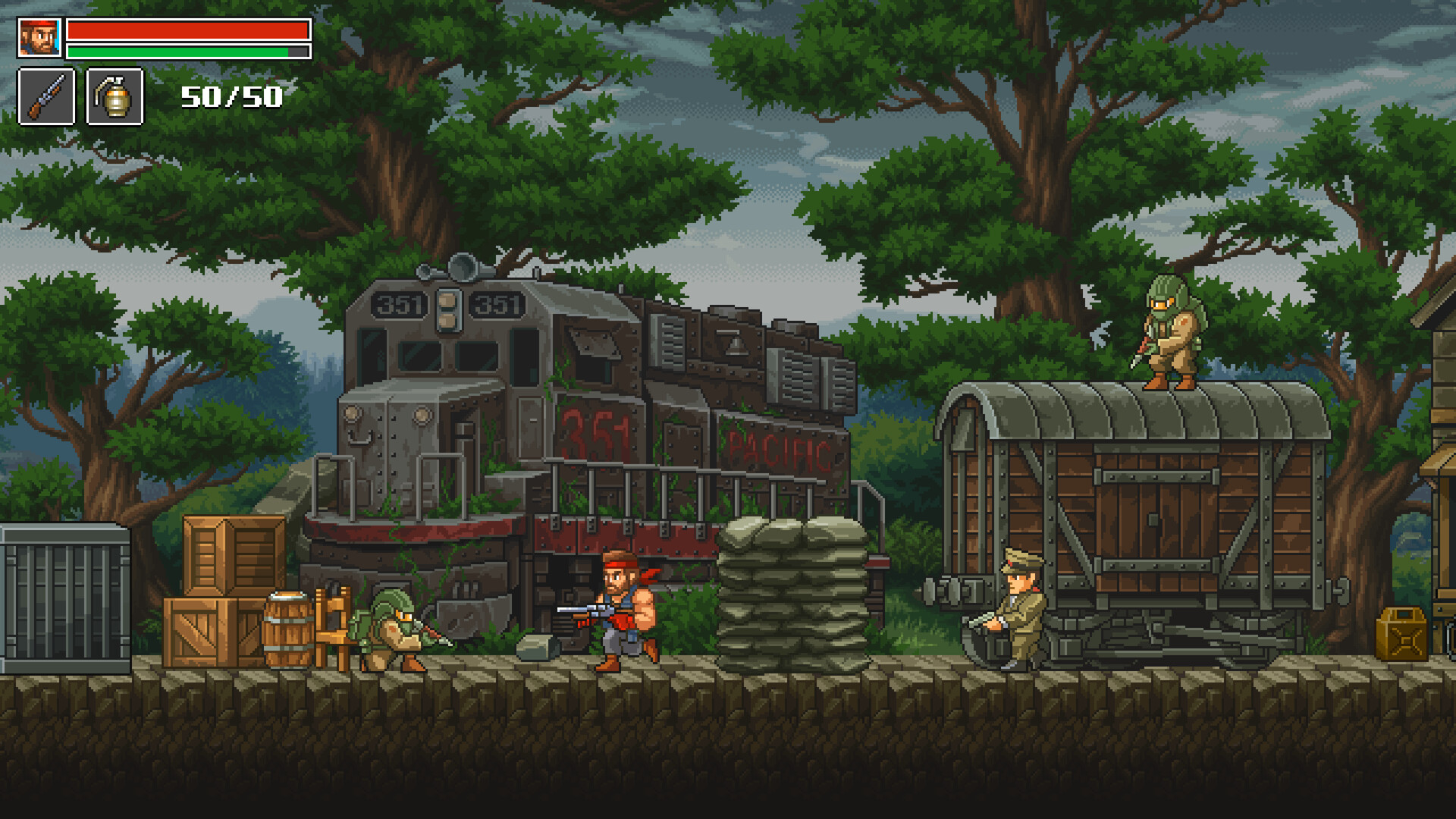
Layered onto the weapon-switching friction is a second, compounding problem: rooms fully repopulate with enemies every time you pass back through them. In a genre built around returning to earlier areas once new abilities open up previously inaccessible paths, that design choice turns ordinary backtracking into forced, repeated combat rather than a quick, rewarding revisit. "You have to kill every enemy again every single time you go through a room," one reviewer notes, framing it as the specific reason an otherwise "fair" Metroidvania becomes exhausting to actually finish. Compounding this further, several reviewers report save points and fast-travel options are too sparse for the size of the interconnected map, meaning a single mistake or a need to backtrack for a missed item can cost a genuinely large chunk of time re-fighting the same rooms.
A handful of more specific mechanical gaps sharpen the frustration: the absence of diagonal aiming is called out repeatedly as a basic omission for a run-and-gun game, and multiple reviewers separately describe a mid-game difficulty spike where areas shift abruptly into bullet-sponge enemy design and screen-filling bullet-hell patterns, a tonal shift several self-described "casual" players say pushed them to quit within the first couple of hours even though they'd enjoyed the opening.
What the achievement curve says about who finishes it
The achievement data offers a useful counterpoint to how harsh the negative reviews read in isolation. The curve from the first boss (80.3%) through the sixth (41.4%) declines gradually rather than falling off a cliff, suggesting the core campaign, weapon-swapping friction and all, remains navigable for a genuine majority of buyers well into the mid-game. It's only at the far end — treasure and map completion sitting at 10.0%, full equipment collection at 6.2%, and the game's alternate endings sitting at 4-4.7% — that the numbers turn sharply small, which is a fairly normal shape for optional 100%-completion content in any Metroidvania rather than evidence the core game itself is broken.
That's worth weighing against the strength of the structural complaints above: this isn't a game most buyers are abandoning in disgust within the first hour, based on the boss-completion numbers, but one where a real and specific design friction accumulates steadily as a run goes on, making full completion feel like more of a slog than the genre's better examples do. The mid-campaign numbers suggest patience is rewarded more often than the loudest negative reviews might imply, even if the late-game grind those same reviews describe is real.
Where this leaves it
Guns of Fury has real, unmistakable craft in its presentation and its combat's raw moment-to-moment energy, and its boss fights earn praise even from its harshest reviewers. What holds it back is a specific, well-diagnosed structural conflict at the heart of its genre-fusion premise: making traversal tools double as weapons sounds elegant on paper, but in practice it interrupts exactly the momentum both halves of its inspiration depend on, compounded by full enemy respawns that turn backtracking into a grind rather than a reward. Recommended for genre fans specifically curious about the Metal Slug/Metroidvania hybrid concept, with realistic expectations that the idea's execution doesn't yet match its ambition.
Pros and cons
Pros
- A genuinely appealing pixel-art style and soundtrack that draw comparisons to Metal Slug from reviewers with real affection for that lineage
- When the shooting is left to just be shooting, the moment-to-moment combat is consistently described as fun and chaotic in the best sense
- A gradual, well-spread achievement curve (80.3% down to 4.0% across 27 achievements) confirms real content depth including multiple distinct endings and a New Game Plus mode
- Boss fights are singled out favourably even by reviewers who are frustrated with the surrounding exploration design
Cons
- The central structural idea — making traversal-unlock power-ups double as combat weapons — is widely reported as the game's core design flaw, forcing constant menu-based weapon swaps mid-exploration with no hotswap option
- Enemies fully respawn every time you re-enter a room, meaning the genre's usual backtracking becomes repeated, forced combat rather than a quick return trip
- No diagonal aiming, a basic run-and-gun expectation several reviewers say is a glaring omission
- Sparse save points and fast-travel options make already-tedious backtracking worse
- A reported mid-game difficulty spike pushes several areas into bullet-sponge, bullet-hell territory that more casual players say turns them off within the first hour or two
Screenshots
-
Guns of FuryImage: Gelato Games Ltd via Steam -
Guns of FuryImage: Gelato Games Ltd via Steam -
Guns of FuryImage: Gelato Games Ltd via Steam -
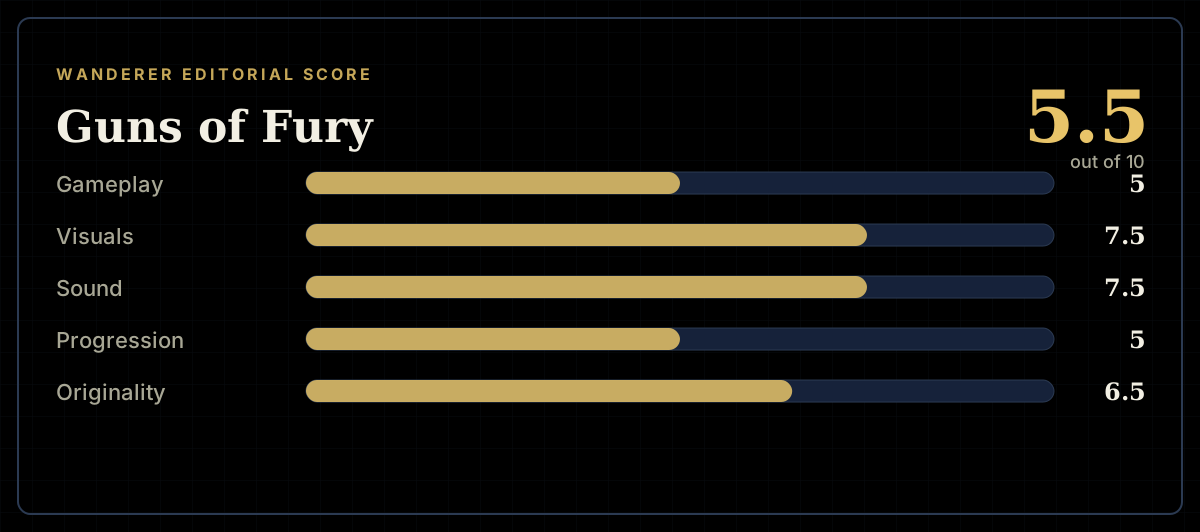
How the review scores each part of the gameWanderer Editorial -
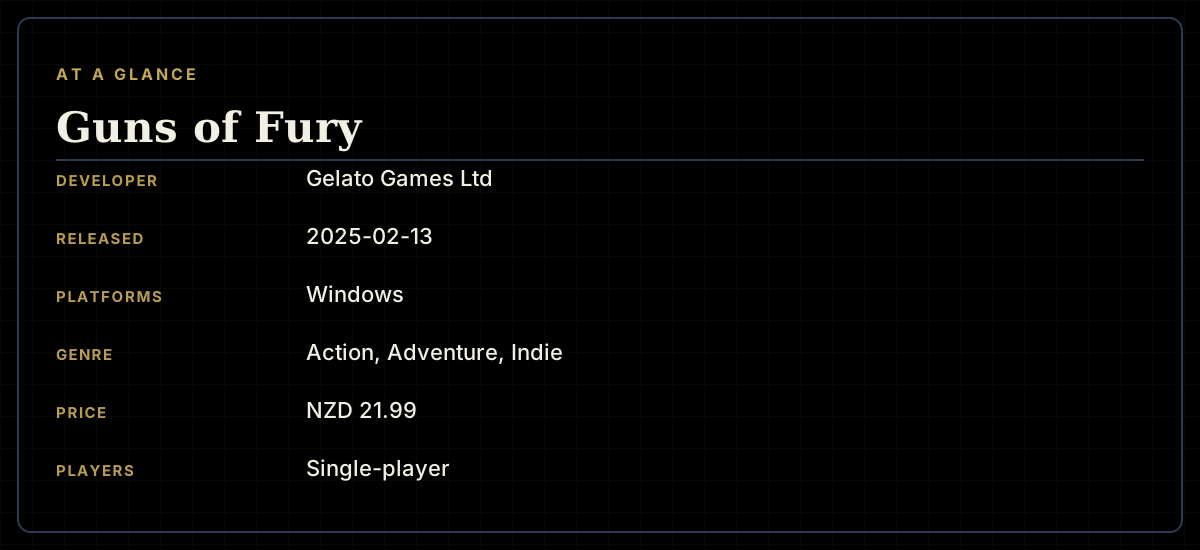
At a glanceWanderer Editorial -
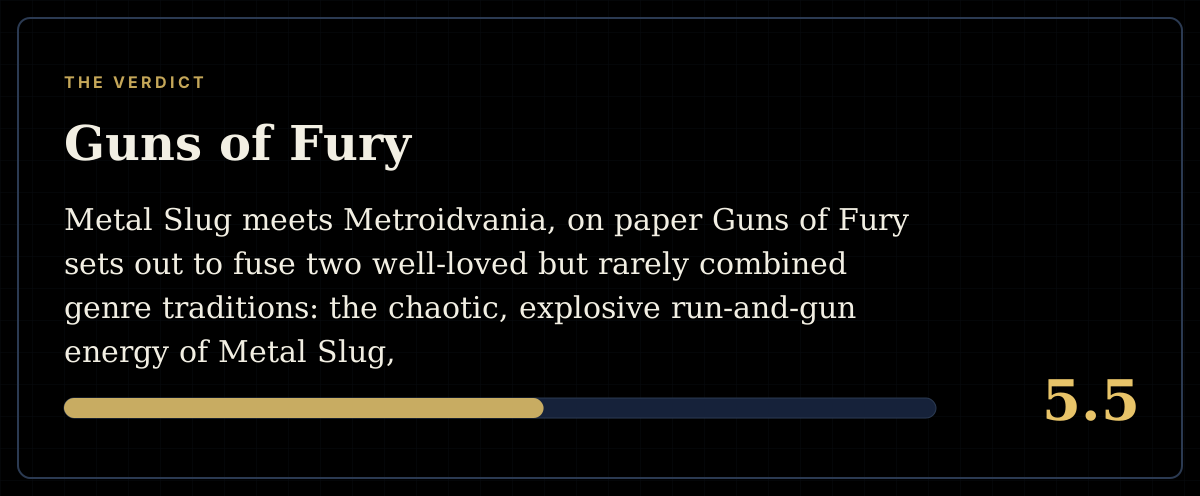
The short versionWanderer Editorial