Game review
Wunderdoktor
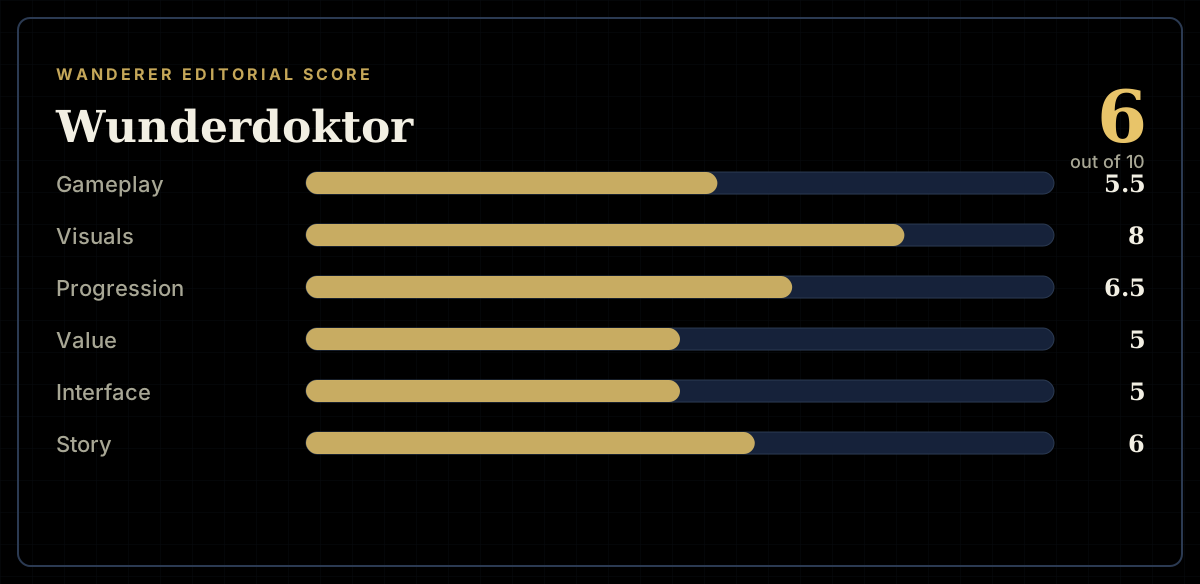
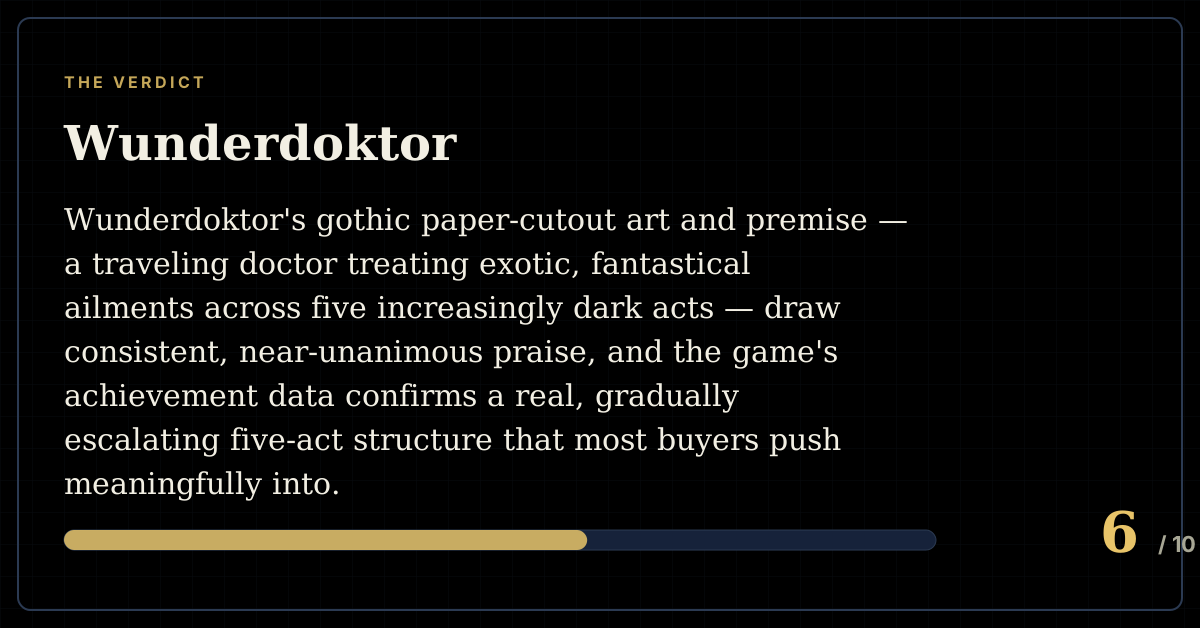
6 / 10
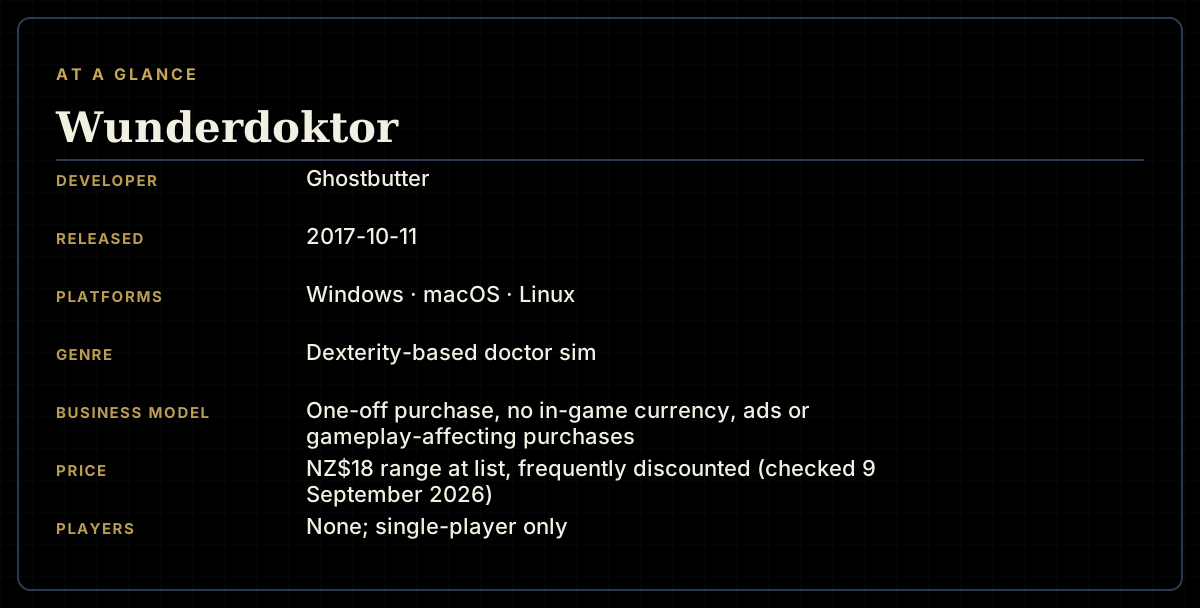
- Developer
- Ghostbutter
- Publisher
- Ghostbutter
- Released
- 11 October 2017
- Platforms
- Windows, macOS, Linux
- Genre
- Dexterity-based doctor sim
- Monetisation
- One-off purchase, no in-game currency, ads or gameplay-affecting purchases
- Players
- None; single-player only
The short version
Wunderdoktor's gothic paper-cutout art and premise — a traveling doctor treating exotic, fantastical ailments across five increasingly dark acts — draw consistent, near-unanimous praise, and the game's achievement data confirms a real, gradually escalating five-act structure that most buyers push meaningfully into. The tension in its review sample comes from a mismatch between how it was marketed and what it actually plays like: comparisons to Papers, Please and point-and-click puzzlers set expectations for analytical decision-making that the actual game, built almost entirely around fast, repetitive clicking and precise mouse dexterity, doesn't deliver on. Reviewers who came in expecting a puzzle game are consistently disappointed; those who came in for a short, strange, good-looking clicking challenge are consistently charmed. A short runtime at a list price several reviewers call too high for the length compounds the mismatch further.
Biggest strengths
- A distinctive gothic paper-cutout art style and dark fairy-tale premise draw consistent, nearly unanimous praise across the entire review sample
- A genuine five-act structure with achievement data showing a smooth, gradual difficulty taper rather than a wall, evidence of real pacing work across the whole runtime
- A separate, much harder completionist tier (no-death and no-damage clears of the final act, each under 4% completion) gives dedicated players a real extra challenge distinct from the main story's difficulty
Biggest weaknesses
- Marketing and reviewer comparisons to Papers, Please and point-and-click puzzle games set expectations the actual game doesn't meet — several detailed reviews specifically push back on this framing, describing it instead as fast, repetitive clicking with little analytical decision-making
- Multiple reviewers report genuine hand or wrist strain from the sustained rapid-clicking demands, with one calling it "a carpal tunnel clicker nightmare"
- Mouse precision issues are reported by more than one player as actively undermining playability rather than just adding difficulty
Who it's for: Players drawn specifically to its dark, whimsical art style and premise who are comfortable with fast, repetitive mouse-clicking as the core interaction, ideally picked up on sale given its short length. Less suited to anyone expecting a Papers, Please-style analytical puzzle experience, or anyone prone to hand or wrist strain from sustained rapid clicking.
Our recommendation: Worth it on a discount for the art and premise specifically; approach with accurate expectations about what kind of game it actually is, and don't buy it at full list price expecting a long or deeply puzzle-driven experience.
6 / 10
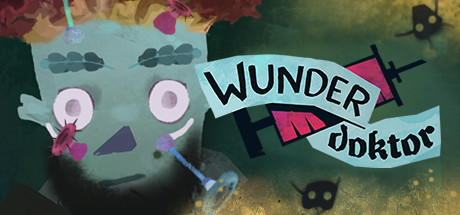
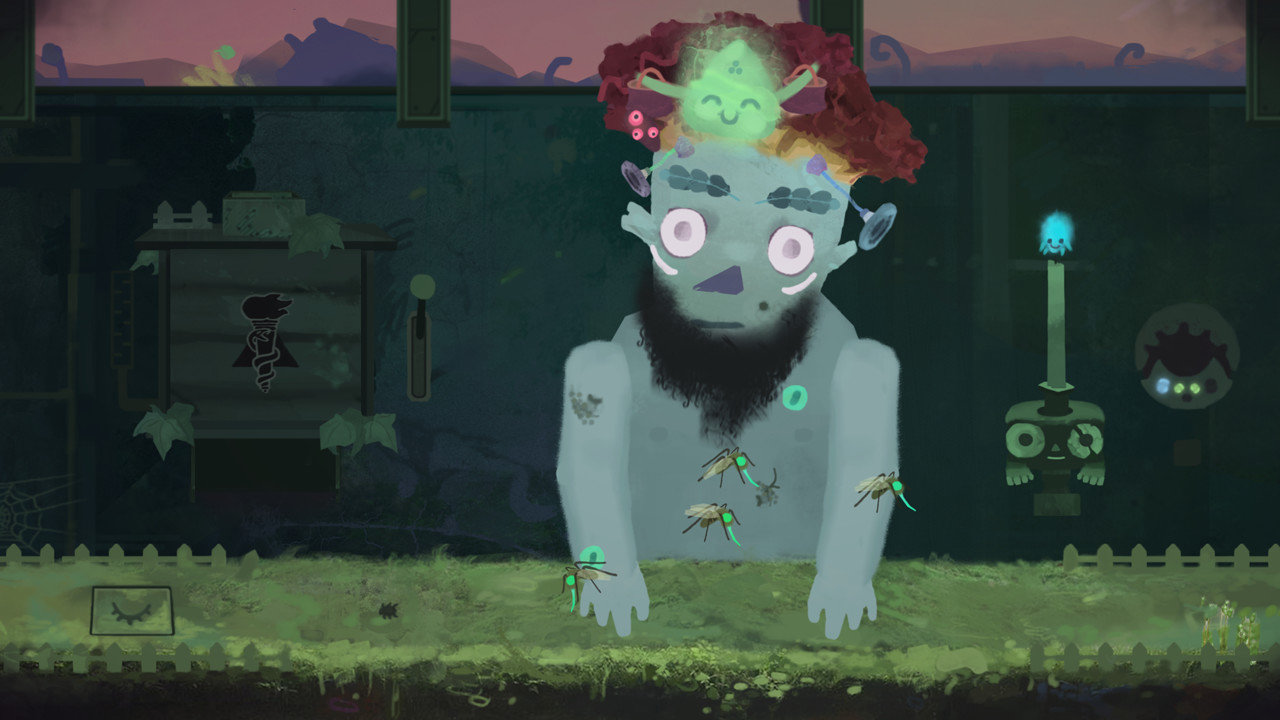
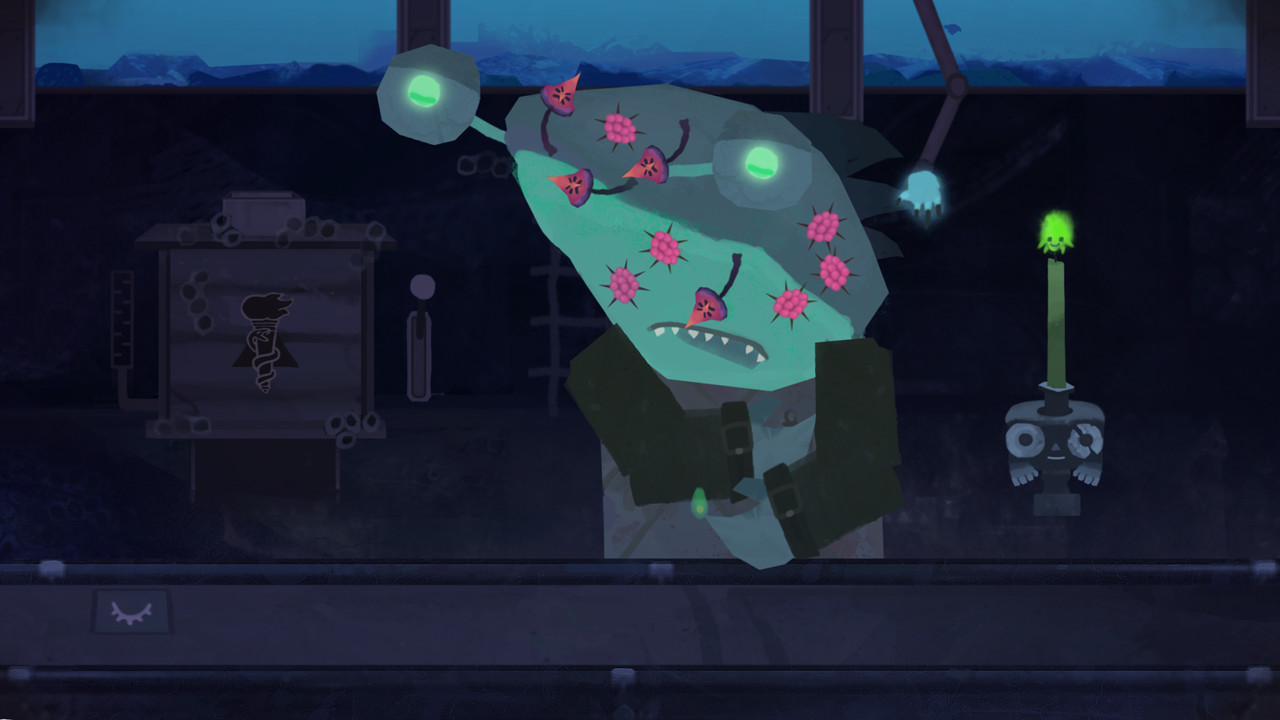
Wunderdoktor casts the player as a traveling physician in a dark, whimsical world where the diseases are as fantastical as the cures — arachnocough, ghostly maladies, kobold-egg infestations — rendered in a striking gothic paper-cutout art style that draws comparisons to picture books more than typical indie-game visuals. Released in October 2017, it built a genuinely devoted, Very Positive audience (88% of 78 English reviews) around that presentation and premise. What the review sample reveals, once you look past the near-universal praise for how the game looks, is a real argument about what kind of game it actually is underneath — and that argument matters more than usual here, because the answer decides whether a given player will love it or resent it.
A look and premise nearly everyone agrees on
However reviewers feel about the mechanics, the art direction draws almost no disagreement. One detailed review calls it "a macabre and gothic doctor simulator with a strange and grotesque cast of sickly patients," using "a cute paper cut-out picture-book style to communicate a much darker" world underneath — a tension between charming presentation and genuinely unsettling content that multiple reviewers single out as the game's strongest asset. The premise itself — treating increasingly bizarre patients across five narrative acts while uncovering a larger mystery — gives even critical reviewers something to appreciate, and achievement data confirms the five-act structure is real and substantial: completion rates taper gradually from 68.6% finishing Act 1 down to 34.5% reaching the end of Act 5, a smooth curve consistent with a game that holds attention across its full length for a meaningful share of buyers rather than losing most players early.
A puzzle game in the marketing, a clicker in practice
The sharpest, most specific disagreement in the review sample is about genre expectations. Several reviewers arrived expecting something closer to Papers, Please — a slower, more analytical decision-making experience — and came away frustrated by what they found instead. One detailed review pushes back on that comparison directly: "I'm not sure how people are comparing this to Papers Please aside from the fact that you click on things to progress... this is a carpal tunnel clicker nightmare." Another reviewer expected "more of a detective point and click" and instead found "a time based how fast can you click" game, concluding flatly: "not cozy, not fun, not for me." A third makes the point most precisely: "This is not a puzzle-based game. All of the objectives are obvious, and most rely more on quick clicking and luck than skill." These aren't complaints about difficulty — they're a consistent, specific correction to how the game gets described, and worth taking seriously as a mismatch between expectation-setting and the actual moment-to-moment design, not a flaw in the design itself for players who know what they're getting into.
Real physical strain, not just a difficulty complaint
Tied directly to that mismatch is a complaint worth treating with real weight rather than filing under ordinary difficulty feedback: multiple reviewers report genuine hand or wrist discomfort from the game's sustained, fast-clicking demands. Beyond the "carpal tunnel" framing already quoted, another reviewer specifically flags "the whole slap maneuver" and rapid-response mini-games as physically taxing rather than merely challenging, and a separate review attributes control frustration to "unprecise and awkward" mouse tracking compounding the strain of games that already demand speed and accuracy simultaneously. This review can't verify the mouse-precision claims against a specific build, but the repeated, independent framing around physical discomfort rather than mental challenge is worth flagging plainly for anyone with existing hand or wrist sensitivity considering the purchase.
A short, mostly well-supported release
The partner-events feed shows a normal, if brief, launch-support cycle: a same-day hotfix, two substantive patches addressing bugs and reworking the game's music-based instrument mini-game, and a fast, confirmed fix for a launch-week achievement-tracking bug within about two months. That's a responsive, if short, window — Ghostbutter moved on to trading-card support by January 2018 and didn't return to the game again before announcing a new title in 2020, but nothing in the review sample suggests Wunderdoktor was left unfinished the way this lane's other Early Access abandonment stories were; it shipped complete, five full acts, achievements working, before the studio's attention moved elsewhere. The shorter runtime and its price relative to that length is the more legitimate complaint several reviewers raise, not incompleteness.
Verdict
Wunderdoktor earns its distinctive reputation honestly on presentation — the gothic paper-cutout art and dark fairy-tale premise are genuinely uncommon and consistently praised — and its achievement data confirms a real five-act structure most buyers experience meaningfully, not just a short demo dressed up as a full game. Where it runs into trouble is a genre-expectation gap its own marketing and reviewer comparisons helped create: players expecting Papers, Please-style analytical puzzling instead get fast, repetitive, occasionally physically taxing clicking, and a short runtime at a non-trivial list price sharpens the disappointment for anyone who came in under the wrong impression. Go in knowing it's a dexterity game wearing a puzzle game's marketing, and it's a genuinely charming few hours.
Sources: Steam store page and appdetails API (release date, pricing, platform data); Steam's aggregate review data (query_summary totals, English-language sample); individually read user reviews, both positive and negative, sorted by helpfulness and recency; Steam's global achievement statistics API; Ghostbutter's own partner-events patch notes from launch in October 2017 through early 2018.
Pros and cons
Pros
- A distinctive gothic paper-cutout art style and dark fairy-tale premise draw consistent, nearly unanimous praise across the entire review sample
- A genuine five-act structure with achievement data showing a smooth, gradual difficulty taper rather than a wall, evidence of real pacing work across the whole runtime
- A separate, much harder completionist tier (no-death and no-damage clears of the final act, each under 4% completion) gives dedicated players a real extra challenge distinct from the main story's difficulty
- The developer shipped a fast, effective fix for a launch-week achievement-tracking bug within about two months, confirmed via the patch's own title
- Mini-game variety across different patient types keeps individual sessions feeling distinct according to several detailed positive reviews
Cons
- Marketing and reviewer comparisons to Papers, Please and point-and-click puzzle games set expectations the actual game doesn't meet — several detailed reviews specifically push back on this framing, describing it instead as fast, repetitive clicking with little analytical decision-making
- Multiple reviewers report genuine hand or wrist strain from the sustained rapid-clicking demands, with one calling it "a carpal tunnel clicker nightmare"
- Mouse precision issues are reported by more than one player as actively undermining playability rather than just adding difficulty
- A short total runtime (a few hours for most players) at a list price several reviewers call too high for the length, with more than one recommending a sale purchase specifically
- The story is engaging in its setup for most reviewers but described by several as thin or unengaging by the time the credits roll, undercutting the fairy-tale premise's initial promise
Screenshots
-
WunderdoktorImage: Ghostbutter via Steam -

WunderdoktorImage: Ghostbutter via Steam -
WunderdoktorImage: Ghostbutter via Steam -
How the review scores each part of the gameWanderer Editorial -
The specsWanderer Editorial -
The short versionWanderer Editorial