
Game review
Worldless
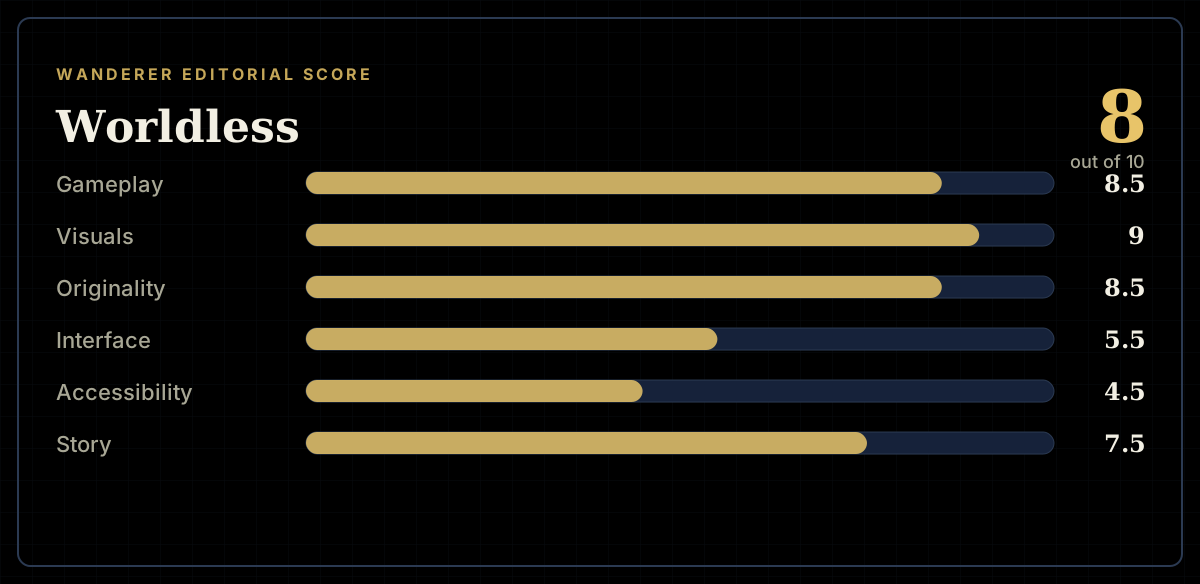
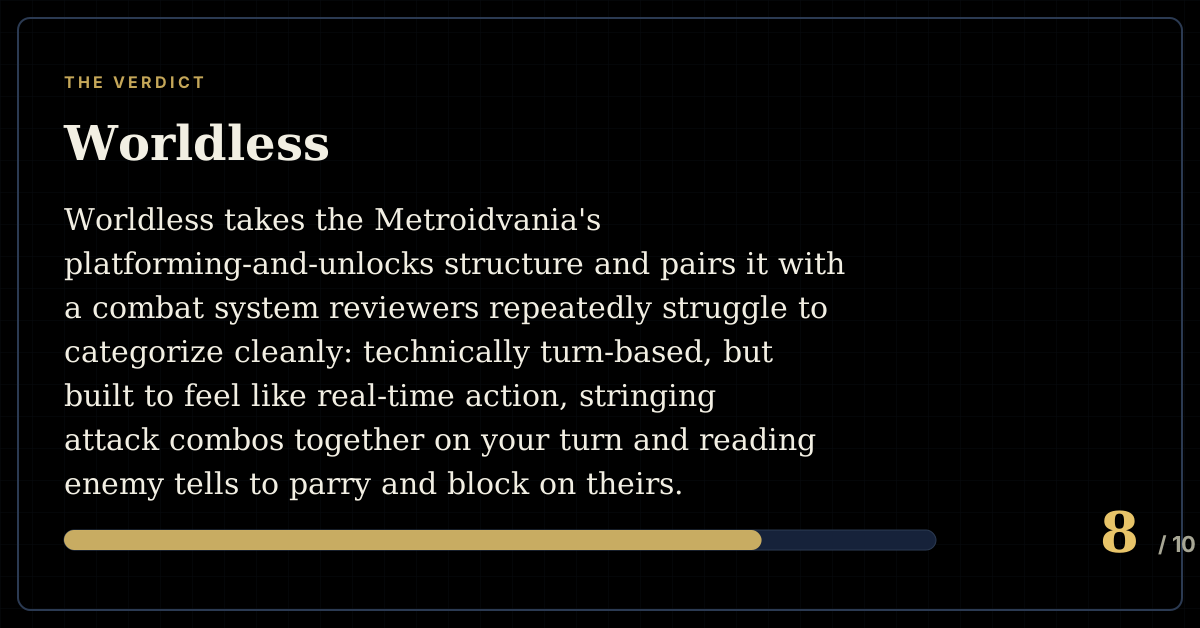
8 / 10
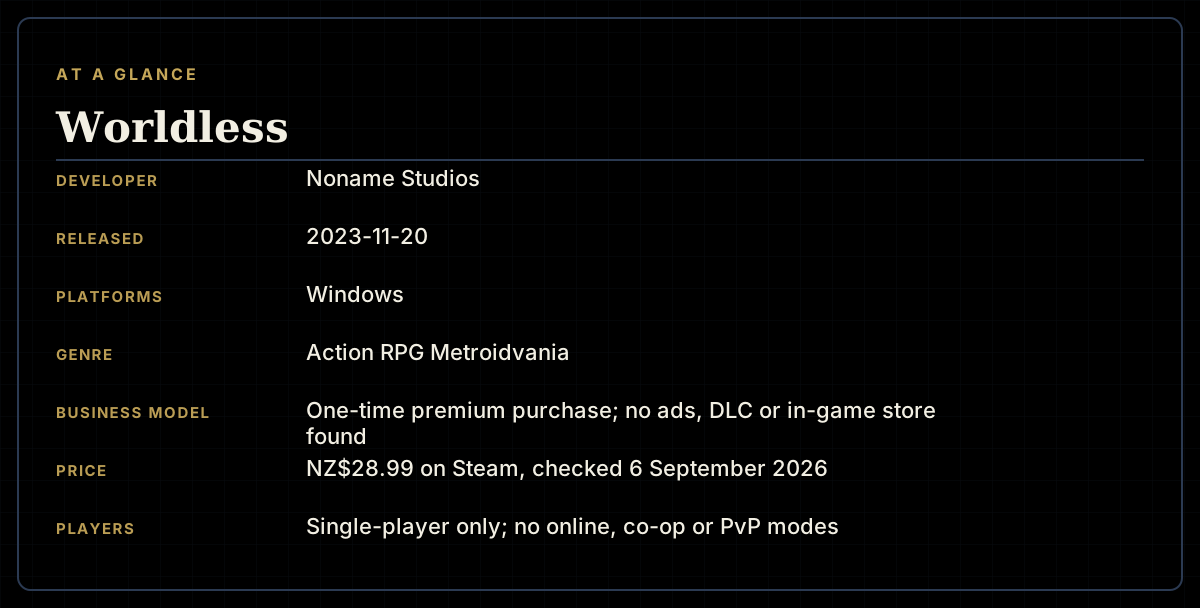
- Developer
- Noname Studios
- Publisher
- Coatsink
- Released
- 20 November 2023
- Platforms
- Windows
- Genre
- Action RPG Metroidvania
- Monetisation
- One-time premium purchase; no ads, DLC or in-game store found
- Players
- Single-player only; no online, co-op or PvP modes
The short version
Worldless takes the Metroidvania's platforming-and-unlocks structure and pairs it with a combat system reviewers repeatedly struggle to categorize cleanly: technically turn-based, but built to feel like real-time action, stringing attack combos together on your turn and reading enemy tells to parry and block on theirs. Wrapped around that system is some of the most distinctive art direction reviewers say they've seen in the genre, abstract and melancholic in a way that earns direct comparisons to Hollow Knight and Ori without imitating either.
What holds it back from a clean top score are two specific, well-documented problems: map and navigation design that repeatedly loses players with no fast-travel system to compensate, and a combat difficulty curve built almost entirely around precise parry timing with no selectable easier mode, despite several patches that have measurably softened it since launch. A number of reviewers also describe a disappointing final stretch that doesn't match the quality of everything leading up to it.
Biggest strengths
- A genuinely distinctive combat system that reads as real-time action despite being technically turn-based, repeatedly singled out by reviewers as unlike anything else in the Metroidvania genre
- Art direction and atmosphere reviewers describe as some of the strongest in the genre, abstract and melancholic without sacrificing legibility in combat
- A demo made available specifically because, by the developer's own reasoning and multiple reviewers' accounts, screenshots and trailers alone don't convey what the combat actually feels like
Biggest weaknesses
- No fast-travel system and map design reviewers repeatedly call confusing make backtracking and general navigation a recurring source of frustration independent of the combat
- Combat difficulty rests almost entirely on precise parry and block timing with no selectable easier mode, a genuine accessibility gap for players with slower reflexes, less free time to practice, or physical limitations — at least one reviewer reports late-game fights causing hand strain from the sheer input density required
- Several reviewers describe a disappointing final stretch, including a punishing optional challenge area and, by multiple accounts, no traditional final boss encounter to cap the story
Who it's for: Metroidvania fans drawn to Hollow Knight- and Ori-style exploration who want a genuinely different combat hook layered on top, and who have the reflexes or patience for parry-centric boss fights with no difficulty option to fall back on.
Our recommendation: A strong recommendation for the genre's core audience, with one real caveat — there's no way to make the combat easier if precise parry timing isn't for you, so try the demo before buying rather than assuming the reviews' praise will translate to your own experience.
8 / 10
Most Metroidvanias settle their combat identity early and spend the rest of the game elaborating on it. Worldless spends its combat identity trying to convince you it isn't what its own systems menu says it is. Technically turn-based — you act, then the enemy acts — it's built and paced to feel like real-time action: stringing together attack combos during your turn, then reading enemy windups to parry or block during theirs. Reviewers across this game's overwhelmingly positive sample keep reaching for the same kind of comparison to describe it — Dark Souls crossed with Hollow Knight, or Valkyrie Profile filtered through a Metroidvania's structure — because nothing single genre label quite covers what it's actually doing.
A turn-based system that plays like it isn't
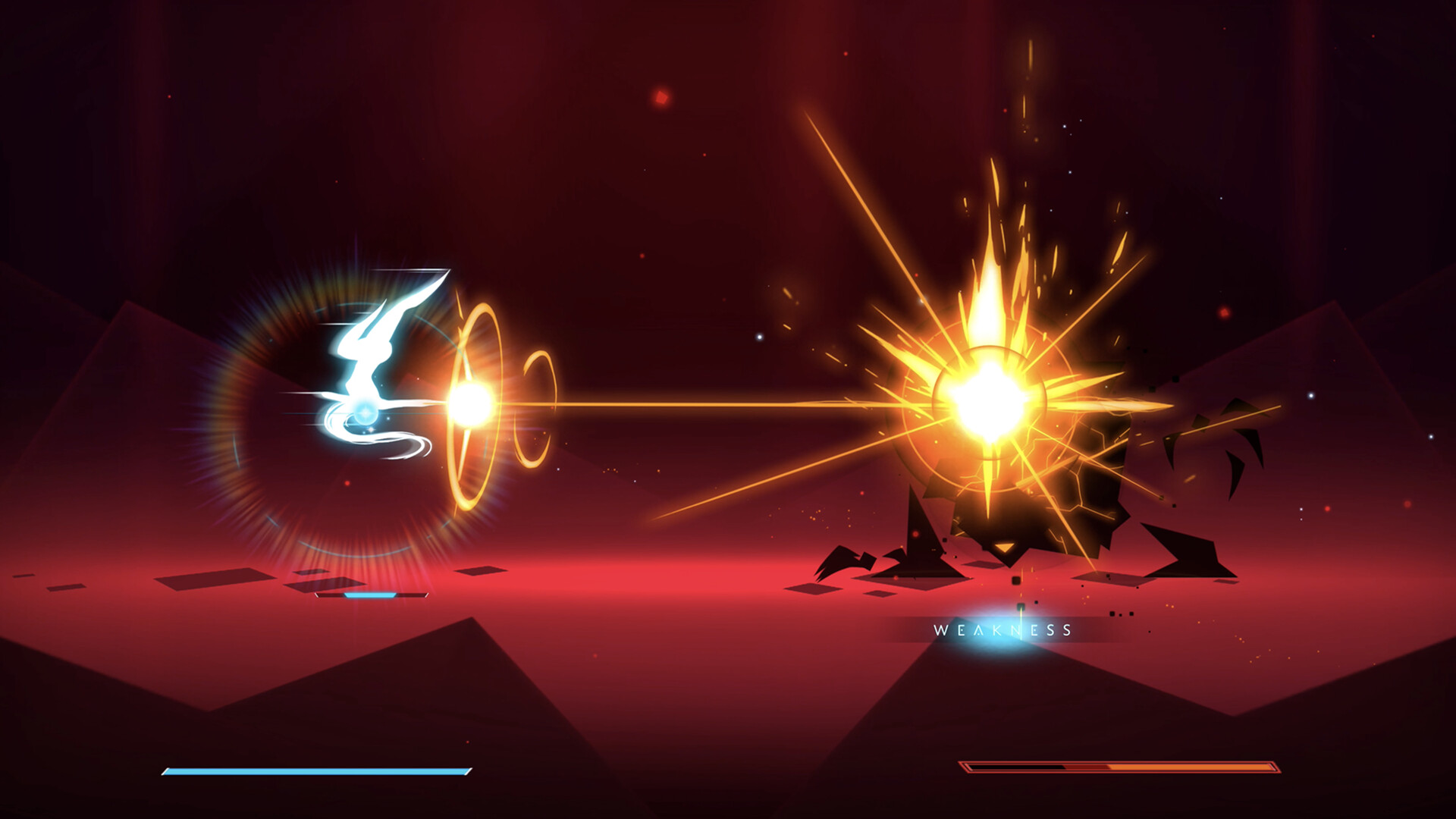
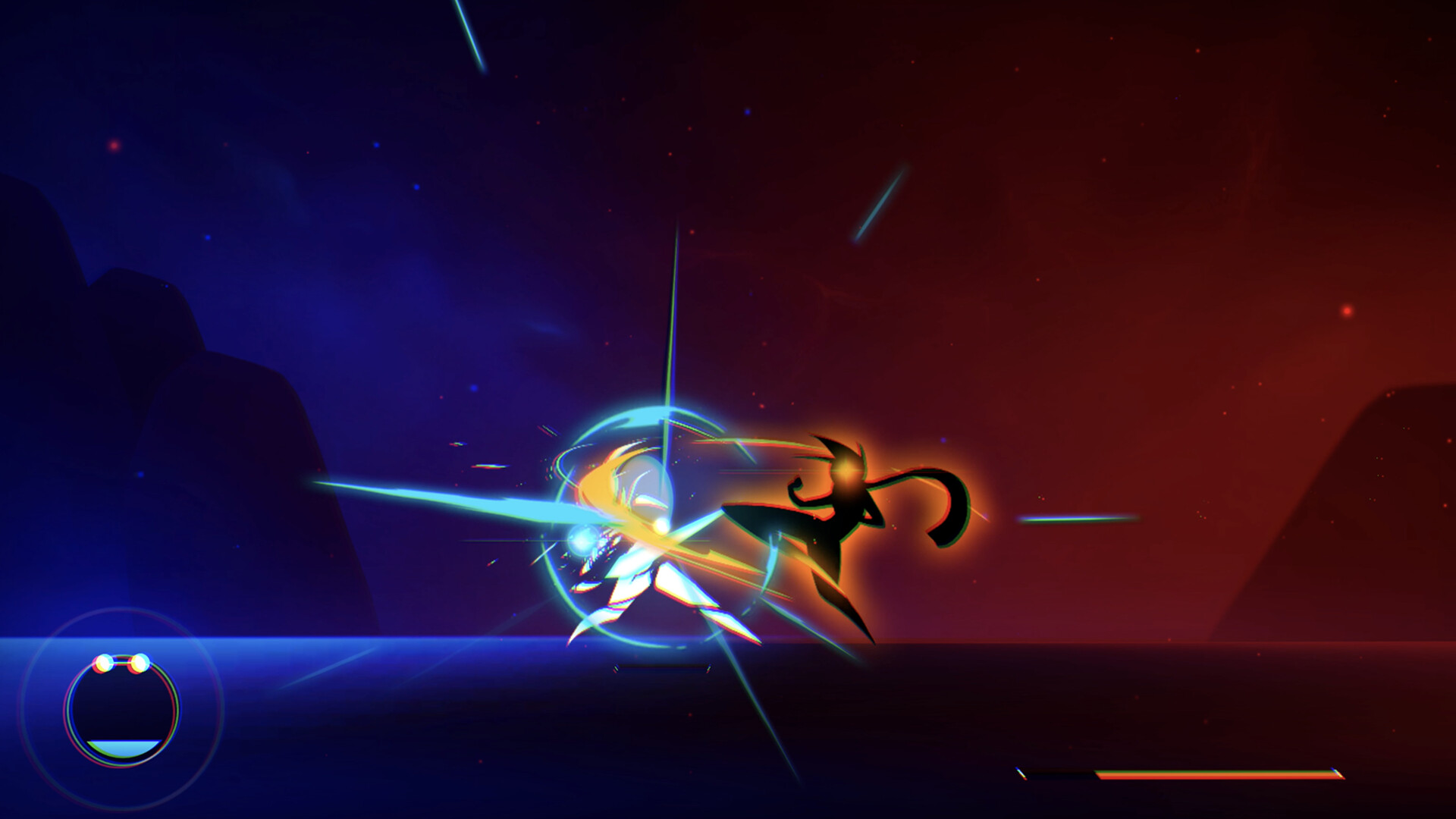
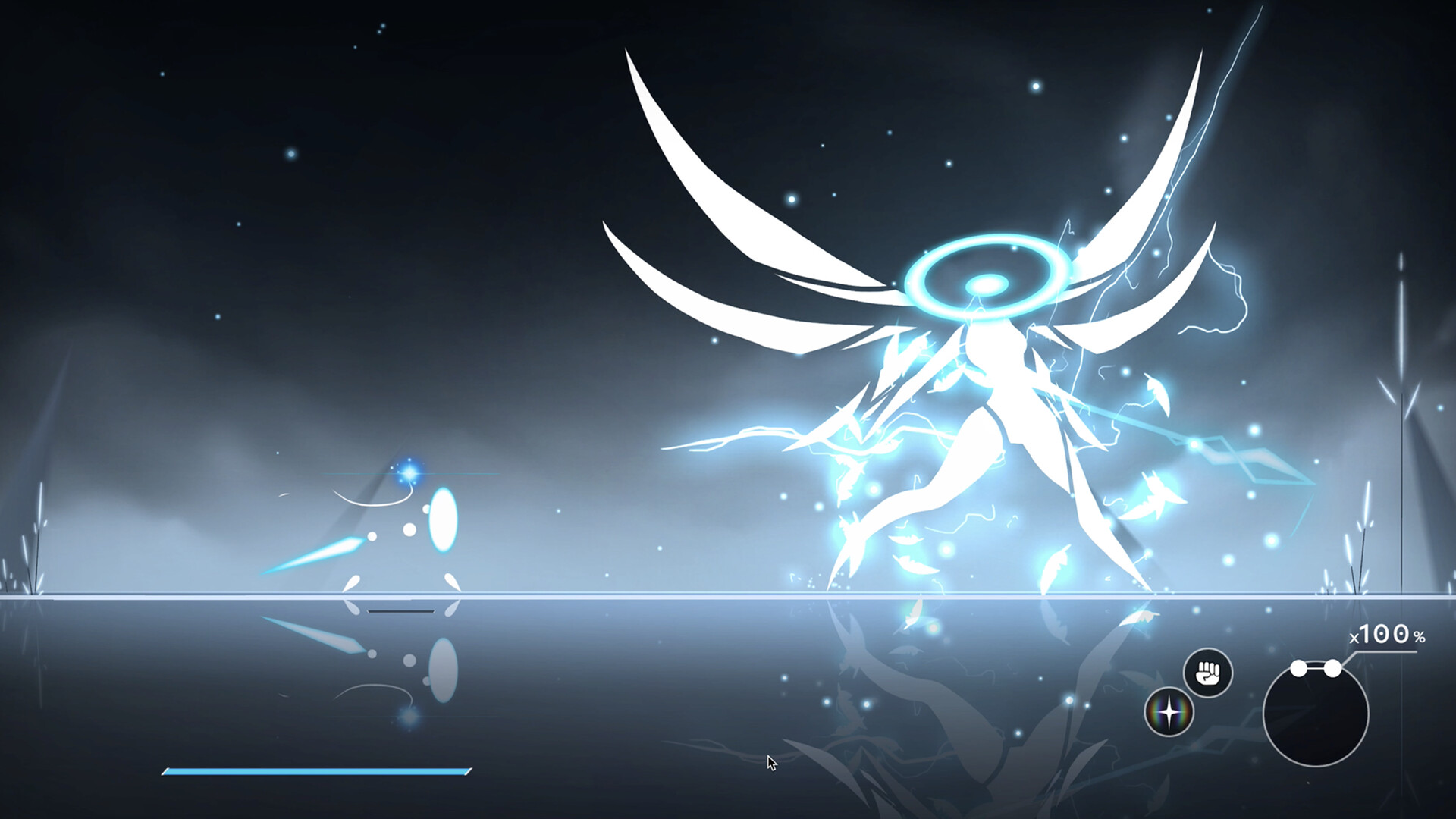
The mechanical hook is specific enough to describe cleanly: on your turn, chain together combo attacks against an enemy; on theirs, read incoming attacks and parry or block with tight timing windows. Reviewers describe this as demanding real reflexes and pattern recognition rather than the menu-driven pacing turn-based combat usually implies, and the praise for it is remarkably consistent — multiple reviewers explicitly call out how the system makes landing a difficult parry or a full combo feel like a genuine mechanical accomplishment rather than a stat check. One reviewer's account of parrying a boss's signature attack and sending it back at them captures the appeal directly: this is a combat system built to reward precision with a visible, satisfying payoff.
Wrapped around that combat is Metroidvania structure in the classic mould — ability-gated areas, gradual map opening, backtracking to previously inaccessible sections once new movement options unlock. The art direction carrying all of this draws some of the review sample's strongest praise of all: abstract, melancholic, and stylistically cohesive across areas that reviewers describe as feeling simultaneously "full of life yet empty." A demo exists specifically because, as several reviewers note, screenshots and trailers alone don't do a good job of conveying what the combat actually feels like in motion — worth trying before buying for exactly that reason.
Getting lost is part of the experience, and not in a good way
The most consistent practical criticism has nothing to do with combat: navigation. Reviewers repeatedly describe losing track of where they are relative to areas they've already explored, with no fast-travel system to ease the resulting backtracking. This is distinct from the deliberately obscure, exploration-driven design many Metroidvanias use well — reviewers frame it specifically as map clarity falling short of the genre's better examples, a design gap rather than an intentional challenge.
No easier mode, but real, measurable softening over time
The single most consequential and recurring complaint concerns accessibility: combat's reliance on precise parry timing has no selectable easier difficulty to fall back on, which multiple reviewers flag as a genuine barrier for players without fast reflexes, consistent practice time, or in one specific account, the physical stamina for the input density of the hardest late-game fights. This is a fair criticism to take seriously rather than dismiss as "get good" — a game this narratively and visually accomplished shutting out players on reflex grounds alone is a real access problem, not just a difficulty preference.
To the developer's credit, the patch record shows genuine, repeated attention to exactly this complaint rather than silence. A January 2024 update explicitly reduced enemy difficulty values and added clearer in-game guidance; a March 2024 patch made parrying and evading windows "more generous"; earlier pre-launch patches added input remapping and expanded tutorialization in direct response to demo feedback. None of this amounts to a selectable easy mode, and the core demand for precise parrying remains the spine of every fight, but it's a meaningfully more forgiving game today than the one the earliest, harshest reviews describe.
A finish that doesn't match the build-up
A separate, recurring complaint concerns the game's final stretch. Multiple reviewers describe a punishing optional challenge area drawing direct comparisons to Hollow Knight's infamous Path of Pain, alongside accounts of no traditional final boss fight capping the story — a structural choice some read as thematically deliberate and others describe simply as an anticlimax after a strong build-up. Combined with reviewer accounts of a slower, sparser opening hour before the combat and exploration systems fully open up, Worldless is a game whose middle stretch draws the most unreserved praise in this review's sample, with its opening and closing hours receiving more mixed marks by comparison.
An overlooked game, by its own audience's account
A striking pattern across this review's research is how many reviewers frame their discovery of Worldless the same way: through a single YouTuber's coverage rather than any advertising or storefront visibility, several explicitly noting surprise that a game this well-crafted received so little attention. The developer's own patch notes back up a real, sustained post-launch effort — press-accolades posts, anniversary updates each November since launch, and continued Steam Deck optimization work well into 2026 — that reads as a team still invested in a game that simply never found the audience its quality arguably earned.
Where it lands
Worldless earns its Very Positive reception on the strength of a combat system that genuinely doesn't play like anything else in its genre, paired with some of the strongest art direction reviewers in this sample have seen from an indie Metroidvania. Real, specific problems — confusing navigation with no fast travel, a demanding parry-based difficulty with no easier alternative, and a final stretch that undersells everything before it — keep it from a clean top score, but none of them touch what the game does best. For the right player, willing to meet its reflex demands, this is a genre highlight that simply never got the audience its reception suggests it deserved.
Pros and cons
Pros
- A genuinely distinctive combat system that reads as real-time action despite being technically turn-based, repeatedly singled out by reviewers as unlike anything else in the Metroidvania genre
- Art direction and atmosphere reviewers describe as some of the strongest in the genre, abstract and melancholic without sacrificing legibility in combat
- A demo made available specifically because, by the developer's own reasoning and multiple reviewers' accounts, screenshots and trailers alone don't convey what the combat actually feels like
- A genuinely sustained two-plus-year patch history that measurably softened parrying and evading windows, rebalanced enemies, and improved tutorialization in direct response to launch-era feedback
- A story reviewers describe as genuinely moving and thematically rich once its abstract, interpretive presentation clicks, discussed by many without spoiling specifics out of evident respect for the experience
Cons
- No fast-travel system and map design reviewers repeatedly call confusing make backtracking and general navigation a recurring source of frustration independent of the combat
- Combat difficulty rests almost entirely on precise parry and block timing with no selectable easier mode, a genuine accessibility gap for players with slower reflexes, less free time to practice, or physical limitations — at least one reviewer reports late-game fights causing hand strain from the sheer input density required
- Several reviewers describe a disappointing final stretch, including a punishing optional challenge area and, by multiple accounts, no traditional final boss encounter to cap the story
- The early hours are described by more than one reviewer as sparse — light on enemies and combat encounters relative to how much of the map is walking and exploration
- Widely discovered through a single YouTuber's coverage rather than any conventional marketing push, according to numerous reviewers who say they'd never otherwise have heard of it — reflecting a real visibility gap for a game reviewers consistently call under-recognized
Screenshots
-
WorldlessImage: Coatsink via Steam -
WorldlessImage: Coatsink via Steam -
WorldlessImage: Coatsink via Steam -
How the review scores each part of the gameWanderer Editorial -
The specsWanderer Editorial -
The short versionWanderer Editorial