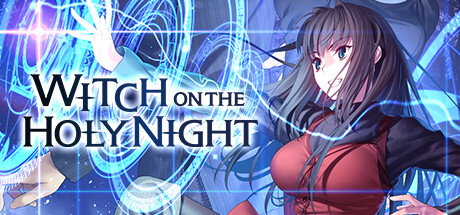
Game review
WITCH ON THE HOLY NIGHT
8 / 10
- Developer
- TYPE-MOON
- Publisher
- TYPE-MOON
- Released
- 14 December 2023
- Platforms
- Windows
- Genre
- Fantasy Visual Novel
- Monetisation
- One-time premium purchase; no ads, DLC or in-game store found
- Players
- Single-player only; no online, co-op or PvP modes
The short version
WITCH ON THE HOLY NIGHT is the true origin point of TYPE-MOON's entire Nasuverse — the shared fictional world behind Fate, Tsukihime and Kara no Kyoukai — and its arrival on Steam over a decade after its original 2012 Japanese release, finally in English, is treated by longtime fans as a genuine event. Reviewers, including many with no prior Type-Moon knowledge, praise it as an accessible, self-contained entry point carried by gorgeous art direction, unusually cinematic framing for the visual novel medium, and a widely-loved soundtrack.
That reception isn't unanimous. A specific, detailed complaint concerns the English translation itself, with at least one reviewer arguing it leans excessively on passive voice and mishandles the prose rhythm that makes Kinoko Nasu's writing distinctive, going as far as calling a portion of the opening line missing outright. Separately, and more mechanically, Steam Deck performance is reported as genuinely poor, with crashing and cutscene-skipping serious enough that some reviewers actively steer portable players toward other platforms instead.
Biggest strengths
- Widely and enthusiastically praised as one of the strongest visual novels in the Nasuverse, serving as a genuinely accessible entry point that reviewers say requires no prior knowledge of Fate, Tsukihime or Kara no Kyoukai
- Gorgeous, distinctive art direction paired with unusually cinematic framing and paneling that multiple reviewers single out as elevating the medium beyond typical visual novel presentation
- A widely-praised soundtrack that reviewers repeatedly call a standout even within a genre known for strong music
Biggest weaknesses
- At least one detailed, highly-upvoted review argues the English translation overuses passive voice and loses the poetry and rhythm of the original Japanese prose, going as far as describing part of the opening line as missing from the localized text entirely
- Steam Deck performance is reported as genuinely poor by multiple reviewers, including crashing and cutscene-skipping severe enough that reviewers recommend console alternatives instead, despite Steam listing the game as Deck-verified
- As a substantially text-driven visual novel with minimal player agency, this won't appeal to anyone looking for meaningful choices or RPG-style mechanics despite fantasy framing and magic themes
Who it's for: TYPE-MOON and Fate franchise fans specifically, and visual novel readers open to a slower, prose-driven story regardless of prior series knowledge. Less suited to Steam Deck-focused buyers or anyone who prioritizes precise, poetic translation over general readability.
Our recommendation: A strong recommendation for visual novel fans and Nasuverse newcomers alike on desktop, tempered by real translation-quality concerns from experienced readers and genuine Steam Deck performance problems worth checking before buying for that platform specifically.
8 / 10
For over a decade, WITCH ON THE HOLY NIGHT existed for most Western fans as a name attached to a franchise they already loved without a way to actually play its origin point. Originally released in Japan in 2012, this is the true starting point of TYPE-MOON's entire Nasuverse — the shared fictional world underpinning Fate, Tsukihime and Kara no Kyoukai — and its arrival on Steam in English, finally reachable without importing a console port, is treated by longtime fans less as a routine release and more as a genuine event years in the making.
An origin story that welcomes newcomers
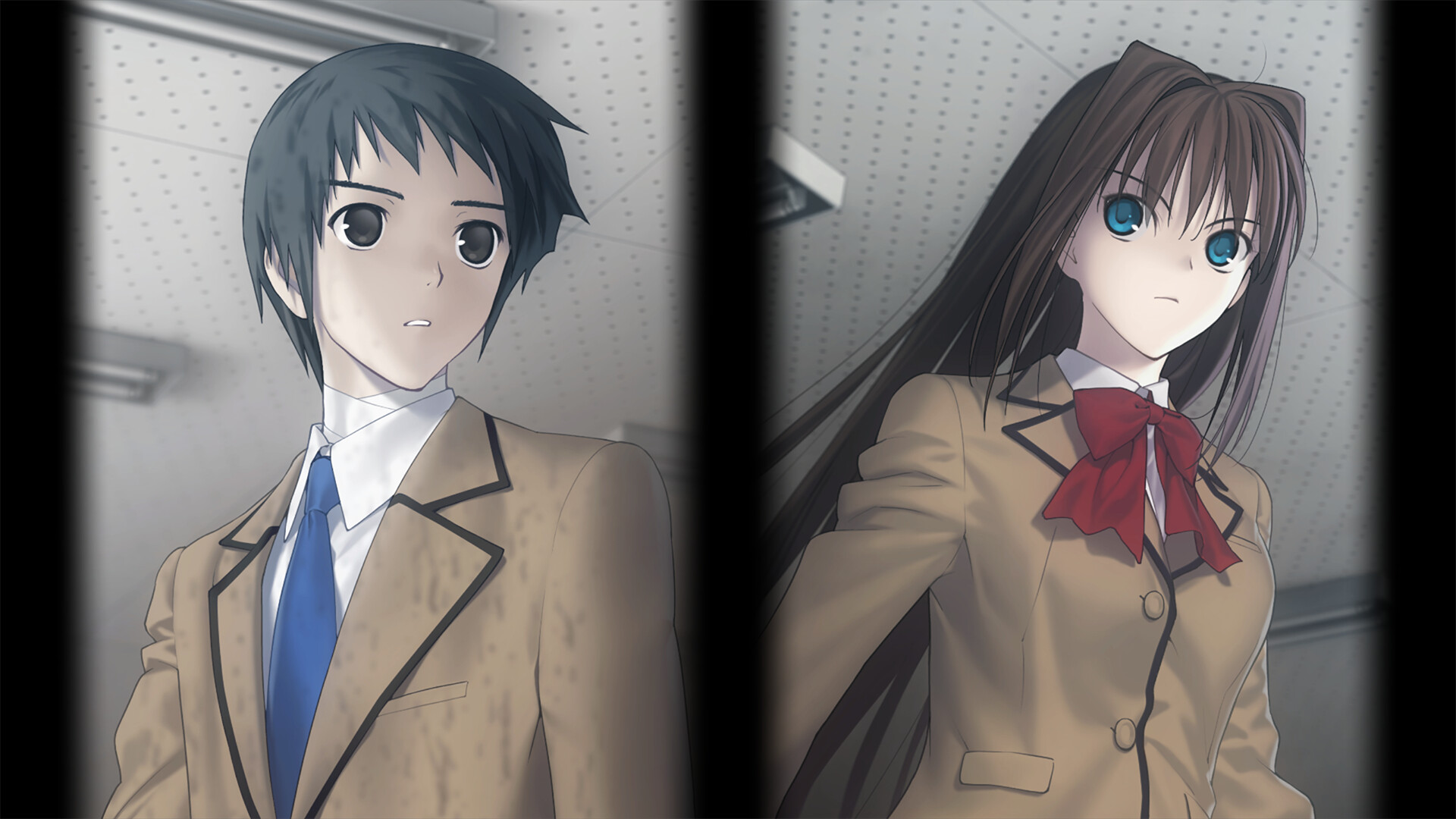
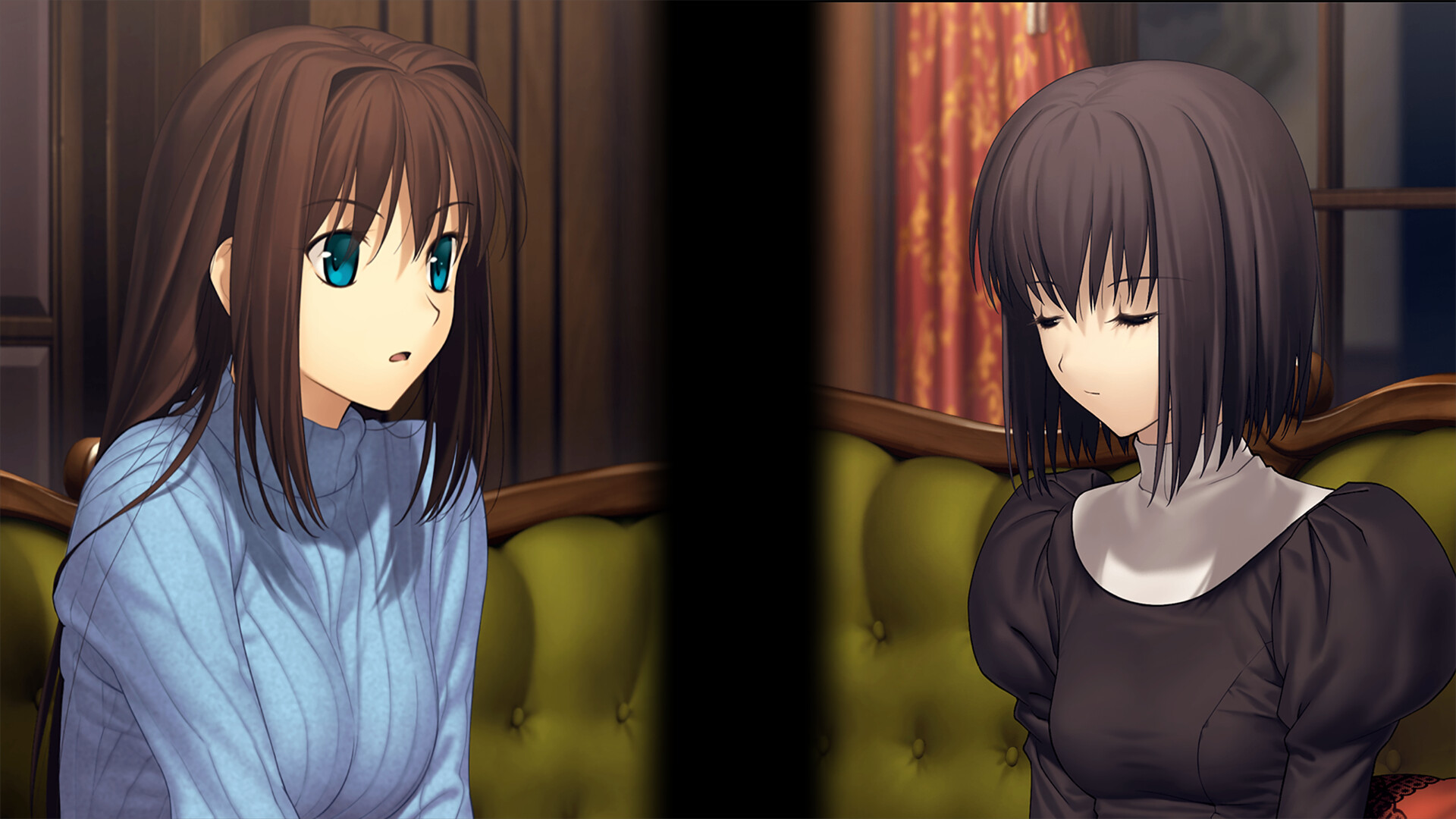
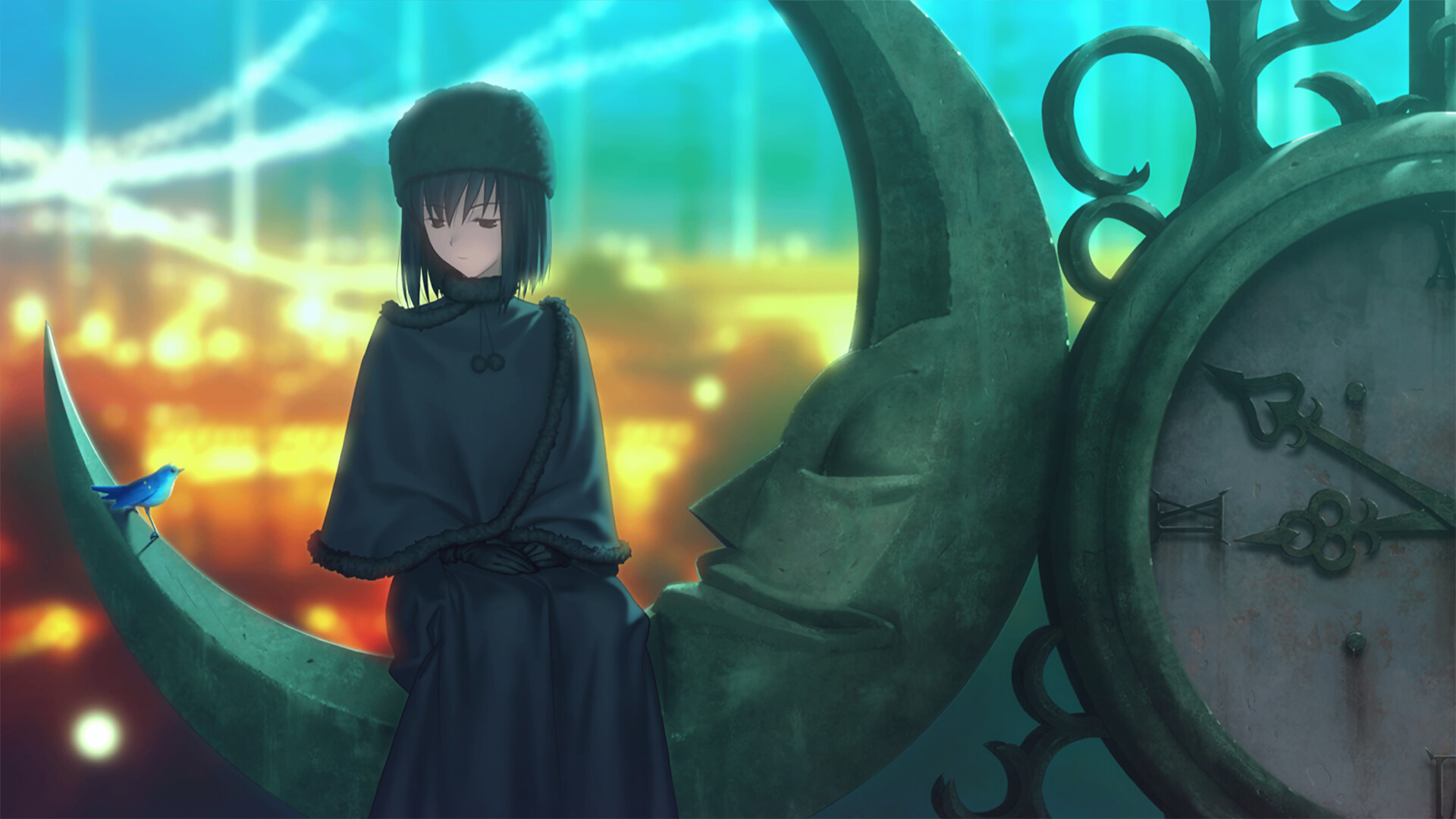
What distinguishes the reception here from typical franchise-prequel anxiety is how consistently reviewers describe the game as genuinely accessible on its own terms. Despite anchoring one of anime and gaming's most sprawling shared universes, reviewers with zero prior Type-Moon knowledge report following the story comfortably, crediting a self-contained narrative that doesn't lean on franchise familiarity to land emotionally. The specific praise clusters around two things above the writing itself: an art direction reviewers call gorgeous and distinctive even by visual novel standards, paired with unusually cinematic framing and paneling that several reviewers say elevates the presentation well beyond the genre's typical static-portrait-and-textbox format. A widely-loved soundtrack draws separate, equally consistent praise, with more than one reviewer describing hours spent simply listening to it outside the game itself.
A serious complaint about the translation
Against that near-unanimous warmth sits one specific, detailed dissent worth taking seriously: at least one highly-upvoted review argues the English localization itself falls short of the original Japanese prose, citing overuse of passive voice throughout and a loss of the rhythm and poetic quality that makes author Kinoko Nasu's writing distinctive within the genre. The same review goes further, describing part of the story's opening line — the sentence meant to hook a reader immediately — as missing from the localized text entirely, and notes with some surprise that this version is still widely considered an improvement over an earlier console localization. This isn't a complaint that dominates the review base by volume, but it comes from a reviewer with an unusually long playtime (over 127 hours), suggesting real familiarity with the text rather than a surface-level first impression, and it's worth weighing seriously for anyone who reads visual novels specifically for prose quality.
Real, unresolved Steam Deck problems
Separately from translation concerns, this review's research turned up a consistent, mechanical complaint about Steam Deck performance specifically. Multiple reviewers report crashing and cutscene-skipping severe enough to make the game genuinely difficult to enjoy on that platform, despite Steam's own compatibility rating listing it as Deck-verified — one reviewer explicitly calls that rating inaccurate, noting neither the crashing nor a claimed small-text issue actually match their hands-on experience. This is a case where the platform's own verification badge appears to be out of step with real user reports, and buyers planning to play primarily on Deck should weigh that mismatch before purchasing on the strength of the badge alone.
What the developer actually fixed
To TYPE-MOON's credit, the one confirmed public patch since launch — a hotfix roughly a month after release — did address two concrete, real problems: a bug that prevented the game from starting after certain launch options were set, and a separate bug that made it impossible to progress past a specific point in Chapter 9 under certain conditions. Both are the kind of blocking, game-breaking issues that deserve direct fixes, and getting them addressed within a month reflects reasonably well on ongoing support. What that patch record doesn't show, however, is any indication that the translation-quality complaint or the Steam Deck performance problems described above received further public attention — both appear to remain open as of this review, based on the available patch history.
What the achievement data suggests
Global achievement figures track a fairly steady, gradual decline through the story rather than a sharp early cliff: the first tracked milestone sits at 68.7% of the playerbase, declining consistently chapter by chapter down to a final Platinum-equivalent completion trophy at 15.4%. That's a meaningfully more gradual curve than several other visual novels and RPGs this lane has covered, consistent with reviewer accounts of a well-paced, continuously engaging story rather than one that loses readers to an early difficulty or pacing wall — the drop-off here looks like ordinary attrition over a long story rather than evidence of a specific failure point.
Weighing the localization debate fairly
It's worth being precise about the shape of the translation complaint rather than letting a single detailed, highly-upvoted review stand in for the entire community's reaction. The overwhelming majority of English-language reviews in this sample praise the writing without raising translation concerns at all, and several reviewers explicitly note this release is considered an improvement over the earlier Nintendo Switch localization that some Western fans had already read. That context matters: the complaint here isn't that the localization is broadly unreadable or poorly received, but that at least one experienced, long-playtime reader identifies specific, citable shortcomings relative to the original Japanese prose style. Readers who care primarily about narrative engagement rather than close textual fidelity are likely to have the same overwhelmingly positive experience the review score reflects; readers who read visual novels specifically for prose craftsmanship should treat the complaint as a genuine, worth-investigating caveat rather than an outlier to dismiss.
Where it lands
WITCH ON THE HOLY NIGHT earns its Overwhelmingly Positive reception through genuinely exceptional presentation and a story reviewers across very different levels of franchise familiarity respond to warmly — a rare feat for a work anchoring as sprawling a shared universe as the Nasuverse. The translation-quality concerns raised by at least one detailed, experienced reader deserve real weight rather than dismissal, and the gap between Steam's Deck-verified badge and actual reported performance is a concrete, practical warning for portable-focused buyers. On desktop, and read as a polished if imperfect localization of a genuinely important work in its franchise's history, this remains an easy recommendation for visual novel fans and Nasuverse newcomers alike.
Pros and cons
Pros
- Widely and enthusiastically praised as one of the strongest visual novels in the Nasuverse, serving as a genuinely accessible entry point that reviewers say requires no prior knowledge of Fate, Tsukihime or Kara no Kyoukai
- Gorgeous, distinctive art direction paired with unusually cinematic framing and paneling that multiple reviewers single out as elevating the medium beyond typical visual novel presentation
- A widely-praised soundtrack that reviewers repeatedly call a standout even within a genre known for strong music
- A long-awaited, fan-anticipated English localization of a work that had previously only reached Western audiences via console ports, treated by longtime fans as a genuine release event
- A real, if modest, post-launch hotfix that specifically addressed a Chapter 9 progression- blocking bug and a launch-option startup failure within a month of release
Cons
- At least one detailed, highly-upvoted review argues the English translation overuses passive voice and loses the poetry and rhythm of the original Japanese prose, going as far as describing part of the opening line as missing from the localized text entirely
- Steam Deck performance is reported as genuinely poor by multiple reviewers, including crashing and cutscene-skipping severe enough that reviewers recommend console alternatives instead, despite Steam listing the game as Deck-verified
- As a substantially text-driven visual novel with minimal player agency, this won't appeal to anyone looking for meaningful choices or RPG-style mechanics despite fantasy framing and magic themes
- The one confirmed post-launch patch addressed specific bugs but didn't touch the translation- quality or Steam Deck complaints raised above, which don't appear to have received further public attention since
- A long playtime investment is required to reach the end, and reviewer accounts suggest a meaningful share of buyers who start the story don't push through to full completion
Screenshots
-
WITCH ON THE HOLY NIGHTImage: Aniplex Inc. via Steam -
WITCH ON THE HOLY NIGHTImage: Aniplex Inc. via Steam -
WITCH ON THE HOLY NIGHTImage: Aniplex Inc. via Steam -
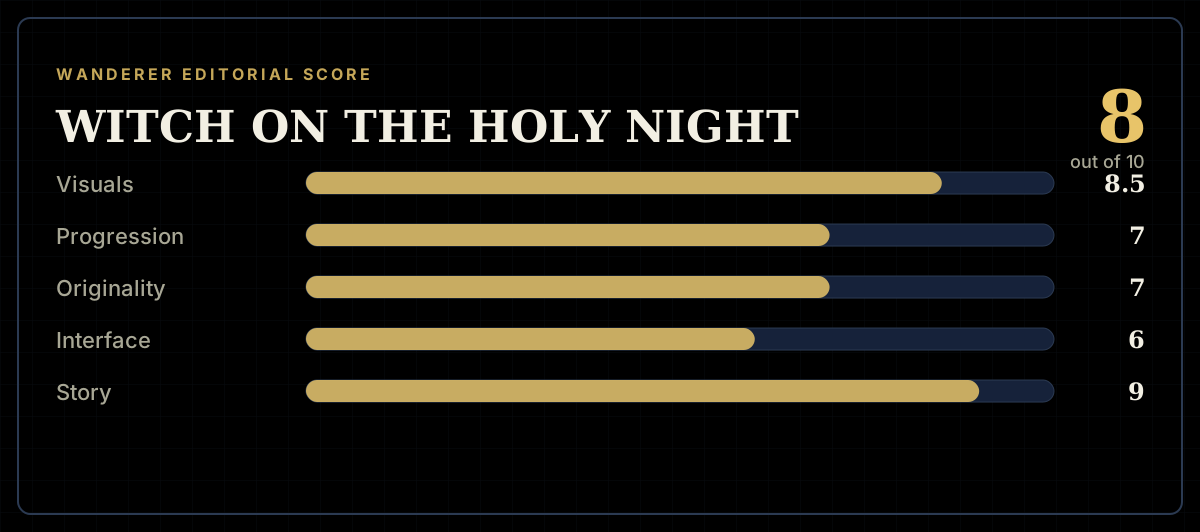
How the review scores each part of the gameWanderer Editorial -
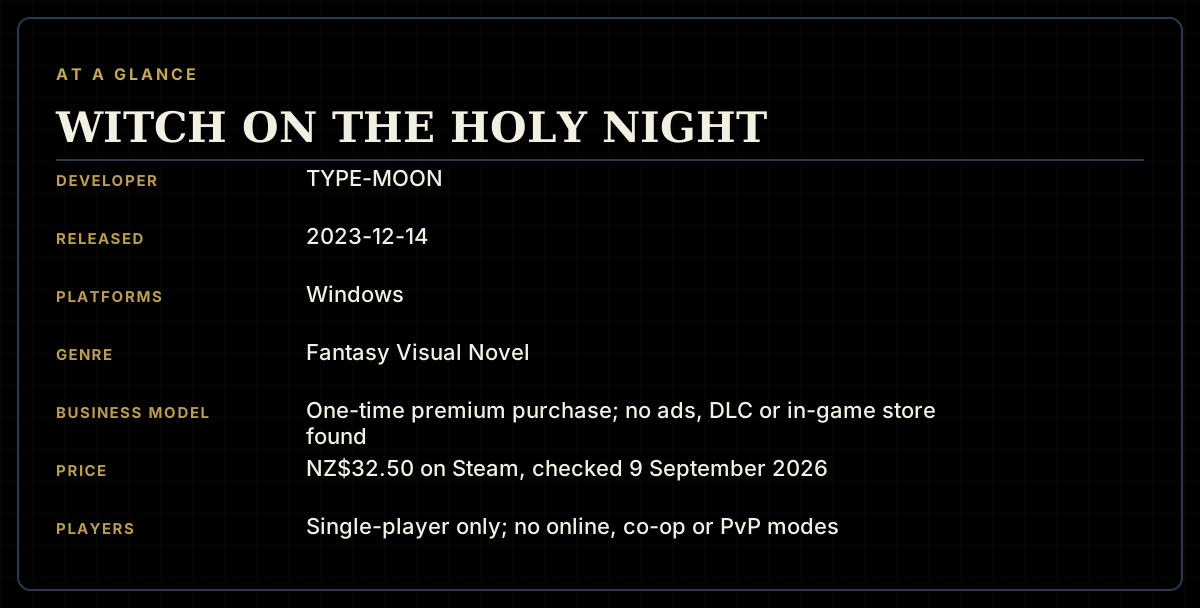
The specsWanderer Editorial -
The short versionWanderer Editorial