Game review
Twisted Party
4.5 / 10
- Developer
- Vampire Squid
- Publisher
- Polden Publishing
- Released
- 25 August 2026
- Platforms
- Windows
- Genre
- Action, Indie
- Monetisation
- One-time purchase, with cosmetic skin unlocks earned through play
- Players
- Online multiplayer for 2-8 players, open and private lobbies
The short version
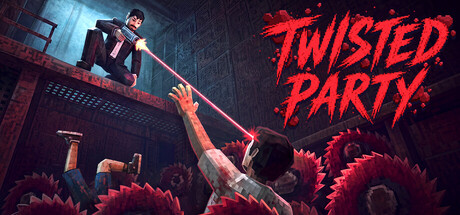
Twisted Party, released 25 August 2026 by Vampire Squid, is a retro horror-themed party game for two to eight players built around deadly mini-games, betrayal, and unlockable cosmetic skins, with a last-one-standing structure clearly modelled on genre touchstones like Mario Party. It sits Mixed with a sample of 92 reviews, and reading widely through it reveals a small, real core of enjoyment for groups playing together, sitting alongside a large and specific body of complaints about content depth. Reviewers who recommend the game describe genuine chaotic fun in its betrayal mechanics and horror-themed presentation, and several specifically compare the brutal challenge concept favourably to the Saw film franchise. Set against that praise, a large number of reviewers report the game currently offers only four to five actual mini-games rather than the wider roster its Mario Party-style marketing implies, with a separate, luck-driven "point redistribution" system between rounds consuming more playtime than the mini-games themselves. Multiple reviewers explicitly recommend a specific genre rival, Machine Party, instead. This review also directly observed a cluster of near-identical, templated positive reviews within its own research sample, a pattern flagged explicitly by the most heavily-endorsed single review in this entire sample, and treats it as a genuine, documented transparency concern rather than dismissing it as noise.
Biggest strengths
- The core betrayal mechanic and horror-party premise draw genuine, specific praise from reviewers who've played it with friends, with several favourably comparing the brutal challenge concept to the Saw film franchise
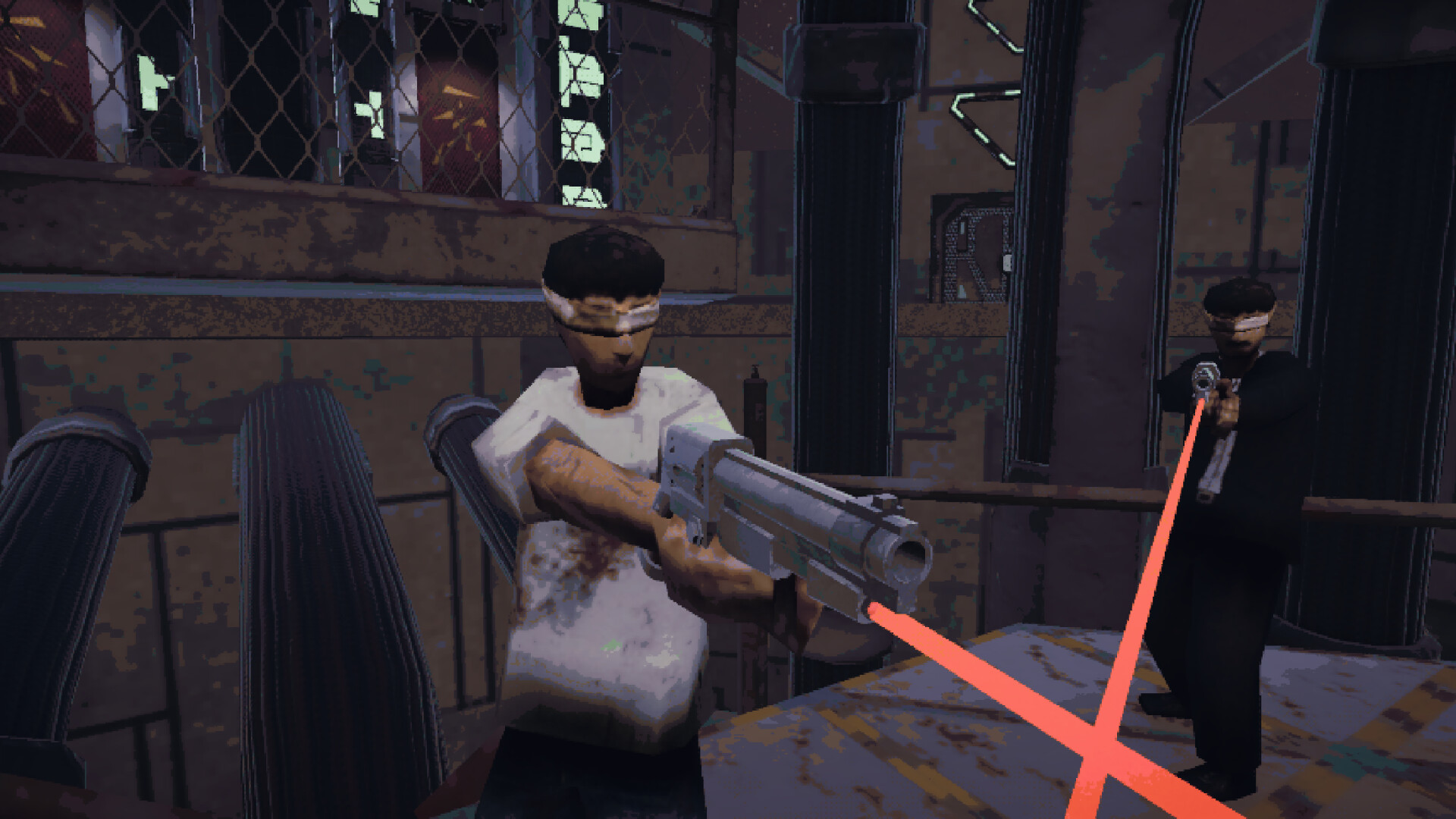
- Presentation draws consistent, specific appreciation, with reviewers praising the retro pixel art and horror atmosphere as a genuinely distinctive visual identity within the crowded party-game genre
- Multiple reviewers specifically praise quick round starts and low-friction lobby setup, describing minimal downtime getting from the main menu into actual mini-game action
Biggest weaknesses
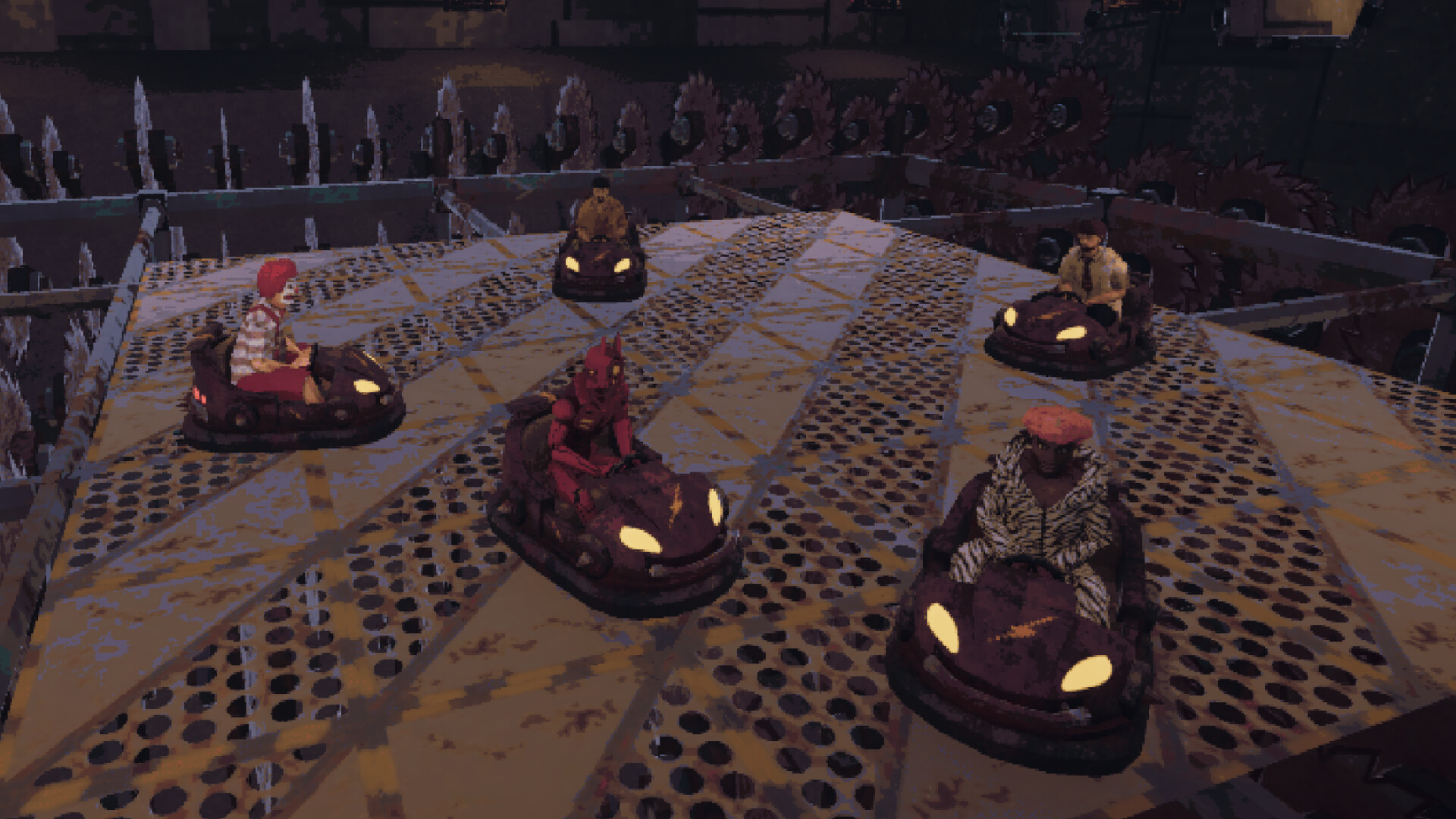
- A large number of reviewers report the game currently offers only around four to five distinct mini-games despite marketing that implies a much broader roster in the Mario Party tradition, with several describing individual rounds ending in as little as thirty seconds
- Multiple reviewers report a separate "point redistribution" system between mini-games is almost entirely luck-driven and consumes more total playtime than the actual mini-games it sits between, effectively diluting the game's core content further
- Multiple reviewers explicitly recommend a specific genre rival, Machine Party, as offering a more complete equivalent experience, and separate reviewers report buggy online lobbies
Who it's for: Groups of friends looking for a short, chaotic, horror-themed party game session, who have realistic expectations about a currently thin mini-game roster and don't mind supplementing with a genre rival for longer sessions.
Our recommendation: Only worth it at this low price with tempered expectations about content depth; consider Machine Party instead if you want a more complete mini-game party experience today.
4.5 / 10
Introduction
Twisted Party, released 25 August 2026 by Vampire Squid, is a retro horror-themed party game for two to eight players, built around deadly mini-games, betrayal, and unlockable cosmetic skins in a last-one-standing structure clearly modelled on genre touchstones like Mario Party. It sits Mixed with a sample of 92 reviews, and reading widely through it reveals a small, real core of enjoyment for groups playing together, sitting alongside a large and specific body of complaints about content depth that this review found consistently corroborated across the sample.
Genuine chaos, for groups who click with it
The clearest positive thread across this sample concerns the core betrayal-driven premise itself. Reviewers who recommend the game describe genuine, chaotic fun playing with friends, with several specifically comparing the brutal challenge concept favourably to the Saw film franchise's trap-driven tension. Presentation draws its own consistent appreciation, with reviewers praising the retro pixel art and horror atmosphere as a genuinely distinctive visual identity, and multiple reviewers specifically praise low-friction lobby setup and quick round starts that get groups into actual play with minimal delay.
A mini-game roster reviewers say falls well short of the pitch
Set against that praise, this review found the single most consistent and consequential complaint in this entire sample: a large number of reviewers report the game currently offers only around four to five distinct mini-games, despite marketing that clearly implies a much broader roster in the Mario Party tradition. Multiple reviewers describe individual rounds ending in as little as thirty seconds, and several argue directly that a party game explicitly compared to Mario Party needs meaningfully more than a handful of games to justify that comparison. One reviewer frames this bluntly: "you can't make a Mario Party type game, market it as one, and then only have 5 minigames."
A luck-driven system that eats more time than the games themselves
Compounding that thin roster, this review found a specific, well-corroborated structural complaint concerning a "point redistribution" system that runs between mini-games. Multiple reviewers report this system is almost entirely luck-driven rather than skill-based, and several specifically describe it consuming more total playtime than the actual mini-games it sits between — a genuinely serious problem for a game whose entire pitch rests on those mini-games being the main event. One reviewer describes this pattern directly as spending "more time redistributing your hard earned points in small boring casino mini-games than the actual mini-games themselves."
A specific genre rival, recommended repeatedly instead
A notable pattern across this sample is how many reviewers, independently and without prompting, recommend a specific alternative title, Machine Party, as delivering a more complete version of the same basic concept. This recurs often enough across otherwise unrelated reviews that this review treats it as a meaningful signal about where this genre's current bar sits, rather than a single reviewer's personal preference.
A cluster of templated positive reviews, observed directly
It's worth reporting on something this review encountered directly in its own research rather than relying solely on other reviewers' claims. The single most heavily-endorsed review in this entire sample explicitly and prominently states that many of the positive reviews appear inauthentic, warning other prospective buyers not to trust them. Reading through this sample independently, this review found direct, corroborating evidence of that specific claim: multiple positive reviews using near-identical phrasing — variations on "a wild/crazy game for wild/unbridled, bloody fun with friends... you'll clash in crazy, bloodthirsty rounds" — appearing more than once in close proximity within the same review pool, worded closely enough to read as templated rather than independently written. This review treats this as a genuine, directly-observed transparency concern rather than an unverifiable accusation, though it cannot determine with certainty whether the pattern reflects coordinated review manipulation, a translation or marketing template being reused by multiple genuine purchasers, or some other explanation.
Smaller complaints
Beyond the structural issues above, this review found a handful of smaller, specific complaints. At least one detailed reviewer criticises an intrusive, repetitive announcer voice played between mini-games as actively unpleasant, distinct from the broader content-volume complaints. Separate reviewers report buggy online lobbies, and at least one reviewer specifically requests an adjustable round timer and a voting system for mini-game selection, framing the current fixed structure as a missed opportunity for player agency.
What a fair current price would actually need to reflect
It's worth being direct about how this review weighs the low asking price against the specific content complaints documented above. A handful of dollars is a genuinely modest ask, and several reviewers explicitly frame their recommendation around exactly that calculus — the game is fun enough for one or two evenings even in its current thin state, and the price doesn't demand much more than that to feel fair. But this review resists letting a low price fully excuse a roster this narrow relative to explicit Mario Party-style marketing: a low price makes a thin game a lower-risk purchase, not a genuinely complete one, and the two are different claims. Prospective buyers deciding between this and a genre rival like Machine Party should weigh total content volume specifically, rather than assuming a lower price automatically represents better value once a group has exhausted the four or five mini-games currently on offer.
Final Verdict
Twisted Party has a genuinely appealing core premise — chaotic, horror-themed betrayal among friends — that works when it's actually in motion, and reviewers who click with a given group describe real fun in the moments the game does deliver. What holds this score down is a specific, widely and independently corroborated complaint that the current mini-game roster is too thin to support its own Mario Party-style marketing, a luck-driven point-redistribution system that eats more time than actual play, a genre rival reviewers repeatedly recommend instead, and a cluster of templated-looking positive reviews this review directly observed and cannot responsibly ignore. Only worth it at this low price with tempered expectations; consider Machine Party first if a complete mini-game party experience matters more to you than price.
Pros and cons
Pros
- The core betrayal mechanic and horror-party premise draw genuine, specific praise from reviewers who've played it with friends, with several favourably comparing the brutal challenge concept to the Saw film franchise
- Presentation draws consistent, specific appreciation, with reviewers praising the retro pixel art and horror atmosphere as a genuinely distinctive visual identity within the crowded party-game genre
- Multiple reviewers specifically praise quick round starts and low-friction lobby setup, describing minimal downtime getting from the main menu into actual mini-game action
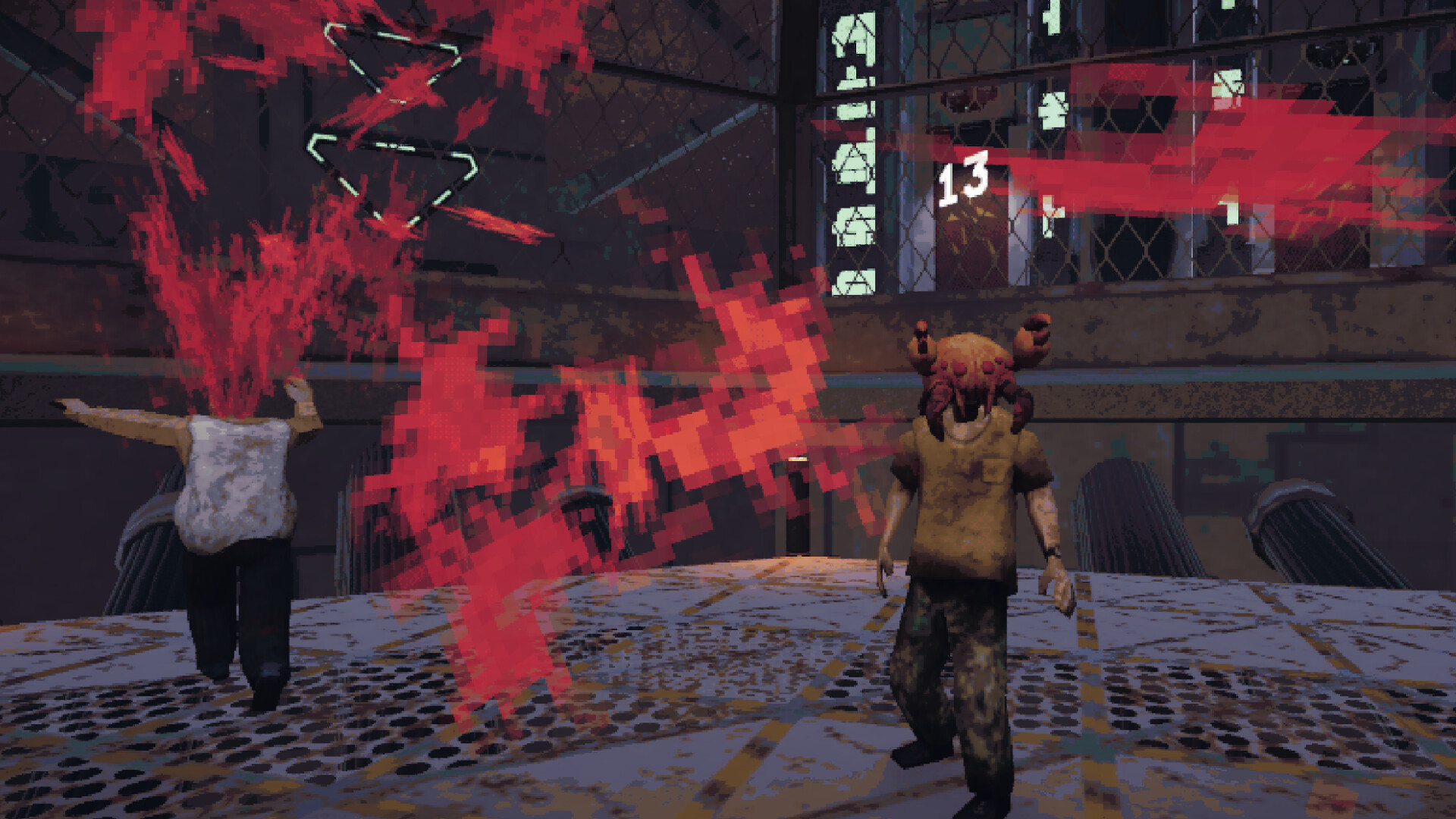
- Unlockable cosmetic skins draw some specific appreciation, with at least one reviewer describing genuine enjoyment watching friends lose limbs in increasingly ridiculous unlocked outfits
Cons
- A large number of reviewers report the game currently offers only around four to five distinct mini-games despite marketing that implies a much broader roster in the Mario Party tradition, with several describing individual rounds ending in as little as thirty seconds
- Multiple reviewers report a separate "point redistribution" system between mini-games is almost entirely luck-driven and consumes more total playtime than the actual mini-games it sits between, effectively diluting the game's core content further
- Multiple reviewers explicitly recommend a specific genre rival, Machine Party, as offering a more complete equivalent experience, and separate reviewers report buggy online lobbies
- At least one detailed reviewer specifically criticises an intrusive, repetitive announcer voice played between mini-games as actively unpleasant, distinct from complaints about content volume
- This review directly observed a cluster of near-identical, templated-sounding positive reviews within its own research sample, a pattern the single most heavily-endorsed review in the entire set explicitly and prominently flags as likely inauthentic; this review treats that pattern as a genuine documented concern rather than an isolated accusation
Screenshots
-
Twisted PartyImage: Polden Publishing via Steam -
Twisted PartyImage: Polden Publishing via Steam -
Twisted PartyImage: Polden Publishing via Steam -
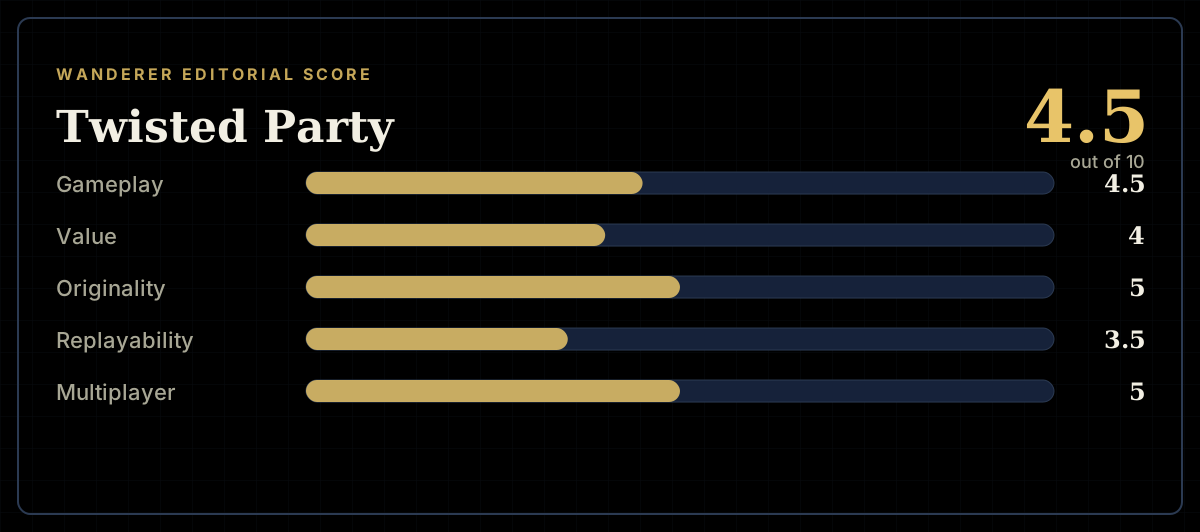
How the review scores each part of the gameWanderer Editorial -
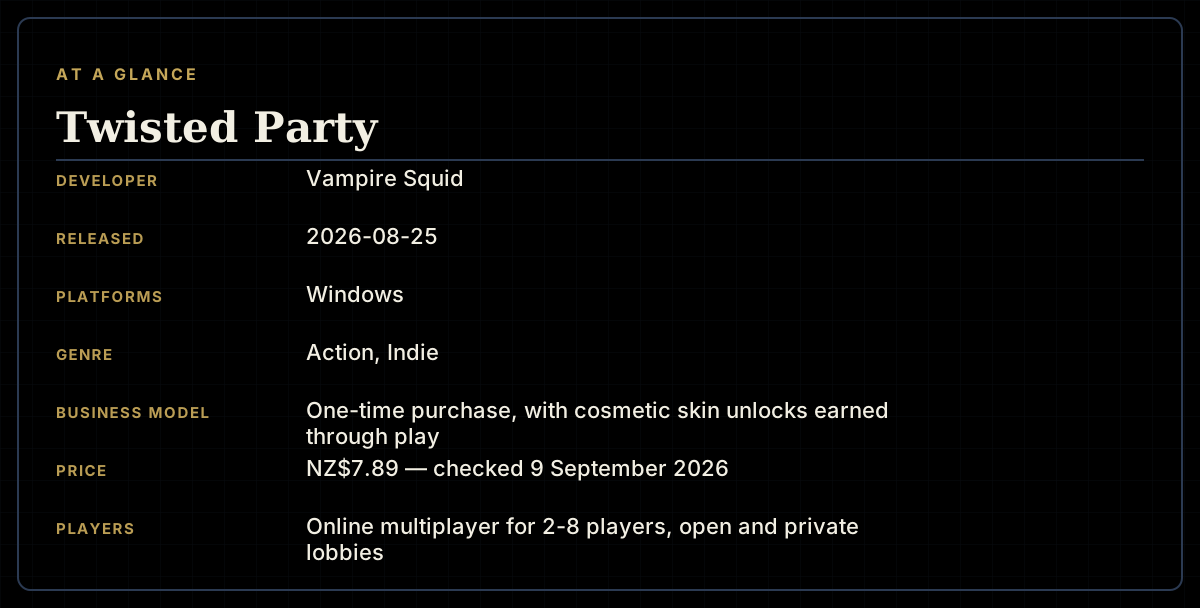
The essentials at a glanceWanderer Editorial -
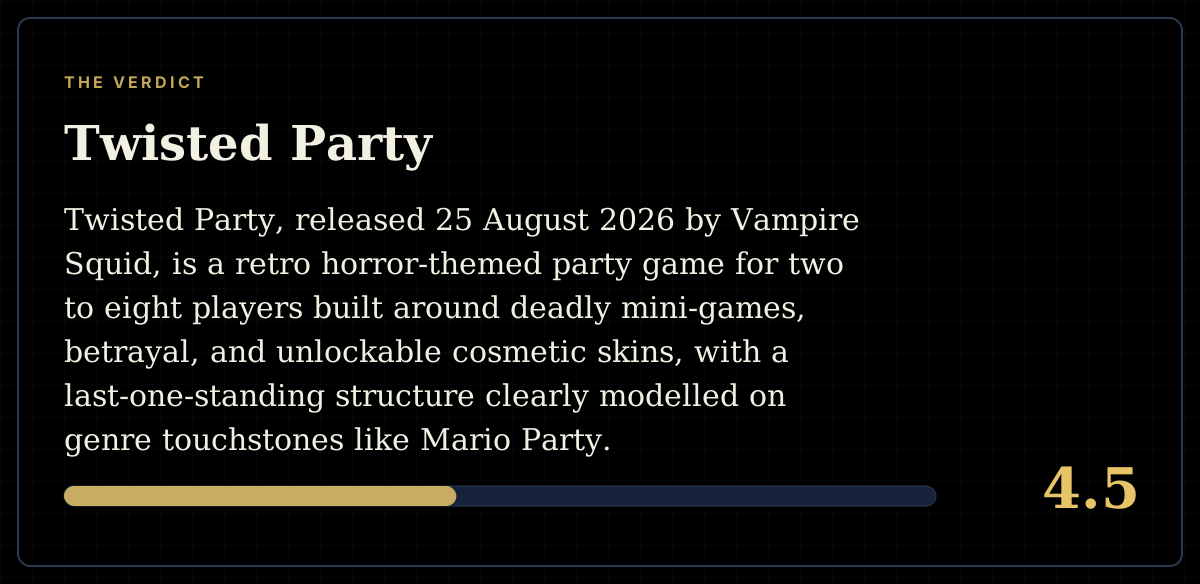
The short versionWanderer Editorial