Game review
Halloween: The Game
5.5 / 10
- Developer
- IllFonic
- Publisher
- IllFonic Publishing
- Released
- 8 September 2026
- Platforms
- Windows
- Genre
- Action
- Monetisation
- One-time purchase, no ongoing microtransactions reported at launch
- Players
- Asymmetric online multiplayer, one killer versus multiple survivors
The short version
Halloween: The Game, released 8 September 2026 by IllFonic, drops players into Haddonfield on October 31st, 1978, either stalking terrified residents as Michael Myers or banding together as civilians and police trying to survive the night and escape. It sits Mostly Positive with a massive sample of 4,404 reviews, and reading widely through that scale of feedback reveals a game that means something real and specific to a large, dedicated community of asymmetric-horror veterans still mourning the legally-shuttered Friday the 13th: The Game, sitting directly alongside a genuinely severe, widely-documented launch state. Reviewers who love the game describe real nostalgic magic in stalking Haddonfield as Michael, fighting back against him as a civilian rather than simply hiding, and a story mode that serves as a surprisingly effective introduction to playing the killer. Set against that praise, this review found an enormous, specific body of launch-state complaints: severe optimisation problems and poor animation quality, NPC allies that freeze in place mid-escort and must be physically pushed to safety, a persistent bug in which Michael remains invisible after being downed until he uses a phase ability, deeply contested balance in which reviewers on both sides argue Myers is either an unstoppable insta-kill machine or a "bully simulator" who dies in three hits, and real, widely-shared anger that players paid full price for what several detailed reviewers describe as effectively an early access build ahead of a separate Day One patch.
Biggest strengths
- The core concept draws consistent, emotional praise from longtime fans of the legally-shuttered Friday the 13th: The Game, with reviewers describing real, felt nostalgia at finally having a spiritual successor to a beloved multiplayer experience they lost years ago
- Multiple reviewers specifically praise the ability to fight back and even arrest Michael as a civilian rather than only hiding or fleeing, describing this as a meaningful, welcome departure from more passive asymmetric-horror rivals like Dead by Daylight
- Story mode draws real, if qualified, praise as an effective introduction to playing Michael, with reviewers describing genuine atmosphere and a surprisingly strong sense of stepping into the character, alongside deep civilian customisation options
Biggest weaknesses
- A large number of reviewers describe severe, widely-documented launch bugs, including NPC escort allies that freeze mid-mission and must be physically pushed to move, a persistent invisible-Michael bug that lasts from being downed until his next phase ability use, and reports that the Haddonfield map specifically breaks NPC behaviour consistently
- Optimisation and performance draw extensive, specific criticism across this sample, with reviewers reporting rough frame rates, poor animation quality relative to the game's graphical fidelity, and inconsistent technical polish that several reviewers explicitly contrast against the game's full asking price
- Myers-versus-survivor balance draws deeply contested, specific criticism from both directions, with some reviewers describing Michael as reduced to either an unstoppable insta-kill threat or a weak "bully simulator" felled in three hits depending on the match, and separate reviewers reporting no reliable way to locate hidden or stuck AI survivors
Who it's for: Longtime fans of Friday the 13th: The Game and asymmetric horror specifically willing to tolerate a genuinely rough launch state in exchange for real nostalgic payoff, and Halloween franchise fans drawn to the Haddonfield setting itself.
Our recommendation: Wait for significant patches before buying at full price; the underlying concept and nostalgic appeal are real, but the current launch state carries too many specific, widely corroborated problems to recommend paying NZ$60.99 today.
5.5 / 10
Introduction
Halloween: The Game, released 8 September 2026 by IllFonic, drops players into Haddonfield on October 31st, 1978, either stalking terrified residents as Michael Myers himself or banding together as civilians and police trying to survive the night and escape. It sits Mostly Positive with a massive sample of 4,404 reviews, and reading widely across that scale of feedback reveals something this lane's research hasn't quite documented before: a game that clearly means something real and specific to a large, dedicated community of asymmetric-horror veterans, many still mourning the legally-shuttered Friday the 13th: The Game, sitting directly alongside a genuinely severe, widely and specifically documented launch state that a large share of that same community says isn't ready.
Real, earned nostalgia for a beloved lost game
The clearest emotional throughline across this sample concerns history rather than mechanics directly. IllFonic previously developed Friday the 13th: The Game, a beloved asymmetric multiplayer title forced offline years ago by a legal dispute with the underlying film's creators, and reviewer after reviewer in this sample frames Halloween: The Game explicitly as a spiritual successor built to fill that specific gap. One reviewer captures the sentiment directly: "I still miss Friday the 13th the game after it got shut down... This is like a sequel to that. Hopefully this game won't suffer the same fate." That specific history matters directly to how this sample reads: much of the goodwill keeping this game's overall score in Mostly Positive territory despite its documented problems traces back to genuine affection for what IllFonic built before, not simply this specific release on its own merits.
Fighting back, and a genuinely different premise from Dead by Daylight
Beyond nostalgia, this review found specific, substantive praise for the game's core design philosophy. Multiple reviewers specifically highlight the ability to fight back against and even arrest Michael as a civilian, rather than being limited to hiding and fleeing as in more established asymmetric-horror rivals like Dead by Daylight. At least one detailed reviewer makes an important reframing argument directly: this is fundamentally a PvE-first experience simulating the feeling of the Halloween films, not a direct competitive PvP rival, and reviewers judging it purely on tight competitive balance are missing the design's actual intent. This review finds that argument genuinely useful context, even though it doesn't resolve the specific balance complaints documented below.
A launch state a large share of this sample calls unfinished
Set directly against that goodwill, this review found an enormous, specific and remarkably consistent body of launch-state criticism, spanning reviewers who otherwise clearly want to love this game. Multiple detailed reviewers report NPC escort allies freezing in place mid-mission, requiring players to physically push them toward safety to progress — a serious problem given escorting civilians to safety is one of the game's central objectives. Separate reviewers report the Haddonfield map specifically and consistently breaks NPC behaviour more than other maps. At least one detailed reviewer reports a persistent bug in which Michael remains invisible after being downed in combat, lasting until his next use of his phase ability — a significant, match-altering issue rather than a minor cosmetic glitch.
Optimisation and animation quality draw sustained criticism
Performance draws extensive, specific criticism throughout this sample. Reviewers repeatedly describe rough, inconsistent frame rates and animation quality that several find surprising given the game's graphical fidelity, with more than one explicitly contrasting this technical state against the game's full NZ$60.99 asking price. One detailed reviewer, writing after roughly thirty hours across the pre-release period, reports that early complaints about mediocre voice acting and poor performance had not meaningfully improved, while separately crediting the developers with fixing some specific bugs within 24 hours — a mixed but genuinely detailed account from someone who'd clearly invested real time in tracking the game's trajectory.
Balance that different reviewers describe in opposite terms
A particularly telling pattern in this sample concerns Myers-versus-survivor balance, where different reviewers describe the same underlying system in almost contradictory terms. Some reviewers describe Michael as effectively an insta-kill threat with no meaningful counterplay; others describe him, in the same review sample, as a "bully simulator" who goes down in three hits and stands little real chance against coordinated survivors. Separately, multiple reviewers report no reliable way to locate AI survivors who become stuck or are deliberately hiding, leaving Michael players simply waiting without meaningful options. That kind of genuinely split, specific balance feedback, rather than one-sided complaints in a single direction, reads as strong evidence the current tuning isn't yet settled rather than reviewers simply disagreeing about difficulty preferences.
Anger over paid "Advanced Access" ahead of a Day One patch
This review found a specific, widely-shared and unusually pointed complaint concerning the game's release structure itself. Multiple detailed reviewers report paying full price for access to what they describe as effectively an early access build, days ahead of the official wide release, only to learn a separate "Day One" patch was being held back for the later official date. Several reviewers explicitly and directly recommend prospective buyers wait for that wider release and any accompanying fixes rather than purchasing during this earlier paid window, a specific and actionable piece of guidance this review passes along directly given how consistently it recurred.
Escort missions, unclear objectives, and pacing
Beyond the technical and balance complaints, this review found more structural design criticism. Multiple reviewers specifically criticise the game's heavy reliance on escort-mission design built around passive NPCs, arguing the underlying AI simply isn't good enough to support a mechanic that's already considered one of gaming's more difficult to execute well. Separate reviewers report unclear win conditions in multiplayer matches and pacing that runs longer than feels justified, with at least one reviewer specifically requesting a dedicated civilian tutorial to explain mechanics the game currently expects players to work out through trial and error.
Weighing genuine goodwill against genuinely serious problems
Taken as a whole, this review reads Halloween: The Game as a case where real, earned community goodwill toward its developer's prior work is currently carrying a launch state that, judged purely on its own present-day merits, would likely score considerably lower. That's a meaningfully different situation from a game whose fanbase is simply forgiving mediocrity — the specific, detailed, well-corroborated nature of the complaints documented here, coming even from reviewers who clearly want this game to succeed, suggests genuine, addressable problems rather than a fundamentally broken concept.
Final Verdict
Halloween: The Game offers real nostalgic payoff for longtime Friday the 13th: The Game fans and a genuinely distinctive premise built around fighting back rather than only fleeing, backed by a story mode reviewers find a surprisingly effective introduction to playing Michael. What holds this score down is an enormous, specific and widely-corroborated cluster of launch problems: severe optimisation issues, broken NPC escort behaviour, a persistent invisible-Michael bug, deeply contested balance that different reviewers describe in opposite terms, and real, well-founded anger over paying full price ahead of a withheld Day One patch. Wait for significant patches before buying at full price; the underlying concept and community affection are real, but the current state doesn't yet justify the asking cost.
Pros and cons
Pros
- The core concept draws consistent, emotional praise from longtime fans of the legally-shuttered Friday the 13th: The Game, with reviewers describing real, felt nostalgia at finally having a spiritual successor to a beloved multiplayer experience they lost years ago
- Multiple reviewers specifically praise the ability to fight back and even arrest Michael as a civilian rather than only hiding or fleeing, describing this as a meaningful, welcome departure from more passive asymmetric-horror rivals like Dead by Daylight
- Story mode draws real, if qualified, praise as an effective introduction to playing Michael, with reviewers describing genuine atmosphere and a surprisingly strong sense of stepping into the character, alongside deep civilian customisation options
- At least one detailed reviewer specifically frames the game correctly as a PvE-first experience simulating the Halloween film rather than a direct PvP rival to Dead by Daylight, arguing reviewers judging it purely on competitive PvP terms are missing its actual intended design
Cons
- A large number of reviewers describe severe, widely-documented launch bugs, including NPC escort allies that freeze mid-mission and must be physically pushed to move, a persistent invisible-Michael bug that lasts from being downed until his next phase ability use, and reports that the Haddonfield map specifically breaks NPC behaviour consistently
- Optimisation and performance draw extensive, specific criticism across this sample, with reviewers reporting rough frame rates, poor animation quality relative to the game's graphical fidelity, and inconsistent technical polish that several reviewers explicitly contrast against the game's full asking price
- Myers-versus-survivor balance draws deeply contested, specific criticism from both directions, with some reviewers describing Michael as reduced to either an unstoppable insta-kill threat or a weak "bully simulator" felled in three hits depending on the match, and separate reviewers reporting no reliable way to locate hidden or stuck AI survivors
- This review found real, widely-shared anger over the game's release structure, with multiple detailed reviewers reporting they paid full price for what was effectively a pre-release "Advanced Access" build ahead of a separate Day One patch, several explicitly recommending prospective buyers wait for the wider release and further fixes before purchasing
- Multiple reviewers specifically criticise the game's heavy reliance on escort-mission design around passive, poorly-behaved NPCs, describing this as one of gaming's weaker mechanics executed without the AI quality needed to make it work, and separate reviewers report unclear win conditions and match pacing that runs longer than feels justified
Screenshots
-
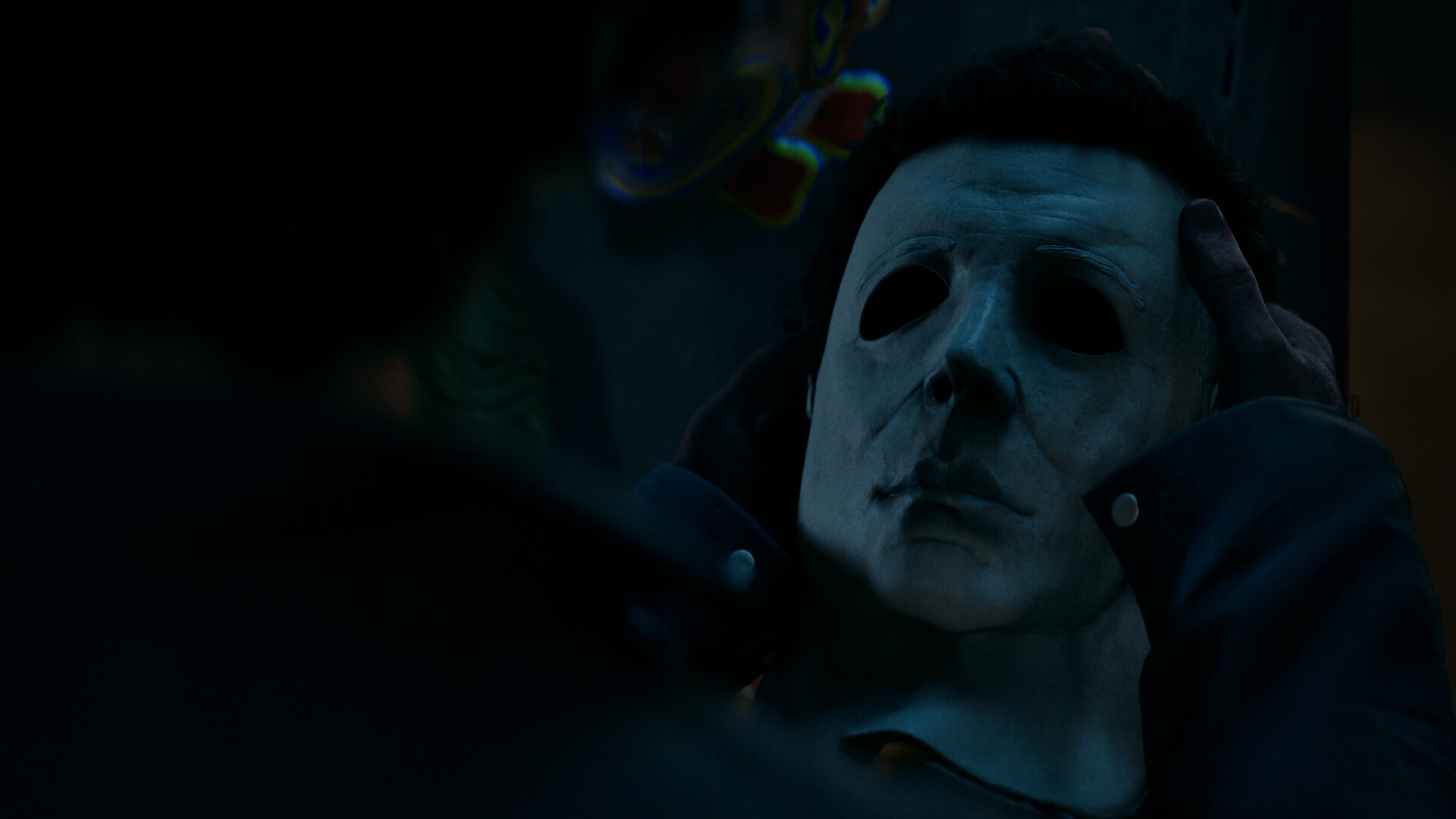
Halloween The GameImage: IllFonic Publishing via Steam -
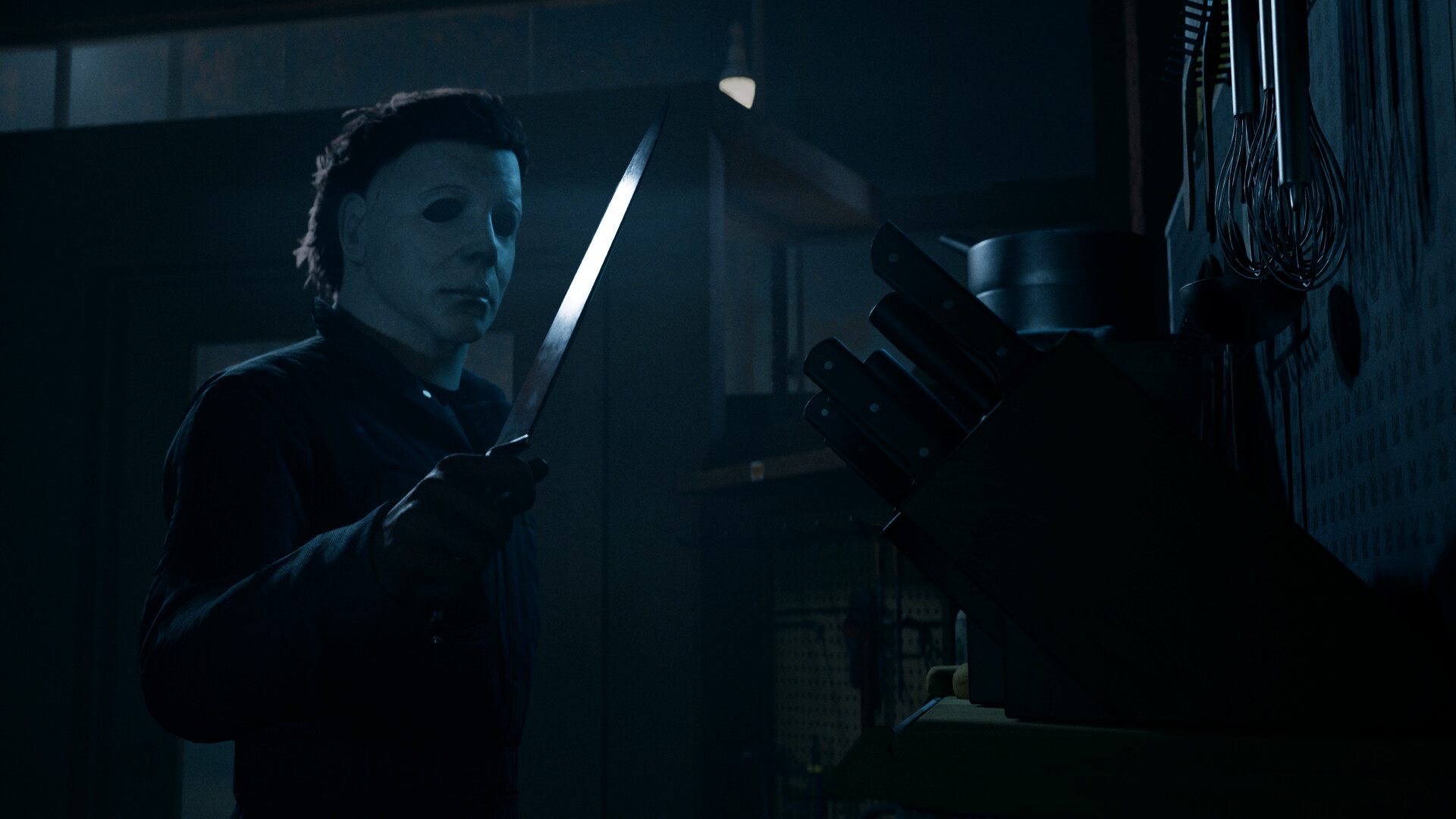
Halloween The GameImage: IllFonic Publishing via Steam -
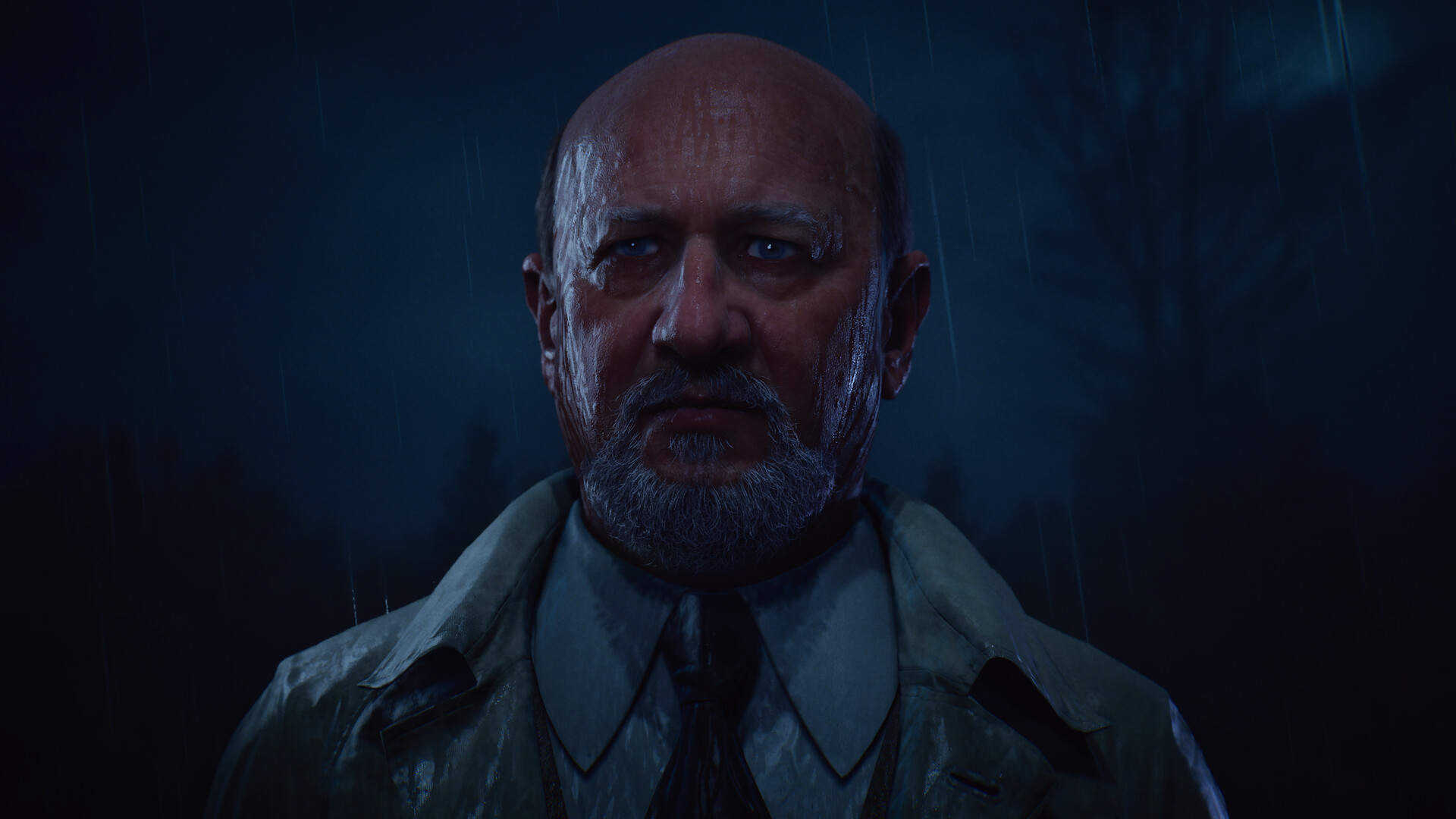
Halloween The GameImage: IllFonic Publishing via Steam -
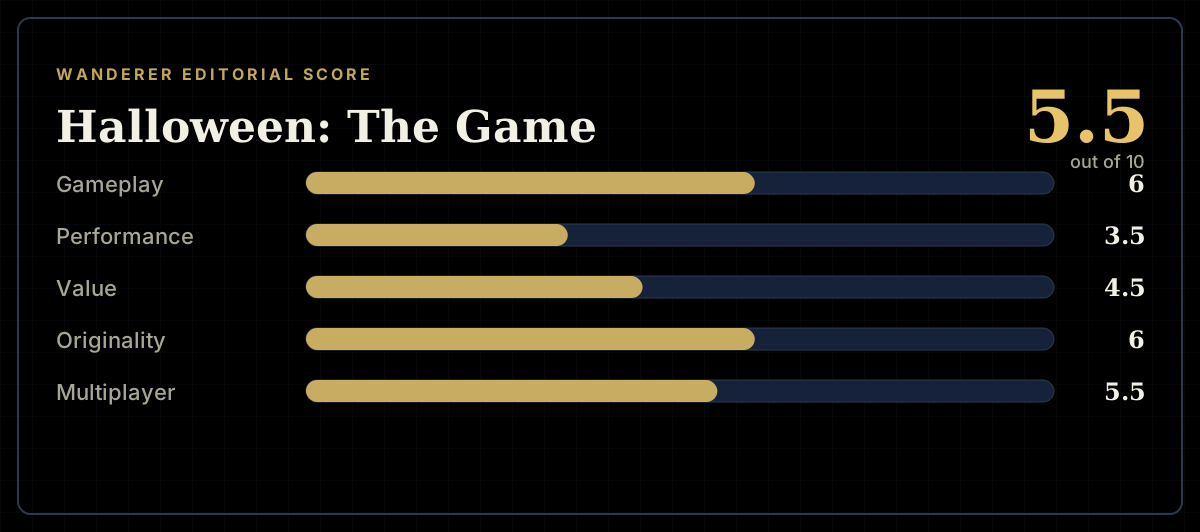
How the review scores each part of the gameWanderer Editorial -
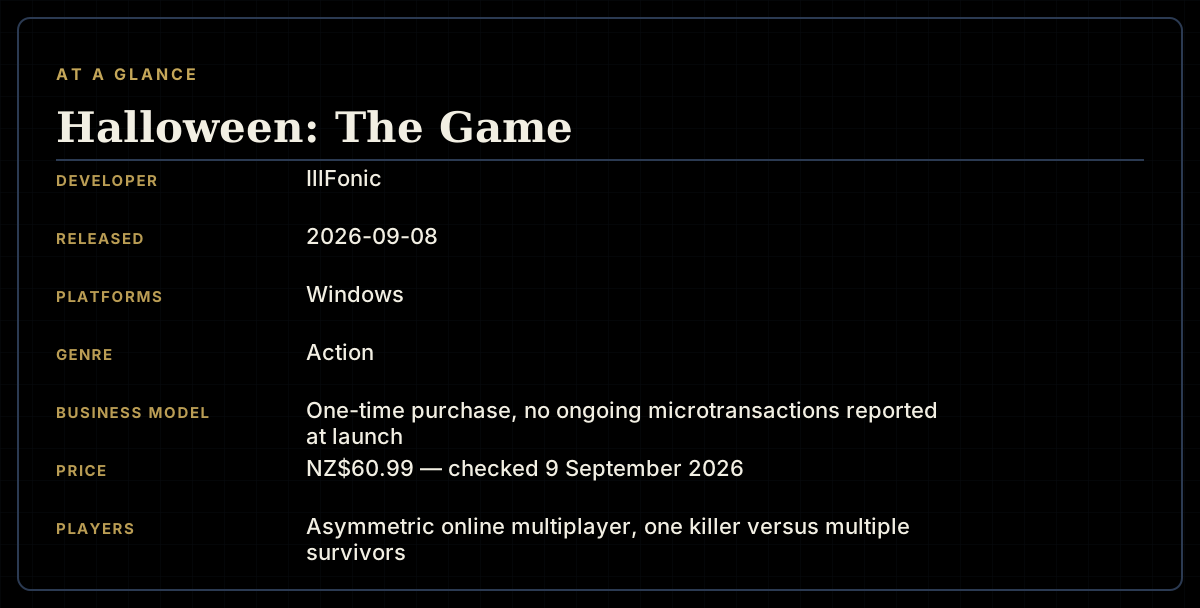
The essentials at a glanceWanderer Editorial -
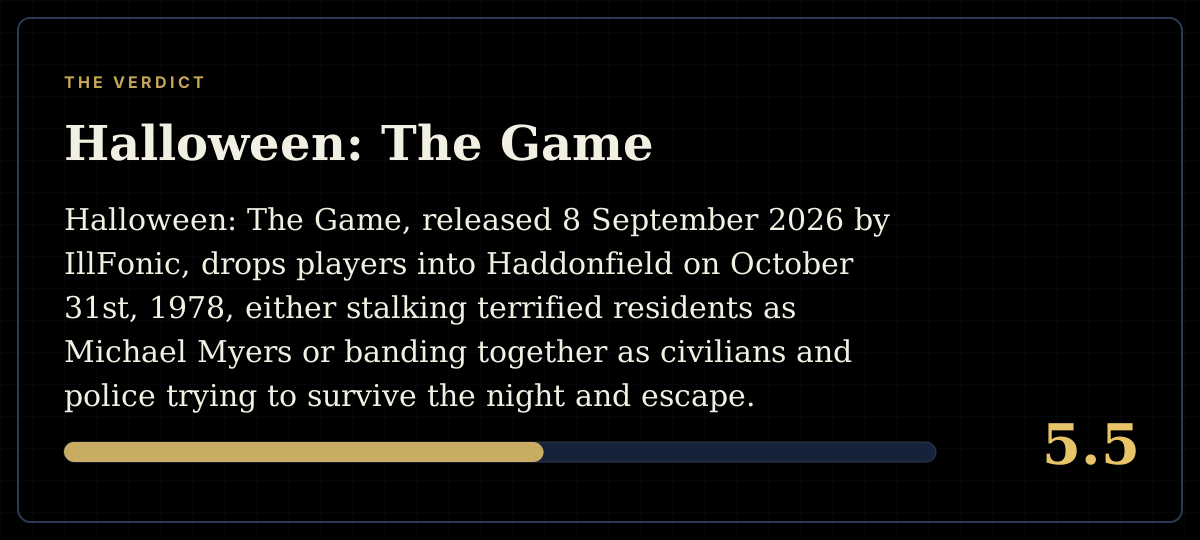
The short versionWanderer Editorial