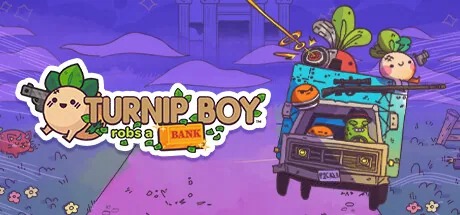
Game review
Turnip Boy Robs a Bank
7.5 / 10
- Developer
- Snoozy Kazoo
- Publisher
- Graffiti Games
- Released
- 18 January 2024
- Platforms
- Windows, macOS, Nintendo Switch, PlayStation 4, PlayStation 5, Xbox One, Xbox Series X|S
- Genre
- Action Roguelike
- Monetisation
- One-time purchase. No in-app purchases or DLC.
- Players
- Single-player only
The short version
Turnip Boy Robs a Bank sends its title character and the Pickled Gang into a heist against the Botanical Bank, trading the slower, puzzle-adventure pacing of 2021's Turnip Boy Commits Tax Evasion for a run-based roguelike structure with guns, upgrades and repeatable floors. It sits at Overwhelmingly Positive on Steam -- 1,872 reviews, 95% positive -- and Steam's own achievement data backs up the reception: 44.3% of players clear the final boss, an unusually high completion rate for a roguelike, suggesting a game that's genuinely accessible rather than one that only its most dedicated fans finish.
The English negative sample is a single review, but a detailed and fair one: a player who preferred the original's adventure-game format specifically over the sequel's "forced multirun progression," calling some of the roguelike randomness "design meant to waste the player's time." That complaint echoes, in a much softer key, through several positive reviews too -- multiple longtime fans explicitly call this entry "a step down" from the original even while recommending it, making clear the genre shift is a real, felt trade-off rather than a universally loved change.
Biggest strengths
- The series' trademark irreverent, absurdist humour and dialogue survive the genre change fully intact, with specific boss encounters and one-liners drawing repeated praise
- A distinctive, colourful pixel-art style that reviewers consistently single out as one of the game's strongest assets
- An unusually high final-boss completion rate (44.3% of the player base) for a roguelike, suggesting a well-tuned difficulty curve that doesn't wall off casual players
Biggest weaknesses
- A structural genre shift from the original's adventure-puzzle pacing to run-based roguelike combat that a real, if quiet, portion of the fanbase experiences as a downgrade rather than an evolution
- At least one detailed review describes specific run-to-run randomness as feeling designed to waste time rather than create meaningful variety
- Reviewers who loved the first game's slower character writing note this entry leans harder on action and heist-movie momentum, at some cost to the quieter character beats
Who it's for: Fans of comedic, irreverent indie games and the original Turnip Boy, plus roguelike players who want a short, funny run-based game rather than a long-form campaign. Not for players specifically wanting more of the original's slower adventure-puzzle pacing.
Our recommendation: A funny, well-made, worthwhile sequel that fans of the original should go into expecting a genuinely different game rather than more of the same -- the humour and heart carried over intact, the format did not.
7.5 / 10
From tax evasion to armed robbery
Turnip Boy Commits Tax Evasion, released in 2021, built a devoted following on a simple but winning combination: a mute, expressive turnip protagonist, absurdist writing that treated petty bureaucracy as high-stakes drama, and gentle Zelda-style adventure-game puzzling. Turnip Boy Robs a Bank, developed by the same studio, Snoozy Kazoo, and released 18 January 2024, keeps the character and the comic sensibility but rebuilds the format from the ground up: instead of a single, hand-crafted adventure, the sequel is a run-based roguelike heist through the Botanical Bank's vaults, with the Pickled Gang, purchasable upgrades from "the dark web," and combat encounters that repeat and escalate across multiple attempts rather than a single linear path.
The reception has been extremely strong in aggregate -- 1,872 Steam reviews, Overwhelmingly Positive at 95% -- and the writing gets specific, consistent praise for surviving the format change intact. "I particularly loved being able to wear a NB flower crown right off the bat," reads one detailed review, going on to single out a specific boss-fight dialogue moment as a highlight. Another puts it more bluntly: "Turnip Boy proves once again that he's one of the greatest heroes the world has ever known! Not even a high security bank nor switch to roguelike gameplay can slow down his assault on the 1%!" The series' anti-capitalist, mischievous tone -- robbing a bank as the natural sequel to evading taxes -- clearly translated across the genre change for the large majority of its audience.
A genre shift, felt quietly
What makes this review section worth reading closely rather than just averaging is how often praise and reservation share the same sentence. "While being a step down from Turnip Boy Commits Tax Evasion in my opinion, it was still just as funny to play," reads the review with the game's highest rating in this sample -- a genuinely positive review that still names the sequel a downgrade in the same breath. That pattern repeats: reviewers comparing the new roguelike structure to Dodge Roll's Enter the Gungeon cadence, appreciating what it's doing on its own terms while implicitly measuring it against a beloved original built around a completely different kind of pacing.
The one detailed English-language negative review makes the complaint explicit rather than implicit. Describing the sequel as "a forced multirun progression game with grinding" next to the original's status as "an adventure game with some minor puzzles," the reviewer traces a specific arc -- enjoyment, then annoyance, then frustration -- landing on run-to-run randomness that feels, in their words, like "design meant to waste the player's time." That's a real, structural objection rather than a matter of difficulty, and it's worth taking seriously precisely because several enthusiastic five-star reviews independently gesture at the same underlying tension without going as far.
It's worth being specific about what actually changed, since "roguelike" covers a lot of ground. Runs through the Botanical Bank are built from repeatable, randomised room layouts rather than a single fixed map, with permanent unlocks -- weapon upgrades bought through "the dark web," new Pickled Gang members, cosmetic hats -- persisting between attempts even after a run ends. That structure is standard for the genre and, per the achievement data below, seems to land well for most players; the objection from dissenting reviewers isn't that the roguelike mechanics are poorly implemented, but that the format itself asks for a kind of repetition the adventure-game original never did. One reviewer's summary -- "zero character development" -- reads as a joke on its face, but it doubles as a fair, deadpan description of what a run-based structure inherently sacrifices relative to a hand-authored, linear story.
What the numbers say about difficulty
Steam's achievement data offers a useful counterweight to that specific complaint. The BOSS_FINAL achievement -- clearing the game's final encounter -- sits at 44.3% of the entire player base, a remarkably high completion rate for a roguelike; most games in this genre this library has covered see final-boss achievements in the single digits or low teens. Early-game achievements clear even higher, with BANK_FIRST at 93.1% and several onboarding milestones in the 80s. Taken together, the data suggests that whatever frustration the "wasted time" complaint describes, it isn't translating into most players bouncing off the game before finishing it -- this looks like a short, well-paced roguelike that respects a player's investment more than the harshest available review suggests, even if the format itself remains a genuine point of disagreement among longtime fans.
Verdict
Turnip Boy Robs a Bank succeeds at the hardest part of any beloved indie's sequel: it keeps the specific voice, humour and heart that made the original a cult favourite, and it does so inside a genuinely different genre rather than a safe rehash. The format change from adventure-puzzle pacing to run-based roguelike combat is real and some longtime fans feel its cost even while recommending the game overall, but the achievement data suggests the new structure is well-tuned rather than punishing, and the writing carries the whole thing regardless of what genre it's wearing this time. At NZ$21.99, with a short, focused runtime and no monetisation beyond the upfront price, it's an easy recommendation on value alone. A funny, generous, worthwhile sequel -- just not, by its own fans' admission, quite the same game as the one that made them fans in the first place.
Pros and cons
Pros
- The series' trademark irreverent, absurdist humour and dialogue survive the genre change fully intact, with specific boss encounters and one-liners drawing repeated praise
- A distinctive, colourful pixel-art style that reviewers consistently single out as one of the game's strongest assets
- An unusually high final-boss completion rate (44.3% of the player base) for a roguelike, suggesting a well-tuned difficulty curve that doesn't wall off casual players
- A short, focused runtime that respects the player's time even inside a genre known for grindy repetition, according to reviewers comparing it favourably to other run-based games
Cons
- A structural genre shift from the original's adventure-puzzle pacing to run-based roguelike combat that a real, if quiet, portion of the fanbase experiences as a downgrade rather than an evolution
- At least one detailed review describes specific run-to-run randomness as feeling designed to waste time rather than create meaningful variety
- Reviewers who loved the first game's slower character writing note this entry leans harder on action and heist-movie momentum, at some cost to the quieter character beats
- A tiny English-language review sample relative to the game's overall review count makes it harder to fully weigh how widely the format complaints are shared
Screenshots
-
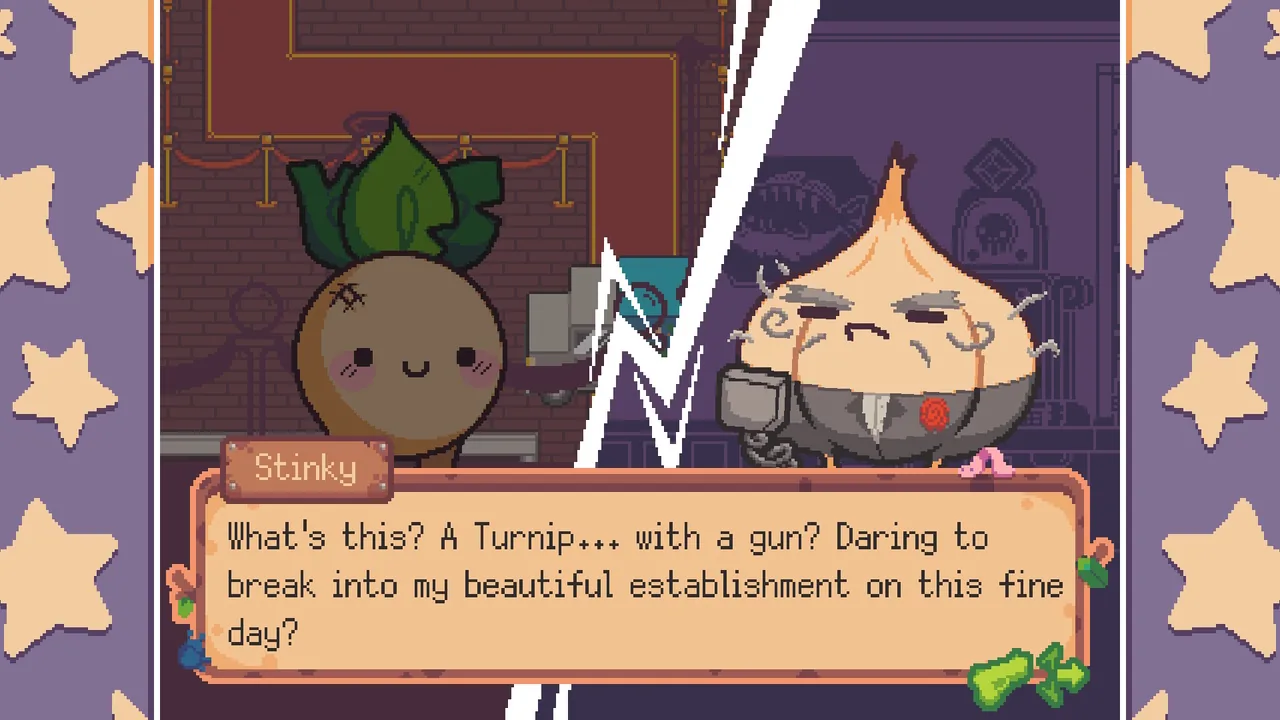
The series' trademark absurdist dialogue, carried over from the original gameImage: Graffiti Games via Steam -
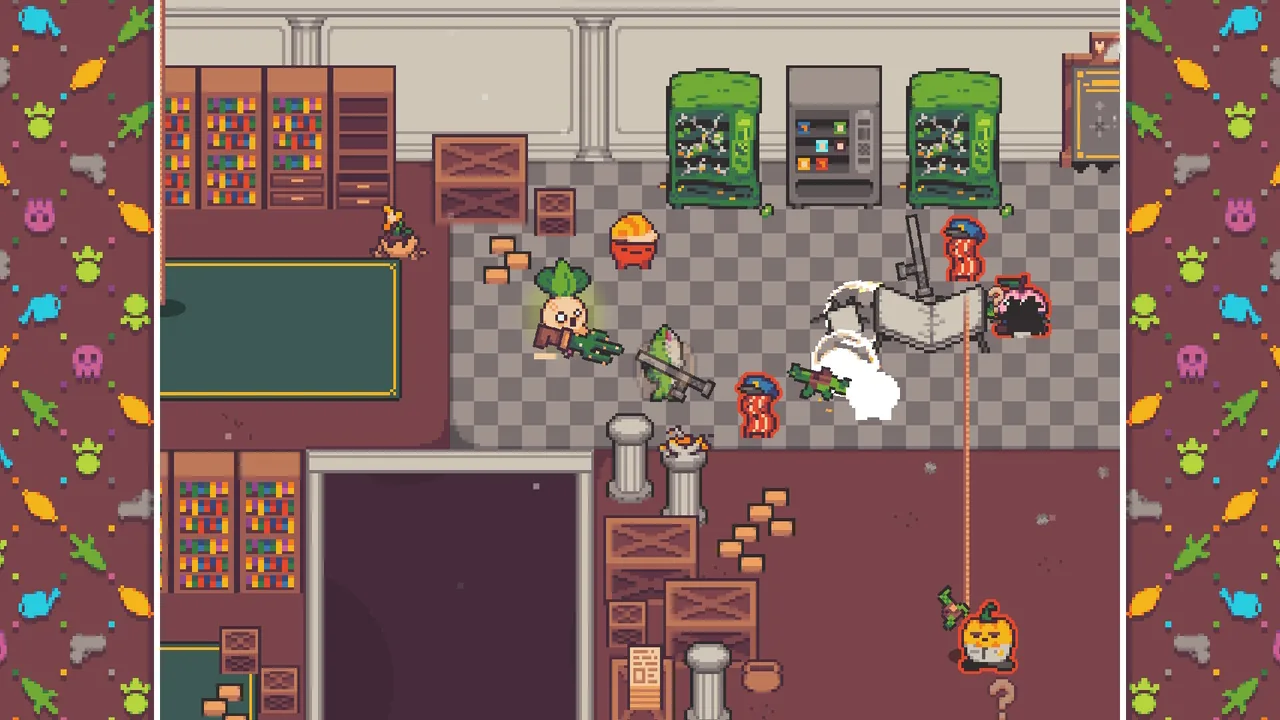
Run-based combat inside the Botanical Bank's vaults, the sequel's new roguelike coreImage: Graffiti Games via Steam -
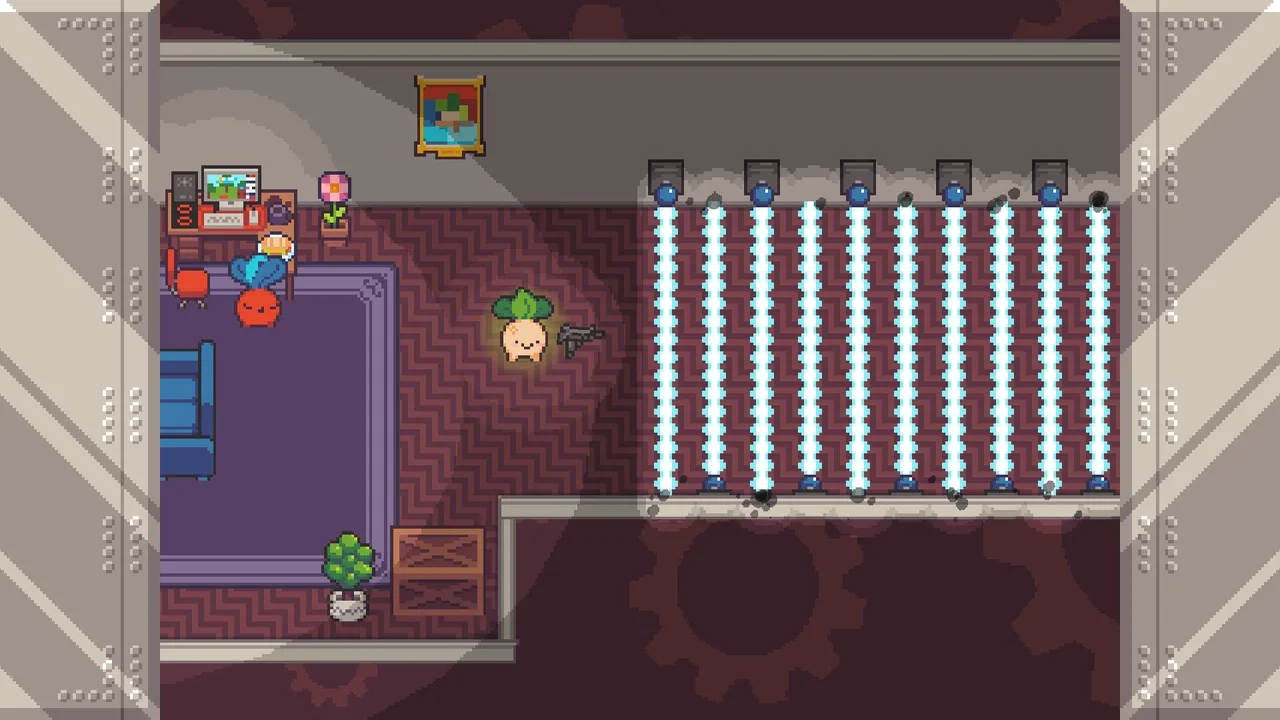
Stealth and heist-movie set pieces alongside the combat and dialogueImage: Graffiti Games via Steam -
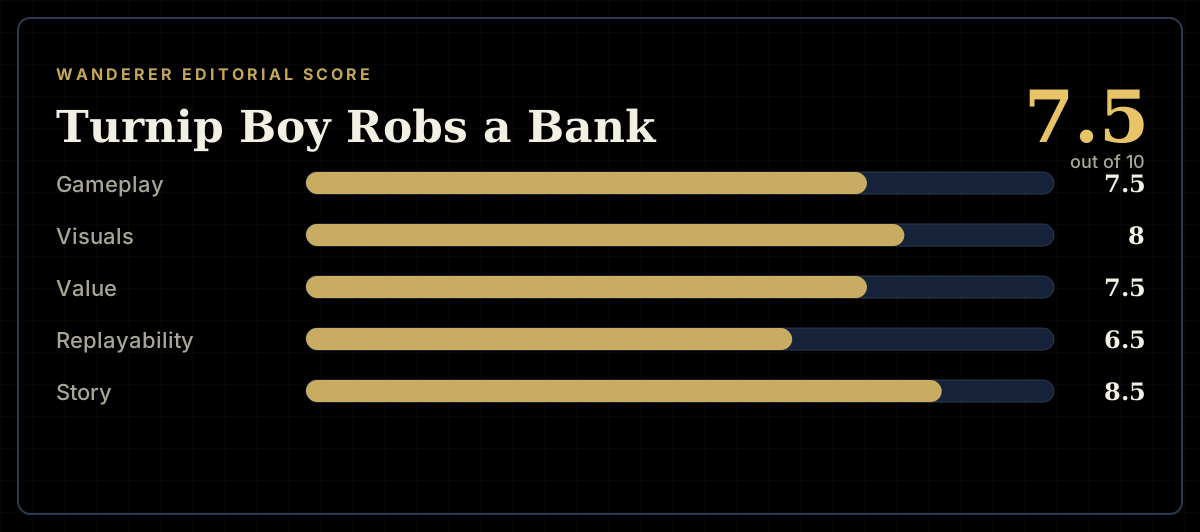
How the review scores each part of the gameWanderer Editorial -
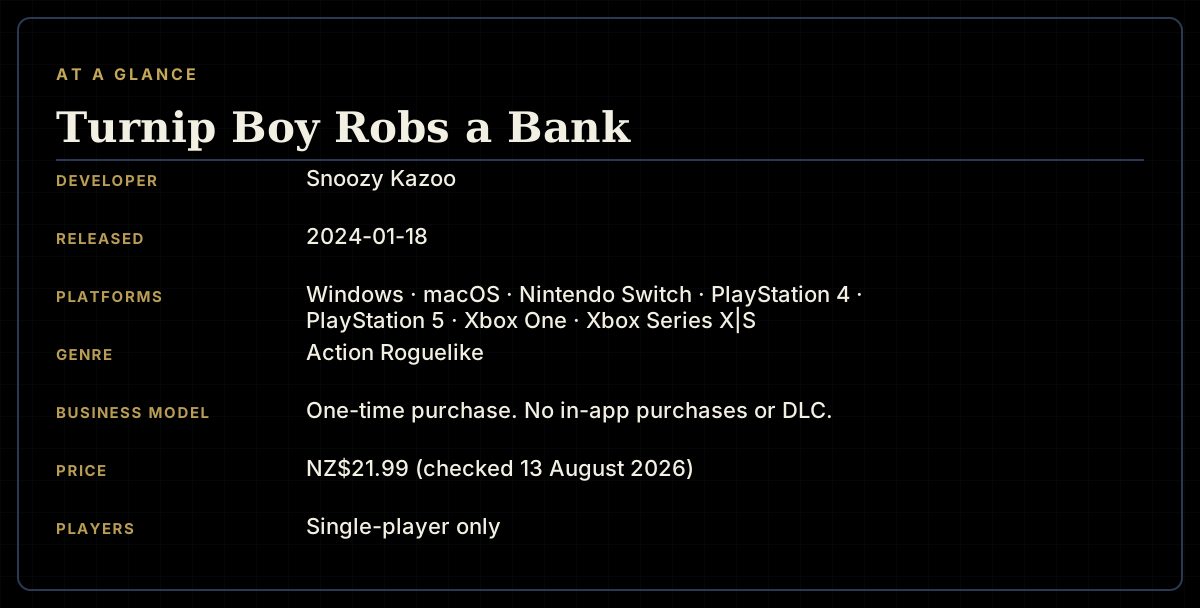
The game at a glanceWanderer Editorial -
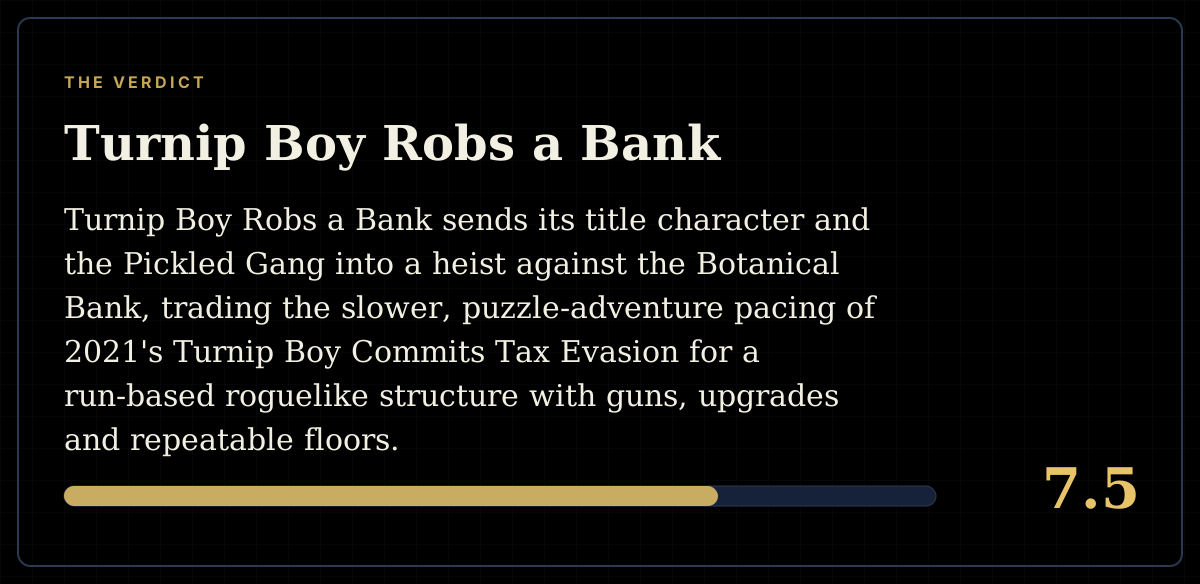
The short versionWanderer Editorial