
Game review
Thekku Island
5.2 / 10
- Developer
- Ales Devs Games
- Publisher
- Ales Devs Games
- Released
- 26 February 2026
- Platforms
- ["Windows"]
- Genre
- Adventure
- Monetisation
- Paid
- Players
- Single-player
The short version
Thekku Island is a debut horror outing whose 1980s Kerala setting, folklore-steeped atmosphere, and striking sound design mark it as something genuinely different, but sluggish movement, a punishing stamina limit, and a short, thinly-interactive runtime keep it from being more than a promising first step.
Biggest strengths
- A genuinely distinct setting: 1980s Kerala, local folklore, and native Malayalam dialogue rarely seen in horror games
- Strong sound design and music that multiple reviewers single out as the game's best feature
- An impressive 2D animated opening sequence that sets the mood before the first-person exploration even begins
Biggest weaknesses
- Slow, stamina-limited movement that several reviewers compare to playing as someone out of breath
- Minimal interactivity for an exploration-focused game, with many objects that look interactable but aren't
- A short 1 to 1.5 hour runtime, patchy controller support despite being advertised, and a reported door/key bug that has led to at least one refund
Who it's for: Fans of slow-burn, atmosphere-first horror and anyone curious about a rare Malayalam-language, Kerala-set indie debut.
Our recommendation: Worth a look on sale for the atmosphere and cultural setting alone; go in expecting a short, simple haunted-house walk rather than a mechanically deep horror game.
5.2 / 10
A Haunted House Rooted in 1980s Kerala
Thekku Island casts you as a man arriving on a remote island in search of his missing wife, working through an isolated ancestral house, a Tharavadu, soaked in local folklore and unspoken grief. Developed and self-published by the small Kerala-based studio Ales Devs Games, it's a first-person exploration horror game built almost entirely around atmosphere: dim lighting, whispered dread, and a setting drawn specifically from Kerala's landscape and ghost stories rather than the generic abandoned-asylum or forest-cabin backdrops the genre usually reaches for. The 148 English-language Steam reviews land at Very Positive, 130 recommending against 18 who don't, and reading through the set makes clear this is a reception built on real goodwill toward a distinctive debut, tempered by a long list of specific, repeated rough edges.
That distinctiveness is the game's clearest asset. Reviewers, many of them from Kerala or the broader Malayali diaspora, describe a personal connection to a story told in native Malayalam with English subtitles, calling out the authenticity of the folklore, the accuracy of period and cultural detail, and the simple novelty of seeing their own culture treated as horror-game material rather than backdrop. One reviewer, a game design student, calls the level design "amazing and very well crafted," while several others frame their purchase explicitly as support for a first-of-its-kind regional project rather than a straightforward buying decision, which colours some of the more forgiving reviews in the sample.
Atmosphere and Sound Carry the Experience
Where Thekku Island earns its Very Positive rating is craft rather than mechanics. The opening sequence, a 2D animated cutscene establishing the setup before the game shifts to first-person exploration, is called out repeatedly as "unique," "fantastic," and unexpectedly polished for a debut project. Once inside the house, the sound design does most of the heavy lifting: reviewers describe genuinely spine-chilling moments built from music, ambient whispers, and quiet chants rather than cheap jump-scare stingers, with the score around a specific room, "Manichithrathazhu," singled out by name more than once. Several reviewers who don't normally play horror games say the atmosphere alone got under their skin, and the handful of jump scares that do land are described as effective precisely because they're used sparingly against that backdrop rather than constantly.
The visuals draw a more mixed but still largely positive reaction. The 2D intro art gets consistent praise even from otherwise critical reviewers, and the overall environment design, an eerie, believably lived-in ancestral house, is called immersive and well-realised for a first game from a small team. A few reviewers note inconsistent graphical fidelity between the standout intro and the in-game character models, but this reads across the sample as a minor complaint set against a setting most reviewers found convincingly unsettling.
Movement, Interactivity, and Bugs Undercut the Exploration
The negative side of the ledger is dominated by one specific, repeated complaint: the player character moves slowly and tires almost immediately when running, a limitation multiple reviewers describe in nearly identical terms as feeling like "an asthma patient" who "starts panting after sprinting for just 2 meters." In a game built around walking through a dark house looking for scattered items, several reviewers call this the single biggest thing holding the experience back, turning basic traversal into a chore rather than a tension-building device. Compounding it, many objects that visually read as interactable, chests in particular, turn out not to be, leaving an atmospheric setting with surprisingly little for the player to actually do beyond locating a specific set of key items to progress.
Technical rough edges pile on top. Despite Full Controller Support being listed on the store page, several reviewers report unmapped keys, no on-screen indication of gamepad compatibility, and controller support that simply doesn't work as advertised. Lighting is aggressive to the point that some rooms are described as functionally black screens without a torch, there's no brightness option to compensate, and a few reviewers ran into invisible walls blocking doors and crawl spaces. One reviewer reports a specific door-and-key softlock, a previously-opened door refusing to reopen later in the story, severe enough to force a refund request. A single detailed negative review describes severe, hardware-independent frame-rate stuttering "in every single area," though this reads as an outlier against a sample where most reviewers don't mention performance at all. Story delivery draws its own share of criticism: several reviewers call the plot rushed or generic, more than one comparing it unfavourably to the Malayalam horror film "Bramayugam" it seems to draw from, and a handful note the trailer showed a character and scenes that don't actually appear in the finished game.
Short, Cheap, and Aimed at a Niche Audience
Length and value split opinion more than most other aspects. Most playthroughs run 1 to 1.5 hours, occasionally stretching toward two or three for players who get lost in the house's maze-like layout, and several reviewers explicitly ask for more content in future projects even while enjoying what's here. At its list price the game draws some pushback for being short for the money, with one reviewer converting to local currency and calling it too expensive for a roughly 90-minute experience with basic puzzles; others counter that the price is fair for a passion-project debut and that frequent discounts make it easy to justify. The Malayalam-only voice acting, paired with English subtitles, is treated by most reviewers as a strength rather than a limitation, praised specifically for authenticity, though a few note it inherently narrows the game's audience outside the Malayali diaspora and horror fans specifically curious about the setting.
Verdict
Thekku Island is a rare thing: a horror game built on a setting, language, and folklore tradition genuinely underrepresented in the medium, and its sound design and opening animation prove the small team behind it has real craft. But as a piece of interactive horror it's held back by sluggish, stamina-limited movement, thin object interactivity, patchy controller support despite advertising otherwise, and a runtime some reviewers feel doesn't match the asking price. It's an easy recommendation for anyone drawn to its cultural specificity or slow-burn atmosphere, particularly on sale, but players expecting a mechanically rich haunted house should temper their expectations.
Pros and cons
Pros
- A genuinely distinct setting: 1980s Kerala, local folklore, and native Malayalam dialogue rarely seen in horror games
- Strong sound design and music that multiple reviewers single out as the game's best feature
- An impressive 2D animated opening sequence that sets the mood before the first-person exploration even begins
Cons
- Slow, stamina-limited movement that several reviewers compare to playing as someone out of breath
- Minimal interactivity for an exploration-focused game, with many objects that look interactable but aren't
- A short 1 to 1.5 hour runtime, patchy controller support despite being advertised, and a reported door/key bug that has led to at least one refund
Screenshots
-
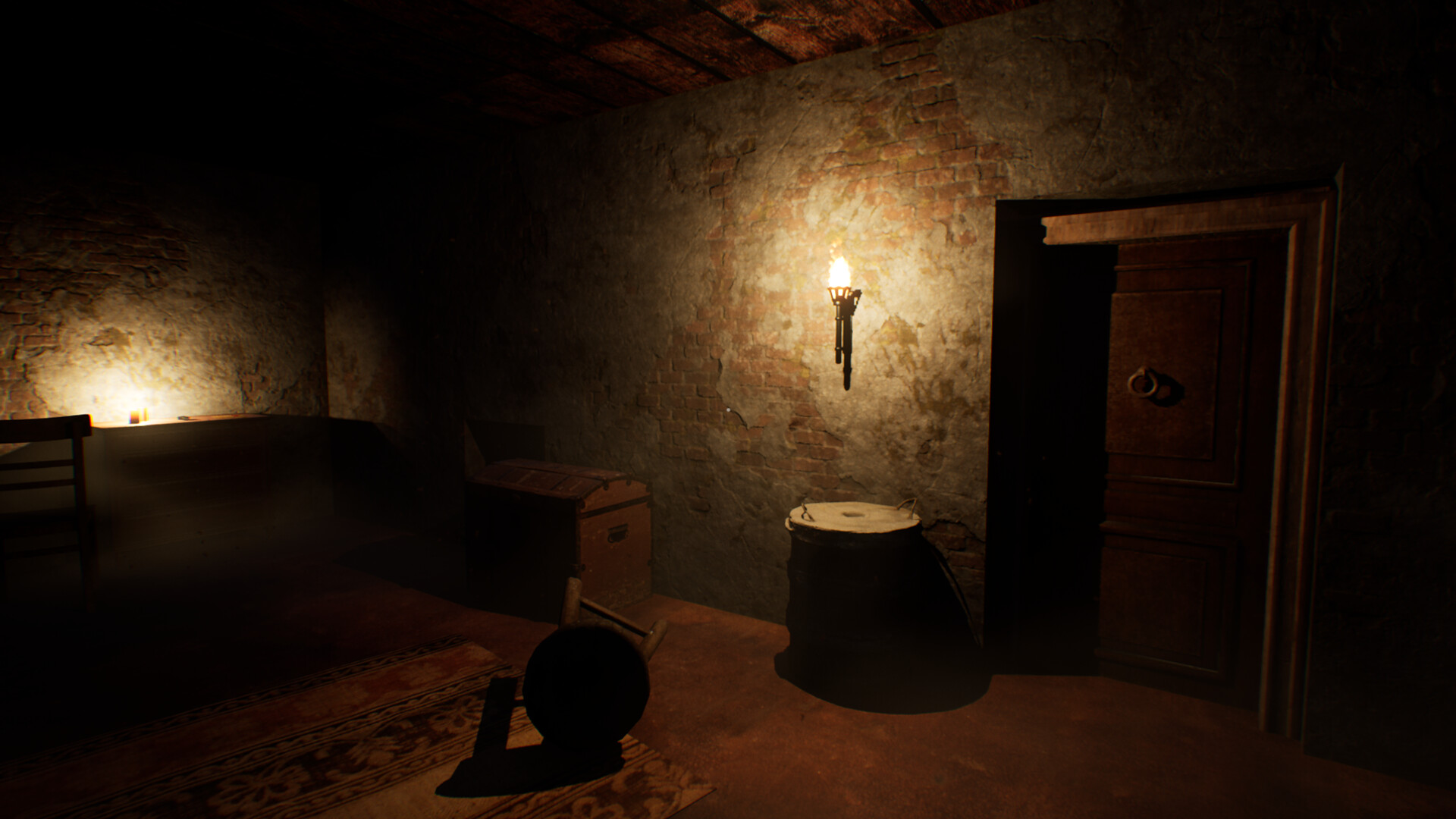
The house's aggressively dark, torch-lit interiors, praised for atmosphere but criticised by some for leaving whole rooms as near-black screensAles Devs Games -
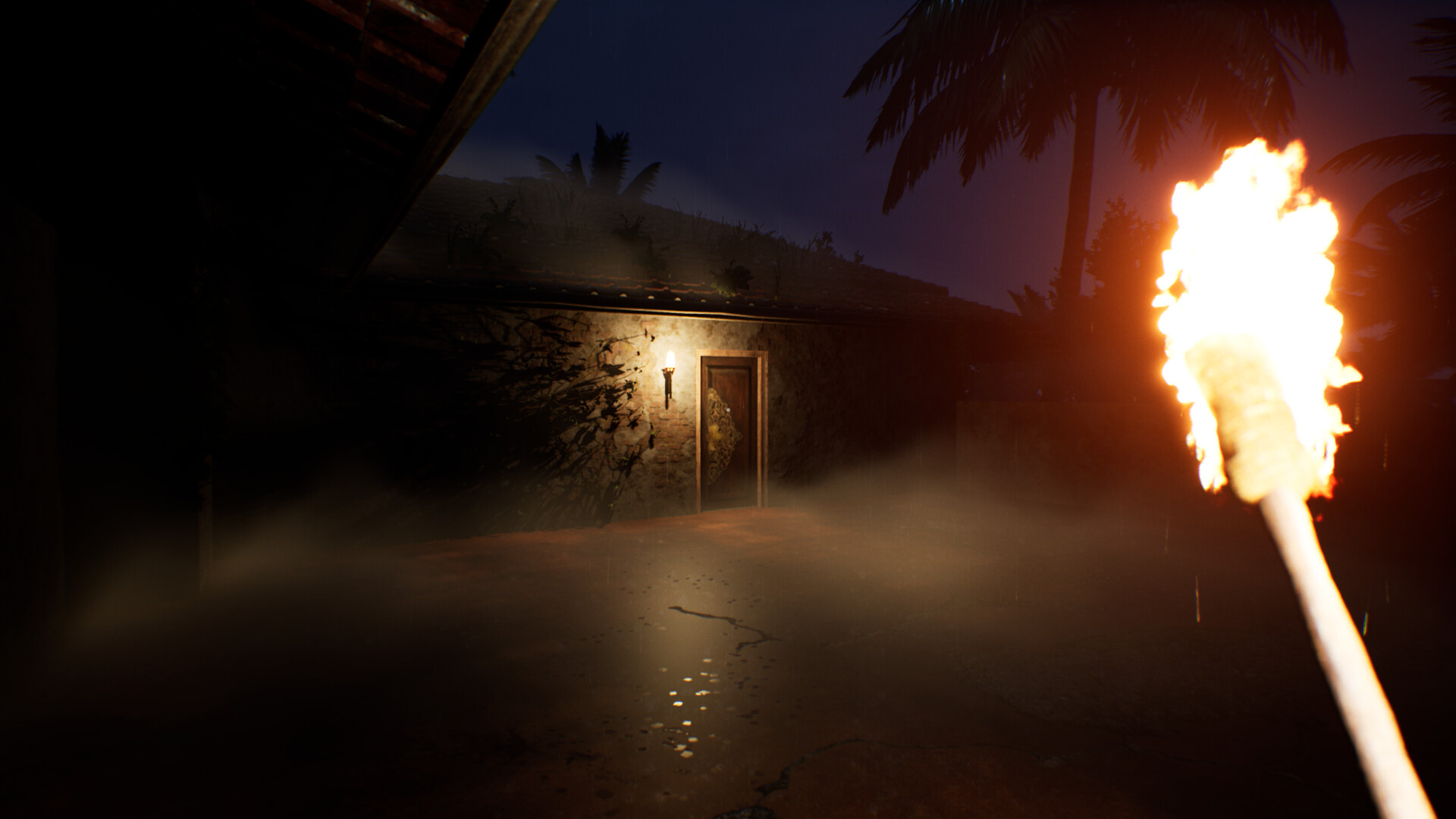
The island's 1980s Kerala setting, one of the most consistently praised parts of the gameAles Devs Games -
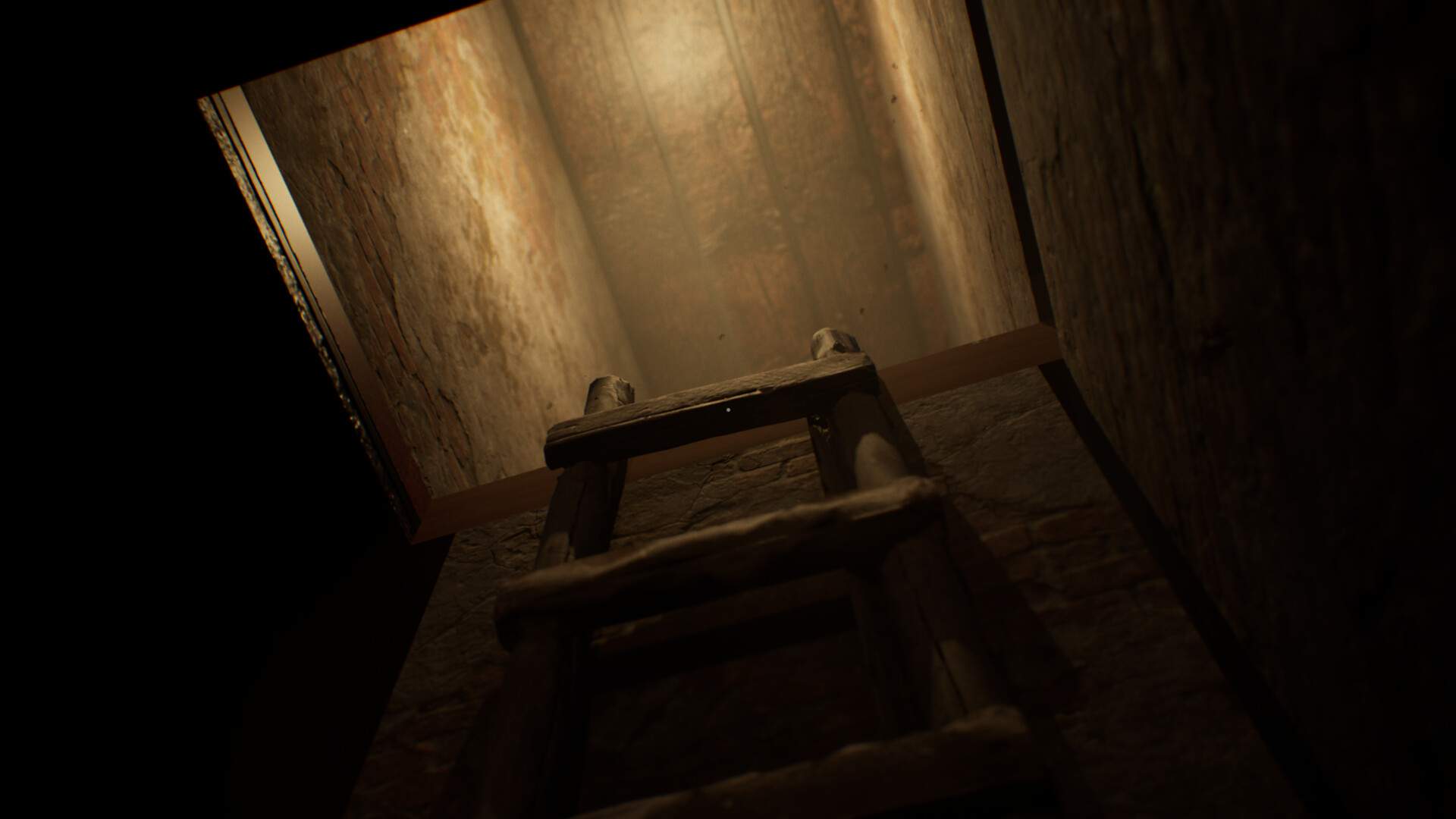
One of the house's cramped attic climbs, part of the exploration reviewers say offers limited real interactivity beyond finding key itemsAles Devs Games -
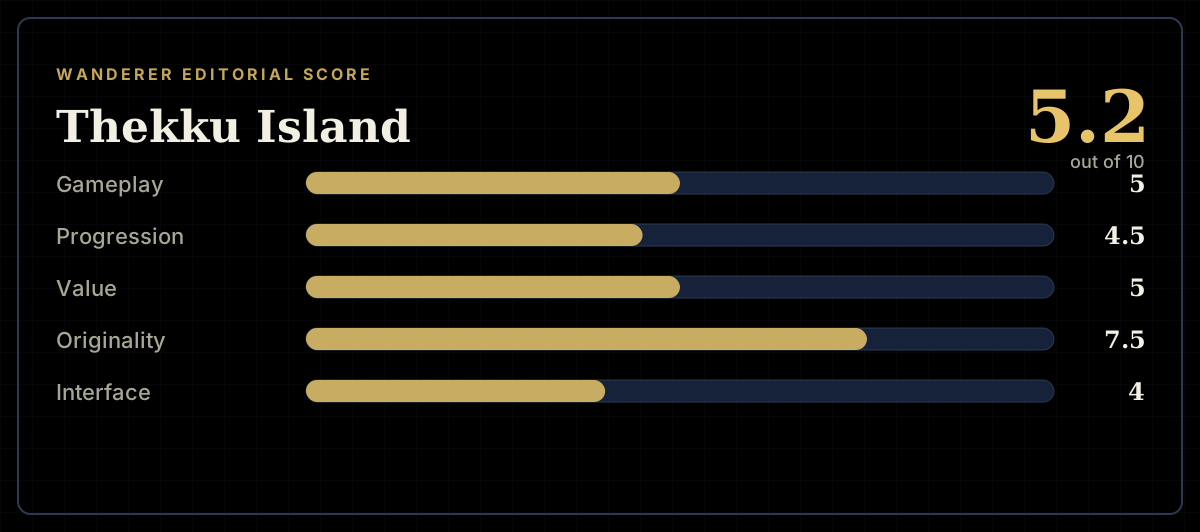
How the review scores each part of the gameWanderer Editorial -
The short versionWanderer Editorial