Game review
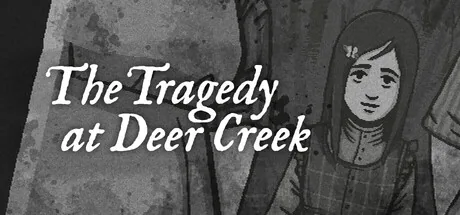
The Tragedy at Deer Creek
6.5 / 10
- Developer
- Sparrowland
- Publisher
- Sparrowland
- Released
- 10 June 2026
- Platforms
- Windows
- Genre
- Adventure
- Monetisation
- paid
- Players
- false
The short version
Biggest strengths
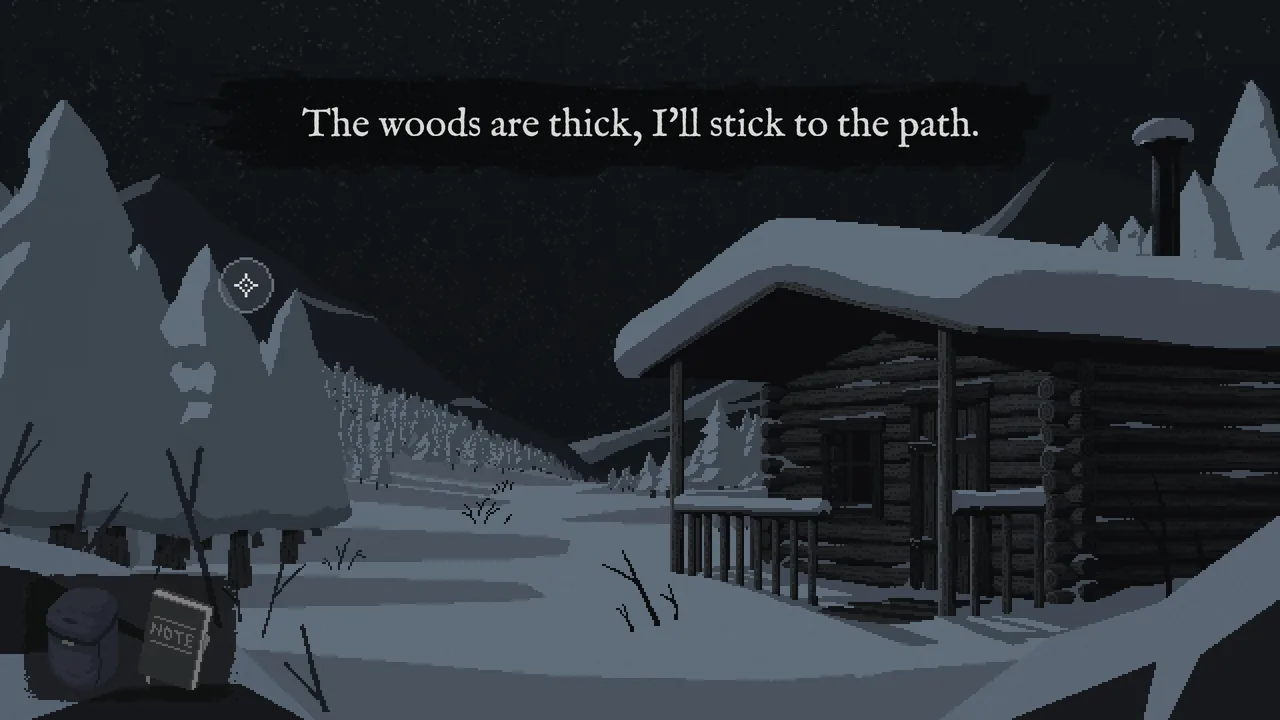
- A consistently praised bleak, atmospheric presentation, with a muted color palette and low-res aesthetic reviewers said were perfectly matched to the subject matter
- A well-regarded guitar-and-synth soundtrack that reviewers said built tension without becoming monotonous or obtrusive
- Strong, consistent voice acting, particularly for the protagonist, and well-shot cutscenes reviewers described as feeling like earned rewards for progress
Biggest weaknesses
- A short runtime, roughly two to five hours depending on the player, that a substantial share of reviewers felt didn't justify the roughly $20 asking price
- An ending several reviewers singled out as a significant letdown, resolving the central mystery through supernatural exposition rather than clues the player actually discovers or deduces
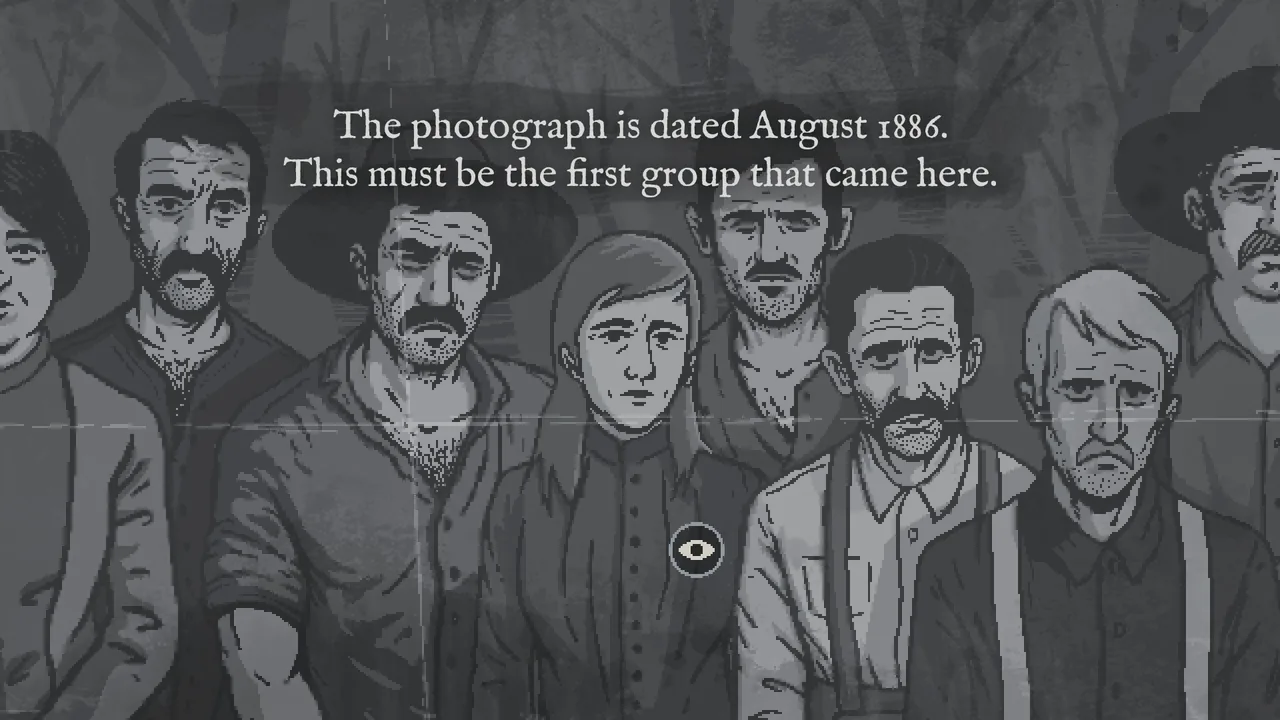
- Story delivered mostly through static journal entries and letters, which some reviewers said made the narrative feel detached rather than organically explored
Who it's for: Point-and-click adventure fans who prioritize atmosphere, music, and fair puzzle design over a long runtime or a mystery whose solution is earned through player deduction
Our recommendation: recommended with caveats
6.5 / 10
Atmosphere and craft reviewers rarely disputed
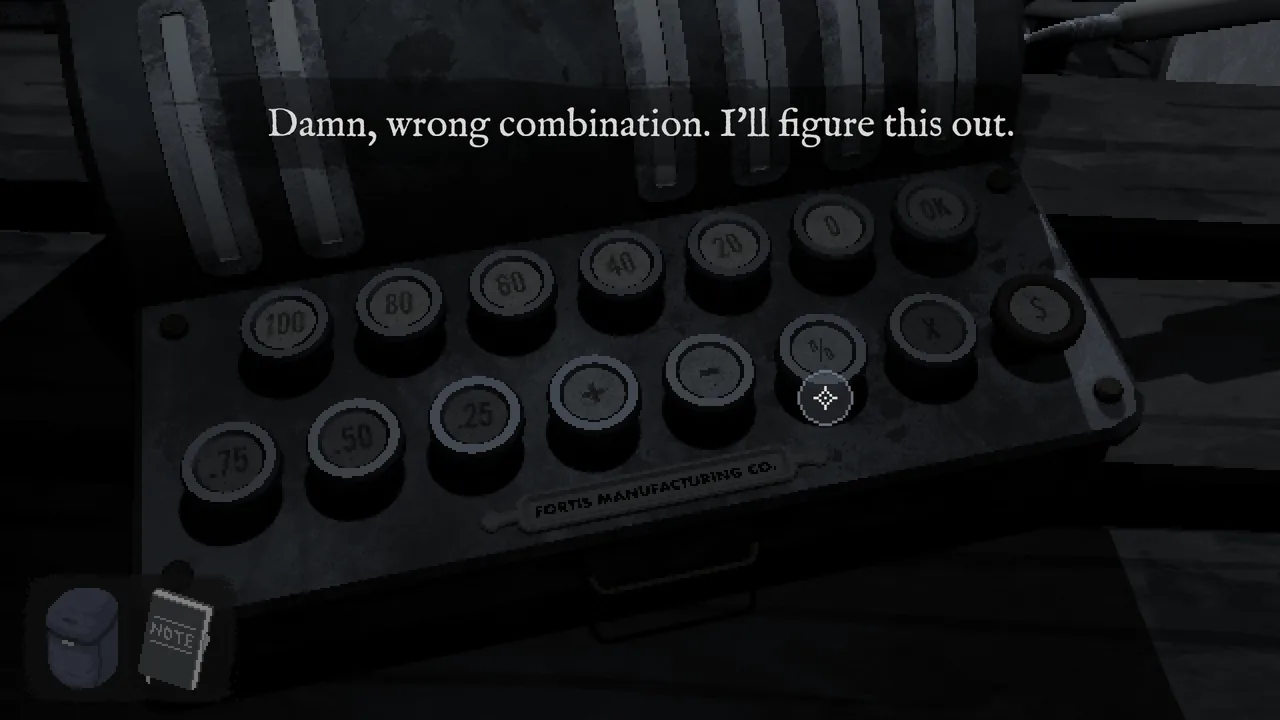
The Tragedy at Deer Creek casts players as photographer Charlotte Gray investigating what happened at an abandoned camp, and nearly every reviewer, positive or critical, agreed on the strength of its presentation. One detailed positive review wrote, "The atmosphere is one that is bleak and feels almost desperate at times which the colour pallet and choice of low-res aesthetic feels perfectly married to. The music fits the subject very well with guitar and subtle synth tracks that don't get monotonous. As you get further into the story they seem to get more and more ominous but not obtrusive." That same reviewer praised the game's cutscenes directly: "I really loved the cutscenes and looked forward to when the next one would show up. They were like a reward to advancing the story with really good choices of camera angles." Another reviewer echoed the point about restraint in puzzle design: "Thankfully, there is very little 'moon logic' in the game, in terms of what you need to solve puzzles and progress. You won't find yourself trying every item on every other item to try to get things to work most of the time."
A short runtime that collides with the price
The most consistent practical complaint concerns length relative to cost. One reviewer wrote plainly, "Completed the game in a little over three hours, which for the price it's selling at seems a tad short, though I guess the voice acting somewhat makes up for it." Another reviewer returned specifically to edit their review over the pricing issue: in a July 27th, 2026 update, they wrote that they still felt "the price point for this game for the content you get from it is far too expensive," comparing it unfavorably to other games at a similar cost that offer more. Not every reviewer agreed with that framing, however; one who took roughly five hours to finish, describing themselves as "a very methodical, slow gamer," called the pacing "just about the right length for the story."
A mystery that doesn't let players solve it themselves
The pool's sharpest, most specific criticism targets how the central mystery resolves. One detailed negative review explained, under a spoiler warning, "My biggest complaint is the ending, where the entire mystery of the titular tragedy is spelled out for you by literal ghost magic shenanigans. None of the pertinent information to solve the mystery is discovered or intuited by you, the player." That reviewer walked through the specific reveals, a hidden murder, a framed innocent man, a sister's cover-up, and argued none of them were properly set up by earlier characterization or clues: "there is little to no characterization of the two men to suggest they were greedy or desperate enough to kill a child to hide their secret... and no hints that the sister would be willing to condemn an innocent man." Another reviewer, writing a lengthy and specific structural critique, made a related point about the game's design philosophy: it gives players "tons of items, without establishing any clear goals," presents "countless fake interactive objects" with no real function, and delivers backstory through discrete found documents rather than through exploration and deduction that would let the mystery build organically.
A more constructive take on the same structural problem
One reviewer's pros-and-cons breakdown offered a more specific diagnosis of why the ending lands poorly for some players, distinct from simply calling it unearned. They wrote, "One thing I've seen other mystery games do is lead the player towards some conclusion, but through a mix of scripted big clues that act as puzzle pieces, and optional clues that let those pieces fall into place. That way, when things are revealed at the end, it feels rewarding to have been able to piece things together yourself. This game had the foundation for that, but focuses too much on the little optional clues rather than the big ones. Which creates the need to fill in all the gaps at the end." That same reviewer praised the game's visual style, calling it "a mix of 2D pixel art and what looks like 3D-to-pixel art rendering that makes everything look super detailed and unique," and noted real enjoyment of the game's dark, supernatural-tinged atmosphere, while still landing on the same core complaint as the pool's harsher critics: character threads set up through found notes ultimately "lead to nothing within the story."
A visual style that occasionally works against itself
Beyond the story-structure complaints, a handful of reviewers flagged a practical downside to the game's celebrated dark, moody aesthetic. One wrote, "The lighting throughout the game is very dark with a muted, monotonous color palette, though, which, while adding to the atmosphere, only makes it more difficult to find objects or interactable elements without scanning the cursor over the entire screen to see if the icon changes." That's a real tension worth flagging: the same visual choice reviewers praised for atmosphere is, for some, also a practical obstacle to basic adventure-game navigation.
Where the story does land for some players
Despite the structural criticism, not every reviewer felt let down by the narrative. One wrote, "It felt like real thought was put into the decisions you were needing to make. Since this is an indie game and devs, they did a fantastic job with what they presented. I look forward to seeing what else they develop." Another compared the experience favorably to well-regarded genre peers: "The last time I played a point and click game with a story this good was The Excavation of Hob's Barrow, and before that, the Blackwell games," a comparison that speaks to real ambition even if the specific execution of the mystery's resolution didn't work for everyone.
Verdict
The Tragedy at Deer Creek is a handsomely made point-and-click mystery with genuinely strong atmosphere, music, voice acting, and fair, moon-logic-free puzzle design that the majority of its review pool responded to warmly. Its most serious flaw is structural rather than technical: an ending that resolves its central mystery through supernatural exposition rather than clues the player has actually gathered, paired with a short runtime that a meaningful share of reviewers felt didn't match its roughly $20 price. Genre fans who prioritize mood and craft over a satisfying, earned mystery resolution will likely still find it worthwhile; those who want their point-and-click mysteries to reward careful attention should temper their expectations for the ending specifically.
Pros and cons
Pros
- A consistently praised bleak, atmospheric presentation, with a muted color palette and low-res aesthetic reviewers said were perfectly matched to the subject matter
- A well-regarded guitar-and-synth soundtrack that reviewers said built tension without becoming monotonous or obtrusive
- Strong, consistent voice acting, particularly for the protagonist, and well-shot cutscenes reviewers described as feeling like earned rewards for progress
- Fair puzzle design for most of its runtime, with reviewers specifically noting an absence of "moon logic" item combinations common to weaker point-and-click games
Cons
- A short runtime, roughly two to five hours depending on the player, that a substantial share of reviewers felt didn't justify the roughly $20 asking price
- An ending several reviewers singled out as a significant letdown, resolving the central mystery through supernatural exposition rather than clues the player actually discovers or deduces
- Story delivered mostly through static journal entries and letters, which some reviewers said made the narrative feel detached rather than organically explored
- A dark, low-contrast visual style that, while atmospheric, made some interactable objects difficult to spot without sweeping the cursor across the screen
Screenshots
-
The Tragedy at Deer CreekImage: Sparrowland via Steam -
The Tragedy at Deer CreekImage: Sparrowland via Steam -
The Tragedy at Deer CreekImage: Sparrowland via Steam