
Game review
The Suicide of Rachel Foster
5.5 / 10
- Developer
- ONE-O-ONE GAMES
- Publisher
- Daedalic Entertainment
- Released
- 19 February 2020
- Platforms
- Windows, macOS
- Genre
- Narrative Walking Simulator
- Monetisation
- Premium one-time purchase; no DLC or in-game purchases
- Players
- Single-player only
The short version
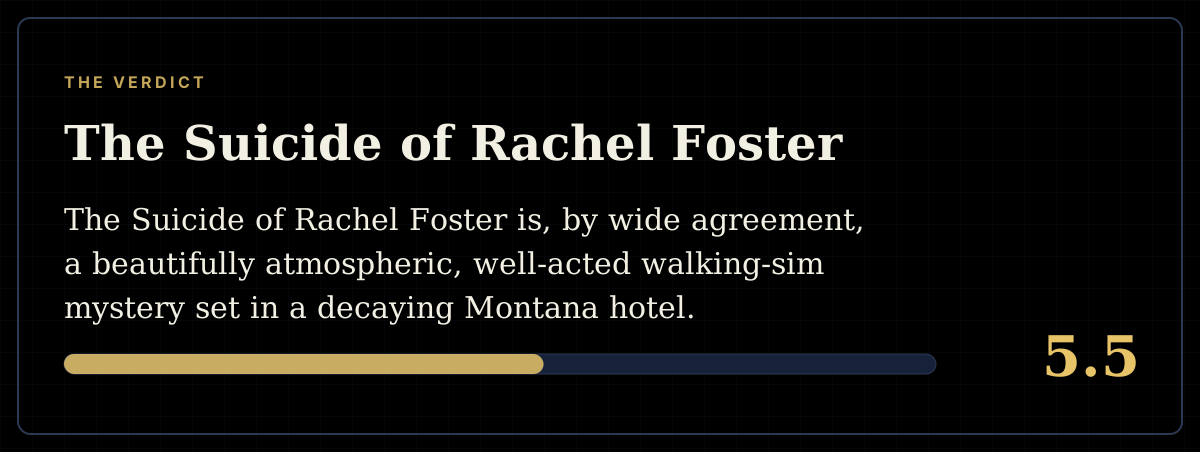
The Suicide of Rachel Foster is, by wide agreement, a beautifully atmospheric, well-acted walking-sim mystery set in a decaying Montana hotel. It is also, by the account of a large and specific share of its own review base, a game whose central plot — Nicole's father's affair with a teenage girl the same age as his daughter, which ends in that girl's suicide — is framed by the narrative as a tragic, misunderstood love story rather than as the abuse of trust and power reviewers say it plainly is. A smaller but vocal group of reviewers pushes back directly, arguing critics misread the game's intent. This review reports that dispute rather than resolving it, because it's the single most important thing a prospective buyer needs to know before starting.
Biggest strengths
- The Timberline Hotel setting is widely praised as gorgeous and atmospheric, with several reviewers specifically comparing its lived-in, decaying detail favorably to real locations rather than generic game environments
- Voice acting draws consistent praise across both positive and negative reviews, an unusually rare point of near-total agreement in a otherwise sharply divided review base
- The radio-telephone dialogue mechanic, connecting the player character to an unseen FEMA agent for most of the game, is repeatedly compared to Firewatch's similar structure and generally judged to work on its own terms
Biggest weaknesses
- A large, detailed and independently corroborated body of reviews argues the game's narrative frames the affair between Nicole's father and a teenage girl named Rachel as a sympathetic, misunderstood "love story" rather than clearly naming the age and power imbalance involved, with several reviewers calling this the reason they can't recommend the game regardless of its other qualities
- The story's central plot, per the publisher's own official description, involves a father's affair with "a girl her own age" as his teenage daughter, who becomes pregnant and later dies by suicide — this review states that premise as publisher-confirmed fact, while the interpretive dispute over how sympathetically it's framed remains a reviewer-contested question this review does not resolve
- Several reviewers who found the story genuinely distressing specifically warn readers with a personal history of depression or suicidal ideation to approach the game, if at all, with real caution
Who it's for: Fans of narrative walking sims like Firewatch or Gone Home who want strong atmosphere and voice work, and who have specifically read and weighed the content concerns below before deciding this is a story they want to spend an evening with.
Our recommendation: Content warnings matter unusually heavily here — this review can't tell you whether the narrative's handling of its central relationship and its suicide plotline will work for you, only that a large, serious, well-documented share of players say it doesn't work for them, and that the game itself doesn't shy away from depicting either.
5.5 / 10
Content note: this review discusses a game whose plot centers on suicide and an affair between an adult and a teenager. Both subjects are addressed directly below because they are the substance of the ongoing critical dispute this review exists to report.
Nicole returns to her family's decaying Montana hotel a decade after her mother pulled the family out of it, following the discovery that Nicole's father had been having an affair with Rachel — a teenage girl the same age as Nicole herself — who became pregnant and later died by suicide. That's the premise as Daedalic's own store page describes it, not a reviewer's paraphrase, and it sits at the center of everything this game is trying to do and everything its audience has argued about since launch.
What almost everyone agrees on
Set the plot dispute aside for a moment, because there's real craft here that draws consistent praise from both sides of the divide. The Timberline Hotel is rendered with a level of decayed, lived-in detail multiple reviewers specifically call gorgeous, and voice acting draws some of the most consistent praise in the entire review sample — a rare point where positive and negative reviews genuinely agree rather than talking past each other. The core interaction loop, Nicole's only connection to the outside world a period-appropriate radio telephone linking her to an unseen FEMA agent, invites direct and mostly favorable comparison to Firewatch's similar structure, and sound design is repeatedly credited with sustaining real tension across a short runtime.
The dispute this review has to report plainly
Where the review sample splits, it splits hard, and the split is specific rather than vague. A large, detailed body of reviews argues that the narrative frames the father-Rachel relationship sympathetically — describing it in the text as a "love affair" or a "misunderstood love" rather than clearly naming the age and authority imbalance involved, particularly given accounts that describe Rachel as a student and the father as her mentor. Multiple reviewers say this framing, combined with how the story resolves, left them feeling the game asks players to extend understanding toward the adult party in a way they find genuinely inappropriate given the real subject matter being depicted.
A separate, smaller but substantive group of reviewers pushes back directly and in detail, arguing that critics have fundamentally misread the game's intent — that it depicts how manipulation, denial and trauma distort memory and self-justification, rather than endorsing the relationship itself, and that reading the narrative as advocacy mistakes a portrait of dysfunction for an argument in its favor. Both camps write with real specificity rather than knee-jerk reaction, and this review is not positioned to adjudicate which reading the developers intended. What can be reported plainly is the scale and seriousness of the disagreement itself: this is not one dissenting voice against a happy consensus, but a substantial, sustained fault line running through thousands of reviews, on a subject where getting the framing wrong carries real weight beyond ordinary narrative criticism.
Suicide is treated with comparable weight in the story's second half, and several reviewers who found that portion of the game genuinely distressing recommend that anyone with a personal history of depression or suicidal ideation approach it, if at all, with real caution — advice this review passes along directly rather than softening.
The smaller, ordinary complaints
Beneath the content dispute sit more conventional walking-sim criticisms: movement is slow with no option to run, which several reviewers say drags out pacing in an already short experience, and the mystery-solving itself is described by some as overly guided, offering little genuine challenge in piecing information together. Global achievement data shows a bit over 40% of owners reach the game's ending, a moderate completion rate consistent with a short game that loses a real share of its audience partway through rather than one either universally finished or universally abandoned.
A title that announces its subject directly
It's worth noting that the game doesn't hide what it's about — the word "suicide" sits in the title itself, and the store page's own synopsis states the affair, the pregnancy and the death plainly rather than obscuring them behind vaguer marketing language. That's a meaningfully different situation from a game whose difficult content catches players off guard; anyone reading even a brief description before purchasing has a clear, upfront signal of the subject matter, which doesn't resolve the framing dispute above but does mean the core complaint from most reviewers is about execution and tone rather than concealment.
A few smaller technical notes
A handful of reviewers report a startup issue tied to an outdated bundled OpenSSL library causing launch failures on some systems, a specific and fixable technical snag worth knowing about if the game fails to open on a first attempt — checking for an updated version or a community-documented workaround before assuming the purchase is broken is worth doing first. Beyond that, the game runs smoothly for most reviewers, with one detailed technical breakdown specifically praising stable 60 FPS performance throughout.
Verdict
The Suicide of Rachel Foster is a technically accomplished walking sim — its setting, voice acting and audio design earn real, cross-the-aisle praise — built around subject matter that a large, serious and well-articulated share of its own players say the narrative handles irresponsibly, while a smaller group argues just as seriously that it doesn't. This review can't settle that argument, and doesn't try to. What it can say is that the dispute is real, large, and squarely about the game's central content rather than a side issue, and that anyone considering buying it owes themselves the time to read both sides before deciding whether this is a story they want to experience.
Pros and cons
Pros
- The Timberline Hotel setting is widely praised as gorgeous and atmospheric, with several reviewers specifically comparing its lived-in, decaying detail favorably to real locations rather than generic game environments
- Voice acting draws consistent praise across both positive and negative reviews, an unusually rare point of near-total agreement in a otherwise sharply divided review base
- The radio-telephone dialogue mechanic, connecting the player character to an unseen FEMA agent for most of the game, is repeatedly compared to Firewatch's similar structure and generally judged to work on its own terms
- Sound design and score are credited with sustaining tension and atmosphere effectively across the game's short runtime
- Several reviewers who defend the game argue it deliberately depicts manipulation and denial from the perspective of characters processing trauma, rather than endorsing the events described, and make that case in detailed, good-faith terms worth reading before forming a judgment
Cons
- A large, detailed and independently corroborated body of reviews argues the game's narrative frames the affair between Nicole's father and a teenage girl named Rachel as a sympathetic, misunderstood "love story" rather than clearly naming the age and power imbalance involved, with several reviewers calling this the reason they can't recommend the game regardless of its other qualities
- The story's central plot, per the publisher's own official description, involves a father's affair with "a girl her own age" as his teenage daughter, who becomes pregnant and later dies by suicide — this review states that premise as publisher-confirmed fact, while the interpretive dispute over how sympathetically it's framed remains a reviewer-contested question this review does not resolve
- Several reviewers who found the story genuinely distressing specifically warn readers with a personal history of depression or suicidal ideation to approach the game, if at all, with real caution
- Movement is reported as slow with no run option, and several reviewers describe this as dragging out an already short game's pacing rather than building tension
- The game is short enough that multiple reviewers describe finishing it in a single sitting, with little reason to replay once the central mystery is resolved
Screenshots
-
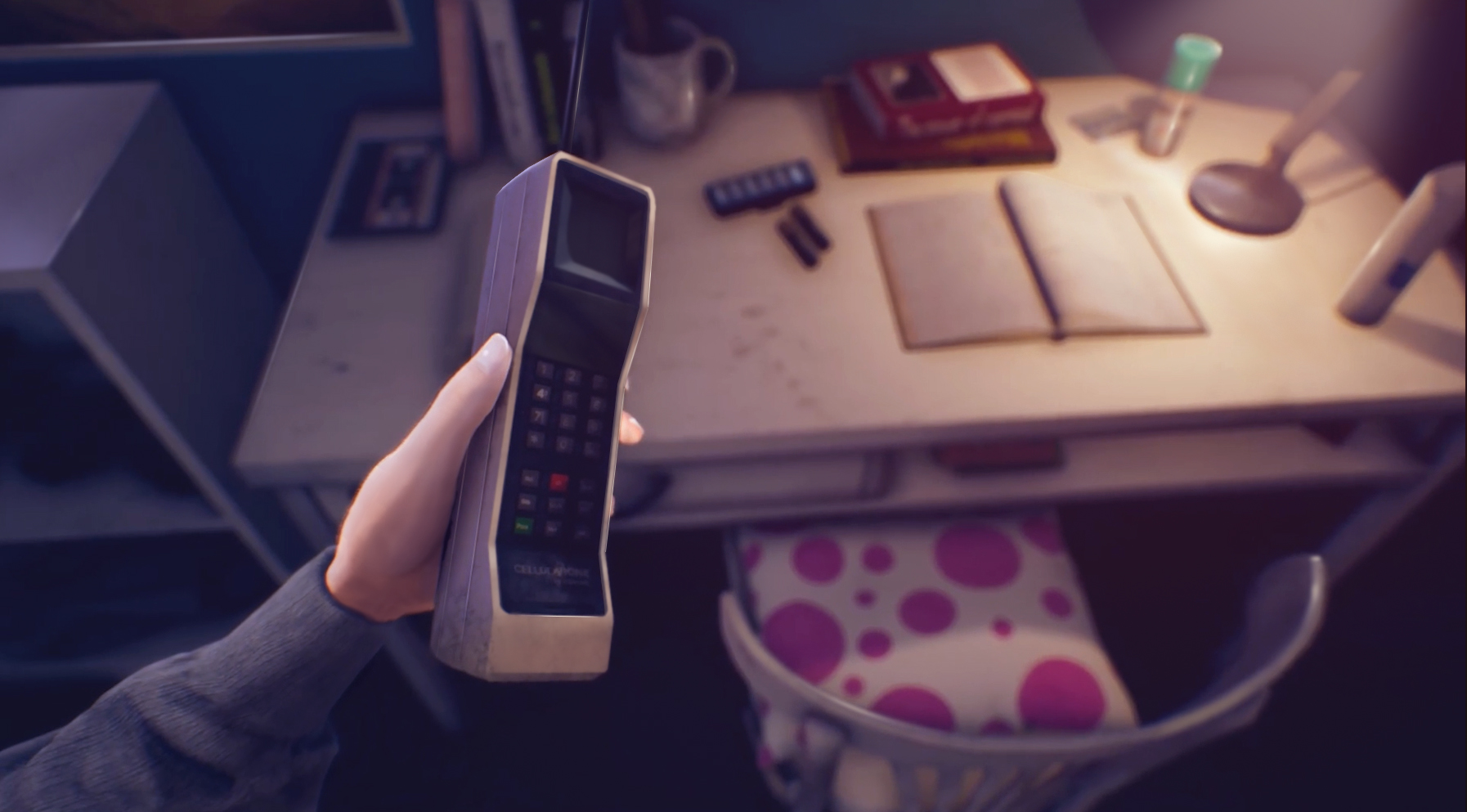
The Suicide of Rachel FosterImage: Daedalic Entertainment via Steam -
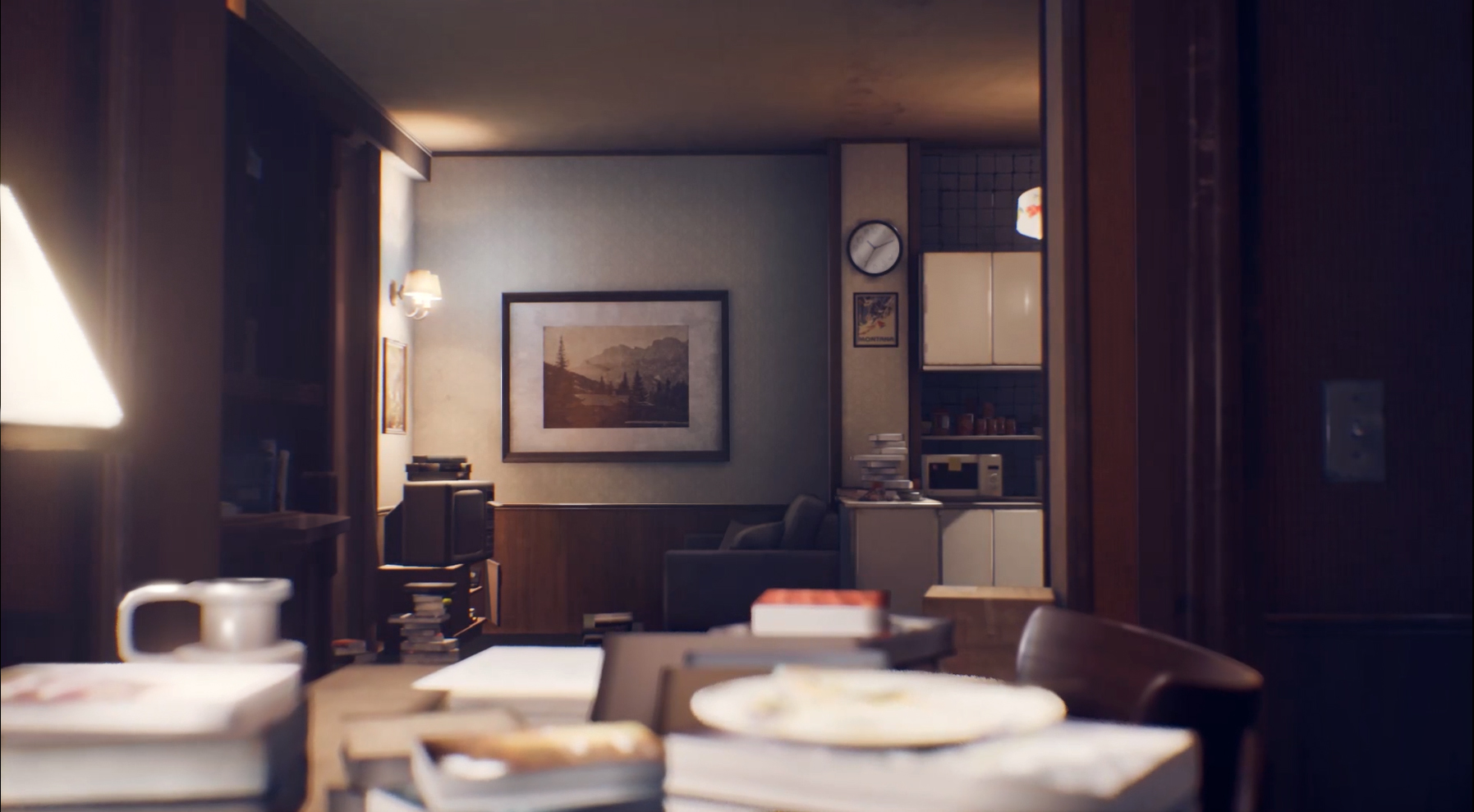
The Suicide of Rachel FosterImage: Daedalic Entertainment via Steam -

The Suicide of Rachel FosterImage: Daedalic Entertainment via Steam -
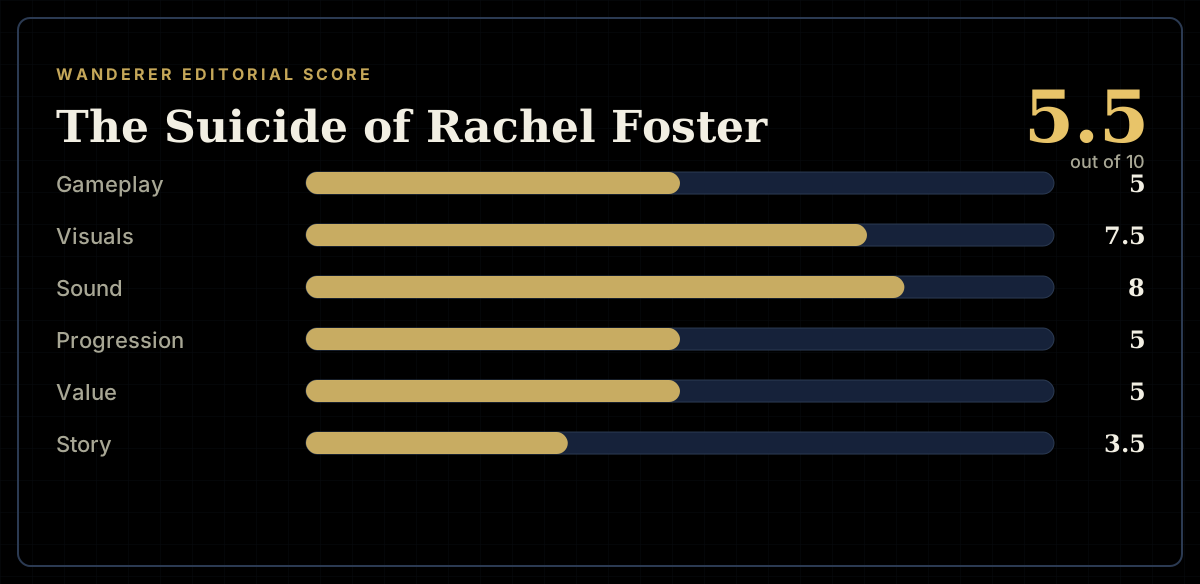
How the review scores each part of the gameWanderer Editorial -
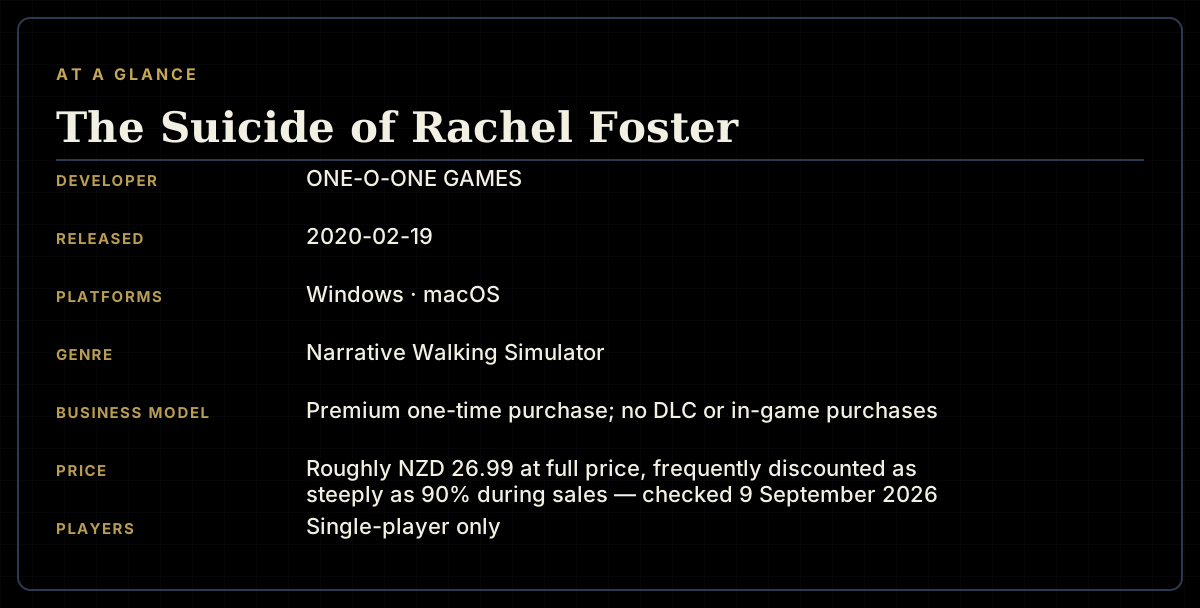
At a glanceWanderer Editorial -
The short versionWanderer Editorial