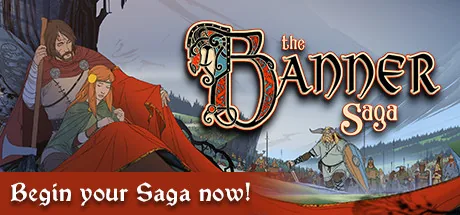
Game review
The Banner Saga
7.5 / 10
- Developer
- Stoic
- Publisher
- Stoic Studio
- Released
- 14 January 2014
- Platforms
- Windows, macOS
- Genre
- RPG
- Monetisation
- One-time purchase; a Factions multiplayer component and a soundtrack DLC available
- Players
- A separate Factions PvP mode alongside the single-player campaign
The short version
The Banner Saga is Stoic's turn-based tactical RPG, following a Viking-inspired caravan of humans and giants across a dying world as they flee an ancient threat, presented in hand-drawn art reminiscent of classic Disney animation. It sits at 89% positive ("Very Positive") across 9,286 English-language Steam reviews, and this review read the 100 most-helpful negative reviews alongside the 100 most recent English reviews.
Art, music and narrative draw close to universal praise across this review's entire negative sample — reviewers marking the game down consistently open by calling it beautiful before explaining their actual complaint. That complaint, in most cases, is mechanical and specific: the combat system ties a unit's Strength stat to both damage output and remaining health, meaning injuring an enemy without landing the finishing blow is often the optimal tactical choice, since killing them can cost the acting side more than it gains. "Killing enemies is actively bad for you. I'm not exaggerating," reads a 2026 review making the same specific point independent reviewers have made every year since launch. A smaller, mostly launch-era complaint concerns the game's "choices matter" framing, with some reviewers arguing early narrative decisions carry less predictable weight than the marketing implies.
Biggest strengths
- Hand-drawn art and an original score reviewers on both sides of the score consistently call among the best in the genre
- A distinctive Viking-inspired setting and narrative that critical reviewers still credit even while explaining unrelated gameplay complaints
- A genuinely original core combat concept — Strength doubling as both offence and defence — that some reviewers specifically praise as smart strategic design once they adapt to it
Biggest weaknesses
- The single most recurring, mechanically specific complaint across a full decade of reviews: the combat system makes injuring enemies without killing them the optimal strategy, since landing a kill can cost the acting side more turns and advantage than it gains
- A smaller, mostly launch-era complaint argues the "choices matter" framing oversells how predictable or meaningful early narrative decisions actually turn out to be
- Some reviewers describe the story as slow to build momentum, with the game ending as the plot picks up pace — a shape explained by its role as the first of a trilogy
Who it's for: Tactical RPG fans who value atmosphere, art direction and narrative as much as combat design — go in aware the combat system rewards restraint over aggression in ways some players find counterintuitive or frustrating.
Our recommendation: Worth playing for the presentation and story alone, which this review's own negative sample keeps praising — just go in understanding the combat's core logic rewards injuring over killing, a genuinely divisive design choice rather than a bug.
7.5 / 10
Introduction
The Banner Saga is Stoic's turn-based tactical RPG, released on 14 January 2014 at NZ$29.99. Set in a dying Viking-inspired world, it follows a caravan of humans and giants fleeing an ancient threat, presented in hand-drawn art evoking classic Disney animation and scored with an original orchestral soundtrack. It's the first entry in a trilogy completed by The Banner Saga 2 and 3. It sits at 89% positive ("Very Positive") across 9,286 English-language Steam reviews. This review read the 100 most-helpful negative reviews of 1,060 total, plus a sample of the 100 most recent English reviews.
Beauty nobody disputes
Art and music draw close to universal praise across this review's entire negative sample. "Your visuals are gorgeous, your music excellent, and your writing sublime," reads one 2014 review before explaining unrelated gameplay frustrations. Another: "It's beautiful. The animation and soundtrack are phenomenal." This isn't a small pattern — this review found reviewers across every year sampled opening with genuine praise for the presentation before pivoting to their actual complaint, a consistency rare enough to be worth noting on its own.
A combat system that punishes killing
The clearest, most mechanically specific complaint in this review's sample concerns how combat actually works: Strength serves as both a unit's damage output and its remaining health, which means injuring an enemy without finishing them off is frequently the smarter tactical choice. "Killing enemies is actively bad for you. I'm not exaggerating," reads a 2026 review, going on to describe how turns strictly alternate between sides regardless of remaining unit count, so keeping enemies alive but weakened can preserve a numerical advantage. This review found the same specific observation made independently by reviewers in 2014, 2019, 2024 and 2026 — a genuinely persistent, decade-spanning critique of one deliberate design choice rather than a bug that's been patched away. Some reviewers who came to appreciate the system describe it as smart once understood; others simply found it counterintuitive and frustrating throughout.
A smaller, mostly historical complaint about choice
A second, less dominant theme concerns the game's "choices matter" marketing. "At the very beginning we are informed that our decisions affect the game: THEY DON'T," reads the single most-upvoted negative review, with 33 hours logged, arguing the game's narrative branches are narrower than advertised. This review found this specific complaint concentrated more heavily in the 2014-2020 window than in recent years, suggesting it may reflect launch-era expectations set by the game's own marketing more than an ongoing design problem.
Verdict
The Banner Saga remains a genuinely beautiful, distinctively presented tactical RPG whose art, music and setting draw praise even from reviewers who can't fully recommend it. What holds the score back is a specific, well-corroborated, decade-spanning complaint about its core combat logic: reviewers consistently describe a system where injuring rather than killing enemies is often the objectively better play, a deliberate design choice some find clever and others find actively unsatisfying. Worth experiencing for the presentation and story alone — go in understanding the combat rewards restraint in a way that isn't every tactics fan's idea of fun.
Pros and cons
Pros
- Hand-drawn art and an original score reviewers on both sides of the score consistently call among the best in the genre
- A distinctive Viking-inspired setting and narrative that critical reviewers still credit even while explaining unrelated gameplay complaints
- A genuinely original core combat concept — Strength doubling as both offence and defence — that some reviewers specifically praise as smart strategic design once they adapt to it
- Achievement data shows healthy engagement with the core game, with class-specific milestones sitting at 79-91% completion
Cons
- The single most recurring, mechanically specific complaint across a full decade of reviews: the combat system makes injuring enemies without killing them the optimal strategy, since landing a kill can cost the acting side more turns and advantage than it gains
- A smaller, mostly launch-era complaint argues the "choices matter" framing oversells how predictable or meaningful early narrative decisions actually turn out to be
- Some reviewers describe the story as slow to build momentum, with the game ending as the plot picks up pace — a shape explained by its role as the first of a trilogy
- Achievement data shows the hardest difficulty tiers completed by well under 2% of players, reflecting a genuinely demanding, unforgiving combat system at higher settings
Screenshots
-
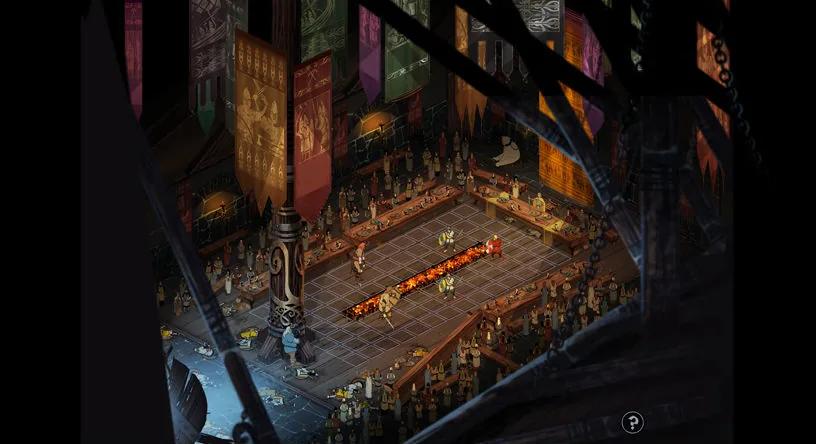
The Banner SagaImage: Stoic Studio via Steam -
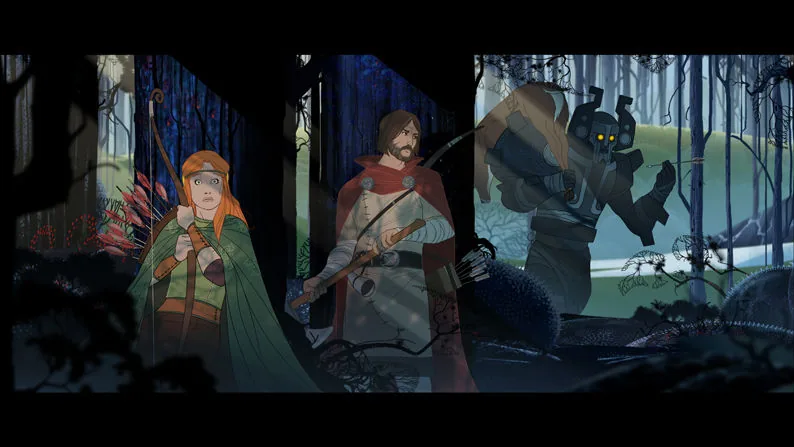
The Banner SagaImage: Stoic Studio via Steam -
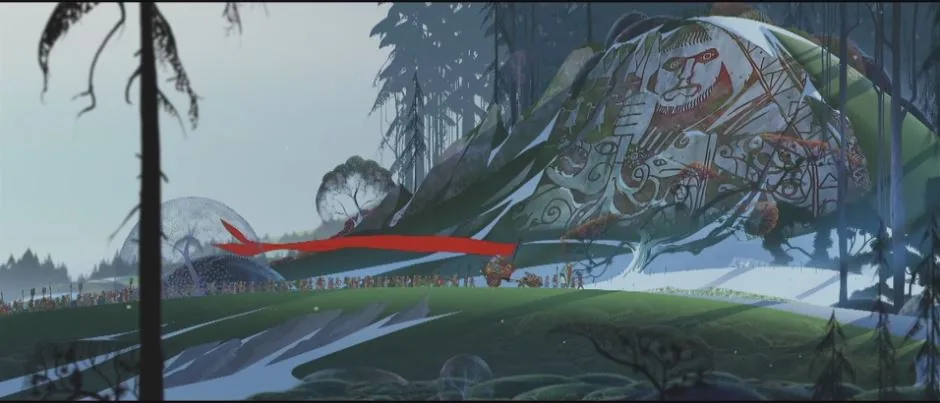
The Banner SagaImage: Stoic Studio via Steam -
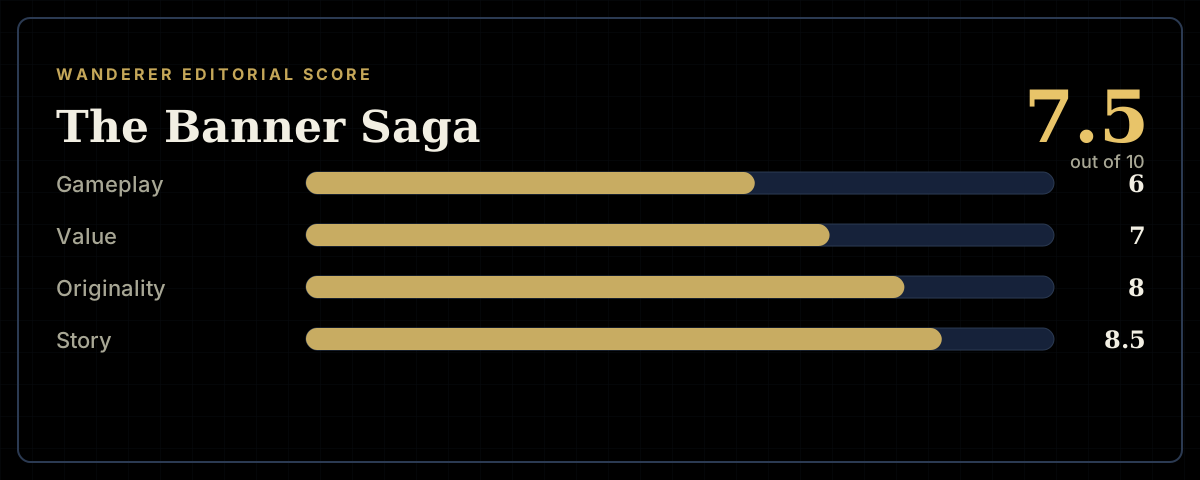
How the review scores each part of the gameWanderer Editorial -
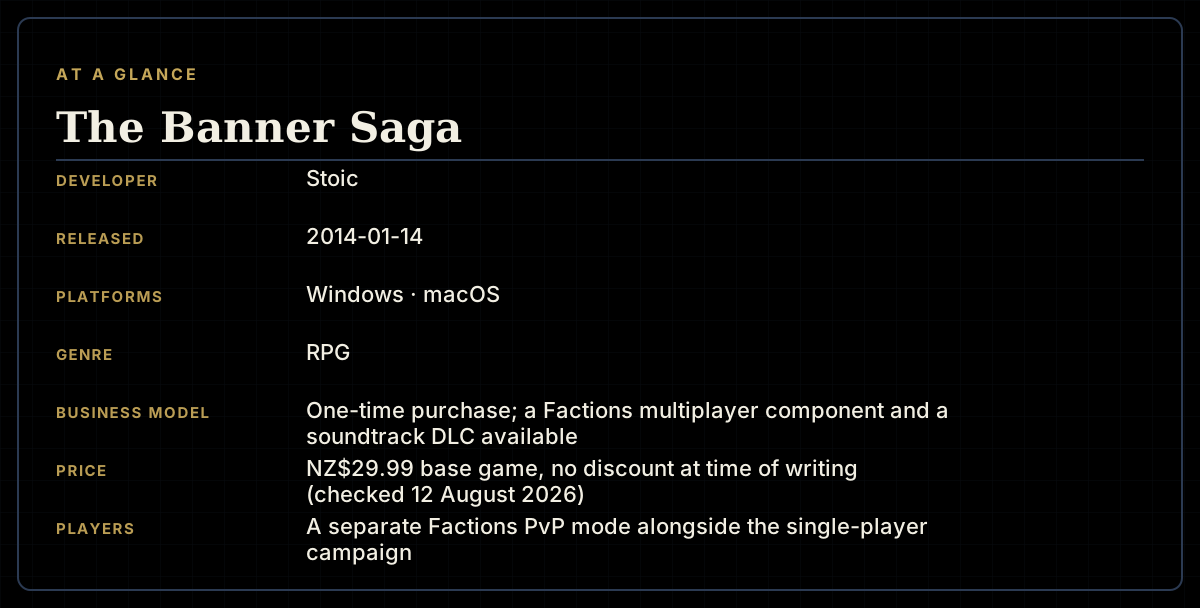
The essentials at a glanceWanderer Editorial -
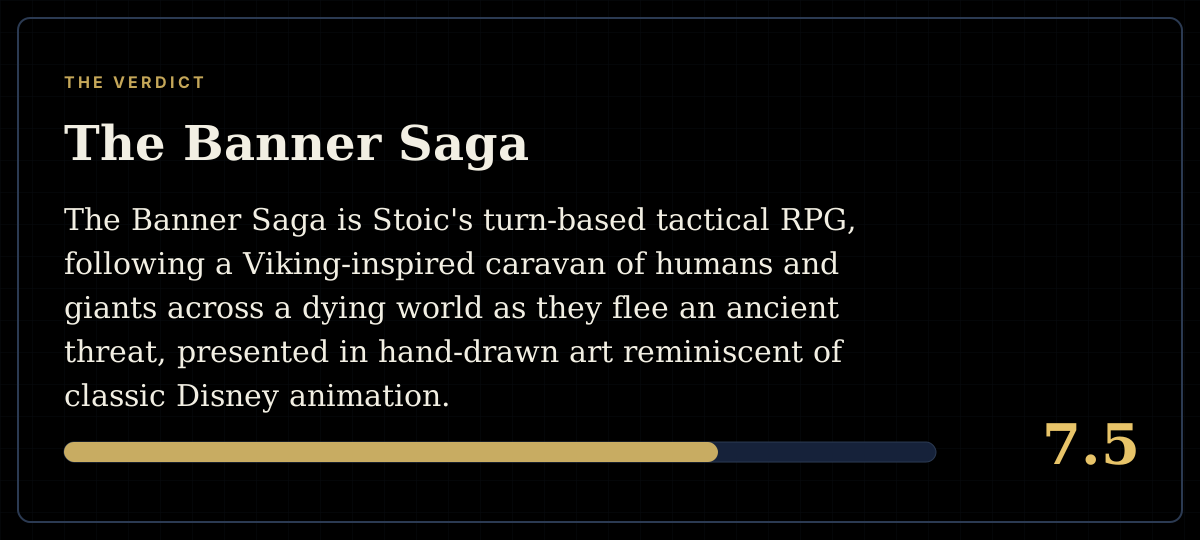
The short versionWanderer Editorial