Game review
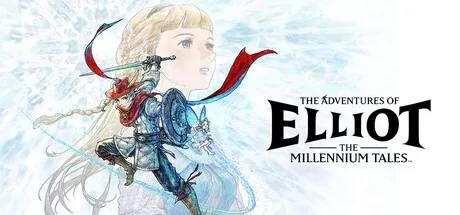
The Adventures of Elliot: The Millennium Tales
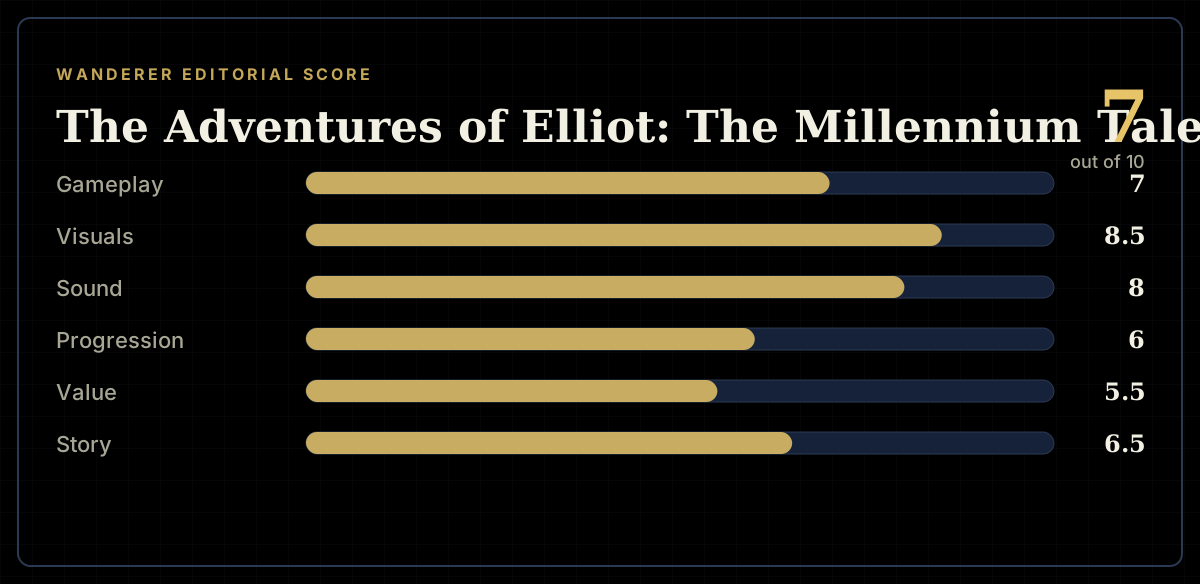
7 / 10
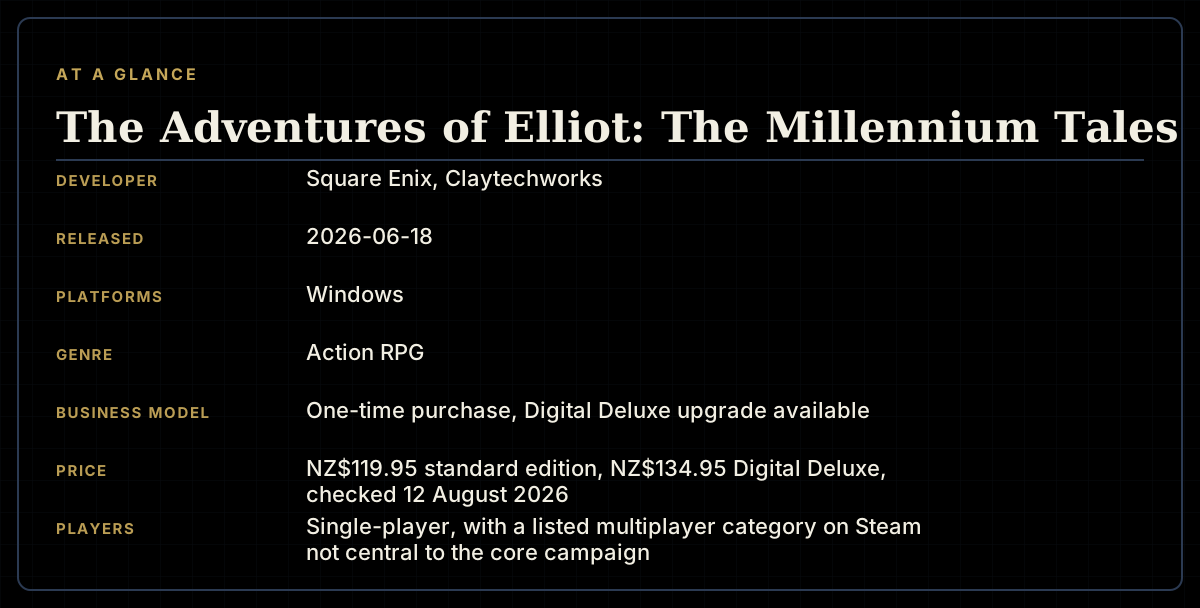
- Developer
- Square Enix, Claytechworks
- Publisher
- Square Enix
- Released
- 18 June 2026
- Platforms
- Windows
- Genre
- Action RPG
- Monetisation
- One-time purchase, Digital Deluxe upgrade available
- Players
- Single-player, with a listed multiplayer category on Steam not central to the core campaign
The short version
The Adventures of Elliot: The Millennium Tales is an action RPG from Square Enix and Claytechworks, built by veterans of Octopath Traveler and Bravely Default, released 18 June 2026 in the HD-2D house style those games made famous. It sends its hero across four eras of the same world on a Zelda-inspired quest of exploration, puzzle-solving and real-time combat. Nearly two months and 969 English-language Steam reviews after launch, it sits at Very Positive (84%), and the shape of that reception is unusually consistent: the visual presentation, combat feel and the ambition of a four-era structure draw real praise, while a genuinely disliked fairy companion, one overworld map reused across all four time periods with limited variation, and a NZ$119.95 price tag that a meaningful share of reviewers argue the content doesn't support all recur constantly across both the full negative sample and the most recent reviews this review read.
Biggest strengths
- HD-2D visual presentation draws consistent, specific praise across the review sample, with reviewers repeatedly comparing its art direction favourably to the genre's best-known examples
- Combat and exploration are described as satisfying and Zelda-adjacent by a wide share of positive reviewers, with weapon variety singled out as a specific strength
- The orchestral soundtrack draws repeated, specific praise rather than the vaguer "good music" comments more common in weaker reviews
Biggest weaknesses
- The fairy companion Faie's constant combat and traversal commentary is this review's single most frequently repeated complaint, described by multiple reviewers as persisting even after adjusting available settings
- All four time periods share essentially one overworld map with limited visual variation, producing repeated enemy encounters and reskinned bosses that a significant share of the negative sample calls out specifically
- A meaningful share of reviewers, including several with over a thousand hours logged, argue the NZ$119.95 asking price is not justified by the game's content volume or difficulty relative to comparable titles
Who it's for: Fans of HD-2D presentation and Zelda-style exploration who can tolerate a chatty companion and don't mind paying full price for a game with real repetition in its middle hours; better bought on a future discount for anyone primarily driven by value.
Our recommendation: A well-crafted, visually excellent action-adventure that earns its Very Positive score on craft and ambition, but whose own reviewers are unusually aligned on it not being worth full price at launch.
7 / 10
Introduction
The Adventures of Elliot: The Millennium Tales carries real pedigree into a crowded genre: it's built by Claytechworks under Square Enix, staffed by veterans of Octopath Traveler and Bravely Default, and it renders its Zelda-inspired action-adventure world in the same HD-2D style that made those RPGs visually distinctive. The hero, Elliot, travels across four eras of one world armed with real-time combat, weapon variety and traversal puzzles clearly indebted to Nintendo's own top-down Zelda games. It released on 18 June 2026 at NZ$119.95, and nearly two months later sits at Very Positive across 969 English-language Steam reviews — 84% positive, a genuinely strong score for a full-price release. This review reads the 100 most-helpful negative reviews and the 100 most recent English-language reviews, and finds a reception that is unusually consistent across both samples: the same praise and the same specific complaints recur whether the review is from launch week or from last month.
What the presentation earns, honestly
Start with what's working, because it's substantial and specific rather than vague marketing-adjacent praise. Reviewers repeatedly single out the HD-2D art direction as a genuine highlight, several explicitly comparing it favourably against the visual benchmark Octopath Traveler set for the style — a meaningful comparison given the shared development pedigree. The orchestral soundtrack draws its own specific praise, distinct from the visuals, which is worth noting because vague "good music" comments are common in weak reviews and specific ones aren't. Combat itself reads as satisfying to a wide share of the positive sample, with weapon variety and the game's Zelda-adjacent structure — dungeons, tools that double as traversal and combat solutions, boss encounters built around a specific gimmick — drawing comparisons to some of the genre's best-loved examples. One reviewer called it "probably the greatest 2D Zelda/Ys-like" they'd played, which is a high bar to set and a real signal about what the game gets right when it's working.
The companion problem
Set against that, this review's single most consistently repeated complaint across both the negative sample and the recent-review sample is the fairy companion, Faie, and her dialogue. Reviewers describe near-constant commentary during combat and traversal — one comparing the character grunting and chattering through every attack to "'if Zelda was made in 2026'" as a meme rather than a compliment — and, notably, several reviewers report the chatter persists even after adjusting the settings meant to reduce it. That last detail matters more than the annoyance itself: a loud companion character is a subjective taste issue, but a settings option that doesn't fully deliver on its promise is a genuine implementation gap, and it's the specific version of this complaint that shows up repeatedly rather than a generic "companions are annoying" grumble.
One map, four eras
The second major recurring criticism is structural rather than a taste issue: all four time periods the game sends Elliot through share essentially the same overworld, with limited visual variation between eras. Reviewers report the practical consequence directly — the same enemy types recurring across periods, and boss encounters that read as reskins of earlier fights rather than genuinely new content. One reviewer put the design tension plainly: the game "would've been served better if there had only been two or three different eras with more unique assets" — a specific, actionable critique rather than a blanket complaint, and one that suggests the four-era premise may have outrun what the team had time or budget to build distinct content for. It's a real tension for a game whose entire structural hook is time travel across a changing world: the concept promises variety the execution doesn't fully deliver.
Is it worth $60 at launch?
The third theme running through this review's sample is the most direct: a meaningful share of reviewers, including several with well over a thousand hours logged across their broader Steam libraries, argue the content and difficulty on offer don't justify the full asking price. One reviewer with 1,655 hours across their history described beating a built-up boss fight "first try" while taking only one hit of damage on Hard difficulty, and criticised exploration rewards as trivial currency drops rather than meaningful loot. Another, at 1,708 hours, called the hand-holding "laughable," describing a game that explains how to solve an obstacle before the player has a chance to register what it is. A third, at 3,241 hours, offered perhaps the fairest summary in the whole sample: "it's a good game, it's not a $60 game" — praise and criticism in the same breath, which is a more useful signal than either alone. None of this reads as review-bombing or bad faith; it reads as experienced players making a specific, calibrated argument about price-to-content ratio, which is worth taking seriously rather than dismissing as generic grumbling.
A narrow but real technical issue
One more complaint is worth calling out specifically because of how targeted it is: multiple reviewers report frame-rate drops to around 40fps specifically when the fairy companion is summoned, and specifically on Intel CPU configurations. A narrow, reproducible technical complaint like this is more credible than a vague "runs badly" grumble, and it's the kind of thing worth checking against your own hardware before buying if you're on an Intel system.
Final Verdict
The Adventures of Elliot: The Millennium Tales earns its Very Positive score honestly — the HD-2D presentation, the soundtrack and the combat feel are real strengths that a wide, consistent share of reviewers credit specifically rather than generically. What keeps this from being an easy full-price recommendation is how aligned that same review base is on three separate, specific problems: a companion whose chatter outlasts the settings meant to control it, a four-era structure that promises more variety than one recycled overworld delivers, and a price that experienced players — not casual critics — repeatedly argue outpaces the content. This is a genuinely well-made action-adventure from a team with real credibility in the space, and it's reasonable to enjoy it a great deal. It's just as reasonable, on the evidence this review found, to wait for a sale rather than pay full price at launch.
Pros and cons
Pros
- HD-2D visual presentation draws consistent, specific praise across the review sample, with reviewers repeatedly comparing its art direction favourably to the genre's best-known examples
- Combat and exploration are described as satisfying and Zelda-adjacent by a wide share of positive reviewers, with weapon variety singled out as a specific strength
- The orchestral soundtrack draws repeated, specific praise rather than the vaguer "good music" comments more common in weaker reviews
- The four-era time-travel structure is a genuinely ambitious framing device for a single world, even where its execution draws the review's sharpest criticism below
Cons
- The fairy companion Faie's constant combat and traversal commentary is this review's single most frequently repeated complaint, described by multiple reviewers as persisting even after adjusting available settings
- All four time periods share essentially one overworld map with limited visual variation, producing repeated enemy encounters and reskinned bosses that a significant share of the negative sample calls out specifically
- A meaningful share of reviewers, including several with over a thousand hours logged, argue the NZ$119.95 asking price is not justified by the game's content volume or difficulty relative to comparable titles
- Intel CPU users report specific, reproducible frame-rate drops to around 40fps when the fairy companion is summoned, a targeted technical issue rather than general instability
Screenshots
-
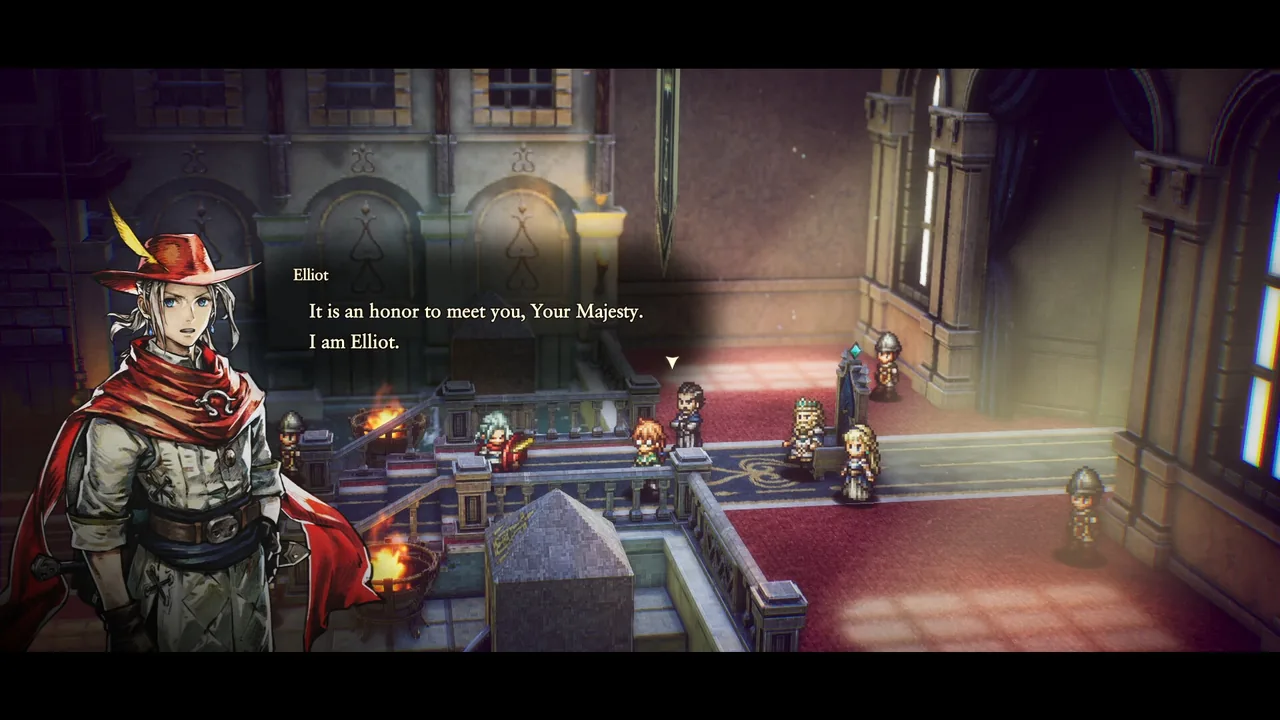
The Adventures of Elliot: The Millennium TalesImage: Square Enix via Steam -
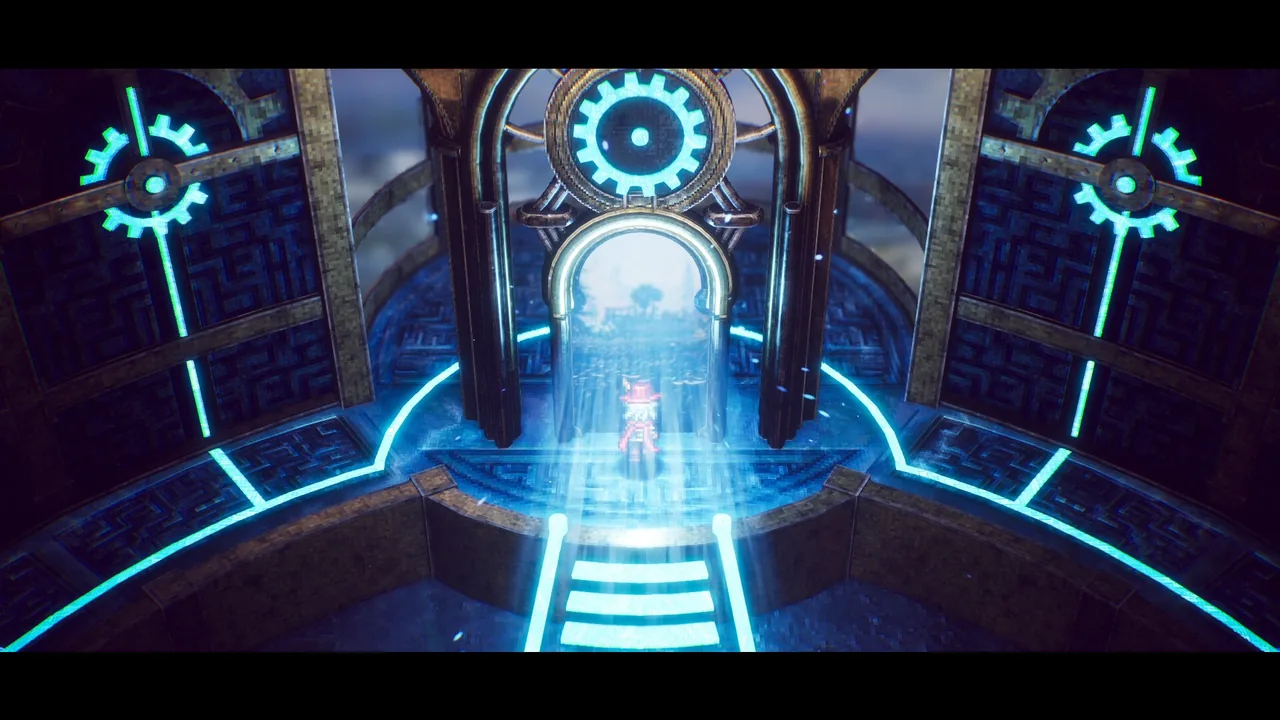
The Adventures of Elliot: The Millennium TalesImage: Square Enix via Steam -
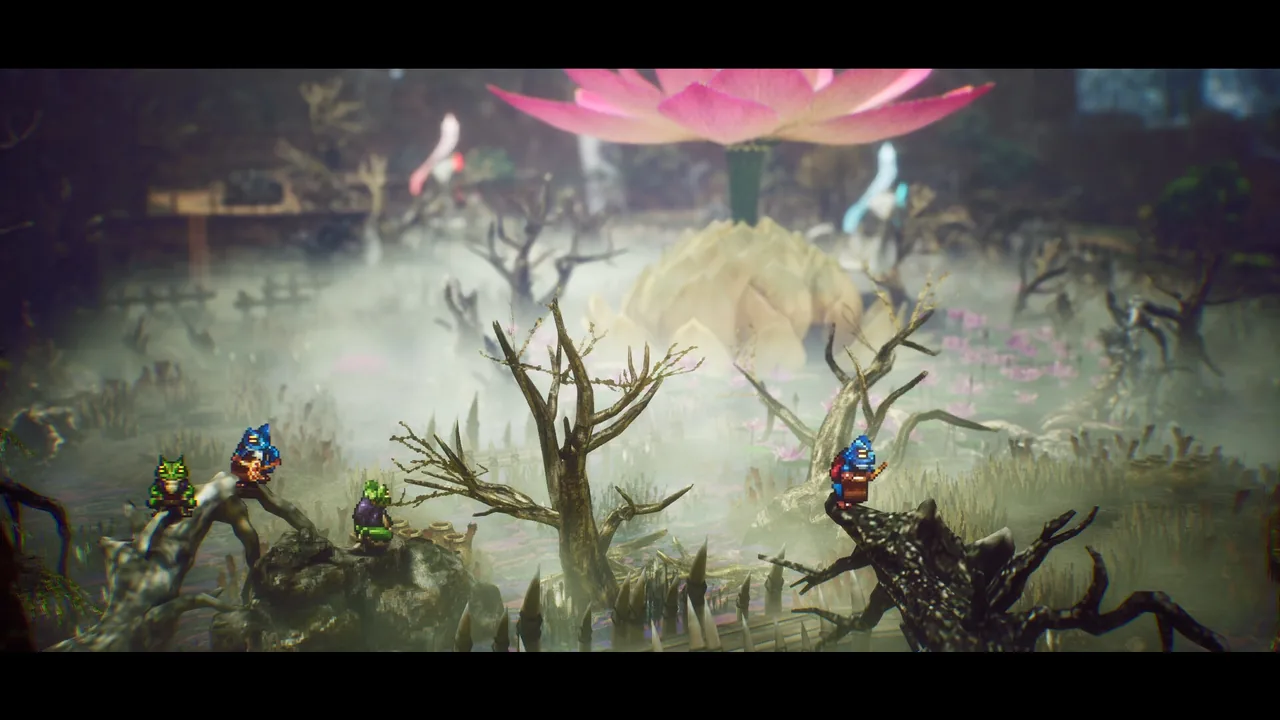
The Adventures of Elliot: The Millennium TalesImage: Square Enix via Steam -
How the review scores each part of the gameWanderer Editorial -
The essentials at a glanceWanderer Editorial -
The short versionWanderer Editorial