Game review
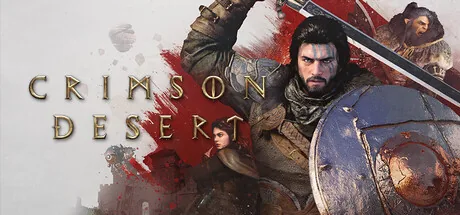
Crimson Desert
7.5 / 10
- Developer
- Pearl Abyss
- Publisher
- Pearl Abyss
- Released
- 19 March 2026
- Platforms
- Windows
- Genre
- Open-World Action-Adventure
- Monetisation
- One-off premium purchase, no DLC at time of writing, no in-app purchases and no premium currency, launched explicitly without microtransactions
- Players
- None. Single-player only, though the game began development as an MMORPG before its online systems were stripped out, a lineage several reviewers say is still visible in its quest design
The short version
Crimson Desert drops players into Pywel as Kliff, a warrior seeking to reunite his shattered Greymane faction across a vast, densely detailed open world of plains, deserts and ruins. Very Positive across nearly 110,000 Steam reviews today, that rating conceals one of the more dramatic, well-documented reception recoveries in recent memory: independent press coverage confirms the game launched to a Mixed 51% positive score, driven by technical issues, punishing boss balance and clunky controls, before climbing to roughly 80% within four days as Pearl Abyss shipped a rapid sequence of fixes — a trajectory the studio has sustained through nearly weekly numbered patches ever since, with version 1.16 shipping as recently as this week. What keeps this review from simply celebrating that recovery is a real, recurring, specific complaint that persists even among reviewers who ultimately recommend the game: Crimson Desert began development as an MMORPG, and a meaningful share of the sample argues its quest design — repetitive fetch tasks, map-marker padding, and systems that reward time investment over narrative payoff — never fully shed that origin even with the multiplayer stripped away.
Biggest strengths
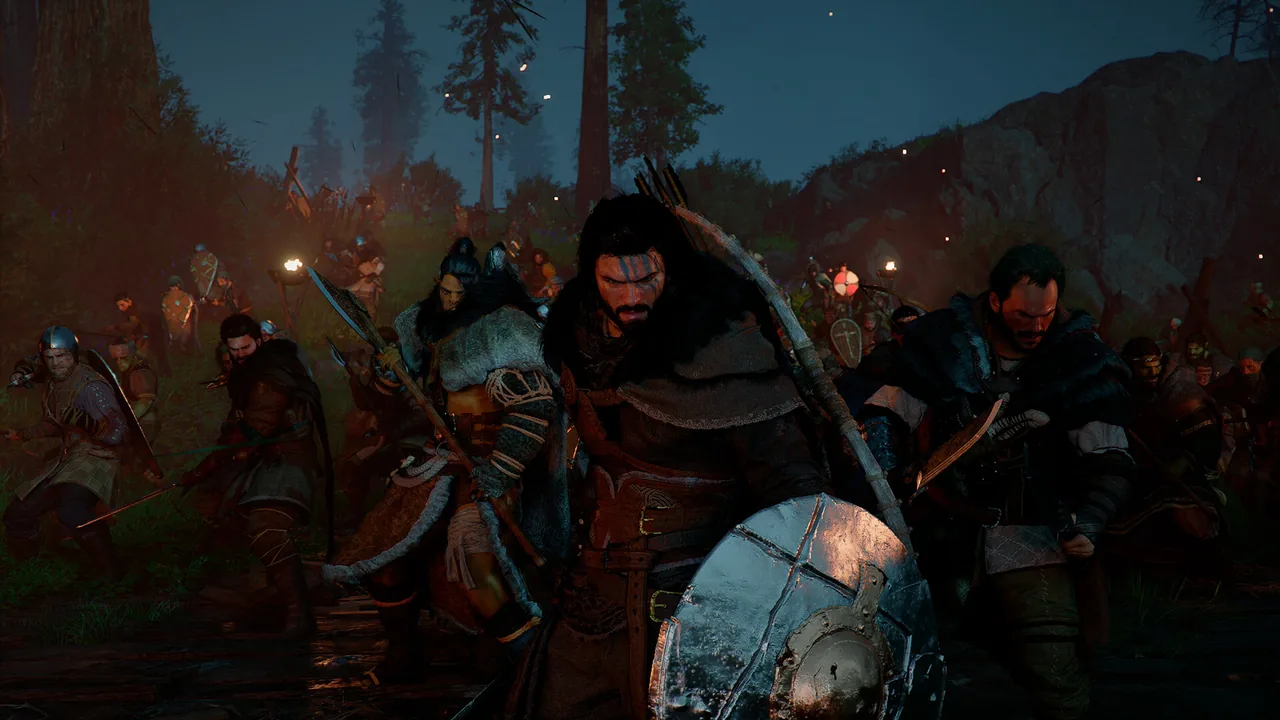
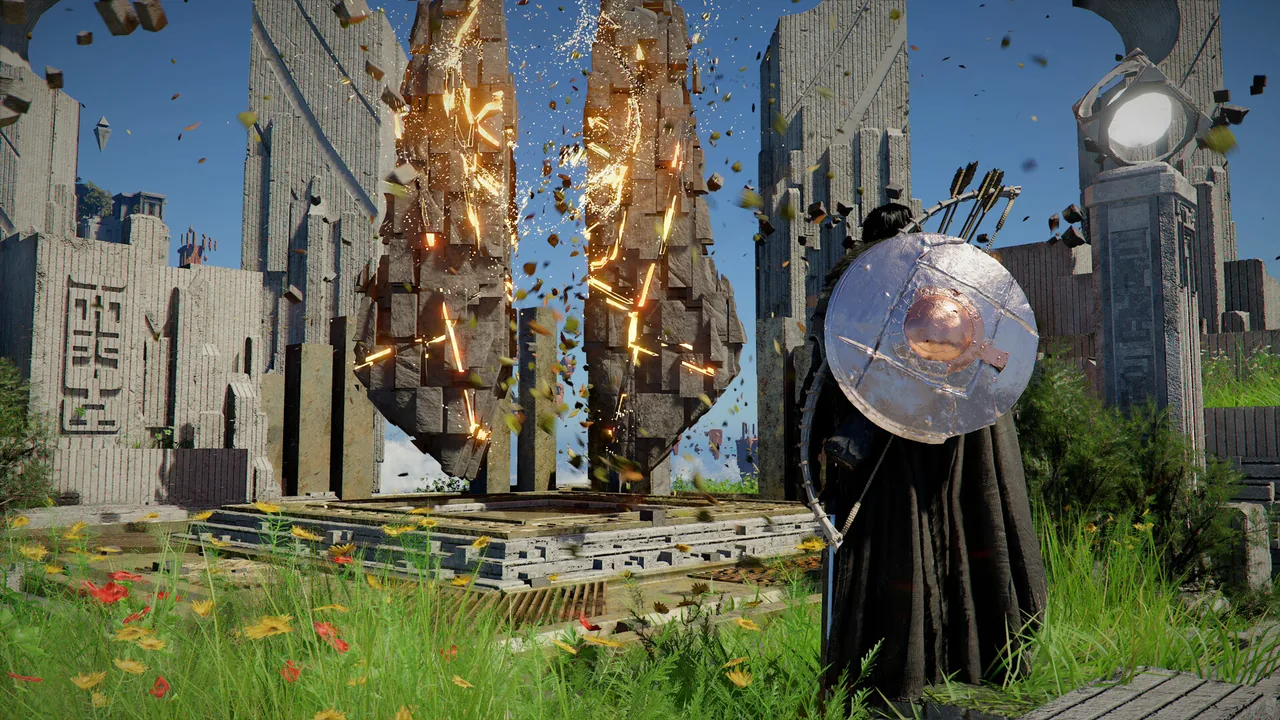
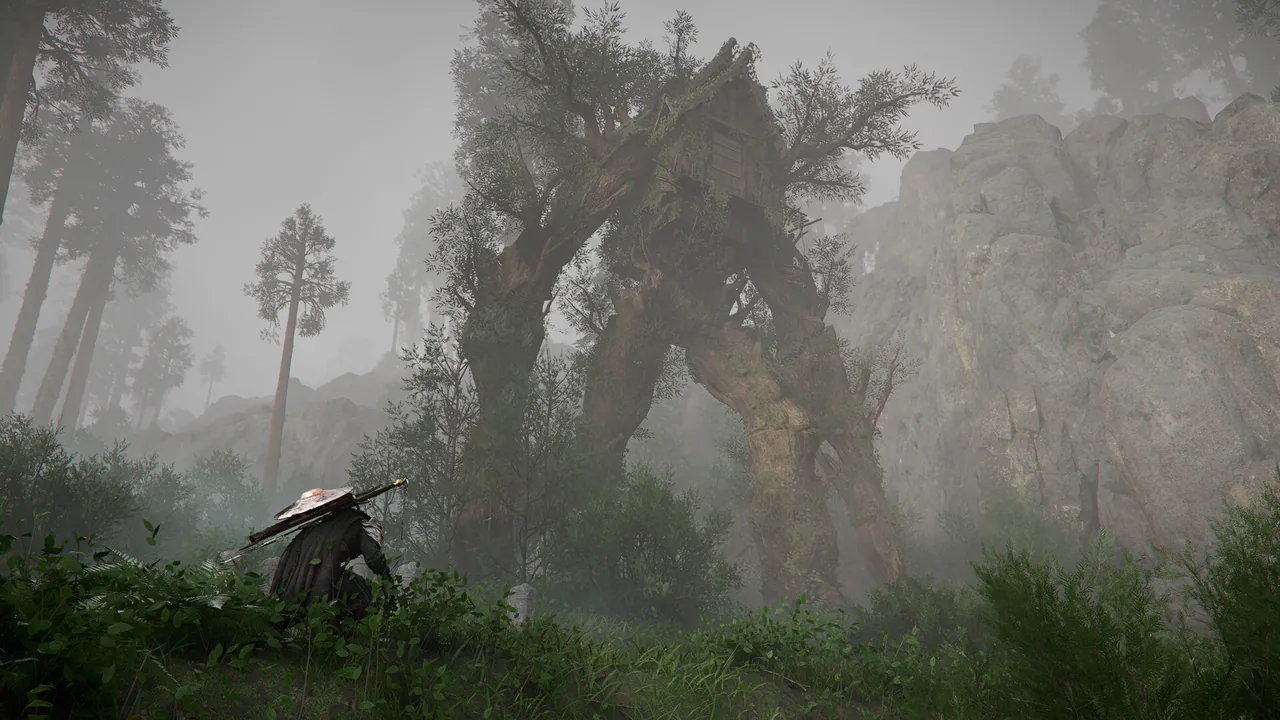
- A genuinely stunning, densely detailed open world draws close to universal praise, with several reviewers comparing the sense of discovery favourably to Skyrim and Breath of the Wild
- Pearl Abyss's post-launch response is a real, well-documented success story — a specific, verifiable climb from 51% to roughly 80% positive within four days of launch, sustained by near-weekly patches five months later
- An enormous range of side systems — camp management, trading, fishing, cooking, gambling and puzzle content — genuinely add up to dozens or hundreds of hours for players who enjoy that kind of density
Biggest weaknesses
- A substantial, recurring thread of criticism argues the quest design retains its origins as an MMORPG even with the online systems stripped out, describing repetitive fetch quests and map-marker padding that several reviewers compare unfavourably to the genre's worst habits
- The story and central cast draw consistent criticism as thin, bland or difficult to invest in, a real weakness for a game this narratively ambitious in scope
- Launch was genuinely rocky — technical issues, visual clarity complaints even at maximum settings, and a lack of driver support that left Intel Arc GPU owners unable to launch the game at all
Who it's for: Fans of dense, systems-heavy open-world games who value scope and visual spectacle over tight narrative pacing, and players comfortable overlooking real, if since-patched, launch rough edges.
Our recommendation: A visually extraordinary, content-dense open world let down by MMO-shaped quest design and a thin story — one of the more remarkable post-launch turnarounds in recent memory, worth revisiting now even if you bounced off it in its rocky first days.
7.5 / 10
Few games arrive carrying as much accumulated expectation as Crimson Desert did on 19 March 2026. Announced roughly a decade earlier by Pearl Abyss, the Korean studio behind the long-running MMORPG Black Desert Online, it promised a fully single-player open-world epic built on that same technology — and it launched into one of the more dramatic, well-documented reception swings of the year. Today the game sits at Very Positive across nearly 110,000 Steam reviews, having sold over 6 million copies. Getting there wasn't smooth, and understanding both how rocky the start genuinely was and how the game earned its way back is what makes this review worth engaging with in full.
A launch that was genuinely rough — and quickly, verifiably fixed
Independent press coverage at the time confirms this wasn't reviewer exaggeration: Crimson Desert launched to a Mixed rating hovering around 51% positive on Steam, driven by real technical issues, boss balance widely criticised as punishing, and clunky, unfamiliar controls. What happened next is the more unusual part of the story. Within four days, driven by a rapid sequence of fixes, the game's Steam rating climbed to roughly 80% positive — one press outlet's headline put the specific numbers plainly: "reviews go from 51% to 80% positive in four days." That recovery wasn't a one-time save; checking the developer's own patch history directly confirms a sustained, near-weekly cadence of numbered updates and hotfixes that has continued for five months since, with version 1.16.03 shipping this week alone. Player reviews reflect that sustained effort directly: "the amount of updates and fixes since launch has been so good to see as a gamer. They seem to be actually listening to us," one review states, while another, more concrete: "I originally was trying to refund the game. The first puzzles were confusing and I was getting frustrated. However I canceled my refund because I felt like I needed to play it again. After the patch — boom — it felt better to me." That specific pattern, a reviewer changing their mind mid-review after a patch landed, recurs often enough across the sample to treat as a genuine, distinguishing feature of this game's launch story rather than a coincidence.
A world that draws close to universal praise
Separate from the reception arc, the world itself is the single most consistently praised element of the game. "I haven't felt this way since Skyrim. I'm 12hrs into the game... and I still have no desire to leave the starting town. There is so much content packed into the environment," one review states, and that comparison — to Skyrim's sense of dense, rewarding discovery — recurs constantly. Combat and boss encounters draw their own specific, consistent credit, singled out even by reviewers otherwise critical of the wider game: "A lot of unique boss fights that are by far the best parts of the game," one such mixed review notes. The sheer range of side systems — camp management, trading, fishing, cooking, gambling, puzzle-solving — draws real appreciation from players who enjoy that particular density: "There are a ton of systems in this game. Not all of them are perfect, but they are all enjoyable and they all add to the overall experience," one review states, framing the game's ambition as a genuine strength rather than unfocused sprawl.
The MMO bones underneath
What keeps this review from simply endorsing the recovery story wholesale is a real, specific, recurring complaint that several thoughtful reviewers raise even while ultimately recommending the game: Crimson Desert was originally conceived as an MMORPG, and a meaningful share of the sample argues that lineage is still visible in how quests are designed. "It originated from an MMORPG project from which the online and MMO elements were removed... I feel" the quest structure never fully adapted, one detailed, thousand-hours-in-Black-Desert review states, offering rare informed context on exactly what changed and what didn't. A blunter formulation appears repeatedly: "Black Desert Offline," one review titles itself directly, while another states plainly, "Quests are basically straight out of an MMORPG, lol." The specific texture of that complaint is consistent across the sample — fetch quests, map-marker padding, and repetitive combat encounters that reward time investment more than meaningful narrative choices. "The definition of not respecting your time. A million side quests of you delivering tomato to someone, orange to some idiot," one sharply critical review states.
This complaint sits alongside, and is related to, a separate, consistent criticism of the story and characters themselves. "The story is utter [nonsense]," one review states starkly, while a more measured critique frames the issue structurally: "It has bones, nervous system and a body... but it lacks soul completely." Several reviewers who otherwise praise the game's scope and systems specifically single out the central cast as underdeveloped, a real gap for a game built around a faction-rebuilding, character-driven premise.
Puzzles, controls, and a genuine, if smaller, set of technical complaints
A more specific mechanical complaint concerns the game's puzzle content, which several reviewers describe as disproportionately frequent and poorly paced relative to combat. "The puzzles kill this game so bad — I have spent 75 percent of my time so far doing the most painful horrible dragged out puzzles," one review states, a frustration echoed by others describing menu and inventory controls as clunky, particularly during puzzle sequences. On the technical side, launch-adjacent complaints about visual clarity persisted even on capable hardware — "I tried all DLSS modes, as well as native, with everything on Ultra, and it still looks poor... my GPU is also at 100% usage, so it is not a GPU issue," one review states — while Intel Arc GPU owners reported being unable to launch the game at all at release, a real, documented gap in day-one hardware support. Separately, the game requires periodic online authentication via Denuvo DRM despite being entirely single-player and largely playable offline day to day, a smaller but genuine point of friction independent of the game's actual content.
Where this leaves a buyer
At NZ$119.95, Crimson Desert delivers a genuinely extraordinary, densely detailed open world that has earned its Very Positive standing through one of the more remarkable, well-documented post-launch recoveries in recent memory — a specific, verifiable climb from 51% to roughly 80% positive within four days of launch, sustained by five months of near-weekly patches since. The honest, necessary caveat, raised specifically and repeatedly even by reviewers who ultimately recommend the game, concerns what that recovery couldn't fix: a quest design shaped by the game's origins as an MMORPG, and a story and cast that a meaningful share of the sample finds thin relative to the world's visual ambition. Players drawn to scope, density and spectacle, and willing to look past MMO-shaped quest padding, are likely to find dozens or hundreds of hours of genuine enjoyment here. Players hoping for a tightly written, Witcher 3-style narrative epic should keep that specific, well-earned reservation in mind — and can take real comfort, either way, in a developer that has spent five months and counting demonstrably still trying to make this game better.
Pros and cons
Pros
- A genuinely stunning, densely detailed open world draws close to universal praise, with several reviewers comparing the sense of discovery favourably to Skyrim and Breath of the Wild
- Pearl Abyss's post-launch response is a real, well-documented success story — a specific, verifiable climb from 51% to roughly 80% positive within four days of launch, sustained by near-weekly patches five months later
- An enormous range of side systems — camp management, trading, fishing, cooking, gambling and puzzle content — genuinely add up to dozens or hundreds of hours for players who enjoy that kind of density
- Boss fights and combat draw specific, consistent praise as some of the game's strongest individual moments, even from reviewers otherwise critical of the wider game
Cons
- A substantial, recurring thread of criticism argues the quest design retains its origins as an MMORPG even with the online systems stripped out, describing repetitive fetch quests and map-marker padding that several reviewers compare unfavourably to the genre's worst habits
- The story and central cast draw consistent criticism as thin, bland or difficult to invest in, a real weakness for a game this narratively ambitious in scope
- Launch was genuinely rocky — technical issues, visual clarity complaints even at maximum settings, and a lack of driver support that left Intel Arc GPU owners unable to launch the game at all
- The game requires periodic online authentication via Denuvo DRM even though it's entirely single-player, a real point of friction independent of the otherwise offline-capable design
Screenshots
-
Crimson DesertImage: Pearl Abyss via Steam -
Crimson DesertImage: Pearl Abyss via Steam -
Crimson DesertImage: Pearl Abyss via Steam -
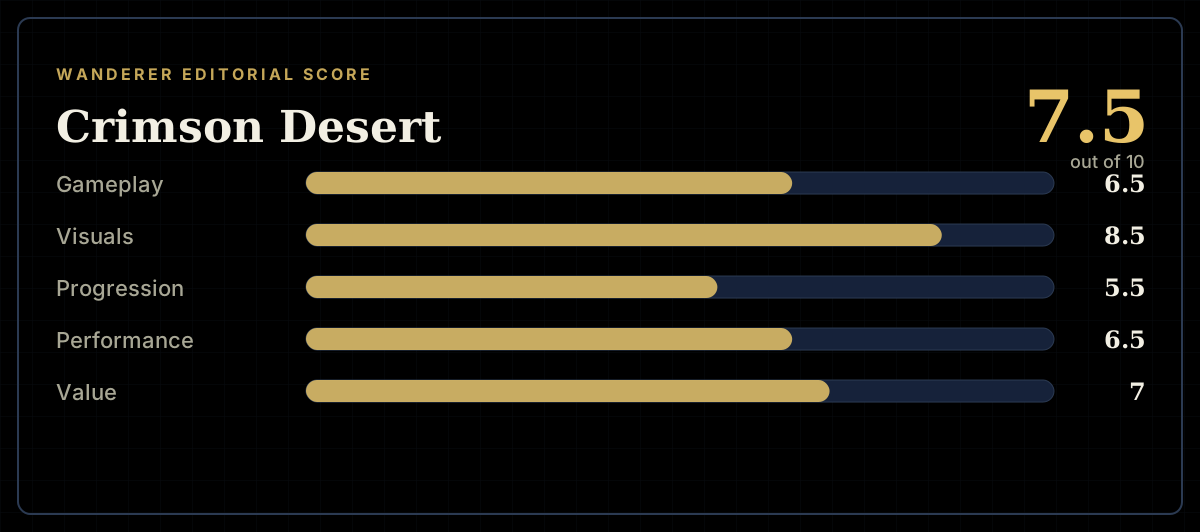
How the review scores each part of the gameWanderer Editorial -
The short versionWanderer Editorial