Game review
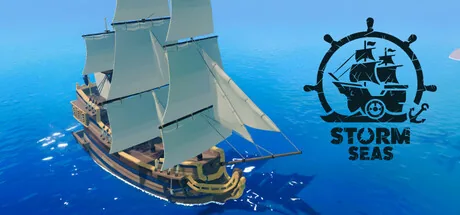
Storm Seas
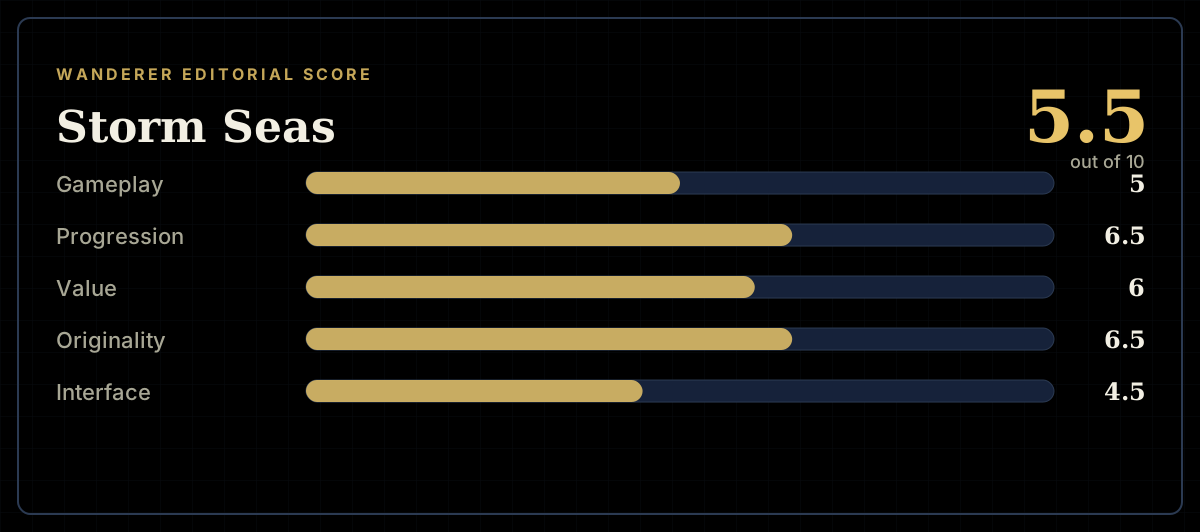
5.5 / 10
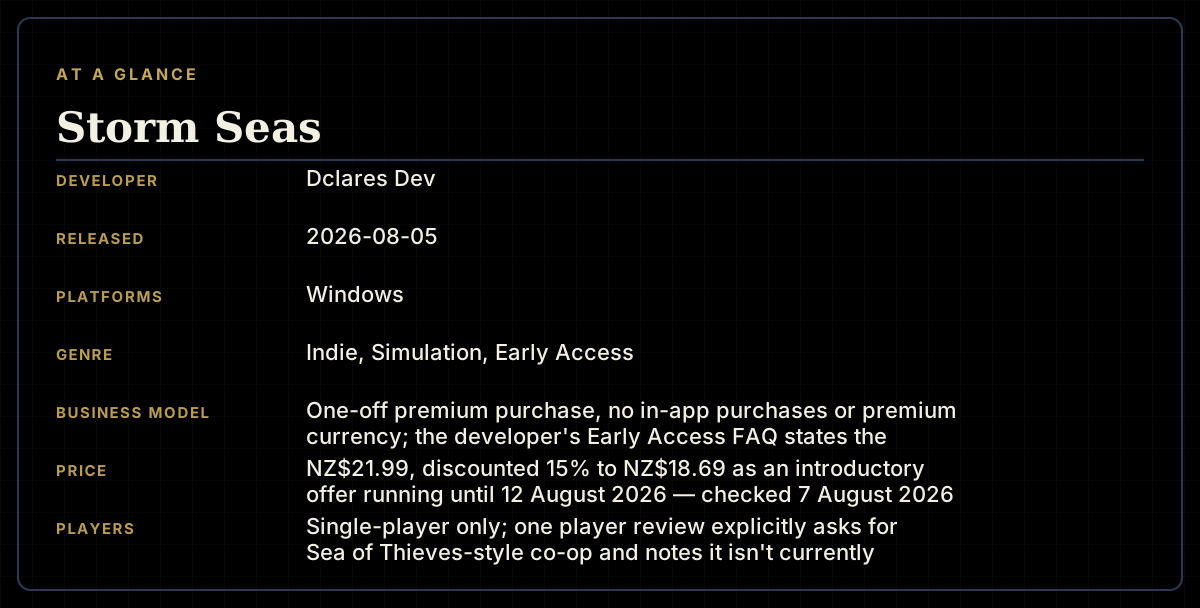
- Developer
- Dclares Dev
- Publisher
- Dclares Dev
- Released
- 5 August 2026
- Platforms
- Windows
- Genre
- Indie, Simulation, Early Access
- Monetisation
- One-off premium purchase, no in-app purchases or premium currency; the developer's Early Access FAQ states the price will rise when the game leaves Early Access
- Players
- Single-player only; one player review explicitly asks for Sea of Thieves-style co-op and notes it isn't currently possible
The short version
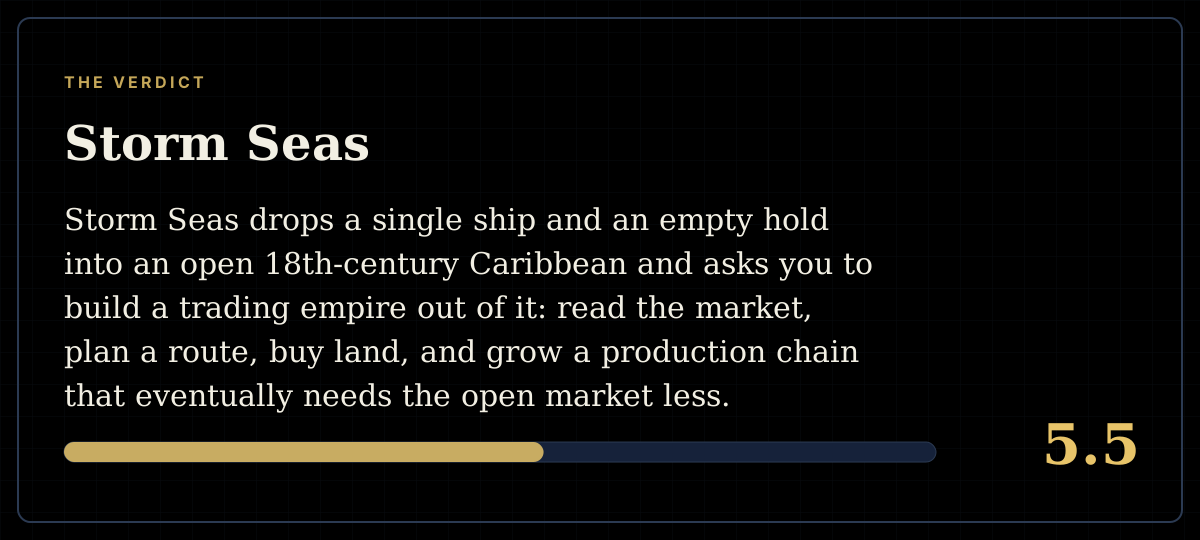
Storm Seas drops a single ship and an empty hold into an open 18th-century Caribbean and asks you to build a trading empire out of it: read the market, plan a route, buy land, and grow a production chain that eventually needs the open market less. That's a genuinely appealing shape for a progression ladder, and it's backed by a real risk mechanic — cargo rides physically in your hold and sinks with the ship if you lose a fight. The Early Access build that shipped on 5 August 2026 doesn't yet support that ambition. Ten Steam reviews posted in the first two days sit Mostly Negative, and several describe the same specific problems independently: enemy ships that can't be outrun or avoided despite naval combat being advertised as optional, hull damage from routine docking severe enough to sink a ship outright, and helm controls that force you off the wheel to do almost anything else.
Biggest strengths
- The trading loop goes beyond buy-low-sell-high — production land you buy and staff cuts your dependence on the open market, giving the economy an actual second axis instead of one price table
- Cargo is a physical, losable asset that rides in your hold and goes down with the ship if you're sunk, so trading risk has real teeth rather than being an abstract number
- Naval combat is pitched as optional rather than the spine of the game, which suits players who bought in for the commerce fantasy specifically
Biggest weaknesses
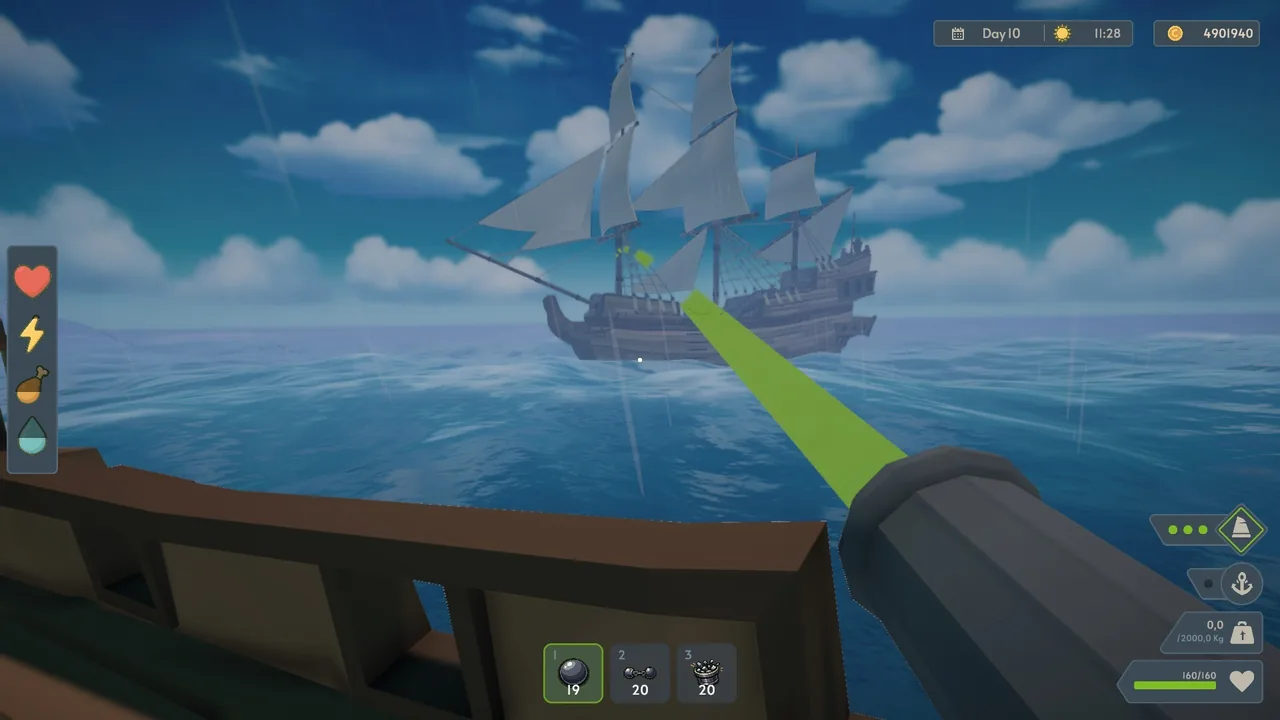
- Multiple independent day-one reviews describe enemy ships, including groups of galleons, that cannot be outrun or evaded, directly contradicting the store page's promise that combat can be avoided
- Basic helm actions — raising or lowering sails, changing speed, dropping anchor — pull the player away from the wheel entirely, turning combat into running between stations rather than sailing tactically
- Hull damage from ordinary docking is severe enough that more than one reviewer reports sinking or wrecking their ship on routine contact with a pier
Who it's for: Players drawn to the pitch of a Caribbean trading economy with a real production layer, who are willing to buy in early, expect rough edges, and are comfortable waiting out a developer's own 6-to-12-month roadmap before judging the finished game.
Our recommendation: The economic design is worth watching, but the build that's live right now fights the player more than the sea does — wait for a balance pass unless you specifically want to shape Early Access development with your feedback.
5.5 / 10
Storm Seas hands you one ship, an empty cargo hold and an open 18th-century Caribbean, then makes its case in a single sentence on the store page: buy low, sell where demand is high, and risk your fortune against storms, pirates and changing markets. That's a familiar pitch for the genre, but the game's actual progression ladder goes a step further than most trading sims bother with. Prices move on production, consumption and scarcity between named ports rather than sitting on a fixed table, and the fix for a market that won't cooperate isn't just sailing further — it's buying land in a city, growing crops or producing goods yourself, and gradually building a supply chain that needs the open market less and less. On paper, that's a real second axis of progression sitting underneath the trading loop, not just a coat of paint on it. The Early Access build that launched on 5 August 2026, from solo-credited developer and publisher Dclares Dev, doesn't yet live up to that design, and the small early wave of Steam reviews it's collected says so with unusual consistency.
A supply chain worth building toward
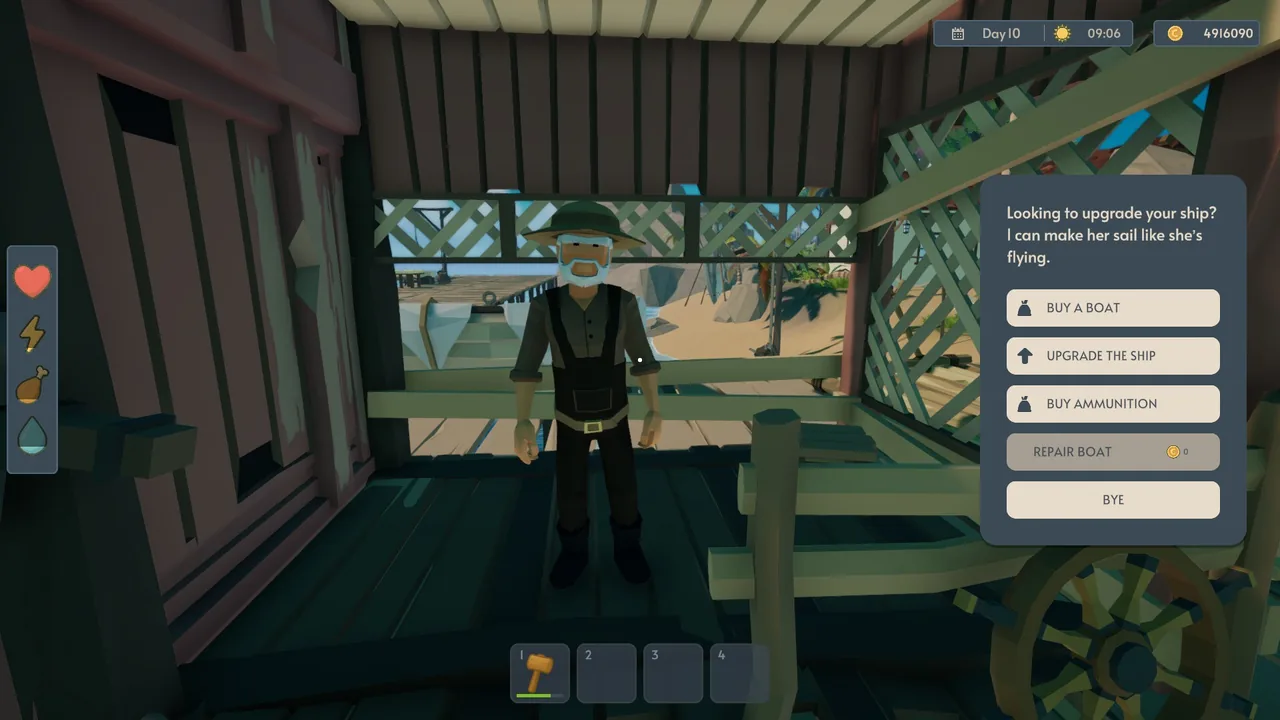
The ladder Storm Seas asks you to climb is coherent even at this early stage: start with a single ship and whatever cargo you can afford, learn which ports are short on what, and turn a profit on the gap. Ship upgrades expand cargo capacity and let you hire crew, which matters because larger holds mean bigger single-voyage payouts but also bigger single-voyage losses. That's where the game's best idea lives — cargo isn't a number that vanishes into an inventory screen, it's physical tonnage sitting in your hold, and if a fight or a storm sinks you before you reach port, it goes down with the ship. One early positive review, written in French after 111 minutes played, specifically calls out that mechanic as the game's strongest hook: the reward for a successful naval engagement is stored physically on the ship and has to survive the trip home to be worth anything. Land ownership is the next rung up — buying property in a city to grow crops or produce goods directly reduces how exposed you are to a market you don't control, and the achievement list tracks that exact ladder: getting a first boat, selling ten products, earning 10,000 and then 100,000 gold, buying a first plot of land, and building a first house on it. It's a legible, sensible structure for a solo-developer economy game to be building toward.
Where the current build gets in its own way
The trouble is that several of the mechanics sitting between the player and that ladder are, by multiple independent accounts, currently working against the player rather than testing them fairly. The store page states plainly that naval combat is optional — "choose your battles" — but more than one early review describes situations where that promise doesn't hold. One reviewer reports being pursued by three galleons at once with no way to escape or avoid the encounter; another, a former merchant mariner writing a long, constructive review after roughly 6.5 hours played, separately flags that enemy damage "feels overtuned for new players." The same review raises a second, more structural problem: basic helm actions — raising or lowering sails, changing speed, dropping anchor — require letting go of the wheel entirely, so combat becomes a sprint between the helm and the cannons rather than anything resembling coordinated sailing. "By the time you run from wheel to cannons, the enemy has already moved," as that review puts it, suggesting a crew member or NPC gunner as the obvious fix.
Ship damage from routine sailing draws a similar complaint. Docking contact that the same reviewer describes as the kind of gentle bump that happens constantly in real seamanship is instead capable of sinking a ship in Storm Seas, and a second reviewer independently reports wrecking their ship on a dock and ending up stranded on an island with no apparent way to recover, since the game had already autosaved past the point of no return. Survival pressure compounds it — food, water and rest meters drop quickly, and with no bed aboard the player's starting ship, arriving somewhere at night with nowhere to rest is a genuine problem rather than flavour. None of these are reports of a broken or non-functional game; they read as an early build whose difficulty and control scheme haven't been tuned yet, which is precisely the kind of thing Early Access exists to catch. But it's worth being clear-eyed that, right now, they're the dominant experience being described.
What the numbers say, and how much weight they can carry
Ten English, French, Portuguese and Spanish reviews had been posted in the two days following launch at the time of writing, and Steam's own tally reads Mostly Negative: three positive, seven negative. That's a small enough sample that it will move fast in either direction, and it deserves exactly the weight a ten-review sample deserves — not none, because the specific complaints repeat across reviewers who don't appear to be coordinating with each other, but not a verdict on the finished game either. The achievement data tells a related, similarly early-stage story rather than a damning one: 77.5% of players have earned their first boat, but only 3.8% have sold ten products and 2.3% have earned 10,000 gold, with land ownership, a first house and city reputation all sitting under 1%. Read uncharitably, that's a steep drop-off. Read fairly, the game is barely two days old at the time of writing, so most of that curve reflects how little time anyone has actually had to play rather than players abandoning the economy loop specifically — it's a number worth revisiting in a month, not treating as evidence now.
The developer's own roadmap
To Dclares Dev's credit, the Early Access FAQ on the store page is unusually specific about both what's there and what isn't. The current build is described as including a fully explorable open Caribbean, a dynamic multi-port trading system, basic survival mechanics, optional naval combat, land purchasing with personal resource production, dynamic weather and several upgradeable ship types — which matches what reviewers are describing, complaints included. The stated goal is 6 to 12 months in Early Access, with a full release promised only once the game "meets both our expectations and the community's," and a roadmap that specifically lists more cities and trade routes, new ship types and customisation, an expanded building and production system, more complex storms and piracy events, and "improved balancing and quality-of-life features based on community feedback" — which lines up closely with exactly what the first wave of reviews is asking for. The developer also states plainly that the price will rise once the game leaves Early Access, framing the current NZ$18.69 introductory price as a reward for buying in now rather than later.
Where this leaves a buyer
At NZ$18.69 during its launch discount, Storm Seas is a cheap way into a trading-sim concept with more structural ambition than the genre usually bothers with — a market that actually responds to what you and other traders do to it, and a production layer that lets you route around that market entirely if you build it out. Whether that's worth buying into today depends entirely on how much patience you have for an Early Access build whose difficulty tuning, ship damage and helm controls are, by multiple independent accounts written in its first two days, working against the player more often than the sea is. Players who specifically want to shape a young game's development with feedback, and who trust a solo developer's specific and reasonably detailed six-to-twelve-month roadmap, will find a foundation worth building on. Everyone else should let the first few balance passes land first.
Pros and cons
Pros
- The trading loop goes beyond buy-low-sell-high — production land you buy and staff cuts your dependence on the open market, giving the economy an actual second axis instead of one price table
- Cargo is a physical, losable asset that rides in your hold and goes down with the ship if you're sunk, so trading risk has real teeth rather than being an abstract number
- Naval combat is pitched as optional rather than the spine of the game, which suits players who bought in for the commerce fantasy specifically
- The developer's Early Access FAQ lays out a specific 6-to-12-month roadmap covering more cities, new ship types, a deeper production system and more complex weather and piracy events
Cons
- Multiple independent day-one reviews describe enemy ships, including groups of galleons, that cannot be outrun or evaded, directly contradicting the store page's promise that combat can be avoided
- Basic helm actions — raising or lowering sails, changing speed, dropping anchor — pull the player away from the wheel entirely, turning combat into running between stations rather than sailing tactically
- Hull damage from ordinary docking is severe enough that more than one reviewer reports sinking or wrecking their ship on routine contact with a pier
- Food, water and rest meters drain quickly and the starting ship has no bed to recover them, which several reviewers say fights against the exploration the game otherwise asks for
Screenshots
-
Storm SeasImage: Dclares Dev via Steam -
Storm SeasImage: Dclares Dev via Steam -
Storm SeasImage: Dclares Dev via Steam -
How the review scores each part of the gameWanderer Editorial -
The game at a glanceWanderer Editorial -
The short versionWanderer Editorial