Game review
Spiritstead
7 / 10
- Developer
- Turbo Dog Games
- Publisher
- Turbo Dog Games, Wings
- Released
- 6 August 2026
- Platforms
- Windows
- Genre
- Cozy City Builder
- Monetisation
- One-time purchase, no DLC, no in-game store, no premium currency — the id Steam's storefront API lists under "DLC" resolves to a Playtest build, not purchasable content
- Players
- Single-player only, no co-op or competitive modes of any kind
The short version
Spiritstead is a city builder that splits its attention two ways: a familiar loop of housing, jobs and happiness-boosting buildings, and a second, stranger layer where hidden spirits only reveal themselves under specific conditions the game never states outright — the wrong flower at the wrong time of day gets you nothing, and the right one gets you a new character. That second layer is the game's actual pitch, and it's a good one. The village-management half around it is competent rather than deep, the adventure-mode campaign is a stated four to seven hours with a village layout that resets on every replay rather than reshuffling, and both the developer's own pre-launch notes and a launch-day player review flag the same unresolved problem: the interface text is too small. None of that erases a genuinely distinctive hook and art direction that every account of the game, in every language sampled so far, agrees is the best thing about it.
Biggest strengths
- The spirit-unlock system is a genuine design idea rather than padding — the developer's own notes describe conditions tied to specific weather, time of day and experimental item placement, not a flat checklist of triggers
- The hand-drawn, Studio Ghibli-referencing art direction is the one point every account of the game agrees on, across every language sampled in the launch-week review batch
- Monetisation is as clean as Steam allows: one purchase, no DLC, no in-game store, no premium currency, and the item Steam's own API lists as "DLC" turns out to be a leftover Playtest build rather than anything for sale
Biggest weaknesses
- The developer flagged the demo's small font size as an accessibility concern in their own itch.io comments before launch, and a launch-day Steam review raises the identical complaint about the finished game, suggesting it went unaddressed between the two
- Steam's own store description states the adventure-mode campaign runs four to seven hours and that "the game world remains the same each time" on replay, which caps how much a second playthrough actually offers over the first
- No controller support is listed anywhere in Steam's controller-support data, unusual for a genre players often default to a pad for
Who it's for: Players who want a short, low-stakes cozy management session built around genuine discovery rather than a checklist, and who are willing to overlook a cramped interface and a campaign that doesn't ask for more than one real playthrough.
Our recommendation: At €8.54 for a one-time purchase with no DLC and no in-game store, the asking price matches a four-to-seven-hour cozy campaign fairly. It's worth buying for the spirit-hunting hook and the art alone; just don't expect the second playthrough, or the village-management half of the loop, to hold up as well as the discovery does.
7 / 10
Most city builders tell you exactly what unlocks what. Spiritstead doesn't, and that's the whole point of its best idea: somewhere in the village you're building, there are spirits hiding, and the only way to find them is to notice what the game is quietly asking of you. According to the developer's own notes from the demo period, one spirit shows up only after you've experimented with the right flowers; another needs an item placed in the right spot during the right weather at the right time of day. Nothing on screen tells you that directly. You have to be the kind of player who tries things, and the game rewards exactly that instinct.
A village-management loop wrapped around a scavenger hunt
Strip the spirits out and what's left is a familiar cozy city builder: assign villagers to jobs, keep them fed and rested, build the cafes and markets and bonfires that keep happiness up, and unlock new structures as the village grows. None of that is reinvented here, and it isn't trying to be — it's the scaffolding the spirit hunt hangs on. Two modes split the difference between the two halves of the game. Creative mode drops the resource pressure entirely and lets you build for its own sake; adventure mode keeps villager needs and resource management live, and Steam's own store description puts that mode's full campaign at four to seven hours from start to finish.
The spirits are the reason to play adventure mode rather than just decorate in creative. They're not simply collectibles waiting in a menu — they're discovered through the same kind of observation a good hidden-object game demands, and the developer's own account of the mechanic during the demo period backs that up in specific, checkable terms rather than marketing language: conditions tied to weather, time of day and item placement, not a flat unlock list. That's a more interesting design than "build enough houses and a spirit appears," and it's the one part of Spiritstead that reads as genuinely distinctive rather than a well-executed version of a genre staple.
Four to seven hours, and the second playthrough looks the same
The catch is what happens once you've found what there is to find. Steam's own description is unusually candid about this: the campaign is "endlessly replayable, but the game world remains the same each time." That's an honest disclosure, and also a real limitation — a city builder that resets to the same starting map and the same spirit conditions on every playthrough is asking you to redo a puzzle you've already solved, not tackle a new one. For a four-to-seven-hour campaign, that's a reasonable ask once. It's a much harder sell as a game you return to.
The achievement list, fresh as it is at two days old, sketches the shape of that curve without overstating it. The earliest goals — clearing the tutorial, unlocking the first spirit, opening the spirit temple — sit between 67% and 78% of tracked players, which is a normal early spread for a short campaign people are still working through rather than a sign anyone bounced off. The finishing achievements sit at 3.4% and below, including two at 0.7%. Two days after launch that reads as "most buyers haven't reached the end yet" far more than "most buyers gave up," and it would be premature to call it anything sharper than that this early. What it does confirm is the shape of a linear, front-loaded campaign rather than an open-ended one — consistent with a stated four-to-seven-hour runtime and a village layout that doesn't reshuffle.
The font problem the developers already knew about
One issue shows up on both sides of launch, which makes it worth taking seriously rather than treating as a one-off complaint. Ahead of release, Turbo Dog Games acknowledged in their own itch.io comments that the demo's font size created accessibility problems and said they were looking at it for the full release. A Steam review posted on launch day raises the same complaint about the finished game — text too small to read comfortably, alongside a Disable Bloom toggle that doesn't seem to do anything when clicked. Two independent sources, on opposite sides of a release date, describing the same interface problem is a stronger signal than either one alone, and it suggests the fix promised during the demo period hadn't fully landed by launch day.
That's a real cost against an otherwise reasonable accessibility sheet. Custom volume controls and a mode playable without timed input are both present from day one, which matters in a genre that should never have required split-second reflexes in the first place. Small, hard-to-read text undercuts that goodwill in a way that's easy to fix and, going by the evidence available now, hasn't been yet.
A quiet, well-tested launch rather than a blind one
Spiritstead isn't arriving cold. A free demo ran from September 2025 through the night before launch, picking up a Halloween 2025 content update that added new spirits and six additional language translations, and the game turned up at Wholesome Direct 2026, Steam Fest and GamesSpain 2026 along the way — nearly a year of public testing and feedback before the 6 August 2026 release. Demo saves weren't carried forward into the finished game, by the developers' own instruction, so none of that changes what a new buyer is getting, but it does mean the core loop has had more outside eyes on it than a typical debut gets before 1.0.
What hasn't caught up yet is the review count: seven total, all positive, every one of them posted within hours of launch and in five different languages, with playtimes ranging from nine minutes to three and a half hours. That's not evidence of anything going wrong — a two-day-old game is supposed to look like this — but it means there's no track record at real volume yet, and a live concurrent-player check on the second day after launch found 115 people in the game, a modest but genuine number for a first release from a studio with no other Steam listing. Monetisation, at least, needs no more evidence than the store page already gives: a single €8.54 purchase, no DLC, no in-game store, and the entry Steam's own API files under "DLC" turns out on inspection to be a leftover Playtest build rather than anything for sale.
Final verdict
Spiritstead earns a 7 for a spirit-hunting hook that's a genuinely good idea, built on verifiable, specific unlock conditions rather than a checklist, wrapped in hand-drawn art direction that every account of the game agrees is its strongest asset. It doesn't score higher because the village-management half of the loop is competent rather than deep, the four-to-seven-hour campaign explicitly doesn't change shape on a replay, and an interface problem the developers themselves flagged before launch is still showing up in reviews after it. If a short, discovery-driven cozy session at a fair one-time price sounds appealing, this is worth the afternoon it asks for; if you're after a management game with real long-term depth or a campaign built to be played more than once, look elsewhere in the genre.
Pros and cons
Pros
- The spirit-unlock system is a genuine design idea rather than padding — the developer's own notes describe conditions tied to specific weather, time of day and experimental item placement, not a flat checklist of triggers
- The hand-drawn, Studio Ghibli-referencing art direction is the one point every account of the game agrees on, across every language sampled in the launch-week review batch
- Monetisation is as clean as Steam allows: one purchase, no DLC, no in-game store, no premium currency, and the item Steam's own API lists as "DLC" turns out to be a leftover Playtest build rather than anything for sale
- Twelve supported languages, six of them added specifically during the demo's October 2025 update, is unusually broad localisation for a two-person credited debut
- Accessibility categories present from day one include custom volume controls and a mode playable without timed input, alongside a save-anytime system that suits a low-pressure genre
Cons
- The developer flagged the demo's small font size as an accessibility concern in their own itch.io comments before launch, and a launch-day Steam review raises the identical complaint about the finished game, suggesting it went unaddressed between the two
- Steam's own store description states the adventure-mode campaign runs four to seven hours and that "the game world remains the same each time" on replay, which caps how much a second playthrough actually offers over the first
- No controller support is listed anywhere in Steam's controller-support data, unusual for a genre players often default to a pad for
- Windows-only, with no macOS or Linux build listed
- Two days after release the review sample is seven, all positive, all posted within hours of launch, so there is no independent track record yet at any real volume
Screenshots
-
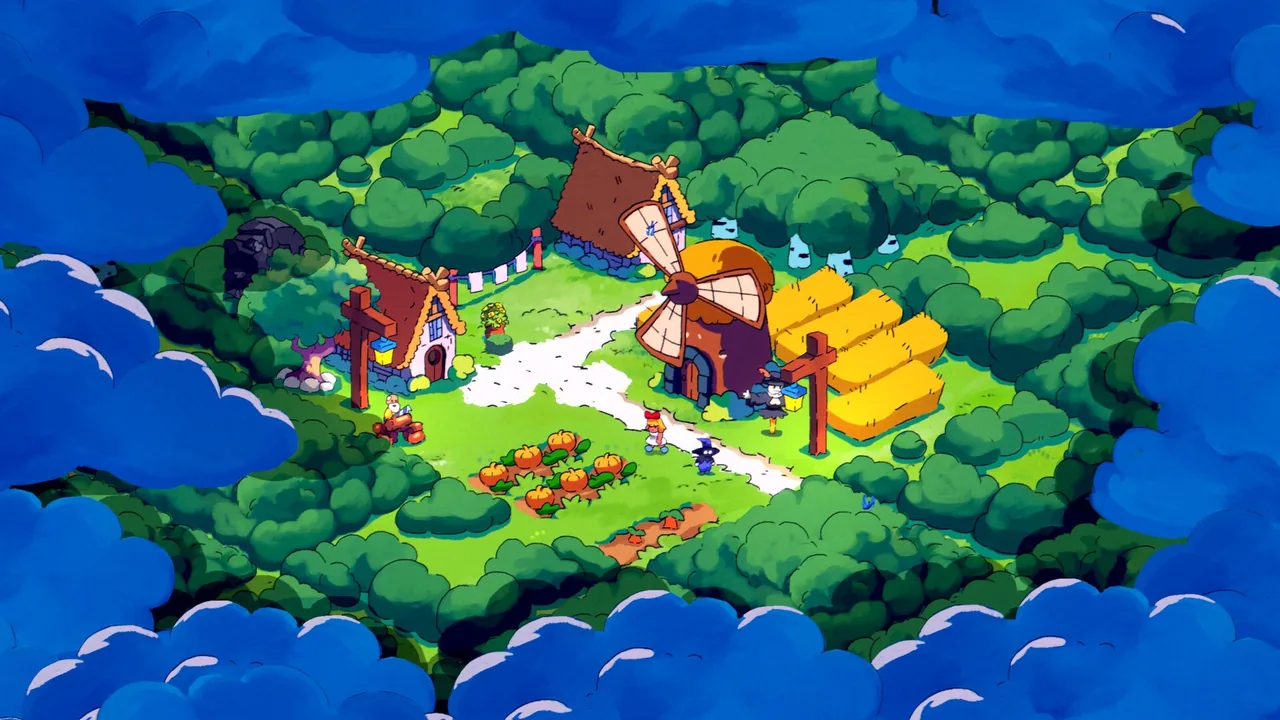
SpiritsteadImage: Turbo Dog Games via Steam -
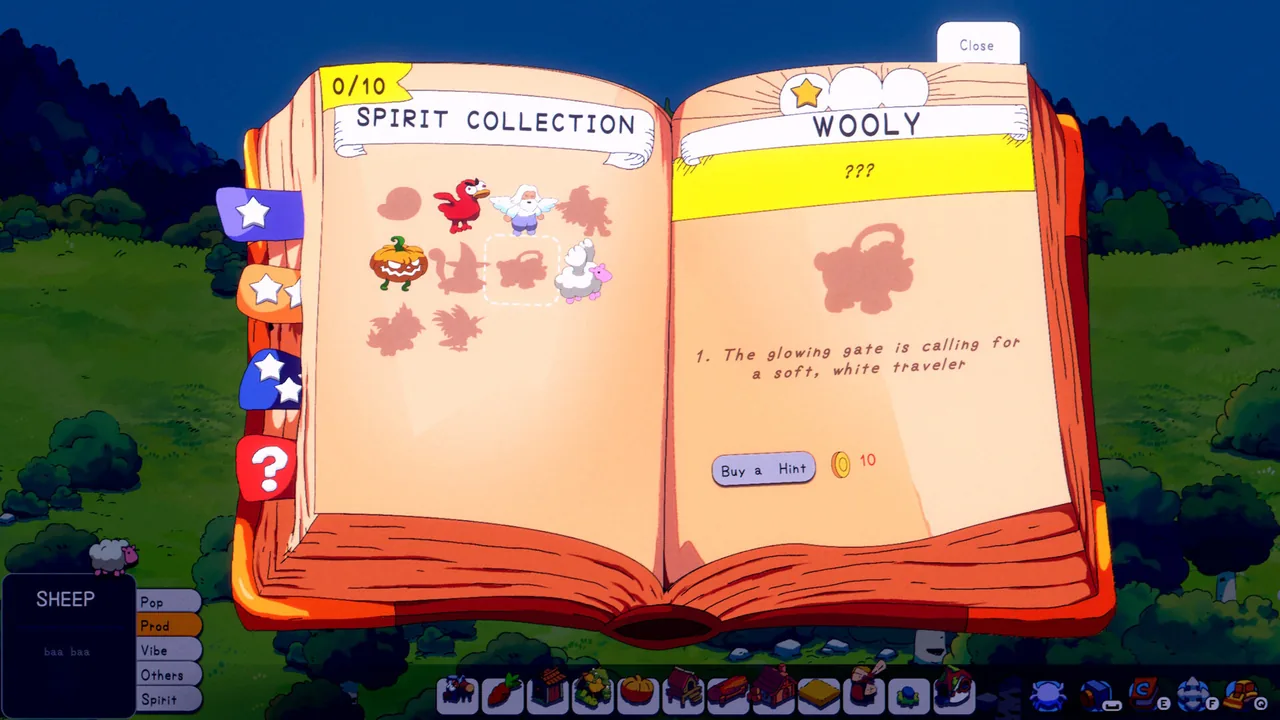
SpiritsteadImage: Turbo Dog Games via Steam -
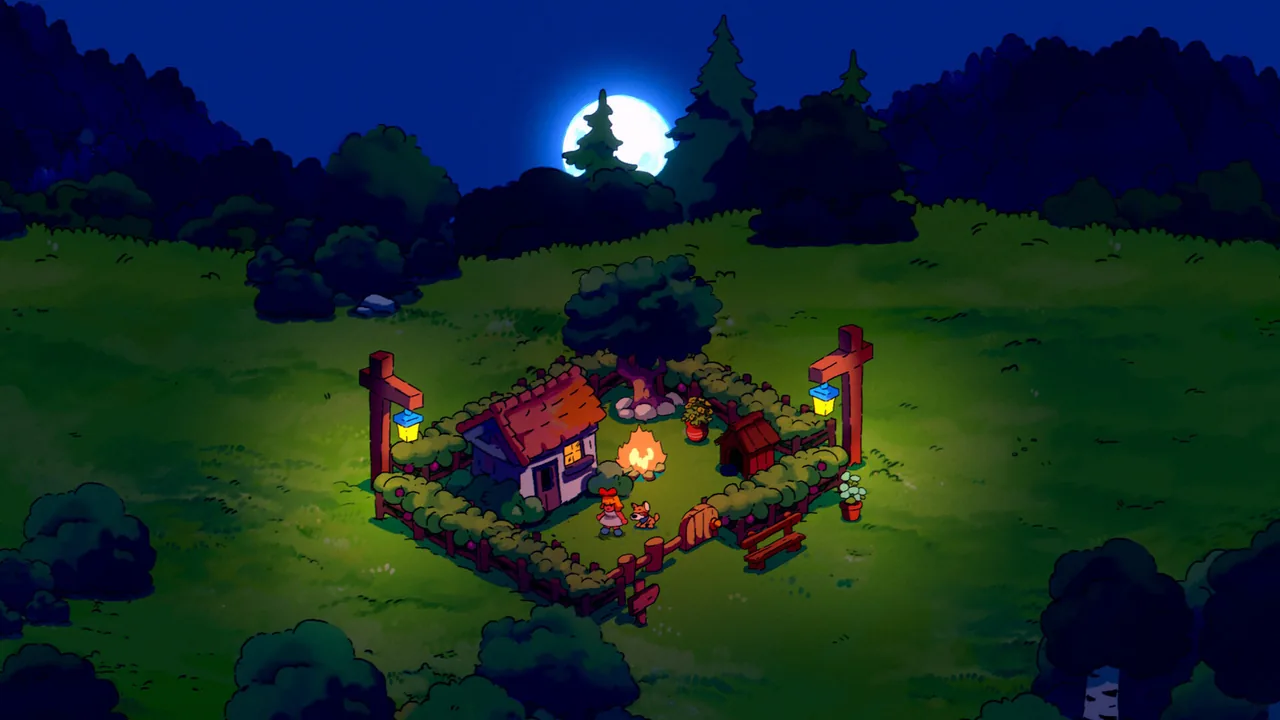
SpiritsteadImage: Turbo Dog Games via Steam -
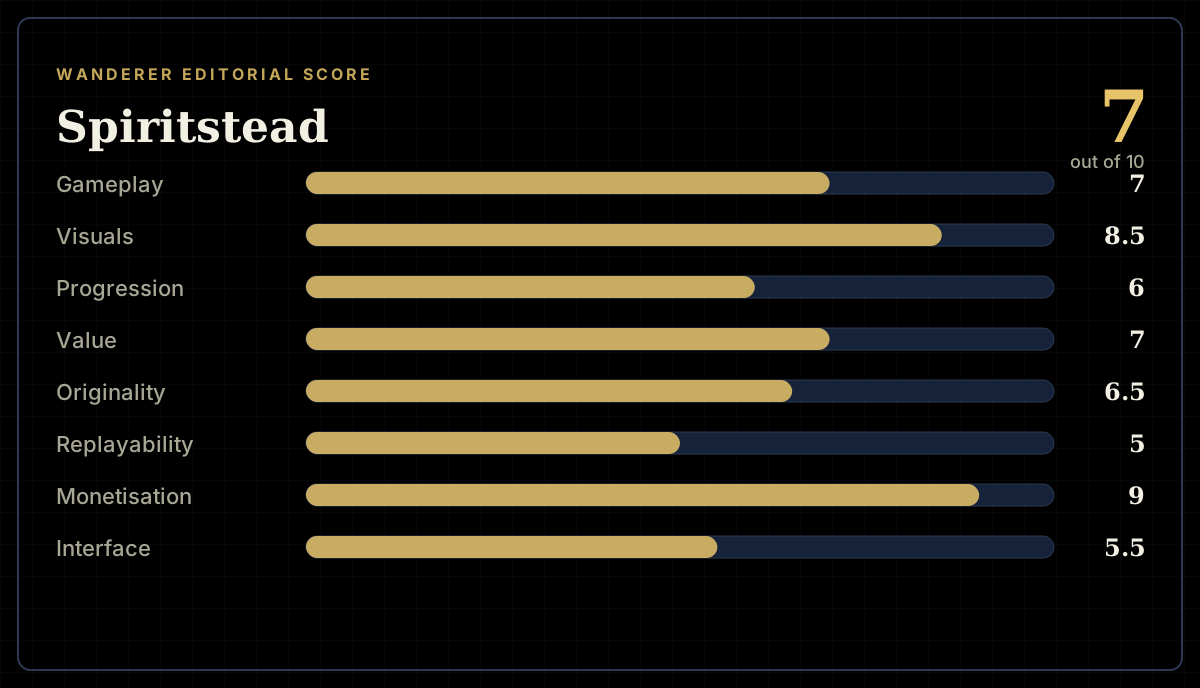
How the review scores each part of the gameWanderer Editorial -
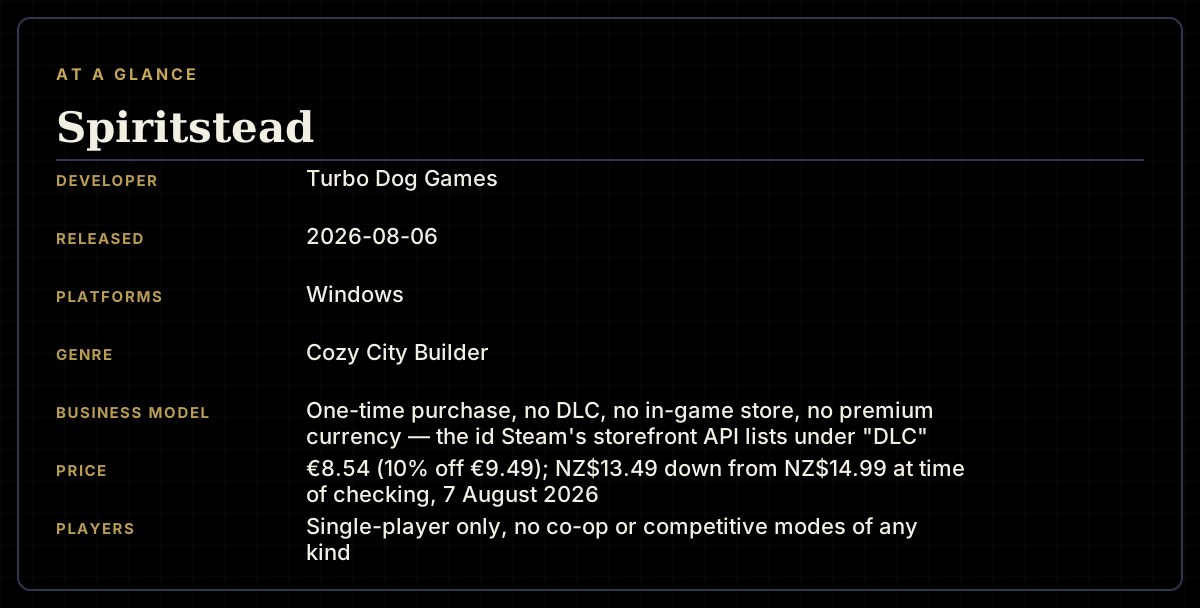
The game at a glanceWanderer Editorial -
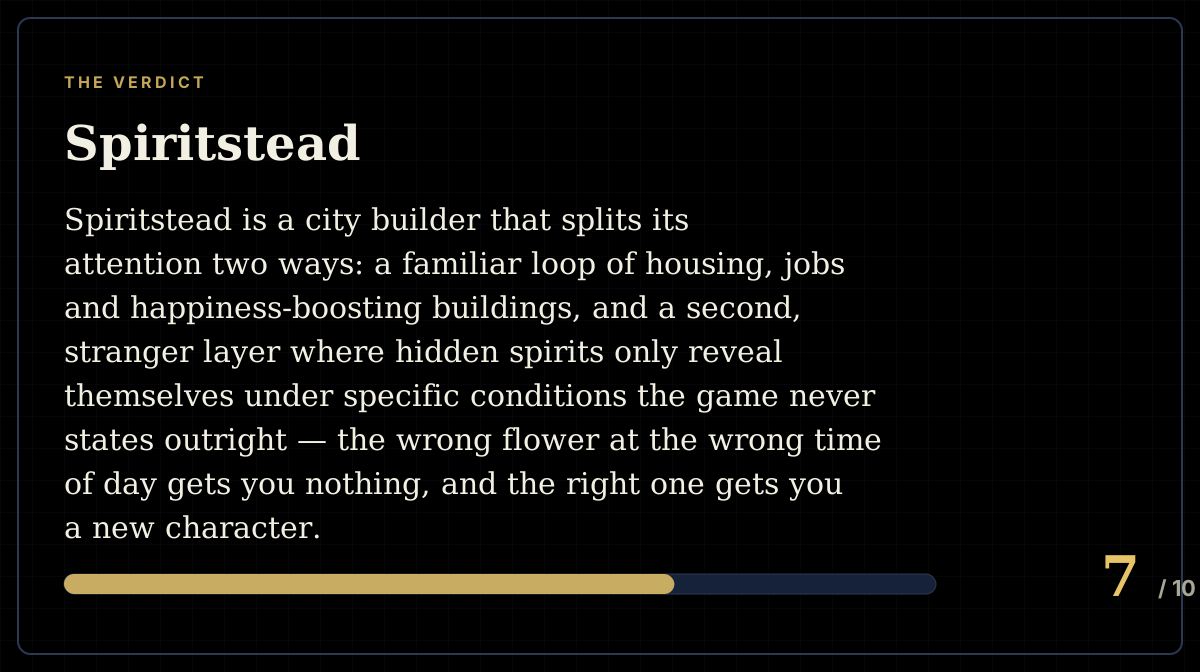
The short versionWanderer Editorial