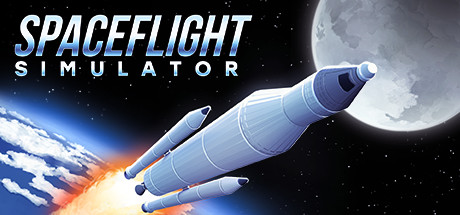
Game review
Spaceflight Simulator
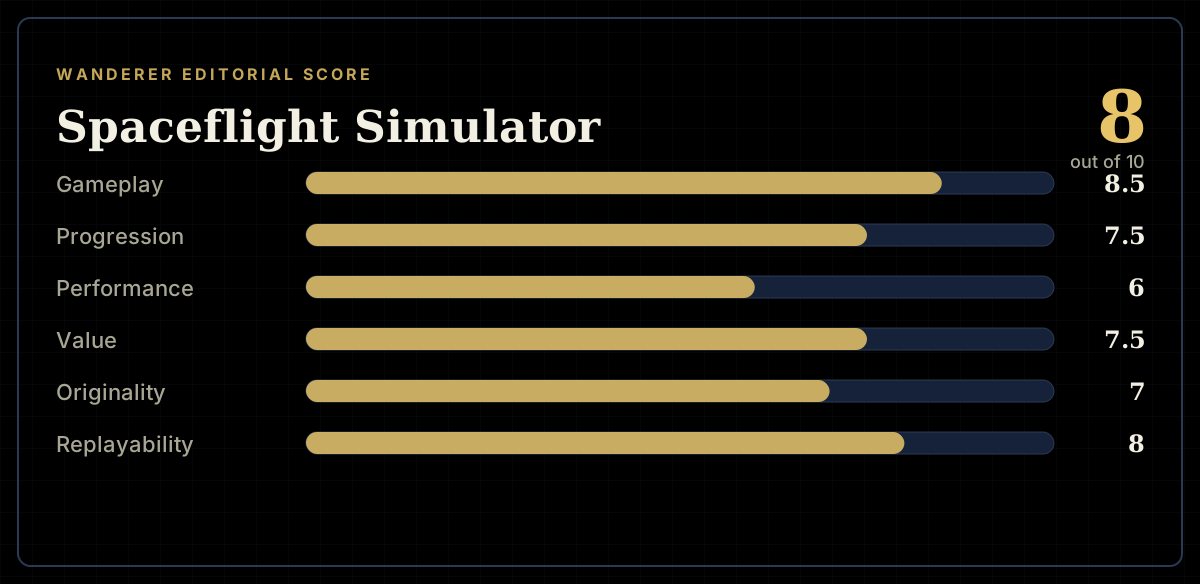
8 / 10
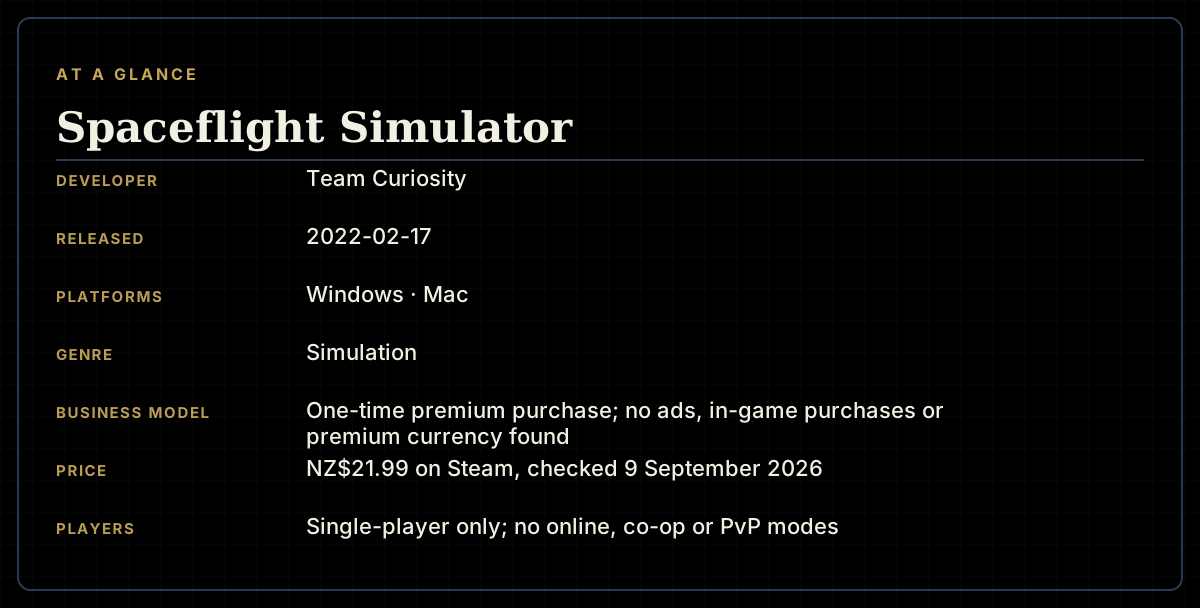
- Developer
- Team Curiosity
- Publisher
- Team Curiosity
- Released
- 17 February 2022
- Platforms
- Windows, Mac
- Genre
- Simulation
- Monetisation
- One-time premium purchase; no ads, in-game purchases or premium currency found
- Players
- Single-player only; no online, co-op or PvP modes
The short version
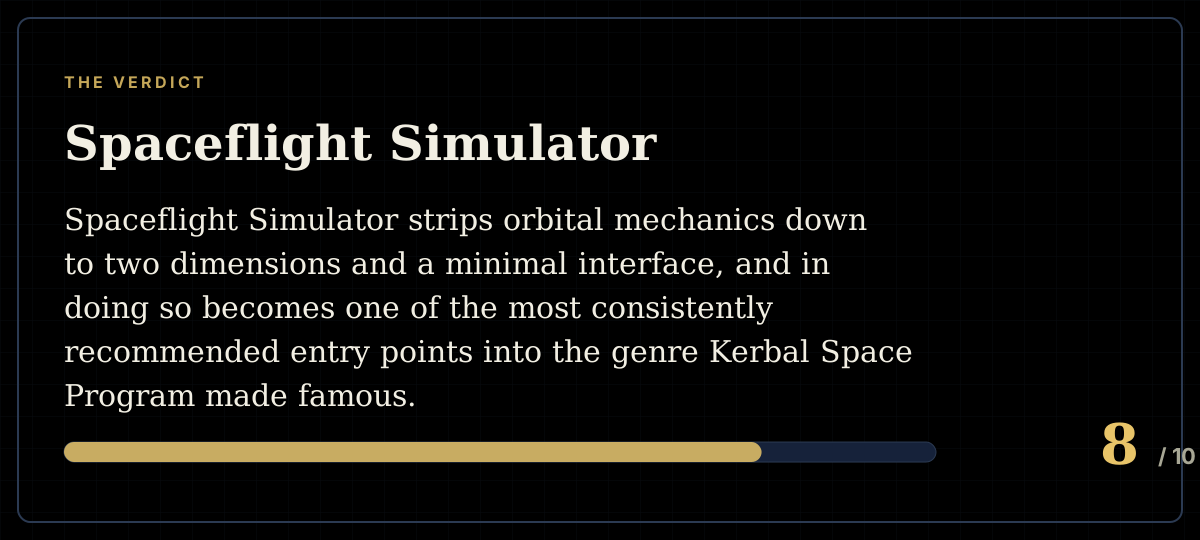
Spaceflight Simulator strips orbital mechanics down to two dimensions and a minimal interface, and in doing so becomes one of the most consistently recommended entry points into the genre Kerbal Space Program made famous. Nearly 9,740 reviews sit at almost 97% positive, and the praise is unusually specific: reviewers describe it as the game that finally made orbital mechanics click for them, a real teaching tool wrapped in a genuinely satisfying rocket-building sandbox, with a community pushing the physics and modding tools into places the developer never explicitly designed for.
What keeps this from a clean, unqualified recommendation is a real, dated content drought. Development slowed sharply after mid-2023, and a detailed February 2024 review begs the solo developer by name to return to the project, describing the silence as genuinely upsetting a community that had built real creative culture around the game. That silence lasted roughly two and three-quarter years before a major update and a confirmed sequel announcement finally arrived in early 2026. A specific, reported freeze bug requiring a full system restart also doesn't appear to have a confirmed fix in the public record. Both are real, documented costs against an otherwise exceptional game.
Biggest strengths
- A genuinely excellent teaching tool for orbital mechanics, with reviewers repeatedly describing concepts that never clicked in more complex games finally making sense here
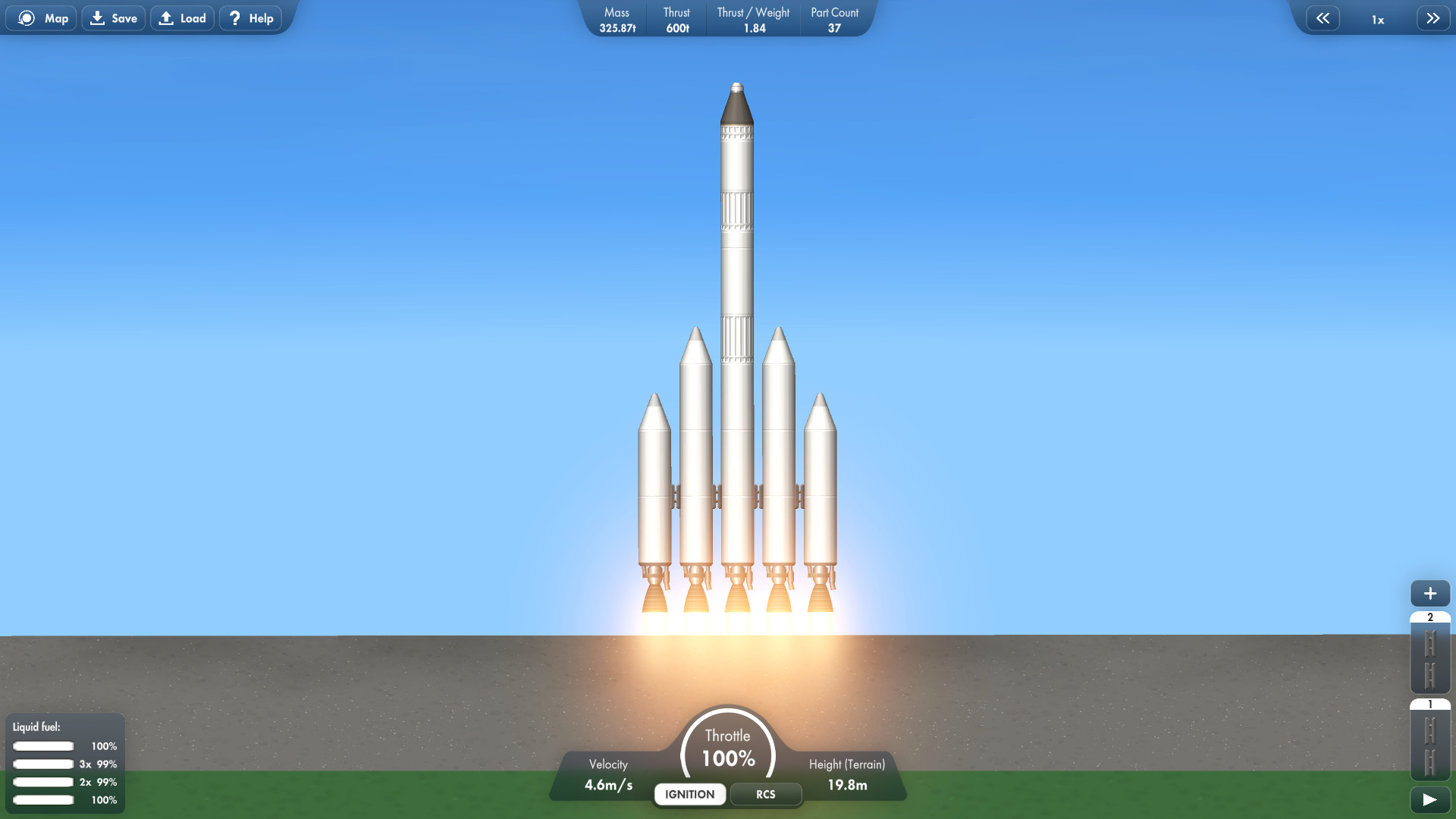
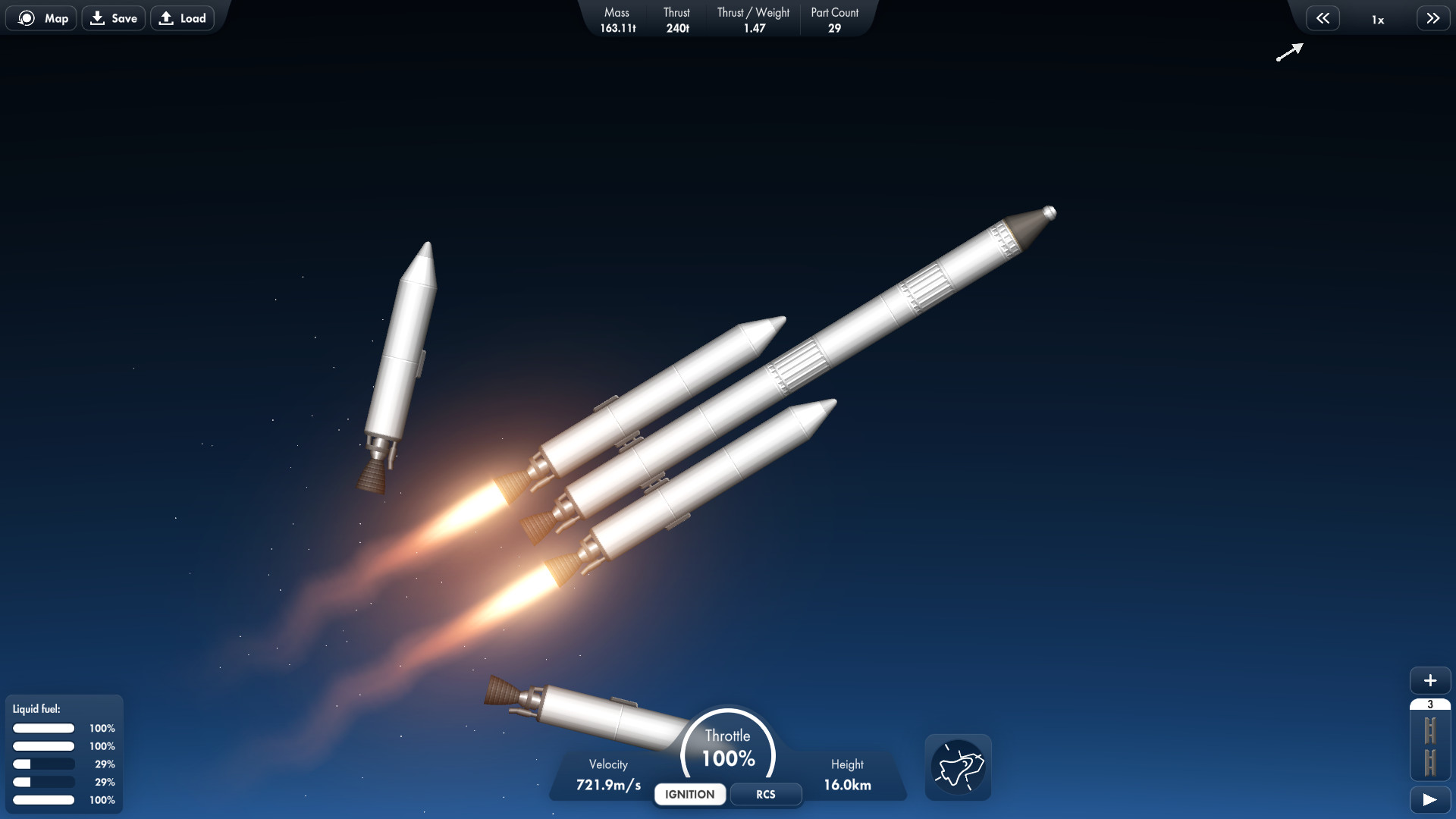
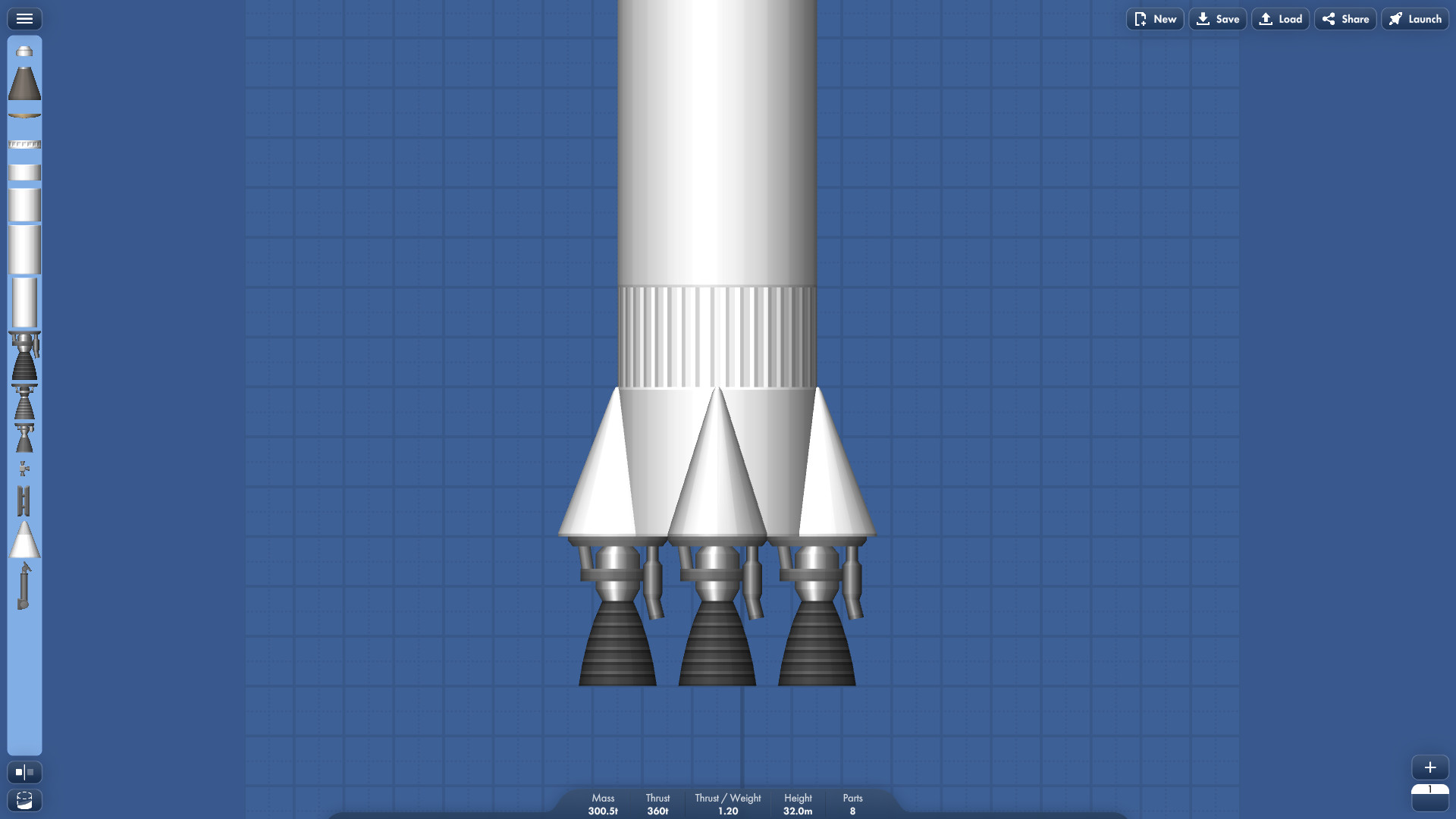
- A satisfying, creative rocket-building sandbox that supports genuine engineering experimentation, with a dedicated community pushing designs and mods well past anything the base game explicitly anticipated
- Built-in progression through real milestones — reaching orbit, then other planets — giving the sandbox a real sense of escalating challenge rather than aimless building
Biggest weaknesses
- Development slowed sharply for roughly two and three-quarter years, from mid-2023 into early 2026, with detailed reviews from that period describing real frustration and directly appealing to the solo developer by name to return to active work
- A specific, reported freeze bug can lock up the game entirely, requiring a full system restart to recover, and this review found no confirmed fix for it in the public patch record
- As a 2D simplification of orbital mechanics, some concepts and systems that make Kerbal Space Program deep are necessarily left out, which reviewers note explicitly as a trade-off rather than a flaw — worth knowing if you're looking for that specific depth
Who it's for: Anyone curious about orbital mechanics and rocket design who's found Kerbal Space Program intimidating, plus KSP veterans who enjoy a simpler, faster-paced take on the same core ideas. Broadly appealing across ages, per reviewers who specifically recommend it for kids and teens alongside adults.
Our recommendation: One of the best entry points into orbital-mechanics sandboxes on Steam, worth buying with confidence now that real content updates have resumed after a genuine multi-year gap.
8 / 10
Spaceflight Simulator takes the idea Kerbal Space Program made famous — build a rocket piece by piece, launch it, and try not to die learning orbital mechanics the hard way — and flattens it into two dimensions with a deliberately minimal interface. That simplification is the entire reason reviewers keep recommending it: nearly 9,740 reviews sit at almost 97% positive, and the praise running through them is unusually specific rather than generic enthusiasm. More than one reviewer describes it directly as "Kerbal Space Program, but for idiots who can't understand KSP" — meant, and taken, as a genuine compliment rather than an insult to either game.
Orbital mechanics that finally click
The single most repeated theme across this game's review base is teaching value. Reviewers describe concepts — orbital insertion, gravity assists, the basic physics of getting from a launchpad to another planet — that never made sense to them in heavier simulators finally clicking here, thanks to a stripped-down presentation that removes enough variables to let the core ideas stand out clearly. One detailed review frames it as "a fantastic first step into orbital mechanics or a way to test the waters before investing in a heavier title like KSP," a specific, useful framing that a lot of the broader review base independently arrives at. Built-in milestone challenges — reach orbit, then the Moon, then Mars and beyond — give the sandbox real structure and a sense of escalating mastery rather than open-ended building with no goalposts.
A creative sandbox with a real community behind it
Beyond the teaching value, reviewers describe genuine creative depth: a community that's pushed the game's physics and modding tools into designs and techniques the developer never explicitly intended, described by one reviewer as "bringing together a community of really bright minds." That kind of organic, emergent creative culture is hard to manufacture deliberately, and its presence here is a strong, independent signal that the underlying systems are genuinely well-built rather than just approachable. Reviewers who've followed the game since its earlier life as a mobile hobby project describe real pride in watching it mature into a full, well-regarded Steam release — a growth story this review can't independently verify in detail, but one that recurs often enough across the review base to treat as broadly accurate.
A real, dated silence — named directly by a frustrated fan
Set against all of that is a genuine, documented gap in development. This game's own public event history shows real content updates through June 2023, then nothing specific to Spaceflight Simulator again until March 2026 — a gap of roughly two years and nine months. A detailed review dated February 2024, squarely inside that silence, captures the frustration directly: after praising the game's concept and execution at length, the reviewer addresses the developer by first name, writing "you abandoned us and your game, you dont add any new content and its driving everyone insane, please come back and work on your game again, i beg." That's about as specific and heartfelt an appeal as this fleet has documented, and it's worth taking at face value as evidence the drought was real and it mattered to the people who'd built a community around the game.
The silence broke, with real news to show for it
To its credit, the record since is genuinely good. A "1.6 Full Solar System Update" and a separate developer update revealing plans for a sequel, Spaceflight Simulator 2, both landed in the first half of 2026 — real, substantial news rather than a token gesture, arriving specifically after years of the community publicly asking for exactly this. This review can't confirm from available sources exactly what the 1.6 update changed in detail, but its existence, timing, and the accompanying sequel announcement are a meaningfully different, more reassuring picture than the silence that preceded it. A separate, specific technical complaint remains less resolved: at least one detailed reviewer reports a freeze bug severe enough to require a full system restart to clear, and this review found no patch note in the public record specifically confirming a fix for it.
A trade-off reviewers name honestly
Not every comparison to Kerbal Space Program is framed as pure praise for the simpler game. Reviewers who know both titles well are explicit that flattening the sandbox to two dimensions necessarily leaves out systems that make KSP's own depth possible — full 3D orbital planes, more complex staging and part interactions, and the kind of mission variety a bigger, longer-developed game can support. That's stated as an honest trade-off rather than a hidden flaw: the same simplicity that makes orbital mechanics click for newcomers is exactly what limits how far the sandbox can go for players who eventually want more. Reviewers recommend treating Spaceflight Simulator as a genuinely complete experience in its own right, or as a stepping stone toward KSP, rather than as a full substitute for it — a distinction the game's own community seems to have made peace with, given how much genuine long-term engagement and creative output still exists within Spaceflight Simulator's simpler boundaries.
Where it lands
Spaceflight Simulator earns its exceptional review standing honestly: a genuinely well-designed, accessible entry point into orbital mechanics, a real and active creative community, and — as of this review — a development project that's demonstrably active again after a real, well-documented quiet stretch that upset the people who cared most about it. An 8 credits a game doing something genuinely valuable and doing it well, while taking seriously both the years its own community spent asking for the developer's return and a specific technical bug this review couldn't confirm has been fixed.
Pros and cons
Pros
- A genuinely excellent teaching tool for orbital mechanics, with reviewers repeatedly describing concepts that never clicked in more complex games finally making sense here
- A satisfying, creative rocket-building sandbox that supports genuine engineering experimentation, with a dedicated community pushing designs and mods well past anything the base game explicitly anticipated
- Built-in progression through real milestones — reaching orbit, then other planets — giving the sandbox a real sense of escalating challenge rather than aimless building
- A remarkable growth story: reviewers who've followed the game since its mobile origins describe watching it mature into a full, polished Steam release, and a large majority say the current Early Access price is easily justified by what's already here
- A major update and a confirmed sequel, Spaceflight Simulator 2, both landed in early 2026, demonstrating the project is genuinely active again after its quiet stretch
Cons
- Development slowed sharply for roughly two and three-quarter years, from mid-2023 into early 2026, with detailed reviews from that period describing real frustration and directly appealing to the solo developer by name to return to active work
- A specific, reported freeze bug can lock up the game entirely, requiring a full system restart to recover, and this review found no confirmed fix for it in the public patch record
- As a 2D simplification of orbital mechanics, some concepts and systems that make Kerbal Space Program deep are necessarily left out, which reviewers note explicitly as a trade-off rather than a flaw — worth knowing if you're looking for that specific depth
Screenshots
-
Spaceflight SimulatorImage: Team Curiosity via Steam -
Spaceflight SimulatorImage: Team Curiosity via Steam -
Spaceflight SimulatorImage: Team Curiosity via Steam -
How the review scores each part of the gameWanderer Editorial -
The specsWanderer Editorial -
The short versionWanderer Editorial