Game review
Shattered Chess
8 / 10
- Developer
- Arti Works
- Publisher
- Arti Works, EasyPizza
- Released
- 5 June 2026
- Platforms
- Windows
- Genre
- Casual, Sports, Strategy
- Monetisation
- paid
- Players
- false
The short version
Biggest strengths
- A genuinely original reinvention of chess mechanics, closer in spirit to Balatro's combo-and-synergy structure than to traditional chess, with reviewers consistently praising how different each run can feel
- A deep, satisfying build system around upgrading individual piece movement and stacking passive synergies, described by many reviewers as the game's standout feature
- Boss Rush mode and rule-bending bosses that force real strategic adaptation rather than repeating the same winning build every run
Biggest weaknesses
- A real, widely acknowledged opening learning curve, with multiple reviewers describing the first 30 minutes to an hour as rough or overwhelming before the systems click
- UI legibility issues corroborated by more than one reviewer: wordy quest and boss descriptions that are easy to overlook or misread, and insufficient visual feedback for some boss penalty mechanics
- Random piece-spawn placement that at least one reviewer felt could unfairly derail a run despite limited respawn options
Who it's for: Fans of Balatro-style synergy-building roguelikes and chess puzzle fans looking for a fresh, non-traditional spin on the genre, with the patience for a real opening learning curve
Our recommendation: recommended
8 / 10
Shattered Chess released in full on Steam on June 5, 2026, from developer Arti Works and publishers Arti Works and EasyPizza, a fast-paced roguelike that borrows chess pieces and a board but almost nothing else from the traditional game, instead asking players to chain massive combos, build game-breaking synergies between piece upgrades, and survive rule-changing bosses. Its 30-review English pool is a perfect 100% Positive, and reviewers are strikingly consistent about the single comparison that best explains what's going on here: this is less traditional chess and more Balatro with a chessboard skin.
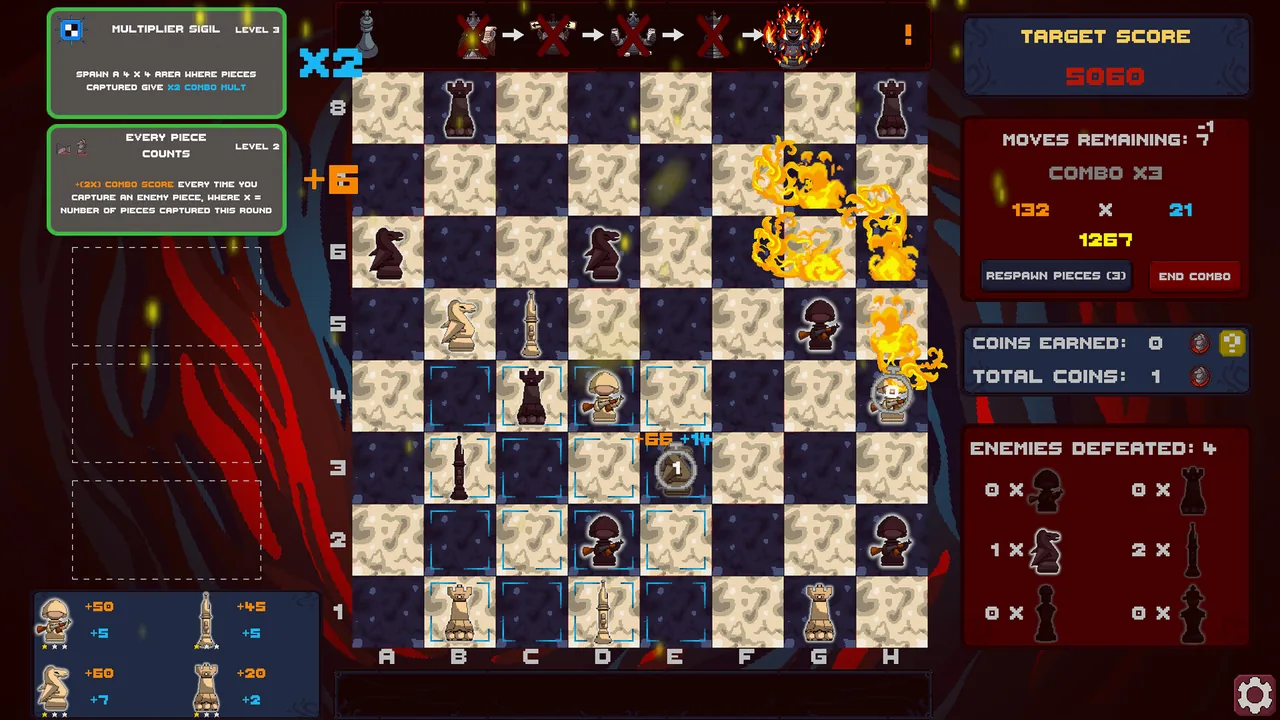
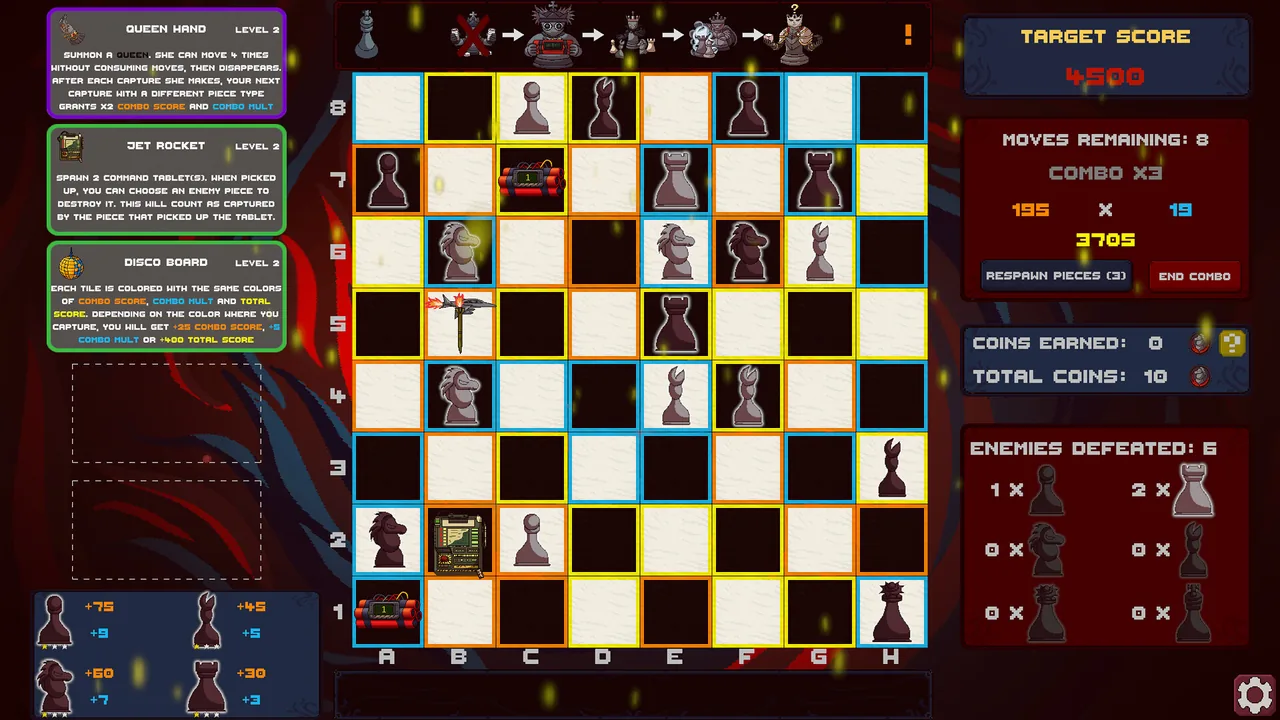
That comparison comes up unprompted, review after review. One player wrote it's "more like Balatro than traditional chess, and I started enjoying it even more once I began connecting the dots and making builds," while another described the core structure precisely: "it doesn't play like traditional chess, as the enemies do not move. The idea instead is to upgrade your pieces and passives (like jokers) to be able to meet a certain 'required' score." Another reviewer framed the design philosophy as a genuinely fresh puzzle format: "it feels like a more interesting version of those chess puzzles like 'have the knight touch every square,'" noting that unlike other recent chess roguelikes, this one challenges players to find the best move order on a largely static board rather than reacting to an opposing side.
The build and synergy system is the pool's most consistently praised feature. One reviewer called the movement-upgrade system "a really interesting idea," explaining that "upgrading each piece's movement opens up new possibilities and allows for even more creative passive combinations and strategies." Another described the escalating satisfaction directly: "the more I played, the more addictive the game became. Once you start discovering powerful synergies and chaining huge combos, every run feels different and keeps you coming back for more." A self-described beginner who "only knows how the chess pieces move on the board" reported initially feeling overwhelmed by the passives and effects, but ultimately found the game "very fun and satisfying" once the systems clicked, a useful data point suggesting the game rewards patience regardless of a player's existing chess background.
Difficulty and boss design draw specific praise for forcing real adaptation rather than letting players coast on a single winning strategy. One reviewer highlighted the Boss Rush mode and higher difficulty tiers as providing "a real challenge" for players who "enjoy difficult games that reward planning and optimization," while another noted that "some bosses are extremely tough and can completely change how you approach a run, forcing you to adapt your build and think ahead rather than relying on the same strategy every time." That same reviewer flagged one specific readability gap worth noting directly: a boss mechanic called "Powerless" reduces combo score to zero under certain inventory conditions, but offers little visual warning before it triggers, meaning players who don't carefully read the boss's text description can be punished without understanding why.
The learning curve is real and acknowledged consistently enough to be a genuine, not overstated, caveat. One reviewer described "the first 30 minutes" as "a bit rough," needing "a few runs to fully understand how everything worked" before the hour that followed "flew by." Another echoed the same shape of the experience almost exactly: the mechanics require "a bit of patience at first," but become "extremely fun" once synergies start clicking. That learning curve is compounded, according to two independent reviewers, by UI text that runs long; one specifically wanted quest and boss descriptions "shortened for better understanding," while a separate reviewer's only real complaint was that in-run quests "don't stand out enough in the UI" and are easy to forget mid-session.
A smaller handful of reviewers flagged rougher edges without it affecting their overall recommendation. One noted frustration with random piece-spawn placement occasionally working against a run despite a limited number of respawns available to mitigate it, and the same detailed reviewer who flagged the Powerless-mechanic readability issue also reported a few minor, non-crashing bugs during extended play. None of these complaints, across the entire 30-review pool, resulted in a single negative review.
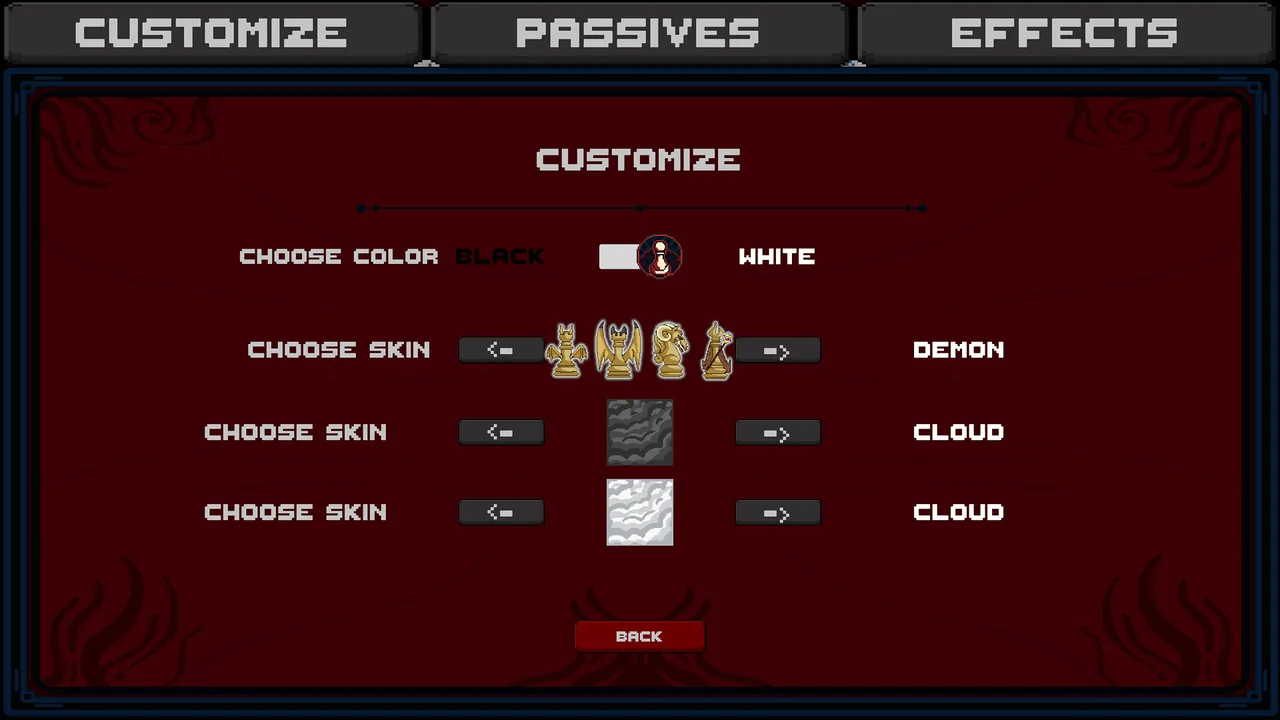
Presentation also earned its share of specific compliments beyond the core mechanics. One reviewer specifically called out "the homemade graphic design and animations," while others noted the catchy, well-matched soundtrack and the appeal of the board and piece customization options, with one reviewer singling out an "Army" piece skin as a personal favorite. That customization is purely cosmetic, but it's the kind of small, evidently hand-crafted touch that reinforces the sense reviewers repeatedly describe of a small team putting real, deliberate care into a concept that could easily have shipped as a much thinner gimmick. Several reviewers also noted they had been following the game since an earlier demo release, and specifically felt the jump from demo to full release delivered on that early promise rather than falling short of it.
On value, reviewers were consistently positive about the roughly $8 asking price given the depth of the build system and the replayability of chasing new synergy combinations across runs. Taken together, Shattered Chess is a genuinely inventive, well-executed reinvention of a very old game, demanding enough early on to require real patience, but rewarding enough once its systems click that its unanimous review pool feels earned rather than lucky. For fans of synergy-driven roguelikes or chess puzzles looking for something structurally different, it's an easy recommendation.
Pros and cons
Pros
- A genuinely original reinvention of chess mechanics, closer in spirit to Balatro's combo-and-synergy structure than to traditional chess, with reviewers consistently praising how different each run can feel
- A deep, satisfying build system around upgrading individual piece movement and stacking passive synergies, described by many reviewers as the game's standout feature
- Boss Rush mode and rule-bending bosses that force real strategic adaptation rather than repeating the same winning build every run
- Board and piece skin customization that adds a light but appreciated layer of personalization on top of the core mechanics
Cons
- A real, widely acknowledged opening learning curve, with multiple reviewers describing the first 30 minutes to an hour as rough or overwhelming before the systems click
- UI legibility issues corroborated by more than one reviewer: wordy quest and boss descriptions that are easy to overlook or misread, and insufficient visual feedback for some boss penalty mechanics
- Random piece-spawn placement that at least one reviewer felt could unfairly derail a run despite limited respawn options
- A handful of minor, non-crashing bugs reported by one detailed reviewer during extended play
Screenshots
-
Shattered ChessImage: Arti Works via Steam -
Shattered ChessImage: Arti Works via Steam -
Shattered ChessImage: Arti Works via Steam