
Game review
SCREAM NOTE Review
2.5 / 10
- Developer
- REAL PLAYERS
- Publisher
- REAL PLAYERS
- Released
- 28 July 2026
- Platforms
- ["Windows"]
- Genre
- Party Horror
A Death Note Pitch That Delivers a Getting Over It Game
SCREAM NOTE released on Steam on July 28, 2026, from developer and publisher REAL PLAYERS, for $7.99. The pitch, drawn straight from the name, is a co-op party game where you write a friend's name in a notebook to sic a jumpscare on them, trapped together in a haunted house you're supposed to escape as a group. That's not the game most buyers say they got. The review response has landed at Negative, with just 1 of 32 reviews recommending it, and the single loudest, most consistent complaint in the sample is that the actual gameplay is a punishing first-person precision platformer through an oversized kitchen, closer to Getting Over It or a rage-climb challenge than anything resembling comedy horror. One reviewer put it bluntly: they expected a bodycam-style Death Note riff and instead found "a getting over it with bennet foddy type game," and that gap between the store page's promise and the shipped product runs through almost every negative review in the sample.
The Jumpscares Are the One Thing That Works
To REAL PLAYERS's credit, the part of the pitch that is actually in the game does function: the store page's headline claim of 222 unique jumpscares checks out, the developer posted a full changelog naming them the day before launch, and the handful of positive-leaning accounts single out the sheer variety and a few genuinely funny entries as the game's best moments. Writing a friend's name and watching a monster specifically target them lands as intended when it triggers, and even several of the negative reviews carve out an exception for this piece, describing it as "impressively hilarious" in the reviewer's own words. The problem is how rarely players get far enough to see the good ones. One detailed review notes that the rarer, better-designed scares are so infrequently rolled that a four-person group playing for roughly two hours barely encountered a handful, leaving most players stuck watching the same few generic scares on repeat before they ever reach the content the marketing leans on hardest.
The Parkour Is the Reason Almost Nobody Gets That Far
The overwhelming majority of the negative sample doesn't complain about horror or comedy at all, it complains about traversal. Getting across the game's single fully-realized kitchen level requires precise first-person platforming across giant, slippery countertop objects, and reviewers across the board describe an early climbing section, on and around a chair near the second kitchen counter, as a hard wall that ends most sessions within minutes. Multiple reviewers explicitly frame this as a design mismatch: a game marketed on friend-group comedy and jumpscares is instead gatekept by a genuinely difficult, unforgiving movement challenge that has nothing to do with either. One long, otherwise fairly generous review recommends the game specifically for players who already enjoy rage-platformers and parkour content, while warning that "the average player" will simply bounce off the first real obstacle and never see anything else the game has to offer.
Broken Camera, High Sensitivity, and a Missing Neighborhood
Layered on top of the difficulty spike are more straightforward technical complaints. Several reviewers report the first-person camera failing outright, leaving them staring at the back of their own character's head for their entire session, alongside mouse sensitivity settings multiple players describe as unusably high by default. Performance issues, described as lag and stutter even in short sessions, come up often enough to suggest the problems aren't isolated to specific machines. Most damaging to the store page's credibility, one detailed review that stuck with the game long enough to finish its only available level reports that the promised structure, escaping through a neighborhood across multiple stages, simply isn't present; the level that exists is a single oversized kitchen, and finishing it reveals a message stating the player didn't actually win and must repeat the whole thing, which that reviewer calls out directly as the developer's description not matching the shipped content.
Silence Since Launch, Despite Reviewers Asking for Fixes
What's notable in the developer's own news history is how little of it there is. The only post on record is a message published the day before launch, listing all 222 jumpscares as a marketing beat; there's no follow-up changelog, hotfix note, or acknowledgment of the camera bug, the sensitivity default, or the missing neighborhood stages that reviewers describe finding instead of what was promised. That absence matters because several reviewers explicitly say they're withholding a positive verdict conditionally rather than permanently, one negative review states outright that they'll reinstall and reconsider the moment an update lands, framing their thumbs-down as provisional rather than final. Without any visible response in the weeks since launch, that patience has nothing to attach to, and it leaves the game's most winnable audience, people who liked the concept enough to want to come back, with no signal that the specific, well-documented problems they've flagged are being worked on.
A Social Game That Risks the Social Part
The framing built into the concept, that this is meant to be played with friends, cuts both ways once the difficulty spike hits. A handful of reviewers note, sometimes as a joke and sometimes not, that a co-op game this punishing can sour a group session fast: watching one player get stuck on the same climbing obstacle for twenty minutes while everyone else waits isn't the shared jumpscare comedy the store page advertises, it's a bottleneck. That tension, a party game whose core loop actively works against groups staying in a good mood together, is arguably a sharper design failure here than in a single-player rage-platformer, where at least only one person's patience is being tested at a time.
Verdict
SCREAM NOTE ships one thing its marketing describes accurately, 222 varied jumpscares, wrapped around a punishing precision-platforming layer that most players never get through and that has little to do with the comedy-horror, write-a-name premise the store page sells. With 1 of 32 reviews recommending it, broken first-person camera reports, and at least one detailed account of the promised multi-stage neighborhood escape simply not existing in the shipped build, this is hard to recommend at $7.99 even to friend groups specifically shopping for a rage-platformer, let alone to anyone expecting the horror party game advertised on the tin.
Screenshots
-
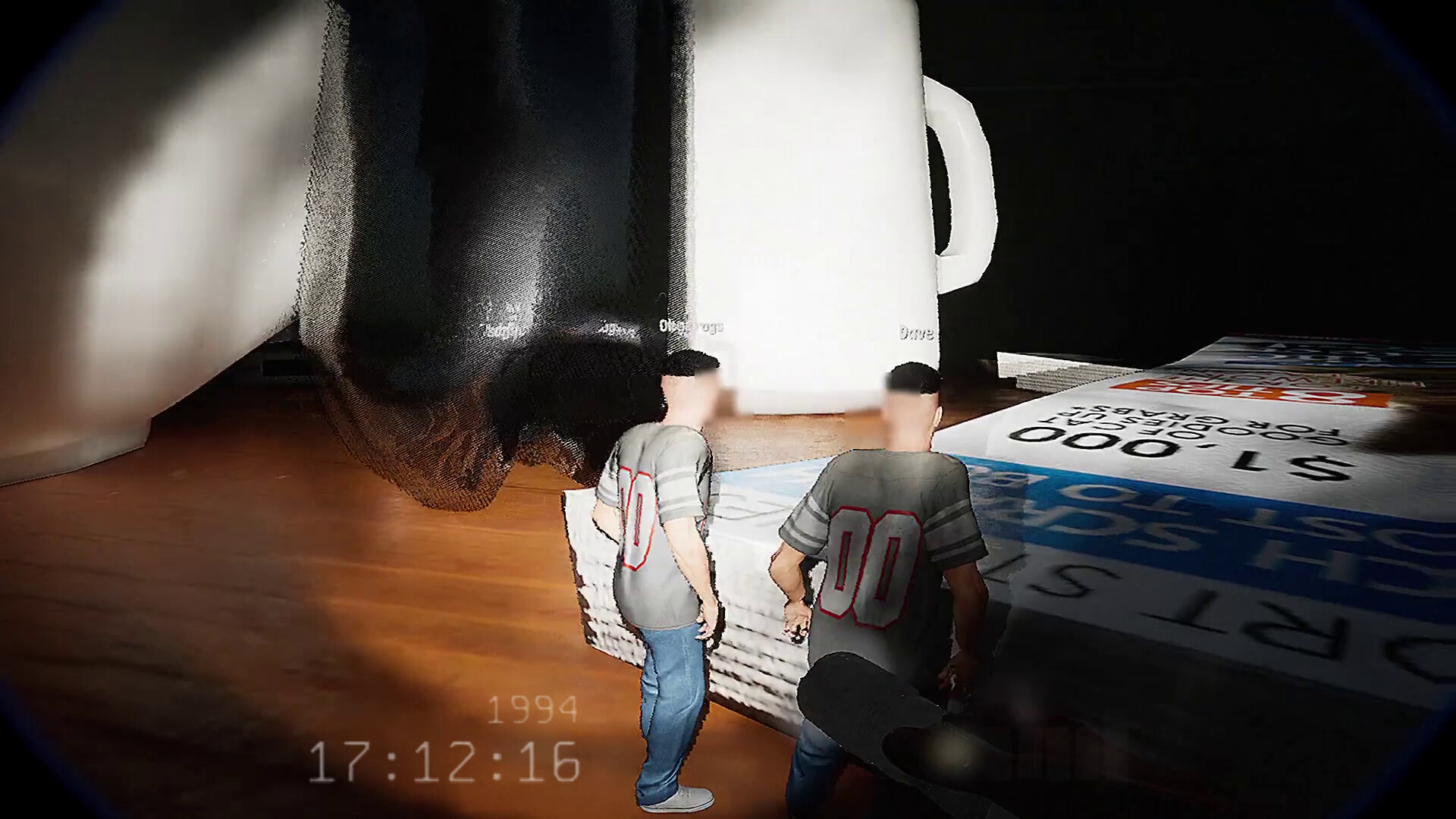
The oversized kitchen, the single climbing gauntlet most players actually see before quitting.Image: REAL PLAYERS via Steam -
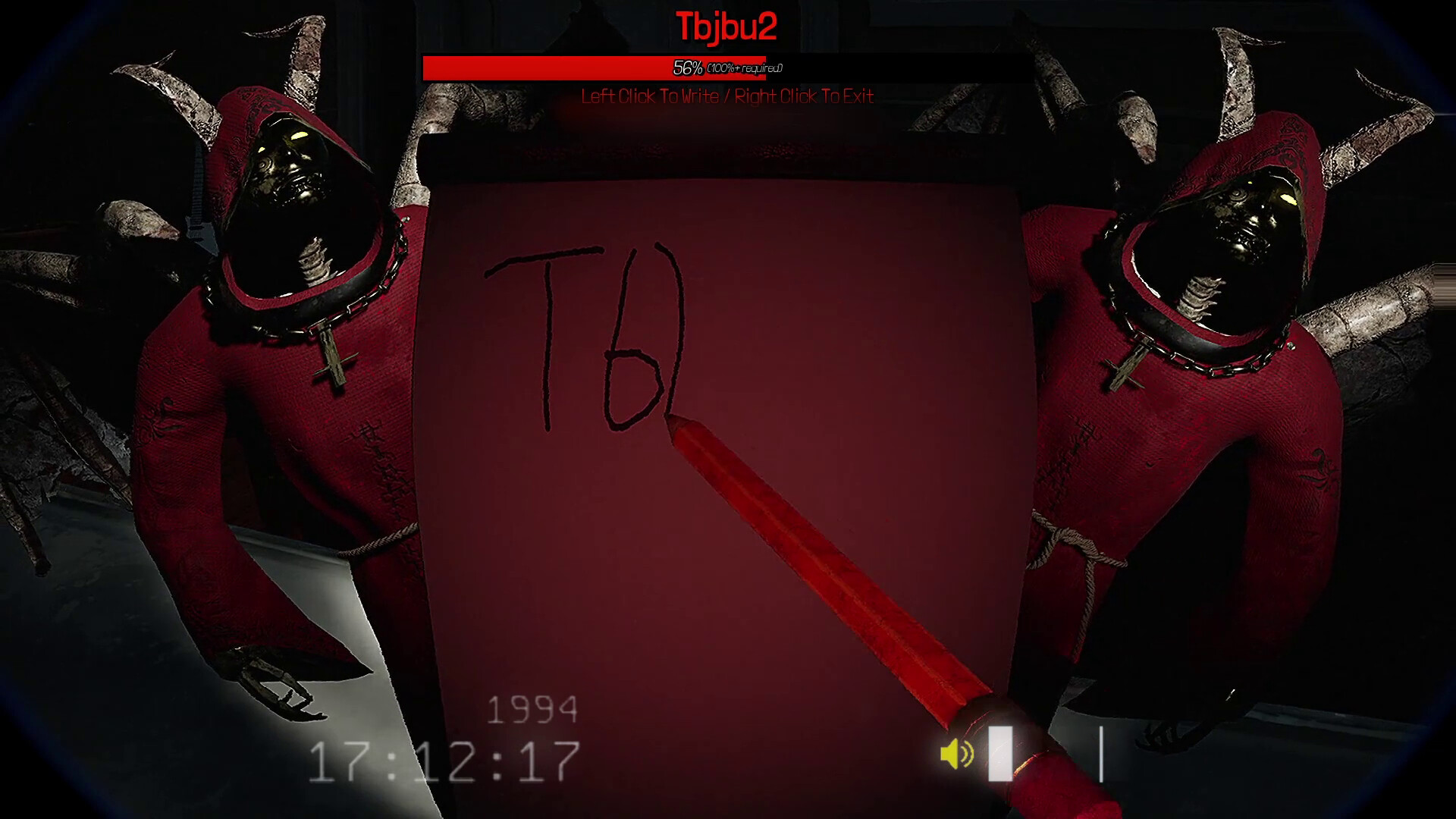
The name-writing mechanic the store page sells hardest, and the part of the game that works as advertised.Image: REAL PLAYERS via Steam -
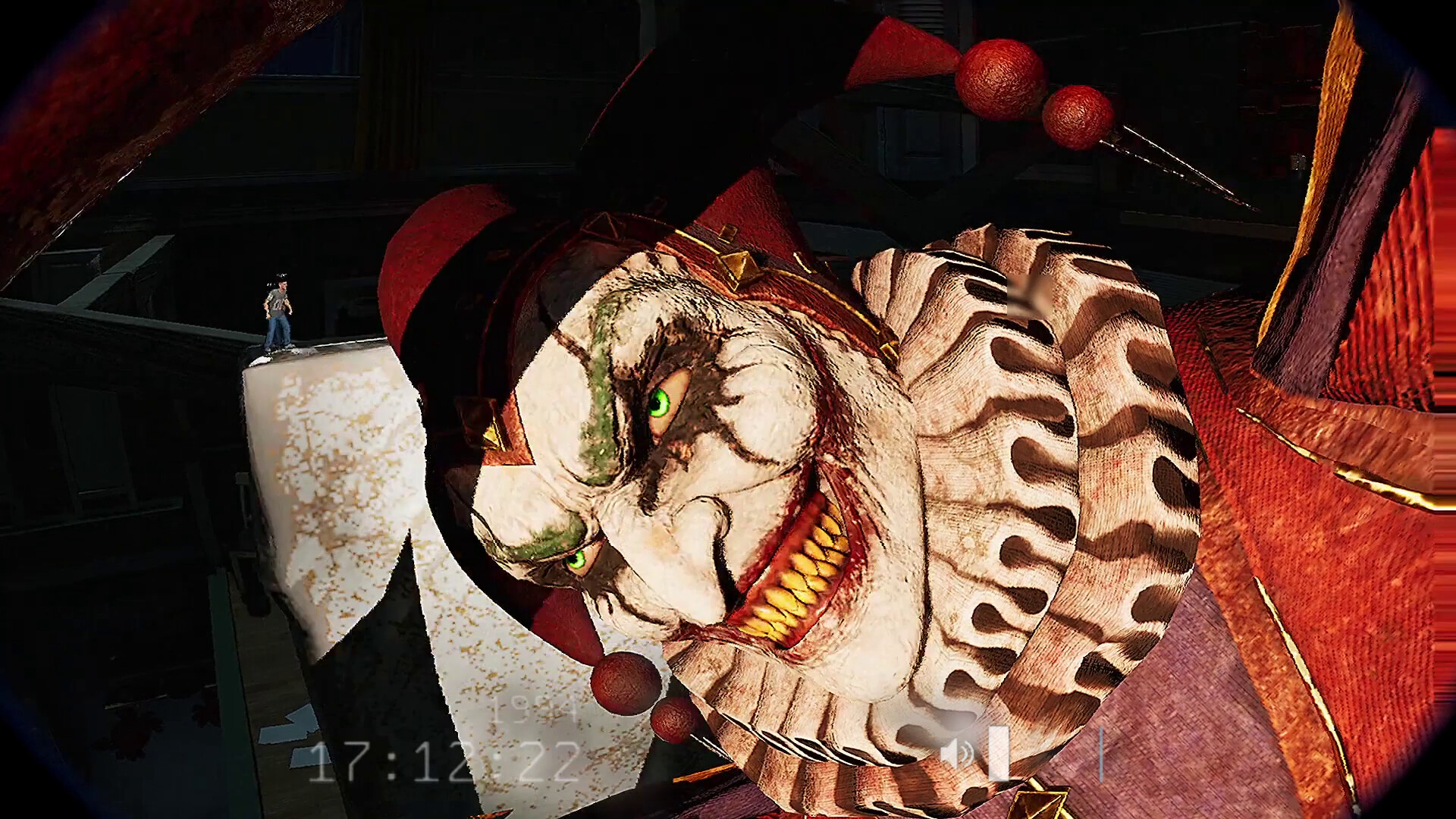
One of the 222 promised jumpscares, the developer's single most-cited selling point.Image: REAL PLAYERS via Steam