Game review
Codename CURE II Review
7.5 / 10
- Developer
- Raptor Byte
- Publisher
- indie.io
- Released
- 24 July 2026
- Platforms
- ["Windows"]
- Genre
- Co-op Shooter
A Decade-Later Sequel to a Beloved Free Mod
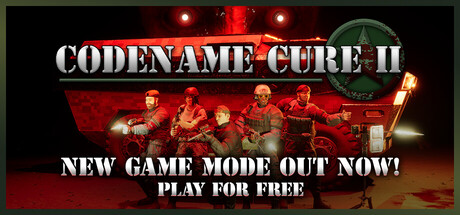
Codename CURE II launched on Steam on July 24, 2026, from a two-person team, developer Raptor Byte and publisher indie.io, and like its predecessor it costs nothing. The original Codename CURE was a Source-engine mod that many players in the review sample describe as a formative early Steam experience, and its sequel arrives with essentially no fanfare nearly a decade later. That nostalgia runs through the entire review sample: multiple reviewers describe genuine emotional reactions to discovering the sequel exists at all, and the Very Positive score, 524 of 654 reviews recommending it, reflects both a strong standalone product and a fanbase that clearly wanted this to succeed.
Left 4 Dead's Formula, Rebuilt by Two People
Mechanically, Codename CURE II is an unapologetic class-based co-op horde shooter in the Left 4 Dead mold: five players, five distinct classes, procedurally generated levels, and an A-to-B objective structure punctuated by boss-tier "special" zombies. Reviewers repeatedly praise the class synergy, noting that each role, from the shotgun-toting muscle class to the support and sniper roles, has a clear job that meaningfully affects how a run goes. The AI bot teammates get an unusual amount of specific praise for a genre where AI fill-ins are often an afterthought; several reviewers single out how effectively bots land headshots, use their abilities, and hold their own when a full human squad isn't available, with one reviewer calling it "insane" that a two-person team shipped bot AI this competent at launch.
A Genuinely Feature-Complete Free Launch
What repeatedly surprises reviewers, including several who came in with modest expectations for a free game from a tiny team, is how much shipped on day one. An offline mode, a server browser, in-game text chat, and a real customization system unlocked through earned in-game credits rather than a cash shop all draw specific praise as things "modern zombie games like Killing Floor 3" allegedly still get wrong. Multiple reviewers explicitly contrast Codename CURE II's lack of predatory monetization with bigger-budget live-service shooters, framing the optional cosmetic support pack as exactly the right way to ask for money without gating gameplay behind it. For a completely free release from a team this size, that combination of features is treated in the sample as close to unheard of.
Thin on Content, and the Team Knows It
The other side of the ledger is content volume. A recurring complaint, mostly from otherwise positive reviewers, is that Codename CURE II currently offers only three primary weapons and a pair of sidearms per class, with some options gated behind the optional support pack, and just a handful of procedurally generated tilesets that reviewers say start repeating noticeably after a dozen or so matches. Several detailed reviews frame this less as a flaw than a snapshot of a work in progress, listing specific requested additions, PvP, a survival mode, an extraction-under-fire mode, and pointing to the game's already-visible post-launch update cadence as reason for optimism. That optimism isn't blind faith: within two months of launch the developers shipped a major content update adding a new Survival game mode alongside a steady stream of numbered patches, a genuinely active pace for a two-person team supporting a free game.
The Engine Switch Split Long-Time Fans
Not every change from the original earns unanimous approval. Codename CURE II moved off the Source engine, and the small handful of negative reviews in the sample zero in specifically on that decision, arguing the resulting movement, lighting, and overall feel are jankier and less optimized than the original mod, with one reviewer flatly preferring the first game's zombie models nine years later. It's a minority view in the sample, most reviewers describe the new engine's jank as charming rather than broken, closer to "GMod zombie server" energy than a technical failure, but it's a real and specific enough complaint that anyone who loved the original Source-engine feel should go in with tempered expectations.
Objective Timers and Balance Are Still Being Tuned
A second, smaller cluster of negative reviews targets mission pacing rather than presentation, specifically extraction sequences where a tight timer combines with a sudden late-level spawn surge. Those reviewers describe failing runs to the clock rather than to the zombies themselves, calling the design "lazy" compared to a horde simply overwhelming the squad through difficulty rather than a ticking countdown. It's a fair critique of a specific design choice rather than a broad condemnation, and it sits alongside plenty of other reviewers explicitly praising the tension of a chaotic, close-call extraction, but it's worth knowing going in that not every failed run in Codename CURE II will feel earned.
Verdict
Codename CURE II is a genuinely impressive achievement for a two-person team: a free, feature-complete Left 4 Dead-style horde shooter with smart bot AI, an honest monetization model, and a visible commitment to post-launch support, wrapped around a decade of goodwill from the original mod's fans. The weapon roster is thin, the engine switch trades one kind of jank for another, and a couple of specific objective-design choices frustrate a vocal minority, but none of that outweighs what's actually here for the price of nothing. If you have four friends and fond memories of running from zombies in a Source mod a long time ago, Codename CURE II is an easy recommendation, and if you don't, it's still a solid, if unpolished, place to spend a free evening.
Screenshots
-
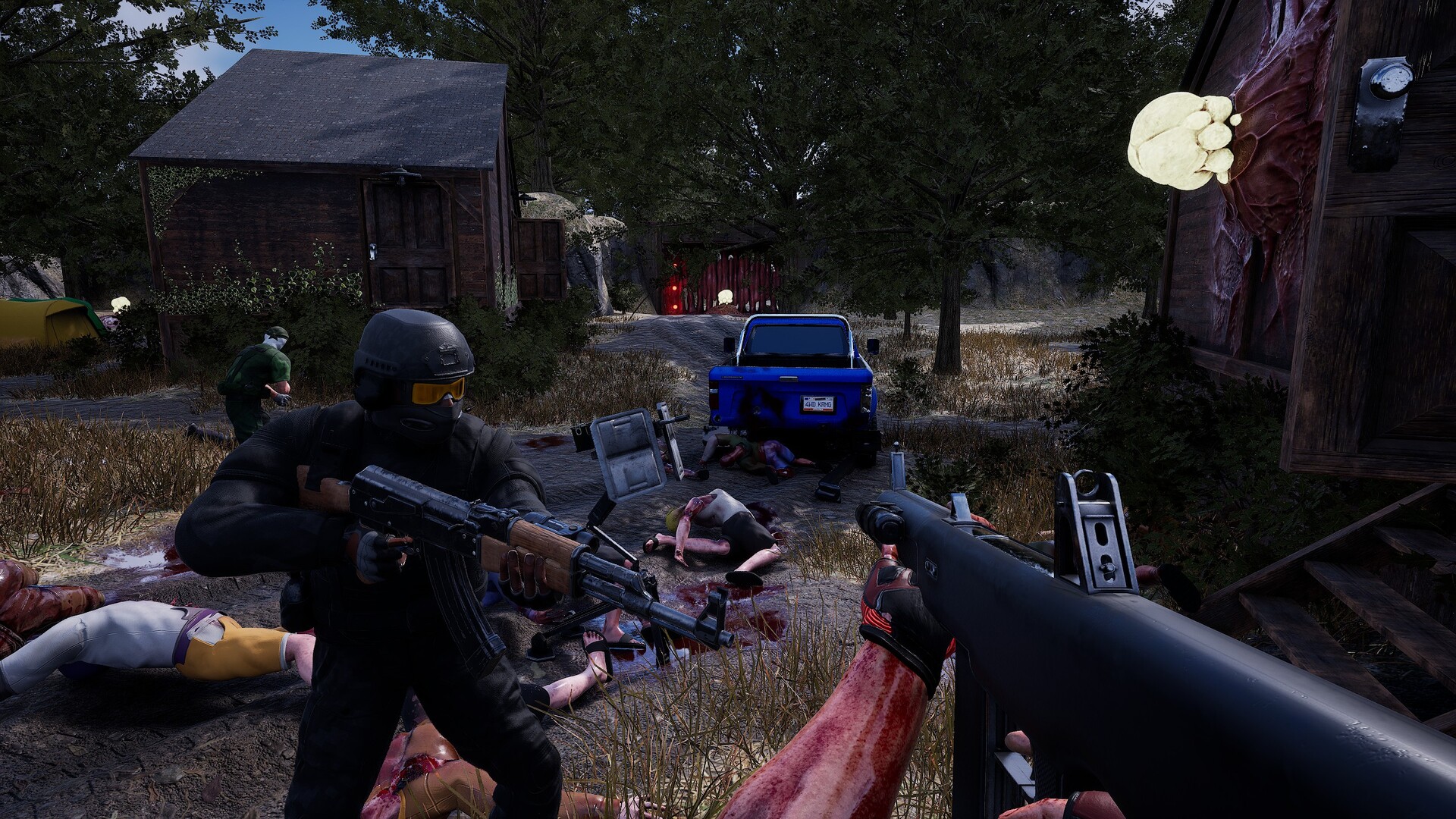
Daylight combat on a rural map, one of the procedurally generated settings reviewers say start repeating after enough runs.Image: indie.io via Steam -
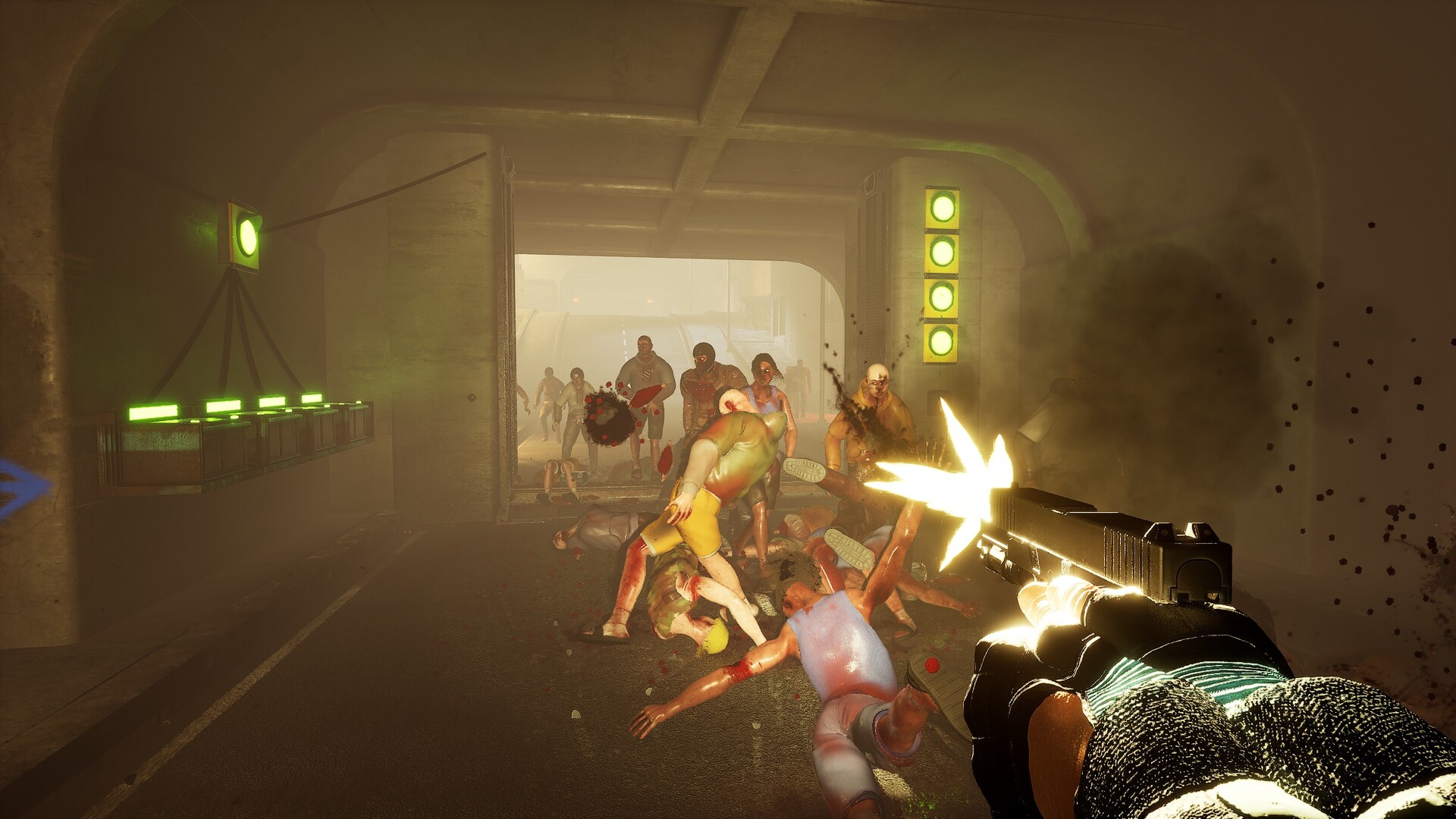
A chokepoint firefight in an underpass, the kind of close-quarters swarm reviewers compare to Left 4 Dead.Image: indie.io via Steam -
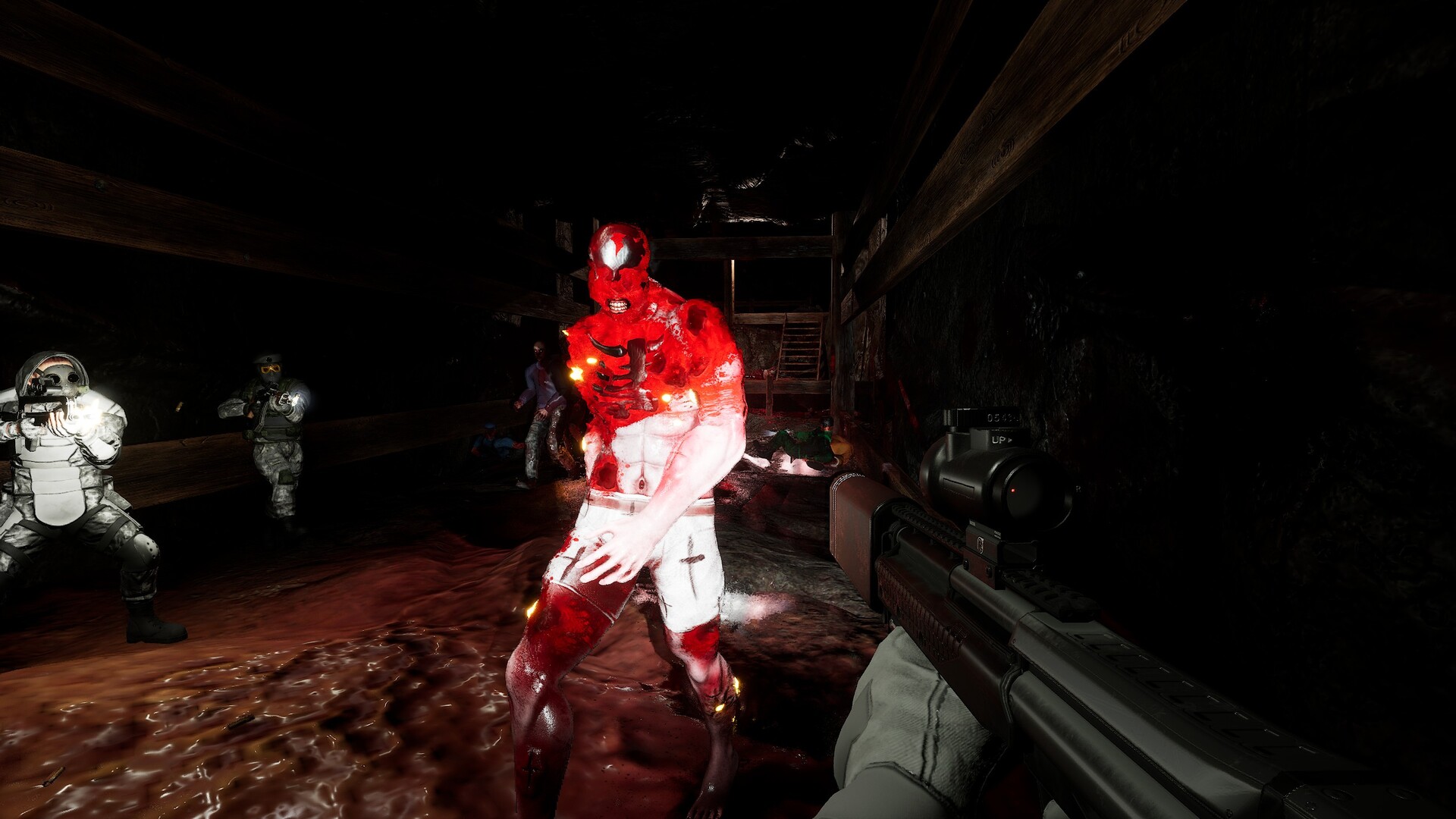
One of the game's boss-tier special zombies cornering a squad in a flooded mine tunnel.Image: indie.io via Steam