
Game review
Don't Fall Review
7.5 / 10
- Developer
- Shine 3D
- Publisher
- Shine 3D
- Released
- 21 May 2026
- Platforms
- ["Windows"]
- Genre
- Adventure
A Summit, A Physics Body, And Eleven Reasons To Believe The Title
Don't Fall is a physics-based 3D platformer from solo studio Shine 3D, released May 21, 2026 for $6.99, in which the entire pitch is contained in its title: reach the summit, solo or with up to a few friends, by rolling, jumping, and climbing through obstacles and traps across a run of distinct biomes, and whatever you do, don't fall. It's a familiar genre shape, precision physics-platformers built to punish and delight in equal measure have their own well-established lineage, but Don't Fall has quietly built an unusually clean record for a game most people haven't heard of: eleven English-language reviews, all eleven positive, a perfect Steam score for a title one reviewer flatly calls "a hidden gem I hadn't heard about." That kind of unanimous, small-sample enthusiasm is worth taking seriously precisely because there's no marketing push or SteamDB spike behind it, just players stumbling onto something that's holding up under actual play.
Rage As A Selling Point, Not A Complaint
What's striking about the review pool is how consistently players frame the game's difficulty as the thing they're recommending, not something they're tolerating. "This is the most rage inducing game of the century, this game now owes me a new keyboard, mouse, monitor, desk, pc, room, and at least 10 sessions with a therapist," one review reads, before concluding that if you want a game where you'll be shouting, this is it. Another: "Instantly became the worst thing in my life. I love it." A third, more measured but pointing at the same design principle: "It's hard but it's fun and it feels good to complete a section after 1000x tries." That's the tightrope precision platformers have to walk, difficulty has to feel earned rather than arbitrary, and the recurring theme across this pool is that Don't Fall's physics feel controllable enough that failure reads as a skill gap to close rather than a random punishment. "Great game! I rarely enjoyed and raged that much in a game at the same time... Controls are tight and the visuals awesome!" is about as clean a summary of that balance as a review pool offers.
Built To Break Friendships, On Purpose
The multiplayer angle gets called out specifically and warmly: "Multiplayer is also a blast, especially with friends," and, more pointedly, "perfect to break friendships if you can make it high enough and betray your friends." Online co-op and competitive multiplayer sitting on top of a physics platformer built around precarious footing is a natural fit, since every shove, every poorly timed jump near a friend, and every shared checkpoint becomes a social event rather than a purely solo test of reflexes. One reviewer's summary, "we all wanted to end ourselves (in minecraft) by the time we got to the end, 10/10 great game," reads like a co-op session that went exactly the way this kind of game is supposed to go: shared misery as the actual bonding experience. It's a smart design choice for a genre that can otherwise feel isolating in its punishment, turning solo rage into a group activity.
A Score-Reset Bug, And Not Much Else To Complain About
For a fully unanimous review pool, there's remarkably little friction reported, which makes the one concrete complaint worth flagging on its own merits: "The game reset the scores after the last update. Please fix. The game itself is funny," one reviewer wrote, a clear, actionable bug report about a leaderboard or scoring system getting wiped by a patch, rather than a complaint about the core game. That's the kind of issue a small, presumably solo-developed physics platformer can and should be able to fix without redesigning anything, and it says something in itself that even a reviewer flagging a real bug still closed out positively rather than souring on the whole experience. Beyond that single report, the closest thing to a criticism anywhere in the pool is players joking about the psychological toll of the difficulty curve, which functions here as praise rather than a warning.
Verdict
Don't Fall earns its unanimous, if still small, review pool: a tightly controlled physics platformer whose difficulty is calibrated to feel fair even when it's making players want to throw their monitor, backed by a multiplayer mode that turns shared failure into the actual appeal rather than an afterthought. At $6.99 with online co-op, PvP, achievements, and leaderboards on top of a solo climb, more than one reviewer specifically singles out the price as an easy sell for the amount of content and replay value on offer, and it's hard to argue with players who are still coming back after a thousand failed attempts at a single section. Its rough edges are minor and specific (a reported scoring bug after a recent update) rather than structural, and its originality lies less in reinventing precision platforming than in nailing the multiplayer framing that makes rage-inducing failure into something players want to repeat with friends. Anyone who's ever enjoyed the specific, self-inflicted suffering of a Getting Over It or a Jump King should add this one to the list; anyone allergic to controller-throwing difficulty should look elsewhere entirely.
What ultimately makes Don't Fall worth pointing at, beyond the numbers, is how rarely a small, quietly-released physics platformer manages to land every piece of its pitch on the first attempt: the movement has to feel precise enough that falling reads as a personal failure rather than a coin-flip, the biomes have to escalate at a pace that doesn't outrun the player's growing competence, and the multiplayer has to actually reward being in the room with someone rather than just tolerating their presence. Eleven reviews is nowhere near enough data to call any of that a guarantee going forward, and a solo studio's post-launch support is always a question mark rather than a promise, but everything currently on the record, the tight controls, the scaling difficulty, the friendships being cheerfully sacrificed on a shared climb, points at a developer who understood exactly what game they were making before a single review went up. That's a rarer thing than a perfect Steam score alone would suggest, and it's the real reason this one is worth seeking out ahead of louder, better-marketed competitors in the same crowded genre.
Screenshots
-
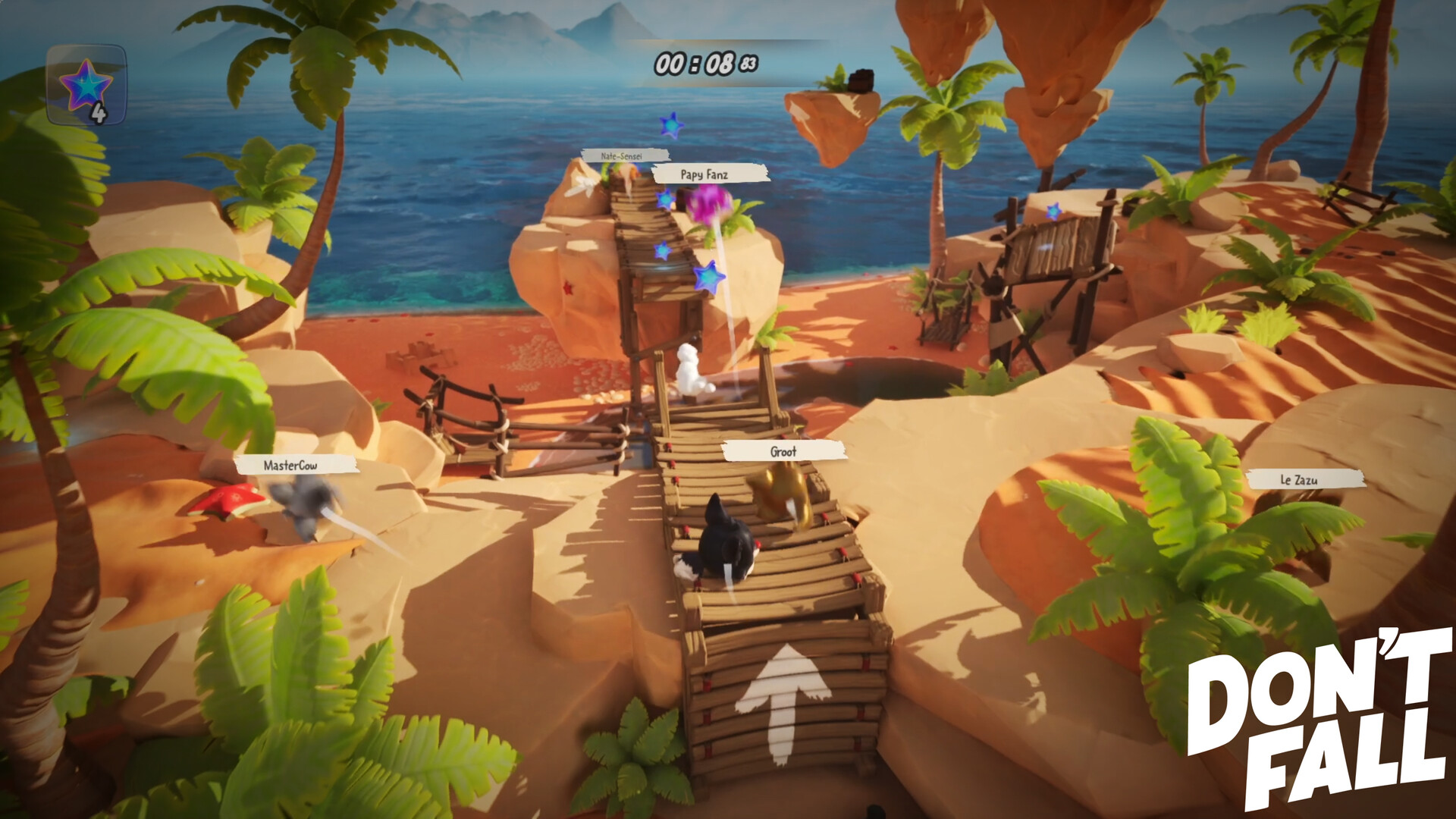
Named player tags turn every wobbling bridge crossing into a visible, chaotic race against friends rather than a solo test of nerve.Image: Shine 3D via Steam -
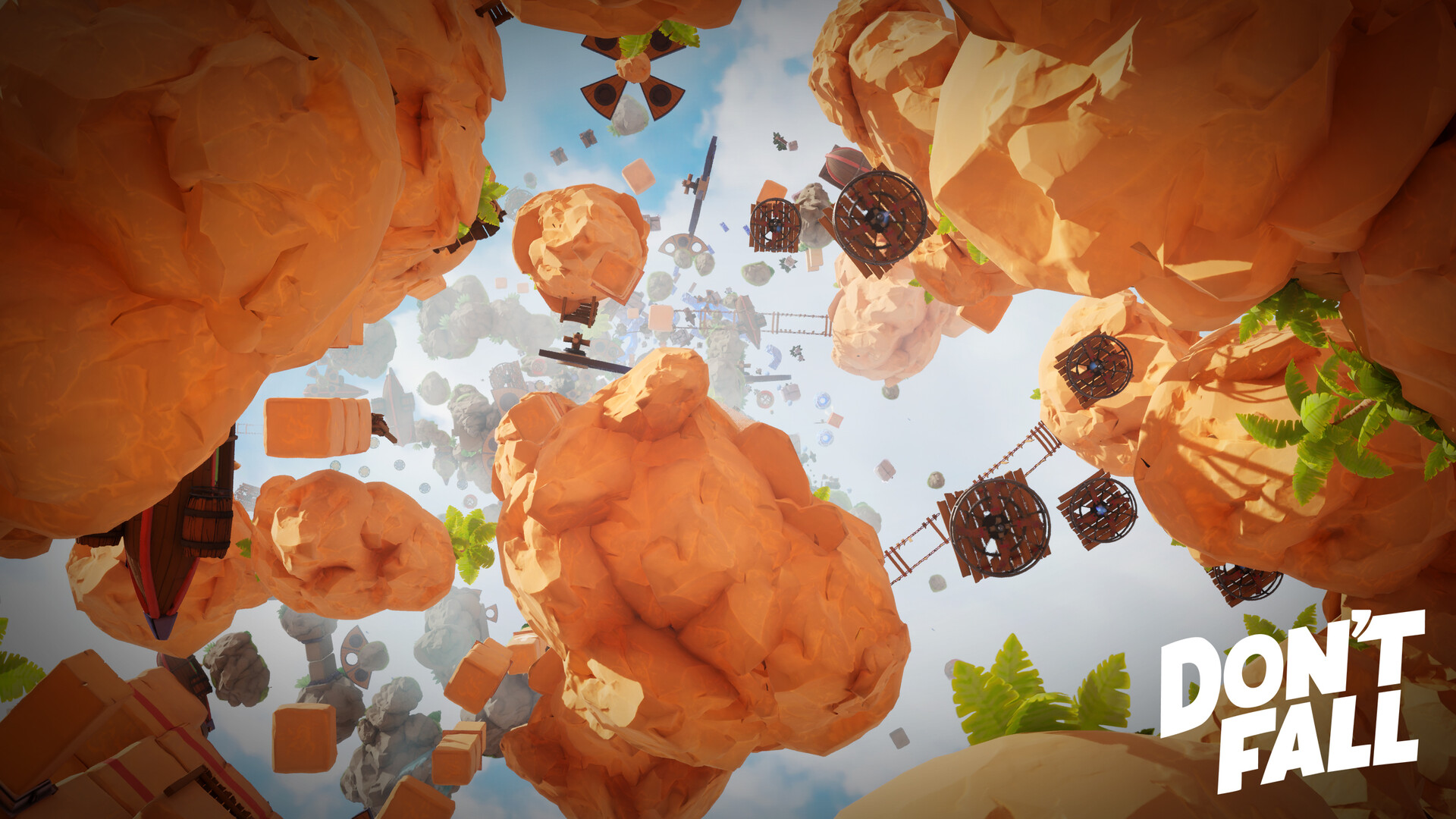
Later biomes stack obstacles vertically as much as horizontally, turning a simple climb into a genuinely disorienting 3D puzzle.Image: Shine 3D via Steam -
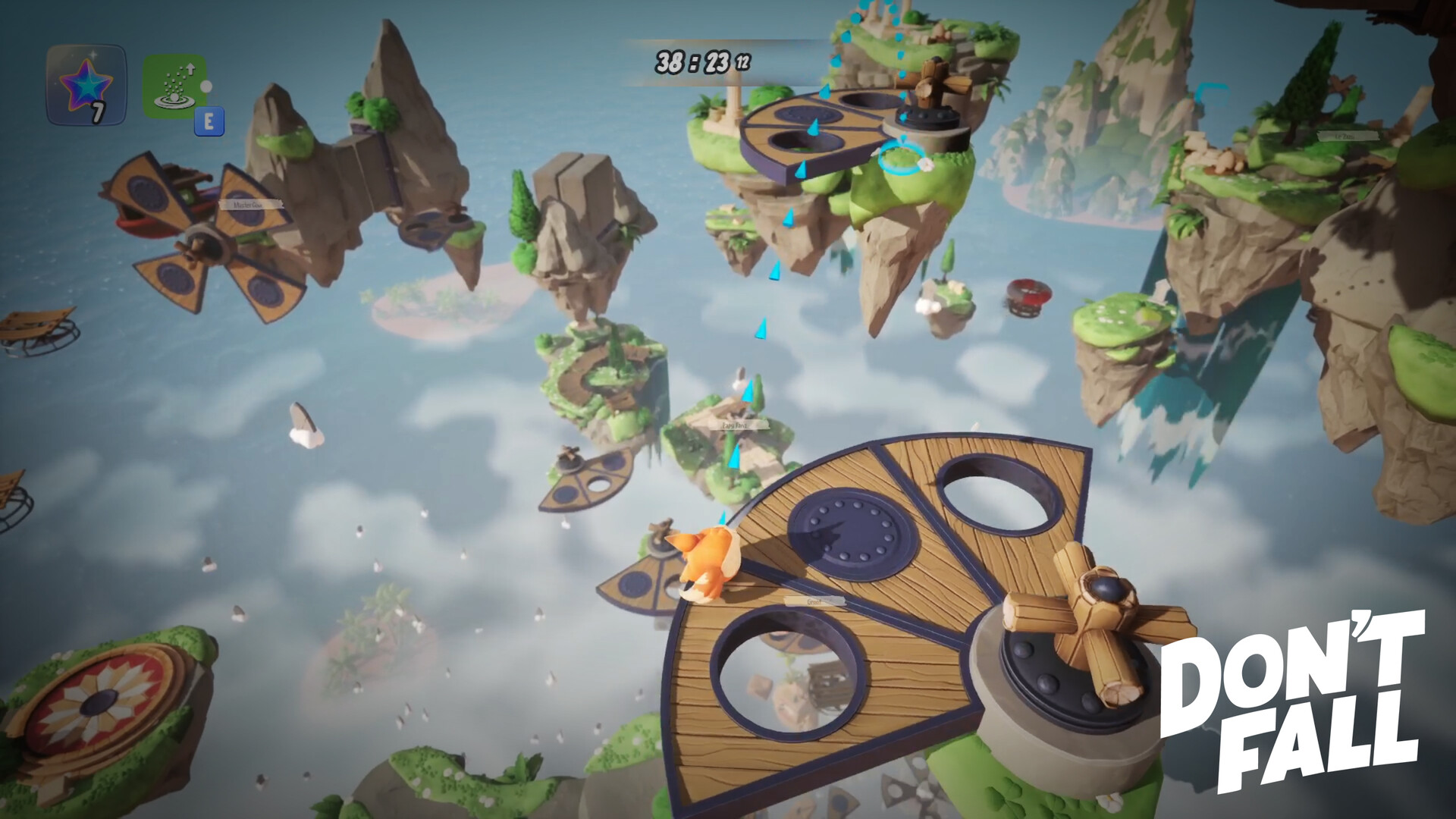
A run timer well past the half-hour mark is a small, honest admission from the UI itself: this is a game measured in persistence, not quick clears.Image: Shine 3D via Steam