Game review
WE ARE SO DEAD Review
5.5 / 10
- Developer
- REAL PLAYERS
- Publisher
- REAL PLAYERS
- Released
- 17 August 2026
- Platforms
- ["Windows"]
- Genre
- Co-op Communication Horror
One Player Dies First, and That's the Whole Idea
WE ARE SO DEAD, a $7.99 Early Access co-op horror release from solo developer REAL PLAYERS launched on August 17, 2026, builds its entire identity around a single clever asymmetry: one of your 2-8 players starts the round already dead, and only that ghost can see the demon, the useful items, and the path forward. The catch is the ghost can't just tell the living what to do; every scrap of information has to travel through a slow, deliberately unreliable Ouija board that the living then have to physically read and interpret in real time, under a hunt timer, while something is actively trying to kill them. It's a genuinely novel hook in a genre stuffed with Phasmophobia clones, and with 593 English reviews sitting at 78% positive ("Mostly Positive"), the review pool agrees the idea works even when almost everything built around it still doesn't.
The Ouija Board Is the Best Bad Idea in Horror Right Now
The reviewers who like WE ARE SO DEAD like it a lot, and almost all of them describe the same specific joy: the moment a friend group invents its own shorthand mid-hunt, spamming a single letter to mean "run" or flicking lights in a pattern nobody outside the call would understand, and it actually works under pressure. Reviewers repeatedly call the game "the epitome of friend slop" as a compliment, describing entire nights lost to communication chaos, screaming matches over misread letters, and genuine relief when a run finally clicks after a rocky first hour. The escalating cast of ghosts, each demanding a different communication trick from the dead player, gets consistent praise for keeping even a coordinated group on their toes through all nine floors, and several reviewers who finished the full campaign in a single group session (anywhere from three to ten hours, depending on how quickly the table found its rhythm) describe it as some of the most purely fun co-op horror they've played this year, jank and all.
Janky Controls, Reused Textures, and a Deliberately Unreliable Planchette
Set against that praise, a large share of the negative reviews focus on execution rather than the concept itself. The single most repeated specific complaint is the Ouija board's own planchette control scheme, which multiple reviewers independently describe as spinning wildly, drifting off the correct letter, or simply lagging behind the mouse, a complaint the developer insists is intentional friction rather than a bug. A second, separate complaint thread concerns the level design: several reviewers report that every room shares the same handful of wood and stone textures regardless of what the room is supposed to be, with floating text labels doing the work the environment art should be doing, and that the in-game rooms look nothing like the more detailed screenshots on the store page itself. A cluster of reviewers also flag a cluttered, text-heavy main menu, a mandatory unremovable screen-edge blur effect that reportedly made an entire group nauseous, and one report of the arrow-key movement binding being removed outright in a patch, breaking the game for at least one left-handed player who relied on it.
A Developer Who Told His Own Players It's a Skill Issue
The most distinctive, heavily corroborated thread in this review pool isn't about the game's mechanics at all: it's about the developer's own public response to criticism. On August 21, four days after launch, REAL PLAYERS posted a news update titled "IT'S A SKILL ISSUE. ON PURPOSE." that dismisses 70% of negative reviews as players who "died before they understood anything," compares the board's difficulty to Dark Souls, and directly asks players whose group has "clicked" with the game to leave a review to counteract the negative ones. At least a dozen independent reviewers cite that post specifically, several changing what would otherwise have been a positive or neutral review to negative because of it, and multiple others separately describe the developer personally entering a streamer's chat to argue with viewers who disliked the game for upwards of 40 minutes. None of the reviewers making this complaint dispute that the game has real potential; several explicitly say they enjoyed playing it with friends and would have recommended it if not for how the developer chose to respond to the exact feedback they were trying to give.
An AI-Content Question That Clears the Bar
A smaller but distinct thread, corroborated across enough independent reviewers to be worth naming, concerns undisclosed generative-AI content. One reviewer switched a positive review to negative specifically over what they describe as unflagged AI use across the game's translation, grammar, and font choices; a second separately states plainly that they mind "the unflagged use of AI" and would not have purchased the game had they known; a third points to "massive amounts of generated text that's basically the entire UI" as evidence the store listing's silence on AI use is misleading; and a fourth reports that after their group learned the game was "vibe coded," they decided not to support the developer further. Taken together, these are specific, independently sourced claims rather than a single reviewer's grievance, and they land as a legitimate, reportable pattern rather than noise.
Verdict
WE ARE SO DEAD has, underneath all of its rough edges, one of the smartest core ideas in co-op horror this year: making the dead player genuinely essential rather than a bored spectator, and forcing an entire friend group to invent its own language under pressure to survive. When that clicks, and the review pool says it clicks for a real majority of groups willing to push through a rough first night, it's a uniquely fun, chaotic experience unlike almost anything else in the genre.
But the road to that fun currently runs through a deliberately unreliable control scheme, environments that look nothing like their own screenshots, an undisclosed-AI-use complaint that several independent reviewers found disqualifying on principle, and a developer whose public response to early criticism actively pushed away players who otherwise liked what he'd built. Early Access is supposed to be a forgiving stage for exactly these kinds of problems, and the mechanics themselves are genuinely fixable with polish and patches. Whether the community around this game recovers from its first month is a separate question, and one the developer's own words, not the code, will have to answer.
Screenshots
-
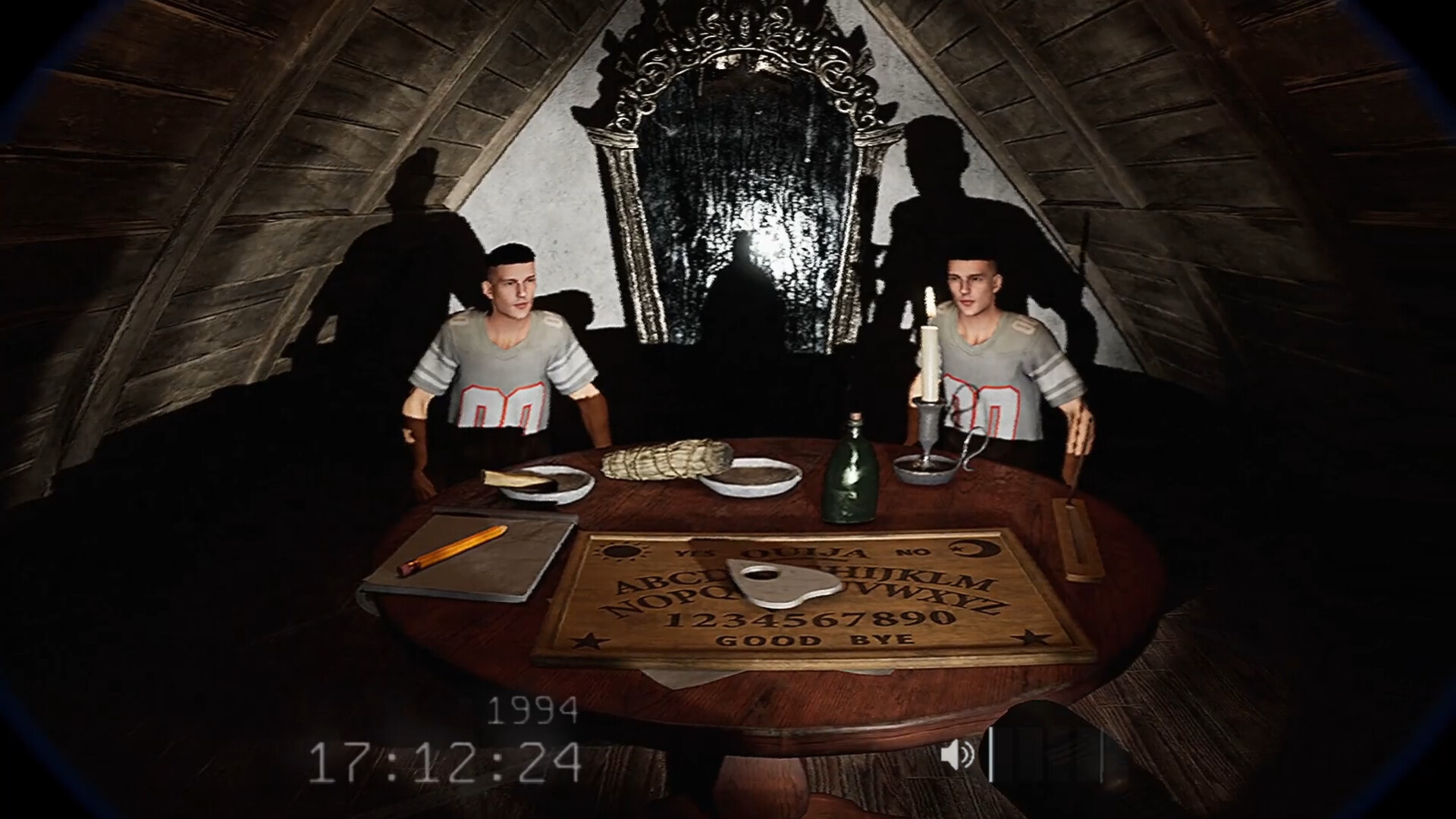
The seance table where every hunt begins, and where the living have to translate whatever the dead player can spell out in time.Image: REAL PLAYERS via Steam -
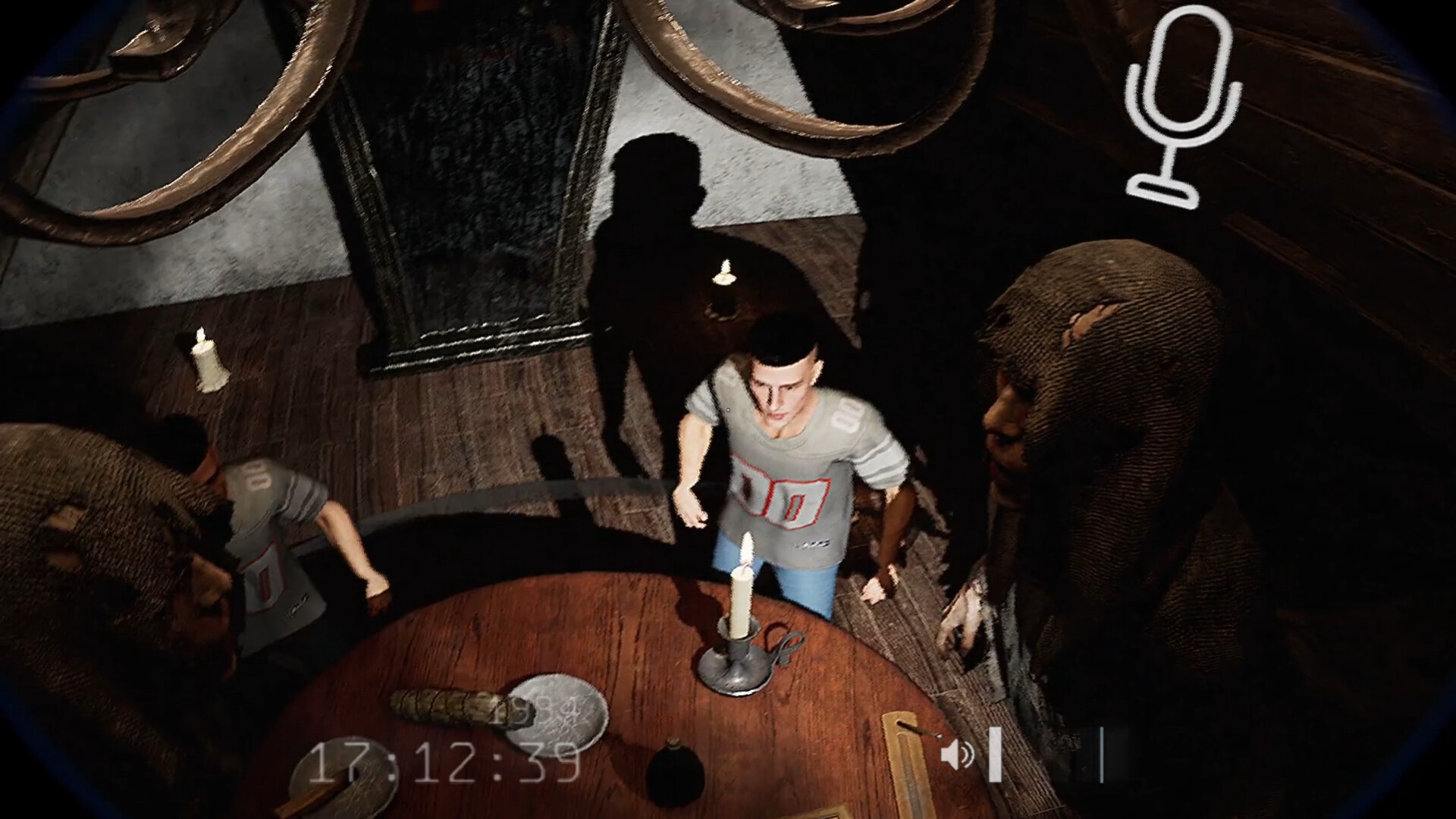
A hunt in progress, with one of the game's ghost types closing in while the group scrambles to read the board correctly.Image: REAL PLAYERS via Steam -
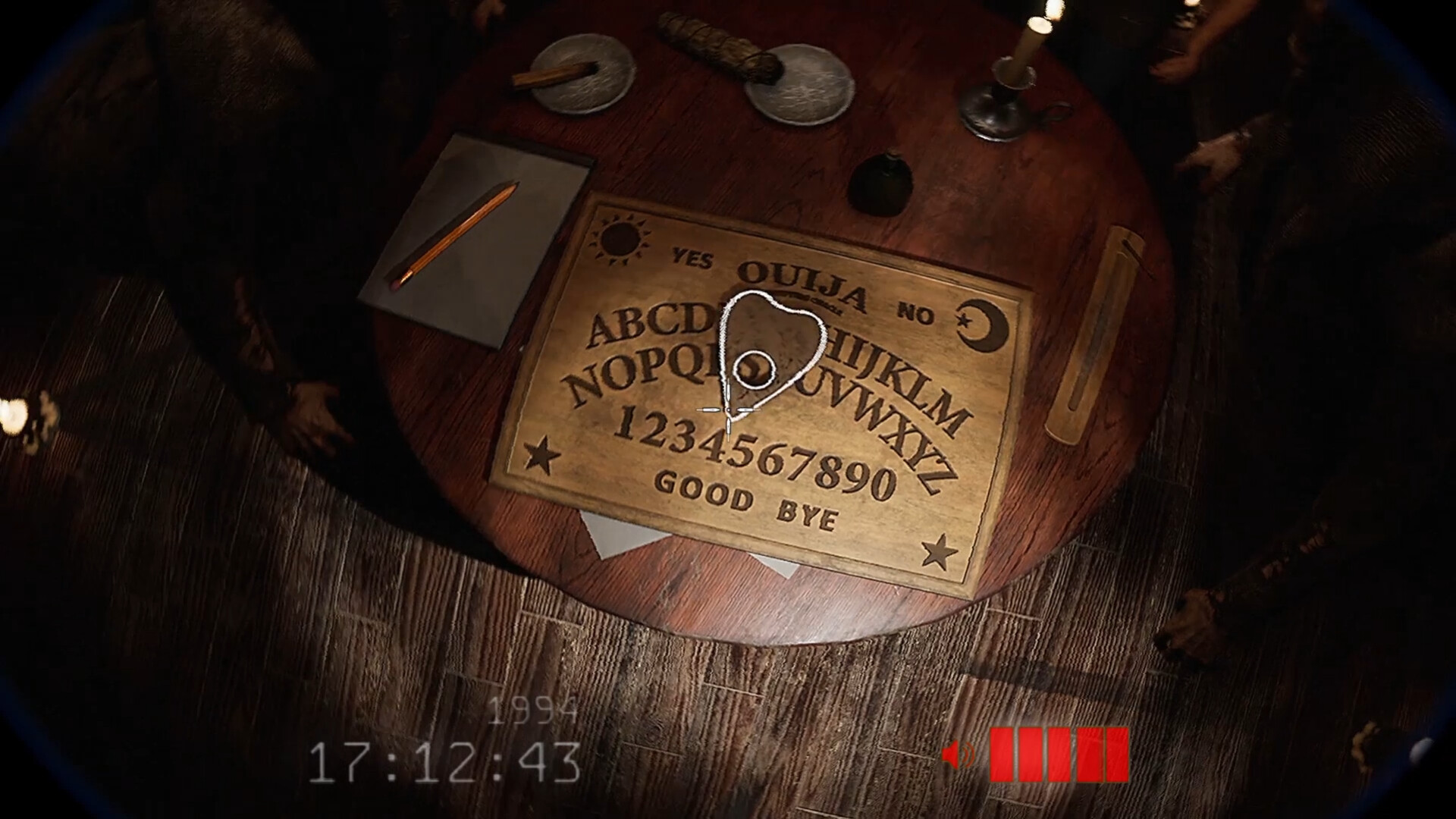
The planchette up close, showing the drifting, hard-to-control movement several reviewers call the game's most-repeated complaint.Image: REAL PLAYERS via Steam