Game review
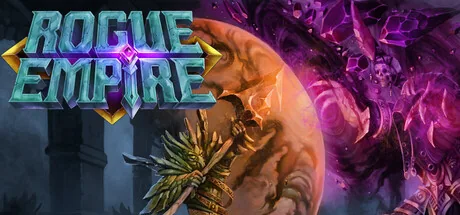
Rogue Empire: Dungeon Crawler RPG
7 / 10
- Developer
- Portal Entertainment
- Publisher
- Portal Entertainment
- Released
- 25 January 2019
- Platforms
- Windows, Mac, Linux
- Genre
- Roguelike Dungeon Crawler RPG
- Monetisation
- Premium, one-time purchase, with two optional paid DLCs
- Players
- Single-player, with Steam Leaderboards
The short version
Rogue Empire takes the bones of ADOM and Tales of Maj'Eyal — turn-based grid combat, permadeath, procedurally generated dungeons, a hunger clock — and wraps them in a more legible modern interface with a genuinely strong character-creation system and a soul-essence meta-progression loop that gives every death some forward motion. Genre veterans consistently call it derivative, and they are not wrong: very little here hasn't been done, and often done better, by the games it visibly draws from.
What it does have is polish those older games never chased, real build variety across its races and classes, and a difficulty curve backed up by its own achievement data — barely half of players reach character level 10, and under a quarter reach level 25. For players who bounce off ASCII-adjacent roguelike UIs but still want the genre's tension, that combination is worth the asking price. For players who already own ADOM or ToME and have "completed" them, there is markedly less reason to double up.
Biggest strengths
- Race-and-class character creation is unusually deep for the genre and meaningfully changes how a run plays out, not just its starting stat block
- Soul Essence meta-progression carries real momentum between runs, softening permadeath without removing its sting
- Turn-based tactical combat rewards positioning, resource management and build synergy over pure stat-checking
Biggest weaknesses
- Frequently and explicitly compared unfavourably to ADOM, Tales of Maj'Eyal and Dungeon Crawl - Stone Soup by players who know the genre well, and struggles to point to much it does that those games didn't do first
- Quality-of-life gaps that a modern roguelike is expected to have solved - no auto-loot beyond gold, repeated key-presses to gather stacked items, no inventory sort-by-weight, and items that sometimes won't stack at all
- A persistent minority of run-ending bugs, including missing staircases and bosses that fail to spawn, which land harder in a permadeath game with no way to reload around them
Who it's for: Roguelike-curious players who want permadeath tension and procedural dungeons without a 1990s interface, and genre veterans looking for a shorter, friendlier session between runs of something deeper.
Our recommendation: Buy it at full price if the pitch appeals and you don't already own a genre classic gathering dust; otherwise wait for a sale.
7 / 10
Rogue Empire wears its influences on its sleeve. Turn-based grid combat, a hunger clock, a darkness meter that closes in the longer you dawdle, permadeath with no reload-and-retry safety net — this is a traditional roguelike in the ADOM and Tales of Maj'Eyal mould, not one of the loosely-named "roguelite" action games the term gets stretched to cover on modern storefronts. What Portal Entertainment adds to that formula is a friendlier, mouse-and-menu interface, a wider and more legible character-creation system, and a run-to-run meta-progression currency, Soul Essence, that turns every death into fuel for the next attempt rather than a hard reset to zero. Released in January 2019 and still receiving DLC as recently as 2021, it has settled into a "Very Positive" reputation on Steam — 297 English-language reviews at roughly 83% positive — built on real strengths and one very consistent complaint.
Character creation is the strongest room in the house
Long before the first dungeon tile loads, Rogue Empire asks a genuinely interesting set of questions: which race, which class, which difficulty, and how those choices interact. Several of the game's most enthusiastic reviewers single this system out specifically, with more than one calling it among the best they've seen in the genre — not because any individual race or class is exotic, but because the combinations meaningfully change how a run has to be played, rather than just re-skinning the same numbers. A Dwarven fighter, a Naga mage and a Human druid built around shapeshifting genuinely feel like different games in miniature, and that's before talents, spells and item finds start pulling a build further in its own direction. It's the one area where Rogue Empire isn't just competent by genre standards — it's a legitimate strength.
Soul Essence gives permadeath somewhere to go
The other pillar holding the game up is its meta-progression. Every run, however short, banks Soul Essence that carries over and can be spent on unlocks and bonuses that make future runs easier — the same basic shape as Rogue Legacy's inherited-power loop, applied to a slower, more tactical combat system. Reviewers who bounced hard off the base difficulty describe the Essence economy as the thing that kept them coming back after a death that would otherwise have felt like wasted time, and the ones who pushed deepest into the game describe the strategic layer opening up considerably once a few dozen hours of unlocks are in the bank. It's a well-worn structure at this point, but it's implemented honestly here: progress persists, it's visible, and it never removes the sting of losing a character you'd invested in.
The derivative-ness problem
Set those two systems aside, though, and the pattern in Rogue Empire's negative reviews is strikingly consistent, and it isn't about bugs or balance — it's a direct, specific comparison. Players who have finished ADOM or Tales of Maj'Eyal describe Rogue Empire as "essentially a mashup" of the two, built from recognisable, borrowed pieces rather than a fresh take on the formula. One widely-upvoted review, the first negative review its author says they'd ever written for a game in this specific subgenre, argues that the handful of things Rogue Empire does differently — timed stat potions, the hunger-and-darkness pressure system — don't sit comfortably alongside the borrowed mechanics and read as friction rather than innovation. That's a harder critique to shrug off than a generic "it's derivative" complaint, because it comes specifically from players deep enough in the genre to know exactly what's being borrowed from where, and it shows up independently across multiple long, detailed negative reviews rather than as one loud outlier.
It's worth being precise about what this criticism does and doesn't mean. Rogue Empire is not a bad implementation of its ideas — the combat is sound, the systems interlock sensibly, and the production values (a real interface, real onboarding, a soundtrack more than one reviewer singles out favourably) are well ahead of the genre's rougher, older classics. The complaint is about originality specifically: for a player who has already spent hundreds of hours with the games this one draws from, there is comparatively little new ground to cover.
Quality-of-life didn't get the same attention as character creation
The other recurring thread in critical feedback is friction that has nothing to do with difficulty and everything to do with interface polish. Auto-loot only picks up gold, so manually collecting a tile's worth of items means pressing the pickup key repeatedly rather than once. Some item types refuse to stack. There's no way to sort inventory by weight, which matters in a game where carry capacity is a real constraint you're expected to manage by selling the heaviest junk first. Hotkey behaviour is described by more than one reviewer as inconsistent between menus, and a few describe the overall visual scale of menus and character models as oversized in a way that reads as a mobile port even though the game wasn't built as one. None of this is severe individually, but it accumulates exactly where a genre built on repeated, methodical runs punishes friction the most — several reviewers frame it less as "the game is bad" and more as "the game makes me do more work than it needs to, every single run."
Bugs land differently in a permadeath game
A smaller but recurring complaint carries more weight than its frequency alone would suggest: run-blocking bugs. Multiple reviewers, including ones with dozens to hundreds of hours logged, describe encountering staircases or bosses that simply fail to appear, leaving a run stuck with no way to progress and no way to reload around the problem, since permadeath roguelikes by design don't offer a save-scum escape hatch. One reviewer with 5,000+ minutes played says two of four recent runs hit "frustrating, unplayable bugs." This is a smaller slice of the overall feedback than either the derivative-ness complaint or the QoL friction, but it's the one kind of bug a permadeath game can least afford, because the cost of hitting it is an entire run's accumulated progress rather than a five-minute reload.
The difficulty curve, in the game's own numbers
Rogue Empire's Steam achievement data tells a clean, honest story about how brutal a typical run actually is. Roughly three-quarters of players reach character level 5, but that drops to 51.7% by level 10 and 23.5% by level 25 — a steep, steady mortality curve rather than a wall at any one point. The endgame content thins the field dramatically further: the achievement for defeating the Elemental Ambassador sits at 1.6%, and a cluster of late-game and challenge-dungeon achievements — including several tied to the Dark Heroes DLC's "Shadow" storyline — sit at just 0.2%. That's not a design flaw; it's what an honest, unforgiving traditional roguelike's completion curve is supposed to look like, and it lines up with how the genre's fans talk about their own favourites. It does mean the "one more floor" pitch on the store page is entirely accurate, in both the good and the punishing sense.
DLC and pricing
The base game runs NZ$22.49 with no free-to-play strings attached — a straightforward one-time purchase. Two paid DLCs sit on top of it: Dark Heroes (NZ$10.49, added June 2021) expands the character-creation and endgame options with new race/class content and the Shadow storyline referenced in the achievement list above, while HQ Story Art (NZ$3.69) is a cosmetic asset pack with no gameplay effect. Neither is required to experience the core game, and the achievement data above suggests most owners never get far enough to need what Dark Heroes adds anyway. There's no premium currency, no energy system and nothing resembling a live-service monetisation layer — this is a conventional premium PC release, priced and structured accordingly.
Final verdict
Rogue Empire is a competent, well-produced traditional roguelike let down mainly by how little of it feels new to anyone who already knows the genre well — and that specific critique, repeated independently across a wide spread of experienced players, is hard to dismiss as noise. Where it does distinguish itself, in character-build depth and in a meta-progression loop that gives permadeath somewhere to go, it does so convincingly. Rough interface edges and a minority of run-ending bugs keep it from climbing higher, but neither is severe enough to outweigh a genuinely strong core loop. For players who want the tension of a classic roguelike without the interface archaeology those classics often demand, that's a fair trade; for players who've already put the hours into ADOM or Tales of Maj'Eyal, this covers ground they've walked before.
Pros and cons
Pros
- Race-and-class character creation is unusually deep for the genre and meaningfully changes how a run plays out, not just its starting stat block
- Soul Essence meta-progression carries real momentum between runs, softening permadeath without removing its sting
- Turn-based tactical combat rewards positioning, resource management and build synergy over pure stat-checking
- A modern, mostly rebindable interface lowers the entry barrier relative to the ASCII-rooted classics it draws from
- Enormous replay value on paper — multiple races, classes, difficulty settings and a challenge mode — and Steam's own achievement data shows a dedicated player base still chasing its rarest unlocks years after launch
Cons
- Frequently and explicitly compared unfavourably to ADOM, Tales of Maj'Eyal and Dungeon Crawl - Stone Soup by players who know the genre well, and struggles to point to much it does that those games didn't do first
- Quality-of-life gaps that a modern roguelike is expected to have solved - no auto-loot beyond gold, repeated key-presses to gather stacked items, no inventory sort-by-weight, and items that sometimes won't stack at all
- A persistent minority of run-ending bugs, including missing staircases and bosses that fail to spawn, which land harder in a permadeath game with no way to reload around them
- Enemy variety thins out noticeably past the opening levels, with several long-time players citing repetition as the point they stopped playing
- Some players describe the interface as oversized and mobile-like, with hotkey behaviour that is inconsistent between menus
Screenshots
-
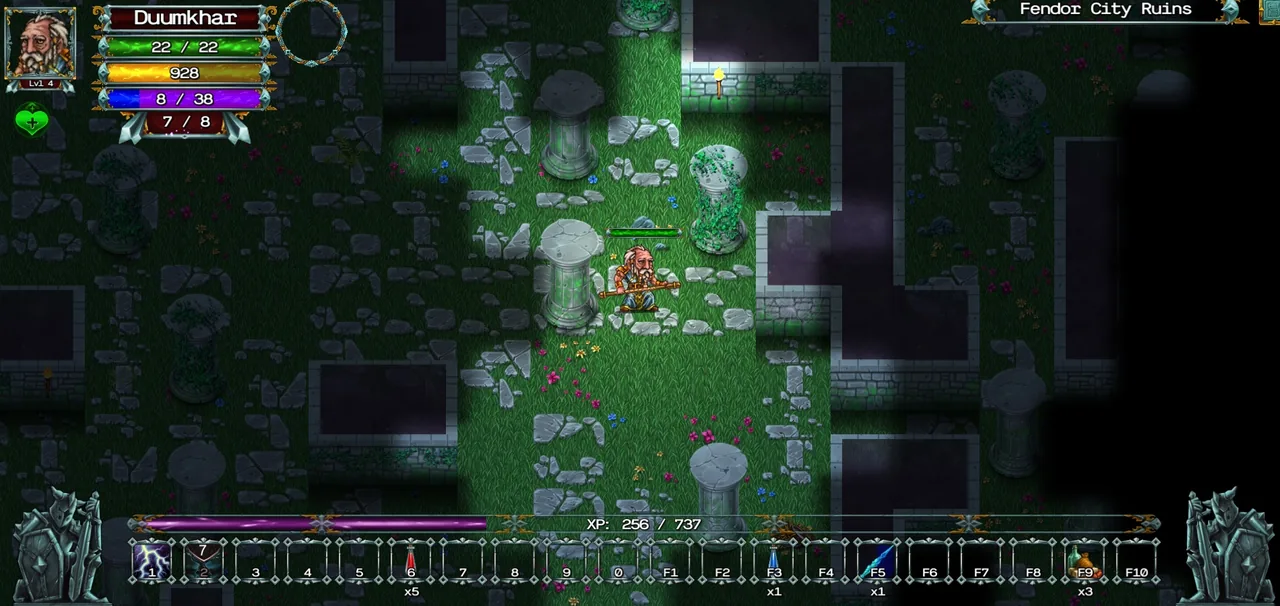
Rogue Empire: Dungeon Crawler RPGImage: Portal Entertainment via Steam -
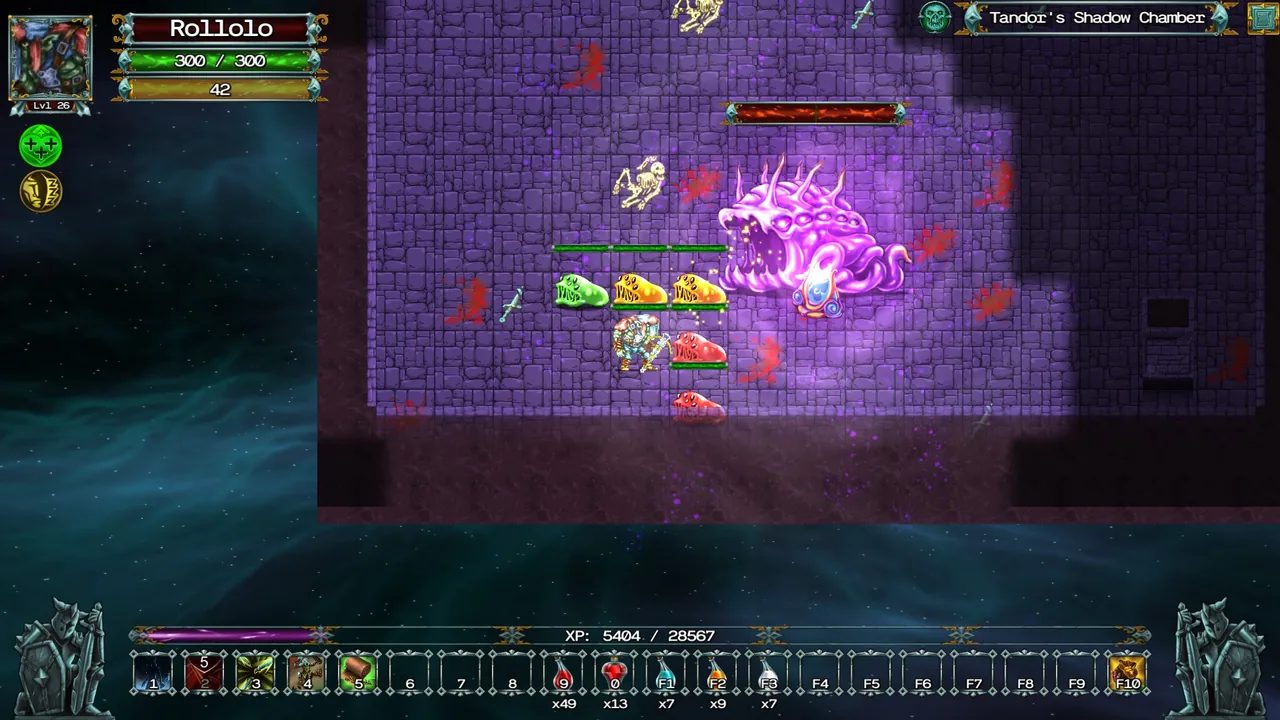
Rogue Empire: Dungeon Crawler RPGImage: Portal Entertainment via Steam -
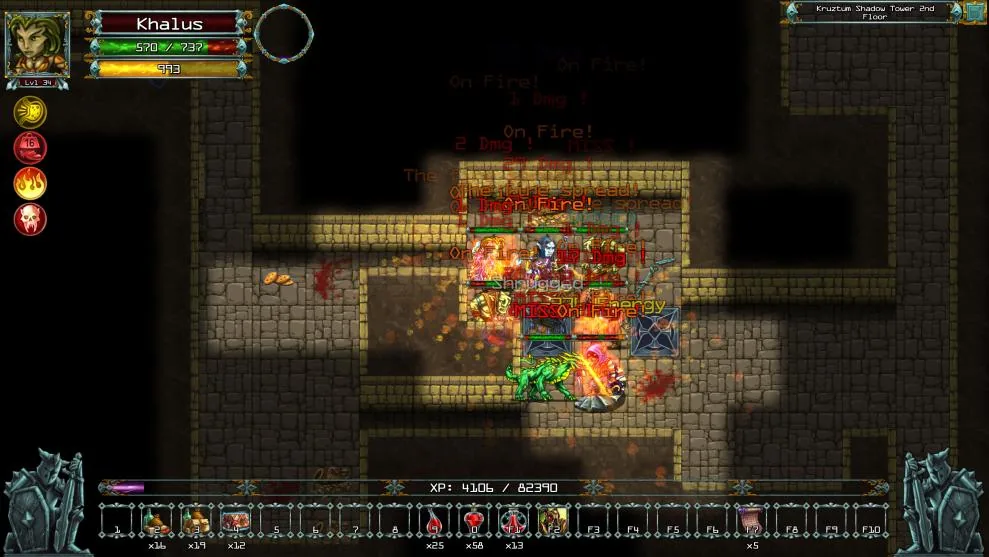
Rogue Empire: Dungeon Crawler RPGImage: Portal Entertainment via Steam -
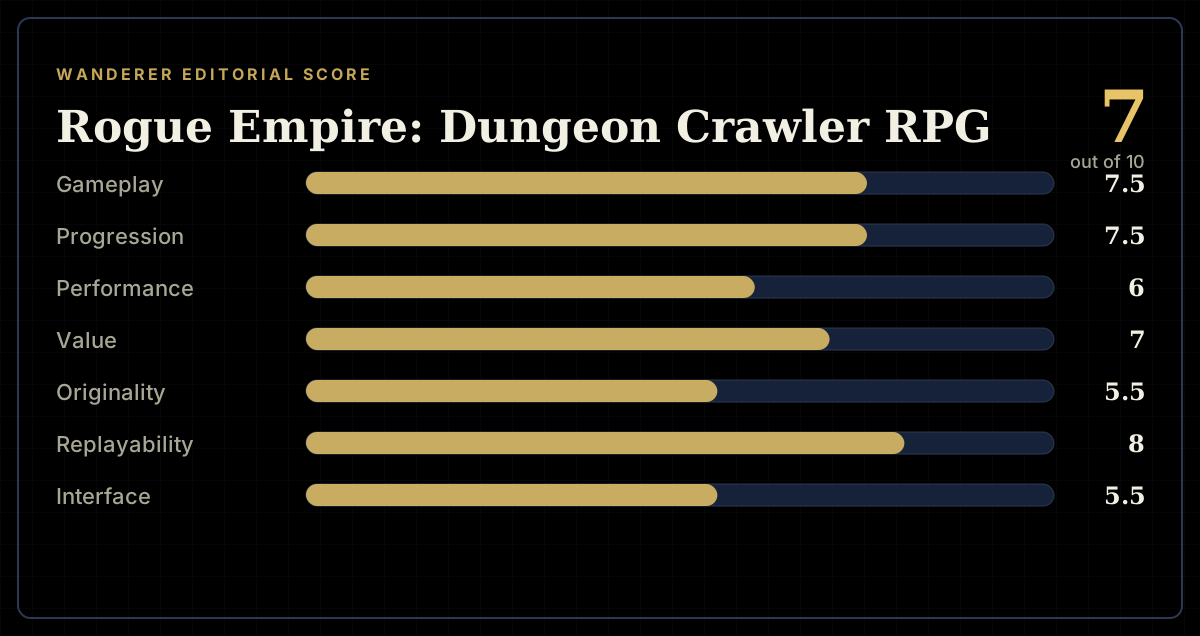
How the review scores each part of the gameWanderer Editorial -
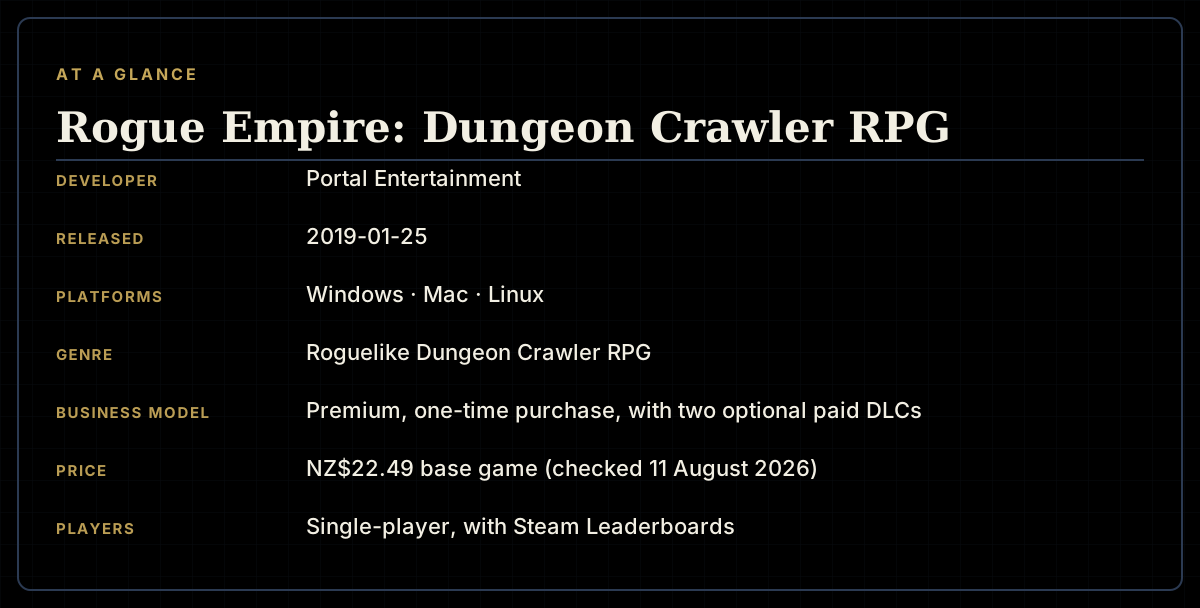
The game at a glanceWanderer Editorial -
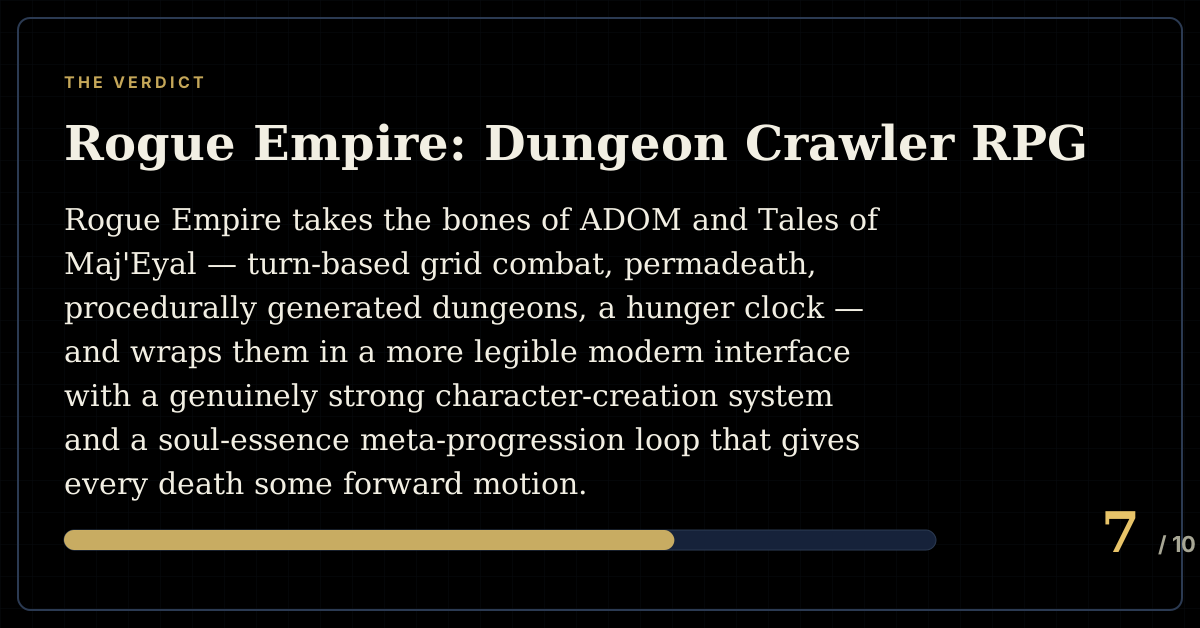
The short versionWanderer Editorial