Game review
Potion Permit
6 / 10
- Developer
- MassHive Media
- Publisher
- PQube
- Released
- 22 September 2022
- Platforms
- Windows, macOS
- Genre
- Life Sim RPG, Simulation
- Monetisation
- One-time purchase, plus more than thirty small paid cosmetic decoration DLC packs sold individually
- Players
- Single-player only
The short version
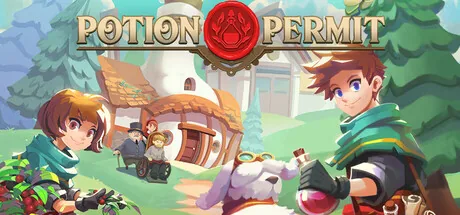
Potion Permit casts the player as Moonbury's new chemist, diagnosing symptoms, gathering ingredients and brewing cures for a village of pixel-art residents in a cosy life-sim built by MassHive Media and published by PQube. Released 22 September 2022, it sits at Mostly Positive across 3,015 English-language reviews, and the split inside that number is unusually consistent: reviewer after reviewer, across both sides of the split, describes a gorgeous, charming presentation wrapped around a systems layer that feels thinner than the Harvest Moon and Stardew Valley lineage it clearly wants to sit alongside. Compounding that read is the DLC catalogue itself — more than thirty small decoration packs, individually priced, that together approach the cost of the base game and corroborate one of the negative sample's most specific, repeated complaints: that content was carved out and sold back piecemeal.
Biggest strengths
- Pixel art, character design and animation draw wide, consistent praise even from reviewers who otherwise recommend against buying, and remain the single most-cited strength across the entire review sample
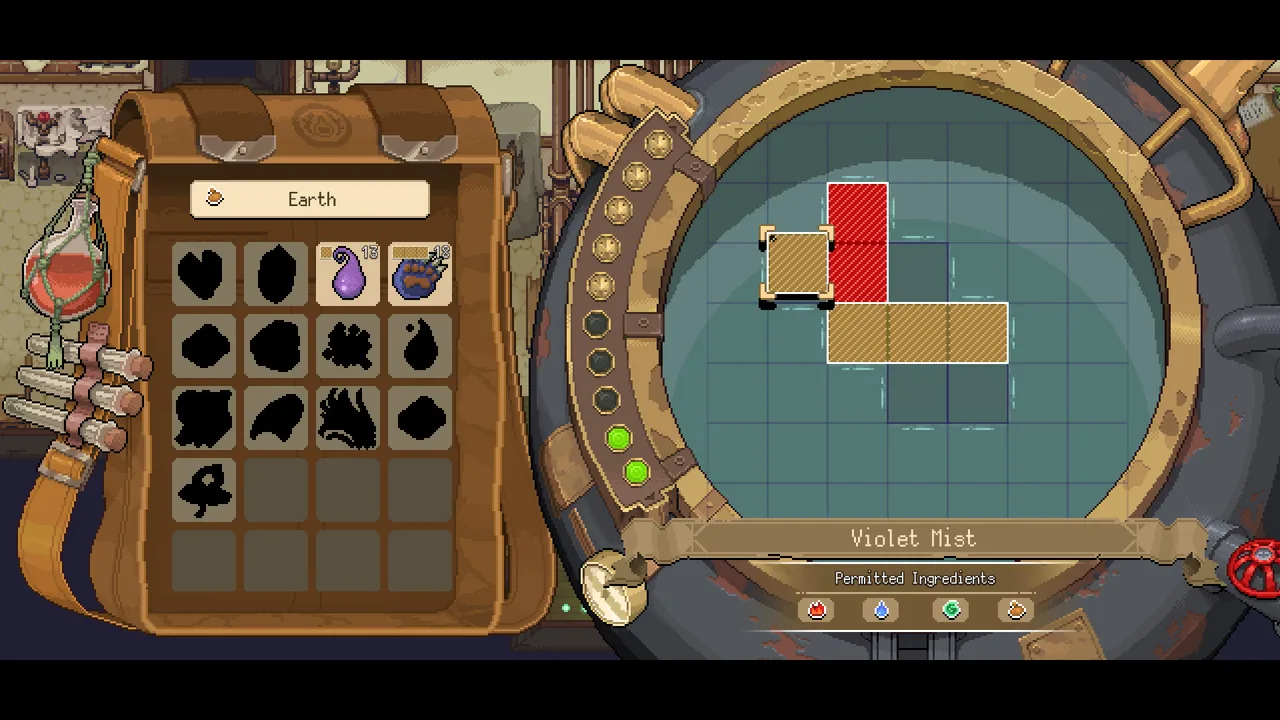
- The core potion-brewing minigame is specifically singled out as satisfying by a meaningful share of both positive and negative reviewers
- MassHive Media visibly patched the game post-launch in response to community feedback, including adding mouse support that was missing at release and making a previously unromanceable character available after a vocal player campaign
Biggest weaknesses
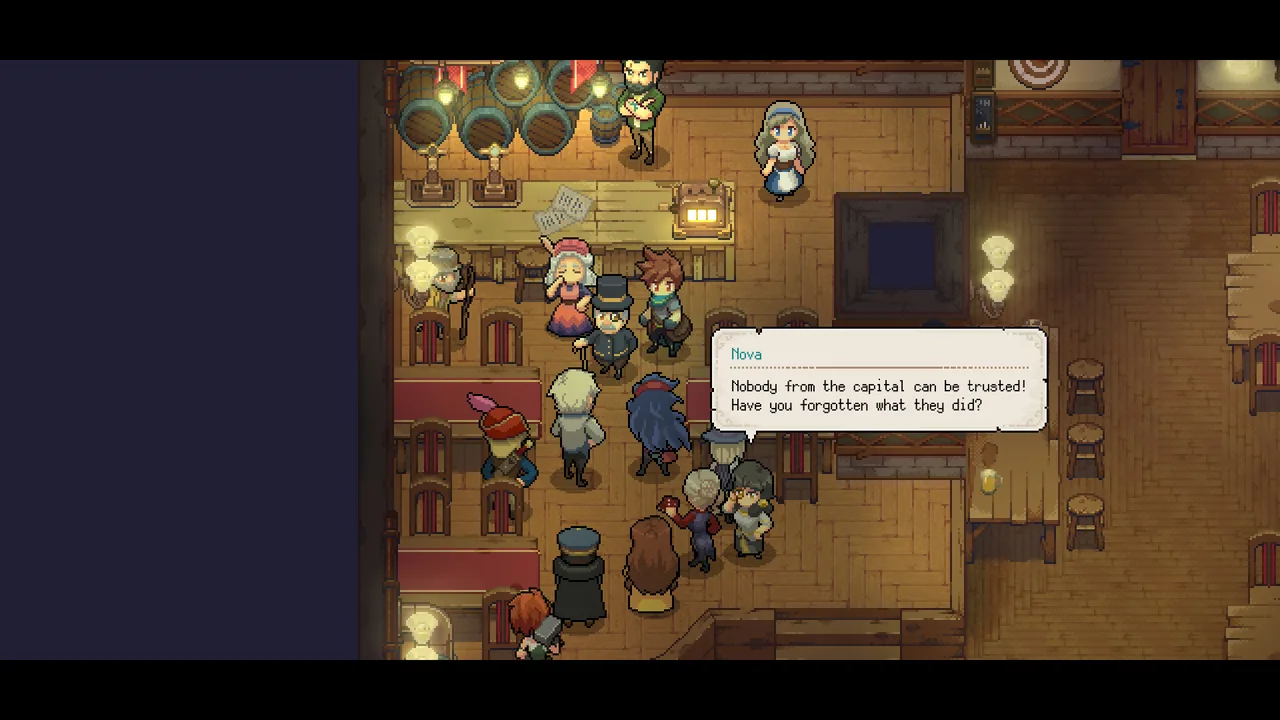
- A large, specific and repeated complaint across the negative sample describes shallow character writing — as little as two or three lines of dialogue per friendship level — and "upgrades" to the town that are purely cosmetic with no functional effect
- Resource harvesting is described by multiple reviewers as a repetitive grind that dominates a disproportionate share of playtime relative to the game's other systems
- More than thirty individually priced decoration DLC packs are sold on top of the base game; buying the full set costs nearly as much as the game itself, and reviewers specifically connect this to a sense that visual content was held back at launch to be resold
Who it's for: Cosy-genre fans looking for a shorter, gentler entry point than Stardew Valley, who don't mind shallower systems and are prepared to skip the decoration DLC entirely; a poor fit for players who want deep crafting, meaningful town development or rich character writing.
Our recommendation: A genuinely lovely-looking cosy sim let down by thin systems and an unusually aggressive piecemeal DLC catalogue — worth it on a deep sale, harder to recommend at full price.
6 / 10
Introduction
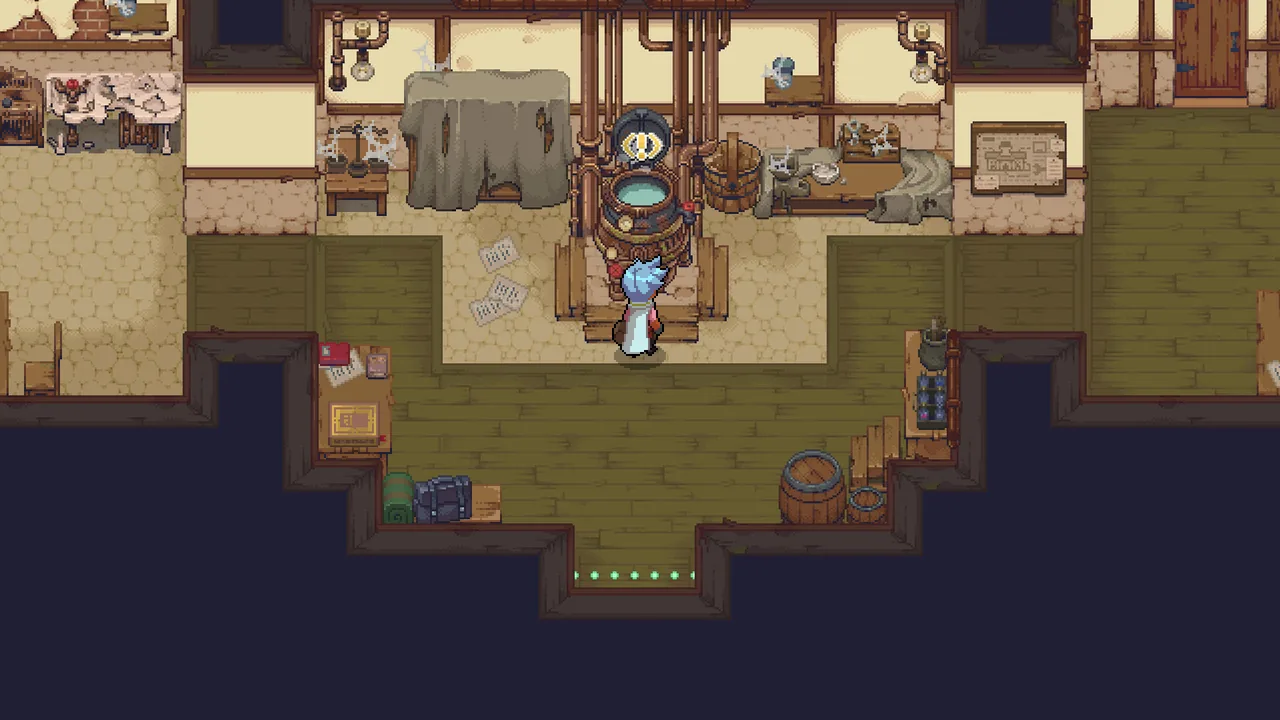
Potion Permit sends a newly licensed chemist to the small town of Moonbury, where the job is part diagnosis, part gathering, part potion-brewing minigame, wrapped in the visual and social trappings of a cosy life-sim: townsfolk to befriend, a dog companion, seasonal festivals and a house to decorate. Developed by MassHive Media and published by PQube, it released 22 September 2022 and sits at Mostly Positive, 78.8% across the 3,015 English-language reviews sampled for this review. What's striking about that corpus isn't the split itself — plenty of games sit around 79% — it's how often the same specific verdict repeats across dozens of reviews independently: this is a beautiful-looking game whose systems don't go as deep as its genre neighbours, and its DLC catalogue does little to dispel that impression.
What almost everyone agrees on
Start with the consensus, because it's unusually wide. Pixel art, character design and animation draw praise from nearly every corner of the review sample, including from reviewers who go on to recommend against buying the game — "gorgeous," "beautifully designed," "charming" and "cute" recur so often across both positive and negative reviews that it functions less like a subjective opinion and more like an agreed baseline fact about the game. The potion-brewing minigame at the centre of the diagnosis-and-cure loop earns its own specific praise from a meaningful share of the sample, credited as satisfying in a way the surrounding systems often aren't. One reviewer, writing after clearing all 38 achievements, called the pixel art "charming and beautiful" even while cataloguing a long list of "Needs Work" complaints elsewhere in the same review — a pattern that recurs constantly in this corpus: love the surface, question the substance.
The specific shape of the "shallow" complaint
That substance question isn't vague grumbling — reviewers are unusually precise about where the game falls short. A detailed 207-vote review counted character dialogue directly: roughly two to three lines of unique text per friendship level, which is thin even by the standards of a genre not known for deep writing. Another, with 152 votes, singled out the town's "upgrade" system specifically: cosmetic improvements to Moonbury's buildings that change how the town looks but have no functional effect on gameplay, despite the framing suggesting real development. Resource harvesting draws its own repeated, specific complaint — one 126-vote review described days spent "harvesting the same 15 trees, harvest the same 15 rocks, harvest the same 15 plants" in a loop it compared unfavourably to "a Unity Tutorial." A 213-vote review, written well over a year after launch, reported that critical systems — how to actually treat patients, sell potions and make a living — remain locked behind an opening stretch that only unlocks through sleeping several in-game days, calling the pacing "railroad-y" rather than a natural difficulty curve.
None of this reads as reviewers bouncing off the genre itself — the same sample repeatedly invokes Stardew Valley, Harvest Moon, Story of Seasons, Rune Factory, Graveyard Keeper and Potion Craft as direct points of comparison, which tells its own story: readers who know and love this exact genre are the ones making the shallowness complaint, not newcomers expecting more than a cosy sim can deliver. One positive review pushed back specifically on the Stardew Valley comparisons being used against the game, pointing out that Stardew Valley "also has had many, many updates and improvements since its initial release" — a fair point about a young game being judged against a mature one, and worth weighing against the criticism above.
The DLC catalogue, counted
Here's where this review moves from repeating complaints to verifying one directly. Potion Permit's Steam listing carries more than thirty separate paid DLC entries — not a handful of expansions, but individually priced decoration packs: an aquarium, animal plushies, a Christmas tree, a Halloween skull decoration, a miniature blimp, seasonal lantern sets and more, each priced individually, mostly between NZ$1.05 and NZ$1.60. Pricing out a representative sample of nine of them came to NZ$3.75 alone; extrapolated across the full catalogue of over thirty packs, buying every decoration on offer would cost somewhere in the region of the base game's own asking price. That's not this review's interpretation — it's a direct count against the game's own DLC listing, and it corroborates, independently, the specific complaint a 417-vote review made at launch: that decorative content for the house-and-town-improvement systems the game is built around was "100% cut content to make extra money." Whether every individual pack was originally part of the base build or not, the practical effect reviewers describe — paying repeatedly, in small increments, for content that a comparable cosy-genre game would typically include free — is real and checkable against the storefront itself.
A developer that did listen, some
It's worth crediting what MassHive Media did fix, because the pattern is a genuinely responsive one in places. A 193-vote review reported the game shipped with no mouse support on PC at launch — a significant oversight for a genre normally played comfortably with a mouse — and confirmed the developer patched it in afterward, even though that reviewer had already refunded and didn't return to verify it firsthand. More charmingly, a romance option for a specific character, Lucke, was added after a visible player campaign; one review documents the before-and-after in real time, ending on "LUCKE IS ROMANCEABLE NOW OMFG WE DID IT FOLKS." That's a small thing, but it's evidence of a developer actually watching and responding to what its community asked for, which sits awkwardly alongside the DLC pattern above rather than cancelling it out.
Steam's achievement data backs up a genuinely broad early engagement curve: the most-earned achievement sits at 97.6%, tapering gradually through a healthy midgame before the hardest, completionist-tier unlocks drop to around 3-4%. That's consistent with a game the overwhelming majority of buyers actually start, enjoy for a meaningful stretch, and finish at least the core loop of — the "shallow" complaint, in other words, is coming from people who played enough to know, not people who bounced off it early.
Final Verdict
Potion Permit is a genuinely lovely-looking game whose own audience has reached a remarkably consistent verdict about what it is and isn't: gorgeous, charming, and pleasant to spend a short stretch of time in, but thinner on writing, town development and long-term systems than the cosy titles it invites comparison to, and sold alongside a decoration DLC catalogue extensive and individually priced enough to leave a real mark on how generous the whole package feels. The developer has shown it listens — mouse support and a requested romance option both arrived after launch — which is worth crediting even as the DLC practice sits uneasily next to it. On a deep discount, which this game carries often, there's a genuinely pleasant handful of hours here. At full price, weigh the DLC list before deciding how much of Moonbury you actually want to pay for.
Pros and cons
Pros
- Pixel art, character design and animation draw wide, consistent praise even from reviewers who otherwise recommend against buying, and remain the single most-cited strength across the entire review sample
- The core potion-brewing minigame is specifically singled out as satisfying by a meaningful share of both positive and negative reviewers
- MassHive Media visibly patched the game post-launch in response to community feedback, including adding mouse support that was missing at release and making a previously unromanceable character available after a vocal player campaign
- A reasonable base price, especially on the frequent discounts the game has carried since launch, if the decoration DLC is skipped entirely
Cons
- A large, specific and repeated complaint across the negative sample describes shallow character writing — as little as two or three lines of dialogue per friendship level — and "upgrades" to the town that are purely cosmetic with no functional effect
- Resource harvesting is described by multiple reviewers as a repetitive grind that dominates a disproportionate share of playtime relative to the game's other systems
- More than thirty individually priced decoration DLC packs are sold on top of the base game; buying the full set costs nearly as much as the game itself, and reviewers specifically connect this to a sense that visual content was held back at launch to be resold
- Several long-playtime reviewers who finished the main story and unlocked most achievements still describe the game as ultimately shallow rather than merely slow to open up
Screenshots
-
Potion PermitImage: PQube via Steam -
Potion PermitImage: PQube via Steam -
Potion PermitImage: PQube via Steam -
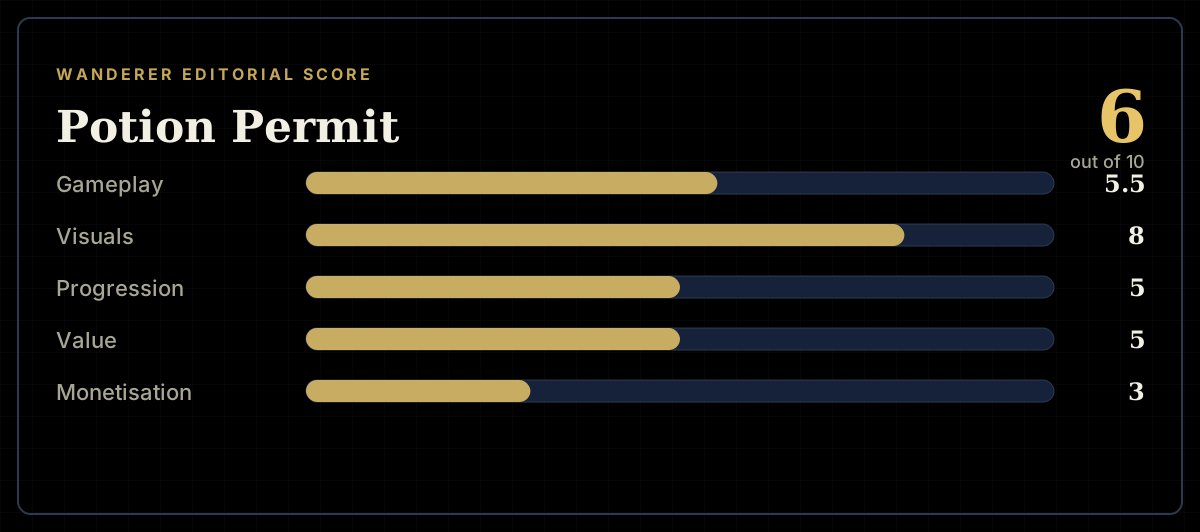
How the review scores each part of the gameWanderer Editorial -
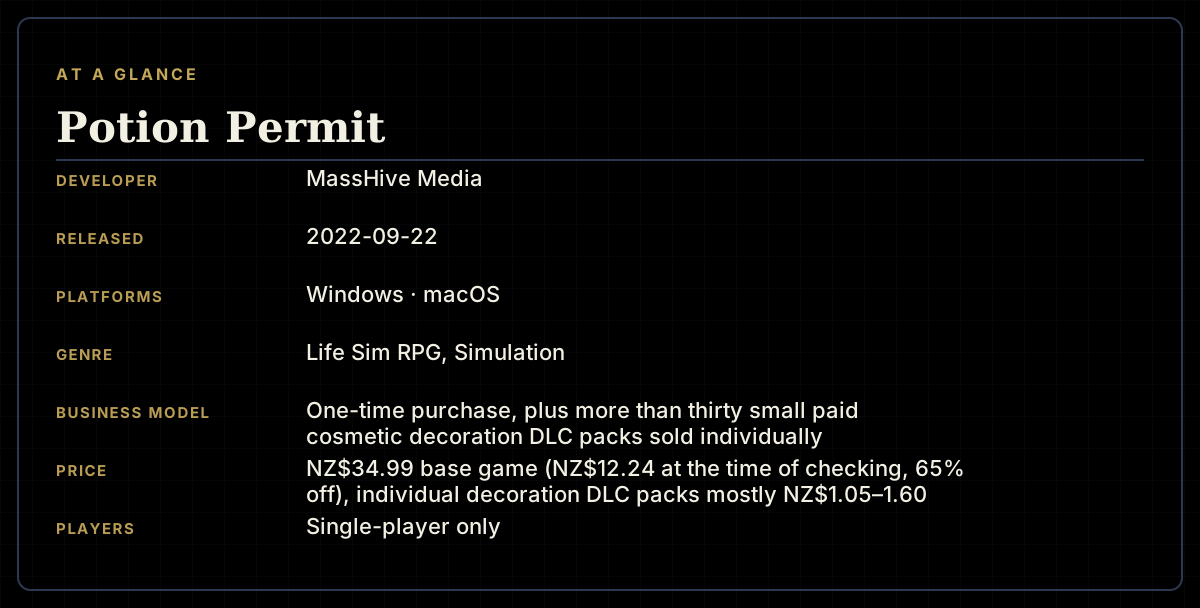
The essentials at a glanceWanderer Editorial -
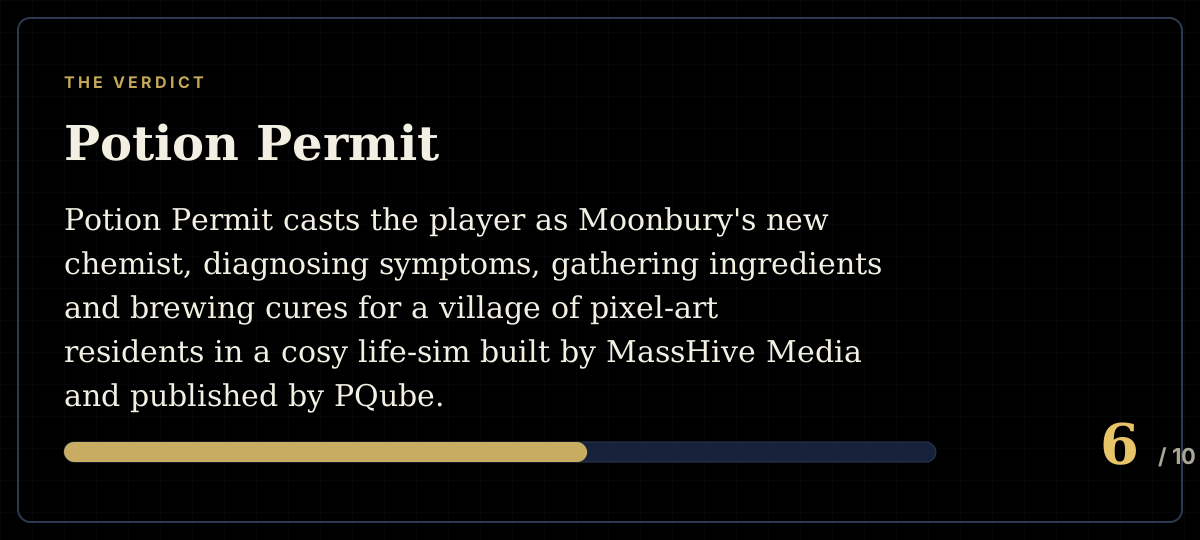
The short versionWanderer Editorial