Game review
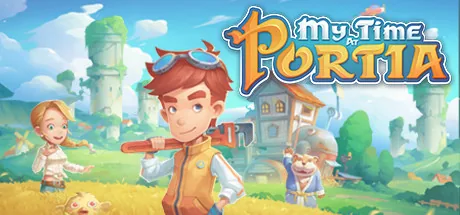
My Time at Portia
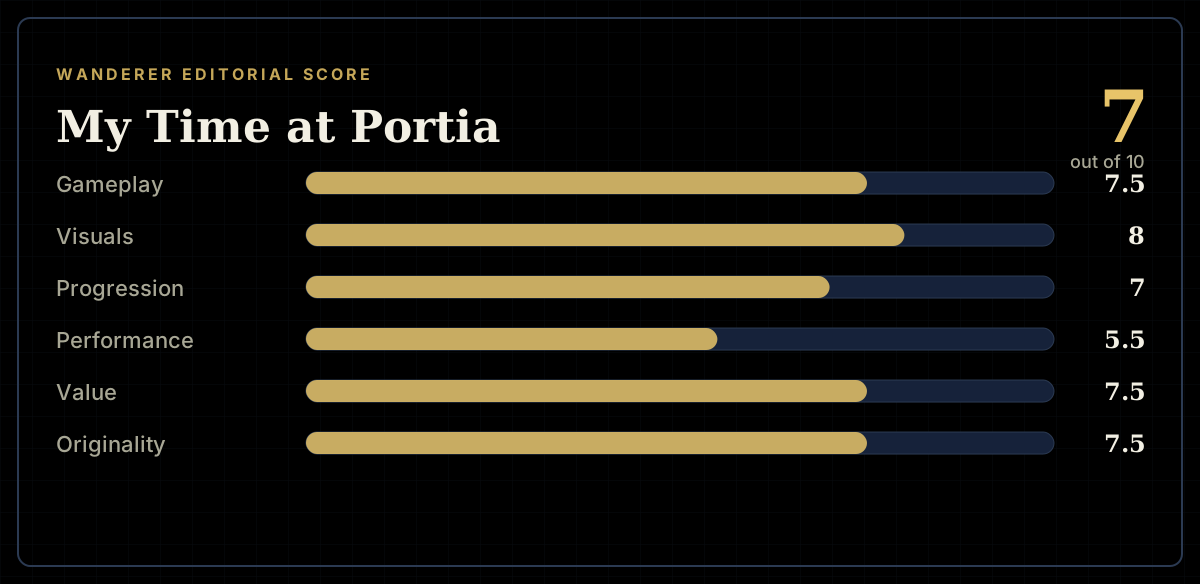
7 / 10
- Developer
- Pathea Games
- Publisher
- Focus Entertainment
- Released
- 15 January 2019
- Platforms
- Windows
- Genre
- Life Sim / Crafting RPG
- Monetisation
- Premium, one-off purchase — no in-game purchases
- Players
- Single-player
The short version
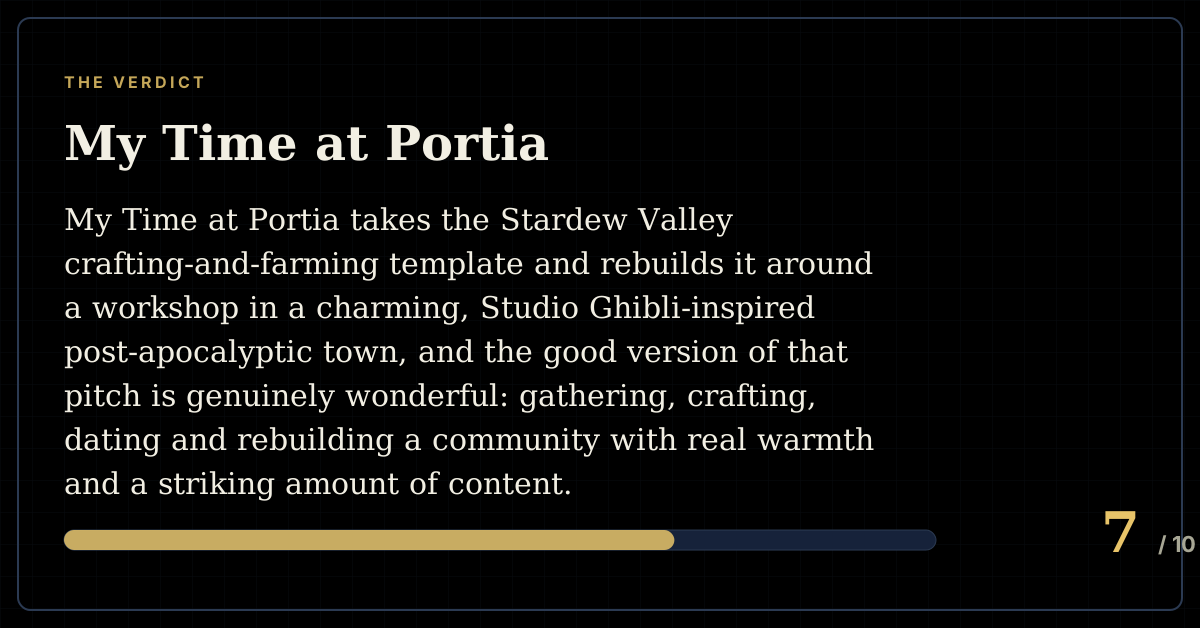
My Time at Portia takes the Stardew Valley crafting-and-farming template and rebuilds it around a workshop in a charming, Studio Ghibli-inspired post-apocalyptic town, and the good version of that pitch is genuinely wonderful: gathering, crafting, dating and rebuilding a community with real warmth and a striking amount of content. A 74-year-old player with over 6,000 hours logged, in one of the site's most-upvoted reviews, is not an outlier — this game has built a loyal, cross-generational fanbase over six years.
The other constant, running through reviews from launch to today, is a persistent complaint that the developers never fully finished polishing what they built: crashes, a save system tied to sleeping that can cost real progress, and old bugs that stayed old for years. It's a genuinely lovable game that a meaningful share of its own most invested players still can't fully recommend without that asterisk attached.
Biggest strengths
- A genuinely distinctive, Ghibli-inspired post-apocalyptic setting that manages to feel cozy and mysterious in the same breath
- An enormous amount of content — crafting, farming, mining, relationships and town-rebuilding — that reviewers with thousands of hours logged still haven't exhausted
- Real crossover appeal, with reviewers across a wide age range describing the game as something they share with family
Biggest weaknesses
- A long-running, consistent thread of reviews — from launch through the present — describes crashes and old bugs that were never fully resolved across six years of updates
- The save system, tied to sleeping in bed, has cost some players significant progress when the game crashes between saves
- Combat and some content "zones" are frequently described as shallow or repetitive compared to the depth of the crafting and relationship systems
Who it's for: Fans of Stardew Valley-style life sims who want more combat, crafting depth and a distinct post-apocalyptic-but-cozy aesthetic — tempered by real patience for rough technical edges that six years of updates haven't fully resolved.
Our recommendation: Worth playing, ideally with the patch notes and community mod scene checked first — several long-term fans specifically credit mods with smoothing over rough edges the base game never quite fixed. Save often and deliberately, given the reported save-on-sleep risk, and go in expecting a grindier, more structured game than its Stardew Valley comparisons suggest.
7 / 10
Six years after its full release, My Time at Portia's most-upvoted review isn't from a critic or a genre veteran making comparisons to Stardew Valley — it's from a 74-year-old player with more than 6,000 hours logged, who bought the game for their granddaughter and ended up just as hooked themselves. That's a genuinely remarkable thing for a crafting sim to have earned, and it's worth starting there before getting into the long list of technical complaints that runs alongside it.
A workshop, a town, and a lot to do
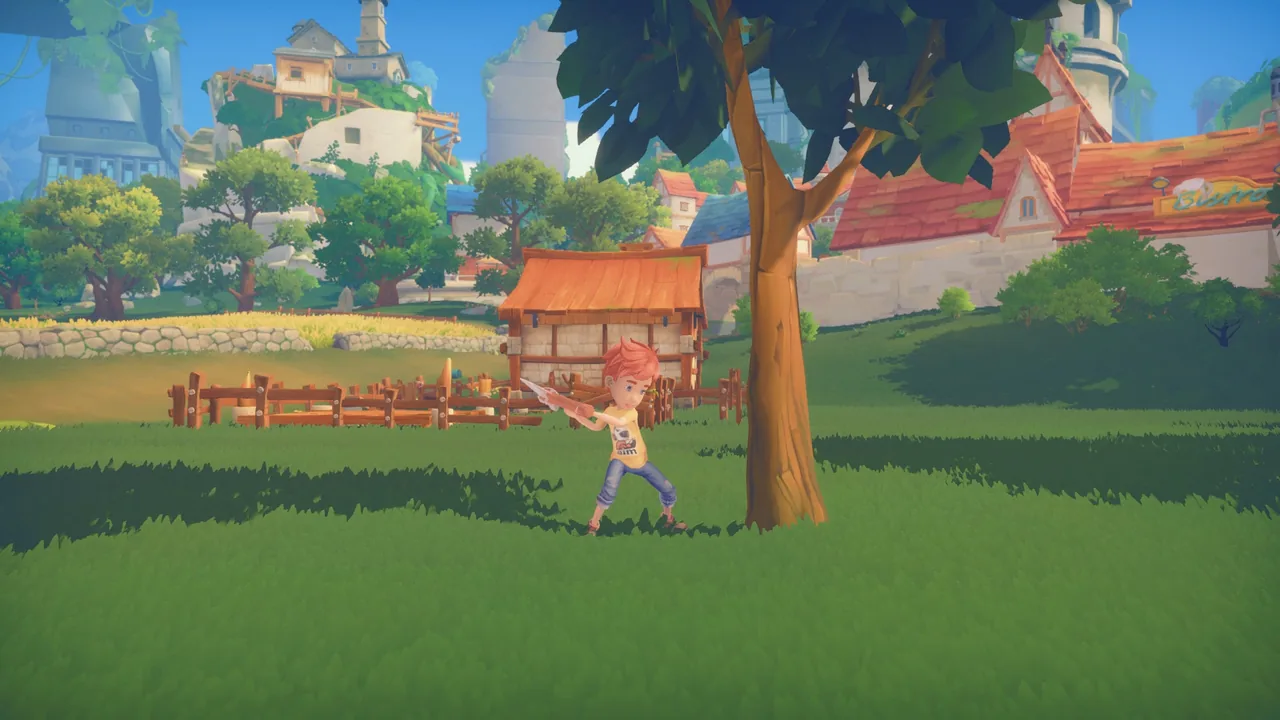
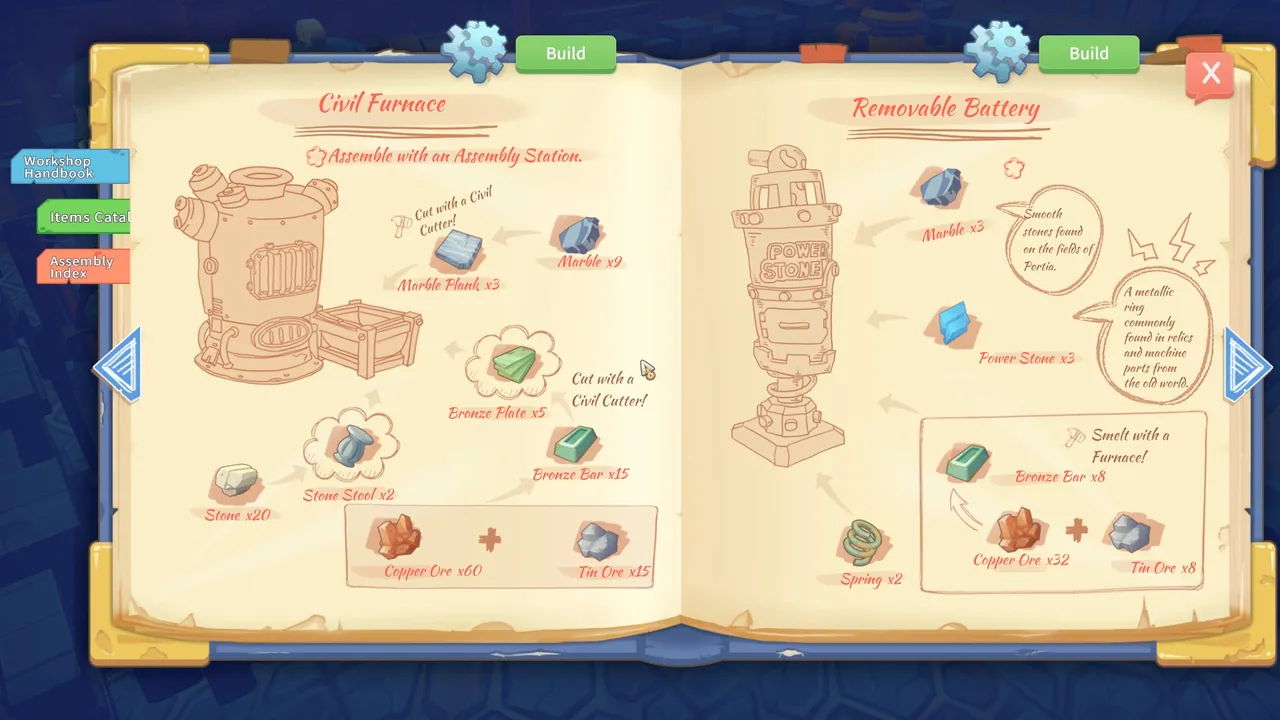
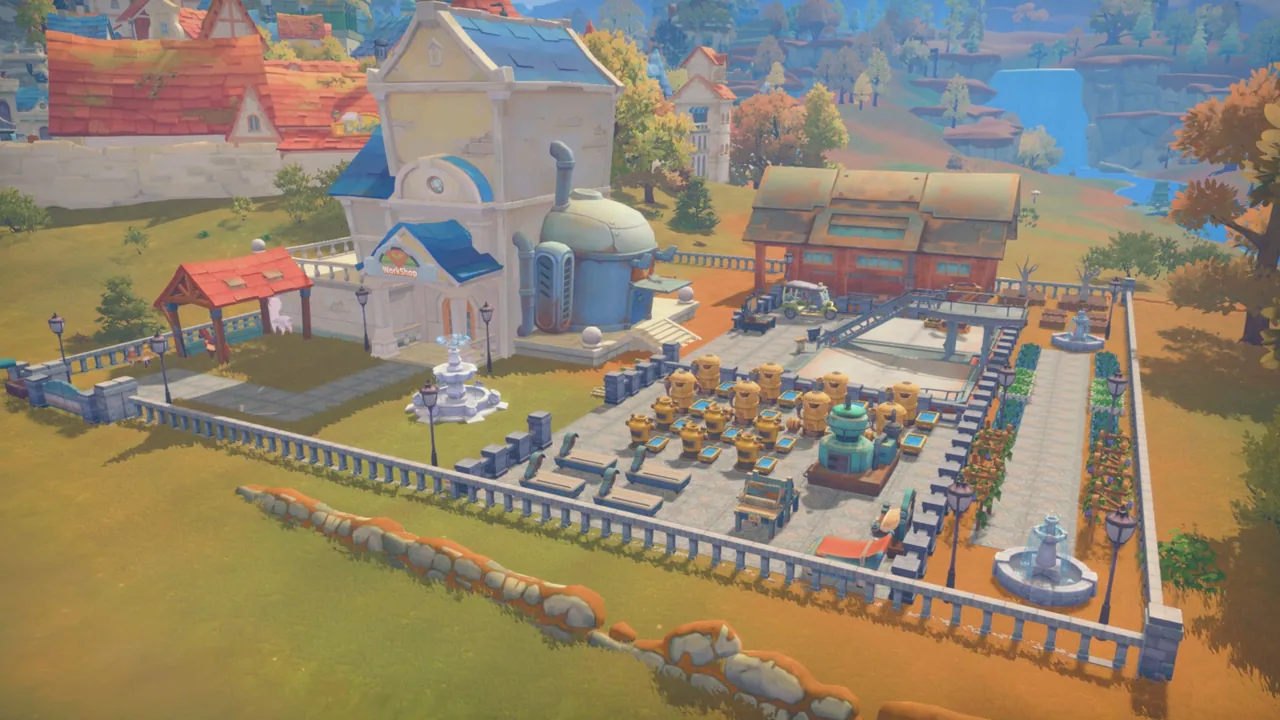
The pitch is a post-apocalyptic spin on the farming-sim template pioneered by games like Harvest Moon and popularised for a modern audience by Stardew Valley: you inherit your father's derelict workshop in the town of Portia and rebuild it by fulfilling commissions, gathering and mining resources, crafting furniture and tools, farming crops with planter boxes and irrigation systems, and building relationships — friendships, and eventually romance — with a genuinely lively cast of townsfolk who have their own daily routines. The Studio Ghibli-inspired art direction gives the whole thing a warmth that's distinct from its more pastoral influences, mixing mystery with cosiness in a way reviewers consistently single out as the game's most memorable quality.
More structured, and grindier, than the comparison suggests
Where Portia diverges most from Stardew Valley is structure. Rather than a loosely-paced sandbox where you set your own priorities, Portia layers in commissions, deadlines and competitive leaderboards against rival workshops, giving the loop a more directed, achievement-oriented rhythm. Several reviewers who came in expecting a straightforward Stardew clone specifically flag this as the biggest adjustment — the game rewards efficient, goal-driven play more than idle puttering, and some describe combat and certain content "zones" as feeling shallow or repetitive next to the depth of the crafting and relationship systems. That's a fair trade for players who want more direction in their life sim; it's a real disappointment for anyone hoping for exactly Stardew Valley with a new coat of paint.
The complaint that's followed the game for six years
The other constant, and the reason this review can't simply match the game's 91.5% approval rating with a higher score, is technical. A long, consistent thread running from the game's 2019 launch through recent reviews describes crashes, old bugs that persisted across years of patches, and a save system tied specifically to sleeping in bed — meaning a crash between rest points can cost real, sometimes substantial progress. One frequently echoed sentiment is that the developers have "a very bad habit of not fixing old bugs," and it's notable that this complaint shows up in reviews written years apart rather than clustering around the original launch, suggesting it's been a genuine, ongoing issue rather than a solved launch-week problem. A separate, specific complaint — Epic Online Services bundled into a game with no online or social features to justify it — drew one of the single most-upvoted negative reviews in the game's history, from players who saw no reason for a purely single-player game to need it at all.
Loved anyway, often with help from mods
None of this has stopped Portia from building the kind of devoted following most life sims never achieve. Reviewers across a striking range of ages describe hundreds or thousands of hours invested, and more than one specifically credits the community mod scene with smoothing over the base game's rough edges into something closer to what they feel it should have been at launch. Recent review sentiment tracks almost exactly with the lifetime score, suggesting this is a stable, settled reputation rather than one still shifting in either direction — a game whose flaws and its charms have both been known quantities for years.
Final verdict
My Time at Portia earns its devoted fanbase honestly: a distinctive setting, a genuinely large amount of crafting and relationship content, and real cross-generational appeal that few games in this genre can claim. It settles at 7 rather than higher because a real, persistent technical complaint — crashes, unresolved old bugs, and a save system that can cost you progress — has followed the game across its entire six-year lifespan rather than fading with time. Go in with patience for that reality, save deliberately, and there's a lot of very well-loved game waiting underneath it.
Price and review data checked 5 August 2026.
If you'd rather your progress persisted without needing to manage manual save points around a crash risk, Wanderer saves continuously in the background instead.
Pros and cons
Pros
- A genuinely distinctive, Ghibli-inspired post-apocalyptic setting that manages to feel cozy and mysterious in the same breath
- An enormous amount of content — crafting, farming, mining, relationships and town-rebuilding — that reviewers with thousands of hours logged still haven't exhausted
- Real crossover appeal, with reviewers across a wide age range describing the game as something they share with family
- Distinct from its obvious Stardew Valley comparison in structure, with leaderboards and workshop commissions giving it a more directed, achievement-driven rhythm
Cons
- A long-running, consistent thread of reviews — from launch through the present — describes crashes and old bugs that were never fully resolved across six years of updates
- The save system, tied to sleeping in bed, has cost some players significant progress when the game crashes between saves
- Combat and some content "zones" are frequently described as shallow or repetitive compared to the depth of the crafting and relationship systems
- Epic Online Services bundled into a purely single-player game drew a specific, heavily-upvoted complaint from players who saw no reason for it to be there
Screenshots
-
My Time at PortiaImage: Focus Entertainment via Steam -
My Time at PortiaImage: Focus Entertainment via Steam -
My Time at PortiaImage: Focus Entertainment via Steam -
How the review scores each part of the gameWanderer Editorial -
The short versionWanderer Editorial