
Game review
Little-Known Galaxy
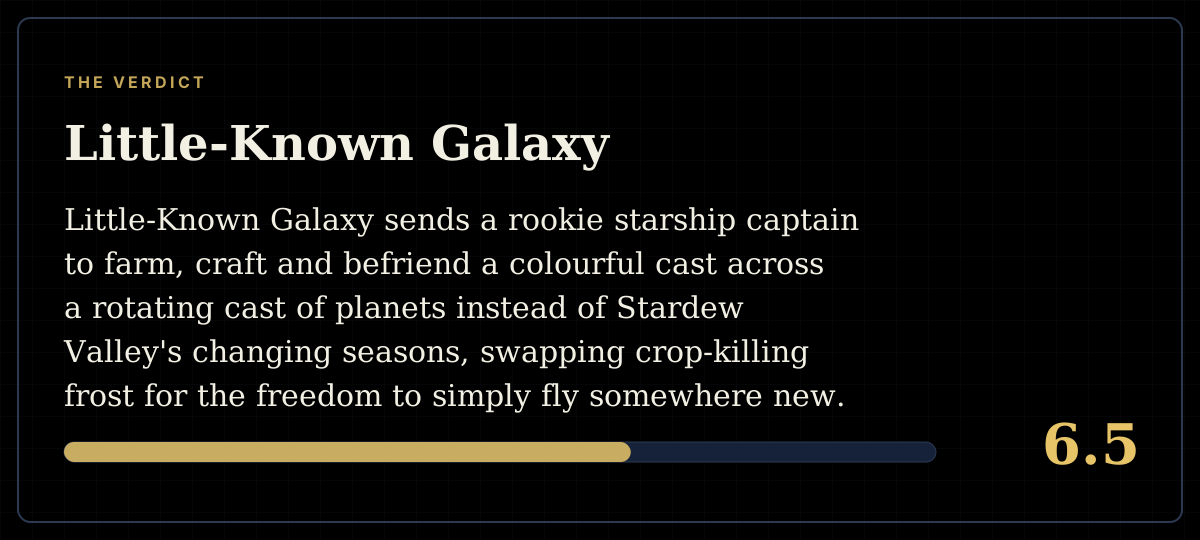
6.5 / 10
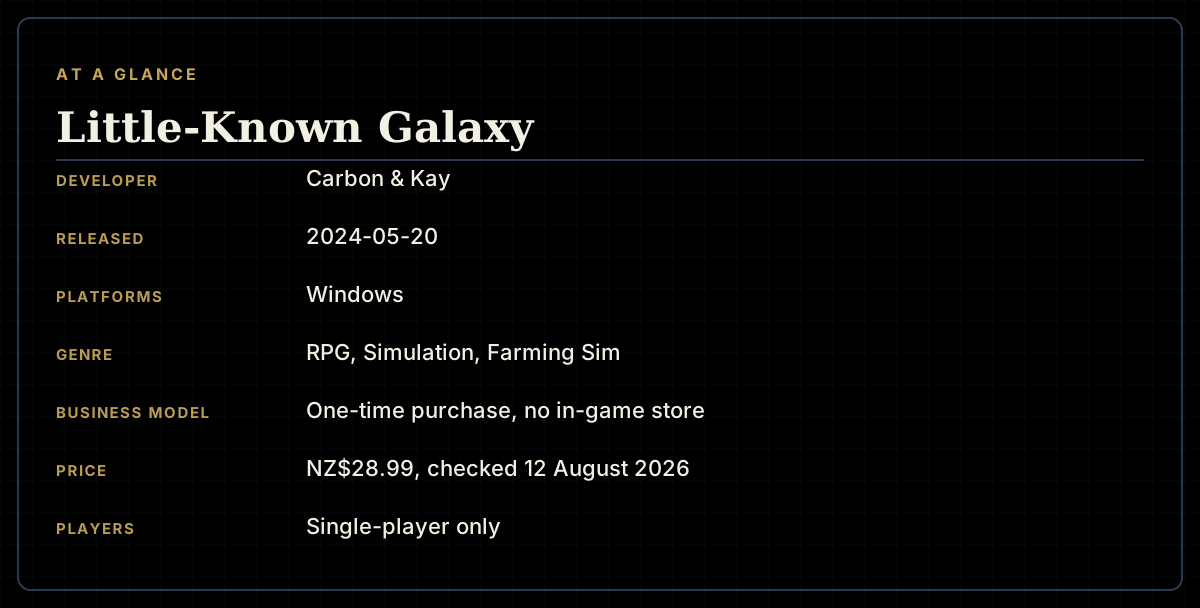
- Developer
- Carbon & Kay
- Publisher
- Carbon & Kay
- Released
- 20 May 2024
- Platforms
- Windows
- Genre
- RPG, Simulation, Farming Sim
- Monetisation
- One-time purchase, no in-game store
- Players
- Single-player only
The short version
Little-Known Galaxy sends a rookie starship captain to farm, craft and befriend a colourful cast across a rotating cast of planets instead of Stardew Valley's changing seasons, swapping crop-killing frost for the freedom to simply fly somewhere new. Developed and self-published by Carbon & Kay, it released on 20 May 2024. Its 662 English-language Steam reviews sit at Very Positive, roughly 87.6%, and reading the full negative sample of 82 reviews alongside the top positives finds a clear, consistent thesis: reviewers on both sides love the concept and the art, and a striking share of both sides say the same specific thing is holding it back — a day cycle and stamina system tuned so tightly that basic daily tasks feel like a losing race against the clock.
Biggest strengths
- Art direction, character design and music draw wide, consistent praise, with even strongly negative reviews stopping to call the game "cute" or "wonderful" to look at
- Swapping Stardew Valley's seasons for a rotating cast of planets is credited as a genuinely clever structural idea, removing the genre's classic frustration of losing crops to a season change while keeping fresh biomes to explore
- The core cast of characters and the captain-in-training framing draw specific praise for feeling different from the well-worn "inherit a farm" setup most cozy sims default to
Biggest weaknesses
- The single most consistent complaint across the negative sample, by a wide margin, is grind: slow-to-unlock skill progression, expensive crafting chains and a stamina system that runs out long before a player's task list does
- The in-game day moves fast enough that multiple reviewers describe basic errands — walking between rooms, reaching a fast-travel point — eating a disproportionate share of available time, with no run button to compensate
- A reviewer who revisited the game roughly a year after their original review reported three of four original quality-of-life complaints were still present, and the developers' own patch history shows updates largely stopped a few months after launch
Who it's for: Cozy farming-sim fans drawn to the space-travel twist who don't mind planning every in-game minute; a poor fit for anyone who wants a relaxed Stardew Valley alternative to unwind with, since several long-time players say it's the opposite of relaxing.
Our recommendation: A genuinely charming, well-realised idea let down by pacing decisions the developers haven't revisited since shortly after launch — worth trying the demo before buying, since the core complaint shows up within the first couple of hours.
6.5 / 10
Introduction
Little-Known Galaxy takes the Stardew Valley formula — farm, craft, befriend a colourful cast, watch a small operation grow into something bigger — and moves it into space, swapping the genre's familiar seasonal calendar for a rotating cast of planets a rookie captain travels between. Carbon & Kay, a small studio, developed and self-published it, releasing on 20 May 2024. Reading the full available negative sample of 82 English-language reviews alongside the top 100 positives, out of a Very Positive corpus (roughly 87.6% across 662 reviews), turns up an unusually clean thesis: this is a game almost nobody actively dislikes, but a striking number of players on both sides of the recommendation line name the exact same specific problem.
A clever hook, well realised
Start with what draws near-universal agreement. The core swap — planets instead of seasons — earns specific praise as a genuinely smart structural choice, removing one of the cozy-farming genre's oldest frustrations (losing a full field of crops to an unexpected frost) while still giving players fresh biomes and content to look forward to. One detailed positive review called it "literally STAR-dew valley" and recommended it directly to Stardew Valley and Innocent Life fans; even several reviewers who ultimately marked the game unrecommended stopped to praise its "wonderful" art style and its cast of characters, several of them genuinely unusual for the genre — a talking rock among them. The captain-in-training framing, working toward captain points rather than simply inheriting a farm, draws its own specific credit for feeling like a fresh premise rather than a reskin.
A clock that won't stop punishing you
Here's where the sample speaks with real consistency, and it isn't subtle: "grind" appears across roughly a third of the negative reviews, more than any other keyword in the sample, and Stardew Valley itself is invoked in over 30% of them, almost always as an unfavourable comparison on polish and pacing rather than a compliment. The specific mechanical complaint underneath that word is precise and repeated: energy and stamina drain quickly, the in-game day moves fast enough that simply walking from one room to a fast-travel point eats a meaningful share of it, and there's no run button to compensate. One detailed review described the core gameplay as "a grind and extremely fast paced," adding that failing to optimise every single action means falling permanently behind. Another calculated the actual resource math on a specific crafting chain and found the ratios simply punishing relative to what a player can realistically gather in a session.
This isn't a complaint that arrived early and then faded, either. A reviewer who returned to reassess the game roughly a year after their initial impressions reported that three of their four original quality-of-life complaints — no fast quick-travel, no tile-target highlighting, and the day cycle running too fast — were still present, unresolved. That lines up with the game's own update history: Carbon & Kay shipped patches steadily through the first three months after launch, then nothing further, at least on the record this review could check. For a game whose central identified flaw is pacing and quality-of-life friction, that's a meaningful gap between what players have been asking for and what's shipped.
Final Verdict
Little-Known Galaxy is a genuinely charming, well-designed idea — its planets-not-seasons hook solves a real problem in its genre, its art and cast earn their praise honestly, and it isn't a game its own critics dislike so much as one they wish had been tuned differently. What keeps it from a higher score is how consistently, and for how long, that specific tuning complaint has followed the game: a day cycle and stamina system that turn cozy farming into a time-pressure exercise, without the developer follow-up that similar complaints in this library have often seen resolved. Try the demo before buying — the pacing problem shows up within the first couple of hours, and it's the single best predictor of whether this will feel relaxing or exhausting for you.
Pros and cons
Pros
- Art direction, character design and music draw wide, consistent praise, with even strongly negative reviews stopping to call the game "cute" or "wonderful" to look at
- Swapping Stardew Valley's seasons for a rotating cast of planets is credited as a genuinely clever structural idea, removing the genre's classic frustration of losing crops to a season change while keeping fresh biomes to explore
- The core cast of characters and the captain-in-training framing draw specific praise for feeling different from the well-worn "inherit a farm" setup most cozy sims default to
- Steam Deck compatibility and character customisation are called out repeatedly as well implemented for a small studio's first release
Cons
- The single most consistent complaint across the negative sample, by a wide margin, is grind: slow-to-unlock skill progression, expensive crafting chains and a stamina system that runs out long before a player's task list does
- The in-game day moves fast enough that multiple reviewers describe basic errands — walking between rooms, reaching a fast-travel point — eating a disproportionate share of available time, with no run button to compensate
- A reviewer who revisited the game roughly a year after their original review reported three of four original quality-of-life complaints were still present, and the developers' own patch history shows updates largely stopped a few months after launch
- Several reviewers directly compare it unfavourably to Stardew Valley on robustness and polish, arguing the core loop isn't yet deep enough to justify a full-price purchase over its inspiration
Screenshots
-
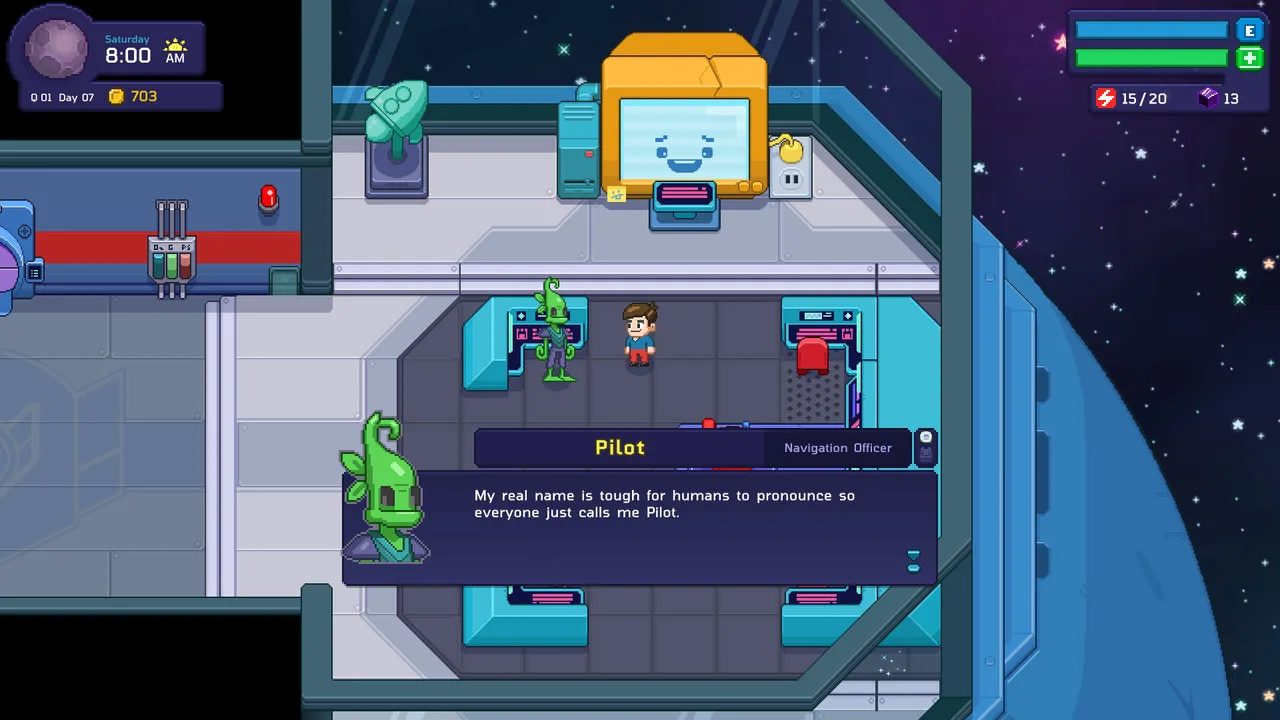
Little-Known GalaxyImage: Carbon & Kay via Steam -
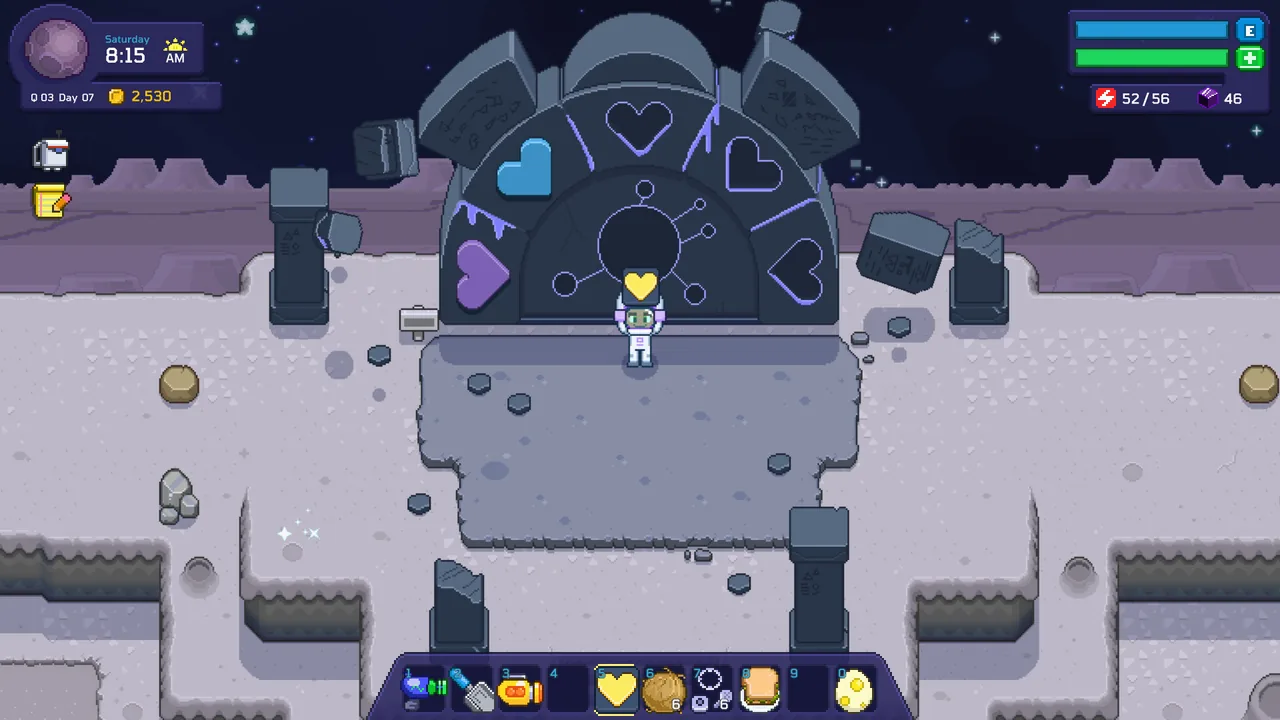
Little-Known GalaxyImage: Carbon & Kay via Steam -
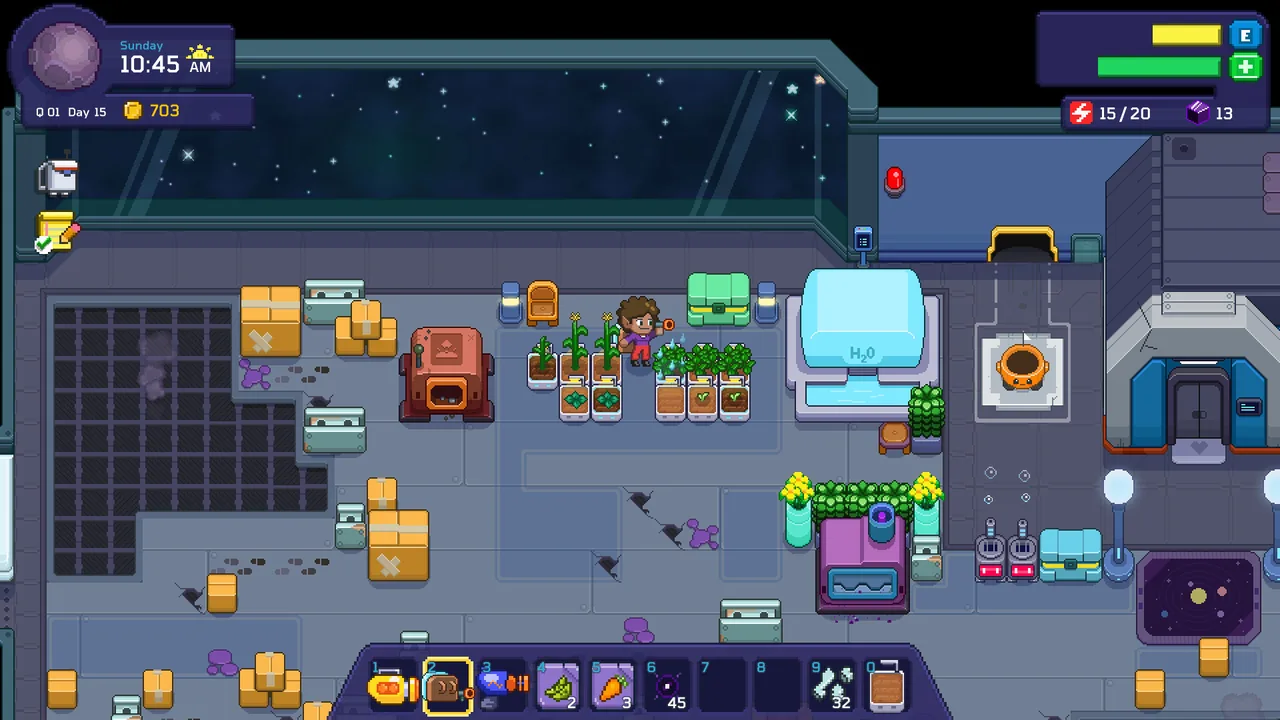
Little-Known GalaxyImage: Carbon & Kay via Steam -
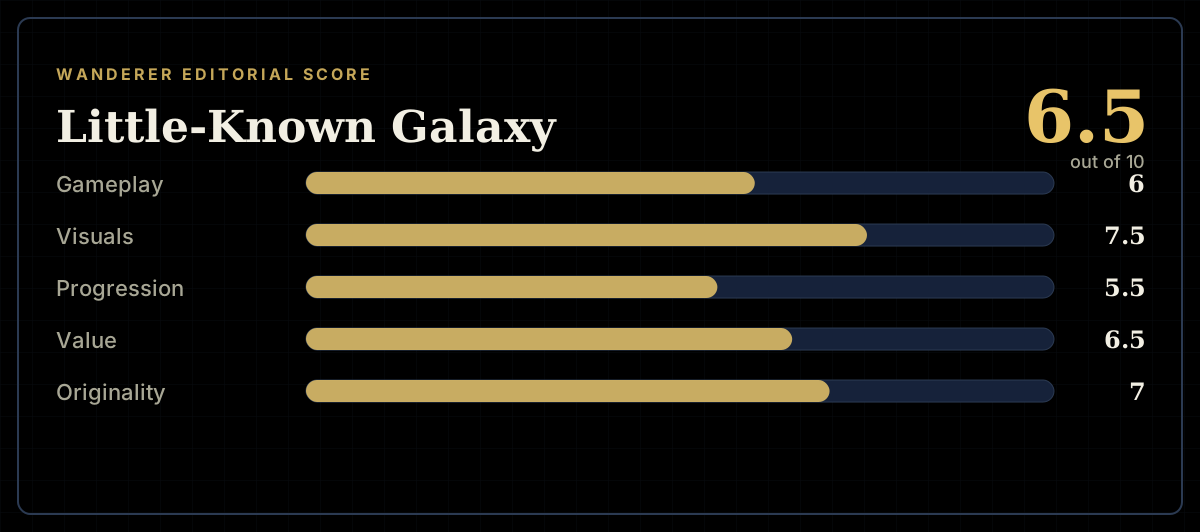
How the review scores each part of the gameWanderer Editorial -
The essentials at a glanceWanderer Editorial -
The short versionWanderer Editorial