Game review
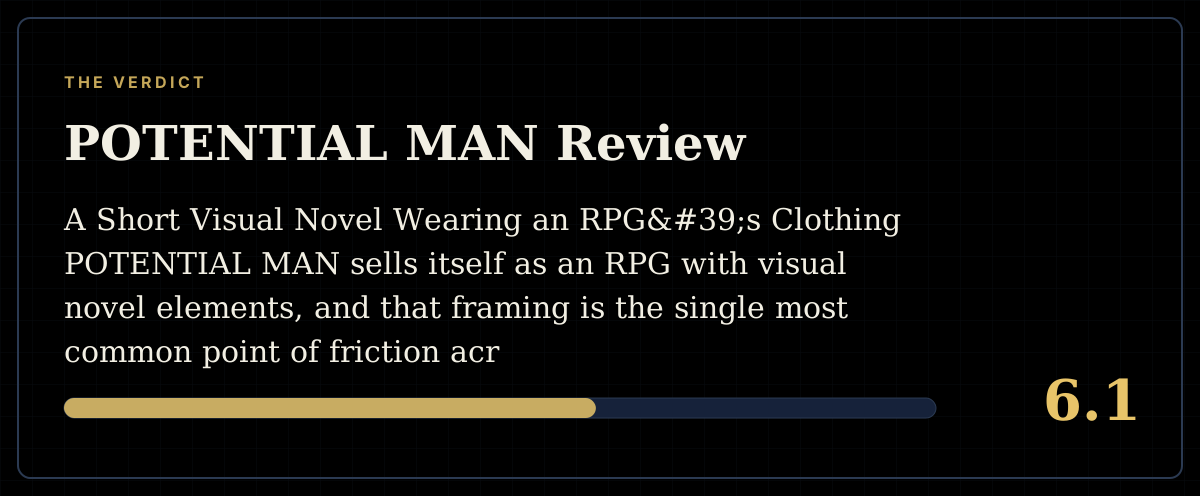
POTENTIAL MAN Review
6.1 / 10
- Developer
- Noah McAdams, Casen Wiegman
- Publisher
- STUDIO HEATSEEK
- Released
- 31 August 2026
- Platforms
- ["Windows"]
- Genre
- RPG
A Short Visual Novel Wearing an RPG's Clothing
POTENTIAL MAN sells itself as an RPG with visual novel elements, and that framing is the single most common point of friction across its review pool. Reviewer after reviewer arrives expecting turn-based mechanics and stat-driven progression and instead finds something much closer to a straight visual novel with a handful of scripted, mostly unloseable encounters layered on top. One reviewer puts it bluntly: "I came in expected this to be, like the advertisements say, an RPG with visual novel elements. Turns out it's a visual novel with scripted encounters." Another goes further into the mechanics themselves: "the only points where you can get a game over are where you can deviate from the fight's script. Don't pick the option that's meant to be picked and you'll either just prolong the fight or lose instantly." That's a fair, specific description of a game where the "RPG" label oversells what's actually a tightly linear reading experience.
To the game's credit, most reviewers who register that mismatch still end up recommending it anyway, treating the misleading genre tag as a marketing problem rather than a reason to dock the experience itself. As one reviewer who disagreed with the framing but still recommended the game put it, "I partially agree with one of the negative reviews about removing the RPG tag so people wouldn't be mislead."
Murphy, the Acorn, and a Story That Sticks
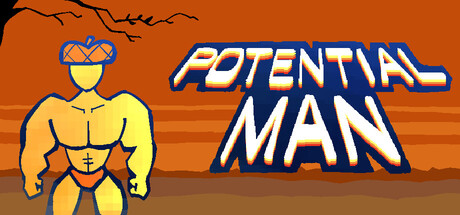
Once expectations are recalibrated, the actual writing draws consistently strong praise. The story follows Murphy, an aimless, over-eager squirrel, opposite the title character — an anthropomorphic acorn obsessed with maximizing his own potential at the expense of everything that makes him human. Reviewers describe the pairing as the game's real strength, with one calling Murphy "an incredibly charming design" and noting that "on a visual level, I can totally see why he steals the show." Another reviewer frames the game's underlying thesis concisely: the titular character shows that "you must kill what makes you human in order to maximize your potential," while Murphy demonstrates the opposite failure mode, wasting his potential by spreading his energy across too many undefined ambitions.
The tone lands as a mix of genuine comedy and unexpectedly heavy emotional beats, and reviewers who went in expecting a light joke game frequently mention being caught off guard by how much it stayed with them afterward. One writes plainly that "it's been a few days since I played this game, and I have not stopped thinking about it," describing a story that moves between laughs, tension, and moments of real self-reflection within its short runtime.
One Ending, and a Vocal Split Over Whether That's Enough
The game's most consistently debated design choice is that it has exactly one ending, reachable regardless of how a player engages with its light interactive elements. For a subset of reviewers, that singularity works precisely because the game is so short and tightly focused — several describe the ending as bold, poignant, and worth the roughly one-hour runtime on its own. For others, it reads as an unfulfilled promise: one reviewer who otherwise enjoyed the game writes that "the game was not long enough for the game's only ending to have that much of an emotional impact on me," while another flags that "there's way too many hints for a second ending that doesn't exist, and the one ending kinda sucks."
That split runs through the negative reviews specifically — the twelve reviewers who marked the game Not Recommended cite the same handful of concerns almost uniformly: minimal interactivity, a single unavoidable ending, and a sense that the RPG marketing set up an experience the actual game doesn't deliver on. None of the negative reviews describe technical problems or bugs; the criticism is consistently about scope and expectations rather than execution.
Music, Art, and a Debut Studio's Confident Presentation
What's rarely in dispute, even among the game's critics, is the quality of its presentation. The hand-drawn art style earns near-universal praise, and the soundtrack draws repeated comparisons to classic SNES-era JRPG music, with several reviewers specifically calling out an in-game music player that lets the tracks be replayed independently of a playthrough. One reviewer who otherwise found the writing disappointing still concedes "the art is great; no complaints... The music also slaps, being catchy and nailing the sound of retro RPGs." A Steam Deck player reports the game running smoothly there with no glitches or bugs across a full playthrough, which is a reasonable proxy for the game's overall technical stability given how many reviewers logged completed runs without incident.
This is also, by multiple accounts, STUDIO HEATSEEK's first release, and several longtime followers of writer Noah McAdams's prior animation and voice work frame the game as a promising proof of concept for a new studio rather than a fully realized production. That context shapes a lot of the goodwill in the review pool: reviewers extend patience toward the game's thinness specifically because they read it as an opening statement rather than a finished, full-scope release.
Verdict
POTENTIAL MAN is a short, sharply written visual novel that oversells itself as an RPG and underdelivers on interactivity as a result, but its actual strengths — a charming central relationship, a genuinely well-composed retro-styled soundtrack, and a story that lingers well past its roughly one-hour runtime — are real enough that its Very Positive reception feels earned rather than inflated. The single, non-negotiable ending is the fairest point of criticism in the review pool, and it's one prospective buyers should weigh seriously if they're hoping for meaningful replayability or player agency. At $3.99, it's priced honestly for a game clearly designed to be consumed in a single evening, but it's best approached as a short story with light interactive dressing rather than the RPG its store page advertises.
Pros:
- Genuinely charming, well-written central pairing between Murphy and the title character
- A strong hand-drawn art style and a widely praised SNES-inspired soundtrack, including a standalone in-game music player
- Emotionally effective ending that many reviewers say stuck with them well after finishing
- Honest $3.99 price for a roughly one-hour experience, with no reported bugs or technical issues
- Runs cleanly on Steam Deck according to reviewers who tried it there
Cons:
- Marketed as an RPG but plays almost entirely as a linear visual novel with unloseable scripted encounters
- Only one ending exists regardless of player choices, which a meaningful minority of reviewers found unsatisfying
- Very short runtime, around an hour for a first playthrough
- Several optional achievements are described as grindy or dependent on chance
- The negative-review minority consistently cites the same scope-and-expectations complaints, suggesting the genre mismatch is a real, recurring issue rather than a one-off gripe
Screenshots
-
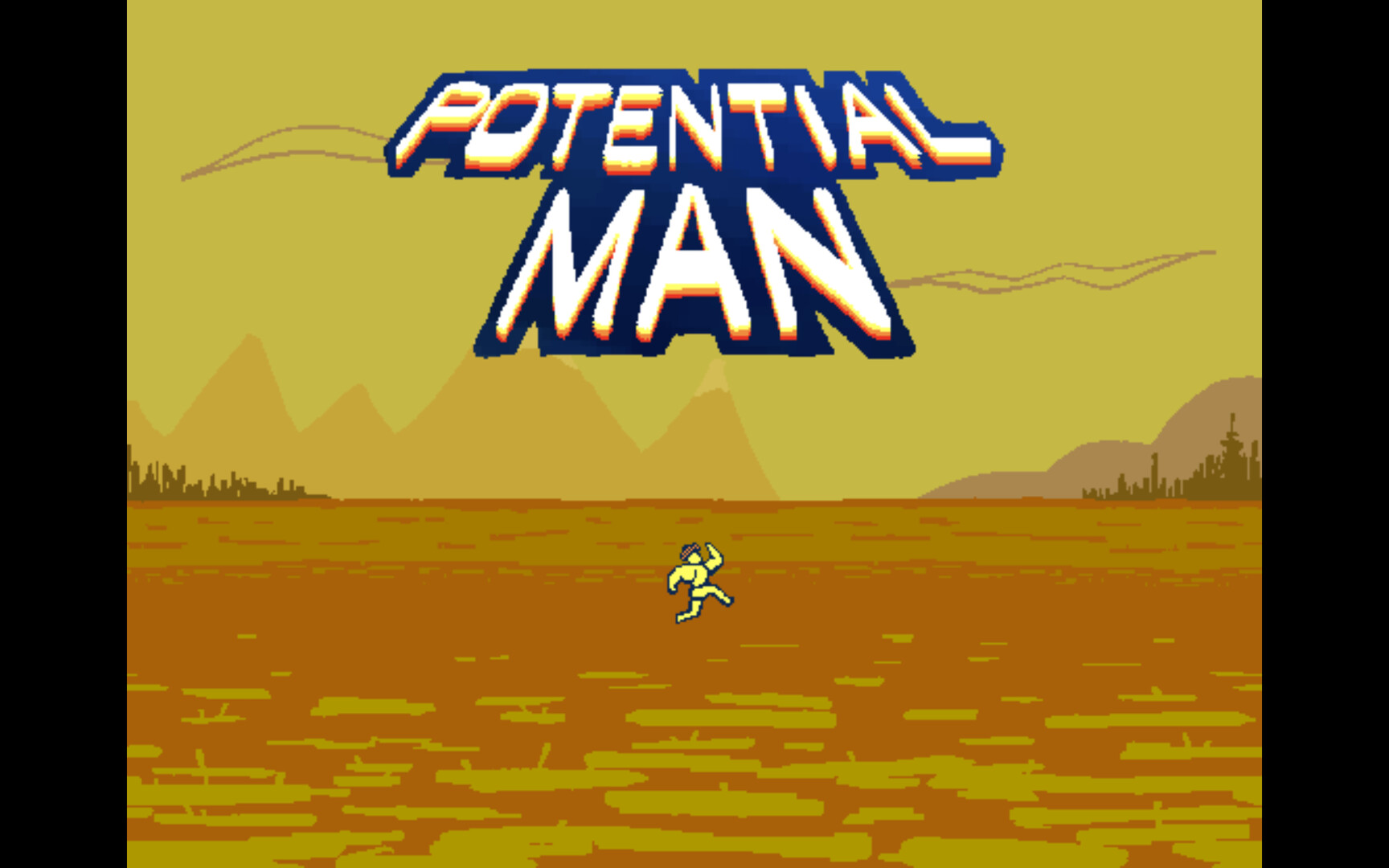
The game opens on a desolate, SNES-styled title sequence that sets its retro visual toneImage: STUDIO HEATSEEK via Steam -
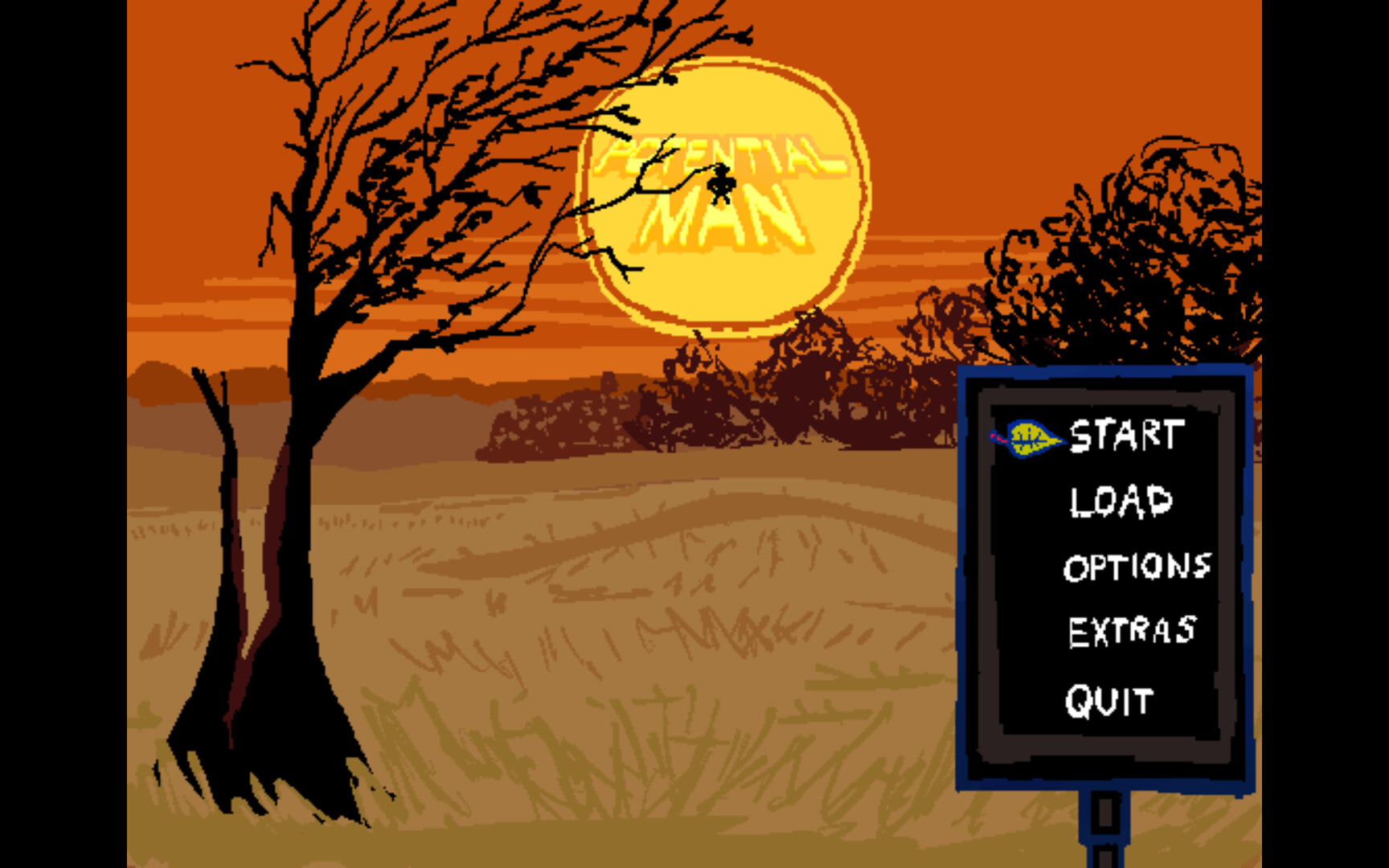
The main menu's illustrated, windswept art style carries through the rest of the game's presentationImage: STUDIO HEATSEEK via Steam -

Murphy's expressive character art is one of the story's most consistently praised elementsImage: STUDIO HEATSEEK via Steam -
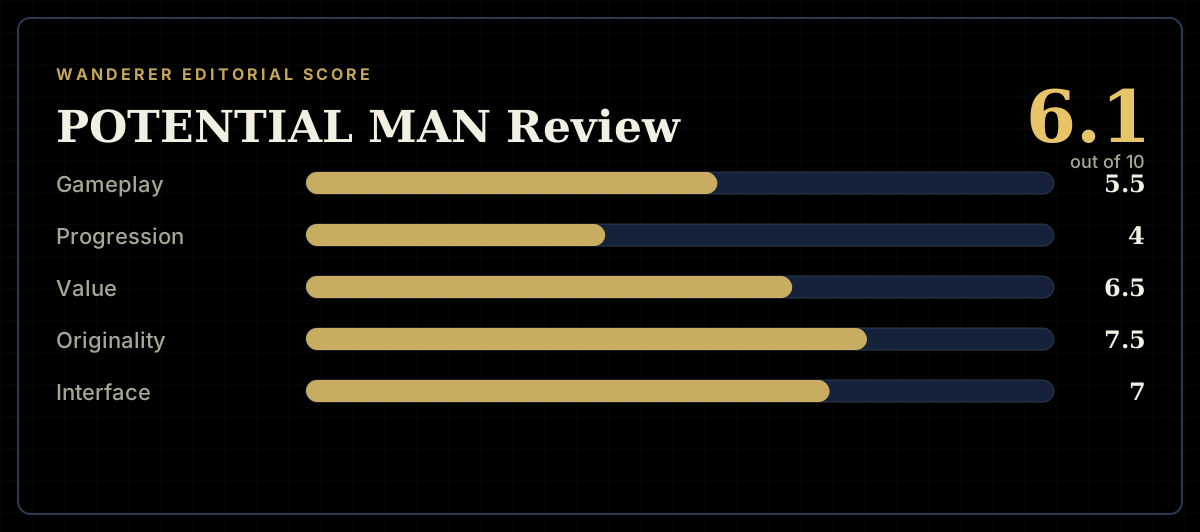
How the review scores each part of the gameWanderer Editorial -
The short versionWanderer Editorial