
Game review
Pop! Pachinko Review
6.5 / 10
- Developer
- Pangolin Interactive, Robot Lion Games
- Publisher
- Pangolin Interactive, Gamersky Games
- Released
- 17 September 2026
- Platforms
- ["Windows"]
- Genre
- Casual
A Neon-Soaked, City Pop-Flavored Pachinko Roguelite
Pop! Pachinko is a roguelite from Pangolin Interactive and Robot Lion Games that reimagines the Japanese arcade staple as a run-based chain-reaction toy box. You drop steel balls into vertical pachinko boards and try to hit each level's score target, but the real game happens between drops: shopping for stranger, more powerful balls, stacking elemental effects, and collecting charms that create escalating synergies until a single launch can flood the board with explosions, multipliers, and cascading bonus triggers. Runs are built to be quick, in the 20-to-30-minute range, and the whole experience is wrapped in a deliberately retro "City Pop" aesthetic — neon-lit boards, a curated Japanese pop soundtrack, and dozens of collectible "Chibi Pop" figures to unlock and display. The store page is explicit that despite its subject matter, the game contains no real-money gambling, betting, cash prizes, or cash-out mechanics of any kind. It launched on Steam on September 17, 2026 at $12.99, following a public demo, a developer livestream, and several rounds of balance patches earlier in the year.
A Small but Perfectly Positive Launch
Pop! Pachinko launched to 26 reviews, all 26 of them positive, for a perfect 100% "Positive" score on Steam. The sample leans heavily toward Simplified Chinese (18 of 26 reviews), with a smaller English contingent and single Japanese, Korean, and Dutch reviews rounding it out — this review draws on both the English-language reviews directly and translated excerpts from the Chinese-language majority, which skews strongly toward short, enthusiastic, vibes-focused reactions rather than long-form critique. It's a small pool by definition, reflecting a launch-day audience rather than a broad cross-section of roguelite players, but a completely clean record across a genuinely international spread of reviewers is a meaningful early signal.
Chaotic Chain Reactions, Cozy Vibes, and a Genuinely Addictive Loop
The praise across this pool centers on two things working in tandem: the satisfying chaos of a build coming together, and the relaxed, low-pressure mood the game wraps around it. One reviewer writes that it's "one of those games that's really easy to pick up for a quick run, and then suddenly you realize you've been playing a lot longer than you planned," singling out the moment "a build starts coming together and the board just turns into chaos" as the best part of the experience. Another compares it directly to Peggle but built around chasing the highest score rather than clearing pegs, adding that between the 1980s-inspired aesthetic and "some really catchy music," they "plan to put in hundreds of hours on this game." A third calls it simply "peak vibes," praising the aesthetics and calling the gameplay "extremely refreshing for a pachinko game." Chinese-language reviewers echo the same enthusiasm in shorter bursts, with several translated comments praising the visual identity outright — one writes, translated, that "city neon plus City Pop plus a pachinko machine already wins on aesthetics alone" — and another describing the appeal of the format itself as "the joy of hitting a jackpot on a slot machine, without spending real money." Multiple reviewers, in both languages, specifically highlight the low-pressure pacing as a selling point: one writes that "you don't have to stay highly focused the whole time — each round only needs about ten seconds of real attention, then the shop phase lets you slow down and choose carefully," concluding it's "relaxing, pretty good" as a decompression game to play on a lunch break or with music on in the background.
Repeating Boards, Shallow Build Depth, and a Launch Mechanic Some Call Too Random
Even within a perfect-score launch pool, several reviewers flag real limitations, mostly around depth and variety rather than any fundamental flaw. One of the more detailed English-language reviews, while broadly positive, notes there "isn't much depth or variety to the builds" and points out that the boards in the game's first chapter, Cassette Tape Dream, are "the same 18 boards you'll play throughout the game" rather than unique layouts per level, adding that they had expected more variety there. Another reviewer raises a similar concern more directly, noting the game "does take some strategy here and there to find what works best," implying the ceiling on meaningful decision-making is real but not especially high once a run's basic pattern is learned. A translated Chinese-language review raises a sharper, more specific critique of the core mechanic itself, arguing that outcomes rely too heavily on "brute force luck," that the launch-power design "feels somewhat crude," and pointedly asking whether that really counts as a faithful recreation of pachinko's design — a rare moment of genuine skepticism in an otherwise glowing pool. A separate translated comment agrees the game "doesn't require much skill" and is best understood as "essentially a relaxation game" rather than a mechanically deep roguelite, a framing echoed by reviewers who explicitly praise the game precisely because it doesn't demand a lot of attention.
Verdict
Pop! Pachinko is a small, confident, and thoroughly charming experiment that dresses up the pachinko format in roguelite escalation and a genuinely appealing City Pop aesthetic, and its perfect early review score, spread across a real mix of languages, backs up just how well its specific combination of chaos and chill has landed with an initial audience. Its most consistent knock, even from fans, is that the build variety and board designs don't run as deep as the elemental synergies and chain-reaction spectacle might suggest, and at least one detailed critic argues the core launch mechanic leans on luck more than skill in a way that undercuts its claim to real pachinko-style precision. At $12.99 for quick, replayable, 20-to-30-minute runs backed by a strong soundtrack and a genuinely relaxing pace, this is an easy recommendation for anyone looking for a low-stakes, good-vibes roguelite to unwind with, so long as you're going in for the atmosphere and the cascade of bouncing balls rather than a deep strategic puzzle.
Screenshots
-
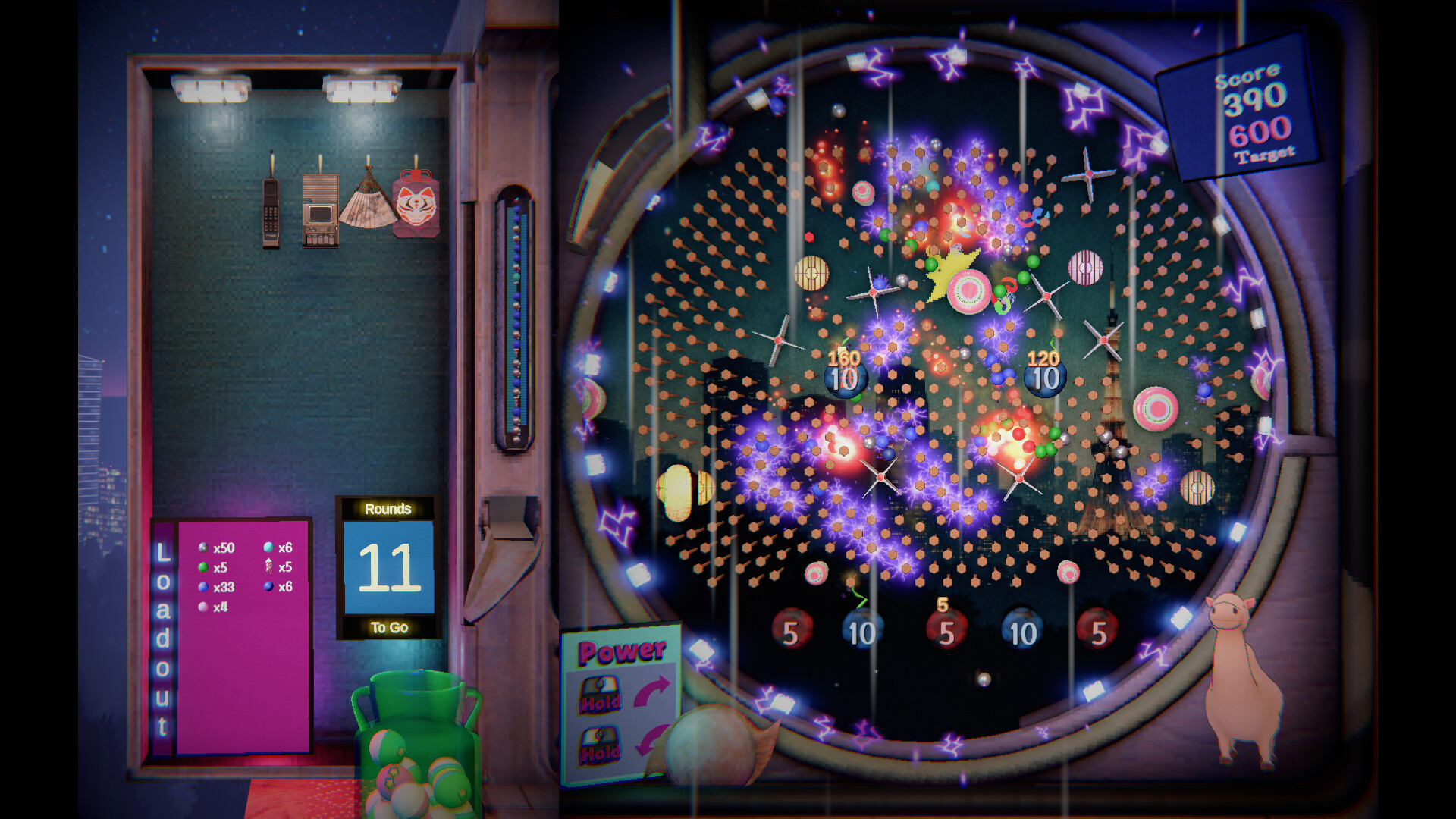
A chain reaction cascades across the board as a run builds toward its score targetImage: Pangolin Interactive via Steam -
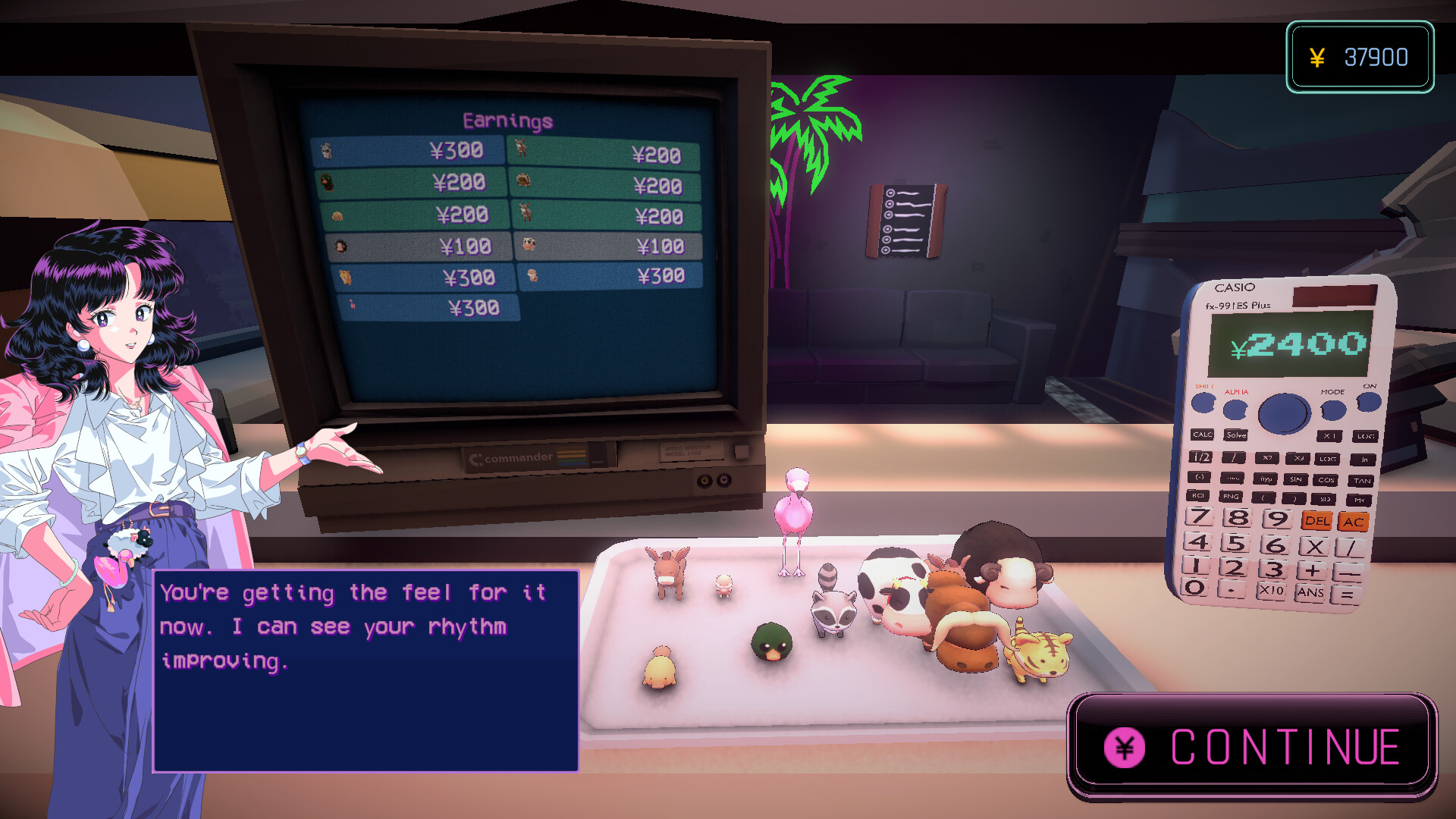
Between rounds, cashing in Chibi Pop charm earnings at the shop phaseImage: Pangolin Interactive via Steam -
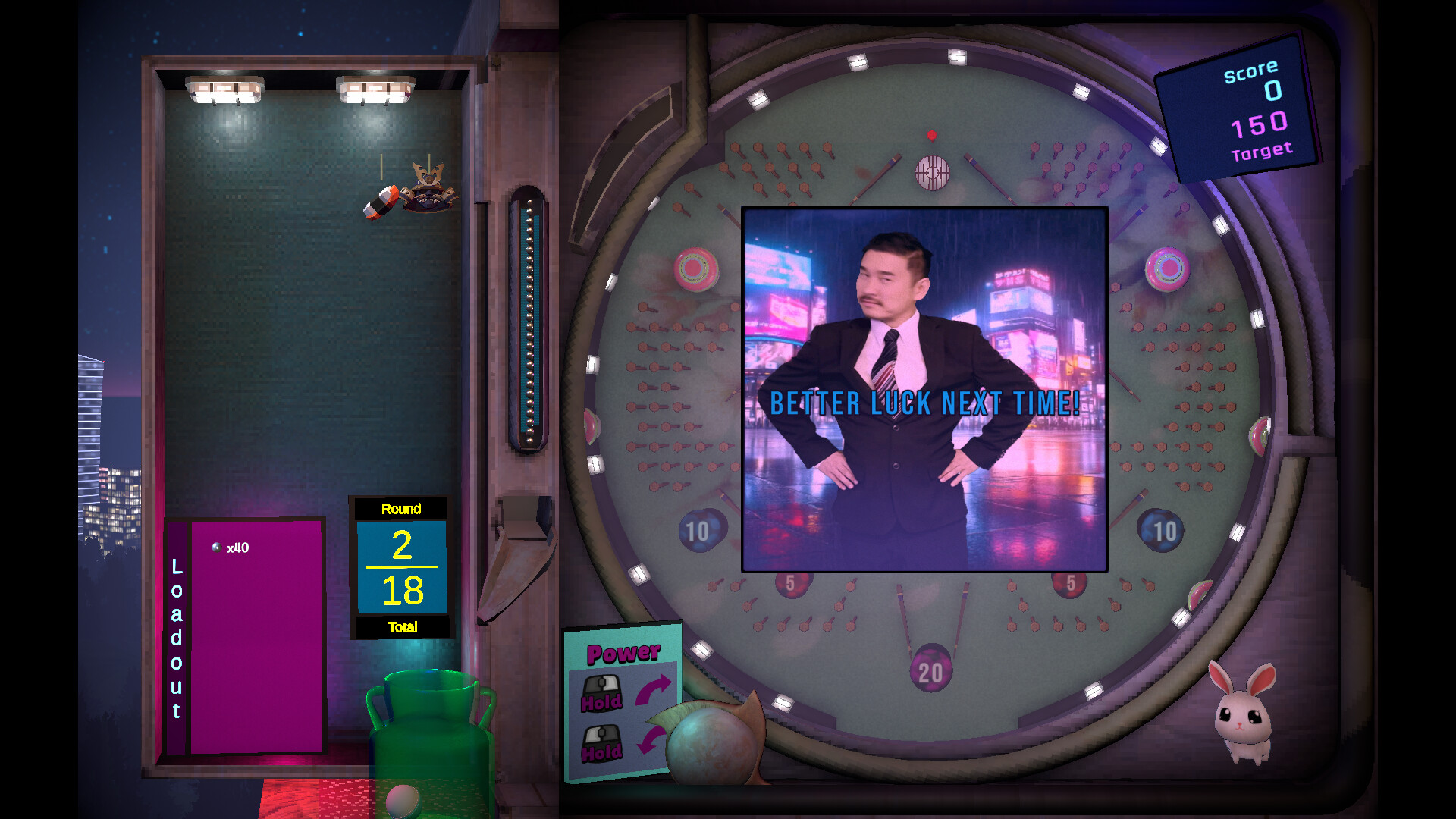
A failed round on the board, with an 18-round run still aheadImage: Pangolin Interactive via Steam