
Game review
Mech Fortress Review: A Satisfying Core Loop, Stretched Thin
5.8 / 10
- Developer
- Some Sugar Studio
- Publisher
- Some Sugar Studio
- Released
- 5 March 2026
- Platforms
- ["PC"]
- Genre
- Tower Defense
- Monetisation
- Paid
- Players
- false
The short version
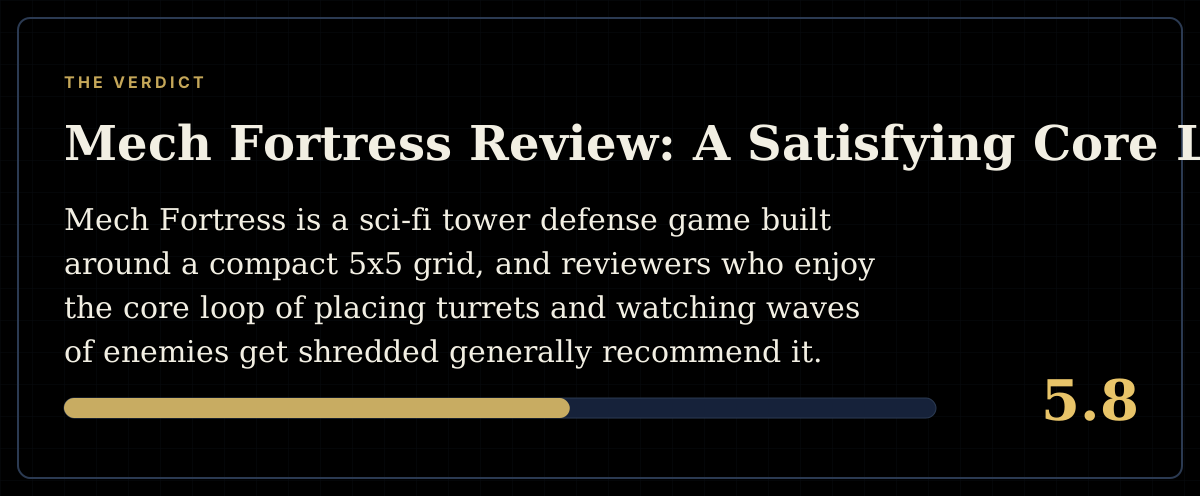
Mech Fortress is a sci-fi tower defense game built around a compact 5x5 grid, and reviewers who enjoy the core loop of placing turrets and watching waves of enemies get shredded generally recommend it. But the sample is just as consistent about the game feeling thin -- low difficulty, a small map selection, and at least one detailed reviewer directly disputing the game's advertised turret-variety claims as misleading.
Biggest strengths
- Multiple reviewers describe the core act of placing turrets and watching enemies destroyed as genuinely satisfying and stress-relieving
- Simple, easy-to-learn controls that several reviewers specifically praise as approachable for casual play
- Very cheap at under NZ$12, which most reviewers consider fair for what's currently on offer
Biggest weaknesses
- One detailed critical review directly disputes the game's marketing claim of 70-plus unique turrets, describing the actual roster as a small handful of turret types that only vary in colour and strength
- Multiple reviewers independently describe the difficulty as too low and the content -- maps in particular -- as too sparse for a full release
- Turrets can't be moved, replaced, or previewed for range/damage before purchase, which more than one reviewer calls a frustrating design gap for the genre
Who it's for: Casual tower-defense fans looking for a cheap, low-friction, low-difficulty game to leave running in the background, rather than players seeking deep strategic variety.
Our recommendation: Worth its low asking price for a satisfying but currently shallow tower-defense loop, with the caveat that several reviewers consider it closer to a tech demo than a full release in its current state.
5.8 / 10
Mech Fortress, from Some Sugar Studio, sits at 85% positive across 239 Steam reviews. A sample of 14 English-language reviews from launch week through several months later shows broad, if often brief, satisfaction with the moment-to-moment gameplay -- alongside a smaller but more detailed set of reviews raising specific, substantive concerns about how much game is actually here.
A Satisfying, If Simple, Core Loop
The recurring praise across the sample centres on the basic pleasure of watching a well-planned defense work. One reviewer writes that "the way enemies get blown to bits is super satisfying. It brings me back to my tower defense days as a kid." Another calls it "a rather stress-relieving tower defense game. Watching wave after wave of monsters die feels great." A third, more technically focused review praises the responsiveness specifically: "smooth controls and responsive feedback. Every battle feels weighty and satisfying, with zero lag or bugs ruining the flow." These are short reviews, but they're consistent in what they praise, and that consistency matters -- the core combat fantasy clearly lands for a meaningful share of players.
A Direct Dispute Over the Game's Own Marketing
The sample's most substantial and specific review directly challenges claims made about the game itself. One detailed, critical reviewer writes: "70+ unique towers? Yeah right. There are no more than a small handful of turrets, like 10 or so, but all they do is variate in colour and strength. Walla, 70+ 'unique' turrets." That's a striking contrast to a separate, positive review in the same sample, which praises "mastering the synergy between 72 unique turrets -- ranging from front-line tanks to specialized supports." Both reviews are specific enough to have clearly engaged with the game's actual turret roster, which makes this a genuine, unresolved disagreement rather than one side simply not paying attention -- it's possible the "72" figure includes upgrade tiers or minor stat variants that the critical reviewer considers cosmetic rather than functionally distinct. Either way, prospective buyers drawn in by marketing claims of dozens of unique turrets should weigh the more skeptical account carefully.
Thin Content and Low Difficulty
Beyond the turret-variety dispute, several reviewers raise a related, broader concern: the game currently offers less than a full-priced release typically would. One reviewer calls it "more like a tech demo," adding "there is no real goal, so playing feels kinda pointless, but towers go brrrrr" -- simultaneously enjoying the moment-to-moment feel while acknowledging the lack of structure around it. Another, more measured review agrees on the fundamentals but wants more: "good foundation, but the gameplay feels clunky right now. I'd wait for a few updates." A third specifically flags the map count: "hopefully they can add more maps because there aren't enough to play." Difficulty comes in for similar treatment -- one reviewer notes plainly that "the difficulty is relatively low, and it lacks depth at the moment," while another, more positive about the game overall, still concedes it's "a pure tower defense game with low overall difficulty."
Missing Quality-of-Life Features
The sample's most detailed critical review also raises specific interface complaints that are hard to dismiss as personal preference. It notes that "none of the turrets tell you their damage range," so choosing one means committing blind, since "the only way you can see distance[e] is actually having a tower ready to place." The same review adds that turrets "can't be destroyed, replaced, or moved" once placed, and that there's "no camera control, not even a half-baked zoom function." These are concrete, checkable claims about missing genre-standard features rather than vague dissatisfaction, and they're not contradicted anywhere else in the sample -- no other reviewer mentions range previews, turret repositioning, or camera controls as present.
Comparisons and Genre Positioning
A handful of reviewers place the game usefully in context. One describes it as combining "tower defense with Vampire Survivors-style gameplay, which makes it quite interesting," while another calls it "this futuristic tower defense game with roguelike elements" and finds the difficulty "pretty fair" once you factor in meta-upgrades between runs. A reviewer familiar with an earlier game from the same category calls this one "a huge upgrade from the previous game -- more maps, deeper strategy, and cool mech roguelite vibes," while still noting "graphics are a bit rough." These framings suggest a developer iterating within a recognisable formula rather than reinventing it, which lines up with the broader sample's read: solid bones, not yet fully built out.
Value
At under NZ$12, nearly every reviewer in the sample who mentions price considers it fair for a game they see as still filling out its content. Even the most critical review in the sample, which argues the game "totally oversells itself," stops short of calling it bad value -- it specifically separates its complaints about misleading marketing from the quality of what's actually there, at one point conceding "the bit it does have, IS GREAT." That's a useful distinction: the criticism in this sample is mostly about scope and honesty in presentation, not about whether the underlying game is enjoyable.
Final Verdict
Mech Fortress delivers a genuinely satisfying tower-defense core loop at a low price, and most reviewers who've spent a few hours with it recommend it on that basis. But the sample also contains real, specific pushback -- a direct dispute over advertised turret variety, consistent notes about thin content and low difficulty, and concrete complaints about missing genre-standard features like range previews and turret repositioning. This is a game worth its asking price for casual, low-pressure tower-defense fans, but one that several of its own detailed reviewers think oversold its scope at launch.
Pros and cons
Pros
- Multiple reviewers describe the core act of placing turrets and watching enemies destroyed as genuinely satisfying and stress-relieving
- Simple, easy-to-learn controls that several reviewers specifically praise as approachable for casual play
- Very cheap at under NZ$12, which most reviewers consider fair for what's currently on offer
Cons
- One detailed critical review directly disputes the game's marketing claim of 70-plus unique turrets, describing the actual roster as a small handful of turret types that only vary in colour and strength
- Multiple reviewers independently describe the difficulty as too low and the content -- maps in particular -- as too sparse for a full release
- Turrets can't be moved, replaced, or previewed for range/damage before purchase, which more than one reviewer calls a frustrating design gap for the genre
Screenshots
-
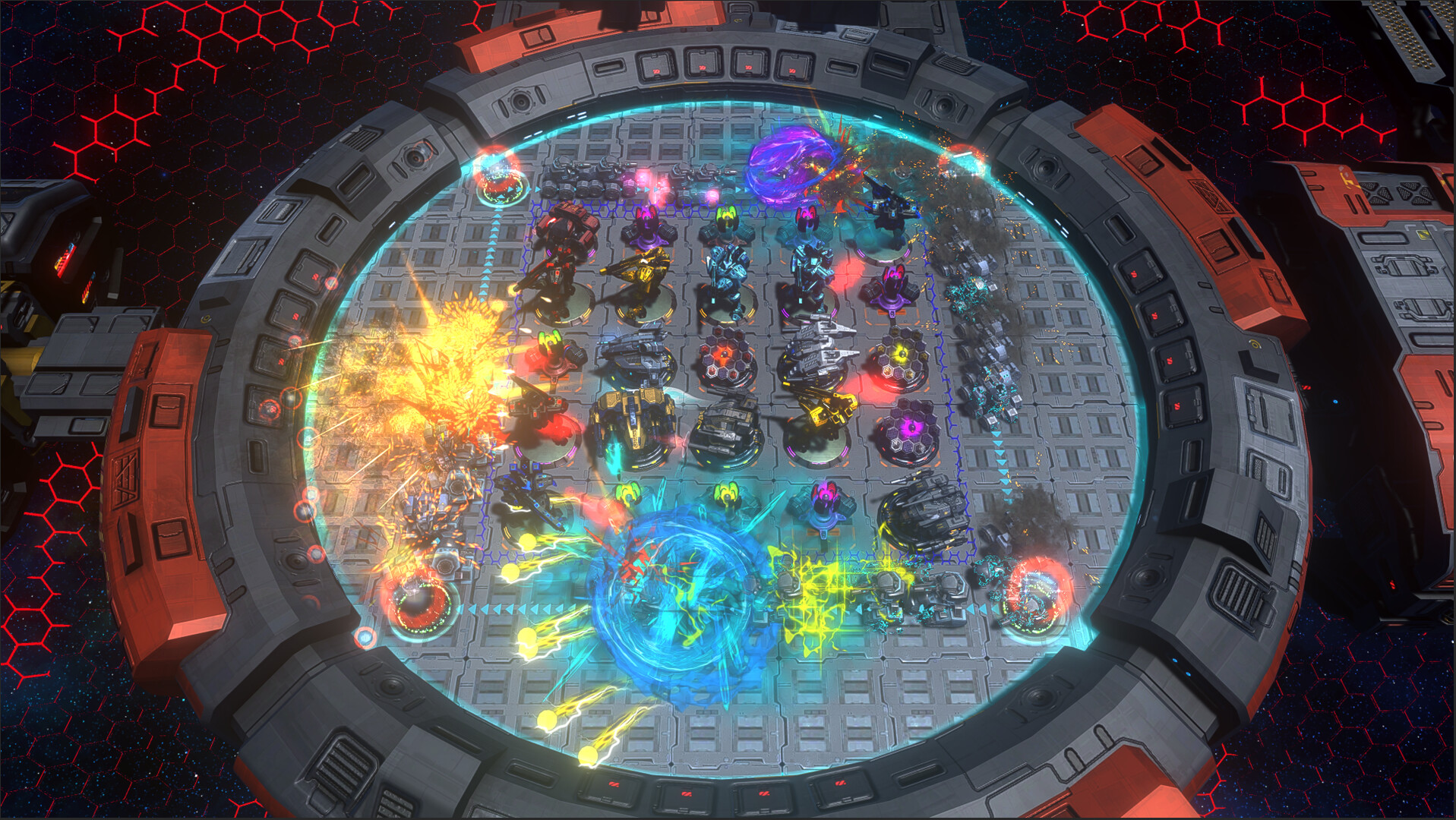
A late-game battle on the circular Space Station map, with the full 5x5 turret grid engaged on several fronts at onceSome Sugar Studio -
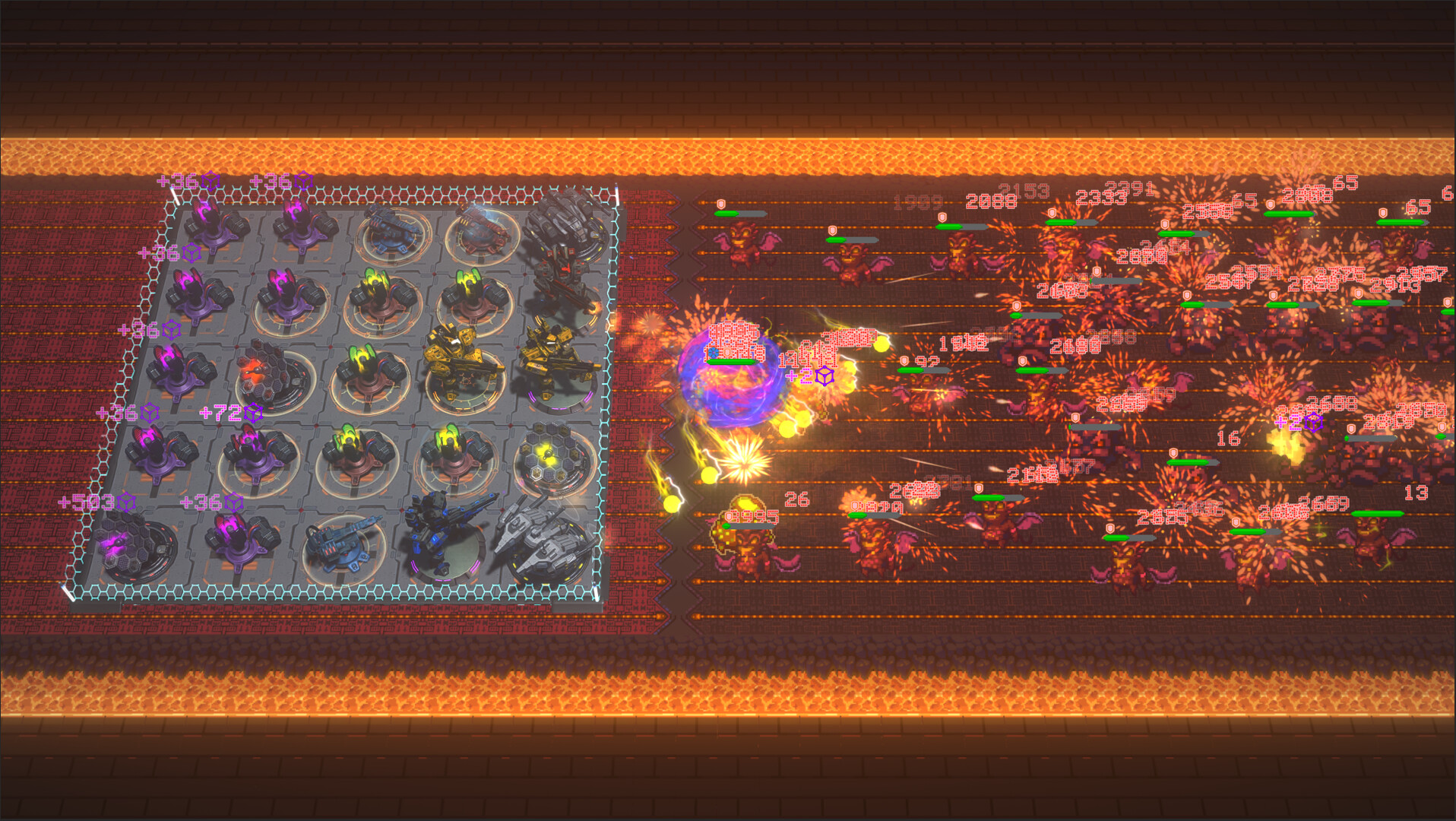
A wave of enemies closing in across a lava-themed map, with damage numbers stacking up as the turret grid holds the lineSome Sugar Studio -
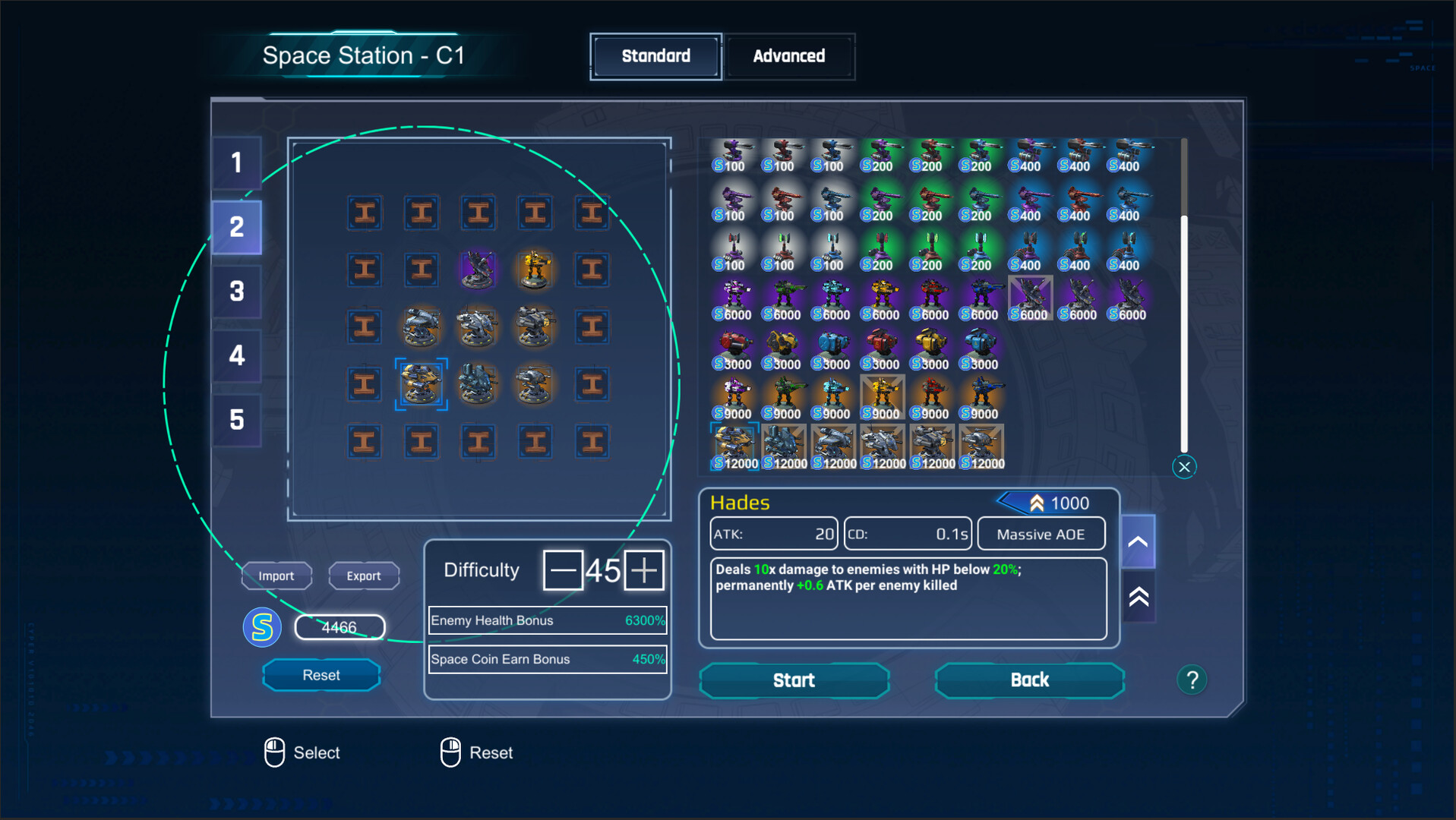
The turret shop screen -- the same one reviewers cite on opposite sides of the debate over how many turrets are genuinely uniqueSome Sugar Studio -
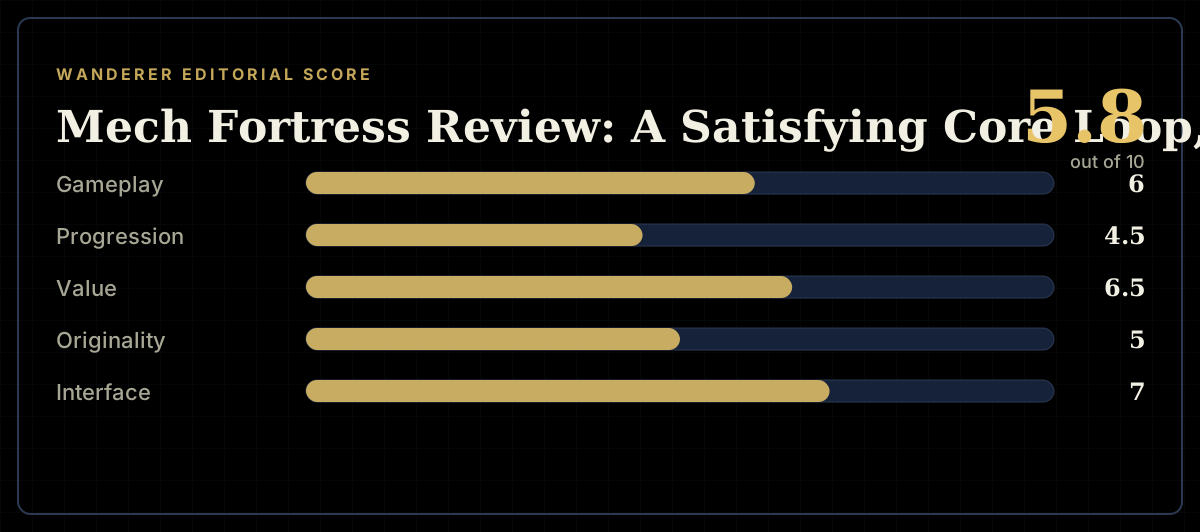
How the review scores each part of the gameWanderer Editorial -
The short versionWanderer Editorial