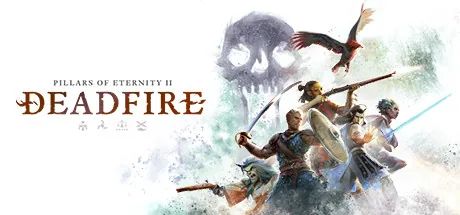
Game review
Pillars of Eternity II: Deadfire
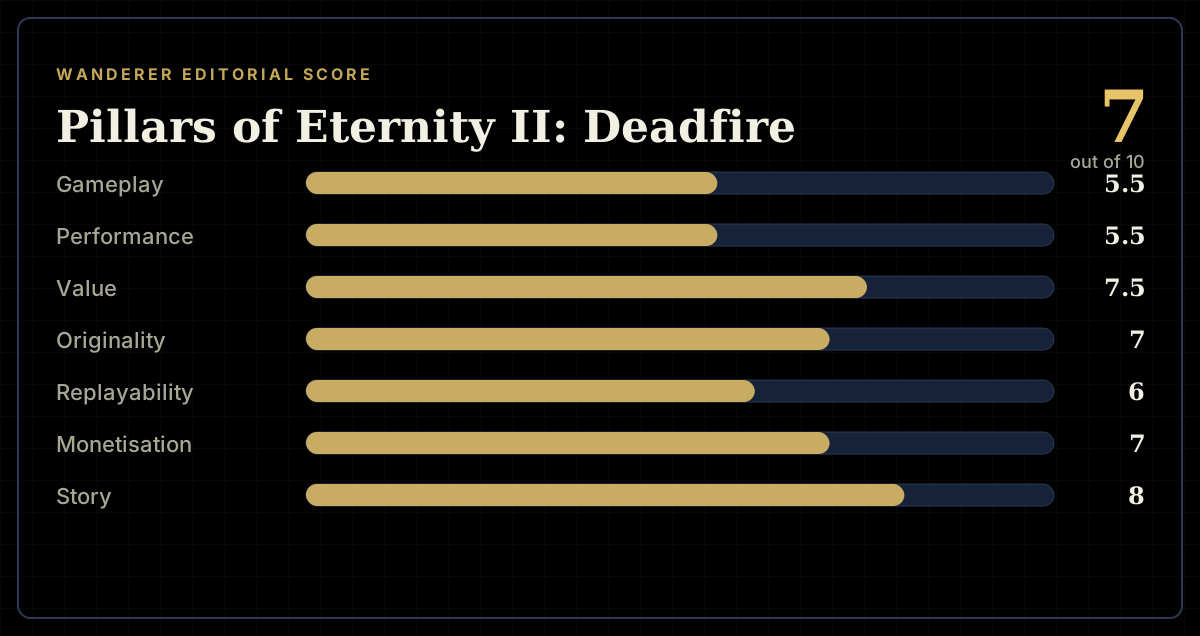
7 / 10
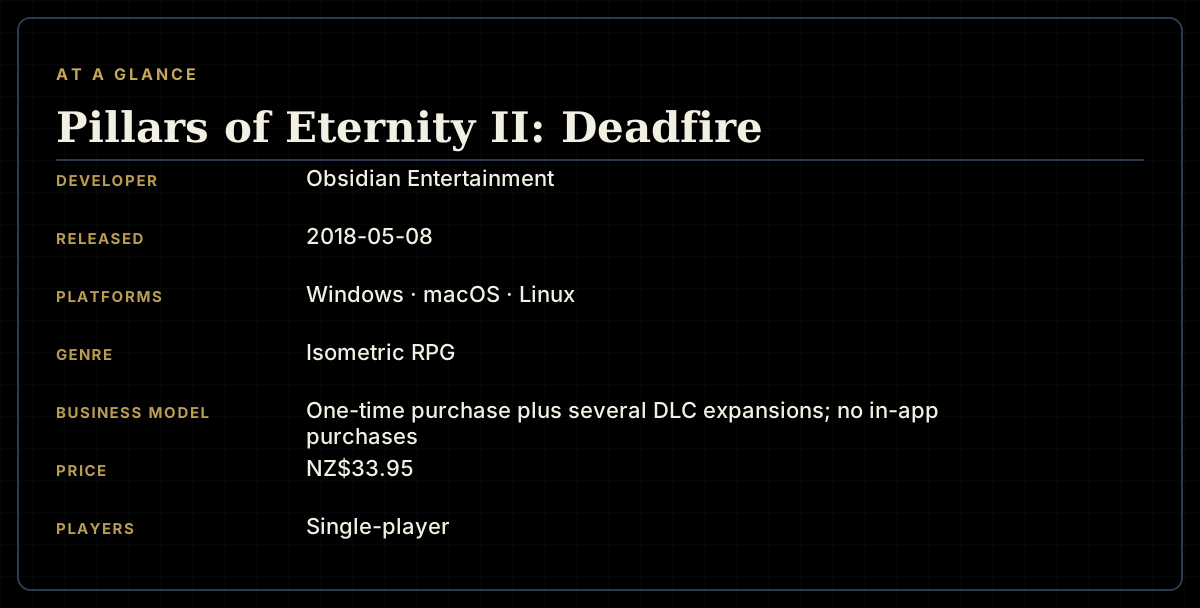
- Developer
- Obsidian Entertainment
- Publisher
- Versus Evil, Obsidian Entertainment, Xbox Game Studios
- Released
- 8 May 2018
- Platforms
- Windows, macOS, Linux
- Genre
- Isometric RPG
- Monetisation
- One-time purchase plus several DLC expansions; no in-app purchases
- Players
- Single-player
The short version
Pillars of Eternity II: Deadfire takes Obsidian's isometric CRPG formula out to open sea, trading the first game's forested Dyrwood for a pirate-flavoured archipelago, and its writing and setting draw genuine, detailed praise across the review corpus. The recurring problem, named specifically and repeatedly, is combat: "combat" is the single most-discussed word across the game's negative reviews, cited far more than any other complaint, usually in the shape of "I love everything except when I actually have to fight." One of the more striking data points in this corpus is a review from a player with over 100 hours logged who says outright they've never finished it — and Steam's own achievement data backs that pattern up at scale. Recent sentiment (88% over the last 100 reviews) matches the 88.5% lifetime score almost exactly, so none of this has moved the needle much; it's a stable, well-regarded RPG with one consistently named weak point.
Biggest strengths
- Widely praised writing, world-building and choice-driven design, with the open-sea pirate setting singled out as a genuine departure from the first game rather than a retread
- Recent English sentiment (88% over the last 100 reviews) matches the 88.5% lifetime score, showing stable, sustained reception rather than a game that's fallen off
- Both real-time-with-pause and full turn-based combat modes are available, letting players choose the system they prefer
Biggest weaknesses
- Combat is the single most-cited weak point in negative reviews by a wide margin, described repeatedly as unsatisfying even by reviewers who otherwise love the game
- Multiple detailed reviews report game-breaking bugs and quest lines that break when completed out of the expected order
- A recurring pattern in the corpus: reviewers with 100+ hours logged who say they've repeatedly started and never finished the game
Who it's for: CRPG and Obsidian fans who want deep writing and a distinctive pirate-fantasy setting — go in aware that the combat system is this game's most consistently cited frustration, even among people who love it overall.
Our recommendation: Buy for the writing and world. Set expectations on the combat before you start.
7 / 10
The pitch
Pillars of Eternity II: Deadfire follows the first Pillars of Eternity with a pirate-fantasy sequel: you sail a customisable ship across an island archipelago, recruit companions, and navigate a story built around Obsidian's signature choice-and-consequence writing, with both real-time-with-pause and turn-based combat modes available.
The writing and the world hold up
Detailed, long-form reviews in this corpus consistently single out the setting and writing as the game's strength. Reviewers describe genuine investment in the world of Deadfire distinct from the first game's Dyrwood, and the open-sea structure — sailing between islands, managing a crew, discovering factions — draws praise as a real change of pace rather than a rehash. Two of the most-upvoted positive reviews come from older players (one self-identified as a 76-year-old lifelong gamer, another as a woman in her sixties) describing the game in genuinely personal terms rather than boilerplate praise — the kind of engagement that doesn't happen with games people find merely competent.
Combat is the recurring, specific complaint
Set against that, one word dominates the negative-review corpus more than any other: combat. It appears across the vast majority of detailed critical reviews, usually in a very consistent shape — genuine appreciation for the writing, paired with real frustration once fighting starts. "I really wanted to like this game, I love Obsidian's writing and their commitment to player choice... [but the combat didn't click]," reads one representative review. Another, comparing it directly to the original: "Certainly an improvement over Pillars 1, but it still has many of the same issues, and ultimately just isn't that fun. Every combat ends up feeling [the same]." This isn't a single loud complaint — it's the dominant, recurring thread across years of reviews from 2018 through 2025.
A pattern worth naming: started, never finished
One review stands out for stating a pattern plainly that shows up repeatedly across the corpus in less direct form: "i have 100+ hours in this game. Never finished it. The reason is, i give up on this game every time i try it." Multiple other detailed reviews describe similar arcs — real investment, real hours, and an inability to see the story through, generally tied back to combat fatigue rather than losing interest in the writing. Steam's own achievement data corroborates this at scale: the median completion across 55 achievements is just 14.4%, and even relatively early milestones like reaching the game's central hub city sit around 55%, meaning close to half of buyers don't get that far.
Bugs and quest-breaking issues
A secondary, more concrete technical complaint concerns bugs, particularly around quest sequencing. "Obsidian abandoned this game with several game-breaking bugs and broken quests. Some questlines break if you complete them in a different order than the [designers expected]," reads one detailed 2020 review. This isn't the dominant complaint in the corpus, but it's specific enough, and repeated enough across different reviewers, to flag as a real risk for anyone doing quests out of an expected sequence.
Where sentiment sits now
Recent English review sentiment — the 100 most recent reviews, spanning mid-June to early August 2026 — runs 88% positive, essentially identical to the 88.5% lifetime figure. Whatever frustrations the combat and occasional bugs generate, they haven't shifted this game's overall standing; it's a stable, well-regarded RPG rather than one trending in either direction.
Value
At NZ$33.95 with several well-regarded DLC expansions available, this is a substantial amount of content for the price, and none of the criticism in this review touches monetisation — there's no predatory design here, just a combat system a large share of the audience doesn't warm to.
Verdict
Pillars of Eternity II: Deadfire earns real, detailed praise for its writing and its distinctive pirate-fantasy setting, and its own reviewers are remarkably consistent about where it falls short: combat that a meaningful share of players — including some who clearly love everything else about the game — never fully click with, to the point of never finishing it. Buy this for Obsidian's writing and a genuinely different CRPG setting. Go in knowing the fighting is the part you'll need to make peace with.
Pros and cons
Pros
- Widely praised writing, world-building and choice-driven design, with the open-sea pirate setting singled out as a genuine departure from the first game rather than a retread
- Recent English sentiment (88% over the last 100 reviews) matches the 88.5% lifetime score, showing stable, sustained reception rather than a game that's fallen off
- Both real-time-with-pause and full turn-based combat modes are available, letting players choose the system they prefer
- Substantial content for the price, including several well-received DLC expansions
Cons
- Combat is the single most-cited weak point in negative reviews by a wide margin, described repeatedly as unsatisfying even by reviewers who otherwise love the game
- Multiple detailed reviews report game-breaking bugs and quest lines that break when completed out of the expected order
- A recurring pattern in the corpus: reviewers with 100+ hours logged who say they've repeatedly started and never finished the game
- Achievement data shows a steep completion cliff (median 14.4% across 55 achievements), consistent with a large share of buyers not reaching the later game
Screenshots
-
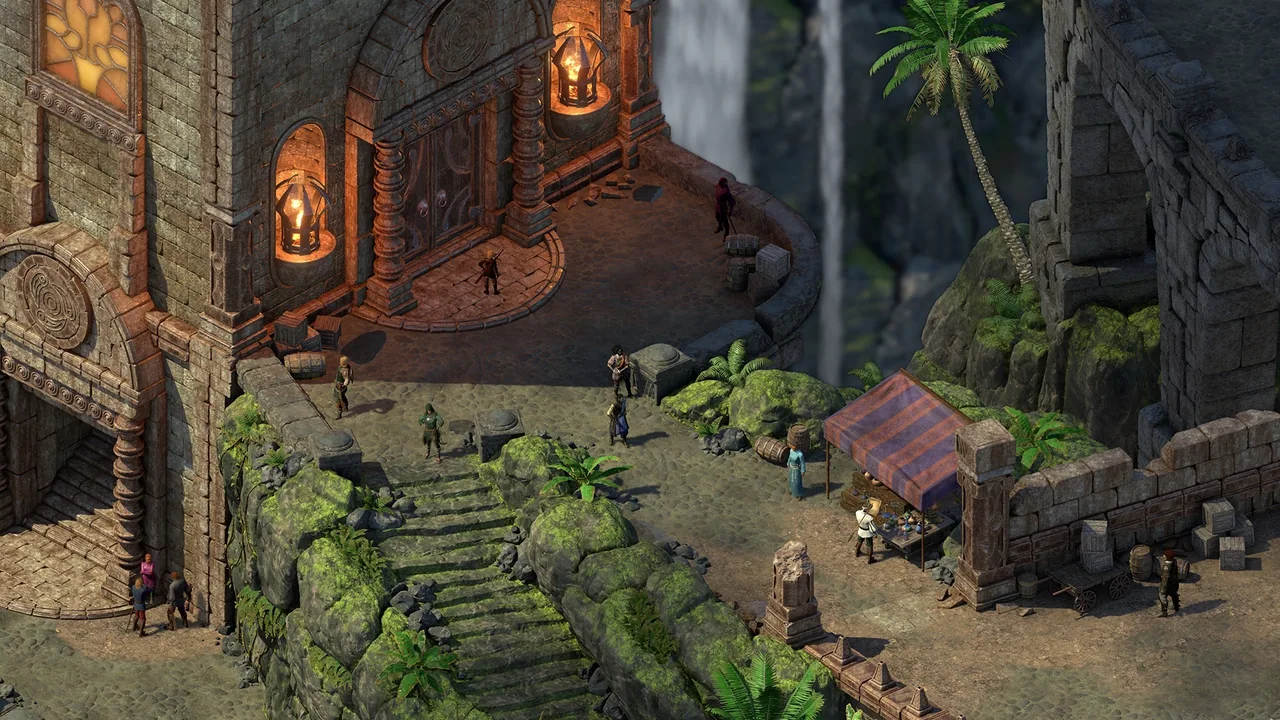
Pillars of Eternity II: DeadfireImage: Versus Evil via Steam -
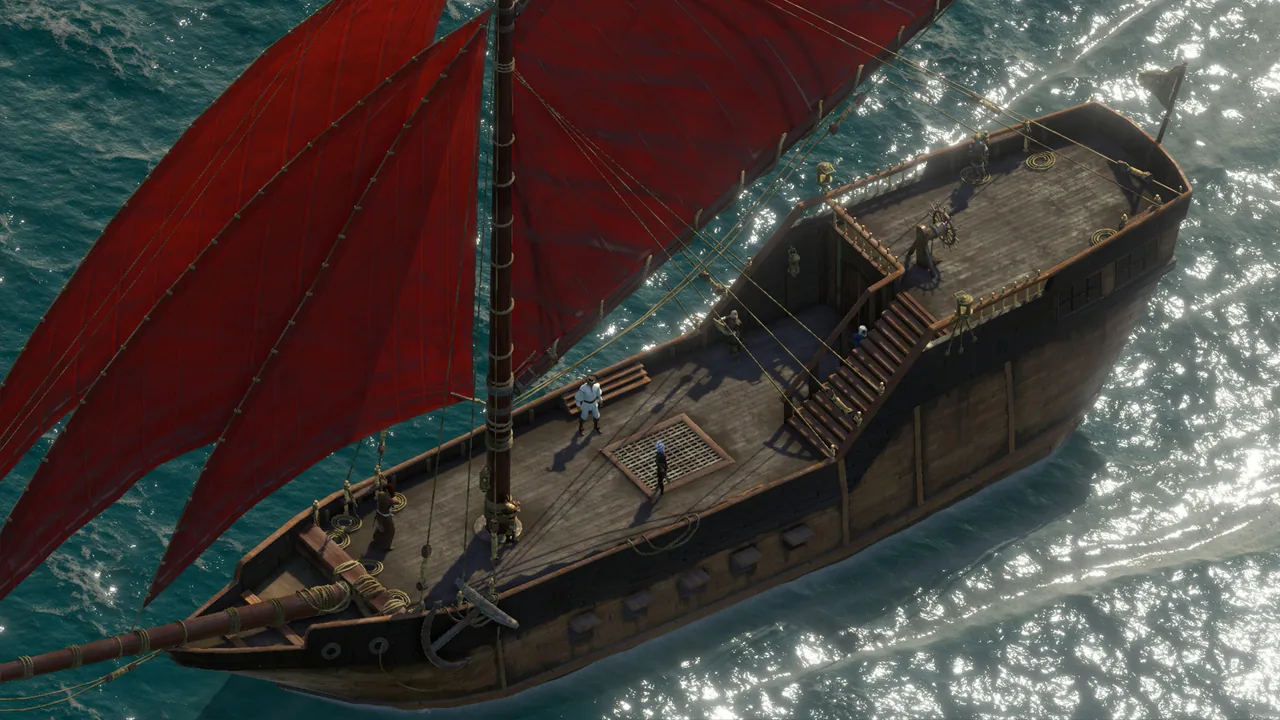
Pillars of Eternity II: DeadfireImage: Versus Evil via Steam -
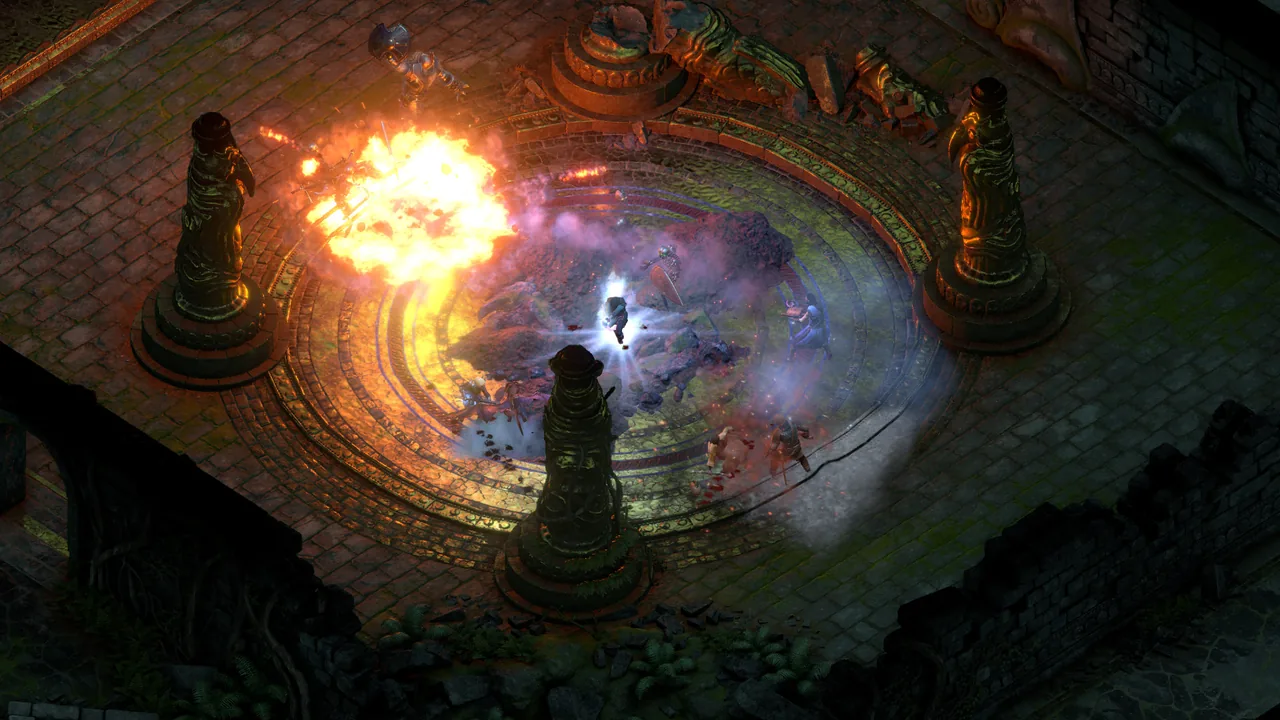
Pillars of Eternity II: DeadfireImage: Versus Evil via Steam -
How the review scores each part of the gameWanderer Editorial -
The game at a glanceWanderer Editorial -
The short versionWanderer Editorial