Game review
Pentiment
7.5 / 10
- Developer
- Obsidian Entertainment
- Publisher
- Xbox Game Studios
- Released
- 14 November 2022
- Platforms
- Windows
- Genre
- Narrative RPG
- Monetisation
- One-time purchase at NZ$35.95 (currently 50% off, NZ$17.97). No in-app purchases.
- Players
- Single-player only
The short version
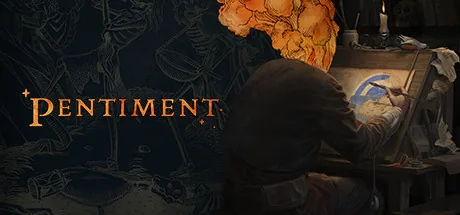
Pentiment drops you into a 16th-century Bavarian abbey town as a journeyman artist investigating a murder, told through hand-illustrated art styled after illuminated manuscripts and woodcuts of the period. It's Very Positive -- 94.9% of 5,487 English reviews -- and the praise it draws is unusually specific: multiple reviewers with genuine medieval-studies credentials, including PhDs in the field, single out its historical detail as remarkable rather than merely atmospheric.
A genuinely substantial minority of the negative corpus makes the same specific argument, though: the "choices matter" premise the game is built and marketed around doesn't hold up under scrutiny. Fifty-eight of the 100 most-helpful English negatives raise the illusion of choice directly, and fifty raise confusion around the game's real-time day/night mechanic, which several reviewers say cost them hours of progress with no manual save to fall back on.
Biggest strengths
- Genuinely exceptional, historically researched art direction and writing, praised specifically by reviewers with real academic backgrounds in the period rather than just aesthetic approval
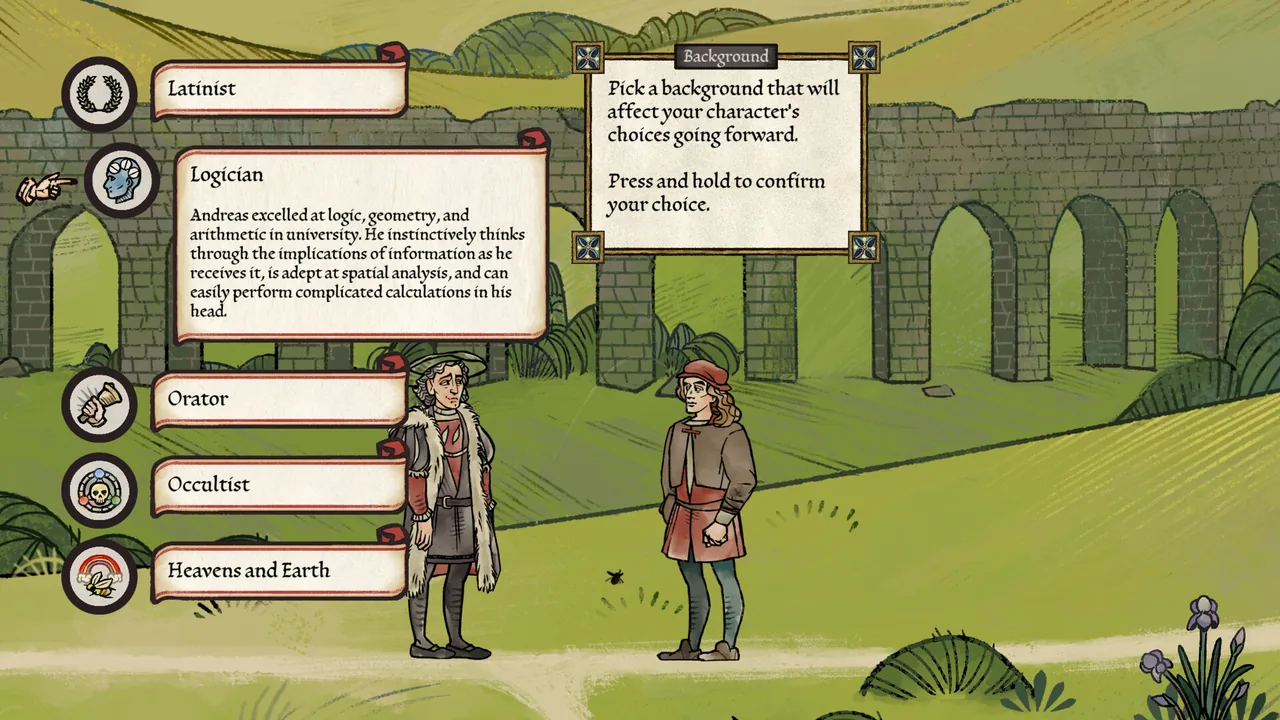
- A distinctive hand-illustrated visual style, with fonts and art shifting to reflect each character's education and class -- a level of craft reviewers repeatedly call unmatched
- A memorable, emotionally resonant central mystery that stays with players well after finishing, per numerous long, thoughtful reviews
Biggest weaknesses
- The core "choices matter" premise is the single most contested element of the whole game -- 58 of the 100 most-helpful negatives argue player decisions have far less narrative impact than the game implies, with the story converging on largely the same outcomes regardless of choices made
- A real-time day/night and time-passing mechanic is confusing enough that several reviewers report losing hours of unsaved progress or missing content because they didn't understand its rules until well into the game
- No traditional manual save system, which compounds the time-mechanic confusion into genuine lost-progress frustration for a meaningful share of reviewers
Who it's for: Fans of narrative-first, choice-driven RPGs (Disco Elysium comparisons recur constantly) who value historical authenticity and distinctive presentation over mechanical systems or replay value. Less suited to anyone who wants their choices to meaningfully reshape the plot, or who wants control over when and how their progress is saved.
Our recommendation: A strong recommendation for narrative RPG fans, especially anyone drawn to medieval history, murder mysteries or richly authored dialogue -- but go in understanding this is fundamentally a single, well-told story rather than a branching one, whatever the marketing implies. Save carefully and pay attention to the game's time-of-day mechanics, since several reviewers lost meaningful progress to both.
7.5 / 10
Pentiment draws an unusual kind of review. "As a medievalist (I wrote my PhD dissertation about a manuscript produced in the twelfth-century), I really appreciate this game," reads one of its most-upvoted reviews, at 699 votes. "A long time ago, I got a master's degree in medieval literature," opens another, at 1,501 votes, going on to detail exactly why the game's period research holds up under real scrutiny rather than just looking convincing. That's a rare kind of credibility for a video game to earn, and it's central to why Pentiment sits at 94.9% positive across 5,487 English reviews.
An illustrated manuscript you inhabit
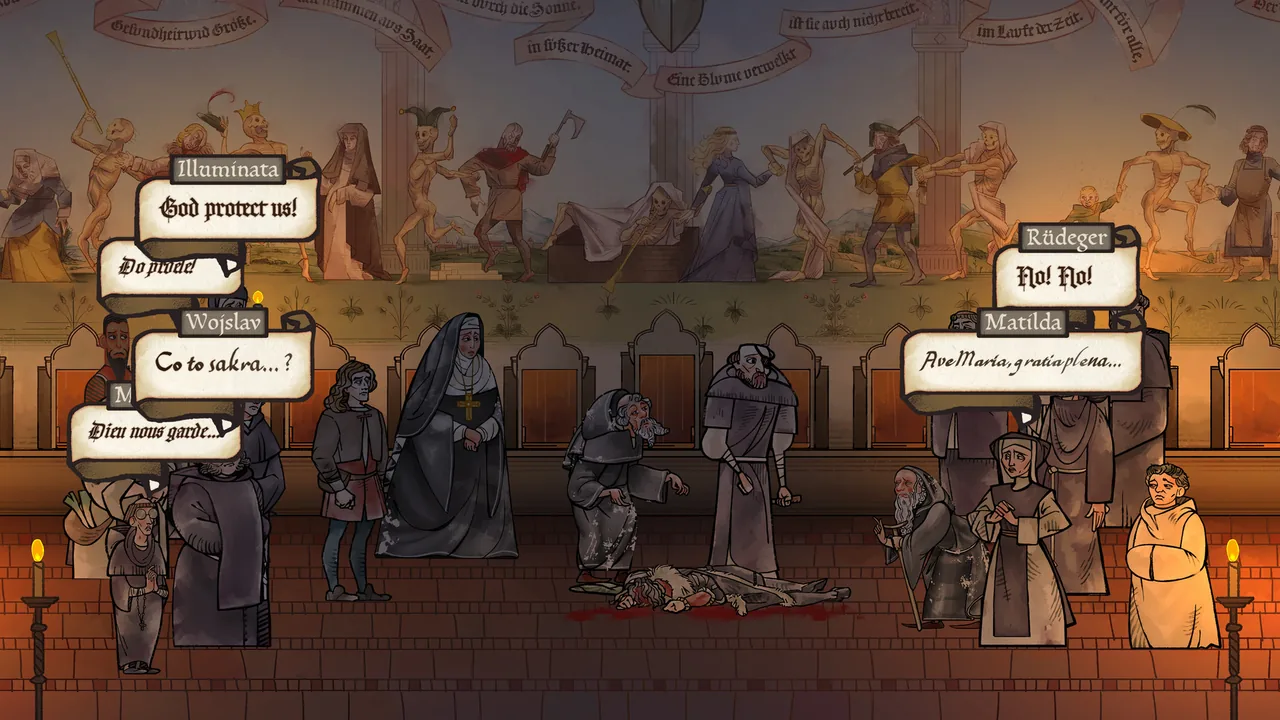
You play a journeyman artist in a Bavarian abbey town in the early 1500s, investigating a murder across a story that spans years and generations. The presentation is the game's most-praised element by a wide margin: art rendered like a hand-drawn illuminated manuscript, with dialogue fonts that visibly shift depending on which character is speaking — a peasant's blocky lettering against a scholar's flowing script — a level of period-authentic craft reviewers repeatedly call unmatched. One of the most detailed reviews compares it directly to Disco Elysium: "When I finished Disco Elysium in 2019, I said 'I have no idea how I'm supposed to play another role playing game after this one.' ... Pentiment is more."
The choice that isn't quite a choice
Set the presentation aside, and the most substantive, recurring argument in the negative corpus concerns the game's central mechanical promise. Pentiment markets itself heavily on player choice — who you accuse, how you investigate, which relationships you build — and 58 of the 100 most-helpful English negatives argue that promise doesn't hold up under a second look. "I played it through two and a half times before realizing that the game was forcing you [toward largely the same outcomes]," reads one detailed 64-vote review. Another, more measured: "as the player progresses, the illusion of choice became more obvious." A third reviewer, a self-described lover of the period and setting, sums up the frustration precisely: "It's a game centered around murder mysteries yet you're never provided options that investigate the concrete details" the plot turns on. This isn't a fringe reading — it recurs, independently, across dozens of reviews written months and years apart, from people who otherwise loved substantial parts of the game.
A second, more practical complaint concerns the game's real-time day-and-night structure and its lack of a manual save system. "Why not have a proper manual save system?" reads one review. "'Because we don't want that.' Uh, okay." Several reviewers report losing hours of progress or missing content because they didn't understand the rules governing when time passes until well into a playthrough — fifty of the 100 negatives mention the time mechanic directly, nearly matching the choice complaint in volume.
What the reviews agree the game gets right
None of this undercuts the writing and characters, which draw consistent, specific praise even from critical reviewers. "This game has good characters, great world building, and fairly decent writing," reads one review that otherwise criticises the plot's investigative structure directly. Several reviewers describe an emotional impact that outlasted the credits — "A thought-provoking work that won't easily leave your mind long after the credits roll" — and the median critical reviewer's playtime (14.6 hours) suggests most people who criticise the game did so after finishing it, not after bouncing off early.
The achievement curve reflects a game most buyers see through to completion: early milestones sit in the 40-56% range, a healthy spread for a narrative game with no combat gate to filter players out, while the hardest completion-related achievements fall to the low single digits — consistent with a substantial, single-playthrough-focused story most people experience once rather than replay for alternate outcomes.
7.5 out of 10. Pentiment is a genuine achievement in historical game design — its writing, art and research are praised by people qualified to judge that research, not just impressed by it — and its central mystery stays with players in a way few games manage. But its own review corpus makes a credible, well-documented case that its signature "choices matter" pitch oversells what the game actually delivers, and its lack of a proper save system turns a real-time mechanic into a genuine frustration for a meaningful share of players. Go in for the story Obsidian actually tells, not the branching one the marketing implies.
Pros and cons
Pros
- Genuinely exceptional, historically researched art direction and writing, praised specifically by reviewers with real academic backgrounds in the period rather than just aesthetic approval
- A distinctive hand-illustrated visual style, with fonts and art shifting to reflect each character's education and class -- a level of craft reviewers repeatedly call unmatched
- A memorable, emotionally resonant central mystery that stays with players well after finishing, per numerous long, thoughtful reviews
- Strong value on sale, with most reviewers reporting 15-30 hours for a complete playthrough
Cons
- The core "choices matter" premise is the single most contested element of the whole game -- 58 of the 100 most-helpful negatives argue player decisions have far less narrative impact than the game implies, with the story converging on largely the same outcomes regardless of choices made
- A real-time day/night and time-passing mechanic is confusing enough that several reviewers report losing hours of unsaved progress or missing content because they didn't understand its rules until well into the game
- No traditional manual save system, which compounds the time-mechanic confusion into genuine lost-progress frustration for a meaningful share of reviewers
- Investigation gameplay is criticised by some as more about clicking through dialogue than actually piecing together evidence, undercutting the "murder mystery" framing for players expecting real deductive gameplay
Screenshots
-
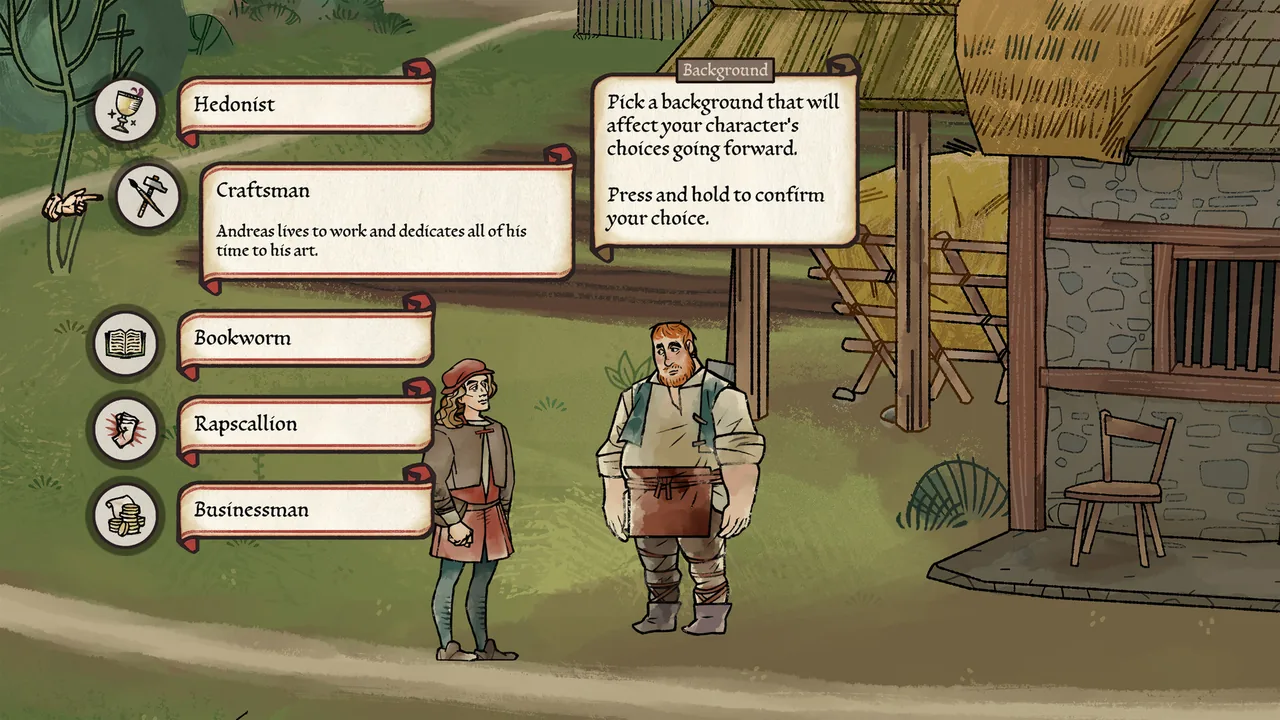
Pentiment's art style draws directly on illuminated manuscripts and period woodcutsImage: Xbox Game Studios via Steam -
PentimentImage: Xbox Game Studios via Steam -
PentimentImage: Xbox Game Studios via Steam -
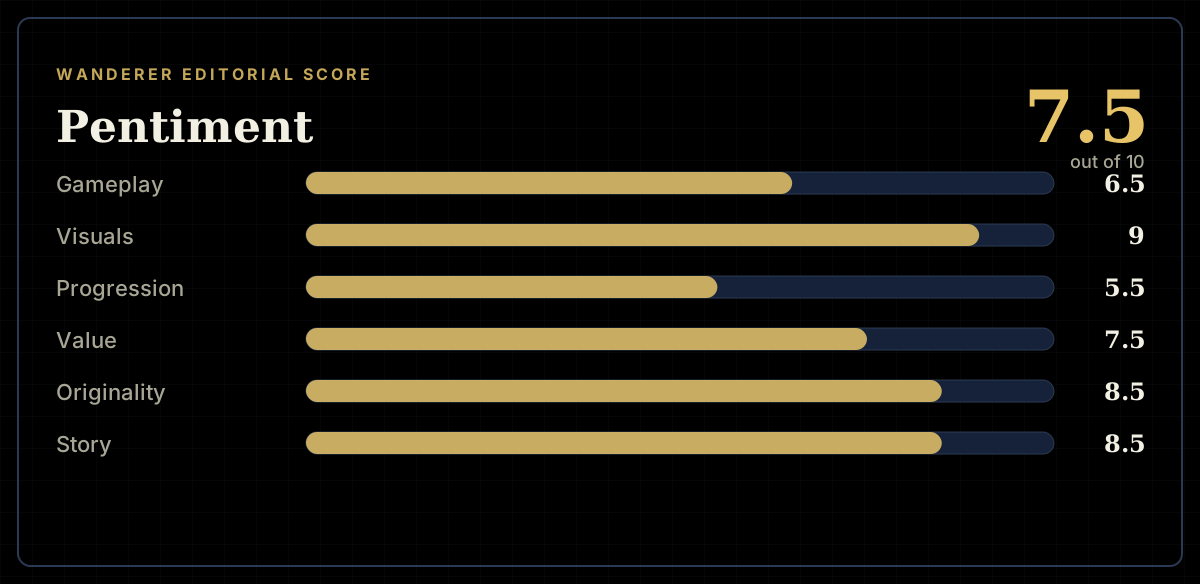
How the review scores each part of the gameWanderer Editorial -
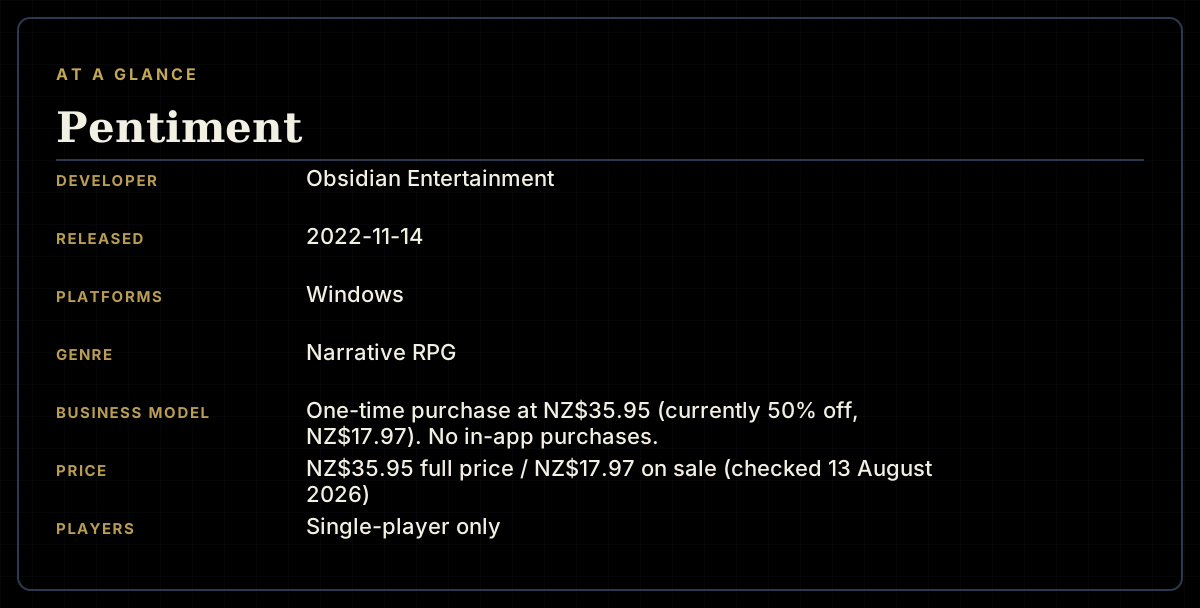
The essentialsWanderer Editorial -
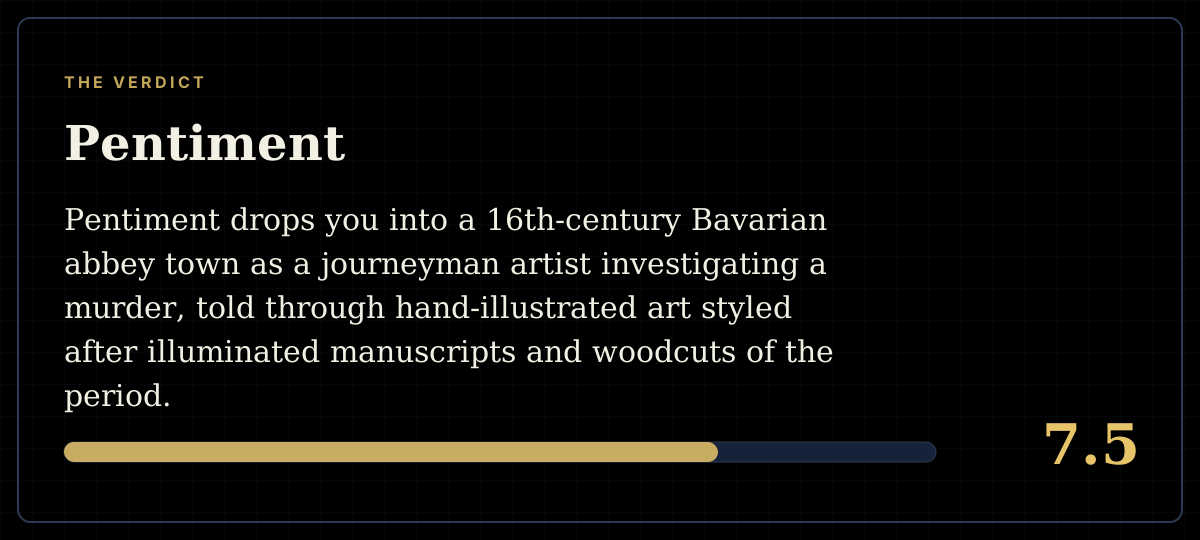
The short versionWanderer Editorial