
Game review
Nights at the Convenience Store Review
3.5 / 10
- Developer
- MrPenguin437
- Publisher
- MrPenguin437
- Released
- 24 June 2026
- Platforms
- ["Windows"]
- Genre
- Action
The Overnight Shift, One More Time
Nights at the Convenience Store slots into an extremely well-trodden micro-genre: a first-person job-simulation horror game about working an overnight retail shift while something unseen slowly makes its presence felt. Scan groceries, restock shelves, haul out the trash, and try not to think too hard about what might be lurking in the back, that's the entire pitch, and it's a pitch this specific micro-genre has run through dozens of times since the format's Five Nights at Freddy's-adjacent boom. None of that makes the concept inherently bad, retro VHS-style visuals and a lurking threat that reacts to player carelessness are reasonable, well-understood ingredients, but it does mean the execution has to work hard to distinguish itself from a crowded field of near-identical night-shift horror sims.
What the Reviews Actually Describe
The review base currently on record is small, five total with one positive, and strikingly consistent in its central complaint: this is a very short game, and several players felt blindsided by just how short. One Brazilian Portuguese reviewer, translated here, put it bluntly: "Seriously, I paid 12 reais for a game that lasts 10 minutes? Don't buy it, there's nothing like what's expected." A Spanish-language reviewer logged a similarly brief 29 minutes and wrote, translated: "The game lasted less than 30 minutes, I wasn't expecting a marvel, but I imagined something like running the supermarket and getting scared along the way, I couldn't believe it when it told me it was over." A third, in English, was even more direct: "LAME AS HELL BOY!!! NOT EVEN SCARY, AND IT'S ONLY FOR 2 NIGHTS."
A Pattern, Not a Coincidence
Three independent reviewers, across three different languages, landing on the same two complaints, the runtime is far shorter than expected, and the horror atmosphere doesn't land, is a pattern worth taking seriously rather than dismissing as three unlucky individual experiences. Logged playtimes back this up directly: 17, 29, and 14 minutes respectively, all well under the half-hour mark, for a game structured around only two in-game nights. When multiple players in multiple languages independently expected significantly more from both the length and the scares, and all came away disappointed on both fronts, that's a genuine signal about the finished product rather than noise from a small sample.
The Job-Sim Loop, Undercut by Its Own Shortness
The scan-restock-haul-trash loop described in the store page is a perfectly reasonable skeleton for this kind of horror-job-sim hybrid, the format works when mundane, repetitive tasks lull the player into a false sense of routine that the horror elements can then puncture. But that effect depends on the routine actually establishing itself first, a player needs enough time on the clock, across enough shifts, to feel the rhythm of scanning and restocking before the game meaningfully subverts it. Two nights and a runtime measured in single-digit minutes doesn't leave much room for that rhythm to take hold, which likely explains why multiple reviewers describe the horror as failing to land, there may simply not be enough runway for dread to build before the credits roll.
Value at Three Dollars, When the Reviews Disagree
At $2.99, Nights at the Convenience Store isn't pricing itself as a premium experience, and a short horror game isn't automatically a bad deal on principle, plenty of well-regarded horror titles run well under an hour and are worth every cent. The problem the reviews describe isn't length in isolation, it's a mismatch between what the store page implies, an escalating night-shift horror experience with a reactive lurking threat, and what multiple paying players say they actually received, a very brief experience that didn't deliver the atmosphere or scares the premise promised. That gap between expectation and delivery, more than the runtime number itself, is what's driving the negative reception.
A VHS Aesthetic That Reviewers Don't Dispute
Notably, none of the three negative reviews attack the retro VHS-style visual presentation itself, the complaints are squarely about pacing, length, and a lack of scares rather than the game's visual identity or core competence. That's a meaningful distinction: a game that looks the part but doesn't deliver on runtime or tension is a different, more fixable problem than one whose fundamental presentation or mechanics don't work at all. It suggests the bones of a reasonable retro-horror aesthetic are in place, even if the experience built around them didn't give players enough to actually be unsettled by.
The Single Positive Voice
One of the five reviews on record is positive, and its existence is worth acknowledging rather than erasing in favor of a uniformly negative narrative, some players clearly did find something to like here, whether that's the aesthetic, the core loop's brief novelty, or simply personal taste diverging from the majority. But a 1-in-5 positive rate, paired with the specific, repeated, cross-language complaint pattern from the other four, points toward a real shortfall rather than a matter of pure subjective preference.
Verdict
Nights at the Convenience Store commits to a familiar and workable premise, night-shift horror job simulation, but the review record so far describes a runtime too brief to let its own horror atmosphere develop, with three independent, cross-language reviewers all logging under thirty minutes and all coming away feeling shortchanged on both length and scares. At $2.99 that's not a catastrophic price to lose, but it is a clear case of a shallow implementation of a decent idea, and the evidence currently available doesn't support recommending it over the many other night-shift horror sims that give their dread more room to breathe.
Screenshots
-
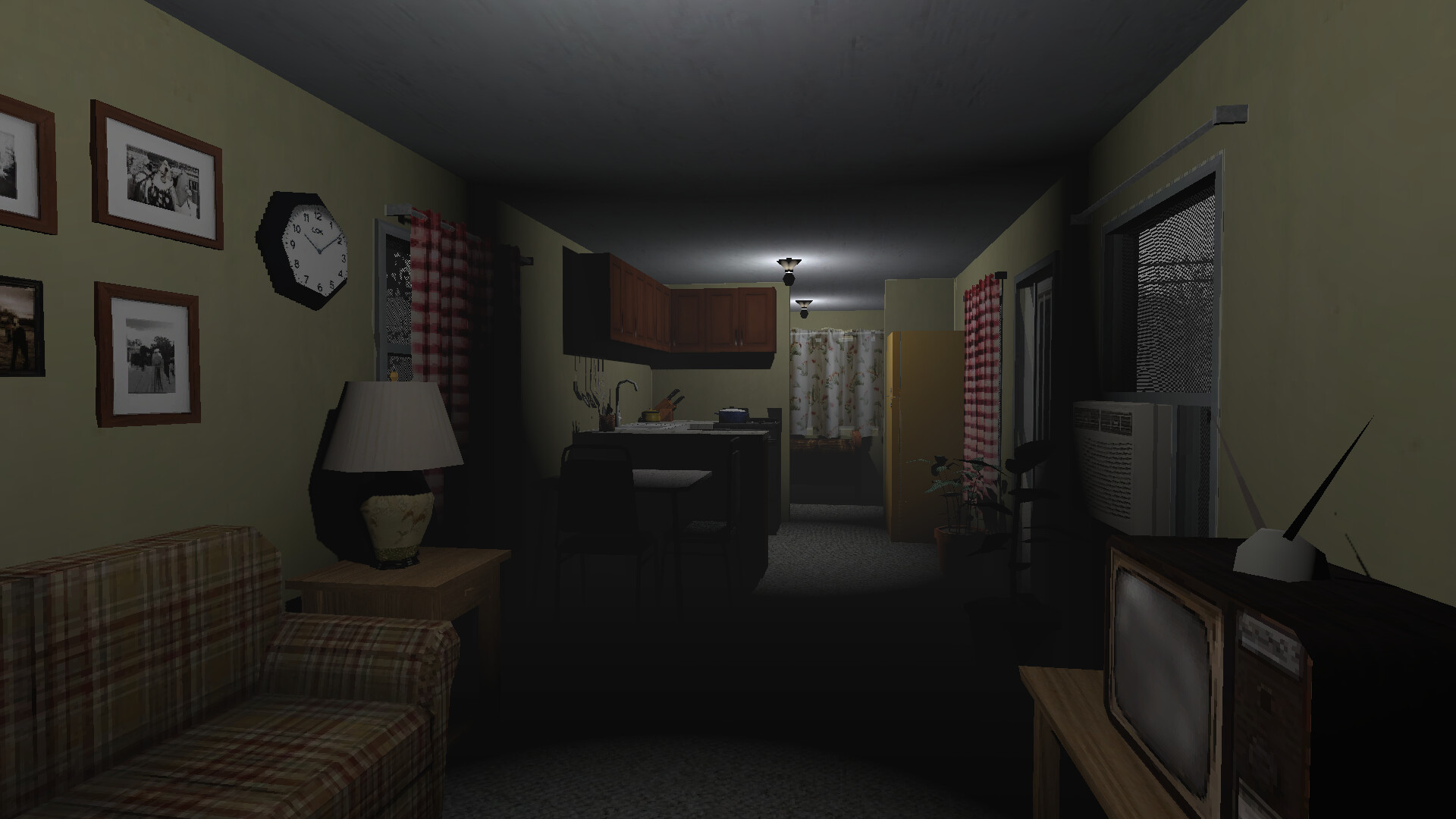
The retro, low-poly presentation extends beyond the store itself into a dimly lit home interior.Image: MrPenguin437 via Steam -
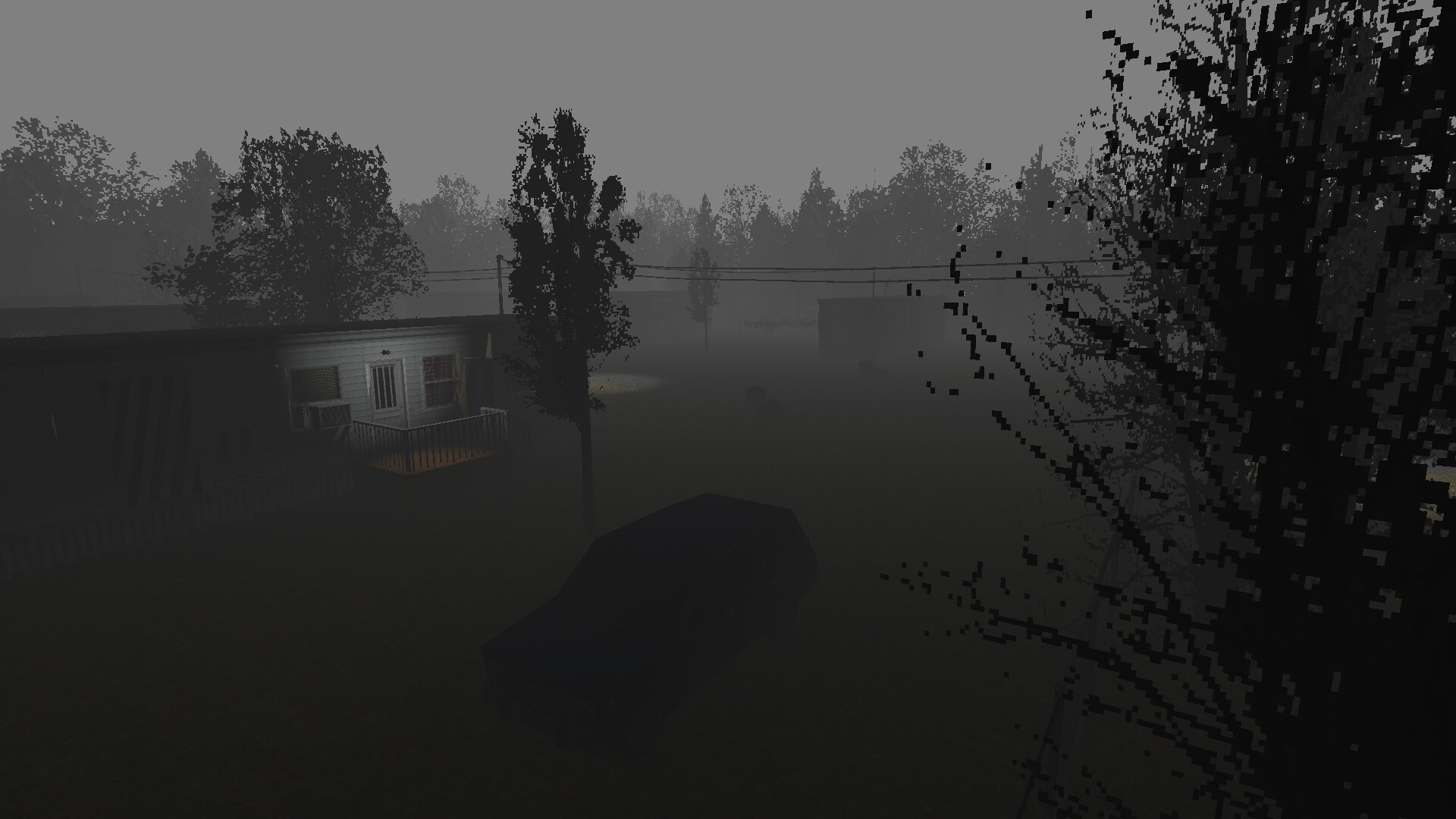
A foggy night exterior sets the mood before the shift even begins.Image: MrPenguin437 via Steam -
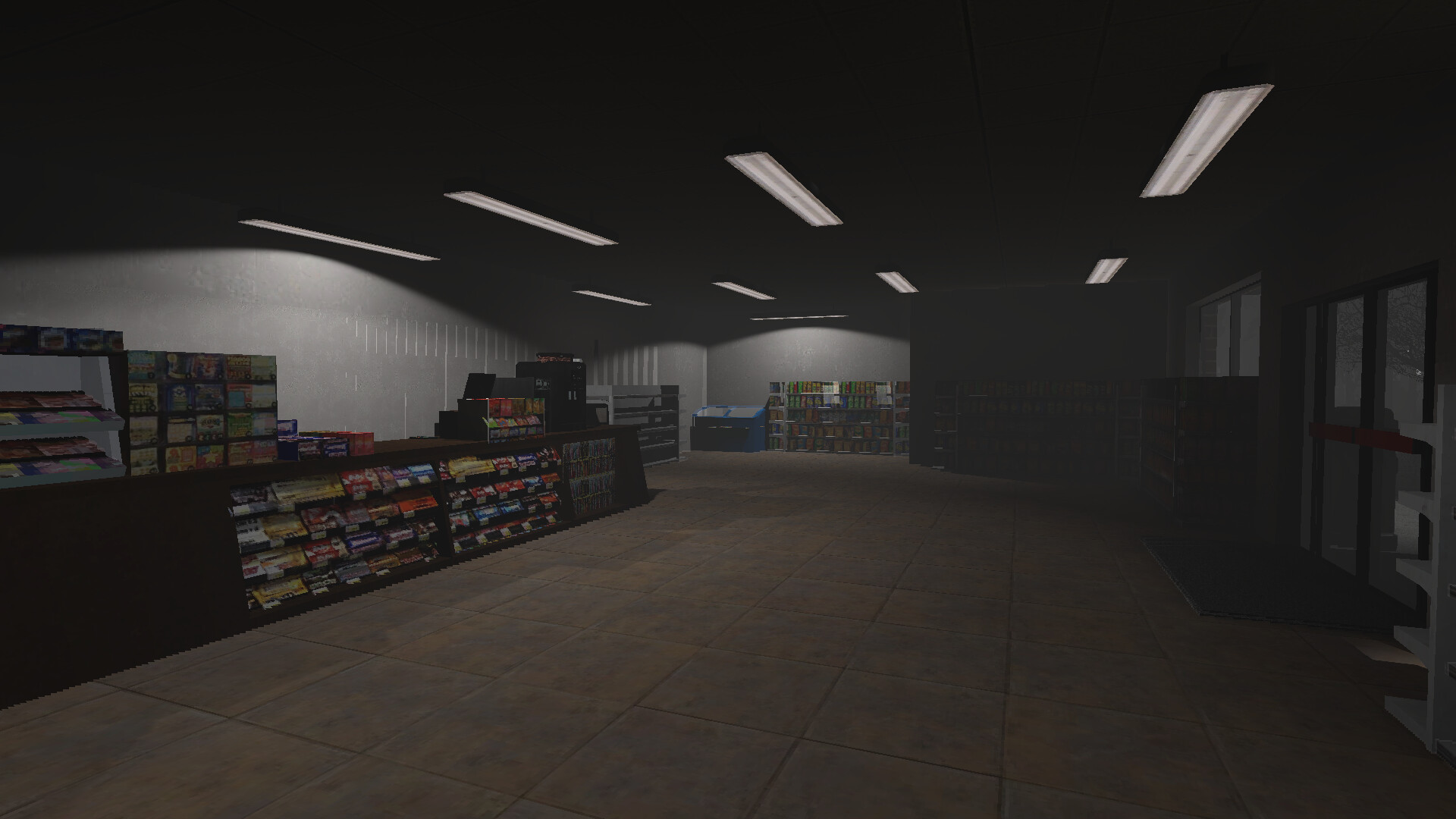
The store floor itself, stocked aisles and fluorescent lighting, where most of the two-night shift plays out.Image: MrPenguin437 via Steam