Game review
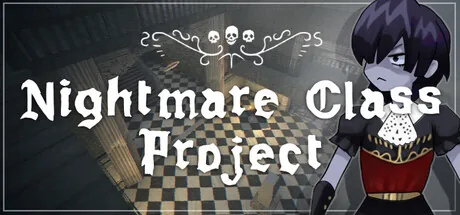
Nightmare Class Project
6 / 10
- Developer
- Strapatrocious
- Publisher
- Strapatrocious
- Released
- 19 February 2026
- Platforms
- PC
- Genre
- Adventure
- Players
- false
The short version
Biggest strengths
- A genuinely weird, wall-breaking take on a Hogwarts-style wizard school that reviewers found compelling
- Retro PS1-era jank that several players describe as charming rather than a flaw
- A dark comedic tone that its fans call endearing, miserable, and memorable in equal measure
Biggest weaknesses
- Multiple reviewers hit game-breaking bugs, out-of-bounds walk-throughs, and softlocks
- Slow movement, floaty jumping, and constant tutorial interruptions frustrate several players
- Dialogue cannot be skipped or sped up, and repeats if reviewers reopen the same conversation
6 / 10
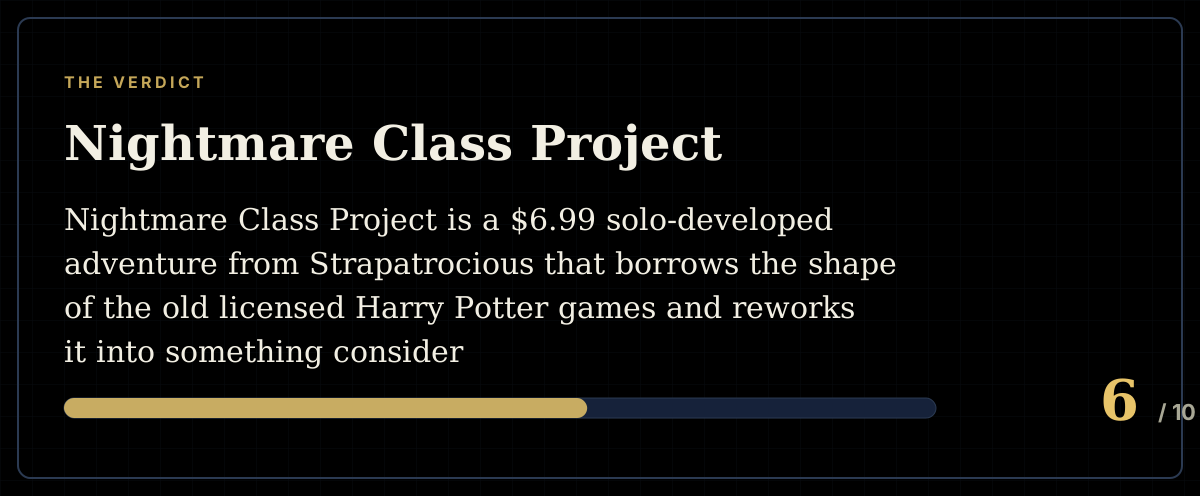
Nightmare Class Project is a $6.99 solo-developed adventure from Strapatrocious that borrows the shape of the old licensed Harry Potter games and reworks it into something considerably stranger and darker. Reviewers who bought in describe a school full of "ambiguous people (and creatures)," collectible cosmetics, and a real chance of dying trying to graduate. Its small pool of seven English reviews splits into a clear pattern: five recommendations built on the game's oddball charm, and two detailed complaints about bugs and pacing that clearly cost it their vote.
A twisted Hogwarts, told with real personality
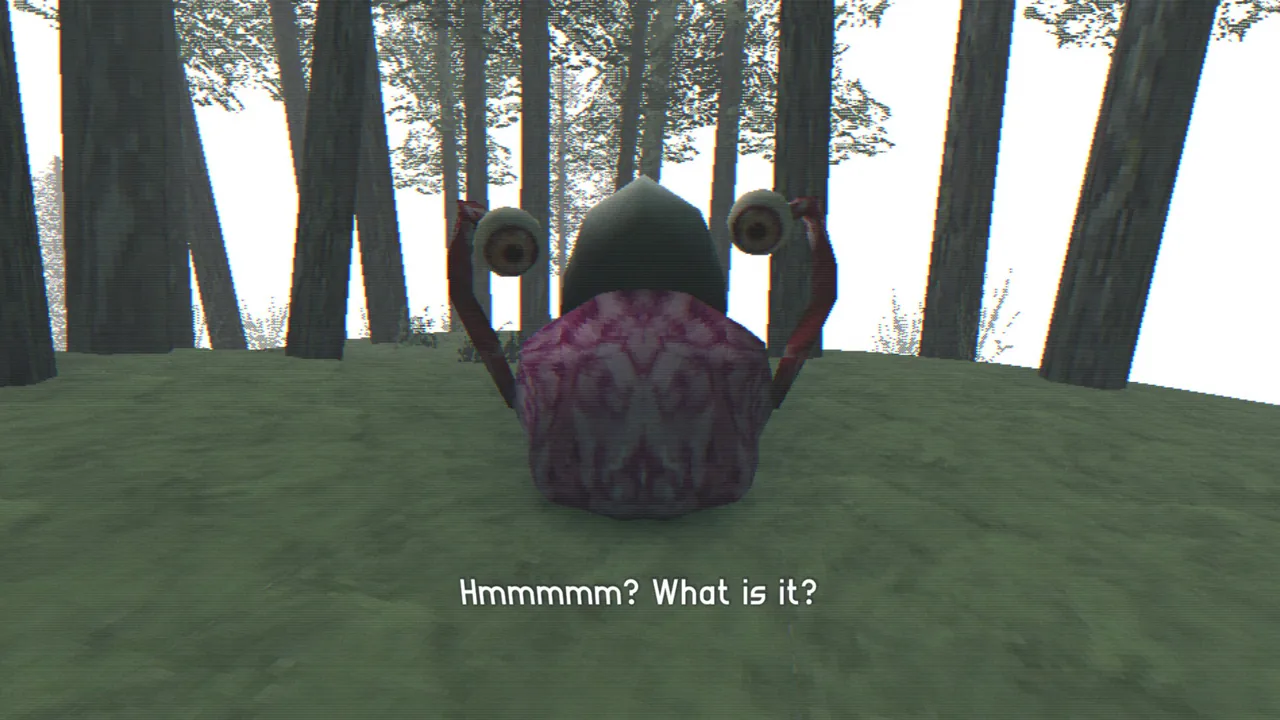
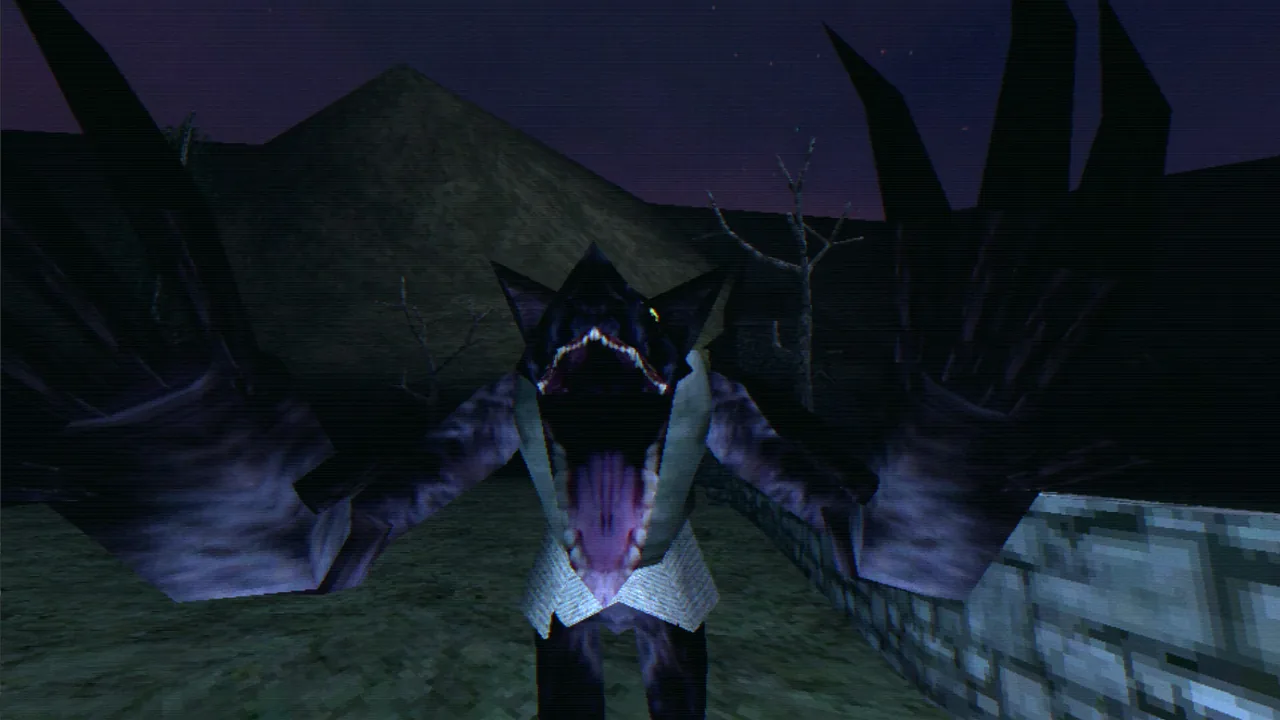
The comparison to classic wizard-school games comes up unprompted in nearly every review, and most reviewers treat the resemblance as the game's biggest asset rather than a knock against it. One long, detailed review opened by noting "I assume the old Harry Potter games were the inspiration for this, perhaps with a touch of McGee's Alice as well, it roughly follows the same design beats but with a twisted take on the narrative," and added dryly, "I was going to say that students get tortured and killed in this game, but then I realized that happens in Hogwarts too." That same reviewer praised the story's strangeness even while flagging its rough edges: "I think the narrative of this game is both the best and the worst part of it, in theory I like the concept and I think there are so many weird ideas here, it's just not something that you get to play very often." Another reviewer leaned fully into the joke of the premise: "Me: Can we finally get Harry Potter and the Chamber of Secrets on Steam? Valve: Definitely! I think we already have what you're looking for... The game: 🙃" before landing on genuine affection: "It was an endearing experience despite its clunkiness. Pleasantly miserable. My inner masochist was fully satisfied! Struggle, death, tears. Yet, it was fun in a twisted way." A third, shorter review went further still, calling the whole experience "a psychic attack from the tattered remnants of my childhood brain" and writing that "i could not love it any more than i do."
Jank that some call charm, and bugs that others call dealbreakers
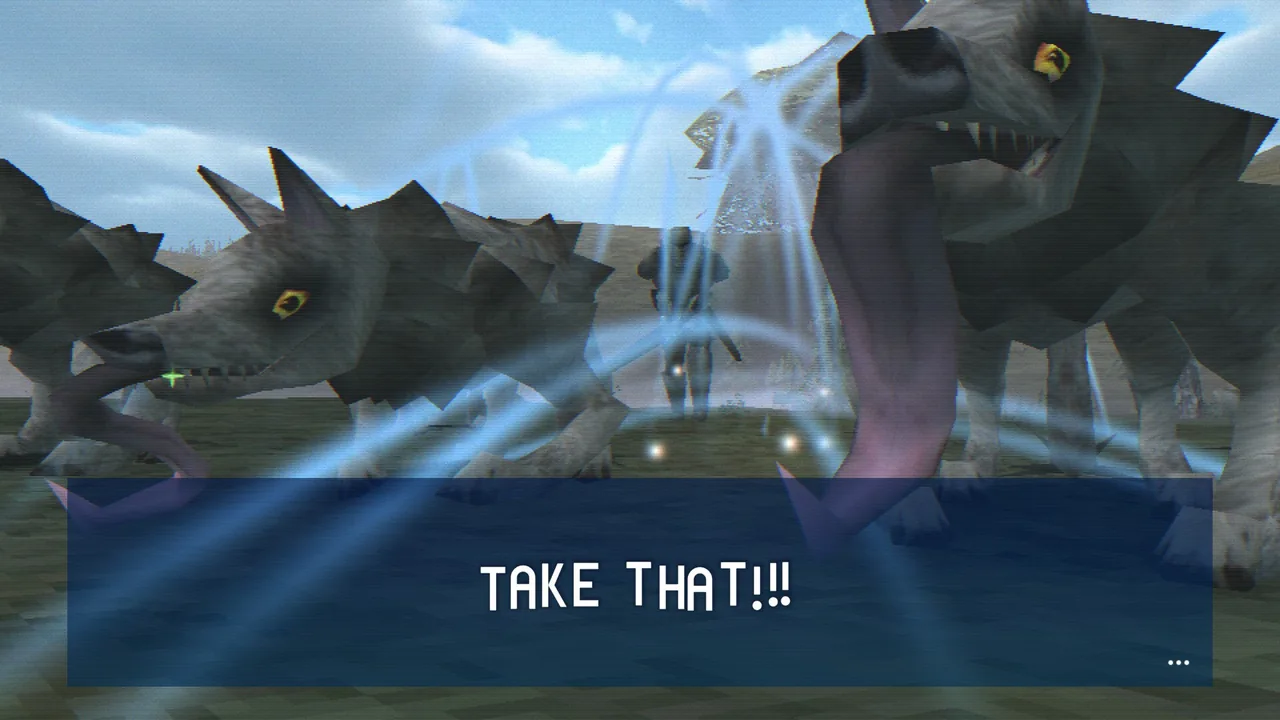
Where reviewers split hardest is on how much slack to cut the game for its rough presentation. The same detailed positive review that praised the concept was upfront about its execution: "The game is extremely janky which is likely just the lack of experience, although because the dev is going for that retro feel, it feels about right for the 90s 3D game, so while not ideal, I also find that janky part of this game a little charming." That reviewer's pros-and-cons section flagged specific glitches worth fixing: "if you talk to the dragon about the statues it will usually lock out your camera. Sometimes clipping in the water will make you fly around the map. You have to be careful clicking between the loading, it will crash the game." A second positive review echoed the same tolerance for the game's combat: "Combat is clunky, awkward, but that's true PS1 style isn't it? It never took me out of the experience (with the exception of the very final fight, which was infuriating, lol)." That reviewer also flagged something more serious: "I ran into tons of hiccups (including a game-breaking bug) which doesn't surprise me as I'm pretty sure this is a solo dev, and their first project," adding that they "would be a lot more forgiving of its issues if there were multiple save slots."
For two reviewers, the bugs went from charming quirk to genuine dealbreaker. One wrote plainly that the "game seems to be a bit busted," describing a specific failure: "had a cutscene break and not let me advance dialogue early on. apparently missed a student get tossed through a window," and later "when our character cant sleep, something broke and I got trapped outside," concluding that "every door outside was locked and there was nothing to do." Another negative review described falling through the game's boundaries entirely: "Apparently I took the wrong path? It looked like a path, but instead it made me go out of bounds. Didn't even cheat, or clip through something - just walked off the entire map." That same reviewer flagged the writing quality too: "The dialogue has typos everywhere and the writing style seems amateur."
Pacing problems that cut across both camps
Even reviewers who ultimately recommended the game agreed on a handful of specific frustrations. Several complained that conversations can't be sped through: one negative reviewer noted "There's no way to make dialogue go quicker," while a positive reviewer said they "really wish dialogue was skippable, as it began to wear me down as it got increasingly repetitive," and separately criticized the save system: "I can't even find the saves on my PC for some reason." Movement itself drew consistent complaints, with one negative review describing walking as "so slow" that "the game constantly pushes you to walk to the other side of the map," and calling one required exercise, running laps of the school, "really one of the things you'll be doing for 15 minutes." The same reviewer found jumping "floaty and off," and described losing progress to an ill-timed tutorial popup: "At the start of the game in the dream sequence, you can jump toward a small island with a chest. I was doing that, and mid jump it reminded me that I could jump! That made me lose my jump, and fall to my 'death'. The chest will remain forever unopened." A detailed positive review made a similar suggestion about the game's opening: "I think you could drop that 'tutorial' with the jumps and just start the game arriving at the school," arguing it "makes a poor first impression."
A cult curiosity, rough edges and all
Nightmare Class Project's most detailed reviewer summed the whole experience up about as fairly as anyone could: "This game kinda captures the niche spectrum of the 90s PS1 games, not like a good 90s game, but more of a cult game that maybe you kinda love and hate at the same time, if that makes sense," landing on a personal score of "7/10" despite everything flagged along the way. That tension runs through the entire review base — a genuinely original, dark-humored riff on a familiar formula, undercut by bugs serious enough to strand two reviewers outside the map entirely and pacing choices that even its fans want changed. One of the shortest reviews on file captures the split in four words: "GLITCHY YET GOLDEN!" For $6.99, that's a fair one-line summary of what's here: a scrappy, weird little game worth trying if the premise appeals, but one that should be approached with patience for its solo-dev seams rather than an expectation of a polished experience.
Pros and cons
Pros
- A genuinely weird, wall-breaking take on a Hogwarts-style wizard school that reviewers found compelling
- Retro PS1-era jank that several players describe as charming rather than a flaw
- A dark comedic tone that its fans call endearing, miserable, and memorable in equal measure
Cons
- Multiple reviewers hit game-breaking bugs, out-of-bounds walk-throughs, and softlocks
- Slow movement, floaty jumping, and constant tutorial interruptions frustrate several players
- Dialogue cannot be skipped or sped up, and repeats if reviewers reopen the same conversation
Screenshots
-
Nightmare Class ProjectImage: Strapatrocious via Steam -
Nightmare Class ProjectImage: Strapatrocious via Steam -
Nightmare Class ProjectImage: Strapatrocious via Steam -
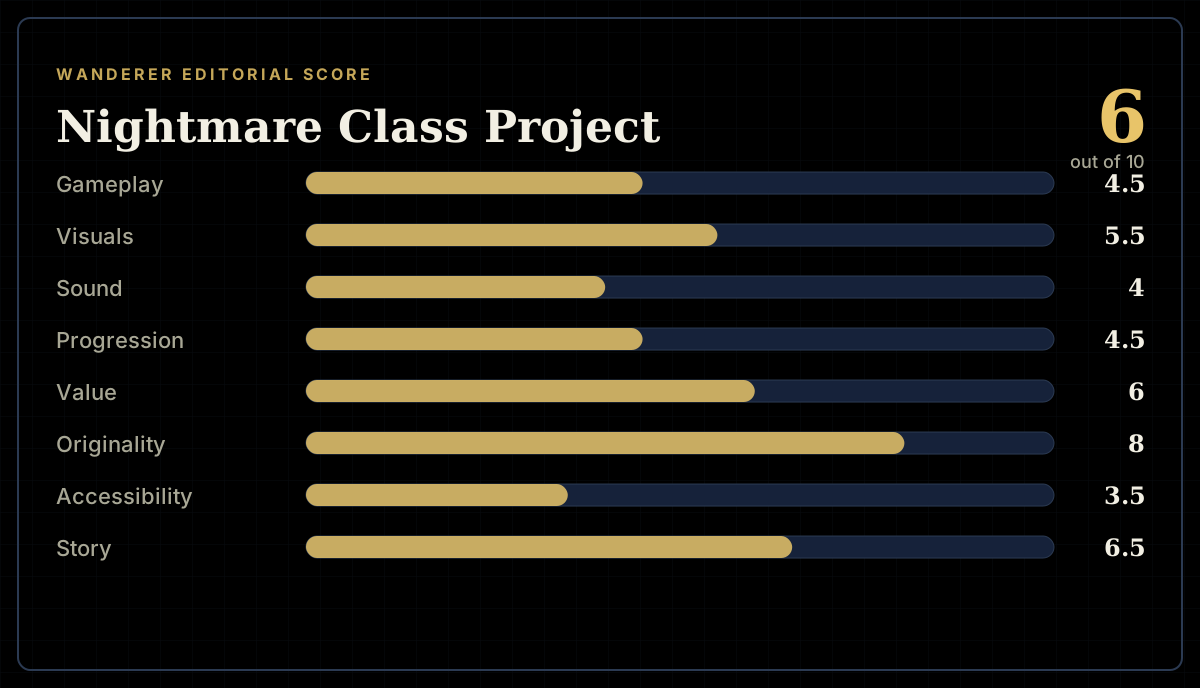
How the review scores each part of the gameWanderer Editorial -
The short versionWanderer Editorial