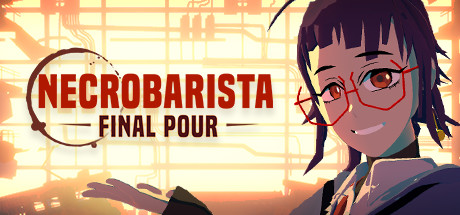
Game review
Necrobarista
6.5 / 10
- Developer
- Route 59
- Publisher
- Route 59, Coconut Island Games, PLAYISM
- Released
- 22 July 2020
- Platforms
- Windows, macOS
- Genre
- Kinetic Visual Novel
- Monetisation
- Premium one-time purchase; no DLC or in-game purchases
- Players
- Single-player only
The short version
Necrobarista looks and sounds like almost nothing else in the visual novel space — a cafe for the recently deceased rendered in fully 3D environments, shot with genuinely cinematic camera work, scored by Kevin Penkin at a level well above what most narrative indies budget for. What holds it back is the story it's built to tell that presentation around: there are no choices anywhere in the experience, dialogue attribution is often confusing enough that reviewers report losing track of who's speaking, and a large share of players report the pacing loses them well before the emotional payoff a smaller number of reviewers say the ending delivers.
Biggest strengths
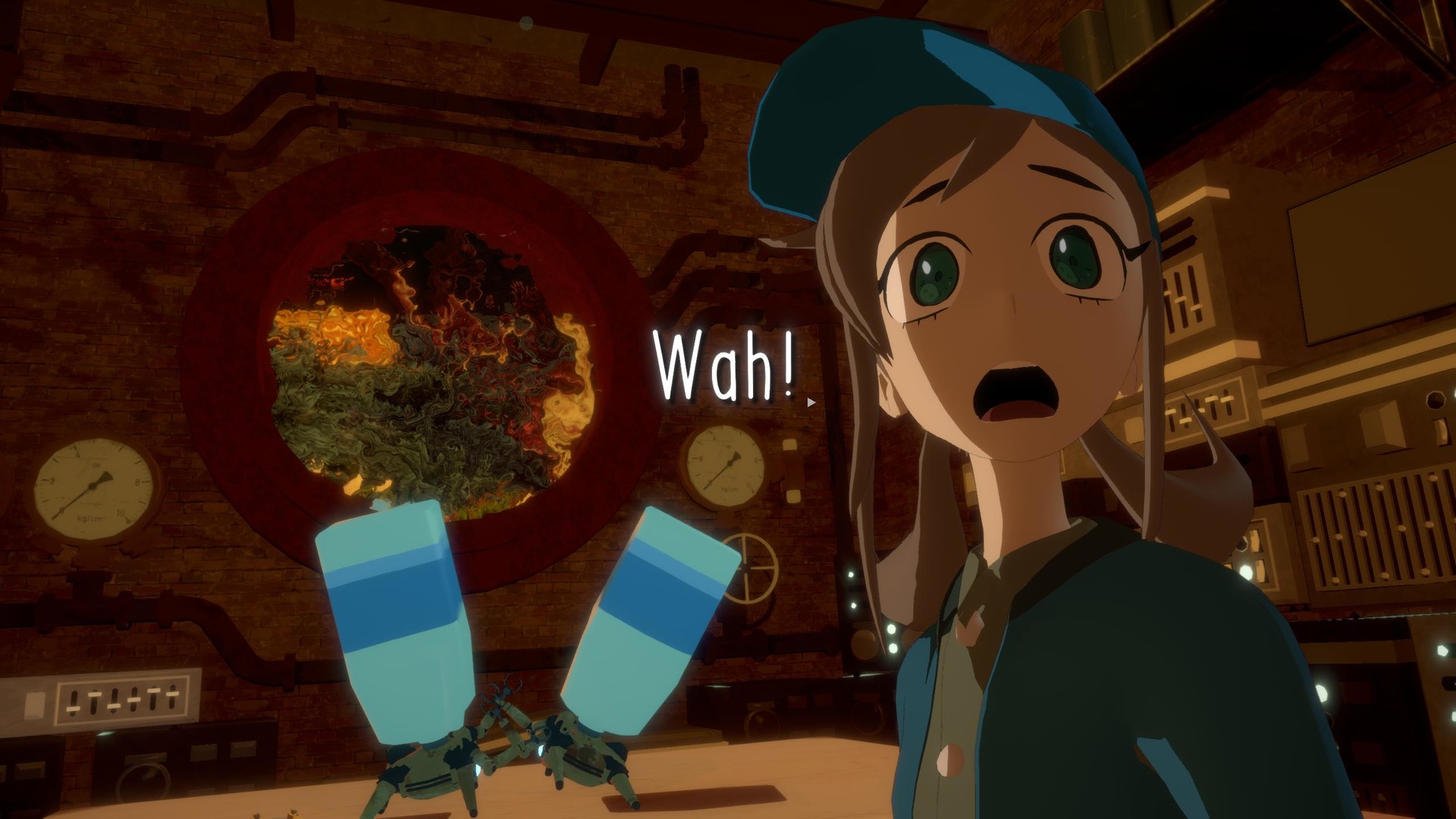
- Fully 3D-rendered environments and genuinely cinematic camera work set Necrobarista visually apart from nearly every other visual novel on the market, drawing consistent praise even from reviewers who don't ultimately recommend it
- Kevin Penkin's soundtrack is repeatedly singled out by name as one of the strongest scores in the genre
- An unlockable side-content system rewards players who dig deeper into optional dialogue branches with additional character material, giving the otherwise linear structure a small layer of discovery
Biggest weaknesses
- There is no player agency anywhere in the experience — no choices, no branching paths — and several reviewers say the marketing and early trailers implied more interactivity, even a cafe-management gameplay loop, than the finished kinetic novel actually delivers
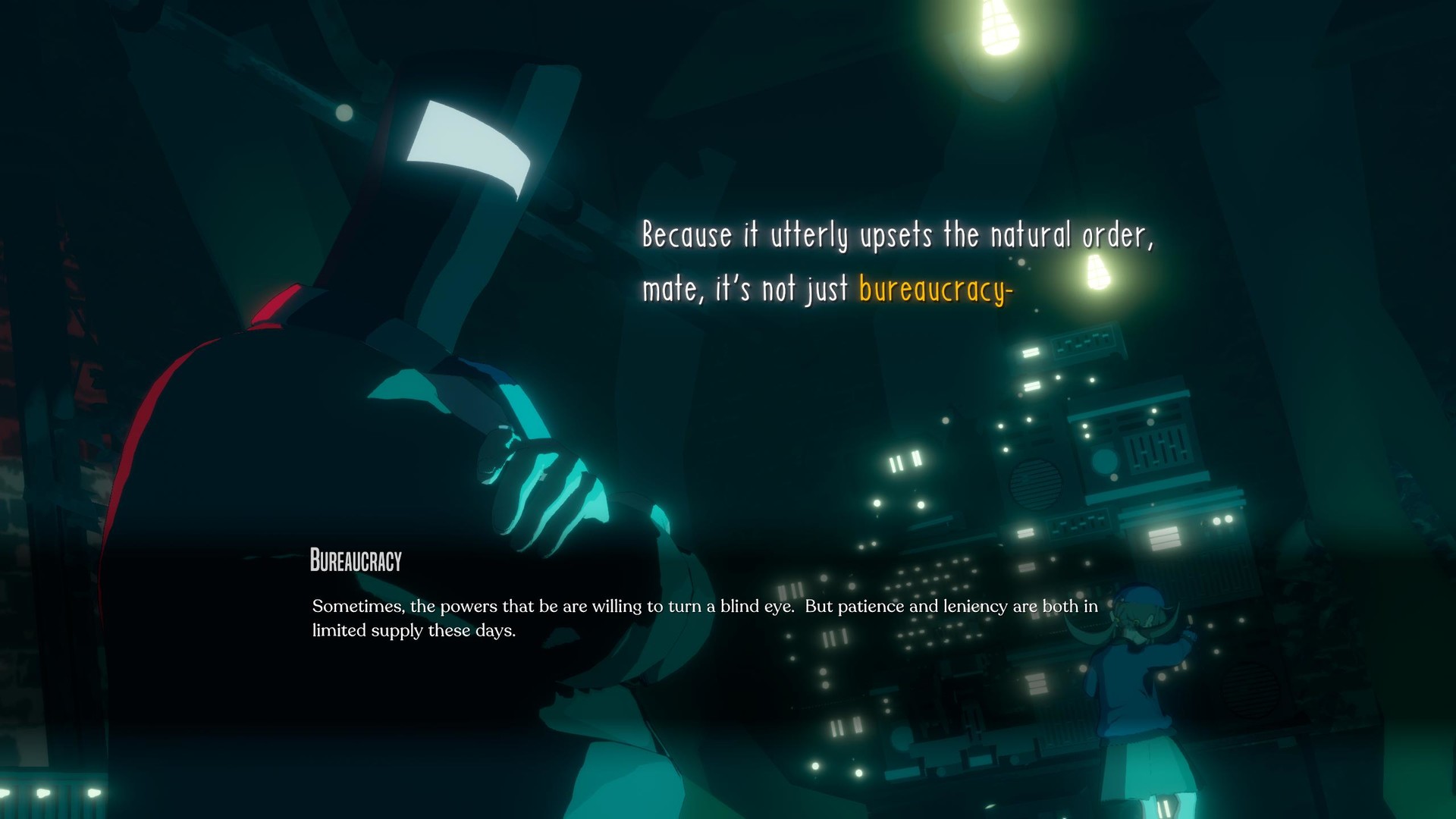
- Rapid, stylized camera cuts frequently obscure which character is speaking, a specific and repeatedly reported readability problem rather than a matter of taste
- Multiple reviewers describe the pacing as slow enough to lose their attachment to the story well before its conclusion, with high-stakes moments they say get reversed or brushed past too quickly to land
Who it's for: Visual novel readers specifically drawn to strong art direction and music who don't need any interactivity or branching to feel satisfied, more than players who came in expecting anything resembling a cafe management or choice-driven narrative game.
Our recommendation: Worth it for the presentation alone if you already know you enjoy pure kinetic novels with no player agency; skip it if the appeal was ever "a game about running a coffee shop," since that framing doesn't describe what's actually here.
6.5 / 10
A back-alley Melbourne cafe where the recently dead get one final night to say goodbye to the living is a genuinely striking premise, and Necrobarista commits to selling it visually more than almost any other visual novel bothers to. Where the genre typically settles for static 2D character sprites over a handful of repeated backgrounds, Route 59 built the whole thing in fully 3D environments, shot with camera framing and lighting reviewers repeatedly call cinematic rather than merely "nice for a VN." That commitment to presentation is the review sample's clearest, most consistent point of agreement — it shows up as a compliment in reviews that otherwise can't recommend the game at all.
A story told entirely without your input
The trade-off for that presentation is total: Necrobarista offers no choices anywhere in its runtime. Several reviewers are specific that this isn't the usual visual-novel illusion of agency with one true ending underneath — there is genuinely no branching to speak of, making it what a few reviewers precisely call a kinetic novel rather than a visual novel. That distinction matters because, per multiple accounts, the game's own marketing and early trailers implied something more interactive, in some cases specifically suggesting a cafe-management gameplay layer that never materializes in the finished product. Buyers expecting anything resembling mechanical participation are the review sample's most consistent source of disappointment, and it's a fair complaint given what the pre-release messaging apparently promised.
A second, more specific readability problem compounds the pacing issues: the same stylized, rapid camera cuts that earn the game its visual praise also frequently leave players unsure who is currently speaking, since dialogue often lacks clear speaker attribution on screen. This shows up often enough, from reviewers who otherwise love the presentation, that it reads as a real design oversight rather than a one-off complaint.
A slow burn that loses a lot of its audience along the way
Pacing is the throughline connecting most of the negative reviews. Multiple accounts describe losing emotional investment in the characters well before the story's conclusion, and several specifically call out moments where the narrative raises real stakes only to reverse or brush past them too quickly to land with weight. Steam's own achievement data gives this complaint a hard number: while 92% of players reach the game's first story milestone, that figure falls to under 19% by the final chapters — a genuinely steep drop-off for a game most reviewers describe as only two to four hours long in total, suggesting a meaningful share of buyers simply stop partway through rather than seeing the ending several more patient reviewers say pays the setup off.
What nearly everyone agrees on regardless
Presentation aside, Kevin Penkin's score draws essentially unanimous praise by name across the sample, an unusually specific and consistent credit for an indie visual novel's soundtrack to receive. The cast is also singled out for genuine diversity and for building its emotional core around a platonic friendship rather than the genre's more common romantic framing, a choice several reviewers explicitly welcome as a change of pace. And credit is due on the technical side too: a reported cursor bug affecting multi-monitor setups at launch was fixed quickly enough that more than one early critical review was later edited to note the improvement directly, rather than left to mislead future readers about a since-resolved problem.
A dialogue system that rewards curiosity, even without real choice
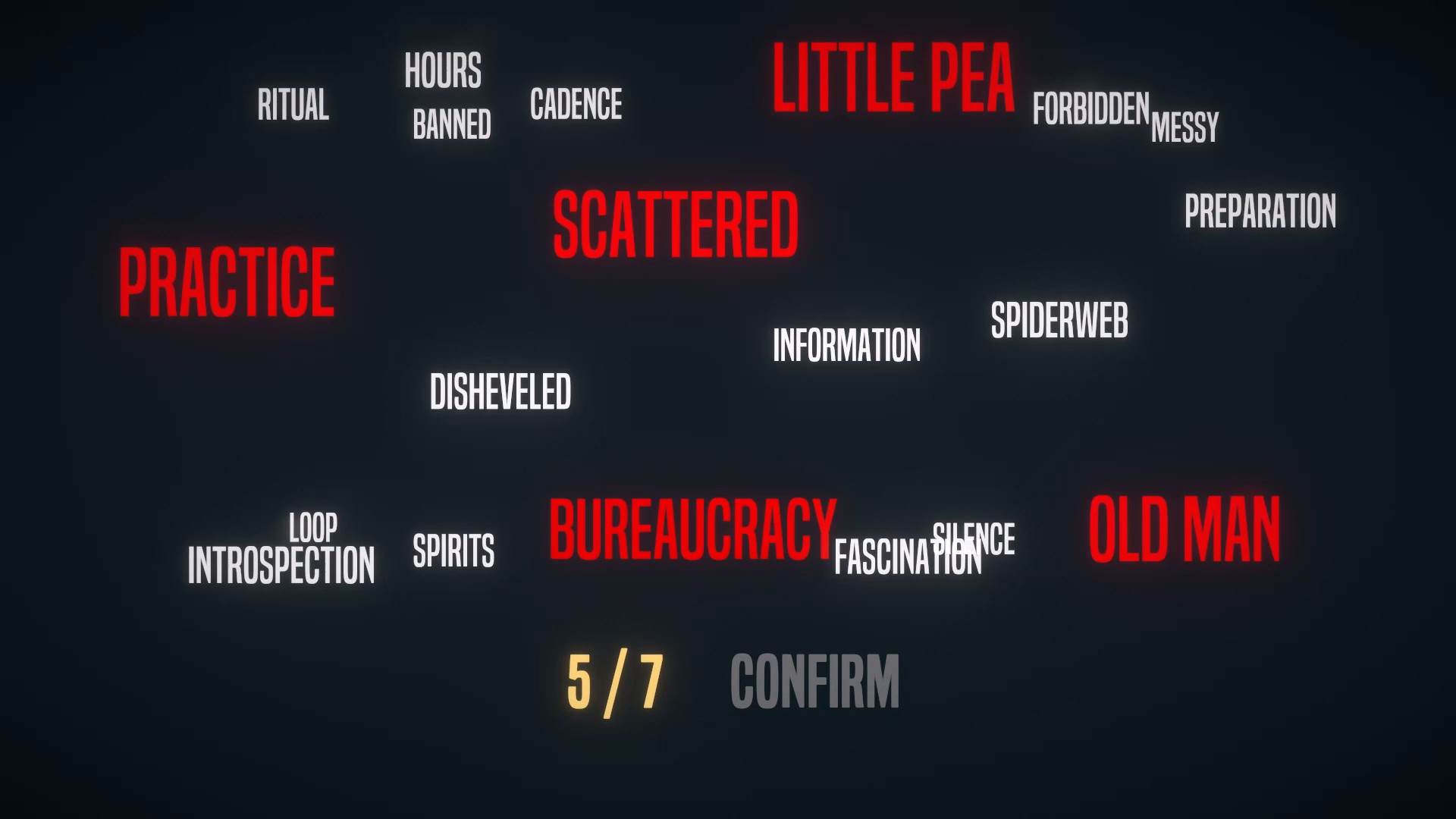
One system deserves more attention than a passing mention, because it's the closest thing the game offers to interactivity: certain conversations let players dig deeper into optional dialogue threads that reveal additional character backstory and side material without changing the main plot's direction. It's not a choice system in any meaningful sense — nothing you find this way branches the story — but reviewers who enjoy the game consistently point to this layer as the difference between a purely passive kinetic novel and one that rewards paying close attention. For a game that otherwise offers zero mechanical participation, this is a reasonably clever way to give curious players something to do with their agency short of an actual choice, even if it doesn't answer the louder complaint about missing interactivity altogether.
Weighing length against price
At two to four hours for most players, Necrobarista sits on the shorter end even by visual novel standards, and its roughly NZD 25 asking price draws occasional value complaints as a result, particularly from reviewers who didn't finish it. Whether that price feels fair depends heavily on how much weight a buyer puts on production values versus raw hours: reviewers who finished the game and connected with its ending tend to describe the price as justified by the craft on display, while reviewers who bounced off the pacing before the payoff are far more likely to describe the same price as steep for what they experienced. That split tracks closely with the broader pacing divide discussed above rather than existing as a separate complaint.
Verdict
Necrobarista is a genuine visual and audio achievement inside a genre that rarely budgets for either at this level, and the parts of its cast and score that land, land well. What keeps it from a stronger score is a structural mismatch between what it promises and what it delivers — no interactivity despite marketing that implied otherwise, confusing speaker attribution baked into its own visual style, and a pacing problem substantial enough that Steam's own completion data shows most players never reach the ending the story is building toward. Go in knowing exactly what kind of experience this is, and the presentation alone may well be worth the asking price.
Pros and cons
Pros
- Fully 3D-rendered environments and genuinely cinematic camera work set Necrobarista visually apart from nearly every other visual novel on the market, drawing consistent praise even from reviewers who don't ultimately recommend it
- Kevin Penkin's soundtrack is repeatedly singled out by name as one of the strongest scores in the genre
- An unlockable side-content system rewards players who dig deeper into optional dialogue branches with additional character material, giving the otherwise linear structure a small layer of discovery
- The cast is praised for genuine diversity and for centering a platonic rather than romantic core relationship, a deliberate change from genre norms several reviewers specifically appreciate
- Launch-week technical issues, including a reported cursor bug for multi-monitor setups, were addressed quickly enough that several early critical reviews were later edited to note the fixes directly
Cons
- There is no player agency anywhere in the experience — no choices, no branching paths — and several reviewers say the marketing and early trailers implied more interactivity, even a cafe-management gameplay loop, than the finished kinetic novel actually delivers
- Rapid, stylized camera cuts frequently obscure which character is speaking, a specific and repeatedly reported readability problem rather than a matter of taste
- Multiple reviewers describe the pacing as slow enough to lose their attachment to the story well before its conclusion, with high-stakes moments they say get reversed or brushed past too quickly to land
- Global achievement data shows a steep drop-off across the story's episodes, from 92% of players reaching the first chapter milestone to under 19% completing the final ones, consistent with a real, sizable share of the audience not finishing
- Some reviewers who otherwise praise the writing describe it as over-explaining its themes at length, an odd companion complaint to the pacing issue given how much dialogue the game contains
Screenshots
-
NecrobaristaImage: PLAYISM via Steam -
NecrobaristaImage: PLAYISM via Steam -
NecrobaristaImage: PLAYISM via Steam -
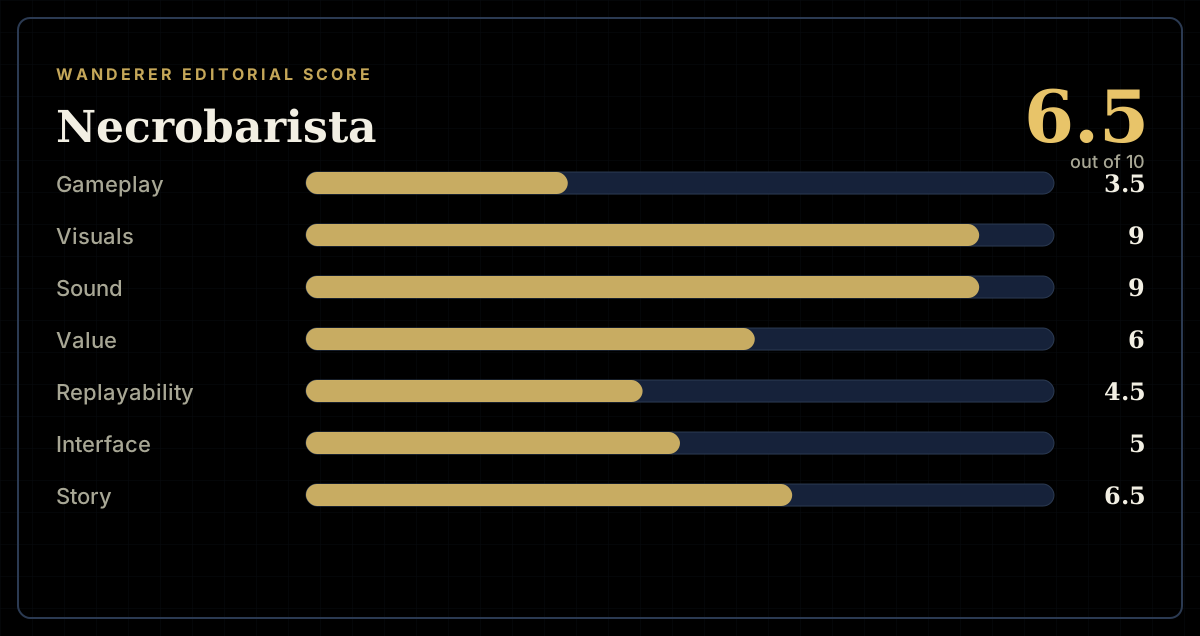
How the review scores each part of the gameWanderer Editorial -
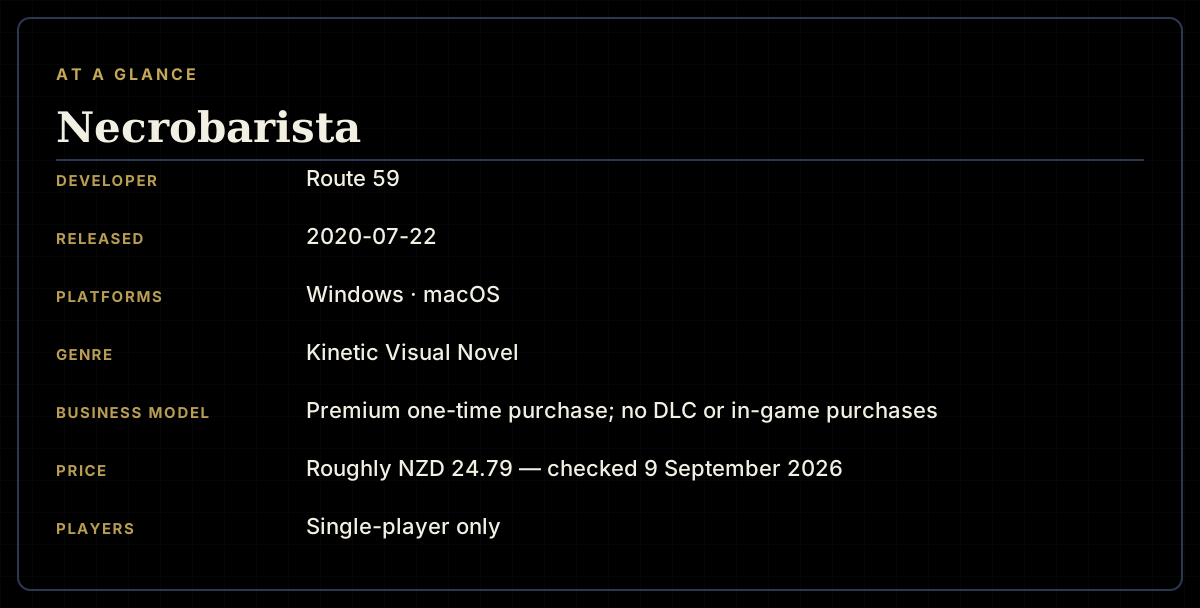
At a glanceWanderer Editorial -
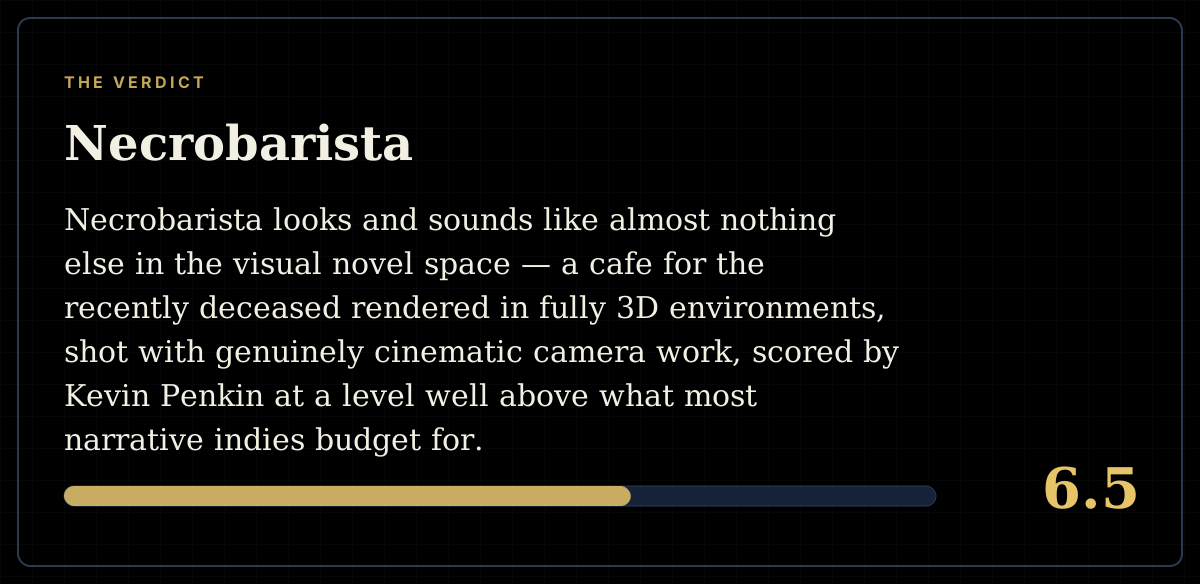
The short versionWanderer Editorial