Game review
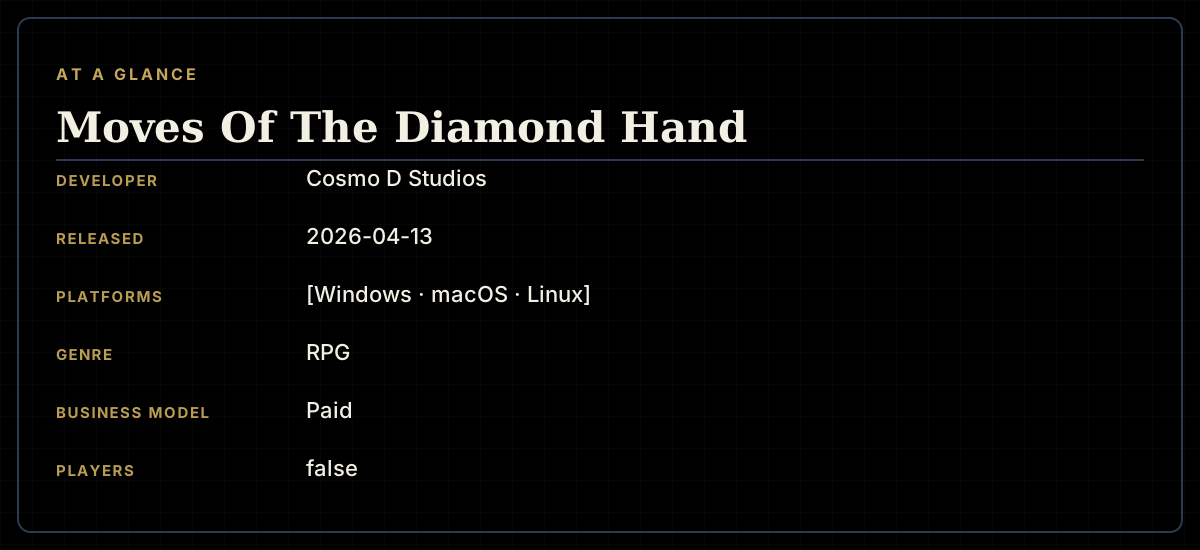
Moves Of The Diamond Hand
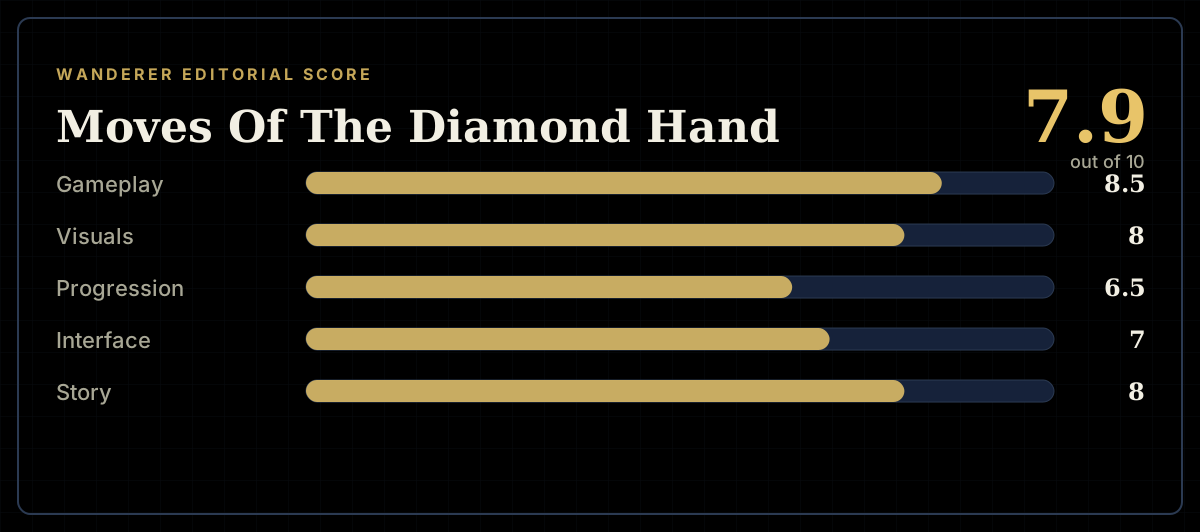
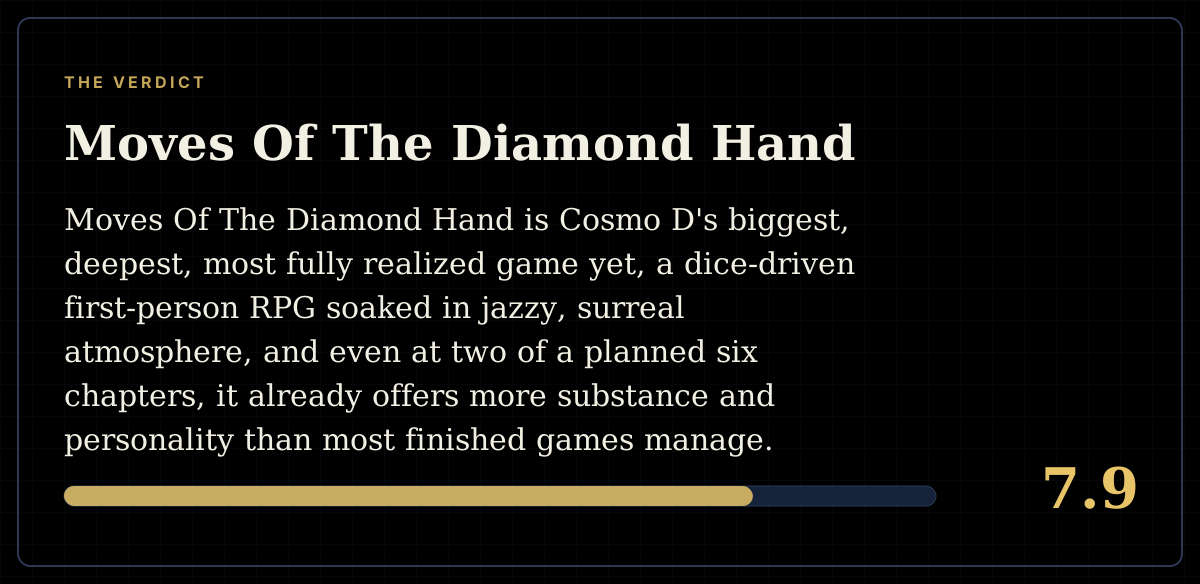
7.9 / 10
- Developer
- Cosmo D Studios
- Publisher
- Cosmo D Studios
- Released
- 13 April 2026
- Platforms
- [Windows, macOS, Linux]
- Genre
- RPG
- Monetisation
- Paid
- Players
- false
The short version
Moves Of The Diamond Hand is Cosmo D's biggest, deepest, most fully realized game yet, a dice-driven first-person RPG soaked in jazzy, surreal atmosphere, and even at two of a planned six chapters, it already offers more substance and personality than most finished games manage.
Biggest strengths
- A dice-driven skill-check system that expands meaningfully on the developer's prior work, turning nearly every interaction into a small, tense gamble
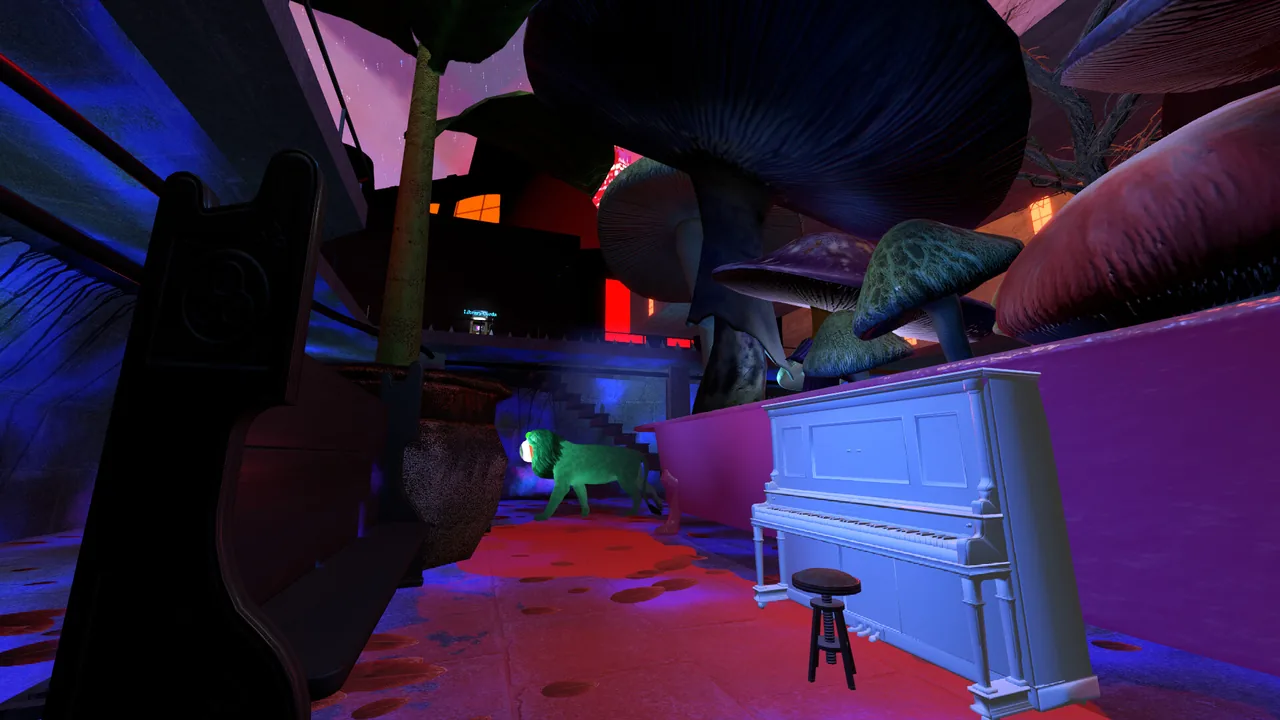
- Genuinely distinctive worldbuilding, dialogue, and atmosphere, a surreal, jazz-drenched city full of oddball characters and consistently sharp, funny writing
- A hypnotic, highly praised original soundtrack and strong environmental art direction throughout
Biggest weaknesses
- Only the first two of a planned six chapters are currently available, leaving the full story and scope still to come
- The dice-progression system can be grinded and stacked to the point of trivializing failure states, undercutting some of the tension the mechanic is built around
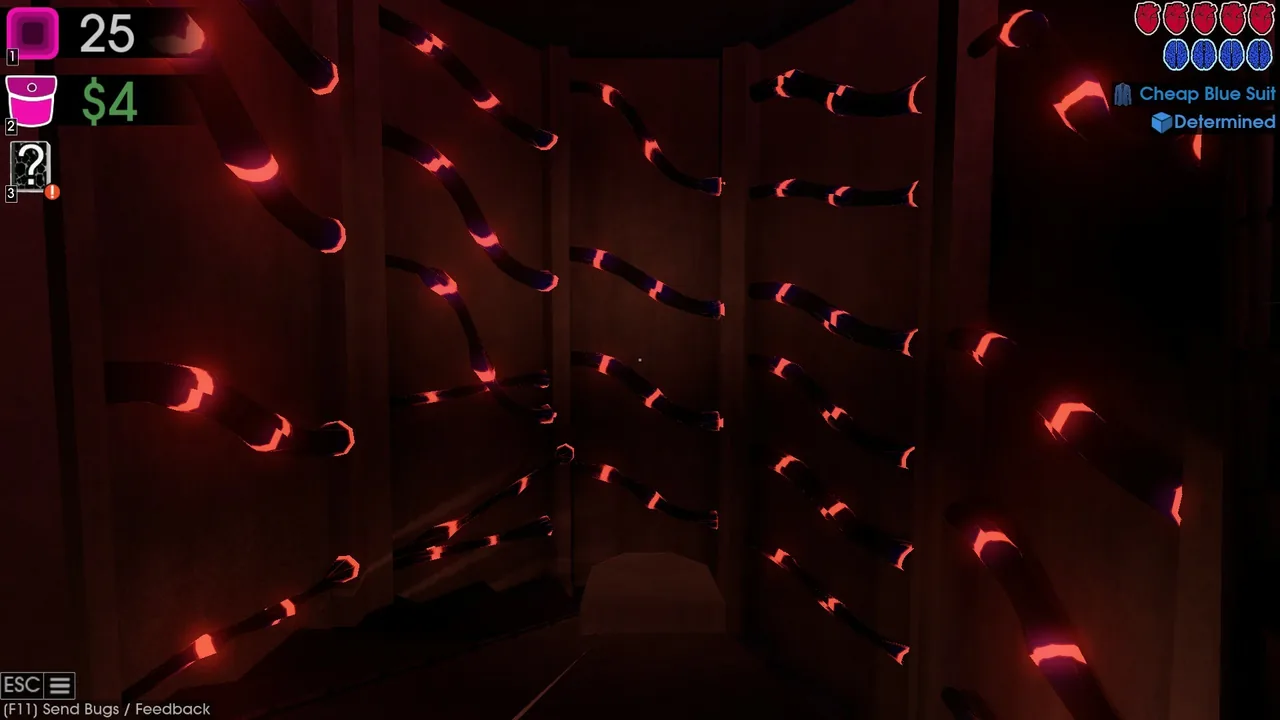
- Some performance strain reported on lower-end hardware, particularly during the opening sequence
Who it's for: Fans of narrative-driven immersive sims and surreal indie RPGs who don't mind buying into an Early Access game for its current two chapters while the rest is built.
Our recommendation: Recommended
7.9 / 10
Welcome back to Off-Peak City
Moves Of The Diamond Hand entered Early Access on April 13, 2026 from Cosmo D Studios, the small team behind the cult favorite Off-Peak City series and 2023's Betrayal at Club Low. It's a first-person narrative RPG set in the same surreal, jazz-soaked dystopian city as those earlier games, this time following a character trying to talk, hustle, and dice-roll their way into the legendary Circus X performance crew. It launched to a Very Positive reception that's edging toward unanimous, 124 reviews and not a single negative one in the sample, a remarkable showing for an Early Access RPG whose full story is still two-thirds unfinished.
Every conversation is a small gamble
The game's central mechanic, inherited and substantially expanded from Betrayal at Club Low, is dice-based skill resolution: nearly every meaningful interaction, from talking your way past a bouncer to negotiating a job, resolves through rolling and allocating dice against a set of expandable skills. Reviewers who played the earlier game describe this entry as exponentially deepening that system, with more skill categories, more ways to modify rolls, and richer consequences for both success and failure. One reviewer calls the dice themselves "insane" in the best way, and another, unfamiliar with Cosmo D's prior work, describes the loop as feeling like "Disco Elysium by way of Balatro," rigging chance in your favor through careful build choices rather than pure luck. It's a distinctive hybrid of tabletop-RPG randomness and deliberate character building that few other games are attempting.
A world built on atmosphere and specificity
What consistently draws the strongest praise, even more than the mechanics, is the writing and world. Off-Peak City's surreal, dreamlike urban sprawl is rendered with an obsessive level of detail and character, oddball NPCs, absurdist job titles like "Master Sandwich Maker," and dialogue reviewers repeatedly describe as funny, strange, and refreshingly unpretentious for a genre that can lean into indulgent surrealism for its own sake. Multiple reviewers who've followed Cosmo D since the original Off-Peak call this the culmination of everything the developer has built toward, expanded scope, deeper systems, and the same handcrafted, personal voice that's defined the series since its first entry. The soundtrack draws similarly enthusiastic praise, several reviewers explicitly ask for a standalone release of the score, calling it hypnotic and genre-defining for the game's specific vibe.
Generous scope for an unfinished game
Even with only two of a planned six chapters currently playable, reviewers consistently report unusually substantial playtime, eight, ten, sometimes more hours explored without exhausting everything on offer, alongside praise for branching solutions to quests and a semi-open city layout that one detailed review compares favorably to the interconnected level design of classic immersive sims. That's an encouraging sign for an Early Access RPG, since it suggests the remaining four chapters are likely to expand an already substantial game rather than pad out a thin one. It also means, fairly, that anyone buying in now is paying full price for what is explicitly a partial story, a tradeoff nearly every reviewer acknowledges openly and, so far, appears willing to make.
Where the systems show their seams
The most consistent, if mild, critique across the review sample concerns how easily the dice-progression system can be grinded. Several reviewers note that experience and skill points accumulate quickly enough to make failure states rare well before the halfway point of the current content, undercutting some of the tension the roll-based interactions are designed around. It's framed less as a design flaw than a balance concern the developer has time to address before full release, and a few reviewers explicitly note they'd prefer future chapters lean into a stingier economy. A handful of reports also mention performance strain during the game's opening sequence on lower-end hardware, though none describe it as game-breaking.
What "Early Access" means here
Cosmo D's track record matters to how reviewers are framing this purchase. The developer's prior games have consistently shipped and been supported, and the frequent, substantial post-launch patch cadence already visible in this game's update history, stability fixes, quality-of-life passes, and a new options screen within the first two months, reads as active, ongoing development rather than a stalled Early Access shell. That context makes the two-of-six-chapters caveat easier to accept than it would be from a less established studio, though it remains the single biggest open question for anyone considering a purchase today rather than waiting for a more complete build.
An unusually specific niche, filled well
Games that combine dice-based tabletop mechanics with a first-person exploratory RPG structure remain rare enough that this one has few direct competitors to be measured against, most comparisons reviewers reach for are either the developer's own back catalogue or tonal touchstones like Disco Elysium, rather than close mechanical peers. That relative isolation works in the game's favor: rather than feeling like a variation on an established formula, it reads as a genuinely distinct entry carving out its own space at the intersection of walking sim, CRPG, and tabletop gambling. Reviewers who came in cold, without prior Cosmo D familiarity, describe getting hooked specifically because nothing else quite does what this does, a rarer compliment in an indie landscape saturated with genre-blend experiments that don't fully commit to any one influence.
Who should buy in during Early Access
Given the two-of-six-chapters scope, the ideal buyer right now is someone who either already loves Cosmo D's prior work and wants to support continued development, or someone drawn specifically to the promise of a dice-driven, narrative-heavy RPG willing to accept a partial story in exchange for getting in early. Reviewers who fall into neither camp, looking for a complete, tightly plotted RPG experience today, are better served waiting for a later Early Access milestone or the eventual full release. For everyone else, the combination of genuine mechanical ambition, distinctive atmosphere, and a developer with a demonstrated record of finishing what they start makes this one of the more trustworthy Early Access purchases on the market this month.
The verdict
Moves Of The Diamond Hand is a confident, ambitious expansion of everything that made Cosmo D's earlier games distinctive, richer dice mechanics, sharper writing, and a bigger, more explorable version of Off-Peak City's surreal atmosphere. It's an easy recommendation for anyone who enjoyed Betrayal at Club Low or wants a genuinely original narrative RPG, with the clear understanding that four of six chapters, and the systemic polish that comes with a finished game, are still ahead.
Pros and cons
Pros
- A dice-driven skill-check system that expands meaningfully on the developer's prior work, turning nearly every interaction into a small, tense gamble
- Genuinely distinctive worldbuilding, dialogue, and atmosphere, a surreal, jazz-drenched city full of oddball characters and consistently sharp, funny writing
- A hypnotic, highly praised original soundtrack and strong environmental art direction throughout
- An unusually large amount of content already playable at Early Access launch, with reviewers reporting eight to ten-plus hours in just the first two chapters
Cons
- Only the first two of a planned six chapters are currently available, leaving the full story and scope still to come
- The dice-progression system can be grinded and stacked to the point of trivializing failure states, undercutting some of the tension the mechanic is built around
- Some performance strain reported on lower-end hardware, particularly during the opening sequence
- As an Early Access RPG built around ongoing narrative content, its ultimate value depends heavily on the developer completing the remaining chapters on a reasonable timeline
Screenshots
-

Moves Of The Diamond HandImage: Cosmo D Studios via Steam -
Moves Of The Diamond HandImage: Cosmo D Studios via Steam -
Moves Of The Diamond HandImage: Cosmo D Studios via Steam -
How the review scores each part of the gameWanderer Editorial -
Key facts at a glanceWanderer Editorial -
The short versionWanderer Editorial