Game review
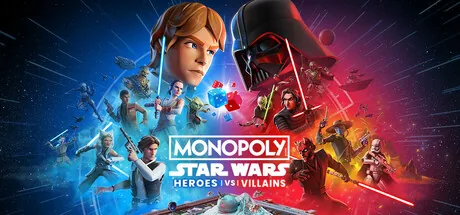
Monopoly: Star Wars Heroes vs. Villains
4 / 10
- Developer
- Behaviour Interactive
- Publisher
- Ubisoft
- Released
- 11 June 2026
- Platforms
- Windows
- Genre
- Casual, Family, Board Game, Star Wars, Multiplayer
- Monetisation
- paid
- Players
- true
The short version
Biggest strengths
- A genuinely fast, streamlined competitive loop that several reviewers said solves classic Monopoly's biggest problem, its long, often tedious runtime
- Polished, charming Star Wars presentation, with reviewers specifically praising small character-animation touches like Yoda's shortened walking stride around the board
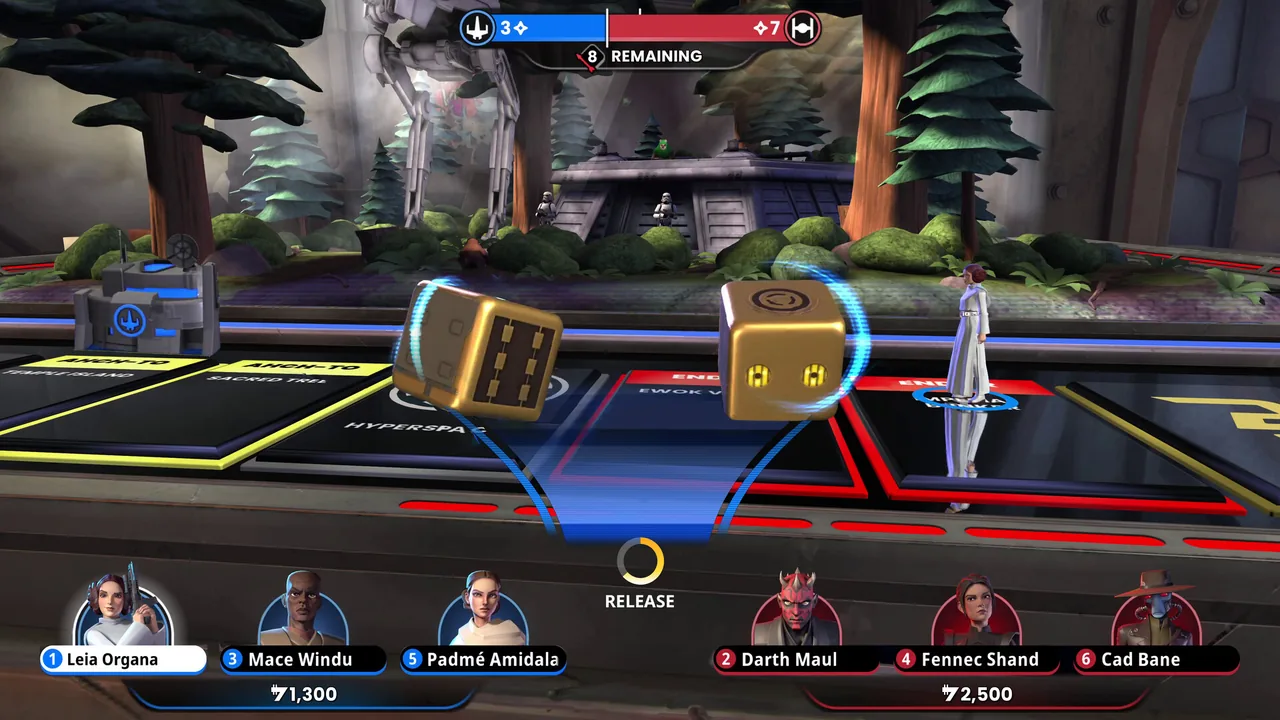
- Team-based dice-battle minigames for contested properties that some reviewers found genuinely fun and different from standard Monopoly
Who it's for: Star Wars fans looking for a light, fast party game to play casually with friends, who can accept a single fixed ruleset with no classic Monopoly mode and a currently thin online player base
Our recommendation: not recommended
4 / 10
A genuine ruleset overhaul, not a reskin
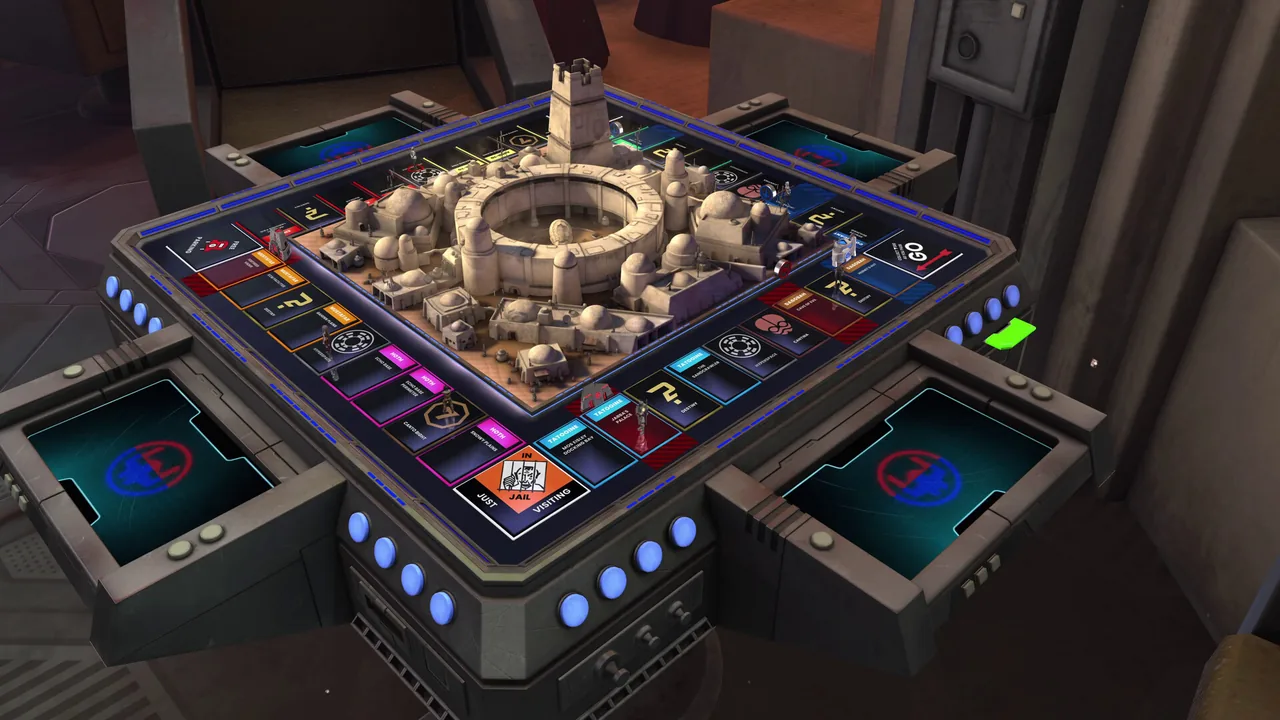
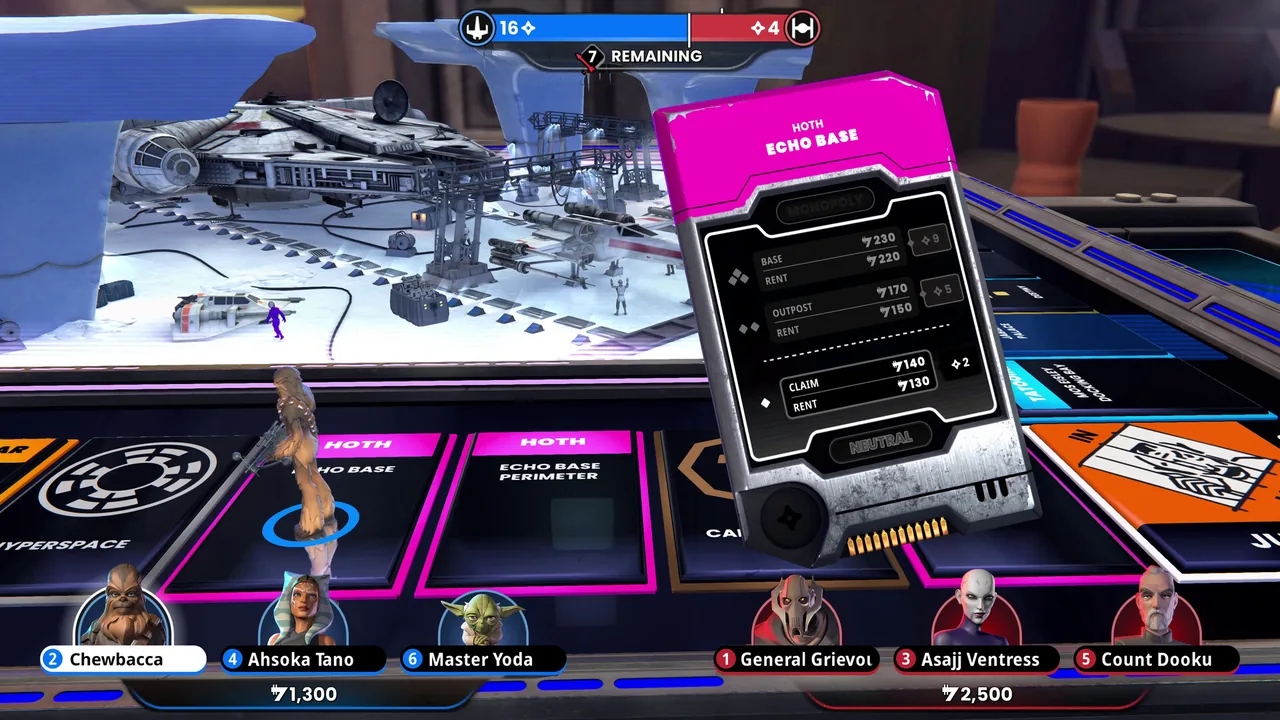
Monopoly: Star Wars Heroes vs. Villains rebuilds the classic board game around 2v2 or 3v3 team play, replacing individual player money with a shared team budget and ending games after a set number of "GO Events" rather than dragging on until one player bankrupts everyone else. It's a real structural departure, not just a cosmetic Star Wars coat of paint, and reviewers on both sides of the score divide agree on that much. One of the pool's longest, most detailed reviews acknowledged as much even while being sharply critical overall: "This isn't just a lazy, reskinned Monopoly; it feels more like a competitive Star Wars game built on top of a loose Monopoly foundation. The core loop is incredibly solid and the execution is fun."
Solving Monopoly's oldest complaint: the runtime
The most consistent praise across positive reviews concerns pacing. Classic Monopoly is notorious for dragging on for hours, and multiple reviewers specifically credited this version for fixing that. One wrote, "This game does solve the long timer of normal monopoly games and a round with friends takes just about the right amount of time (an hour and a half) which is very accurate to the stats the game shows." Another reviewer's account of playing against AI backed up the shorter runtime directly: "Games are at max 60-80 minutes with some of my quicker matches being as quick as 15-20." For players whose main complaint about Monopoly has always been its length, that's a real, tangible selling point some reviewers valued highly.
It plays nothing like Monopoly, and that upsets a lot of buyers
The dominant criticism across the negative side of the pool isn't that the new systems are poorly built, but that they abandon what made Monopoly recognizable in the first place. One reviewer wrote plainly, "It's NOT Monopoly. It doesn't follow the rules of Monopoly. You buy properties, but people can take them away by landing on them and rolling dice." Another reviewer, self-described as having collected "every single Monopoly video game," itemized the specific systems removed: "They removed trading, mortgaging, and auctions entirely," concluding that with so much player agency stripped out, "the result is a Monopoly game that plays exactly like The Game of Life." Crucially, several reviewers noted there's no way to opt back into anything closer to traditional rules: "There's no classic mode. You can't play with the classic Monopoly ruleset... There is exactly ONE game mode. Nothing else. Need I remind you, this game is 30 dollars."
Bare-bones content at a premium price
That single-mode limitation is where reviewer frustration concentrates most sharply, especially given the asking price. The same detailed review put it starkly: "this is one of the most BARE BONES releases of a Monopoly video game that I've ever seen, especially for a new game on modern platforms," adding pointed comparisons to older, cheaper games with more configurable options. Another reviewer's updated, lowered rating captured a similar arc from initial enthusiasm to disappointment: "My initial impressions were honestly great... [but] for the current price point, what you are getting is team vs team race around the board with some (neat) mechanics to slow the other team down. Unfortunate[ly]... apparently there are no plans to update the game, or fix bugs."
An empty online lobby undermines the whole pitch
Beyond content concerns, several reviewers flagged a population problem that directly undercuts a game built around team-based online multiplayer. One wrote bluntly, "Fun game, ghost town player base. Thanks for nothing, Ubisoft," describing enthusiasm for the core mechanics souring once matchmaking dried up. Combined with a separate, specific complaint that "the online multiplayer doesn't even have a chat feature of any kind," despite functioning cross-platform matchmaking, the multiplayer experience reviewers describe falls well short of what a $30 team-based party game needs to sustain itself.
AI that some reviewers say doesn't respect difficulty settings
A smaller but recurring complaint concerns the single-player AI experience for players without friends to team up with. One reviewer wrote, "Figured I'd put this game on easy mode for my first time against AI. Good to know that the difficulty setting has absolutely no effect on how they actually behave. I got completely crushed 45-138... The AI gets exactly what it needs to win every single turn." That's a specific, testable claim rather than a vague balance complaint, and if accurate, it's a real problem for players relying on AI opponents given the population issues affecting online matches.
A polished coat of paint over a divisive foundation
Even the harshest critical reviews consistently credit the game's presentation. One wrote admiringly about small touches like "how the board light[s] up when you win your gambling game, or how Yoda takes longer to walk around the board because he has tiny legs. Clearly a lot of love in that department." That level of craft in the audiovisual layer makes the underlying structural and content complaints sting more, not less, since it's clear the team could execute well when the scope allowed for it.
Verdict
Monopoly: Star Wars Heroes vs. Villains delivers a genuinely faster, more streamlined take on its source material, and reviewers who enjoy its team-based dice-battle loop describe real, if narrow, fun on offer. But it asks a premium $30 price for a single fixed ruleset with no way to play anything resembling classic Monopoly, strips out systems like trading and auctions that many players considered essential, and launched into an online player base too thin to reliably support the team multiplayer the whole game is designed around. Hard to recommend at full price outside of a specific niche of players drawn to its fast pace and Star Wars theming who don't mind its structural limitations; everyone else should wait for a deep discount or look elsewhere.
Pros and cons
Pros
- A genuinely fast, streamlined competitive loop that several reviewers said solves classic Monopoly's biggest problem, its long, often tedious runtime
- Polished, charming Star Wars presentation, with reviewers specifically praising small character-animation touches like Yoda's shortened walking stride around the board
- Team-based dice-battle minigames for contested properties that some reviewers found genuinely fun and different from standard Monopoly
- Functional cross-platform online matchmaking, a functional bar Monopoly video games have reportedly struggled to clear before
Screenshots
-
Monopoly: Star Wars™ Heroes vs. VillainsImage: Ubisoft via Steam -
Monopoly: Star Wars™ Heroes vs. VillainsImage: Ubisoft via Steam -
Monopoly: Star Wars™ Heroes vs. VillainsImage: Ubisoft via Steam