Game review
Mewgenics
8 / 10
- Developer
- Edmund McMillen, Tyler Glaiel
- Publisher
- Edmund McMillen, Tyler Glaiel
- Released
- 10 February 2026
- Platforms
- Windows
- Genre
- Tactics Roguelite
- Monetisation
- One-off premium purchase, with one optional soundtrack DLC; no in-app purchases and no premium currency
- Players
- None. Single-player only, with no leaderboard, co-op or shared-progress feature
The short version
Mewgenics sends players into Boon County to assemble a squad of mutant cats, outfit them with class-specific collars, and send them through turn-based tactical adventures — then breed the survivors, passing down scars, mutations and strange genetic quirks to the next generation. From Edmund McMillen (The Binding of Isaac, Super Meat Boy) and Tyler Glaiel (The End Is Nigh), it arrived after nearly a decade of public development to a Very Positive reception across more than 48,000 Steam reviews and reportedly over a million copies sold in its first week. The praise is substantial and specific: deep, emergent tactical combat, an outstanding soundtrack, and a genetics system reviewers compare favourably to Darkest Dungeon's scar mechanics and Sid Meier's "series of interesting choices" design philosophy. The honest complication, raised by a meaningful and unusually articulate minority even after a major May 2026 balance patch aimed directly at the problem, is that breeding and house management — the system meant to be the game's signature hook — becomes a genuine chore once a player's cat population grows, compounded by real interface gaps like the absence of any way to sort or filter your roster.
Biggest strengths
- A genuinely inventive fusion of turn-based tactical combat and multi-generational genetic breeding that reviewers struggle to compare to any single existing game
- Deep, emergent systems — 1,000+ abilities across ten-plus classes, 900+ items — reward experimentation and produce genuinely funny, wildly unpredictable emergent stories
- An outstanding, widely praised soundtrack and a distinctive absurdist tone that longtime McMillen fans describe as a natural evolution of his earlier work
Biggest weaknesses
- Breeding and house management — intended as the game's core hook — is repeatedly described as becoming genuinely tedious once a player's cat population grows, with no way to sort or filter a large roster; this complaint persists in reviews written after the May 2026 balance patch, not just before it
- Meta-progression pacing draws specific criticism as too slow in the early game, with basic house upgrades gated behind lengthy grinds
- "Output randomness" — random outcomes applied after a player commits to an action, rather than randomness in what options are presented — draws pointed criticism as a design choice that undercuts tactical planning rather than rewarding it
Who it's for: Fans of deep, emergent tactics roguelites and existing Edmund McMillen fans willing to accept the same unforgiving, occasionally frustrating design philosophy that defined The Binding of Isaac, now applied to a breeding-and-legacy system with real growing pains.
Our recommendation: A genuinely inventive, deeply rewarding tactics roguelite worth its price for fans of the genre, with a clear-eyed caveat that its core breeding loop has documented, still-current friction the developer hasn't fully resolved even after a dedicated fix-it patch.
8 / 10
Few indie games arrive carrying as much accumulated anticipation as Mewgenics did on 10 February
- Edmund McMillen's public development updates for the game stretched back nearly a decade,
long enough that a meaningful share of its eventual player base grew up on The Binding of Isaac while waiting for his next project to actually ship. What arrived was a genuinely strange, deeply ambitious pitch: assemble a squad of mutant cats from your ever-growing house, outfit them with class-specific collars, and send them through turn-based tactical adventures — then breed the survivors, passing down scars, experience and increasingly bizarre genetic mutations to the next generation. Reportedly selling over a million copies in its first week and settling into a Very Positive rating across more than 48,000 Steam reviews, Mewgenics has clearly found its audience. Understanding exactly what that audience loves, and what a meaningful, unusually thoughtful minority still finds frustrating even after a dedicated fix-it patch, is what makes this game worth reviewing carefully rather than simply reporting the score.
Deep, emergent, and often very funny
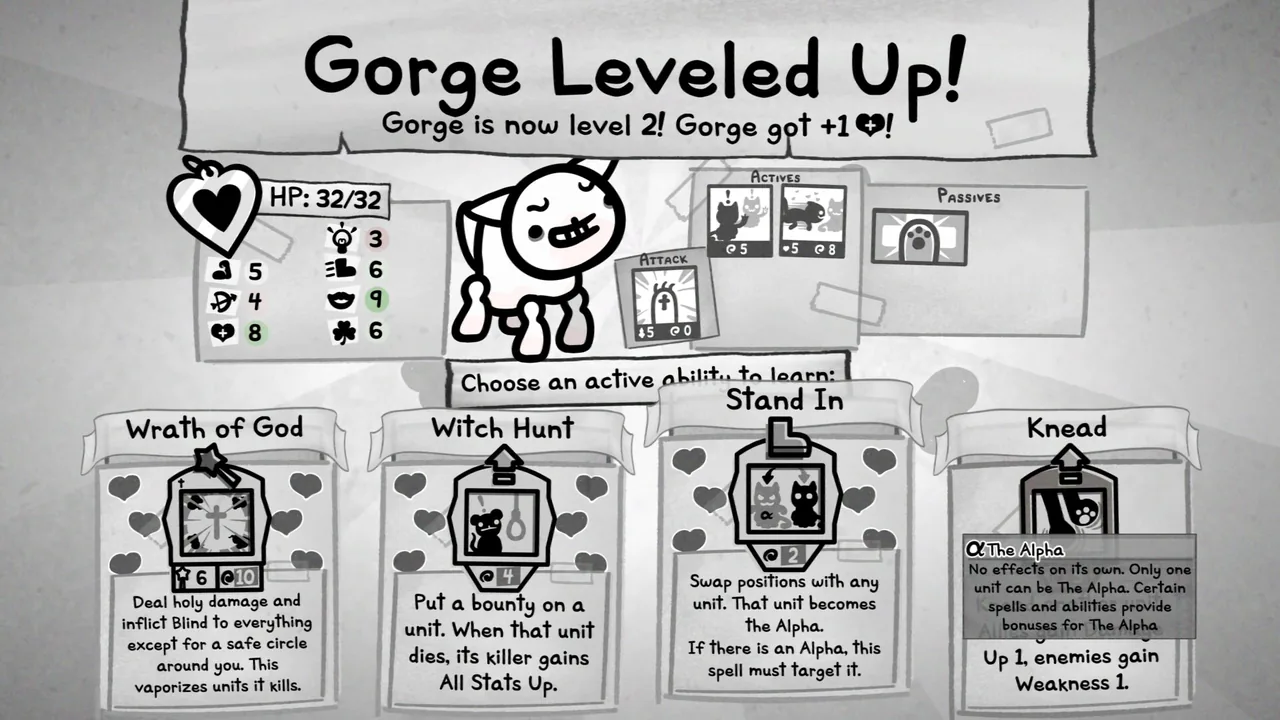
The tactical combat at Mewgenics' core draws consistent, specific praise for its depth. With over 1,000 unique abilities spread across more than ten classes and 900-plus items, reviewers describe a game that keeps revealing new layers well past its opening hours. "It may look ugly but it's secretly one of the best isometric tactics RPGs ever made," one review states. "If Sid Meier considers a good game 'a series of interesting choices,' this game would make his [expletive] do somersaults all night. Every decision matters." Another draws the Darkest Dungeon comparison directly and carefully: "To call this a Darkest Dungeon reskin would be disingenuous, but not entirely inaccurate," noting the shared DNA in how both games use accumulated trauma and imperfection as core systems rather than problems to be optimised away.
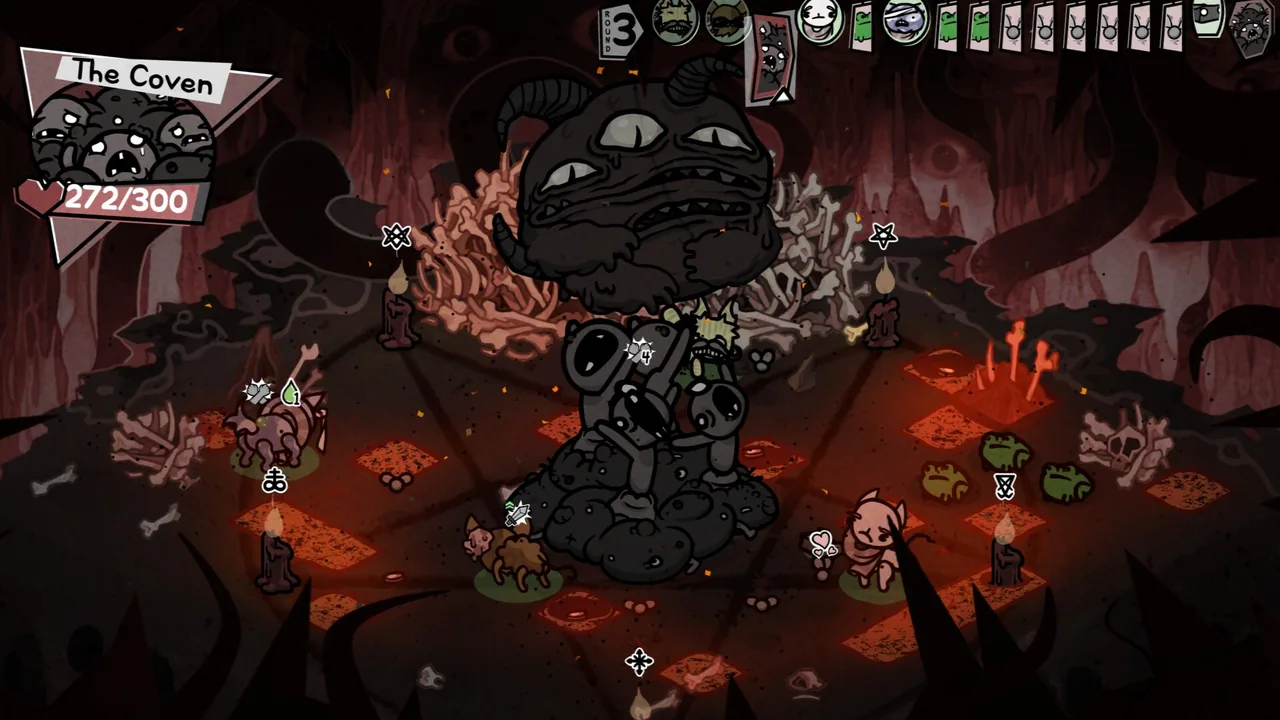
What sets Mewgenics apart from a straightforward tactics roguelike is how thoroughly the breeding system is meant to interlock with combat. Cats that survive an adventure return home carrying scars and mutations; players choose which cats to breed together, chasing specific genetic combinations across generations while managing an increasingly chaotic, increasingly powerful bloodline. The emergent stories this produces are, by wide consensus, some of the funniest material in the review sample — genuinely unhinged, screenshot-worthy anecdotes rather than scripted humour. "I bred cats until their spawn was inbred enough to cast fireball for -2 mana at the cost of permanent osteoporosis," one review recounts. Another: "I had a cat that got cancer and then became a mutant with almost all of its stats in negative, it survived the entire run, and now I have a genetic epidemic in my house 10/10 game." That kind of specific, delighted anecdote recurs dozens of times across the sample in different forms — evidence of a system that's genuinely generating memorable moments rather than being praised on reputation alone.
Where the signature system starts to strain
The honest complication, and the reason this review can't simply echo the overwhelming positive consensus without qualification, is that breeding and house management — explicitly the system the game is built around — is where a meaningful and unusually articulate slice of critical reviews consistently locate their frustration. "The breeding is supposed to be a pretty big part of this game, but if you start to accumulate more cats it's really time consuming and kinda unfun to be honest," one review states plainly. "There is no way to filter your cats or list them, so you need to cycle through" every individual animal manually as a house grows — a concrete, specific interface gap rather than a vague pacing complaint. Another reviewer, who says they completed the main story in 124 hours, frames the arc of their own experience carefully: "The game is fun but I'm wavering... the further you go the more the flaws start to appear so I'm expecting people who get further in to start piling up instead of the [high percentage] we have" in the early aggregate score — a thoughtful prediction about how sentiment might shift as more players reach the later game, rather than a simple complaint.
A specific mechanical criticism worth naming directly concerns randomness. Several detailed reviews distinguish between randomness in what options are presented to a player — a standard, broadly accepted roguelike convention — and what one review calls "output randomness": random outcomes applied after a player has already committed to an action, undercutting the sense that careful planning is actually being rewarded. "I don't understand why guys with such titanic experience in game dev insist on adding the most [ill-advised] unfun designed stuff into their game," one review states about this specific design choice. It's a sharper, more specific critique than a general "the game is too random" complaint, and it comes from reviewers who are otherwise clearly engaged fans of the tactical system rather than hostile outsiders.
A patch that helped, but didn't fully resolve it
To Edmund McMillen and Tyler Glaiel's credit, the developers didn't let this criticism sit unanswered. Version 1.1, released 23 May 2026 — just over three months after launch — is described in the game's own patch notes as its biggest update yet, explicitly targeting a "huge balance overhaul" alongside direct "changes to the breeding system." That's a fast, substantial response by any standard, and it's worth crediting on its own terms. What's notable, though, is that reviews written after 23 May continue to raise the same core breeding-tedium and roster-management complaints, including detailed reviews posted as recently as early July 2026. This is worth stating plainly rather than assuming the patch quietly fixed the problem: the 1.1 update appears to have genuinely improved balance without fully resolving the underlying interface and pacing friction that drove the original criticism.
A controversy worth noting honestly
Mewgenics shipped with an extensive roster of celebrity voice cameos — cats voiced by a wide range of internet personalities from across McMillen's years online. That choice drew real, documented controversy over the inclusion of two specific figures, Ethan and Hila Klein of h3h3Productions, whose public political views on the Israel-Palestine conflict angered a portion of the community. McMillen responded directly rather than staying silent, explaining that many cameo names were locked in years before release and arguing that the roster's ideological range was intentional: "I don't share the same opinions as, well probably any of the people we included. If I only included people who share the same exact opinions as me, I'd be the only one meowing in the game." That's a genuine, sourced controversy worth acknowledging plainly rather than omitting — it's tangential to the game's mechanical quality but relevant context for players who weigh a developer's choices as part of a purchase decision, and it's presented here as a documented dispute with a public developer response, not a settled verdict either way.
Where this leaves a buyer
At NZ$43.59 for a stated 200-hour-plus campaign from creators with a genuine track record of building deep, replayable systems, Mewgenics delivers real substance: tactical combat with enough depth to sustain hundreds of hours, a genetics system that produces genuinely memorable emergent stories, and a developer that's kept iterating meaningfully since launch rather than walking away. The clear-eyed caveat belongs specifically to the breeding and house-management systems the game is built around — real, specific, still-current complaints about tedium and missing basic roster-management tools that a major balance patch improved without fully solving. Players drawn to McMillen's particular brand of unforgiving, emergent, occasionally chaotic game design should find exactly what they're hoping for; players hoping the breeding hook itself would feel effortless at scale should go in with realistic expectations about where the current rough edges sit.
Pros and cons
Pros
- A genuinely inventive fusion of turn-based tactical combat and multi-generational genetic breeding that reviewers struggle to compare to any single existing game
- Deep, emergent systems — 1,000+ abilities across ten-plus classes, 900+ items — reward experimentation and produce genuinely funny, wildly unpredictable emergent stories
- An outstanding, widely praised soundtrack and a distinctive absurdist tone that longtime McMillen fans describe as a natural evolution of his earlier work
- A responsive developer that shipped a major balance and breeding-system overhaul (version 1.1) just over three months after launch, directly targeting player-reported pain points
Cons
- Breeding and house management — intended as the game's core hook — is repeatedly described as becoming genuinely tedious once a player's cat population grows, with no way to sort or filter a large roster; this complaint persists in reviews written after the May 2026 balance patch, not just before it
- Meta-progression pacing draws specific criticism as too slow in the early game, with basic house upgrades gated behind lengthy grinds
- "Output randomness" — random outcomes applied after a player commits to an action, rather than randomness in what options are presented — draws pointed criticism as a design choice that undercuts tactical planning rather than rewarding it
- The game's roster of celebrity voice cameos drew real controversy over the inclusion of two specific internet personalities with polarising public political views; the developer responded publicly and directly rather than staying silent, though the choice itself remains disputed among players
Screenshots
-
MewgenicsImage: Edmund McMillen via Steam -
MewgenicsImage: Edmund McMillen via Steam -
MewgenicsImage: Edmund McMillen via Steam -
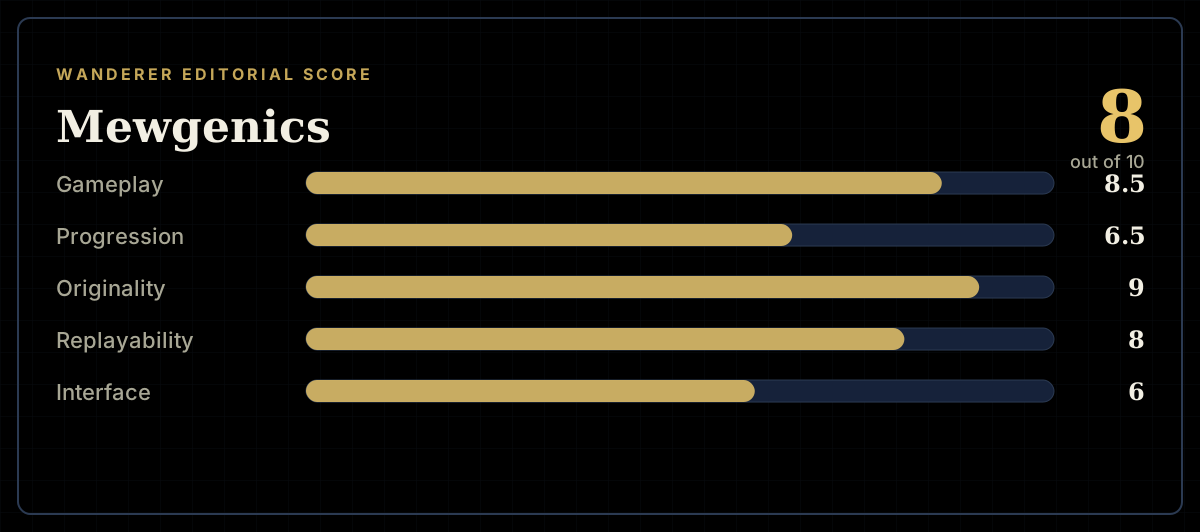
How the review scores each part of the gameWanderer Editorial -
The short versionWanderer Editorial