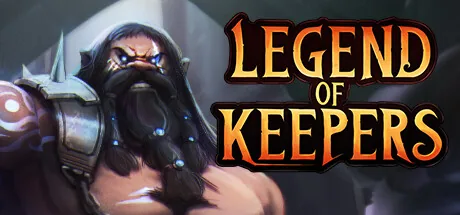
Game review
Legend of Keepers: Career of a Dungeon Manager
7.2 / 10
- Developer
- Goblinz Studio
- Publisher
- Goblinz Publishing
- Released
- 29 April 2021
- Platforms
- Windows, macOS, Linux
- Genre
- Roguelite / Dungeon Management
- Monetisation
- One-time purchase plus three paid story/content DLCs and one cosmetic supporter pack
- Players
- Single-player
The short version
Legend of Keepers flips the dungeon crawler: you're the management hired to defend the Dungeons Company's vaults, stocking rooms with monsters and traps before a party of heroes barges in to die on them. It's a sharp, well-dressed premise — dark, funny corporate-satire writing, strong hand-drawn art, a genuinely reversed combat flow — and Steam's 1,604 English reviews back the "Mostly Positive" tag with real enthusiasm for a handful of hours. The same corpus is just as consistent about what caps it: a small number of dominant strategies once you've learned the systems, meta-progression that several long-time players say plateaus fast, and three paid post-launch DLCs that a chunk of reviewers read as content withheld from the base game rather than genuinely new. Achievement data backs both halves of that story — most players clear the easy, first-run milestones, and a hard core under 2% ever pushes into the endless-mode ascension tiers.
Biggest strengths
- A genuinely inverted dungeon crawler — you plan the defense, then watch the "heroes" trigger it, which several reviewers say is the freshest hook they've played in the genre
- Strong hand-drawn dark-fantasy art direction and voiced corporate-satire writing (employee newsletters, strikes, quarterly reviews as a dungeon-management skin) that reviewers consistently single out even when the review is otherwise negative
- Three distinct playable managers (Enchantress, Engineer, Slaveholder) with different monster rosters and playstyles, each with its own campaign
Biggest weaknesses
- Multiple reviewers, including a 200+ hour player defending the game overall, describe a small number of dominant strategies (stack the strongest monster types, cover elemental resistances) that make later runs converge on the same build
- Three paid content DLCs (Return of the Goddess, Feed the Troll, Soul Smugglers) released within 14 months of launch draw repeated "FOMO" and "unfinished base game" complaints in the review corpus, including from reviewers who otherwise recommend the game
- Balance patches are described by some long-time players as inconsistent enough to change how a saved strategy performs between sessions
Who it's for: Roguelite and tower-defense fans who want a genre-inverting premise and don't mind a loop that some players find solves itself after a few careers.
Our recommendation: Worth it at full price for the concept and art alone; wait for a sale if the DLC pricing model bothers you, since the base game's ceiling is part of what you're paying to raise.
7.2 / 10
The pitch: you're the dungeon, not the hero
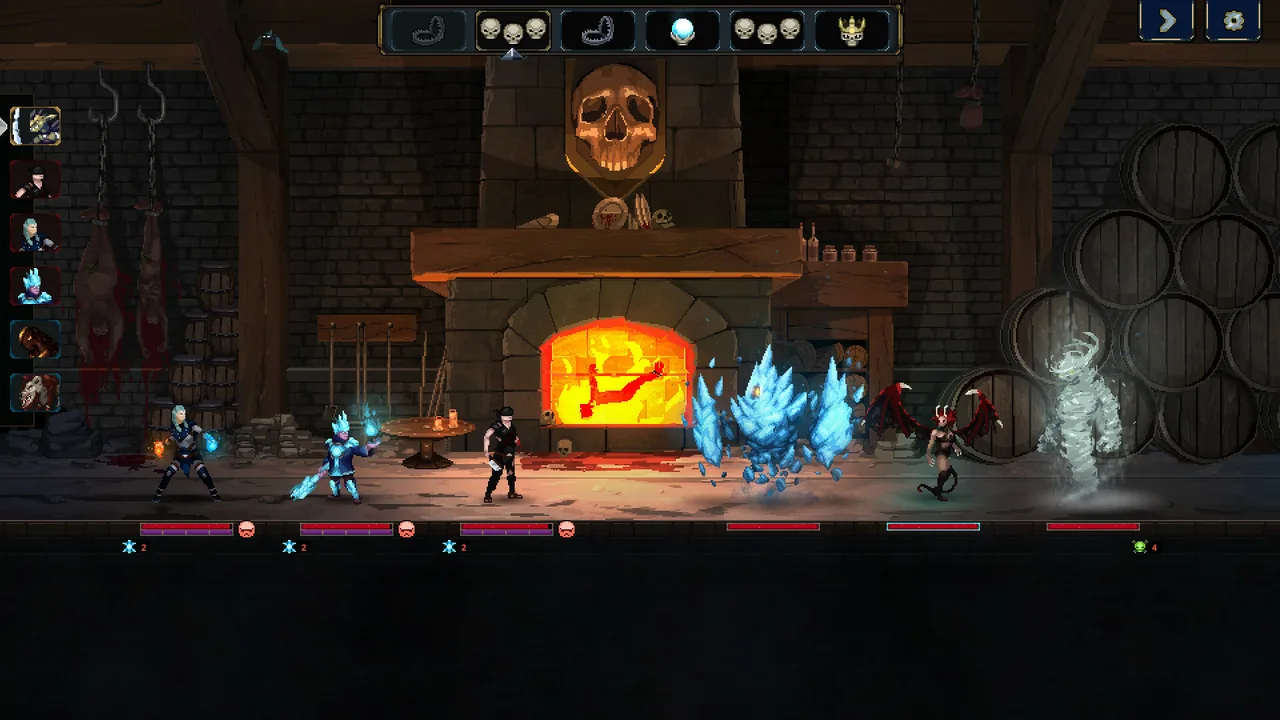
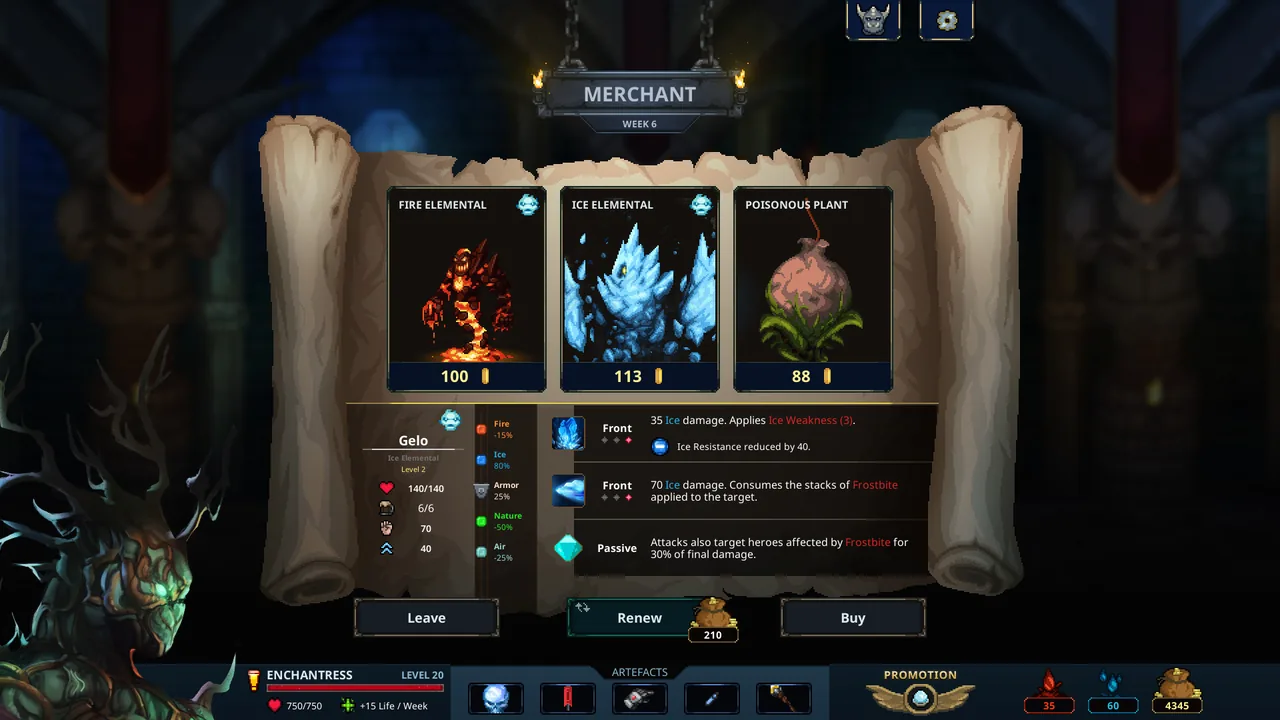
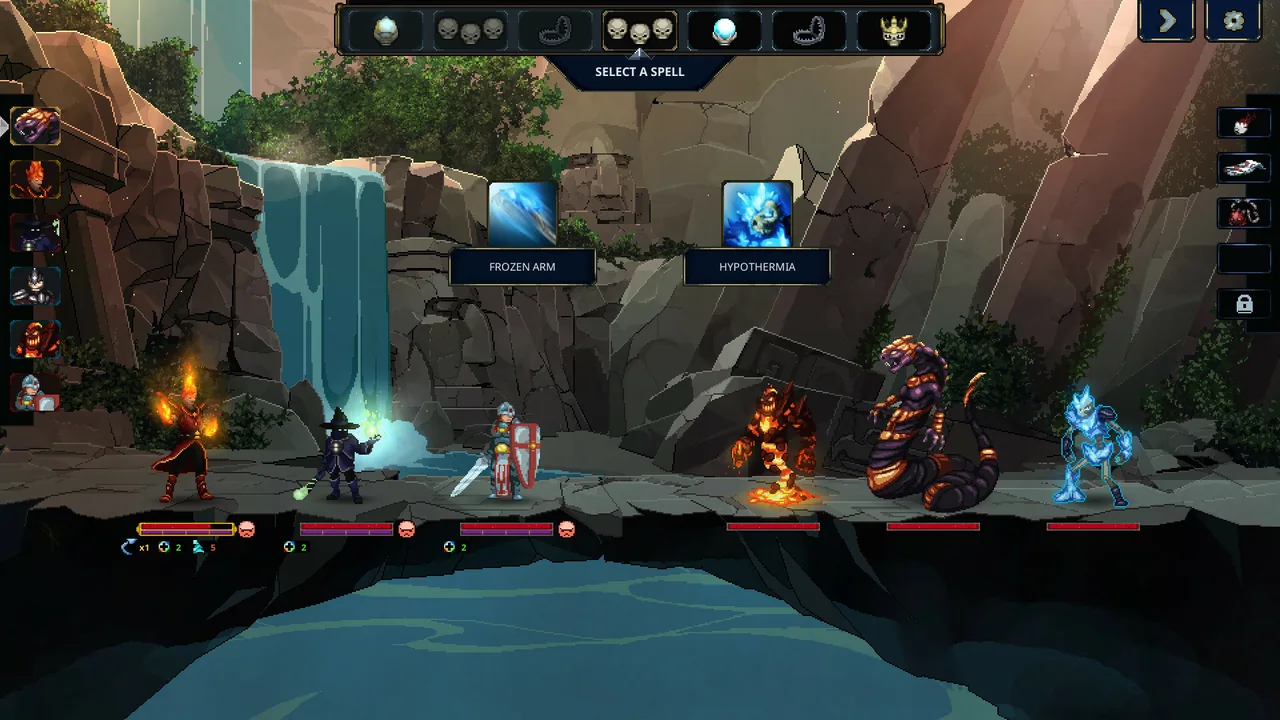
Legend of Keepers casts the player as a middle manager hired by the "Dungeons Company" to protect its vaults from a steady stream of would-be looters. Each in-game week splits into two phases: a management phase, where you spend earnings on traps and monster recruits, juggle staff events and read a running gag of a corporate newsletter; and a dungeon phase, where a party of "heroes" walks your rooms in order, triggering whatever you've placed. It's a reverse dungeon crawler — the genre convention flipped so the player builds the gauntlet instead of running it — layered onto a roguelite structure where each career ends (your champion dies, or the run is won) and a handful of unlocks and Master-level bonuses carry into the next one. Steam's own listing frames this explicitly as its hook: "How did we achieve that? By running many tests to find the perfect balance between management and dungeon phases." The review corpus mostly agrees that hook lands, at least for a while.
What the reviewers agree on
Across the review sample, the art direction and writing are close to uncontested. Even the most negative reviews tend to open with a compliment before pivoting to what didn't work: "No one can deny that the visuals and graphics are up to snuff," reads one one-star-playtime negative review, before going on to say the systems underneath don't hold up. Another describes "the general aesthetic and sound/voice work" as "great" while marking the game not recommended overall. The corporate-dungeon satire — newsletters, employee strikes, quarterly promotions handed out to your monsters — gets called out repeatedly as the game's distinct personality, something reviewers say they haven't seen done this way in the genre before.
The most detailed positive review in the sample, from a player with 203 hours logged, pushes back directly on the recurring "lacks replayability" complaint: "there are multiple artefacts, traps, dungeon maps" and argues most negative reviews come from players who "bought a game they didn't understand." A separate, heavily-upvoted review that logged 38 hours specifically to complete one full "career" — described as roughly two in-game years — backs up the structural claim: this is a game built around one long roguelite arc per playable manager, not a quick session loop, and short reviews from players with under an hour of playtime are, in that reviewer's words, worth reading "with a heavy dosage of salt."
Where the corpus splits: depth and balance
The recurring negative theme is that Legend of Keepers solves itself. One of the more upvoted critical reviews puts it plainly: "there's pretty much 1 optimal strategy... stock up on a whole bunch of monsters so you can defend against the different element types, and for damage basically stack as much as possible." Others go further, calling the base framework "bare bones" and saying it "feels like a 'free to play' mobile game" underneath the presentation. A separate complaint, repeated by a 51-hour player, is about patch stability rather than depth: "these guys are so incompetent, they ruin the balance of the game in regular intervals — every time you come back to it you'll find varying degrees of playability."
This is a genuine split rather than one side simply being wrong. The 203-hour defender and the "one optimal build" critic are both describing real end-state play — a committed player who's found ways to keep varying runs across three managers and dozens of artefacts, against players who hit a dominant strategy early and stopped seeing reasons to deviate from it. Which camp a given buyer lands in looks like it depends heavily on whether they treat the "career" structure as one long build to master or a series of short runs to iterate through.
The DLC complaint
The sharpest recurring criticism in the negative column isn't about gameplay at all — it's about the release schedule. Goblinz shipped three paid content DLCs in the fourteen months after launch: Return of the Goddess (September 2021), Feed the Troll (January 2022) and Soul Smugglers (June 2022), on top of a pre-launch cosmetic Supporter Pack. Several reviewers read that cadence as content carved out of the base game rather than genuinely additive: "the addition of numerous subsequent DLC packages only serve to reinforce" a sense of a bare-bones base game, says one; a shorter review is blunter — "already adding a DLC to a game that feels unfinished." A five-hour-playtime negative review goes furthest, accusing the store page itself of using DLC footage to sell the base game: "If you buy the game now you can see all of the DLC they want you to [buy]." None of this means the DLC content is bad — reviewers who bought it don't report feeling cheated by what's inside — but the pattern of complaint is specifically about sequencing and signalling, not quality, and it shows up often enough across playtime brackets to be a real consideration rather than a handful of outliers.
What the achievement curve confirms
The global achievement data lines up with both halves of the review split. The easiest milestones — unlocking 25 artefacts (64.6%), losing a champion for the first time (64.5%), scaring off a group of heroes (55%) — are cleared by a majority of players, consistent with a game that hooks people for a solid opening stretch. But completion falls off a cliff past the early game: fewer than 20% finish any single manager's full mission set (Slaveholder leads at 19.4%, Enchantress at 8.2%, Engineer at just 6%), and the deepest challenge tiers — Ascension level 20, 260 endless weeks — sit under 2%. That's a steeper drop than a lot of roguelites show, and it reads less like padding and more like an honest signal: the game gives up its surface easily and its depth reluctantly, and most buyers stop somewhere in between.
Value and verdict
At NZ$24.99 for the base game, Legend of Keepers is reasonably priced for a roguelite with three distinct campaigns and a genuinely novel structural hook — the reverse-crawler premise, the management-phase writing and the hand-drawn art are all worth the entry price on their own. Where the value proposition gets murkier is the DLC layer: three add-on packs released in quick succession, each asking a further purchase for what a meaningful slice of the review corpus reads as content that should have shipped with the base game. Buyers who go in expecting one well-made, fairly compact roguelite with an unusually good premise will likely agree with the corpus's "Mostly Positive" tag. Buyers hoping for the kind of deep, ever-expanding build variety that justifies hundreds of hours are the ones most likely to end up in the negative column, and the achievement data backs their case: this is a game whose ceiling most players never test, and whose own most dedicated fans still describe as built around a small number of genuinely strong builds once you know what you're doing.
Pros and cons
Pros
- A genuinely inverted dungeon crawler — you plan the defense, then watch the "heroes" trigger it, which several reviewers say is the freshest hook they've played in the genre
- Strong hand-drawn dark-fantasy art direction and voiced corporate-satire writing (employee newsletters, strikes, quarterly reviews as a dungeon-management skin) that reviewers consistently single out even when the review is otherwise negative
- Three distinct playable managers (Enchantress, Engineer, Slaveholder) with different monster rosters and playstyles, each with its own campaign
- A steep, honest achievement curve rather than a padded one: ascension and endless-mode tiers sit under 2%, meaning the difficulty ceiling is real for players who go looking for it
Cons
- Multiple reviewers, including a 200+ hour player defending the game overall, describe a small number of dominant strategies (stack the strongest monster types, cover elemental resistances) that make later runs converge on the same build
- Three paid content DLCs (Return of the Goddess, Feed the Troll, Soul Smugglers) released within 14 months of launch draw repeated "FOMO" and "unfinished base game" complaints in the review corpus, including from reviewers who otherwise recommend the game
- Balance patches are described by some long-time players as inconsistent enough to change how a saved strategy performs between sessions
- Achievement data shows most players complete only one manager's campaign in full — under 20% finish any single manager's full mission set, and under 10% finish two of the three
Screenshots
-
Legend of Keepers: Career of a Dungeon ManagerImage: Goblinz Publishing via Steam -
Legend of Keepers: Career of a Dungeon ManagerImage: Goblinz Publishing via Steam -
Legend of Keepers: Career of a Dungeon ManagerImage: Goblinz Publishing via Steam -
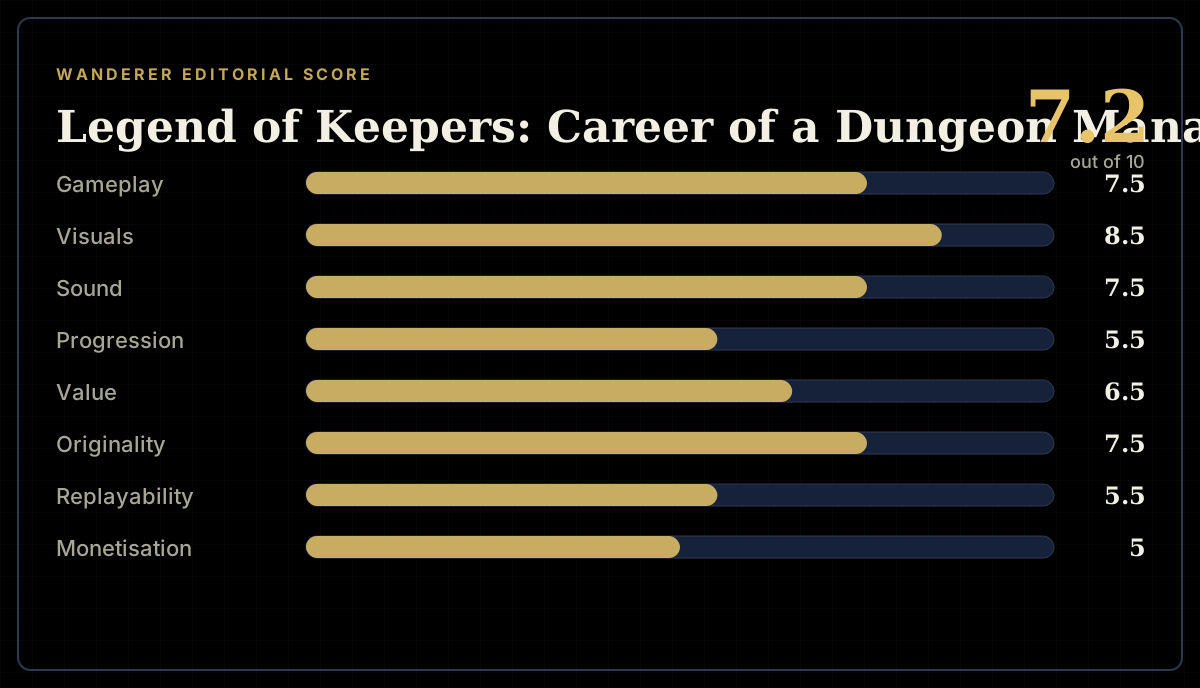
How the review scores each part of the gameWanderer Editorial -
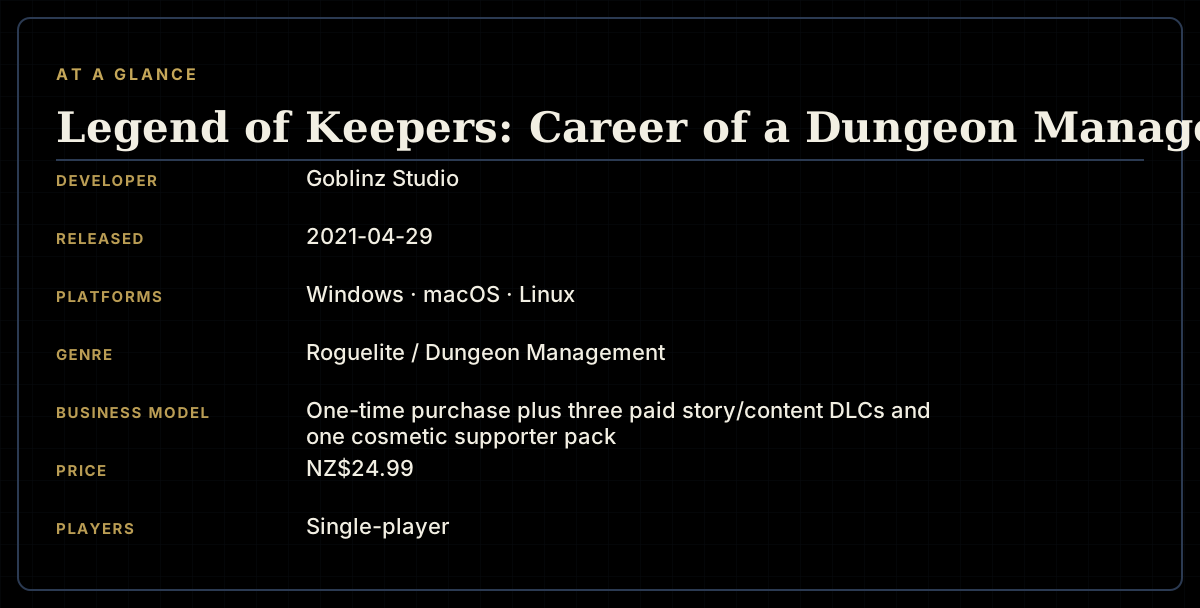
The game at a glanceWanderer Editorial -
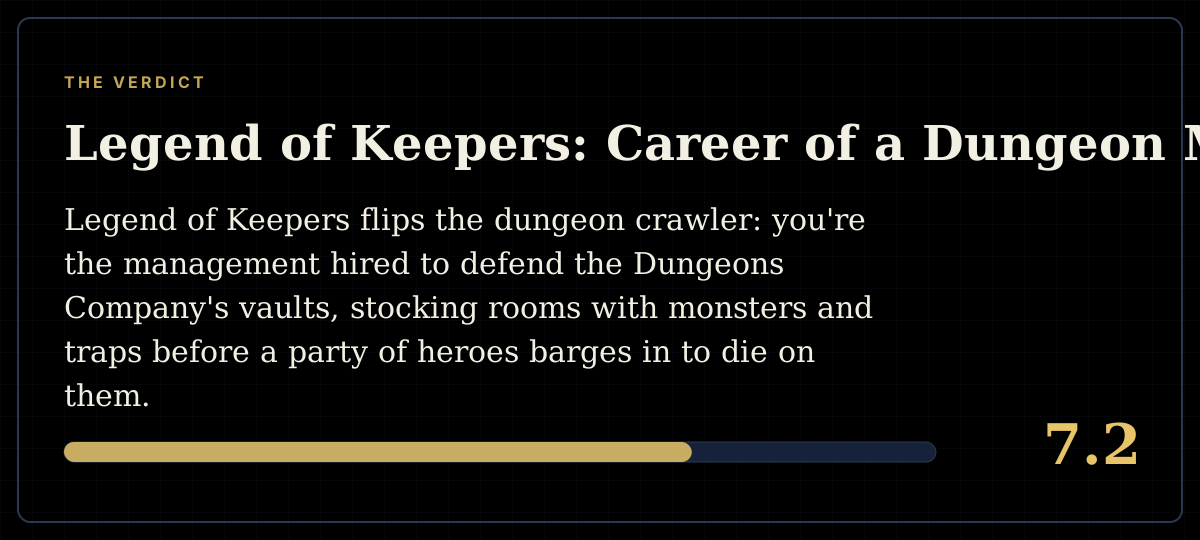
The short versionWanderer Editorial