Game review
Kena: Bridge of Spirits
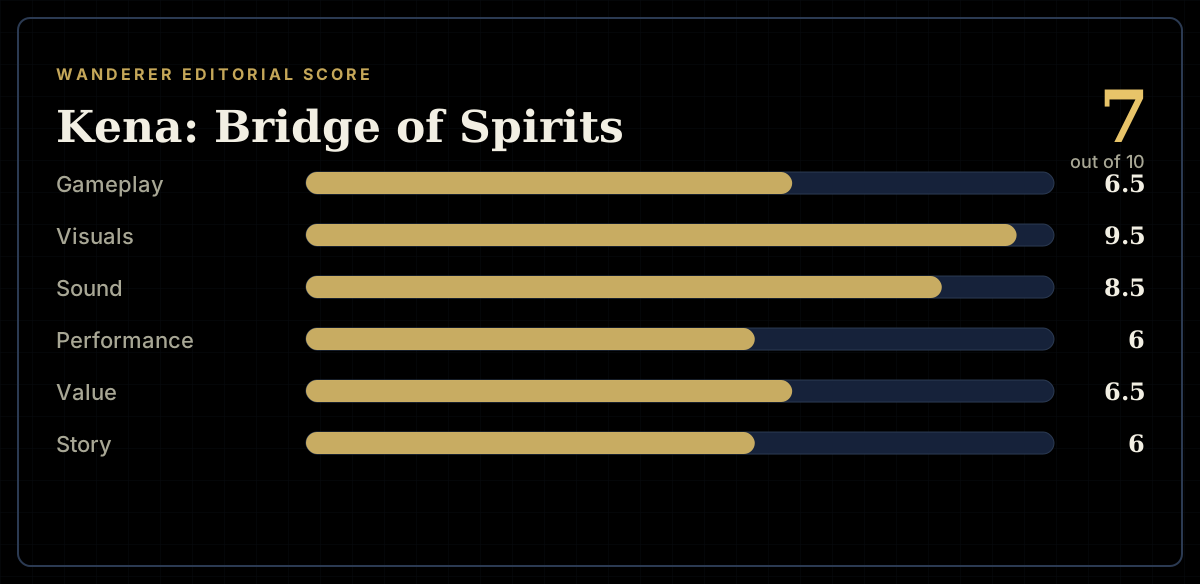
7 / 10
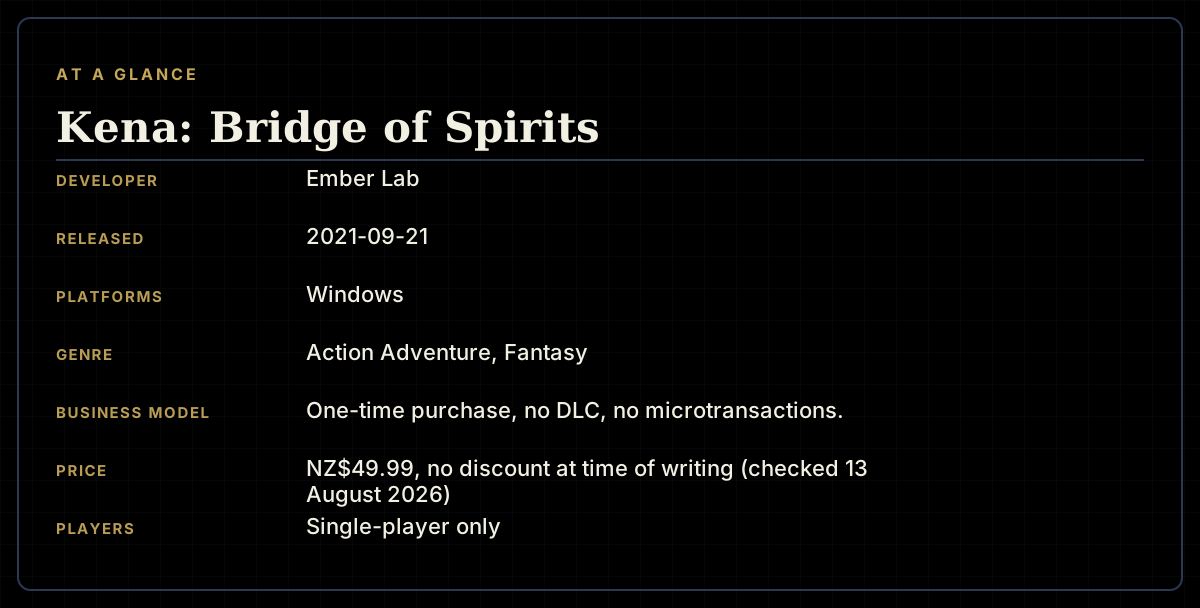
- Developer
- Ember Lab
- Publisher
- Ember Lab
- Released
- 21 September 2021
- Platforms
- Windows
- Genre
- Action Adventure, Fantasy
- Monetisation
- One-time purchase, no DLC, no microtransactions.
- Players
- Single-player only
The short version
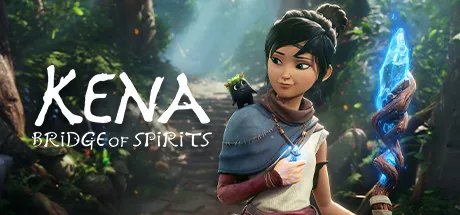
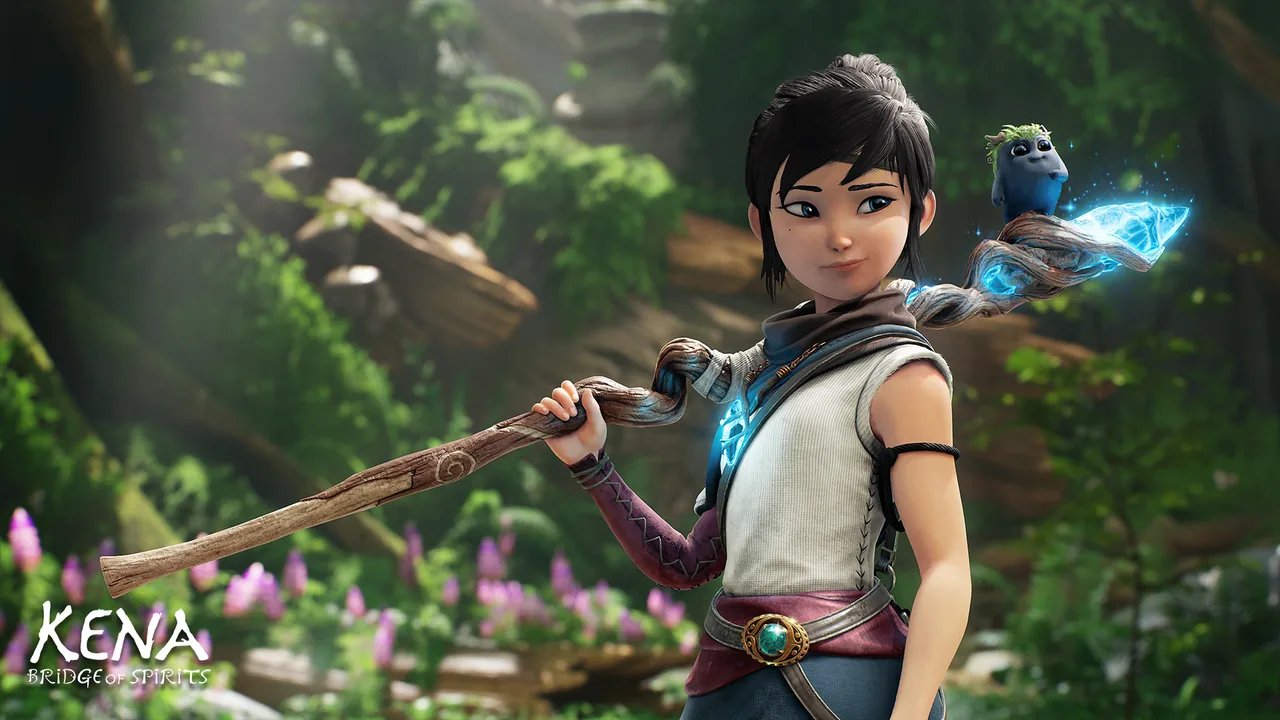
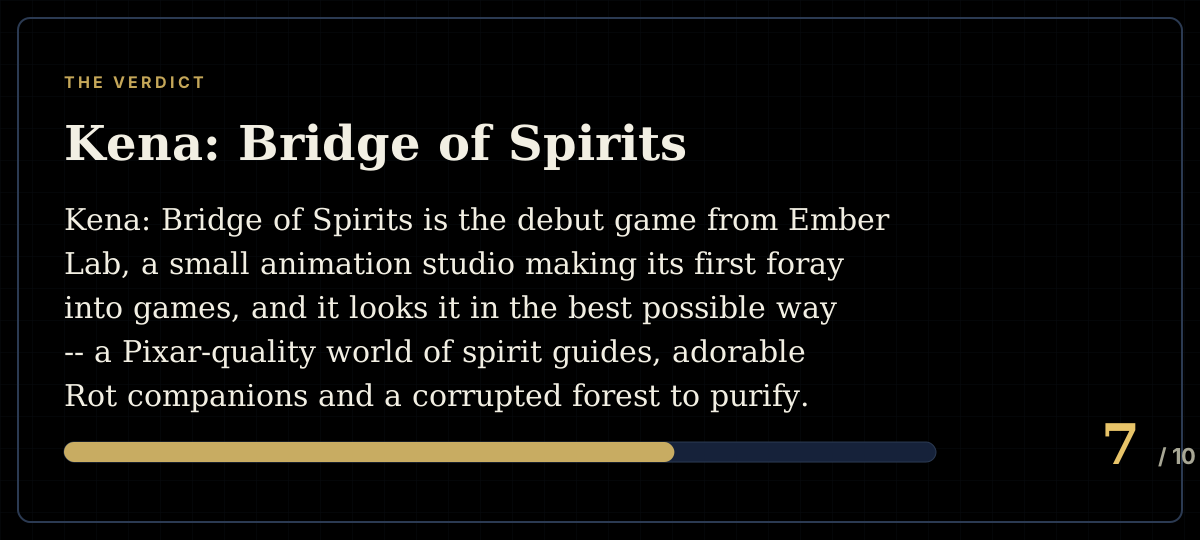
Kena: Bridge of Spirits is the debut game from Ember Lab, a small animation studio making its first foray into games, and it looks it in the best possible way -- a Pixar-quality world of spirit guides, adorable Rot companions and a corrupted forest to purify. It sits at Very Positive, roughly 92% of 17,508 Steam reviews, built almost entirely on that visual and audio craft.
The complaint that recurs across the review sample, from its 2021 launch through 2026, is equally consistent: the combat -- most of the actual playtime -- is widely described as repetitive and eventually shallow, the story as slim, and the open, populated world the visuals promise turns out to be a fairly linear, sparsely inhabited path between set pieces. A specific and recurring PC-only complaint about stuttering and poor optimization adds a caveat this platform's audience should weigh that console reviews don't carry.
Biggest strengths
- Exceptional, near-unanimously praised visual design and a strong soundtrack -- reviewers repeatedly reach for "like playing a Pixar movie" as the highest compliment they can pay it
- The Rot, Kena's adorable spirit companions, are a genuinely well-loved mechanic used for traversal, combat support and environmental puzzles rather than pure decoration
- Difficulty options that scale meaningfully -- the hardest, Spirit Guide Master mode, is completed by only around 3% of players, giving skilled players a real combat challenge to chase
Biggest weaknesses
- A consistent, years-long complaint that combat is repetitive and shallow across its roughly 8-12 hour runtime, with several detailed reviews specifically noting the first third teaches everything the rest of the game repeats
- The story and world are widely described as slim and sparsely populated relative to how detailed and alive the environments look -- "wasted potential" is a phrase that recurs independently across multiple reviews
- A specific, recurring PC complaint about stuttering and frame-time inconsistency that several reviewers say persisted across their playtime regardless of settings
Who it's for: Players who want a beautiful, controller-friendly, story-light action-adventure they can finish in a weekend -- think a slightly harder, more melancholic Pikmin crossed with a Pixar short. Less suited to players who want deep combat systems or a substantial, branching story to chew on.
Our recommendation: A strong purchase for the visuals and atmosphere alone, best on a sale given the NZ$49.99 asking price against a roughly 8-12 hour main story that a meaningful share of even positive reviewers say runs its combat ideas dry well before the credits. PC players specifically should go in aware of a persistent, if inconsistent, stuttering complaint that has followed the game across platforms and years.
7 / 10
Kena: Bridge of Spirits originally released on 21 September 2021, across PlayStation 4, PlayStation 5 and PC — the PC version launching as a timed exclusive on the Epic Games Store, with the Steam listing following a year later. It was the debut game from Ember Lab, a small animation studio best known before this for commercial and short-film work, stepping into games for the first time with a story-driven action-adventure about a young Spirit Guide purifying a corrupted forest with the help of small, adorable spirit companions called the Rot. Five years and one announced sequel later, it sits at Very Positive on Steam — roughly 92% of 17,508 reviews — a score built overwhelmingly on craft the studio's animation background made almost inevitable, and shadowed by a complaint about substance that has followed the game consistently since launch.
The part nobody disputes
Open almost any review of Kena, positive or negative, and the first sentence is about how it looks. "The visuals are STUNNINGLY beautiful," reads a negative, 114-upvote review that goes on to explain why it still isn't recommending the game. "There is so much imagination in the world. I loved exploring the world, seeking out treasures, commanding the rot to solve little korok-type puzzles." Positive reviews reach for the same comparison over and over: "Feels like you're playing a Pixar movie," reads one 2026 review, and another, more recent one: "Great and meaningful story, like watching a disney movie." The Rot themselves — small, hat-wearing spirit companions that assist with traversal, combat and puzzles — are consistently singled out as the game's most purely likeable design element, distinct from and better-loved than the combat system they're often deployed inside.
The soundtrack draws similarly strong, if slightly less universal, praise, and the difficulty design gets real credit from players who push into it: the hardest available mode, Spirit Guide Master, is completed by only around 3% of the global player base according to Steam's achievement data, and several positive reviews specifically frame the higher difficulties as where the combat system finally clicks — "Combat system feels smooth and fluid. Executing combos, crowd control stuns and triple collateral kills," reads one, explicitly recommending Master mode as the way to experience it.
The gap between how it looks and how it plays
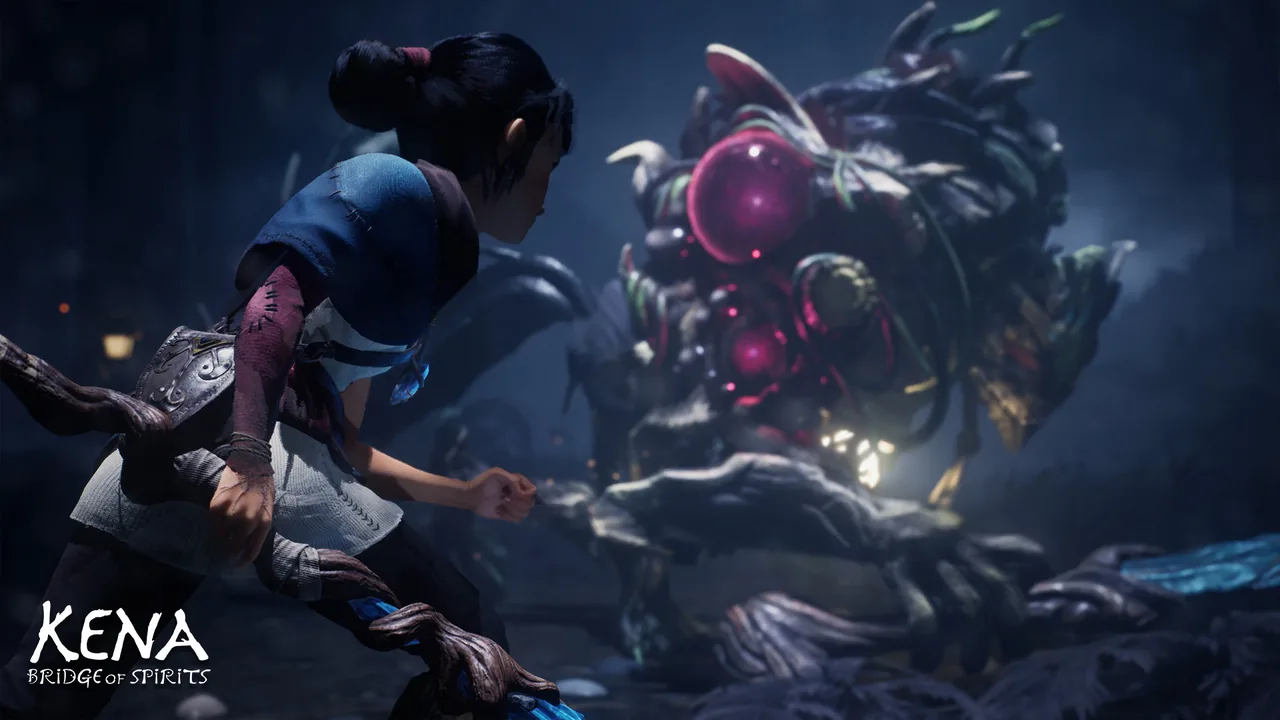
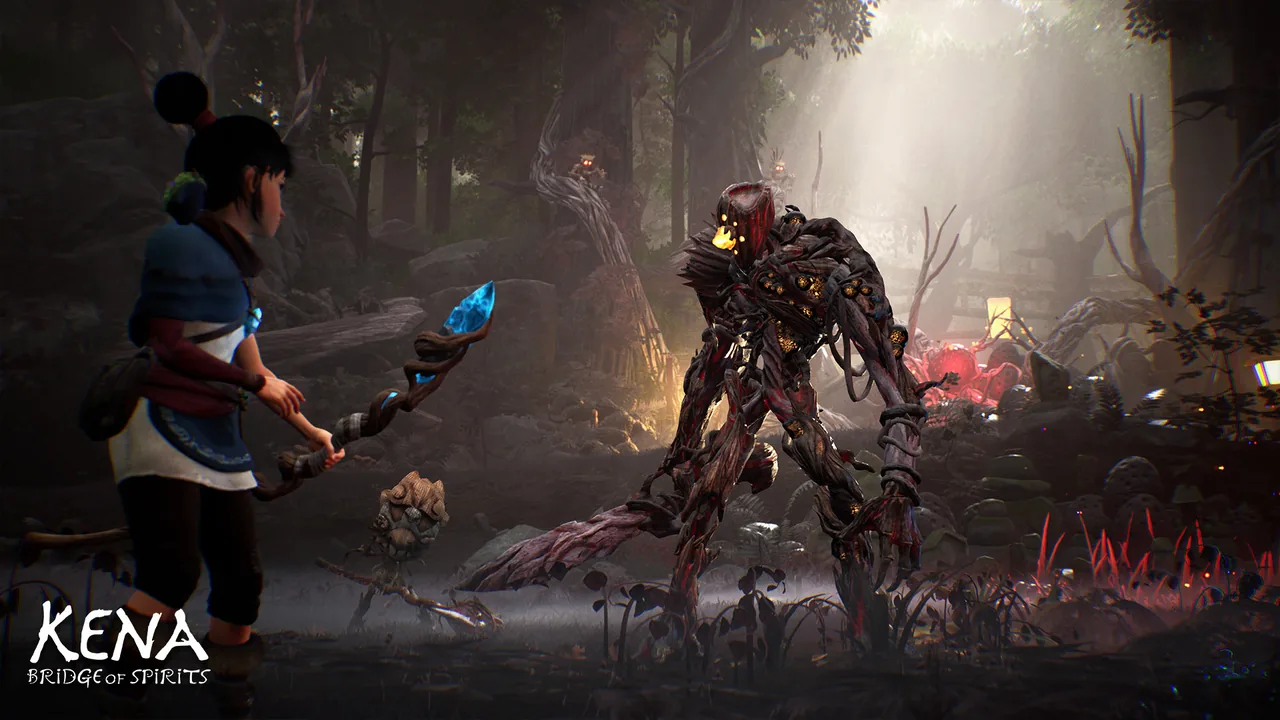
Set the visual praise aside and the negative — and a meaningful share of the positive — review sample converges on a specific, repeated shape of complaint: the game teaches you its combat vocabulary early and then largely repeats it. "Your combat experience in the first third is essentially what you'll repeat for the rest of the game," reads one 2025 review scoring the visuals a flat 10/10 while calling the combat "shallow, repetitive, boring, and often cheap." A 693-upvote review — one of the most-endorsed in the entire negative sample — describes starting strong on the harder difficulty settings and simply losing motivation to finish. Several reviewers independently land on the word "wasted potential": "World is pretty much empty. There's only a handful of NPCs and few enemies only," reads one, and another, with 591 hours logged across a broader playthrough, titles their review "A Beautiful Package with Little Substance."
The story draws a parallel, if slightly gentler, version of the same complaint — described across the sample as slim, generic or under-developed relative to the amount of visual and world-building craft poured into the setting. That's not universal; a good number of positive reviews explicitly praise the story and find it moving. But "the storyline... is such a huge drawback of this game" and "there's no real depth of storytelling happening here" both appear independently in the negative sample, and even glowing reviews sometimes qualify their praise: "Sadly not much story here, but... it makes up for it with its visuals and combat," reads one recent five-star-equivalent review, essentially conceding the same point from the opposite direction.
A PC-specific caveat worth flagging
One complaint is distinctly relevant to this platform in a way console reviews wouldn't fully capture: a recurring report of stuttering and inconsistent frame-times on PC, appearing in reviews from the 2022 Steam launch window ("Surprised no one is talking about how poorly optimized this game is... frame-times are abysmal, settings do not change this") through as recently as mid-2026 ("Some weird stuttering once in a while"). It's not reported as universal or game-breaking by most reviewers, and several report no issues at all, but it's specific enough and spread across enough years that PC buyers should treat it as a real, if inconsistent, risk rather than a one-off launch bug — nothing in the review timeline suggests it was ever fully resolved.
How it has aged
The clearest evidence Kena succeeded, despite the gap between its visuals and its combat, is what came next for its studio. Ember Lab was a first-time games developer when Kena launched in 2021; five years on, it has a full sequel in development — Kena: Scars of Kosmora, announced in February 2026 and due later this year — this time published under the PlayStation Studios banner rather than self-published, with the studio's own founders describing an ambition to make something "bigger and better" with an expanded scope the partnership affords them. That's a significant vote of confidence from a major platform holder in a small studio's debut, and reviewers in the current sample frequently mention the sequel unprompted as a reason for excitement about returning to the world, regardless of how they feel about the original's combat depth.
7 out of 10. Kena: Bridge of Spirits is a genuinely lovely, animation-studio-crafted debut that earns its Very Positive standing almost entirely on visual and atmospheric strength, and it's honest to say the combat and story underneath don't consistently match that craft across a full playthrough — a gap enough reviewers have identified independently, across enough years, that it isn't a fringe complaint. Buy it for the world Ember Lab built and the Rot you'll fall for immediately; go in with tempered expectations for what you'll actually be doing for eight to twelve hours, and watch for the sequel that studio's debut here earned.
Pros and cons
Pros
- Exceptional, near-unanimously praised visual design and a strong soundtrack -- reviewers repeatedly reach for "like playing a Pixar movie" as the highest compliment they can pay it
- The Rot, Kena's adorable spirit companions, are a genuinely well-loved mechanic used for traversal, combat support and environmental puzzles rather than pure decoration
- Difficulty options that scale meaningfully -- the hardest, Spirit Guide Master mode, is completed by only around 3% of players, giving skilled players a real combat challenge to chase
- A commercial and creative success substantial enough that Ember Lab, a first-time games studio, has a full sequel -- Kena: Scars of Kosmora, published under PlayStation Studios -- due in 2026
Cons
- A consistent, years-long complaint that combat is repetitive and shallow across its roughly 8-12 hour runtime, with several detailed reviews specifically noting the first third teaches everything the rest of the game repeats
- The story and world are widely described as slim and sparsely populated relative to how detailed and alive the environments look -- "wasted potential" is a phrase that recurs independently across multiple reviews
- A specific, recurring PC complaint about stuttering and frame-time inconsistency that several reviewers say persisted across their playtime regardless of settings
- At NZ$49.99 with no DLC to extend it, several reviewers -- including ones who otherwise loved the game -- explicitly advise against buying at full price
Screenshots
-
Kena: Bridge of SpiritsImage: Ember Lab via Steam -
Kena: Bridge of SpiritsImage: Ember Lab via Steam -
Kena: Bridge of SpiritsImage: Ember Lab via Steam -
How the review scores each part of the gameWanderer Editorial -
The essentialsWanderer Editorial -
The short versionWanderer Editorial