
Game review
Herald of Havoc
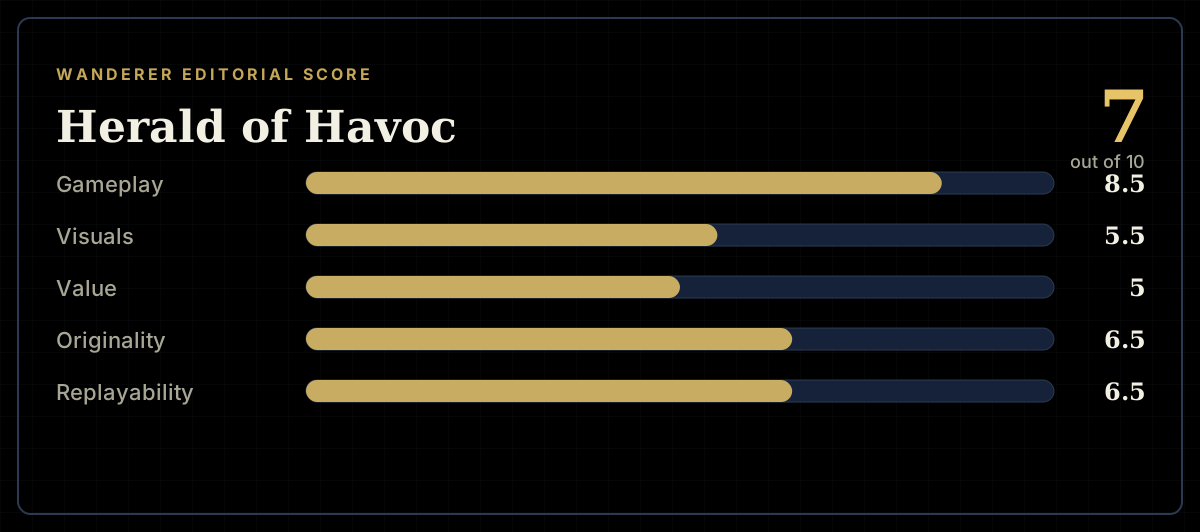
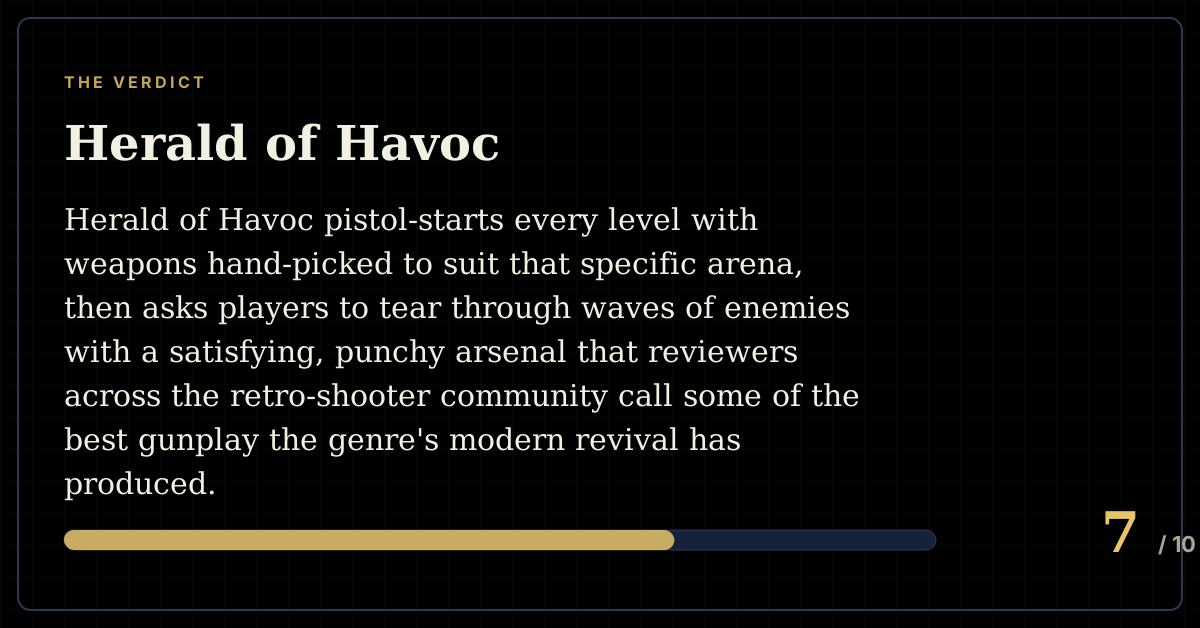
7 / 10
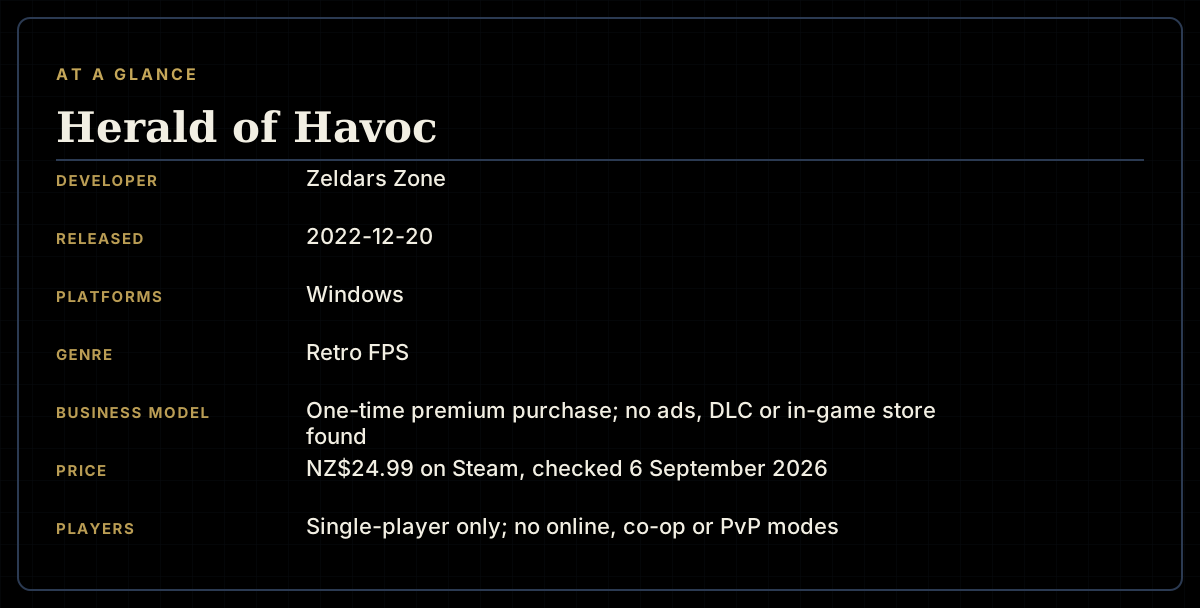
- Developer
- Zeldars Zone
- Publisher
- Zeldars Zone
- Released
- 20 December 2022
- Platforms
- Windows
- Genre
- Retro FPS
- Monetisation
- One-time premium purchase; no ads, DLC or in-game store found
- Players
- Single-player only; no online, co-op or PvP modes
The short version
Herald of Havoc pistol-starts every level with weapons hand-picked to suit that specific arena, then asks players to tear through waves of enemies with a satisfying, punchy arsenal that reviewers across the retro-shooter community call some of the best gunplay the genre's modern revival has produced. More than one reviewer calls it a "diamond in the rough" and wonders why a solo-developed love letter to Quake, Doom and Painkiller hasn't found a bigger audience.
The recurring, near-universal complaint is length: a full campaign clears in two to five hours depending on difficulty, and reviewers overwhelmingly agree that's too little content for a roughly twenty-five dollar asking price, consistently recommending buying only on sale. A full year of substantial post-launch content — including an entirely new level — has genuinely grown what's on offer since the original 1.0 release, but the core value complaint remains the single biggest thing standing between this game and a much stronger reputation.
Biggest strengths
- Gunplay reviewers repeatedly call some of the best in the modern boomer-shooter revival, with a varied arsenal of alt-fire weapons that feel weighty and distinct from each other
- Levels are specifically designed around whichever weapons a player has at that point, giving encounter design real intentionality rather than generic wave-after-wave combat
- An exceptionally fast, focused development cycle for a solo project, moving from Early Access to full 1.0 release in roughly six months while still delivering level-by-level content updates
Biggest weaknesses
- The full campaign clears in roughly two to five hours depending on difficulty, and the large majority of reviewers explicitly say this isn't enough content to justify the asking price at full value
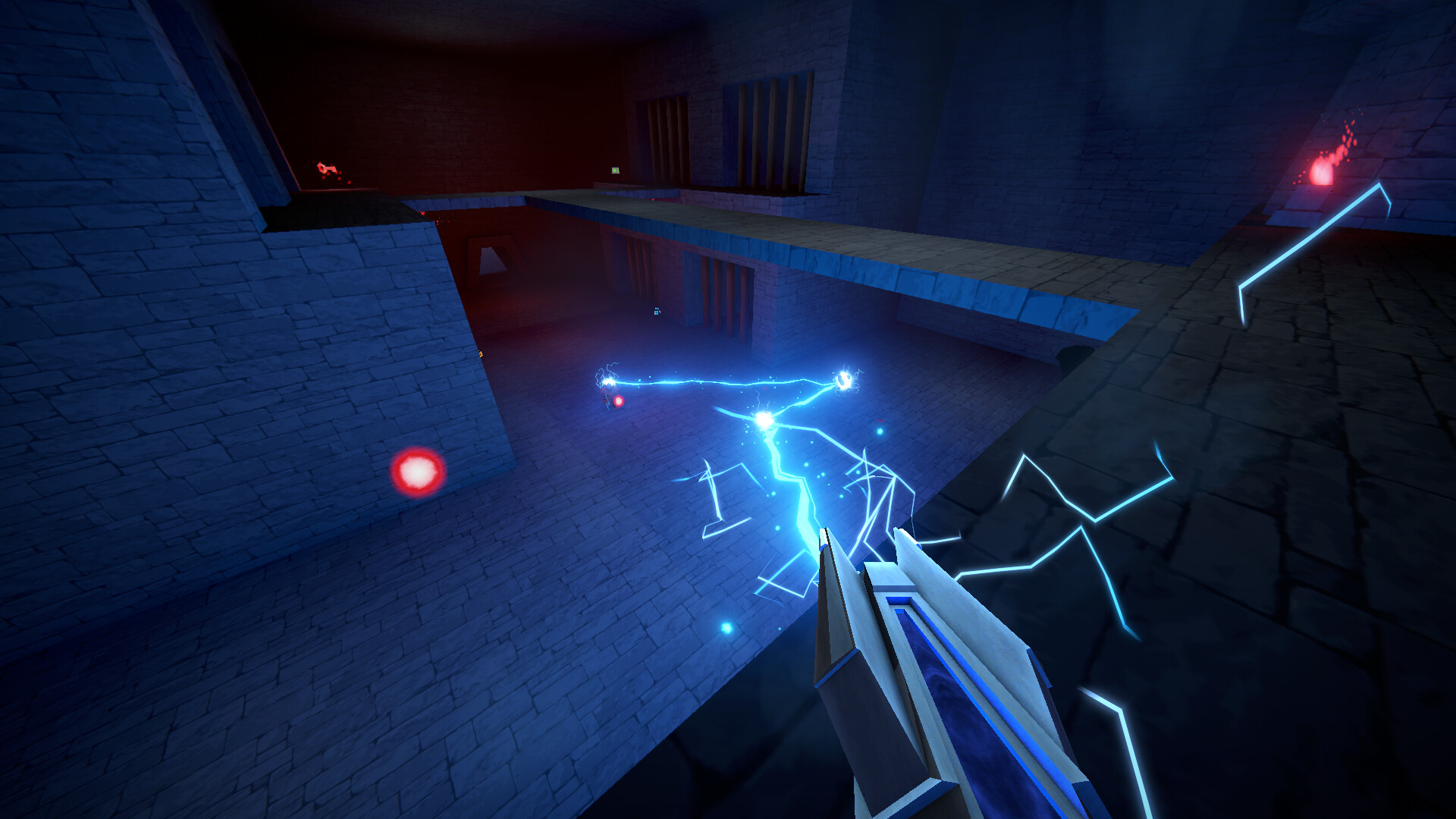
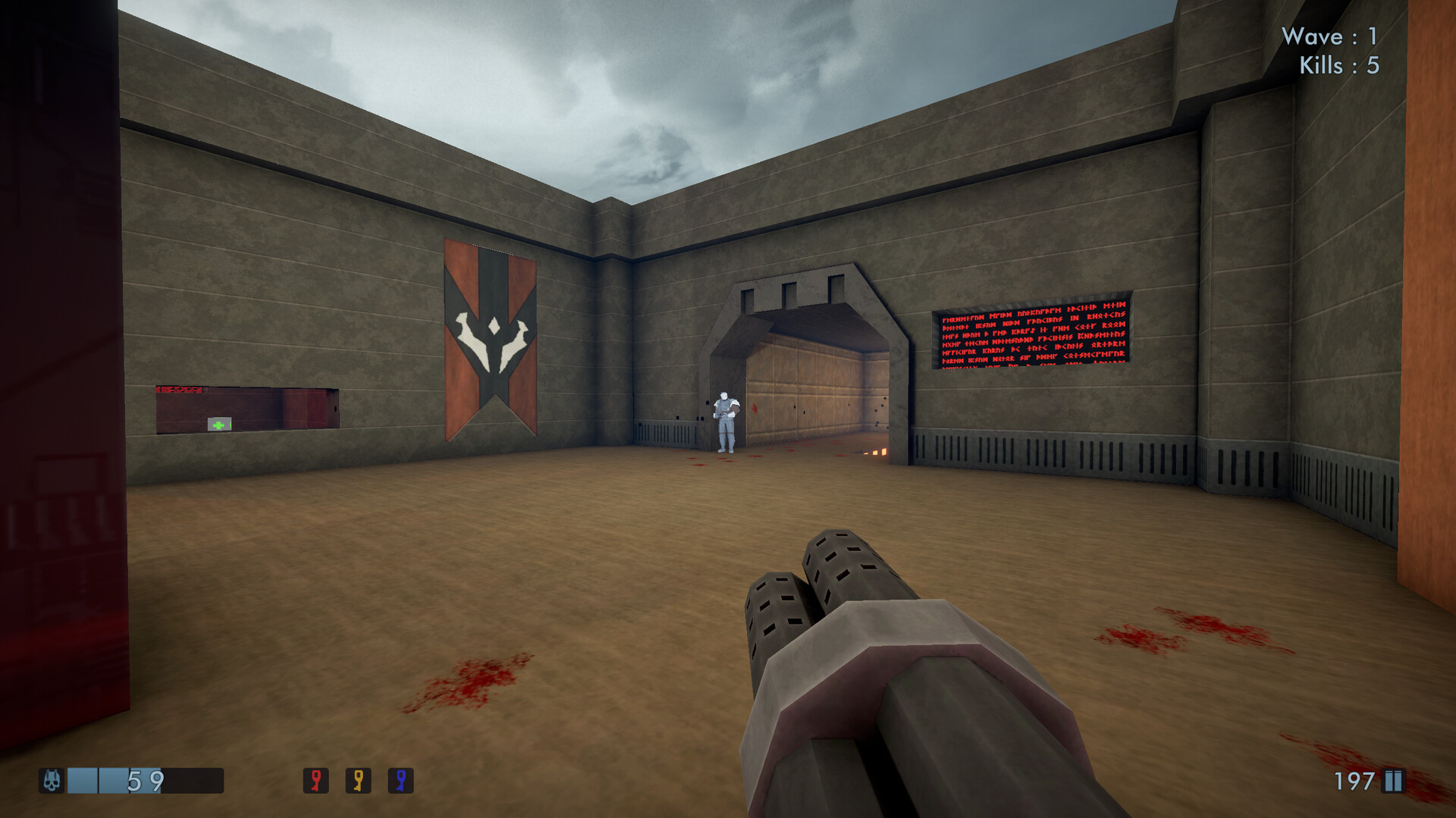
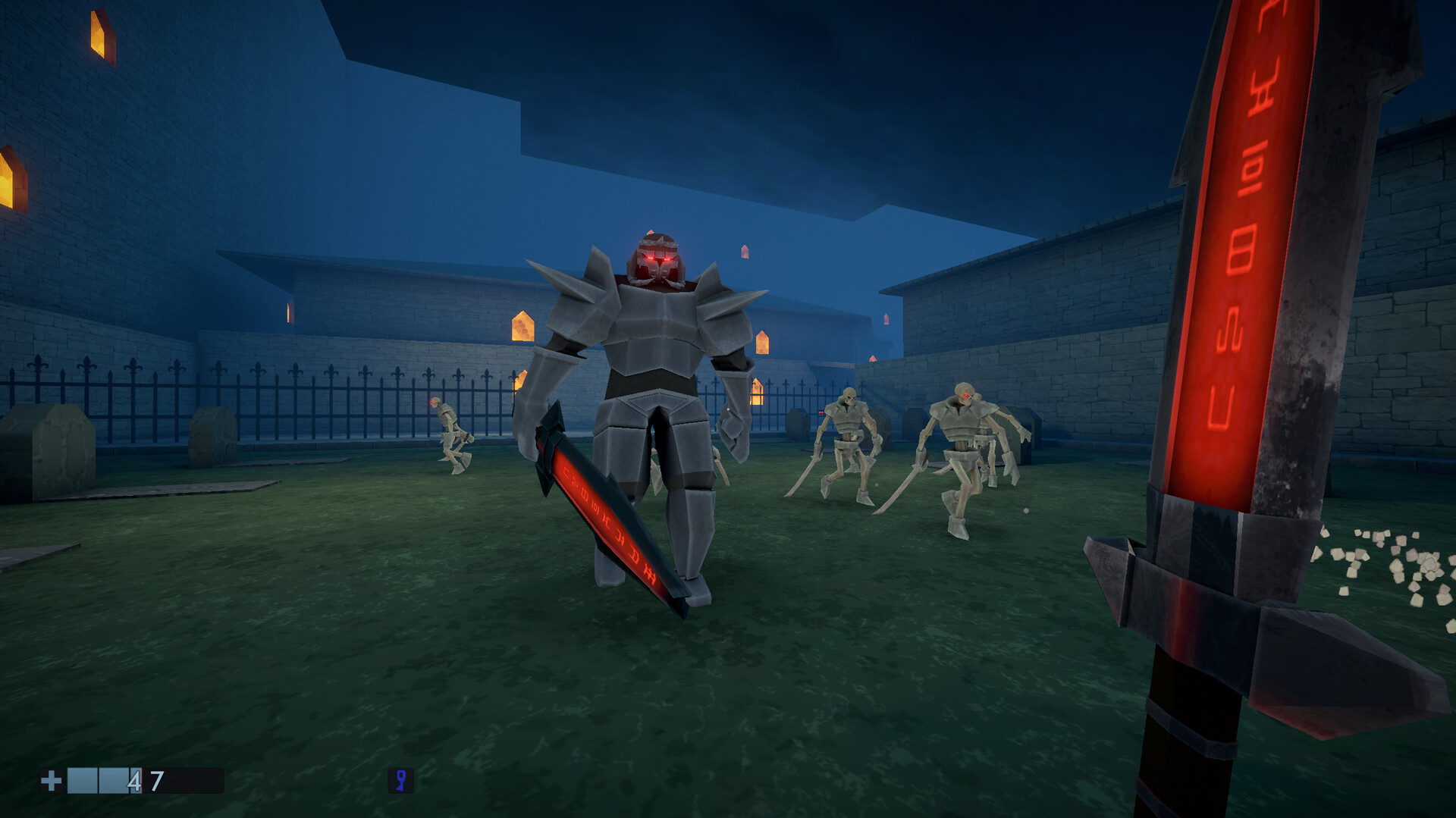
- Visual presentation draws consistent criticism as generic rather than distinctively retro, with some environmental textures and structures described as low-effort even by "deliberately retro" standards
- There is no narrative or world-building of any kind, which several reviewers note directly when explaining why the game feels thin relative to its price despite genuinely strong mechanics
Who it's for: Boomer-shooter fans who prioritize weapon feel and encounter design above all else, and who are comfortable buying on sale rather than at full price. Less suited to anyone looking for narrative content or a lengthy campaign to match the asking price.
Our recommendation: An easy recommendation on a discount for retro FPS fans specifically — the gunplay is genuinely excellent — but wait for a sale rather than paying full price for what remains a short campaign.
7 / 10
The retro FPS revival has produced no shortage of Quake and Doom throwbacks in recent years, and Herald of Havoc stands out from that crowd for one specific reason reviewers keep returning to: the gunplay is genuinely, consistently excellent. Multiple reviewers with deep histories in the genre call it a "diamond in the rough" and a "near-masterpiece," wondering openly why a solo developer's love letter to Quake, Doom and Painkiller hasn't found a wider audience. What holds it back from an easy, unreserved recommendation isn't the shooting — it's how little of it there is relative to what it costs.
Weapons built for the levels that showcase them
Every level pistol-starts a player with a curated loadout specifically chosen to suit that arena's design — some levels play as traditional keyhunts gathering weapons while fighting through enemies, others are deliberately built as "monster massacre" set-pieces, flooding players with akimbo auto-shotguns and infinite-ammo power gauntlets against overwhelming enemy counts. Reviewers describe the resulting power fantasy as genuinely satisfying and well-tuned, praising alt-fire weapon variants, a bunny-hop movement system that rewards mastery, and a real difficulty ceiling in the game's hardest "Havoc" setting, which significantly multiplies enemy counts for players seeking a tougher challenge. One detailed review specifically pushes back on the constant Quake comparisons other reviewers reach for, arguing the enemy density, pacing and encounter design more closely resemble Painkiller — a useful, more precise point of reference for anyone deciding whether to buy based on a specific genre forebear's reputation.
A campaign that ends before the asking price feels earned
Set against that praise, the single most consistent complaint in this review's research concerns length. Reviewers report clearing the full campaign in anywhere from two hours on normal difficulty to five-and-a-half hours pushing the hardest setting, and the near-universal recommendation that follows is to buy the game only on sale rather than at its roughly twenty-five dollar list price. This isn't a minority complaint — it's the dominant thread across nearly every critical review in the sample, often stated by reviewers who otherwise have nothing but praise for the actual shooting. Compounding this, several reviewers note there's no narrative or world-building of any kind to fill the gap; the game is entirely and unapologetically about the combat, which is a legitimate design choice but one that puts more pressure on raw content volume to justify the price than a story-driven alternative would face.
Visuals that don't match the gunplay's polish
A secondary, more divided criticism concerns presentation. While reviewers broadly accept low-poly, deliberately retro visuals as part of the genre's aesthetic, several specifically describe Herald of Havoc's environments and textures as generic rather than distinctively retro, with at least one detailed critique calling out specific natural-terrain meshes as looking undercooked even by low-budget standards. This is a real, if secondary, gap between the confident, well-tuned combat systems and the environments those systems play out in.
A real, if modest, growth in content since launch
To its credit, Herald of Havoc's own development history shows genuine investment well past its June 2023 full release. A first-anniversary update in June 2024 added an entirely new level, a new survival-mode enemy type, and visual upgrades to the weapon models, following a development cycle that itself moved from December 2022 Early Access to full release in roughly six months — a fast turnaround by any indie standard, let alone a solo one, while still shipping level-by-level content throughout that Early Access period. None of this fully resolves the fundamental length complaint, but it's a meaningfully larger game today than what launched at 1.0, and worth factoring in against reviews written closer to that original release.
What the completion data suggests about the audience
Global achievement figures offer a useful, objective supplement to the length debate. Episode 1 completion sits at 57.4% of the playerbase, and Episode 2 at 44% — a healthy retention rate for a genre where many players bounce off after the opening act, and consistent with reviewer accounts that the campaign is short enough to see through in a single sitting or two rather than one players abandon partway. Deeper completionist and speedrun-specific achievements drop into single digits, which tracks with a smaller, more dedicated core audience chasing mastery on the game's hardest difficulty rather than the broader playerbase that clears the story once and moves on. Read together, this paints a game that does a good job of getting players to the credits, which cuts both ways: it's a mark in favour of the campaign's pacing and difficulty tuning, and simultaneously reinforces just how short that full experience actually is for the price being asked.
Weighing the value complaint fairly
It's worth being precise about what the value complaint actually means in practice, since it risks being read as harsher than reviewers intend. Nobody in this review's sample describes the combat itself as padded or the levels as filler — the complaint is specifically that there isn't enough of a genuinely excellent thing, not that the thing on offer is weak. Several reviewers explicitly frame this as "buy on sale rather than skip," rating the moment-to-moment experience highly while still declining to recommend the full price point. That's a meaningfully different critique than the "unfinished, low-effort" framing that's dogged some other short games in this lane — Herald of Havoc's problem is proportion between price and runtime, not a shortfall in what that runtime actually delivers.
Where it lands
Herald of Havoc earns its reputation as a genuine hidden gem of the boomer-shooter revival on the strength of gunplay and encounter design that reviewers consistently rank among the genre's best in recent years. Its short campaign length relative to full price is a real, near-unanimous complaint worth taking seriously rather than a minor nitpick, and its generic visual presentation is a fair secondary mark against it. For retro FPS fans specifically, this is an easy recommendation on a discount — just don't expect a campaign that matches its full asking price in raw hours.
Pros and cons
Pros
- Gunplay reviewers repeatedly call some of the best in the modern boomer-shooter revival, with a varied arsenal of alt-fire weapons that feel weighty and distinct from each other
- Levels are specifically designed around whichever weapons a player has at that point, giving encounter design real intentionality rather than generic wave-after-wave combat
- An exceptionally fast, focused development cycle for a solo project, moving from Early Access to full 1.0 release in roughly six months while still delivering level-by-level content updates
- A full year of substantial post-launch support, including an entirely new level, visual upgrades to weapons, and new survival-mode content added on the game's first anniversary
- Bunny-hop movement and a genuine difficulty ceiling (the "Havoc" difficulty significantly multiplies enemy counts) give the game real replay value for players chasing mastery
Cons
- The full campaign clears in roughly two to five hours depending on difficulty, and the large majority of reviewers explicitly say this isn't enough content to justify the asking price at full value
- Visual presentation draws consistent criticism as generic rather than distinctively retro, with some environmental textures and structures described as low-effort even by "deliberately retro" standards
- There is no narrative or world-building of any kind, which several reviewers note directly when explaining why the game feels thin relative to its price despite genuinely strong mechanics
- At least one reviewer pushes back on the game's constant Quake comparisons, arguing its enemy density and pacing actually resemble Painkiller more closely — worth knowing if you're buying based on a specific genre-forebear's reputation
- A reported save-related bug affected at least one player's experience, though it doesn't appear to be a widespread or frequently-repeated complaint across the review sample
Screenshots
-
Herald of HavocImage: Zeldars Zone via Steam -
Herald of HavocImage: Zeldars Zone via Steam -
Herald of HavocImage: Zeldars Zone via Steam -
How the review scores each part of the gameWanderer Editorial -
The specsWanderer Editorial -
The short versionWanderer Editorial