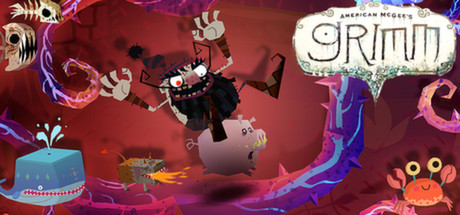
Game review
Grimm
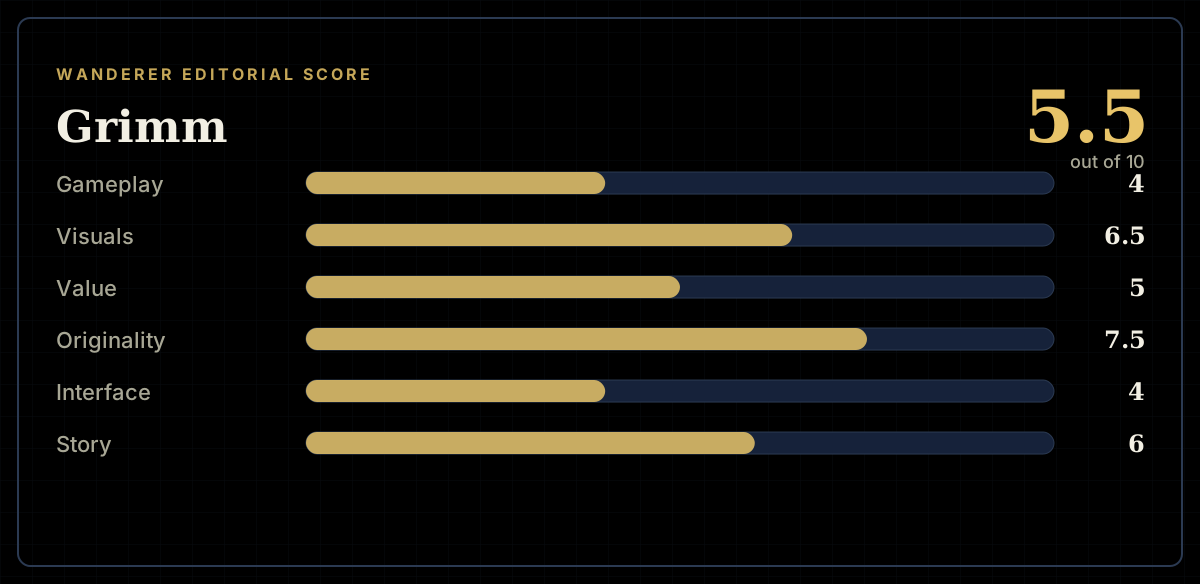
5.5 / 10
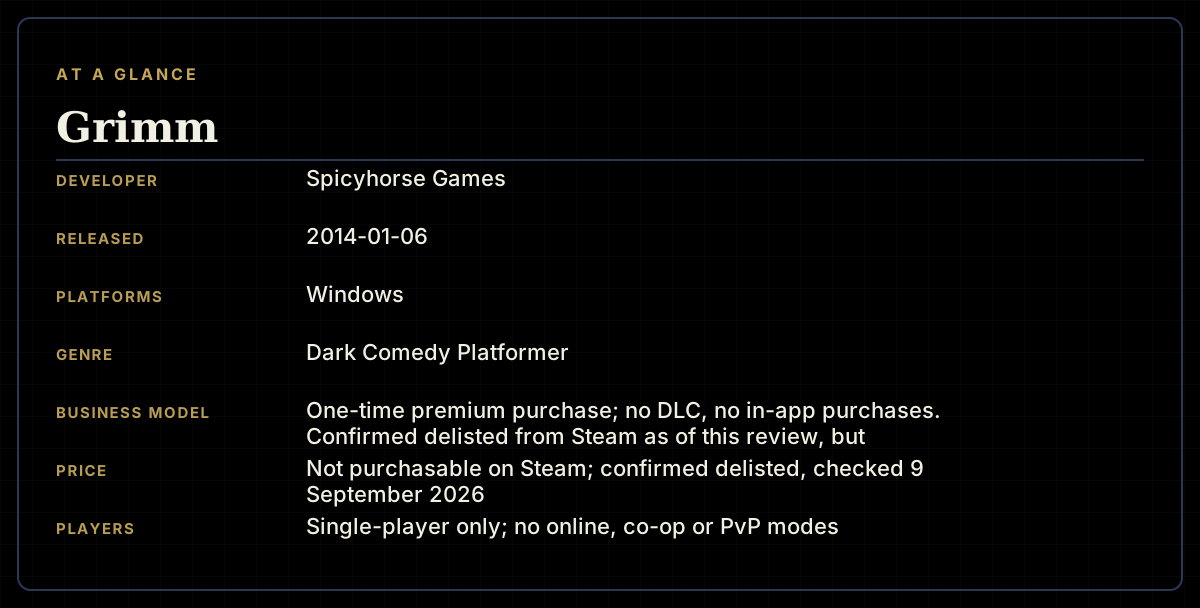
- Developer
- Spicyhorse Games
- Publisher
- Spicyhorse Games
- Released
- 6 January 2014
- Platforms
- Windows
- Genre
- Dark Comedy Platformer
- Monetisation
- One-time premium purchase; no DLC, no in-app purchases. Confirmed delisted from Steam as of this review, but reviewers report it remains purchasable on GOG
- Players
- Single-player only; no online, co-op or PvP modes
The short version
Grimm has a genuinely distinctive premise from a notable pedigree: American McGee's studio, the team behind American McGee's Alice, built an episodic platformer where the player's entire job is to corrupt sanitized modern fairy tales back into their dark, gruesome originals, one cartoonishly filthy scene at a time. The idea is memorable and the stylized art holds up.
What a consistent stream of reviewers describes, though, is a game with exactly one trick — walk around turning everything dirty — stretched across more than twenty episodes with unreliable platforming controls and a camera that fights the player as often as it helps. This review is also written with an important caveat current buyers need to know upfront: Steam's own store page confirms Grimm has been delisted and is no longer purchasable there, though reviewers report it remains available on GOG.
Biggest strengths
- A genuinely distinctive, memorable premise — corrupting Disney-fied fairy tales back into their original dark, cautionary forms — that no other platformer has attempted quite this way
- Notable pedigree: made by several of the same team behind American McGee's Alice and Alice: Madness Returns, including McGee himself
- A consistently praised stylized art direction that reviewers say holds up well even when they're otherwise critical of the game
Biggest weaknesses
- A consistent, independently repeated complaint: the core mechanic (turn everything you see dirty and evil) is the entire game, described by multiple reviewers as growing repetitive within the first episode or two and never meaningfully expanding
- Platforming controls and camera behavior are repeatedly criticized as unreliable, with one detailed review specifically citing unresponsive jumping and a camera that "will change to a fixed or limited range, making it impossible to see (or plan) ahead"
- The game's humor is genuinely divisive: some reviewers praise its dark satire of childhood stories, while others find the crude, toilet-humor-heavy writing juvenile rather than clever, with neither camp clearly in the wrong about what they're describing
Who it's for: Fans of dark, crude comedy and fairy-tale subversion who want a short, low-stakes novelty rather than a mechanically deep platformer, and who can source it outside Steam. Not for anyone wanting tight, responsive 3D platforming, or humor that stays clever rather than crude for its full runtime.
Our recommendation: Worth a look for the concept and pedigree if you can find it on GOG, but temper expectations for gameplay depth and be aware you cannot currently buy it new through Steam.
5.5 / 10
Before this review gets into what Grimm actually plays like, the most important thing a current reader needs to know is that it can't currently be bought here: Steam's own storefront page for the game states plainly that it is "no longer available," and multiple independent reviewers, across several years, corroborate that the developer's wider catalogue was pulled from the platform. Several of those same reviewers note the game remains purchasable on GOG. This review covers the game itself for anyone weighing whether to track it down elsewhere, or revisiting a copy they already own.
A memorable premise from a notable studio
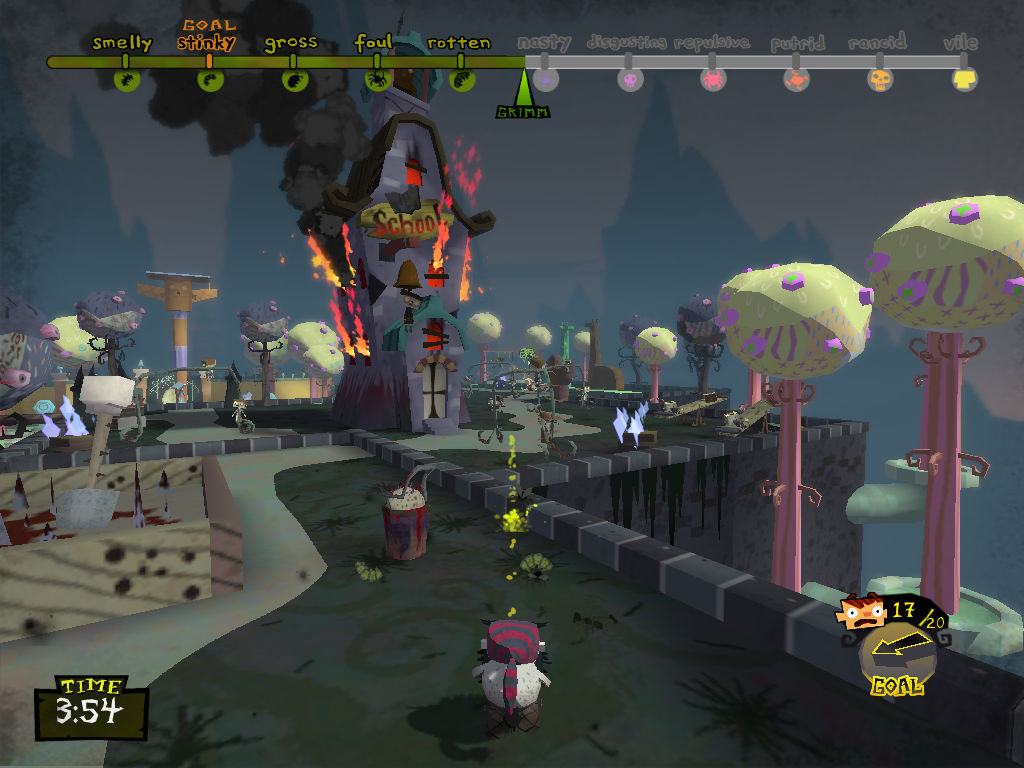
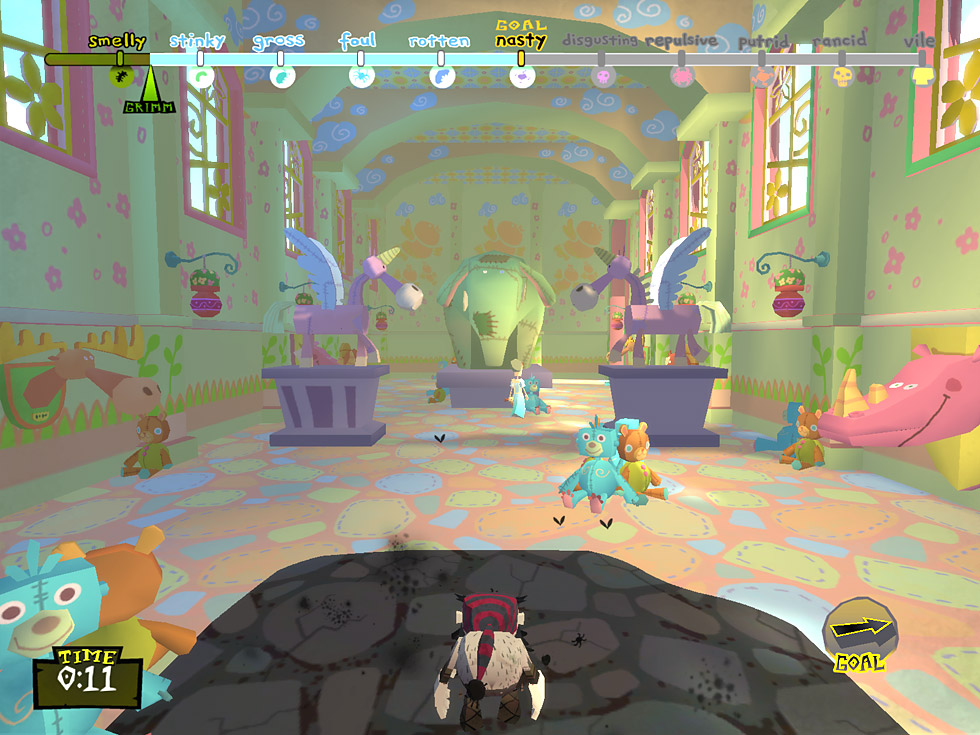
Grimm was originally released episodically on GameTap before landing on Steam, built by several of the same people behind American McGee's Alice and Alice: Madness Returns — McGee himself chief among them. The premise is genuinely distinctive: sanitized, Disney-fied versions of classic fairy tales have lost their original cautionary bite, and the player's job, as the filthy, sadistic dwarf Grimm, is to physically corrupt each story's setting back into something dark and dangerous by walking through it, buttstomping objects, and gradually turning pristine scenery ugly and rotten. It's a clever hook, and the stylized art direction built around it holds up well enough that even this game's harshest critics tend to credit it specifically.
One trick, repeated across twenty-plus episodes
Where reviewer opinion consistently converges, regardless of overall verdict, is that Grimm's entire mechanical vocabulary is that single corruption mechanic, and it doesn't meaningfully expand across the game's more than twenty episodes. One detailed negative review calls it "the shallowest gameplay I've ever seen," describing the format as Katamari in reverse — instead of building something up, you spread rot across a level until a meter fills, then move to the next episode and repeat the same loop against a different fairy tale's backdrop. Several other reviewers who otherwise enjoyed the game's tone independently make a version of the same observation, framing the repetition as tolerable specifically because episodes are short rather than because the loop itself develops any real depth.
A second, more technical complaint compounds the repetition: reviewers describe the platforming itself as genuinely unreliable, not just simple. One detailed account specifically cites unresponsive jumping and a camera that locks to a fixed or limited range at exactly the moments a player needs to see ahead, calling the resulting experience frustrating rather than merely basic. That's a different, more concrete complaint than "the gameplay is shallow" — it's a claim that the core controls themselves don't reliably do what the player asks of them.
Humor that splits its own audience
Grimm's tone — crude, gleefully juvenile, built around bodily-function jokes layered over genuinely dark fairy-tale subject matter — draws a real, roughly even split among reviewers. Some praise it specifically as smart, subversive satire of sanitized children's media; others, revisiting the same jokes, find them closer to schoolyard-level crude humor that doesn't hold up on reflection, with one reviewer noting the writing "reminded me of the cracks the kids in my class would make when I was twelve." Neither camp is describing a different game — they're reading the same crude, dark comedy and landing on opposite conclusions about whether it's actually clever, which is worth knowing going in as a matter of taste rather than a quality defect either way.
A cult following that has genuinely outlasted the platform
Despite the repetition complaints and the game's current unavailability on Steam, this is not a game reviewers describe as forgotten. Reviews posted as recently as this year describe buying it for friends, revisiting it out of nostalgia, or discovering it fresh and immediately recommending it onward — one 2024 review specifically laments that "all the Spicy Horse games were delisted from Steam" while still recommending readers track it down "some how." That combination — a small but genuinely persistent fanbase outliving the game's own storefront availability — says something real about how memorable the core premise is, even for reviewers who otherwise agree the mechanics underneath it never grew beyond their first impression.
The delisting, and a claim this review can't corroborate
Beyond the repeated, corroborated fact of the delisting itself, one recent reviewer separately speculates that the game's user-review section may have been flooded with "AI written botted reviews" around the same time, framing it as suspicious activity possibly tied to a change in license holder. This review looked directly at the chronological review stream around and after that claim and did not find anything resembling the pattern described — the reviews from that period read as ordinary, varied, human-written accounts rather than templated or repetitive manipulation. Absent a named source or any corroborating pattern, this specific claim is reported here as one reviewer's unconfirmed speculation rather than a verified finding.
What the format offers instead of depth
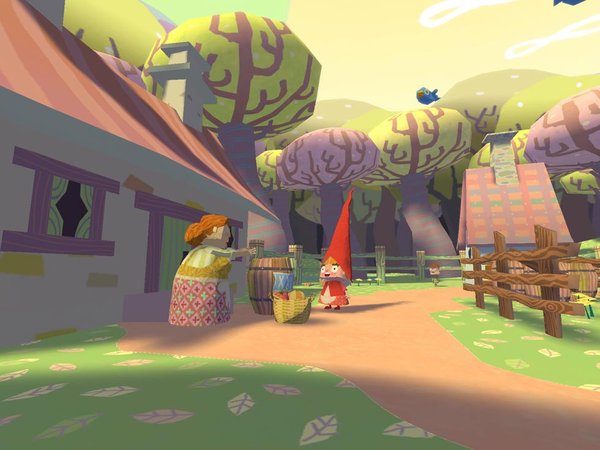
It's worth being fair about what the episodic structure buys back for the repetition complaint above. Each of Grimm's more than twenty episodes reskins a different, specifically chosen fairy tale — Little Red Riding Hood, Cinderella, Jack and the Beanstalk, Pinocchio, A Christmas Carol among them — and several reviewers specifically enjoy spotting how each episode's dark narration twists the familiar version of that particular story rather than repeating the same joke structure verbatim. So while the moment-to-moment mechanic genuinely doesn't change, the writing built on top of it does rotate through real variety, which is part of why reviewers who accept the gameplay's limits going in tend to still finish the whole run rather than dropping off partway.
Where it lands
Grimm is a genuinely memorable idea, executed with real style but limited mechanical depth, from a studio whose better-known work overshadows it fairly. The repetition and unreliable controls reviewers describe are consistent and specific enough to weigh as real flaws, not just a mismatch of expectations, and its crude humor won't land the same way for every player. Layered on top of all that is a fact any current reader needs going in: this isn't a game you can currently buy on Steam, whatever its score here says about the game itself.
Pros and cons
Pros
- A genuinely distinctive, memorable premise — corrupting Disney-fied fairy tales back into their original dark, cautionary forms — that no other platformer has attempted quite this way
- Notable pedigree: made by several of the same team behind American McGee's Alice and Alice: Madness Returns, including McGee himself
- A consistently praised stylized art direction that reviewers say holds up well even when they're otherwise critical of the game
- Episodic structure allows short, bite-sized sessions (each episode runs a few minutes to around half an hour), which several reviewers cite as a genuine strength for casual play
- A real cult following persists years after release, with reviewers as recently as 2026 still actively recommending it to friends and revisiting it
Cons
- A consistent, independently repeated complaint: the core mechanic (turn everything you see dirty and evil) is the entire game, described by multiple reviewers as growing repetitive within the first episode or two and never meaningfully expanding
- Platforming controls and camera behavior are repeatedly criticized as unreliable, with one detailed review specifically citing unresponsive jumping and a camera that "will change to a fixed or limited range, making it impossible to see (or plan) ahead"
- The game's humor is genuinely divisive: some reviewers praise its dark satire of childhood stories, while others find the crude, toilet-humor-heavy writing juvenile rather than clever, with neither camp clearly in the wrong about what they're describing
- Confirmed delisted from Steam as of this review — the raw storefront page explicitly states the item is "no longer available," and multiple independent reviewers corroborate that the developer's entire back catalogue was pulled from the platform
- No Steam achievement schema exists for this game, removing one of the usual objective ways to independently corroborate completion or engagement patterns
Screenshots
-
GrimmImage: Spicyhorse Games via Steam -
GrimmImage: Spicyhorse Games via Steam -
GrimmImage: Spicyhorse Games via Steam -
How the review scores each part of the gameWanderer Editorial -
The specsWanderer Editorial -
The short versionWanderer Editorial