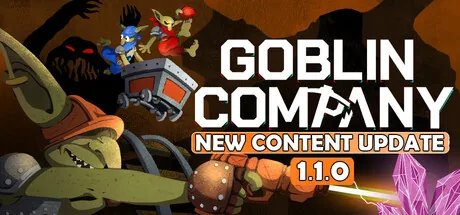
Game review
Goblin Company
7 / 10
- Developer
- BitBorne Studio
- Publisher
- BitBorne Studio
- Released
- 12 June 2026
- Platforms
- Windows
- Genre
- Co-op Survival Mining
- Monetisation
- Premium, one-time purchase, no in-game store
- Players
- Online co-op for up to 4 players, plus offline single-player
The short version
Goblin Company hands a squad of disposable goblins laser drills, a rail network to build and a mine that eats bodies, carts and progress in roughly equal measure — and for the first ten hours or so, with three friends and a shared sense of humour about it, that's genuinely great. The trouble is the mine doesn't stop eating things after ten hours. Carts still derail into lava late into most reviewers' runs, wooden platforms still clip through rock, and a single fixed map means the discovery that carries the opening stretch runs out well before most players are done. This is a two-month-old build with a patch already behind it and an active player base still filing bug reports the developer is visibly working through — reviewed as exactly that: a snapshot, not a verdict on where BitBorne Studio ends up.
Biggest strengths
- Digging your own path through a fully destructible mine and laying rail as you go is a genuinely satisfying loop that neither Deep Rock Galactic nor Core Keeper quite offers in the same form
- Co-op is where the game earns its Very Positive score — reviewers repeatedly rate the exact same build far higher when playing with friends than solo
- NZ$14.75 (less on sale) is a low bar for a four-player co-op game with dozens of hours of goblin gear upgrades and rail expansion in it
Biggest weaknesses
- Rail and cart physics are the game's most repeated complaint months after release — carts, bodies and resources still glitch off tracks into lava with no way to retrieve them
- There is one map. Steam's own achievement data shows only 36% of players finish even the first in-game "working day," and the exploration hook that carries the opening hours has nothing to renew it afterward
- The fear-of-the-dark torch mechanic reads as an anxiety system bolted onto four cheerfully expendable goblins rather than something the setting earns
Who it's for: Groups of two to four friends who want a scrappy, disposable co-op project for a weekend rather than a long solo grind, and who can laugh off physics jank instead of being soured by it
Our recommendation: Buy it for a co-op weekend at this price; solo players and anyone allergic to launch-window bugs should wait for a patch or two
7 / 10
Goblin Company's pitch is almost insultingly simple: you are a goblin, WHAAG MINING INC has handed you a laser drill, and somewhere in the dark below is a Giant Crystal worth getting rich or dying for. Die, and they send another goblin. BitBorne Studio, a small indie team, shipped it on Steam on 12 June 2026 at a budget NZ$14.75, and two months later it sits at "Very Positive" — 131 of 161 recent English-language reviews recommending it. That number is real and it is also doing a lot of quiet work, because reading through those reviews in order turns up the same split again and again: this is a very good game to play with three friends on a Saturday, and a noticeably rougher one to play alone.
Dig your own tunnel, then regret it
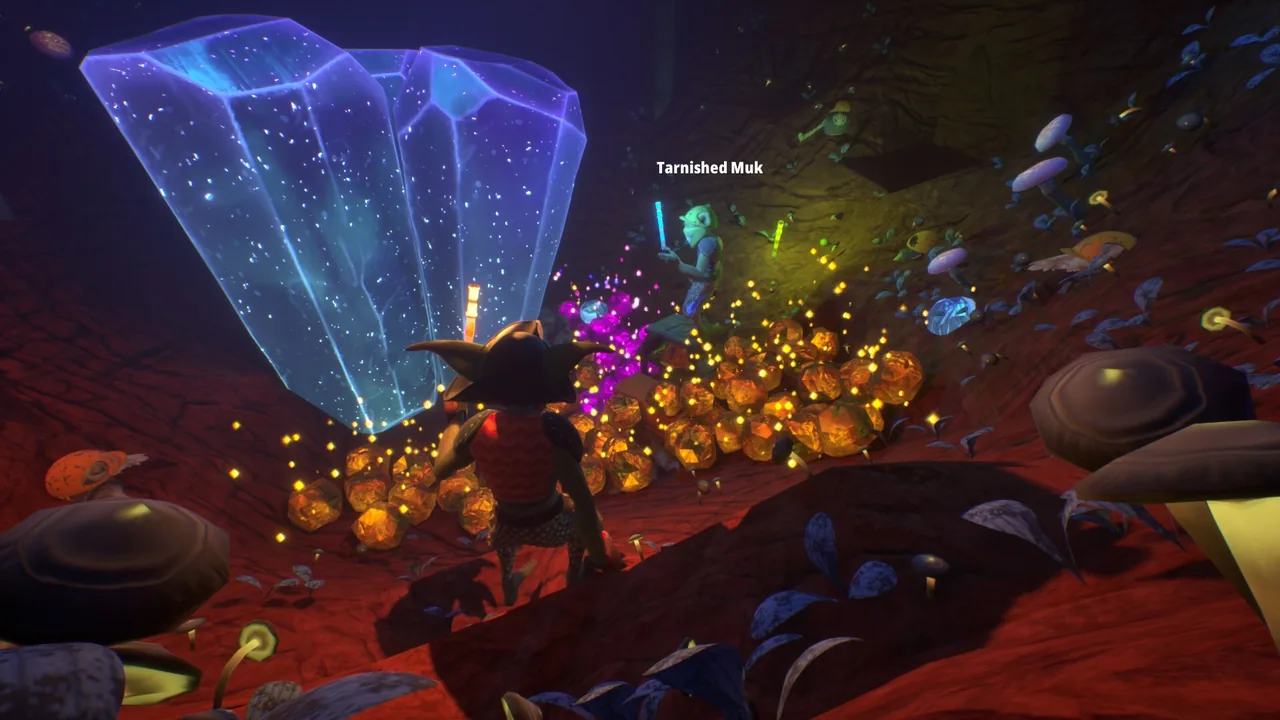
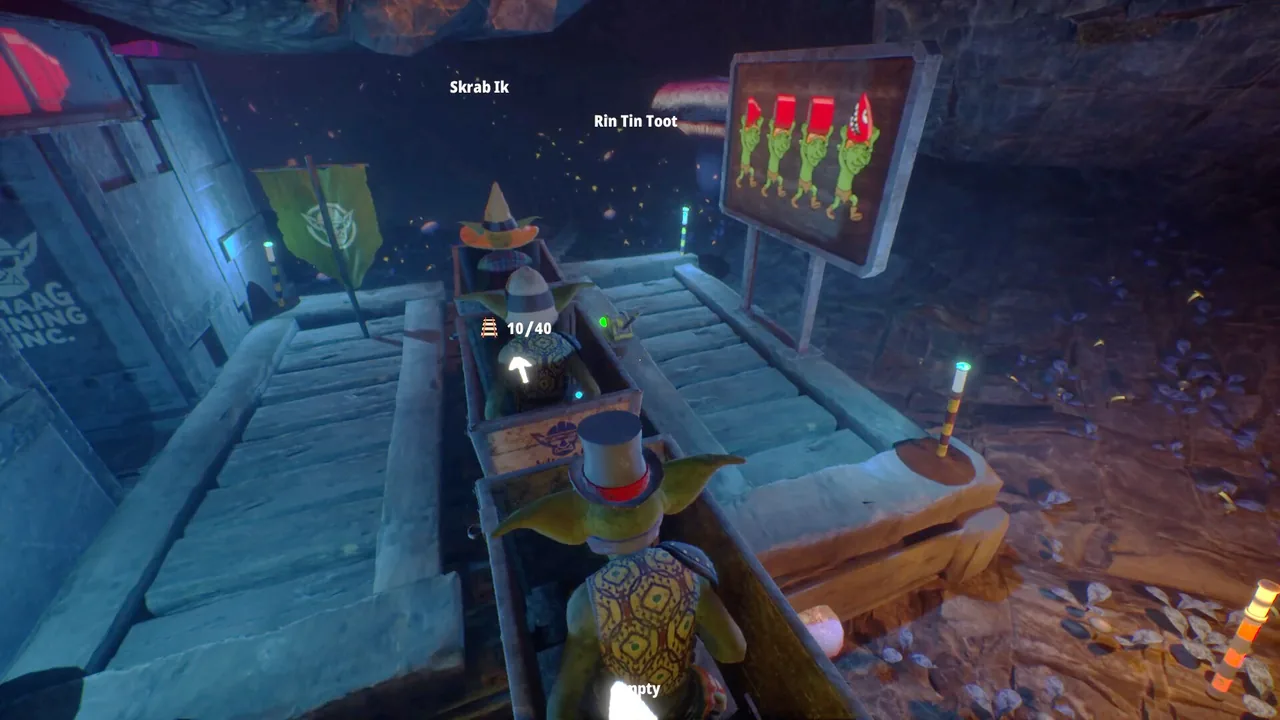
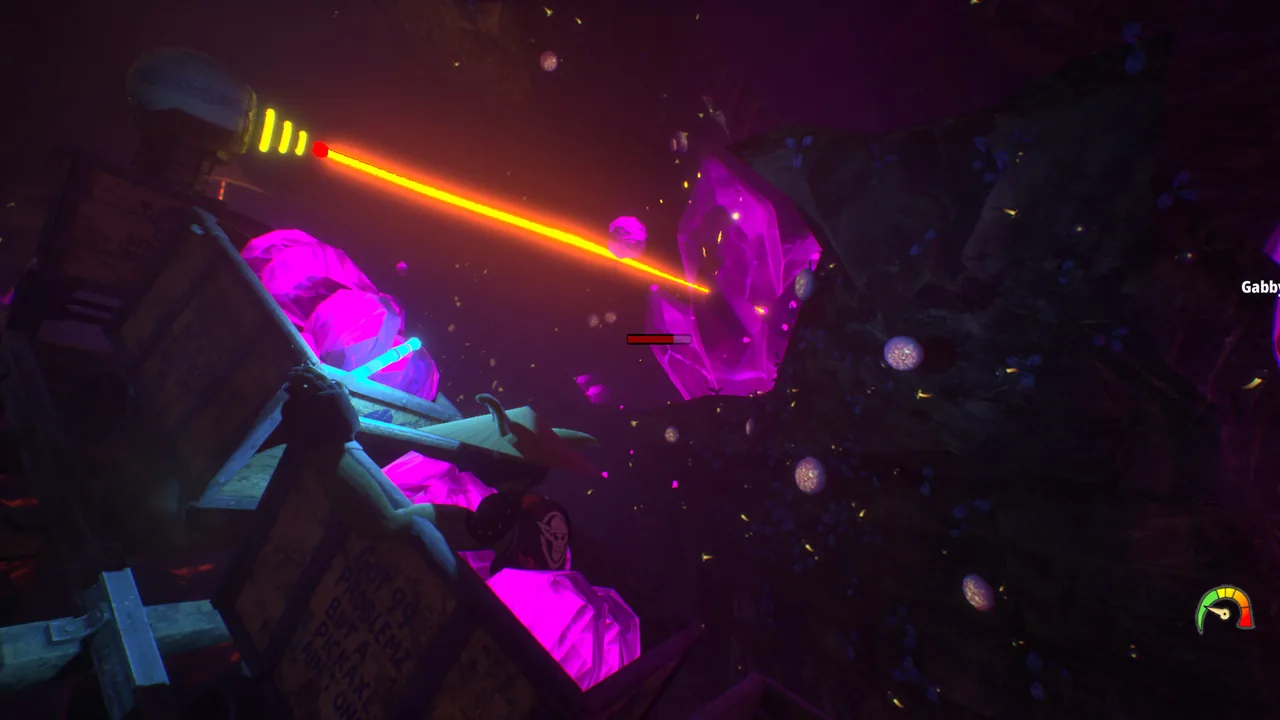
The moment-to-moment loop is the best thing here. Every wall in Goblin Company's mine is destructible, so instead of following a hand-built corridor you carve your own route toward the ore seams and crystal deposits you can see glinting ahead. That alone would be a fine Deep Rock Galactic riff, but the layer BitBorne built on top of it — a full rail network, with mining carts you lay track for and route between deposits and your base — turns the digging into an actual engineering problem. Where do you route the line so it doesn't cross lava? Do you tunnel the long way around a chasm or build a wooden platform over it? One recent reviewer with over 1,900 hours logged put it plainly: "it gives you the freedom to explore a huge mine, build a complex rail system, and harvest crystals" — and that freedom, more than the goblins themselves, is what the positive reviews keep returning to.
Layered over the digging is a fear-of-the-dark system: stray too far from a torch and an unnamed dread meter climbs, so part of the resource loop is carrying, throwing and planting torches to keep your own goblin's nerve intact. It's a neat excuse to make lighting a resource rather than scenery, and it justifies the game's genuinely striking cave lighting. It also sits a little oddly on a species the game otherwise plays for laughs — several reviewers said as much, one calling it out directly as a mechanic that "doesn't feel right for a goblin" who is, by the game's own writing, supposed to have "absolutely zero survival instinct" in the first place. It works better as a systemic constraint than as characterisation.
Where the rails leave the tracks
The recurring complaint across the negative third of Goblin Company's reviews isn't the premise, it's the execution of that rail-and-cart system the positive reviews praise. Carts derail. Bodies and resources fall into lava with no way to retrieve them. One player described losing an entire invested rail network to a glitch and having to start the run over; another, 642 hours in, was still filing the same complaint about crystals silently vanishing once a cart hits capacity instead of stopping the flow. Placing wooden support platforms — required to bridge lava and chasms — comes up often enough as fiddly and unpredictable that it reads less like isolated bad luck and more like a system that hasn't been fully tuned. BitBorne appears to be working through it: several reviews from the past few weeks specifically credit a "1.1" update with clearing out the worst of the early bugs, which is the right trajectory for a two-month-old release, even if the patch notes clearly weren't the finish line.
Performance sits in the same category. Reviewers report the game needing Global Illumination and shadow quality manually dropped to keep frame rate stable, and more than one flags the autosave process as a hard freeze with no option to disable it mid-session — a rough combination if a crash costs you a rail line you'd have to rebuild by hand.
The map runs out before the appetite does
The bigger structural question is what happens after the opening hours, and Steam's own achievement data answers it starkly. Only 36% of players who own the game have completed even the first in-game "working day." Fewer than 4% have hit the achievements tied to fully clearing terrain or the game's higher-tier goblin-camaraderie goal. Some of that drop-off is ordinary genre attrition, but a good chunk of it lines up with what reviewers say directly: Goblin Company ships with one map. There's no procedural generation, so the exploration hook that makes the opening hours so effective is a resource you spend down permanently once you've learned the layout. "Once you know where everything is, the mystery is gone," as one reviewer put it, before recommending procedural regeneration as the fix the game most obviously needs. A handful of long-session players — one logged at 1,900+ hours — insist the mid-and-late tiers open the game back up with new tech and gear worth grinding for, but the achievement curve suggests most players never get that far before bouncing off the early friction.
Built for a party, tolerable alone
Set every other issue aside and one pattern is unmistakable across the review corpus: the same build gets rated very differently depending on who's playing it with whom. Reviewers logging serious hours solo describe slow early pacing and describe getting "rather bored"; reviewers playing with a full four-goblin crew describe exactly the same systems — shared torches, split labour on rail-building, the constant low-grade threat of losing a friend's cart to lava — as the whole appeal. Goblin Company was clearly designed co-op-first, and it plays like it: single-player is a mode the game supports rather than one it was built around.
Verdict
At NZ$14.75 for four-player co-op with a genuinely good digging-and-rail loop at its core, Goblin Company clears its price bar easily for the audience it's actually built for — a group of friends looking for a scrappy weekend project, bugs and all. It's a much harder recommendation solo, and even in a group, the cart-eating-lava physics and the single static map are real limits a reviewer two months post-launch has to take at face value rather than on faith that they'll be patched away. BitBorne Studio's visible post-launch patching is the best reason to believe this gets meaningfully better; it just isn't there yet.
Pros and cons
Pros
- Digging your own path through a fully destructible mine and laying rail as you go is a genuinely satisfying loop that neither Deep Rock Galactic nor Core Keeper quite offers in the same form
- Co-op is where the game earns its Very Positive score — reviewers repeatedly rate the exact same build far higher when playing with friends than solo
- NZ$14.75 (less on sale) is a low bar for a four-player co-op game with dozens of hours of goblin gear upgrades and rail expansion in it
- BitBorne Studio is visibly patching in public; a 1.1 update mentioned across recent reviews already cleared out some of the worst launch-week bugs
Cons
- Rail and cart physics are the game's most repeated complaint months after release — carts, bodies and resources still glitch off tracks into lava with no way to retrieve them
- There is one map. Steam's own achievement data shows only 36% of players finish even the first in-game "working day," and the exploration hook that carries the opening hours has nothing to renew it afterward
- The fear-of-the-dark torch mechanic reads as an anxiety system bolted onto four cheerfully expendable goblins rather than something the setting earns
- Autosaving reportedly freezes the game with no way to disable it, and settings like Global Illumination need manually dropping to Low just to keep performance stable
- Solo play is a noticeably worse experience than the co-op version reviewers are actually praising, per multiple reviews with high logged hours
Screenshots
-
Goblin CompanyImage: BitBorne Studio via Steam -
Goblin CompanyImage: BitBorne Studio via Steam -
Goblin CompanyImage: BitBorne Studio via Steam -
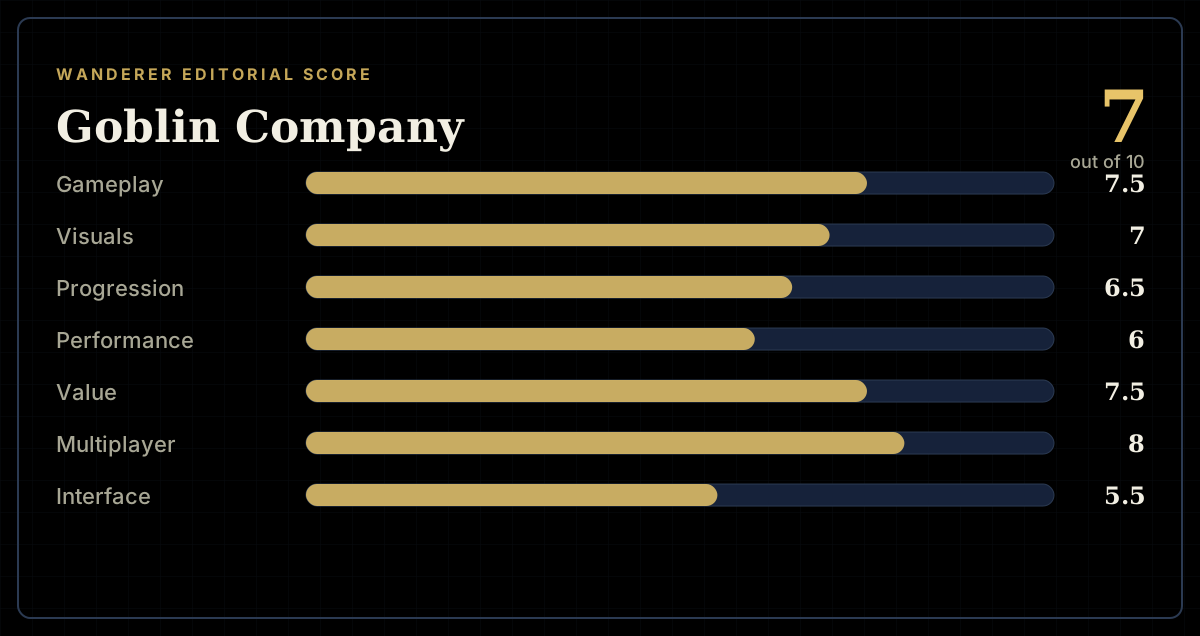
How the review scores each part of the gameWanderer Editorial -
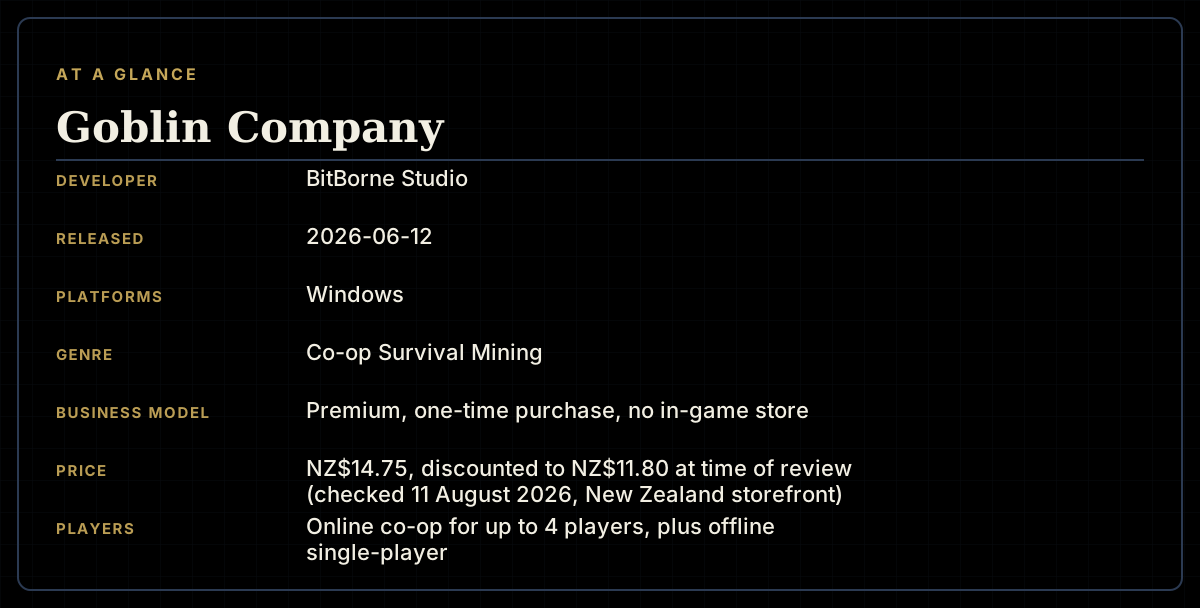
The essentials at a glanceWanderer Editorial -
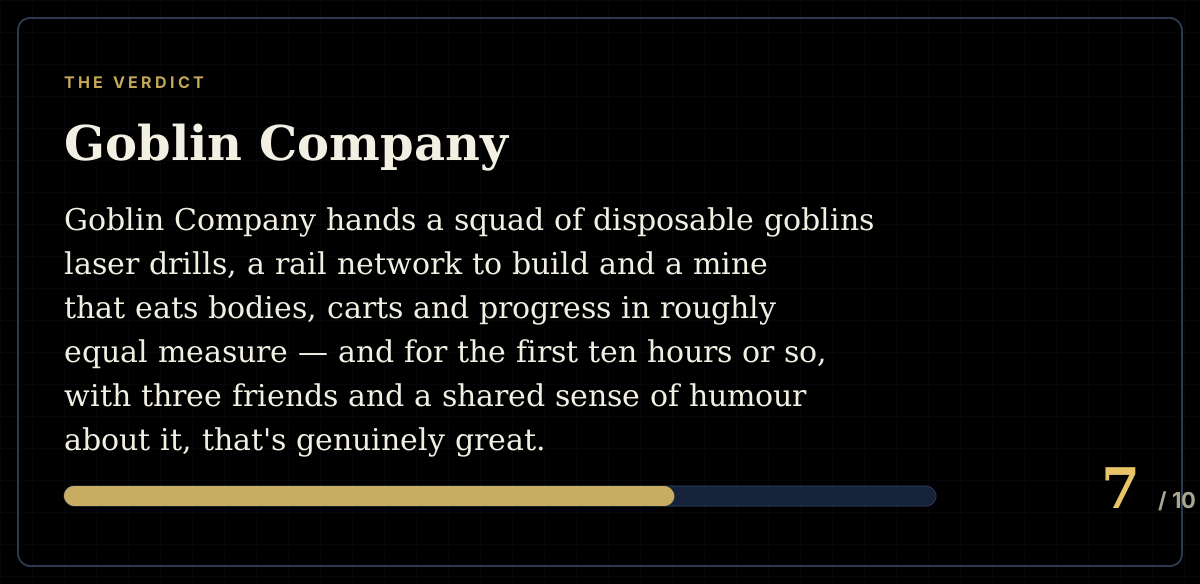
The short versionWanderer Editorial