Game review
Ghostrunner 2
7 / 10
- Developer
- One More Level
- Publisher
- 505 Games
- Released
- 26 October 2023
- Platforms
- Windows
- Genre
- Action
- Monetisation
- One-time purchase, no in-game store
- Players
- Single-player only
The short version
Ghostrunner 2 is One More Level's cyberpunk parkour-slasher sequel, published by 505 Games, sending cyber ninja Jack back into a post-apocalyptic world with expanded skills, a motorcycle section, new game modes and an interactive story. Released 26 October 2023, it holds 11,443 Steam reviews at a lifetime Mostly Positive, roughly 80.0%, with recent sentiment running softer at 69%. This review's read of a substantial share of both samples finds a genuine split among the series' own fans: reviewers who call this a cleaner, more polished evolution of the first game sit alongside veterans who argue the sequel diluted exactly what made Ghostrunner's tightly focused, high-speed level design work, trading it for open-world sections, a stamina meter and dialogue-heavy hub segments they say don't belong in a movement-first game.
Biggest strengths
- Core parkour and sword combat still land for a large share of reviewers, with several describing genuinely well-balanced fights and improved enemy variety over the original
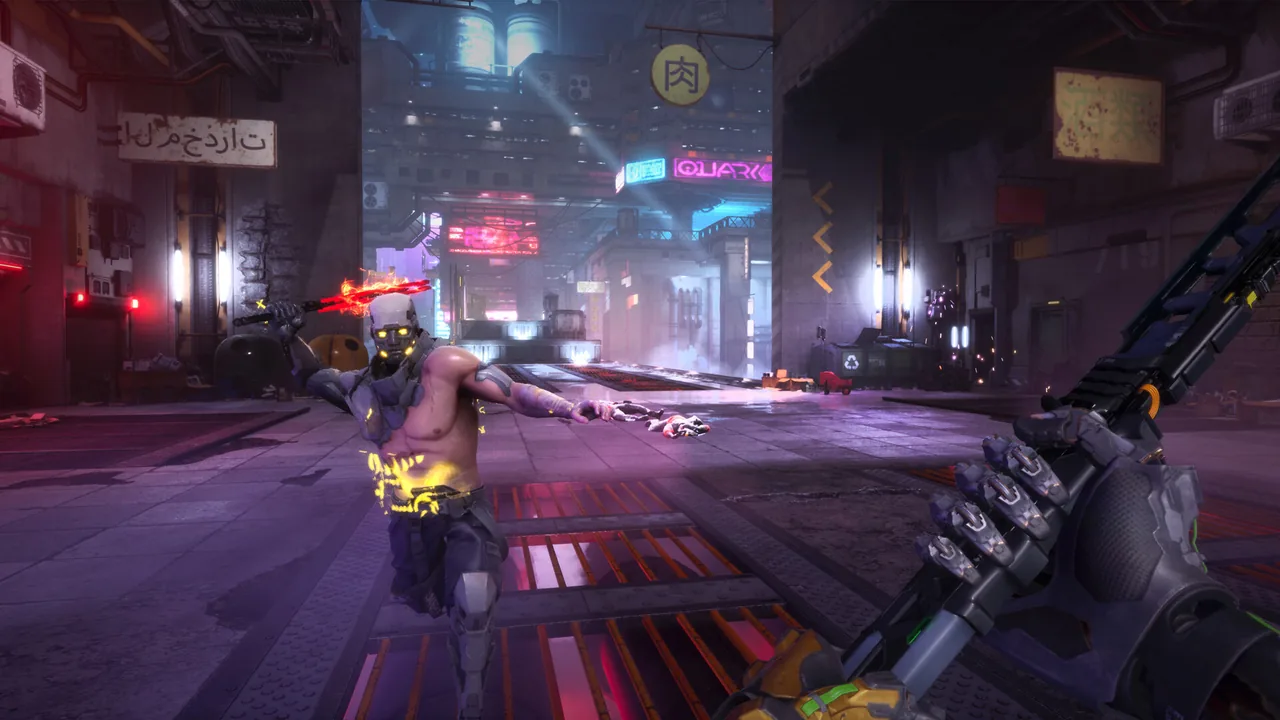
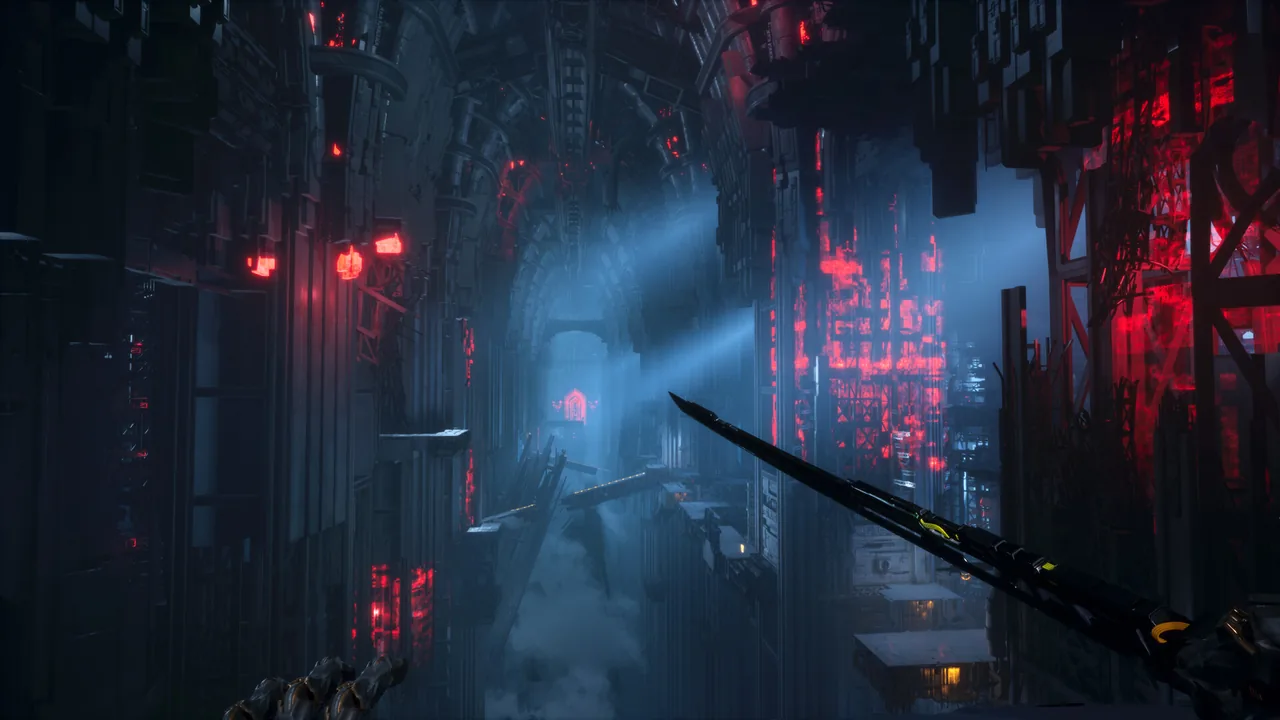
- Visuals and the synthwave aesthetic draw close to universal praise, with the cybercity and character designs specifically credited as a step up from an already strong original
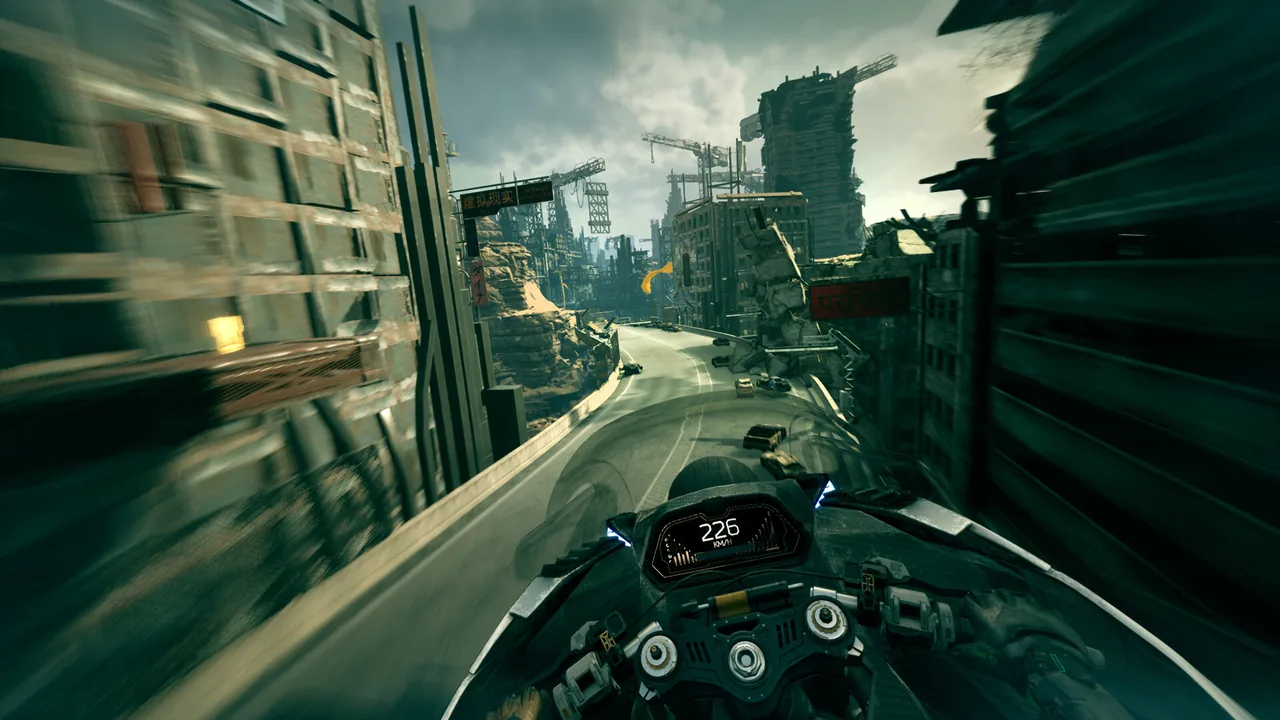
- Several detailed reviewers, including some who initially doubted the sequel, describe it outright as better than the first Ghostrunner, citing cleaner combat encounters and new toys like the motorcycle sections as genuinely fun additions
Biggest weaknesses
- A large, specific share of series veterans argue new open-world exploration sections break the tightly designed, high-flow level structure that defined the original, several describing the change as actively working against the genre Ghostrunner helped define
- A new stamina meter limiting movement draws pointed, specific criticism as a poor fit for a game built entirely around fast, uninterrupted parkour
- Unskippable dialogue and hub-world segments recur as a consistent complaint, with reviewers describing narrative padding that disrupts the pacing the first game was praised for keeping tight
Who it's for: Fans of fast, high-skill first-person parkour-combat who want expanded content and new modes; series veterans who loved the original's tight, uninterrupted focus should read this review's specific complaints before assuming more is simply better.
Our recommendation: A visually stunning, mechanically capable sequel whose additions genuinely divide its own fanbase — try it for the core movement and combat, with tempered expectations if you loved the first game specifically for its relentless focus.
7 / 10
Introduction
Ghostrunner 2 sends cyber ninja Jack back into a post-apocalyptic world of vertical cybercity spires, expanding on the original's high-speed, one-hit-death parkour combat with new skills, a motorcycle riding section, additional game modes and a more developed story. Developed by One More Level and published by 505 Games, it released 26 October 2023 for NZ$56.95. Over two years on, it holds 11,443 Steam reviews sitting at a lifetime Mostly Positive, roughly 80.0%, with recent sentiment running softer at 69% across its most recent 100 English reviews. This review reads a substantial share of both the negative and positive samples, and finds a sequel that genuinely divides its own dedicated fanbase rather than settling into easy consensus either way.
Reviewers who see a genuine, polished upgrade
Start with a real, substantial share of praise this review's sample credits with specificity rather than blanket enthusiasm. Core parkour movement and sword combat still land for many reviewers, who describe well-balanced encounters and improved enemy variety compared to the original. Visuals draw close to universal credit, with the cybercity environments and character designs praised as a step up from an already visually striking first game. Some detailed reviewers, including at least one who went in doubting the sequel could match the original, describe it outright as the better game, citing cleaner combat encounters and new additions like motorcycle sections as genuine fun rather than filler. A specific, useful counterpoint also appears in this review's sample: several reviewers frame Ghostrunner 2 as a more approachable entry point for players who bounced off the original's punishing difficulty, arguing this isn't simply a worse version of the first game but a different balance point that suits a different audience.
Veterans arguing the sequel traded focus for scope
Set against that praise, this review's sample shows an equally substantial, specific counter-argument from series veterans. The most repeated complaint concerns new open-world exploration sections, which reviewers describe as actively undermining the tightly designed, high-flow level structure that made the original distinctive within its genre — Ghostrunner's appeal, several argue, was never about scope but about relentless, uninterrupted momentum, and open sections work against that by design. A new stamina meter limiting movement draws its own pointed, specific criticism as a poor fit for a game built entirely around fast, continuous parkour. Dialogue and hub-world segments compound the pacing complaint, with reviewers describing unskippable narrative breaks that interrupt the flow the original kept famously tight, several using the word "cringe" to describe specific character writing additions.
A real save-system complaint worth flagging
Separate from the design debate, this review's sample includes a specific, concrete technical complaint: at least one detailed reviewer describes losing an entire 15-hour save through a simple menu misclick, with no save-slot system in place to prevent or recover from it. That's a real, avoidable frustration distinct from the broader taste question the rest of this review addresses.
Final Verdict
Ghostrunner 2 succeeds at expanding its predecessor's world and toolset, and a real, substantial share of reviewers — including some skeptics won over — credit it as a genuine, polished improvement. What keeps this from an unqualified recommendation is an equally substantial, specific counter-case from series veterans: that open-world sections, a stamina meter and unskippable dialogue traded away the relentless, tightly focused momentum that made the original distinctive in the first place. This review's own coverage of the first Ghostrunner is worth reading alongside this one for readers deciding between them. For newcomers or players who found the first game's difficulty a barrier, this sequel may be the more welcoming entry point; for veterans who loved Ghostrunner specifically for its unbroken focus, weigh this review's specific complaints before assuming more content automatically means a better sequel.
Pros and cons
Pros
- Core parkour and sword combat still land for a large share of reviewers, with several describing genuinely well-balanced fights and improved enemy variety over the original
- Visuals and the synthwave aesthetic draw close to universal praise, with the cybercity and character designs specifically credited as a step up from an already strong original
- Several detailed reviewers, including some who initially doubted the sequel, describe it outright as better than the first Ghostrunner, citing cleaner combat encounters and new toys like the motorcycle sections as genuinely fun additions
- The game is specifically credited by some reviewers as a more approachable entry point for players who found the original's punishing difficulty a barrier, rather than a straight downgrade for everyone
Cons
- A large, specific share of series veterans argue new open-world exploration sections break the tightly designed, high-flow level structure that defined the original, several describing the change as actively working against the genre Ghostrunner helped define
- A new stamina meter limiting movement draws pointed, specific criticism as a poor fit for a game built entirely around fast, uninterrupted parkour
- Unskippable dialogue and hub-world segments recur as a consistent complaint, with reviewers describing narrative padding that disrupts the pacing the first game was praised for keeping tight
- This review's sample includes a specific save-system complaint, with at least one detailed reviewer describing losing a 15-hour save through a menu misclick, and no save-slot system to prevent it
Screenshots
-
Ghostrunner 2Image: 505 Games via Steam -
Ghostrunner 2Image: 505 Games via Steam -
Ghostrunner 2Image: 505 Games via Steam -
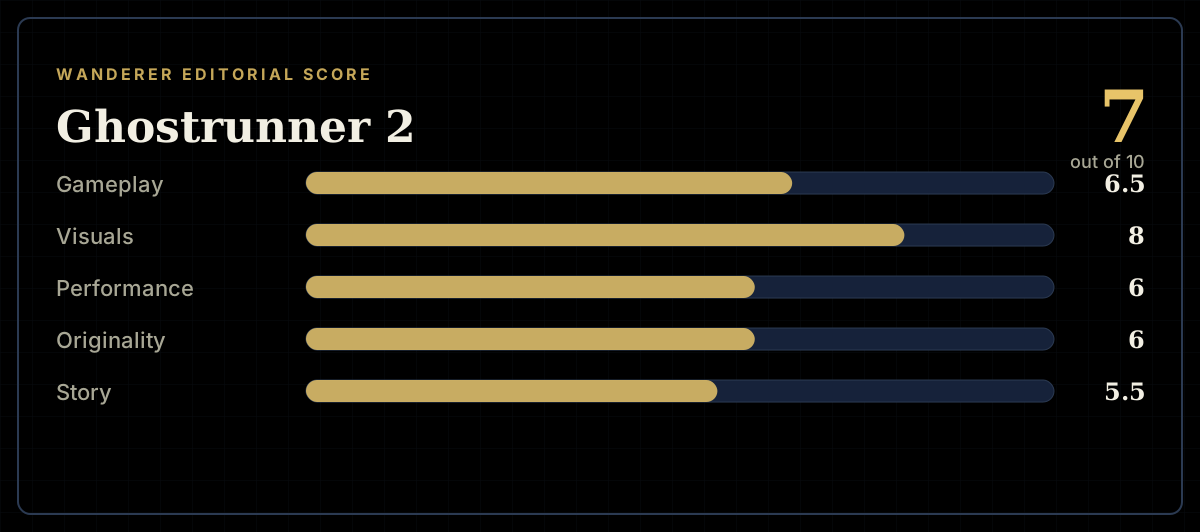
How the review scores each part of the gameWanderer Editorial -
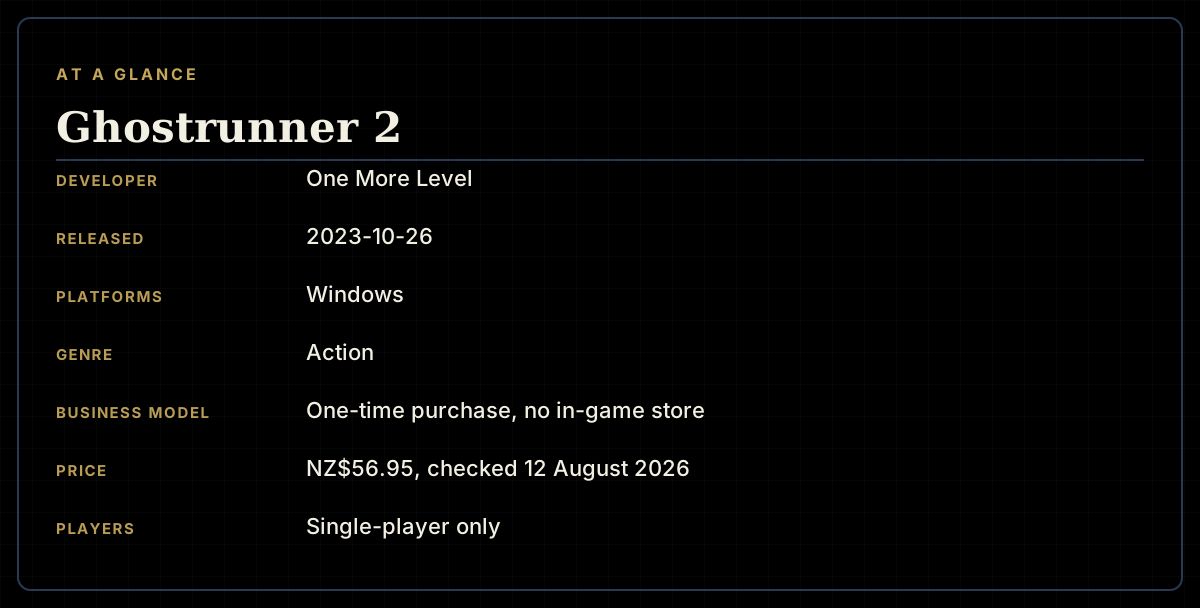
The essentials at a glanceWanderer Editorial -
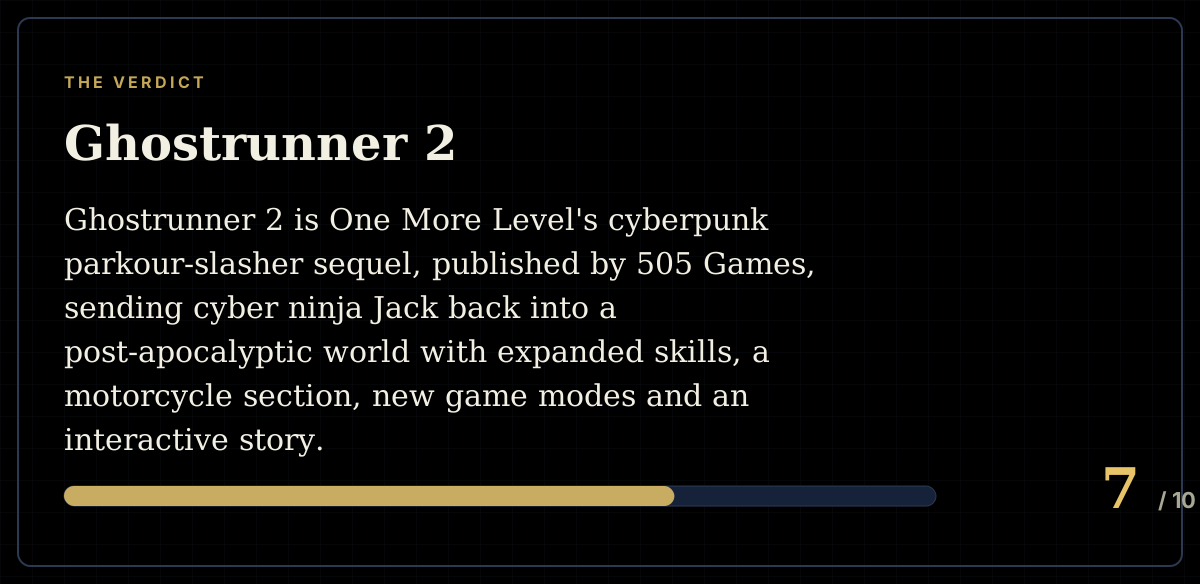
The short versionWanderer Editorial