Game review
Forest Doesn't Care
5 / 10
- Developer
- MOROZ GAMES
- Publisher
- MOROZ GAMES
- Released
- 29 August 2025
- Platforms
- ["Windows"]
- Genre
- Simulation
- Monetisation
- Paid
- Players
- Co-op
The short version
Forest Doesn't Care pairs a genuinely striking, atmosphere-first take on survival with resource gathering that many players found frustratingly obscure, thin content, and a stack of bugs and missing interface options that keep it feeling unfinished.
Biggest strengths
- Strikingly good visuals, weather, and sound design that multiple reviewers call some of the best they've seen in an indie survival game
- A distinct, unhurried philosophy that trades objective markers and hand-holding for quiet, uncomfortable exploration
- A small two-person team praised repeatedly for fast bug fixes and active communication with players
Biggest weaknesses
- Core resources like sticks and rocks blend into the ground, leaving many players unable to find basic crafting materials at all
- Frequent bugs and crashes, including a locked resolution, settings that don't save, and multiplayer glitches that can strand players outright
- No highlighted lootable items, no map, no brightness slider, and other missing interface basics that make early hours needlessly disorienting
Who it's for: Patient survival fans drawn to atmosphere and exploration over combat and crafting depth, especially in co-op with a friend.
Our recommendation: Worth trying at its low price if slow, meditative survival appeals, but expect jank, sparse loot, and a short story; wait for more updates if you need a polished experience.
5 / 10
A Forest That Refuses to Guide You
Forest Doesn't Care drops you alone in a realistic, densely wooded wilderness with no character creation screen, no tutorial, and no map, just a distant fire lookout tower as your only landmark and a vague sense that something isn't right. Developed and self-published by MOROZ GAMES, a two-person studio, it positions itself less as a conventional survival crafter and more as a mood piece: gather what you can find, watch the light change, and figure out on your own why the forest won't let you leave. The 86 English-language Steam reviews land at Mixed, 49 recommending against 37 who don't, and the split tracks almost exactly with whether a given player found that lack of guidance atmospheric or simply frustrating.
For the reviewers who click with it, the appeal is real and specific. One calls it "an introspective and hauntingly beautiful exploration game that uses nature's indifference as both its setting and its philosophy," and that framing captures why a meaningful slice of the review set rates it highly despite acknowledging its rough edges. This isn't a game chasing the loudest survival tropes; it's chasing a particular kind of quiet dread.
Genuinely Striking Presentation, When It Runs Well
Visuals and sound are the least contested part of the reception. Reviewers on both sides of the recommendation line single out the environment art, water and weather effects, and ambient audio as standout for a small indie team, with more than one comparing it favourably to bigger-budget UE5 survival titles and one calling it "the best looking UE5 game I've played" on capable hardware. The foliage, lighting, and storm effects come up again and again as the game's clearest achievement, and reviewers who find the resource-gathering tedious still frequently credit the atmosphere for keeping them engaged.
The two-person development team draws its own specific goodwill. Multiple reviewers describe fast bug fixes, active communication, and a visible roadmap, framing negative reviews from before a mid-year update as outdated and explicitly crediting a July patch with pushing the experience "over the edge" toward being worth recommending. That said, at least one recent review notes a half-year gap in updates and communication, suggesting that momentum has been inconsistent rather than sustained.
Resources You Can't See, and a Rough Crop of Bugs
The single most common complaint, repeated across a large share of the negative reviews, is that basic crafting materials like sticks and stones are nearly invisible against the forest floor, with no highlight or prompt to indicate what can actually be picked up. Several reviewers describe spending hours finding almost nothing to craft with, one reporting fewer than twenty sticks collected in two hours of play, and more than one used the word "refunded" directly after describing this exact problem. A few reviewers eventually adapted to the game's logic, learning to distinguish pickable items from background clutter, but the learning curve is steep enough that it reads as a design flaw rather than an intended challenge for a large portion of the audience.
Bugs compound the frustration. Reviewers report crashes and fatal errors, a resolution setting locked at 4K regardless of the display, settings that fail to save between sessions, and AI enemies described as either barely functional or unfairly precise. One multiplayer session ended when a placed object launched a player's friend into the sky, leaving them permanently stuck with no way to reset. Interface gaps add up too: no map, no brightness or gamma slider despite nights that go pitch black within minutes, no colorblind mode, and no key-rebinding for left-handed players. None of these are exotic requests for a survival game in 2025, and their absence is a recurring theme even among reviewers who otherwise liked what they played.
A Short, Uneven Story With Real Potential
Combat and progression are the other soft spots. Ammunition is reported as too scarce to make firearms reliably useful, and enemy encounters swing between passive and punishingly accurate depending on the reviewer, with one describing hostile NPCs as "juiced up robots with super aiming abilities" that track the player through stealth regardless of cover. Several players who finished the game's story describe it as short, sometimes just a few hours, with one calling the ending genuinely moving and giving them "goosebumps," while others find the narrative thin or unnecessary next to the exploration itself and would rather the game leaned fully into open-ended survival instead. Multiplayer and co-op get consistent praise as the more enjoyable way to experience what's here, with reviewers describing full evenings spent exploring together, even with the added risk of the glitches that come with it.
Hunting, fishing, and foraging are described by more experienced survival-genre players as competent if unremarkable, closer to the genre's baseline than a standout feature in their own right. Water depletes noticeably faster than hunger, which a couple of reviewers flag as a minor but persistent annoyance rather than a serious problem, since refilling at any of the forest's many water sources only takes a few seconds. The inventory and backpack-upgrade system draws specific frustration from at least one reviewer who spent two hours failing to work out how to transfer gear into a larger pack, a rough edge that speaks to the broader lack of in-game guidance running through the whole experience.
Verdict
Forest Doesn't Care is a case of striking presentation and a genuinely different survival philosophy running well ahead of the game's technical polish and basic quality-of-life options. The atmosphere, visuals, and sound are good enough that a real segment of the audience is willing to look past invisible resources, missing interface basics, and a stack of bugs to see what a small two-person team is building toward. But for now, those problems are serious enough to have driven a meaningful share of players to refund it outright. It's worth trying at its current low price if slow, uncomfortable exploration sounds appealing, but go in expecting jank, not a finished survival experience.
Pros and cons
Pros
- Strikingly good visuals, weather, and sound design that multiple reviewers call some of the best they've seen in an indie survival game
- A distinct, unhurried philosophy that trades objective markers and hand-holding for quiet, uncomfortable exploration
- A small two-person team praised repeatedly for fast bug fixes and active communication with players
Cons
- Core resources like sticks and rocks blend into the ground, leaving many players unable to find basic crafting materials at all
- Frequent bugs and crashes, including a locked resolution, settings that don't save, and multiplayer glitches that can strand players outright
- No highlighted lootable items, no map, no brightness slider, and other missing interface basics that make early hours needlessly disorienting
Screenshots
-
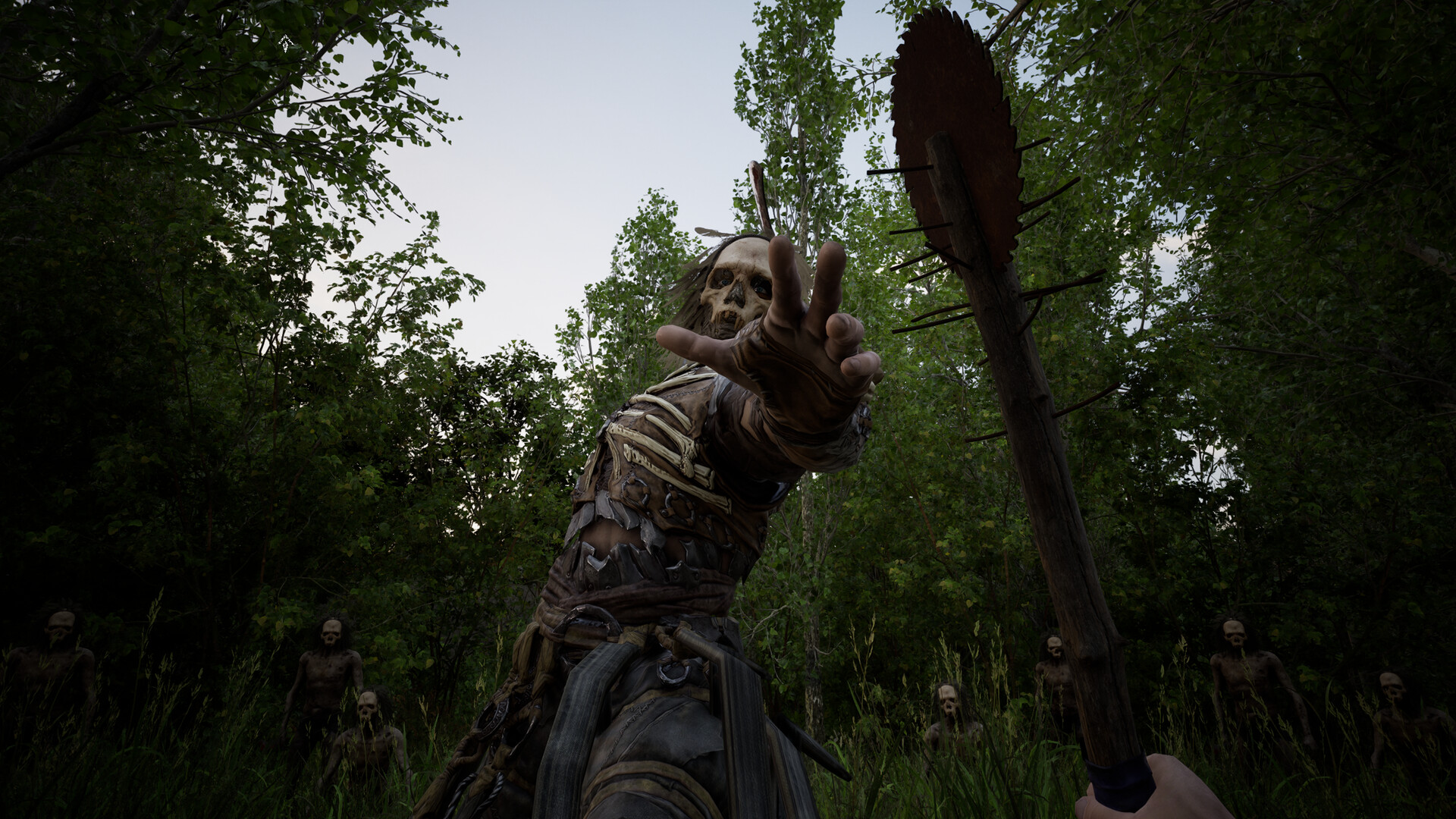
One of the forest's hostile inhabitants closing in -- reviewers were divided on whether encounters like this felt tense or unfairly punishingMOROZ GAMES -
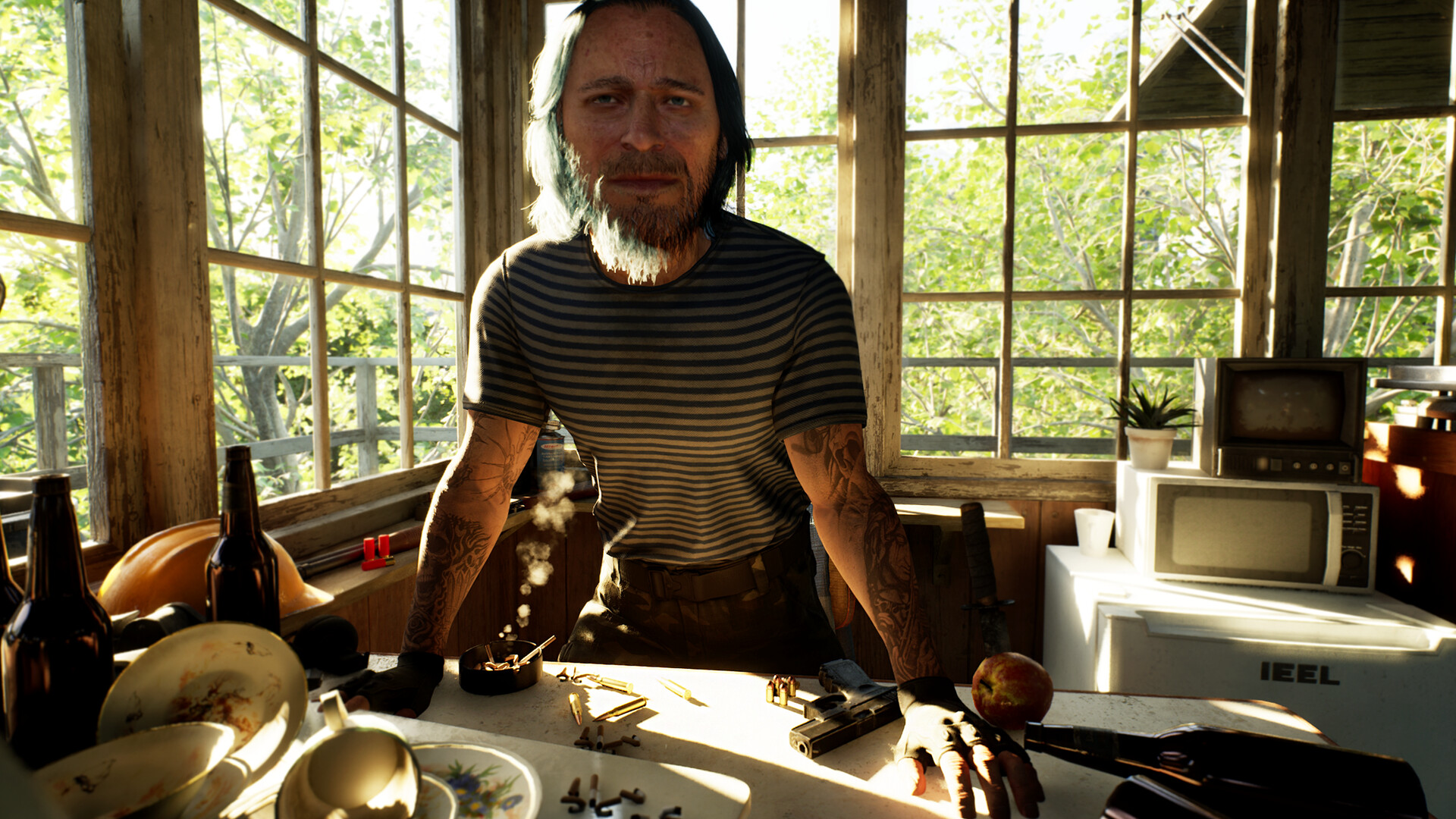
A cluttered fire-lookout-tower interior, part of the striking environment art reviewers praised even when other elements frustrated themMOROZ GAMES -
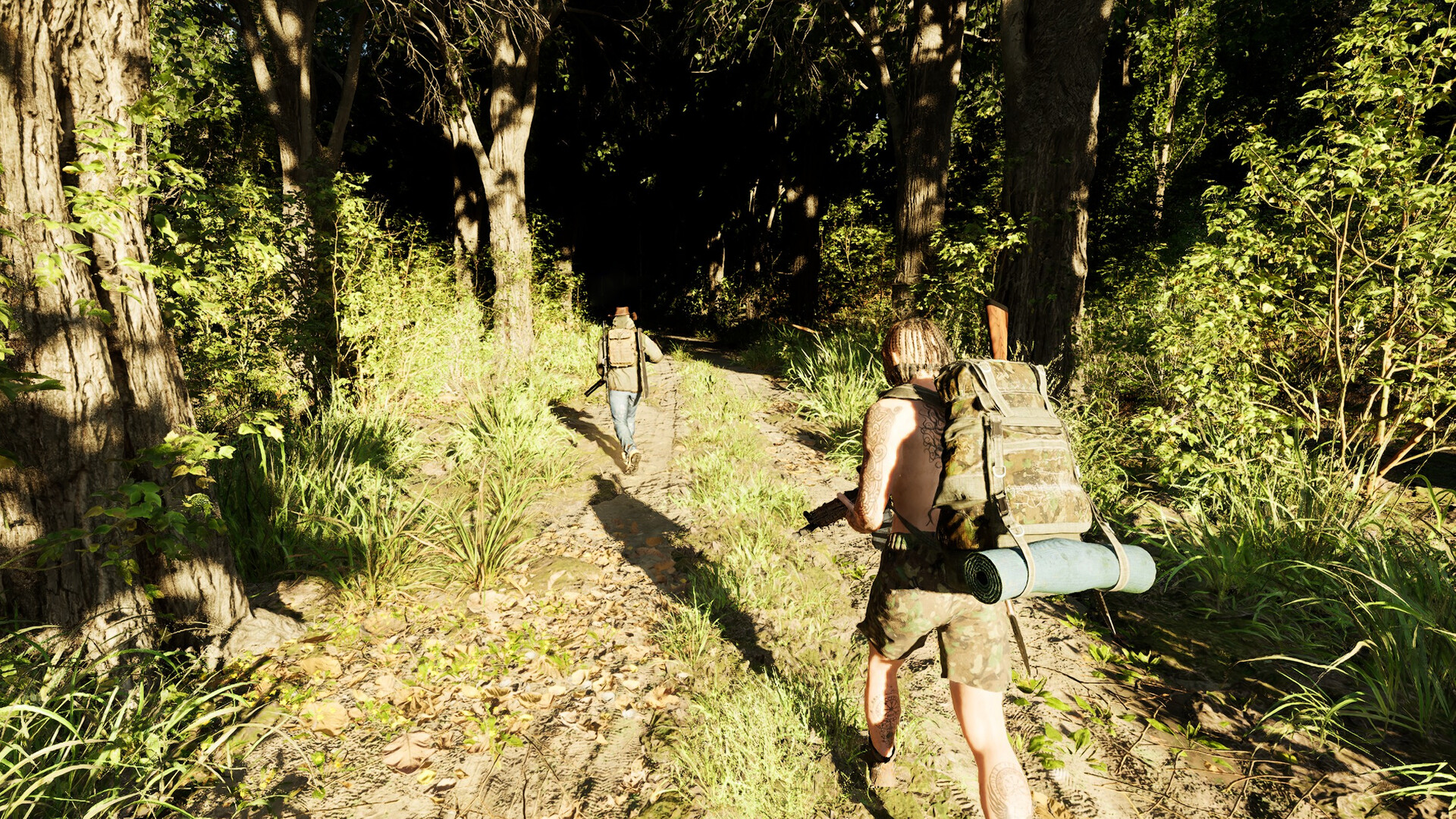
Co-op exploration, repeatedly named as the most enjoyable way to experience the game despite its rough edgesMOROZ GAMES -
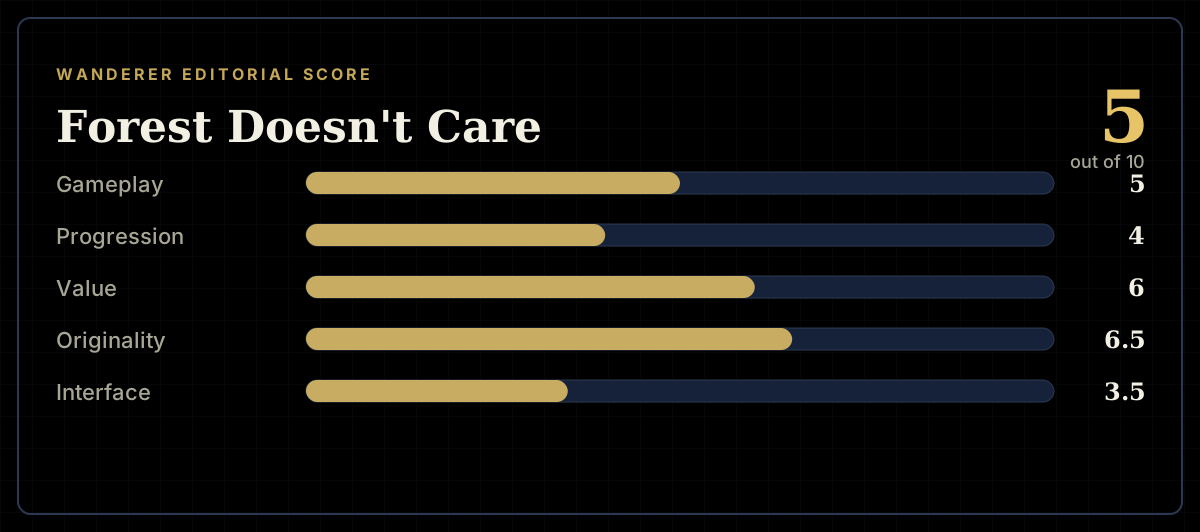
How the review scores each part of the gameWanderer Editorial -
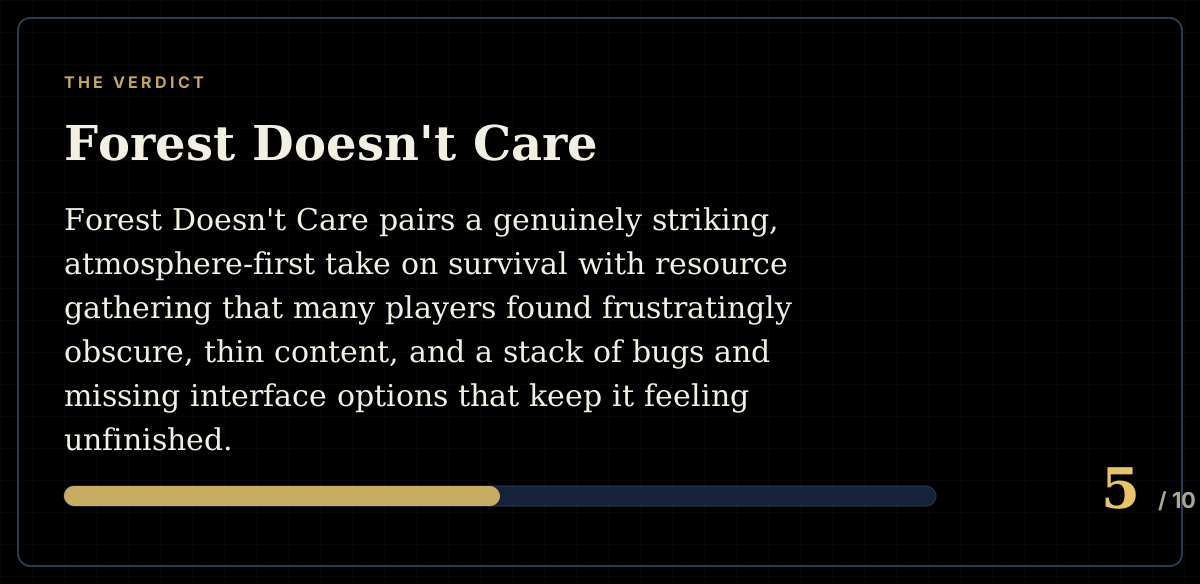
The short versionWanderer Editorial